The Simple March Task That Helps Oregon Spirea Bloom Better
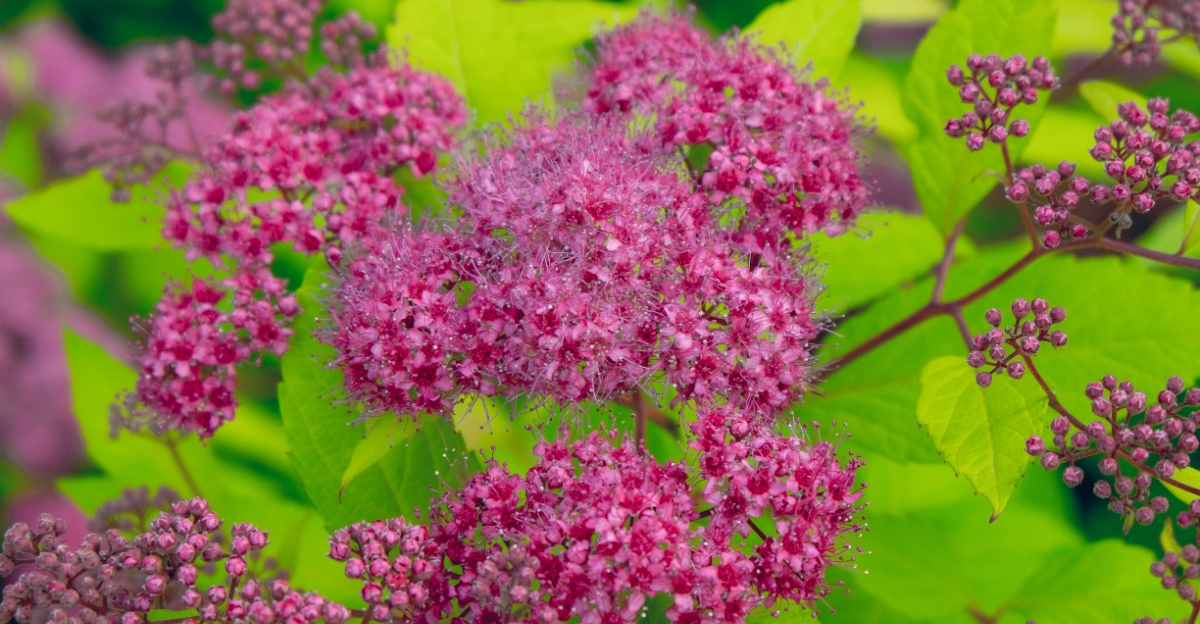
Spirea is one of those easygoing shrubs that rarely demands attention, which is exactly why it often gets overlooked in early spring. While other plants steal the spotlight, spirea is quietly getting ready to put on its own show.
March is the sweet spot to step in with a simple prune. Nothing complicated, nothing time-consuming, just a few well-placed cuts that can completely change how the plant performs later on.
It’s one of those small tasks that delivers surprisingly big results. Ignore it, and your spirea will still bloom, but it may look a little sparse or uneven.
Take a few minutes to prune at the right time, and you’ll encourage fuller growth and a much more impressive display of flowers.
If you’re after that dense, soft burst of blooms that spirea is known for, this quick early spring trim makes all the difference.
1. Prune As Soon As Possible
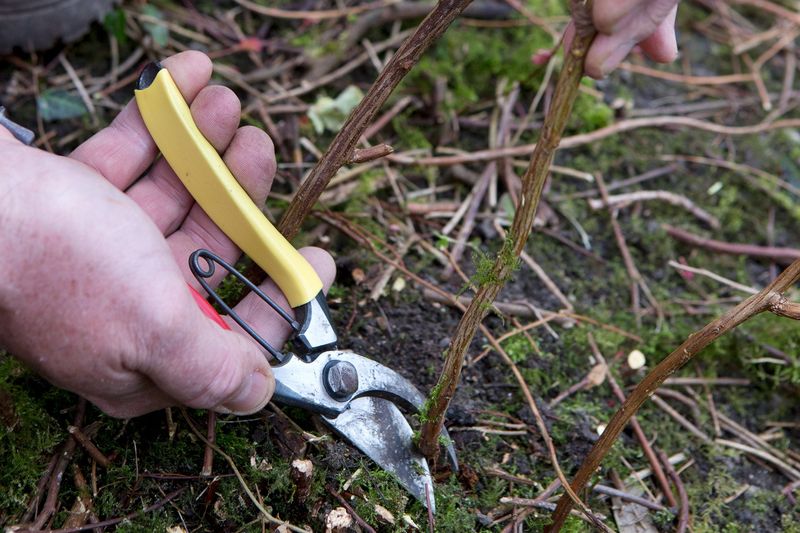
Early March is the sweet spot for pruning Oregon spirea, and waiting too long can cost you blooms. The plant is just waking up from winter, and new growth has not fully taken off yet.
That window is your best chance to shape things up without interfering with the flowering process.
When you prune early, the plant responds by pushing out strong new stems from the base. Those new stems are the ones that will carry the flat-topped flower clusters you love seeing from late spring through summer.
Missing this window means you might accidentally cut off buds that are already forming.
Gardeners in Oregon, especially in areas like Salem and Medford, know that late winter weather can be unpredictable. So when you get a dry, mild day in early March, grab your pruning shears and get outside.
Do not wait for the perfect conditions because the plant will not wait for you. Acting quickly gives your spirea the head start it needs.
Even a quick 20-minute session in the garden can make a noticeable difference in bloom quality by the time summer arrives.
2. Focus On Older Stems
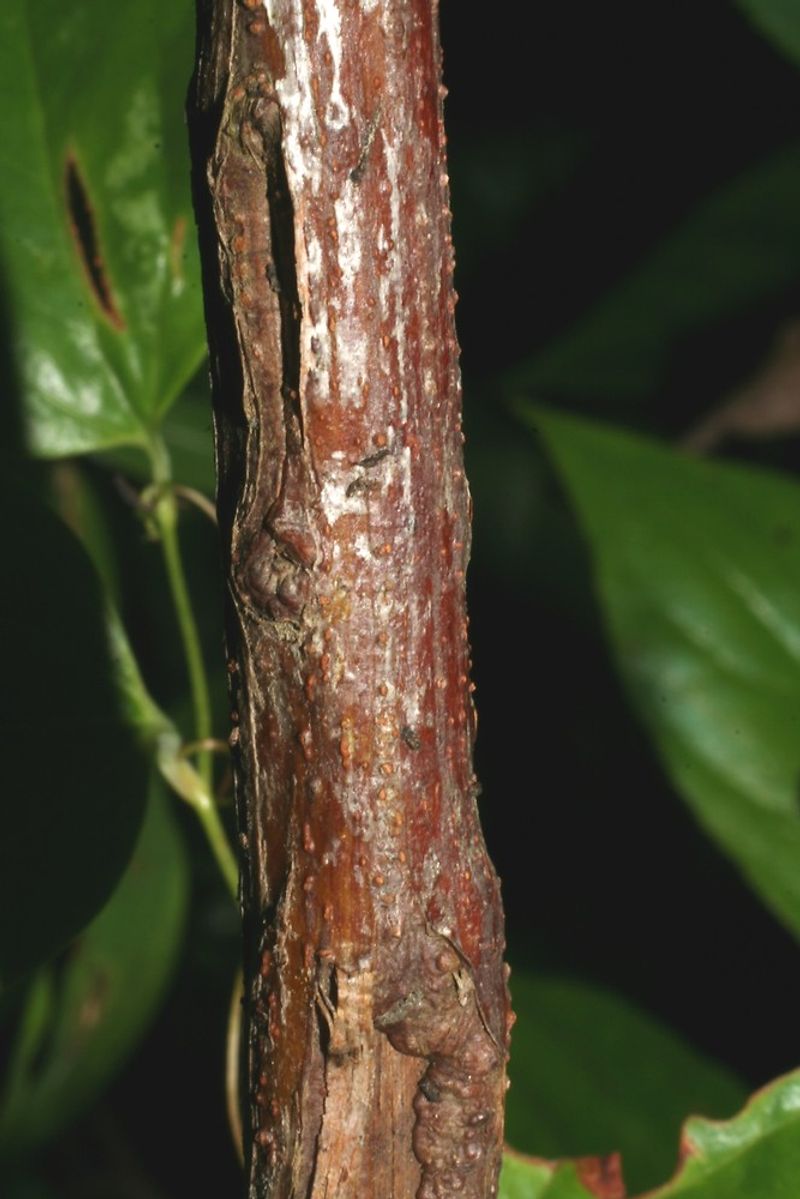
Not all stems on your spirea are created equal. Older, woodier stems tend to produce fewer flowers over time.
They can also crowd out the younger, more productive growth that gives the plant its energy and charm.
When you head out to prune in March, take a moment to look at the base of the plant. Older stems are usually darker in color, thicker, and sometimes a bit rough or grayish on the outside.
Younger stems tend to be lighter, smoother, and more flexible. Knowing the difference helps you make smarter cuts.
Focus your pruning efforts on removing those older stems first. Cut them down close to the base of the plant.
This frees up space and encourages the plant to put its energy into fresh, new growth. Across Oregon gardens, this simple step is one of the most effective ways to boost bloom production.
New stems that grow in place of the old ones will develop strong flower clusters that last well into summer. You do not need to remove every old stem at once.
Your Oregon Garden Changes Every Week. Your Plan Should Too.
Gardening in Oregon changes quickly throughout the season. Every Friday you’ll receive a simple weekly plan showing exactly what to plant, prune, fertilize, harvest, and protect so you never miss the right timing.
Start with the thickest and most worn-looking ones, and you will already see a big improvement come flowering time.
3. Lightly Thin, Don’t Cut Hard
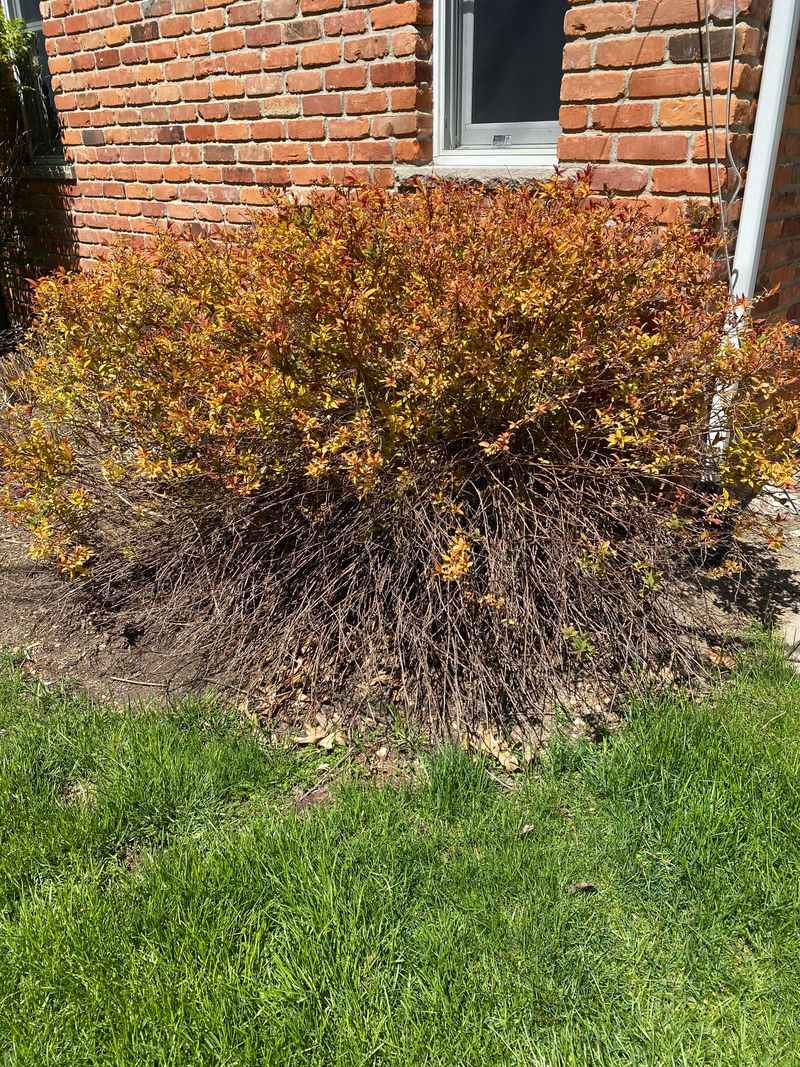
There is a big difference between light thinning and hard cutting, and getting this right matters a lot for your spirea. Hard pruning, where you cut the plant down severely, can stress it out and reduce flowering for the season.
Light thinning, on the other hand, keeps the plant balanced and productive.
Think of light thinning as a gentle refresh rather than a full makeover. You are removing just enough to open up the plant and encourage new growth, not stripping it down to almost nothing.
A good rule of thumb is to remove about one-third to one-half of the older growth while leaving the rest untouched.
Oregon gardeners who have tried hard pruning on their spirea often notice fewer blooms that year. The plant spends its energy recovering instead of flowering.
By keeping your cuts light and thoughtful, you let the spirea stay strong and flower-ready. Use sharp, clean shears so your cuts are smooth and clean.
Ragged cuts can invite problems and slow the plant’s recovery. Light thinning done right in early March sets the stage for a healthy, bloom-filled season without putting unnecessary stress on the shrub.
4. Avoid New Buds
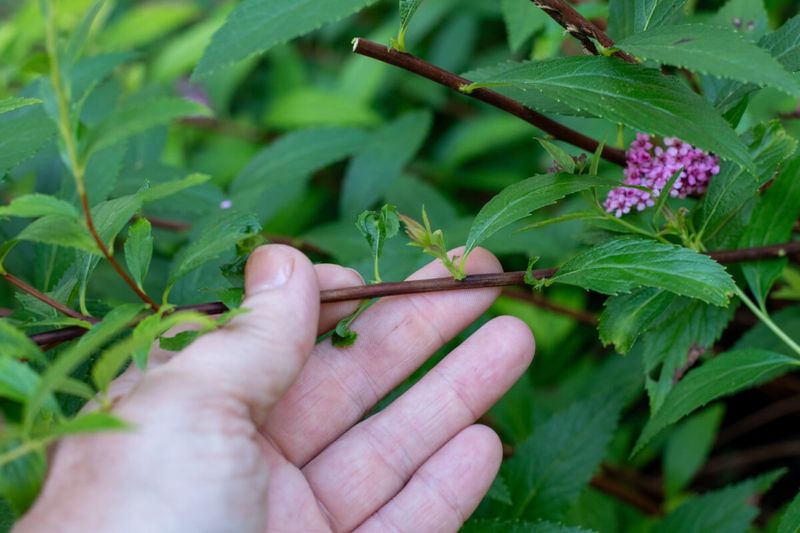
One of the easiest mistakes to make during March pruning is accidentally cutting off new buds. Those tiny green nubs forming along the stems are the beginning of this season’s flowers.
Removing them means losing blooms before they even get a chance to open.
Before you make any cut, take a close look at the stem. If you can see small buds starting to swell or tiny green growth emerging, that stem is already working toward flowering.
Try to avoid cutting stems that show signs of active bud development. Instead, focus your pruning on stems that look bare, old, or overly crowded.
In Oregon, spring can arrive a little earlier in the Willamette Valley compared to higher-elevation spots. So the timing of bud formation can vary depending on where you live.
In warmer areas, buds may appear sooner. Always check before you cut, no matter where you are gardening in the state.
A few extra seconds of observation can save a whole cluster of blooms. Being bud-aware during pruning is one of those small habits that separates a good bloom season from a great one.
Your spirea will thank you with a fuller, more colorful display.
5. Skip Heavy Shaping Now
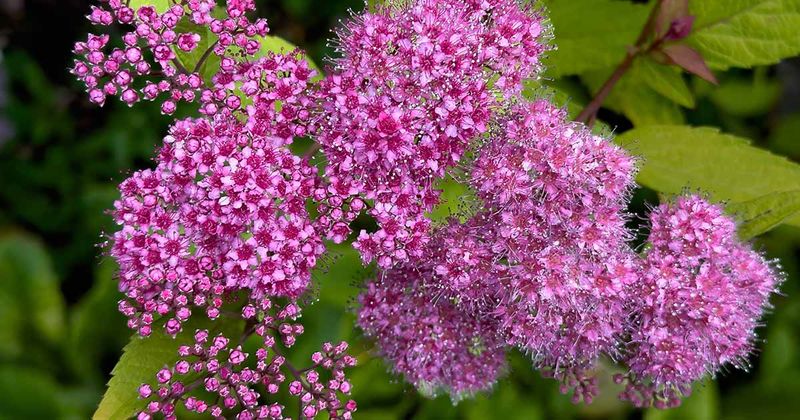
March is not the time to reshape your spirea into a perfectly round ball or a tightly trimmed hedge. Heavy shaping cuts off a lot of stem material, including the tips where many flower buds form.
Save that kind of styling work for after the plant has finished blooming.
Spirea has a naturally arching, flowing shape that actually looks beautiful when left mostly alone. Forcing it into a rigid form can make it look stiff and unnatural.
More importantly, heavy shaping in early spring reduces the number of flower clusters the plant produces that season.
Oregon gardeners who skip the heavy shaping in March and wait until after blooming often end up with much better results. The plant gets to express its natural form during the bloom season, and then you can clean it up once the flowers have faded.
If you feel the urge to tidy things up a bit, stick to removing only what is clearly dead, broken, or wildly out of place. Light touch-ups are fine.
Just resist the temptation to go overboard with shaping right now. Your patience will pay off when the blooms arrive in full force later in the season across your Oregon landscape.
6. Improve Airflow Gently
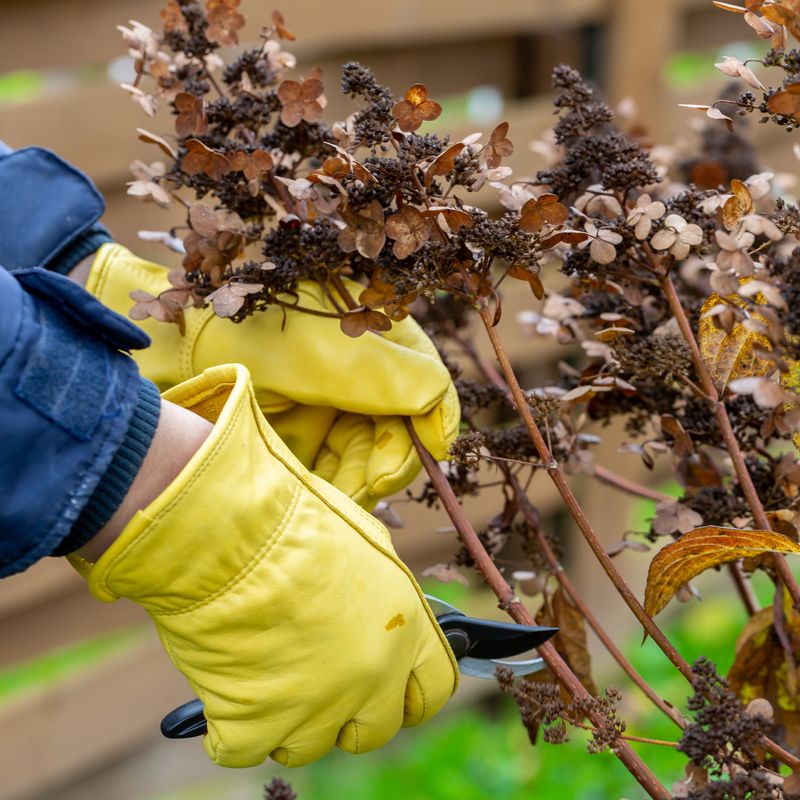
Good airflow through your spirea is more important than most people realize. When stems are packed too tightly together, moisture gets trapped inside the plant.
That kind of damp, still environment can encourage problems that weaken the plant over time.
Gently thinning out a few of the inner crossing or overlapping stems helps air and light reach the center of the plant. You do not need to do a lot here.
Removing just three to five crowded stems from the interior can make a noticeable difference. Look for stems that rub against each other or grow straight into the middle of the plant instead of outward.
Across Oregon, where spring rain is common, improving airflow is especially smart. Wet conditions combined with dense growth can slow the plant down and reduce bloom quality.
Giving the plant a little breathing room helps it stay vigorous and productive. Think of it like tidying up a crowded closet.
You are not throwing everything out, just making enough space so things can function better. A few well-placed cuts to open up the interior of your spirea in March can lead to noticeably healthier stems and more vibrant flower clusters when blooming season arrives.
7. Stop Once Growth Speeds Up
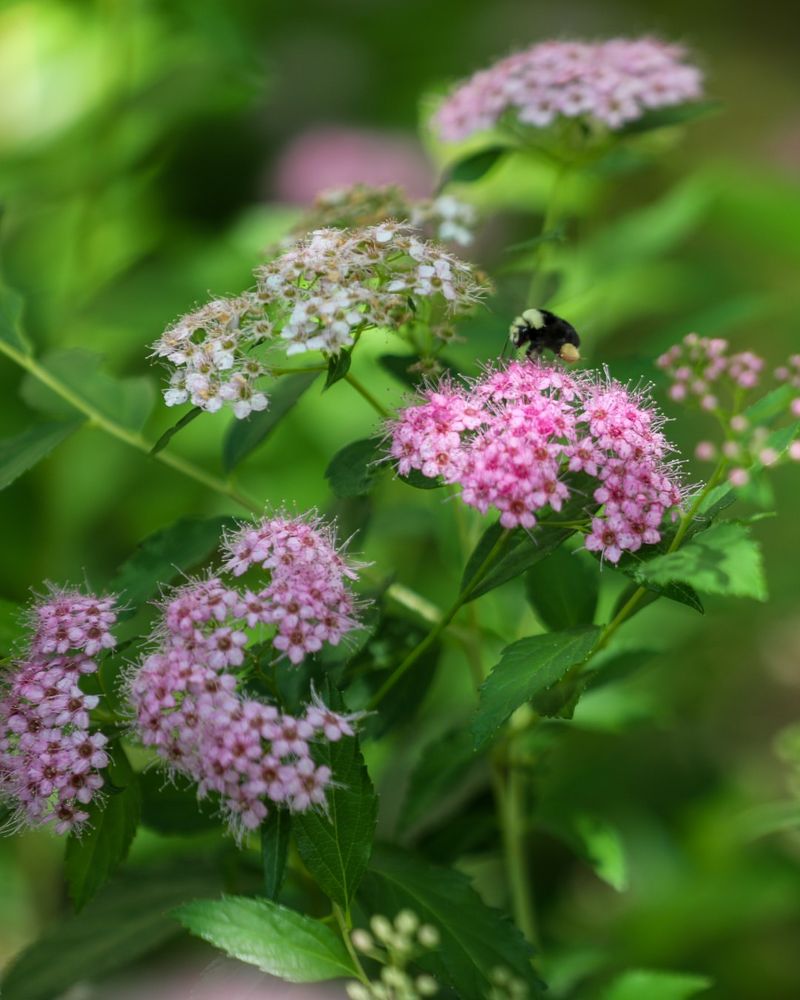
Here is a sign that many gardeners miss: once your spirea starts pushing out fast new growth, it is time to put the pruning shears away. That burst of green energy means the plant has shifted into full growth mode.
Any cuts made after this point risk removing the very stems that are heading toward bloom.
Fast growth usually kicks in somewhere between mid and late March in most parts of Oregon, though it can vary by location. In warmer spots like the southern Willamette Valley, it may happen a bit earlier.
In cooler areas near the coast or at higher elevations, it might be a little later. Watch the plant, not just the calendar.
Once you notice stems elongating quickly and leaves unfurling at a steady pace, step back and let the plant do its thing. Pruning at this stage can interrupt the plant’s natural momentum and push back your bloom timeline.
The goal of March pruning is to give the plant a clean, open start before that growth surge begins. When the surge arrives, your job is done.
Let nature take over from there, and get ready to enjoy the rewards of your early-season work when those beautiful flower clusters open up across your Oregon garden.