Plant These 13 Flowers In May To Help Oregon Pollinators All Summer
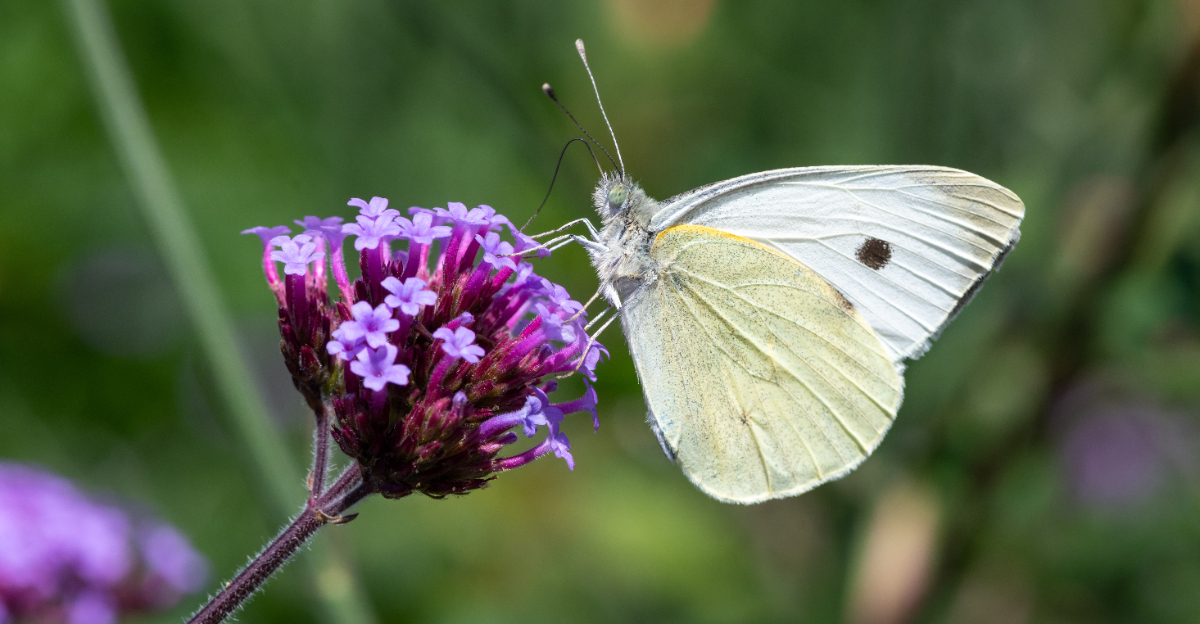
The bees are out. The butterflies are scouting. The hummingbirds are back and already arguing over every flower in the yard like tiny, aggressive landlords.
Something is buzzing and fluttering around every Oregon garden right now, and what you plant in the next few weeks determines how much of that incredible wildlife energy your garden actually gets to keep all summer long.
No pressure, but also a little pressure. Here’s the thing about pollinators: they are not going to settle.
If your garden isn’t offering what they need, they will absolutely find one that does. But give them a reliable, diverse spread of blooms that keeps going from June through August?
Your yard becomes the place everyone wants to be, and by everyone we mean thousands of beneficial insects that also happen to make your vegetables and fruit trees significantly more productive.
Planting for pollinators right now is one of the highest-return moves an Oregon gardener can make. The timing is perfect and the payoff lasts all season.
1. Sunflowers
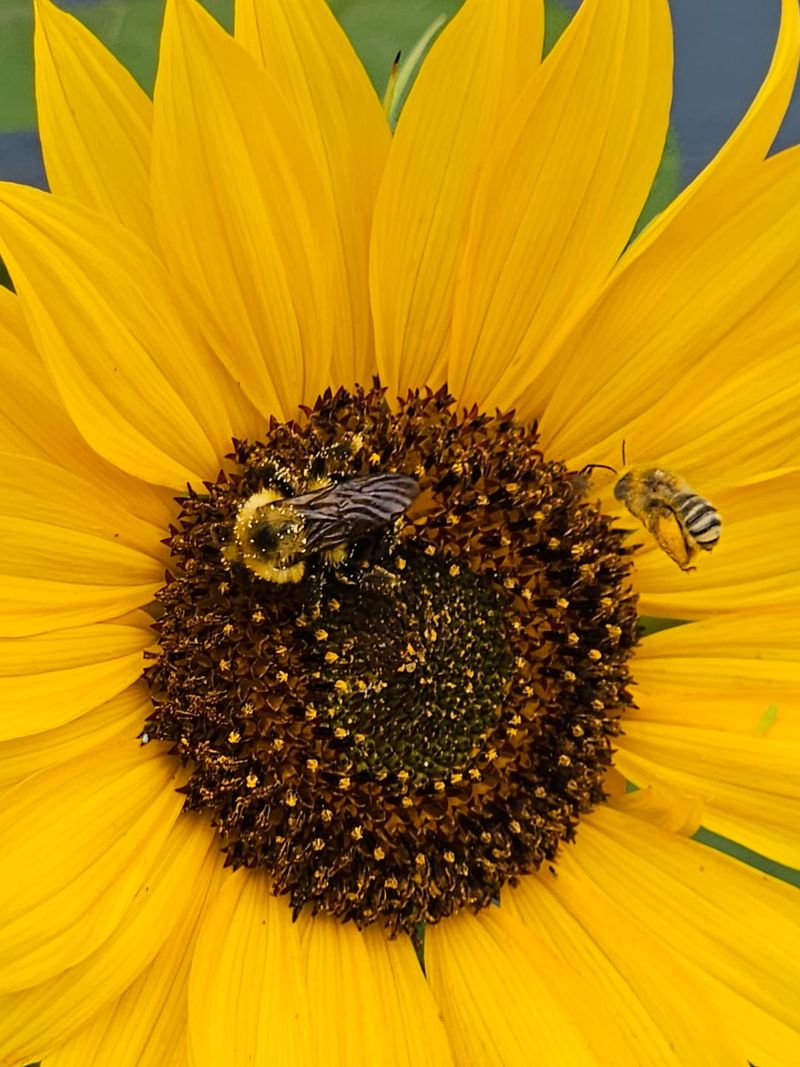
Few flowers make a garden feel more alive than a tall sunflower swaying in the Oregon summer breeze. Sunflowers are pollinator magnets, attracting bees, butterflies, and even birds looking for seeds later in the season.
Plant them in May and they will bloom just in time to feed your local wildlife through July and August.
Sunflowers love full sun and well-drained soil, which makes them a great fit for many Oregon gardens. You can plant seeds directly into the ground after the last frost.
Space them about 12 inches apart so each plant has room to grow tall and strong.
Native bees in Oregon absolutely love sunflowers. The wide, open center of each flower is easy for pollinators to access, making it one of the most welcoming plants you can grow.
Try planting a mix of dwarf and tall varieties to keep blooms coming at different heights all summer long.
2. Nasturtiums
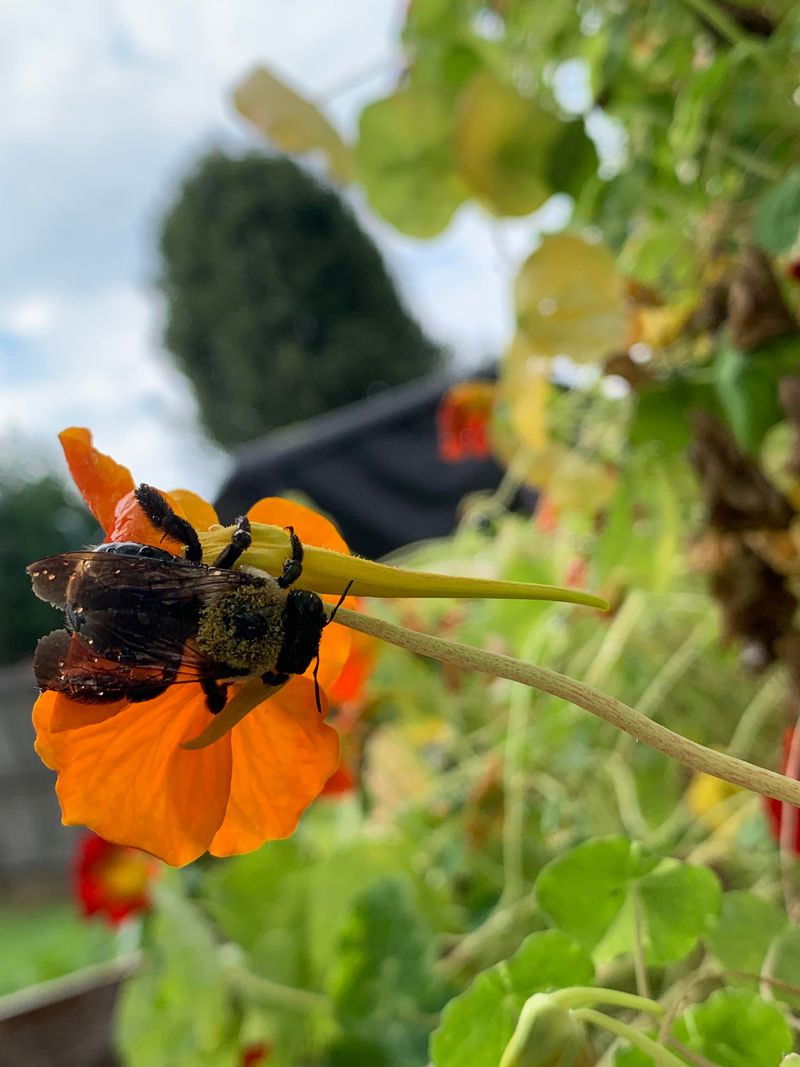
Nasturtiums are one of those cheerful, no-fuss flowers that reward you with color and wildlife activity all summer. Their bright orange, red, and yellow blooms are like tiny landing pads for bumblebees and hummingbirds across Oregon.
Best of all, they grow fast from seed and thrive even in poor soil.
Plant nasturtium seeds in May once the soil has warmed up a bit. They prefer a sunny spot but can handle some afternoon shade in the hotter parts of Oregon like the Willamette Valley.
Water them regularly but avoid overwatering, since soggy roots can cause problems.
Here is a fun bonus: nasturtiums are completely edible. The flowers and leaves have a peppery flavor that tastes great in salads.
Pollinators do not care about that, of course. They just want the nectar hidden deep inside each bloom.
Planting nasturtiums near your vegetable garden also helps attract the beneficial insects that keep pest populations down naturally.
3. Calendula
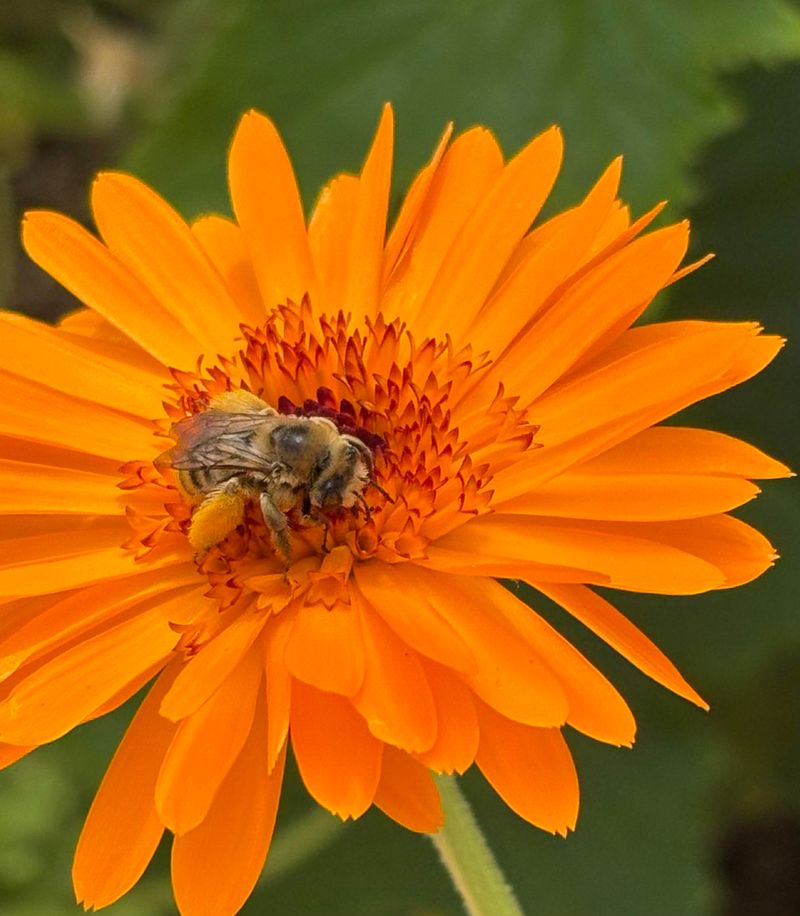
Calendula has been grown in gardens for centuries, and it is easy to see why. The warm golden and orange blooms open up like little suns, drawing in bees and hoverflies from across the neighborhood.
Your Oregon Garden Changes Every Week. Your Plan Should Too.
Gardening in Oregon changes quickly throughout the season. Every Friday you’ll receive a simple weekly plan showing exactly what to plant, prune, fertilize, harvest, and protect so you never miss the right timing.
In Oregon, calendula planted in May will bloom well into fall, giving pollinators a long-lasting food source.
One of the best things about calendula is how tough it is. It can handle Oregon’s cool spring mornings and still bloom beautifully once summer arrives.
Plant seeds or transplants in a sunny spot with decent drainage. Deadhead the spent flowers regularly to keep new blooms coming all season.
Calendula is also known for its medicinal properties, making it a popular choice in herb gardens across the Pacific Northwest. Bees are especially drawn to the open, daisy-like blooms because they can easily reach the pollen and nectar.
Planting a row of calendula along a garden border is a simple way to create a pollinator highway right in your own backyard.
4. Marigolds
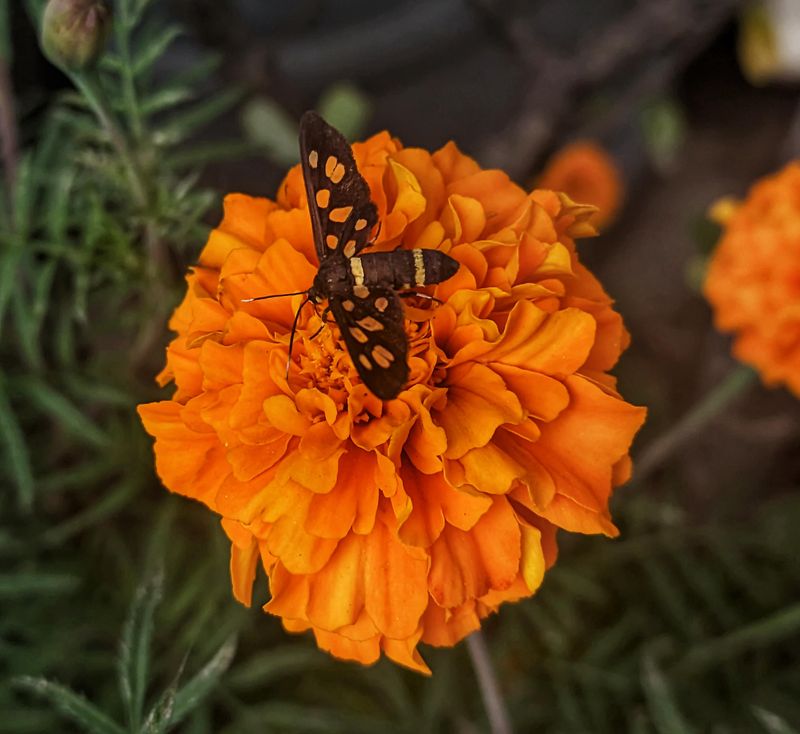
Marigolds are a classic garden flower for a reason. Their bold orange and yellow colors are hard to miss, and pollinators feel the same way.
Bees and butterflies flock to marigolds from the moment the first blooms open, making them a reliable summer staple in Oregon gardens everywhere.
Planting marigolds in May gives them plenty of time to establish before the summer heat kicks in. They grow well in containers, raised beds, or directly in the ground.
Full sun is best, and they are surprisingly drought-tolerant once established, which is helpful during Oregon’s dry summer months.
Beyond their pollinator appeal, marigolds have a strong scent that many garden pests find unpleasant. Planting them near tomatoes or peppers helps protect your vegetables naturally.
Bees do not mind the smell at all. Single-petal varieties are especially great for pollinators because the nectar is easier to reach than in tightly packed double-bloom types.
Try French or African marigold varieties for the biggest pollinator impact in your Oregon garden.
5. Sweet Alyssum
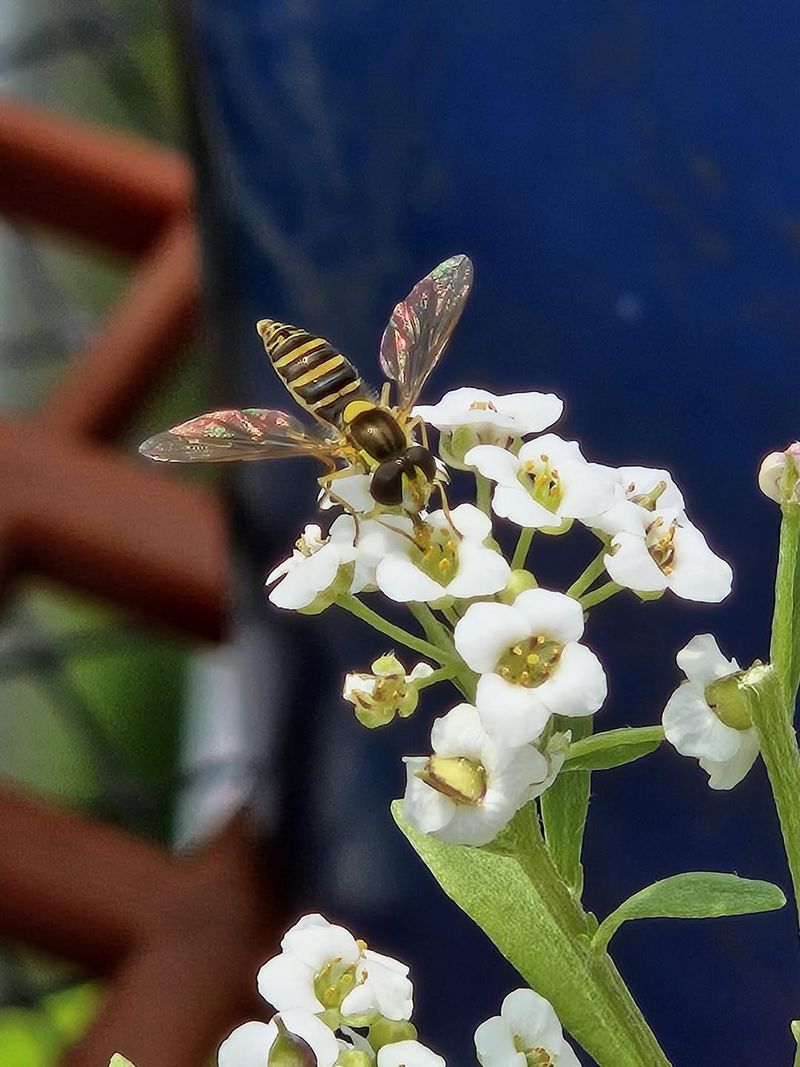
Sweet alyssum might be small, but it packs a serious punch when it comes to attracting pollinators. The tiny clusters of white, pink, or purple flowers produce a sweet honey-like fragrance that lures in beneficial insects from surprisingly far away.
In Oregon, it is one of the best low-growing plants you can add to your garden in May.
This flower works beautifully as a ground cover or border plant. It fills in gaps between taller plants and keeps blooming even through the warm Oregon summer.
Plant it in full sun to partial shade and water consistently during dry spells. It can even handle a light frost, which makes it extra reliable in cooler Oregon microclimates.
Hoverflies, parasitic wasps, and native bees are among the biggest fans of sweet alyssum. These insects are incredibly helpful in the garden because they prey on aphids and other pests.
So planting sweet alyssum is a two-for-one deal: you get beautiful ground cover and natural pest control all at once. It is a must-have in any Oregon pollinator garden.
6. California Poppies
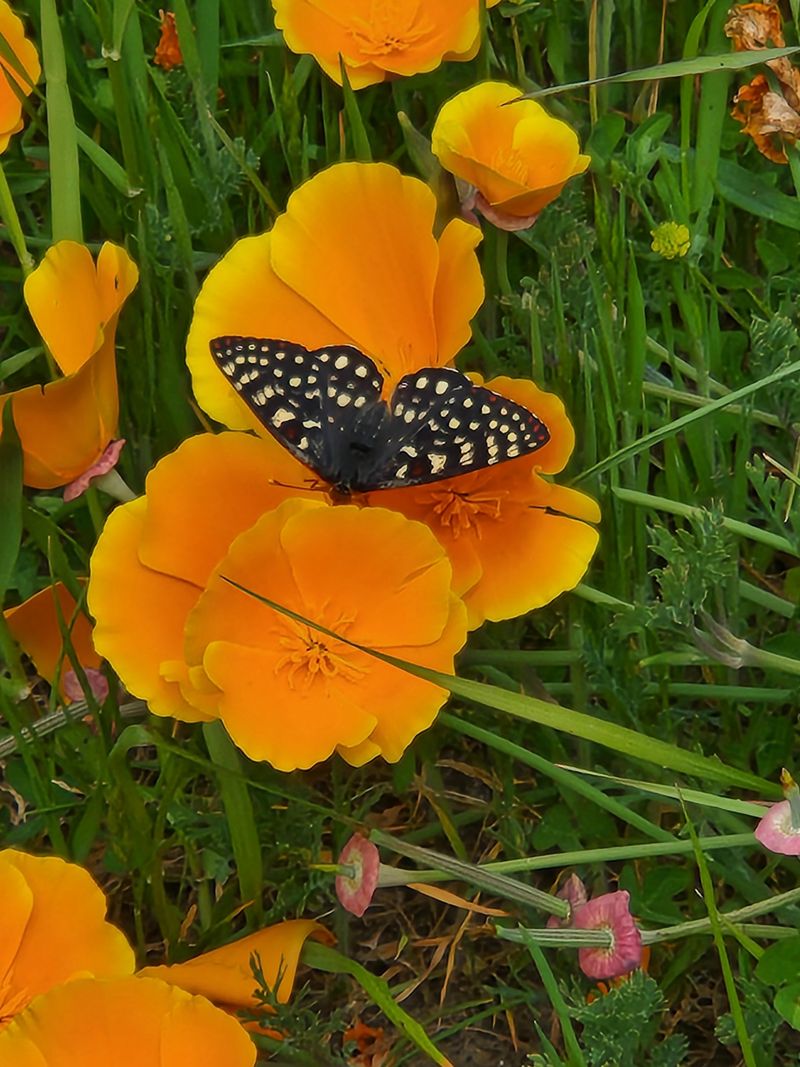
California poppies bring a splash of vivid orange to Oregon gardens and roadsides alike. Even though the name says California, these cheerful wildflowers grow beautifully all across the Pacific Northwest.
Native bees absolutely love them, especially for their abundant pollen during the long Oregon summer days.
Scatter seeds directly in your garden bed in May, since California poppies do not transplant well. They prefer dry, sandy, or well-drained soil and full sun.
Once established, they need very little water, making them a smart choice for gardeners in drier parts of Oregon like the high desert regions around Bend and Medford.
What makes California poppies extra special is that they self-seed easily. Plant them once and they may come back year after year on their own.
The bright petals close at night and on cloudy days, which is a quirky little habit that always surprises first-time growers. Bumblebees are especially active visitors, rolling around in the pollen-rich centers.
Adding California poppies to your May planting list is one of the easiest ways to support Oregon’s native pollinator populations.
7. Coreopsis
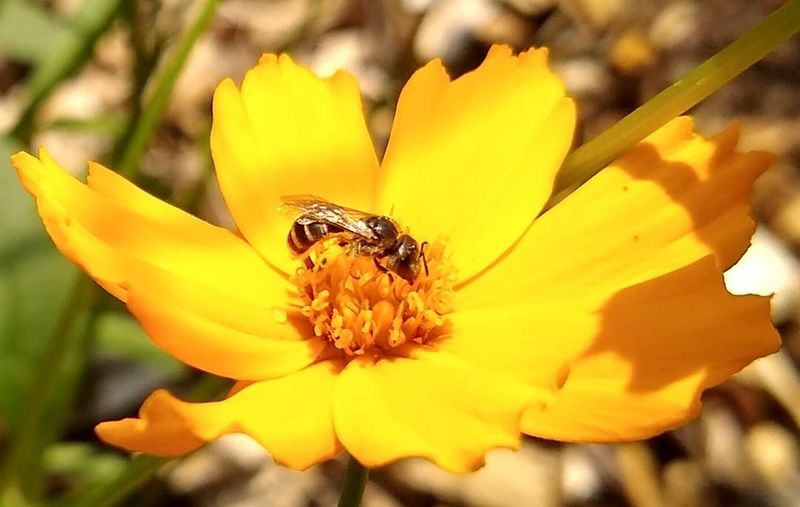
Coreopsis, sometimes called tickseed, is one of the longest-blooming flowers you can plant in an Oregon garden. The bright yellow or bi-colored daisy-like blooms start appearing in early summer and keep going strong until the first fall frosts.
That kind of staying power is exactly what pollinators need to thrive all season long.
Plant coreopsis in May in a sunny spot with well-drained soil. It handles heat well and is quite drought-tolerant once it gets settled in, which is a big plus during Oregon’s dry summers.
Deadheading spent blooms encourages even more flowers to form, keeping your garden looking vibrant and busy with pollinator activity.
Butterflies are particularly fond of coreopsis. The flat-topped blooms make perfect landing platforms for swallowtails and painted ladies fluttering through Oregon gardens.
Native bees are frequent visitors too. Coreopsis comes in both annual and perennial varieties, so you can choose what works best for your garden setup.
The perennial types are especially rewarding because they come back stronger each year, building a reliable pollinator resource over time.
8. Blanket Flower
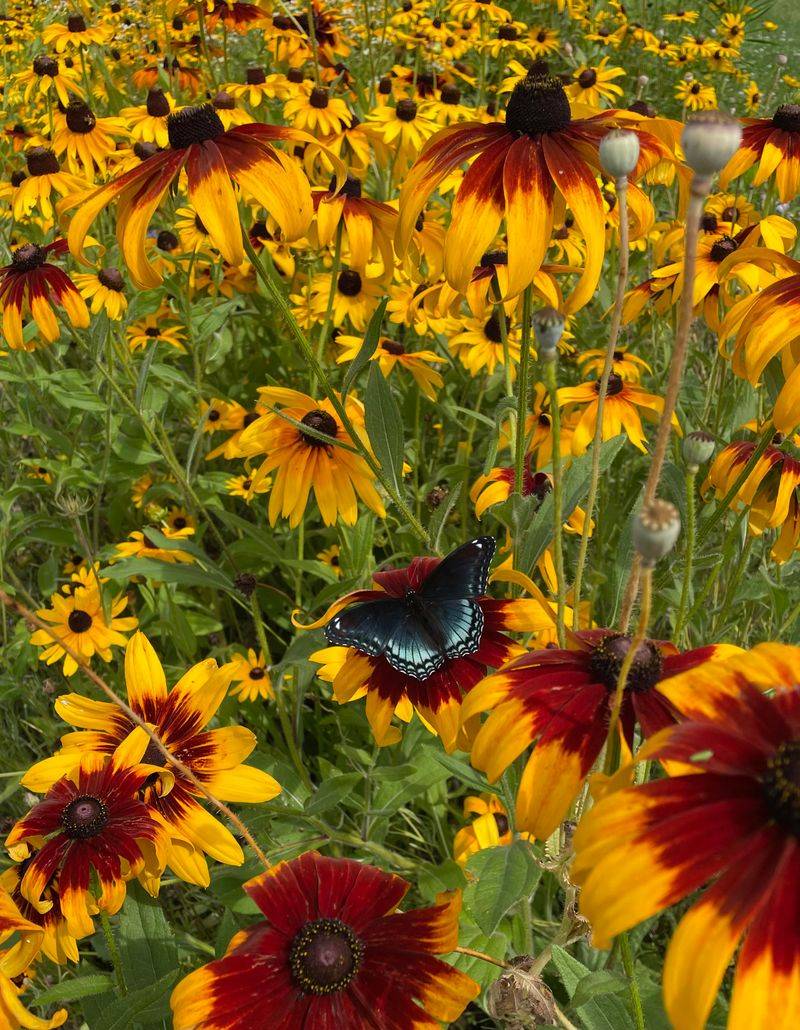
There is something almost festive about blanket flowers. Their bold red, orange, and yellow petals look like they belong at a summer celebration, and pollinators seem to agree.
Bumblebees, honeybees, and butterflies visit blanket flowers constantly throughout Oregon’s warm summer months, making them a garden superstar.
Blanket flower, also known as gaillardia, thrives in full sun and prefers soil that is not too rich or wet. Plant it in May and it will reward you with blooms that last from June all the way through early October in many parts of Oregon.
It is drought-tolerant and tough, perfect for gardeners who want big color without a lot of fuss.
The perennial varieties of blanket flower come back year after year, growing into larger clumps that support even more pollinator activity over time. Deadhead regularly to extend the blooming season.
Did you know blanket flower gets its name from the colorful woven blankets made by Indigenous peoples of North America? That rich history makes it an even more meaningful addition to any Oregon pollinator garden this May.
9. Bee Balm
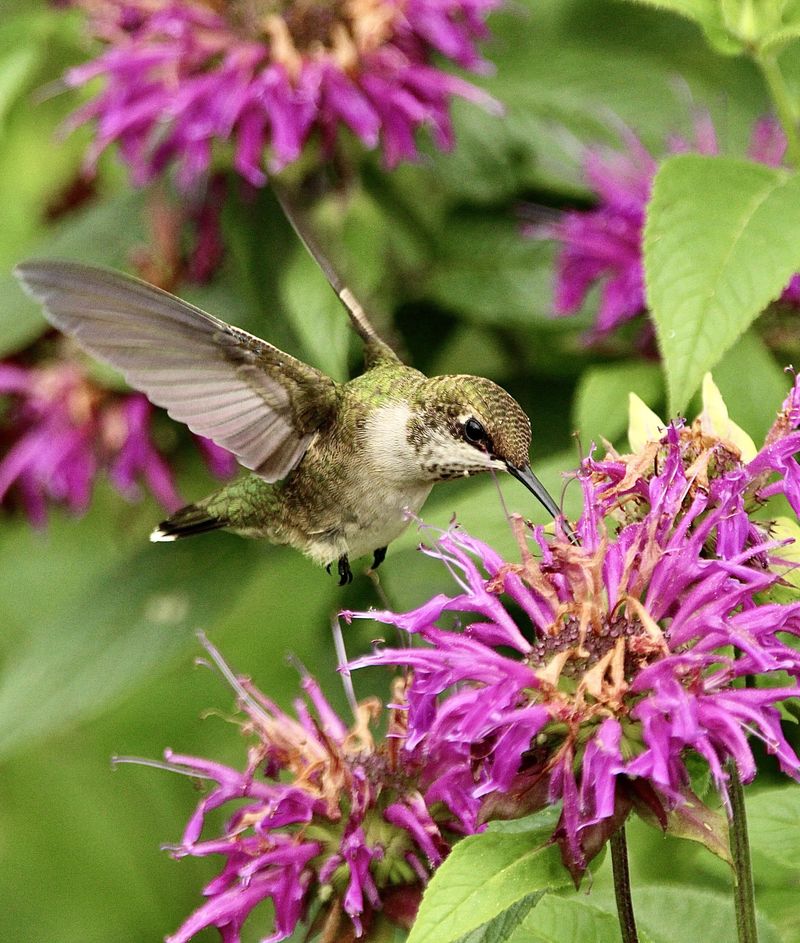
Bee balm lives up to its name in the most spectacular way possible. The wild, spiky blooms burst open in shades of red, pink, and purple, and within minutes, bees and hummingbirds are hovering around them.
In Oregon gardens, bee balm is one of the top plants for supporting a wide variety of pollinators all summer long.
Plant bee balm in May in a spot that gets at least six hours of sunlight daily. It prefers moist, well-drained soil and does well in the wetter parts of western Oregon.
Give it plenty of space because it spreads over time, forming lush, fragrant clumps that become a buzzing hub of activity by midsummer.
Beyond its wildlife value, bee balm has a long history of use in herbal teas and traditional medicine among Indigenous communities in North America. The leaves smell like oregano and mint combined, making it a sensory treat in the garden.
Hummingbirds are especially drawn to the red varieties. Planting bee balm near other tall perennials creates a layered garden that supports Oregon pollinators at multiple heights and bloom times.
10. Lavender
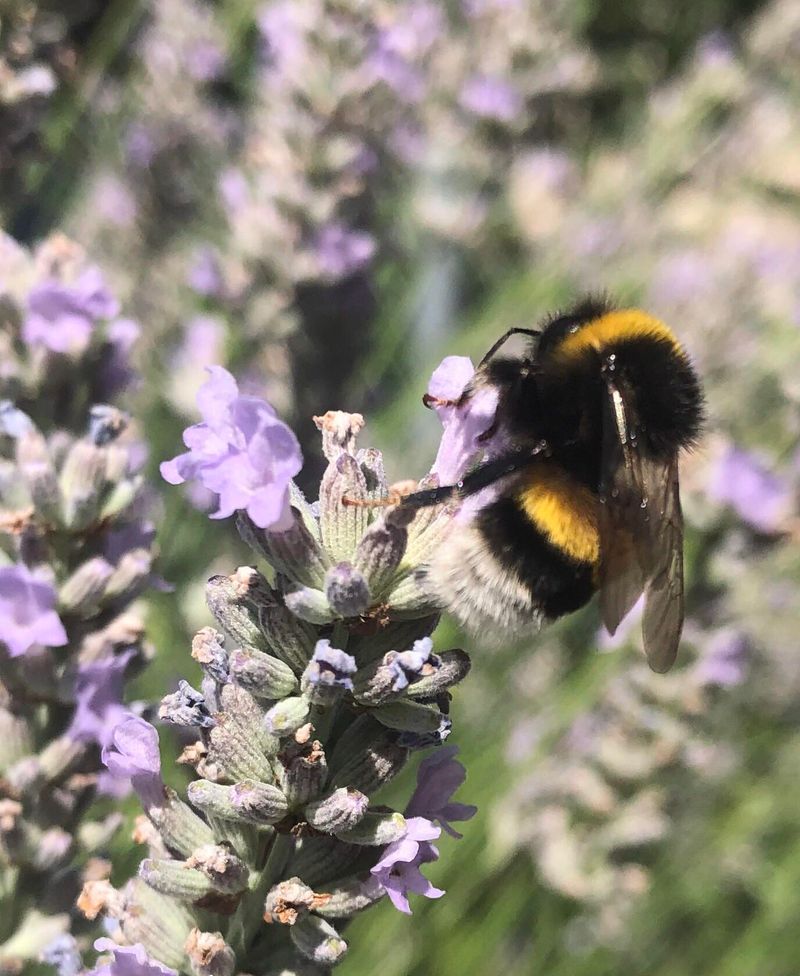
Few plants are as beloved by both gardeners and bees as lavender. The tall purple flower spikes are practically a beacon for pollinators, and the fragrance alone makes it worth growing.
In Oregon’s sunny Willamette Valley or the warmer eastern regions, lavender planted in May will bloom beautifully by midsummer and keep attracting bees for weeks.
Lavender loves full sun and well-drained, slightly sandy soil. It does not like wet feet, so avoid planting it in low spots where water collects.
Once established, it is quite drought-tolerant, which is ideal for Oregon’s dry summer season. Trim back spent flower stalks after blooming to encourage a second flush of flowers in late summer.
Honeybees and bumblebees are lavender’s biggest fans. Research has shown that bees can detect lavender’s scent from a significant distance, making it one of the most effective pollinator-attracting plants you can grow.
Lavender also looks stunning planted in rows or as a low hedge border. Harvesting a few stems to dry inside your home is a nice bonus that brings the calming scent of an Oregon summer indoors all year long.
11. Catmint
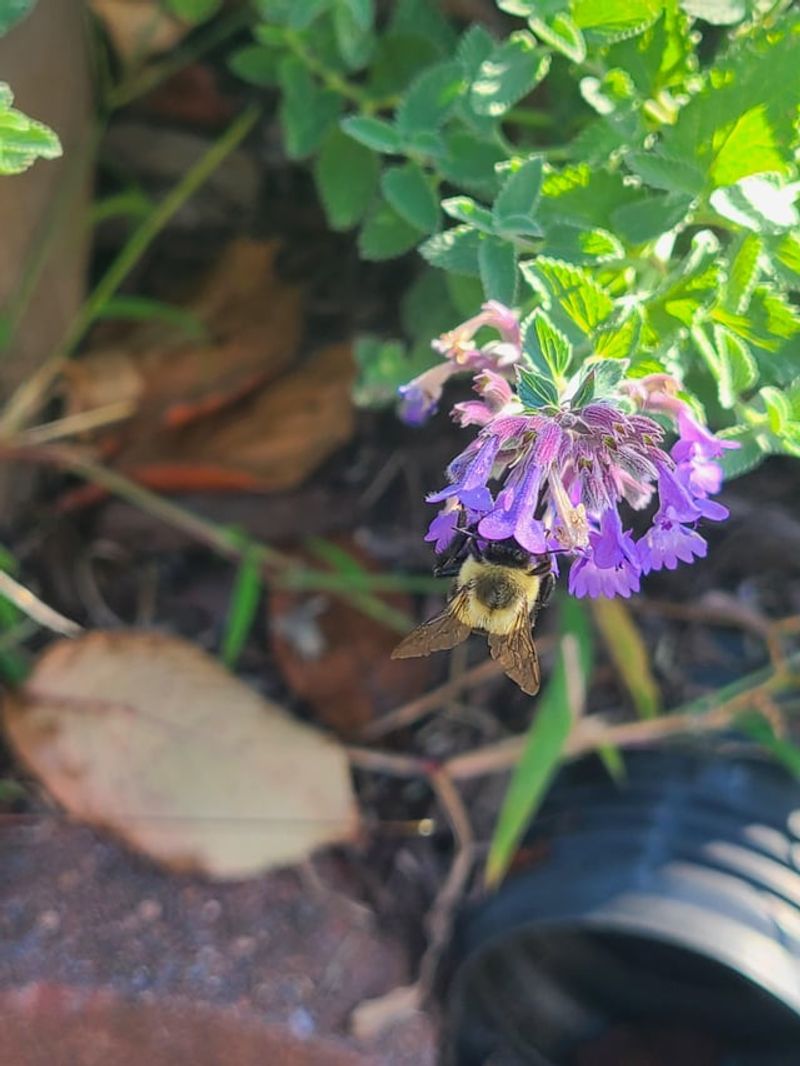
This is one of those underrated garden plants that quietly becomes the busiest spot in your yard once summer arrives. The soft blue-purple flower spikes bloom in waves from late spring through fall, giving Oregon pollinators a reliable food source across multiple months.
Bees are absolutely wild about it, visiting the blooms from morning until dusk.
Plant catmint in May in a sunny or lightly shaded location. It is a tough, low-maintenance plant that handles Oregon’s variable spring weather without complaint.
Once established, it is drought-tolerant and rarely needs extra watering. Cut it back by about half after the first big flush of blooms to encourage a fresh round of flowers in late summer.
Catmint is closely related to catnip, so do not be surprised if neighborhood cats show a little too much interest in your garden. For bees, though, the attraction is purely about nectar.
Native bumblebees and mason bees are especially frequent visitors in Oregon. Catmint also pairs beautifully with roses, lavender, and salvia in mixed garden borders.
It is a workhorse plant that earns its spot in any pollinator-friendly Oregon garden.
12. Milkweed
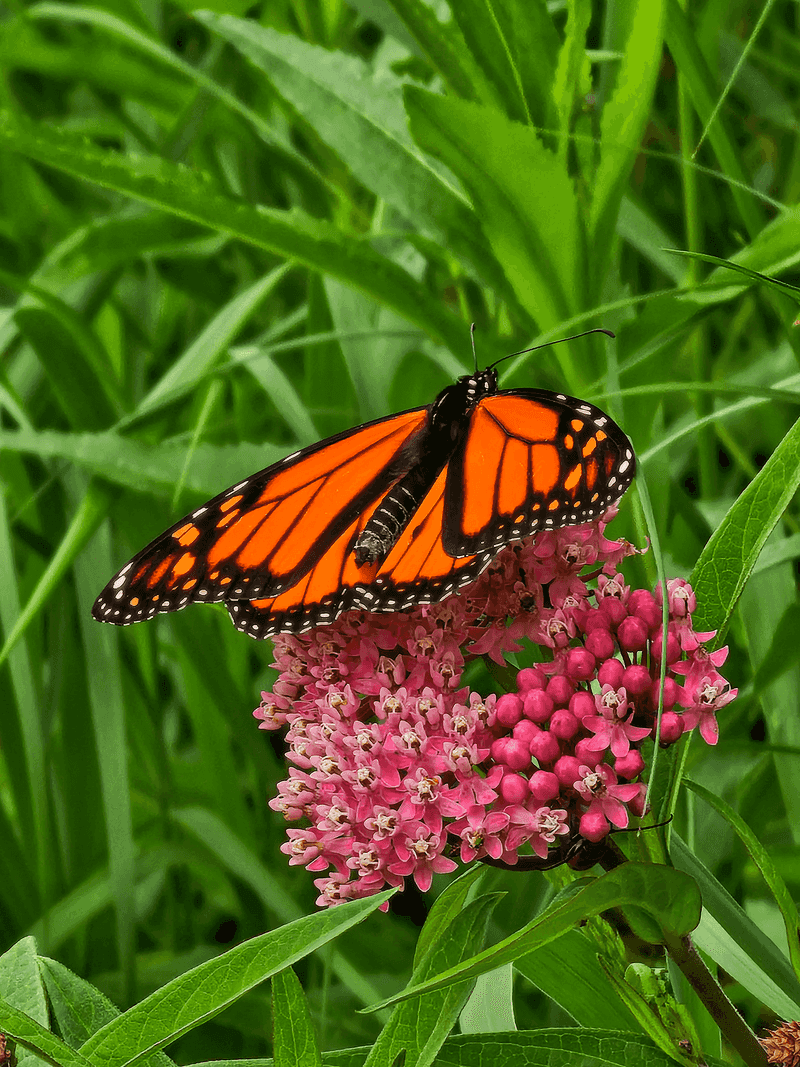
Milkweed is more than just a pretty flower. It is the only plant that monarch butterfly caterpillars can eat, which makes it one of the most important plants you can add to your Oregon garden this May.
Monarch populations have been declining for years, and every milkweed plant you grow is a small but meaningful step toward helping them recover.
Showy milkweed is the native variety best suited to Oregon gardens, especially in drier eastern regions. Plant it in full sun with well-drained soil and give it room to spread.
It is a perennial that comes back reliably each year, growing into larger patches that support more butterflies and bees over time. Be patient in the first year since it tends to focus on root development before producing big blooms.
The pink and orange flower clusters are also a magnet for native bees, hummingbirds, and other beneficial insects. Milkweed has a fascinating structure where insects must be strong enough to pull pollen sacs free, which means only the most capable pollinators succeed.
Growing milkweed in Oregon connects your garden to a much larger conservation story happening across the entire western United States.
13. Verbena
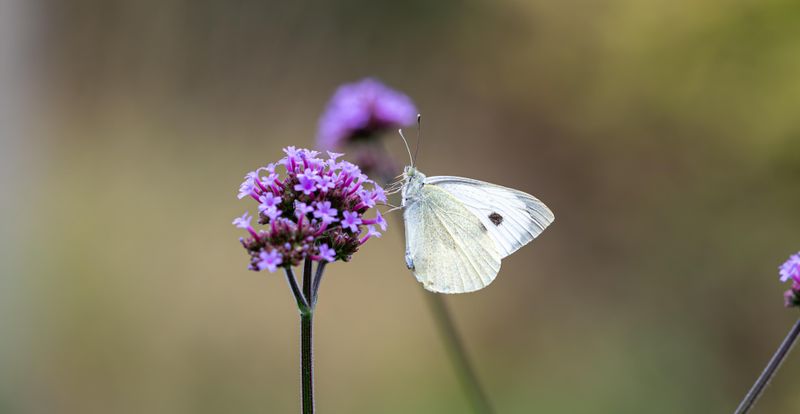
The clusters of tiny flowers come in shades of purple, pink, red, and white, and they bloom continuously from late spring right through the end of summer. In Oregon gardens, verbena planted in May becomes a non-stop feeding station for butterflies and native bees alike.
This flower grows well in containers, hanging baskets, or directly in garden beds. It loves full sun and warm temperatures, making it a great choice for the sunnier parts of Oregon.
Water it consistently but let the soil dry out slightly between waterings. Verbena is a bit more heat-loving than some of its Pacific Northwest garden companions, so give it the warmest, sunniest spot you can find.
Swallowtail butterflies are especially attracted to verbena’s flat flower heads, which make easy landing platforms for feeding. Skippers and painted ladies are regulars too.
Verbena bonariensis, a tall airy variety, is particularly stunning and self-seeds freely in many Oregon gardens. Mixing different verbena types together creates a layered effect that keeps your garden colorful and buzzing with pollinator energy from May all the way through September.