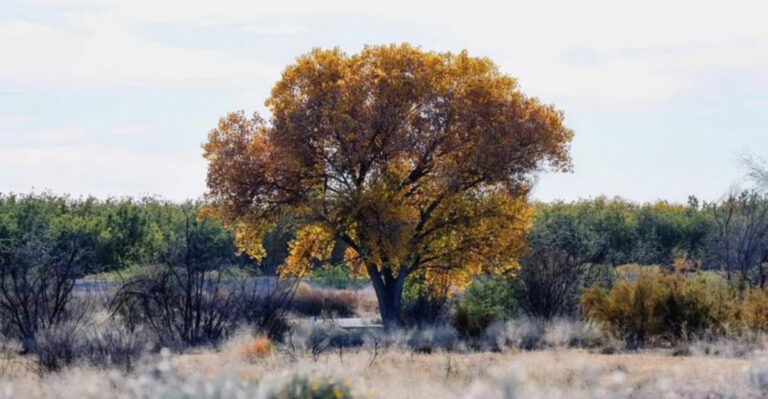
Should Arizona Gardeners Prune Bird Of Paradise Before Spring Growth Starts
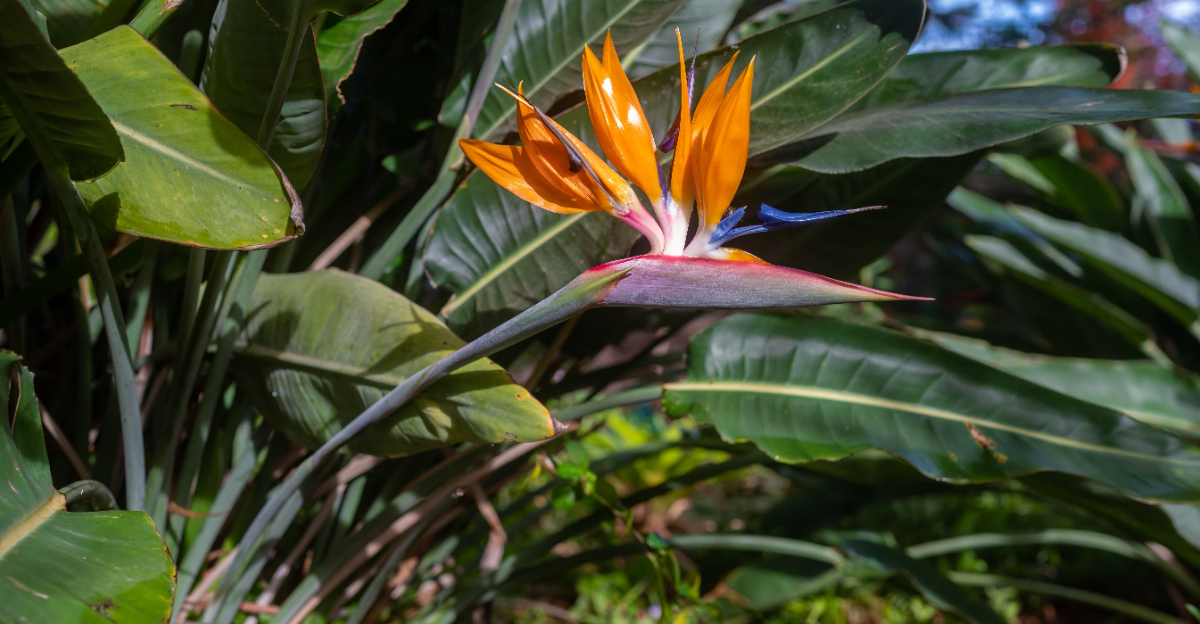
In Arizona, Bird of Paradise can start looking worn out, with torn leaves and older growth that makes a cleanup feel overdue. It is one of those plants that seems like it needs attention right away, especially after wind and dry conditions leave it a bit rough.
But stepping in too early does not always help. In Arizona’s climate, this plant responds best when pruning lines up with active growth, not before it.
Waiting just a bit longer can lead to faster recovery and stronger, healthier leaves once it begins pushing new growth.
A well-timed trim keeps the plant upright, fresh, and ready for the heat ahead. In Arizona yards, that timing makes the difference between a plant that lags behind and one that fills out quickly and looks strong through the hottest part of the season.
1. Bird Of Paradise Can Be Cleaned Up Before New Growth Begins
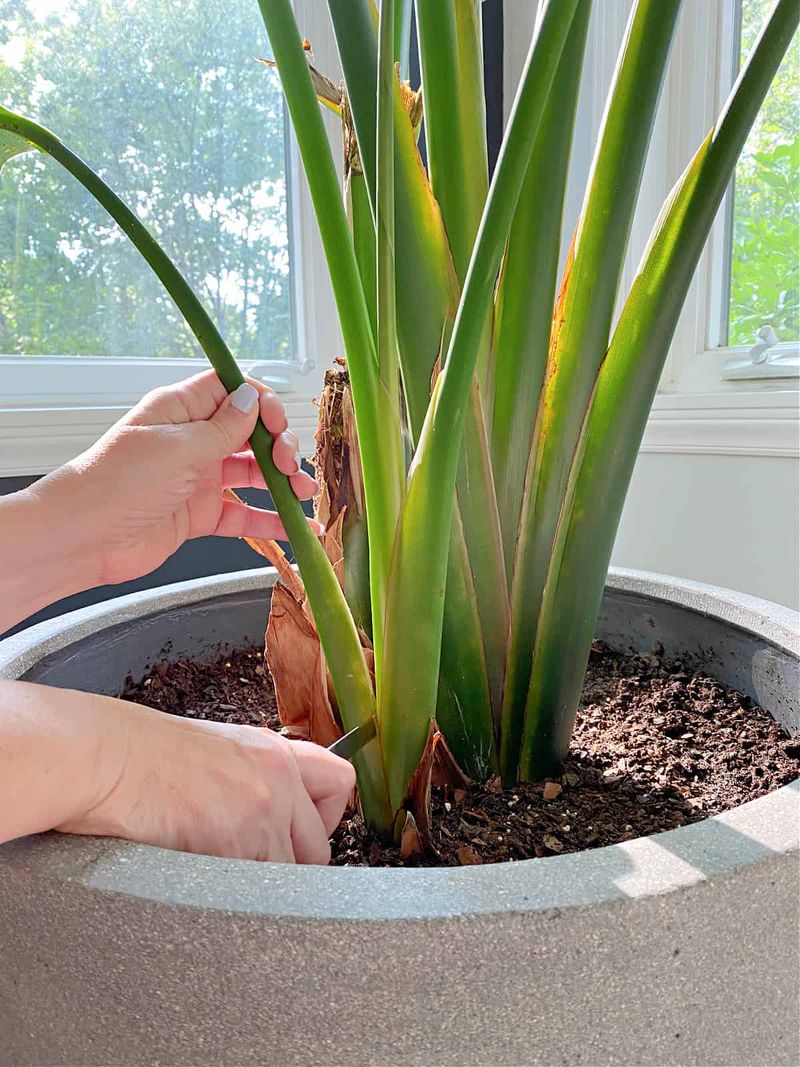
Pruning doesn’t have to be complicated, and cleaning up a Bird of Paradise before spring is honestly one of the easier tasks in an Arizona garden. You’re not trying to reshape the whole plant.
You’re just clearing out what winter left behind.
In places like Phoenix, Tucson, and the surrounding desert communities, Bird of Paradise plants often go through a rough patch in December and January. Cold nights leave behind brown tips, dried leaves, and flower stalks that have been hanging on since fall.
Waiting until late February or early March to clean those up gives you the best timing, right before the plant starts pushing new energy into fresh stems.
Sharp, clean pruners are all you really need. Wipe the blades down before you start so you’re not dragging bacteria from one cut to the next.
Work your way through the plant section by section, pulling out anything that looks brown, crispy, or completely spent.
A lot of Arizona gardeners skip this step and then wonder why their plant looks scraggly when everything else in the yard is waking up. Clearing the old, dried material gives the new growth room to come in clean and strong.
It also makes the plant look cared-for right at the start of the season, which matters when neighbors are starting to notice what’s happening in your yard.
Pre-spring cleanup isn’t about cutting back hard. It’s about removing what’s already finished so the plant can focus on what comes next.
2. Cold Damaged Leaves Should Be Removed First
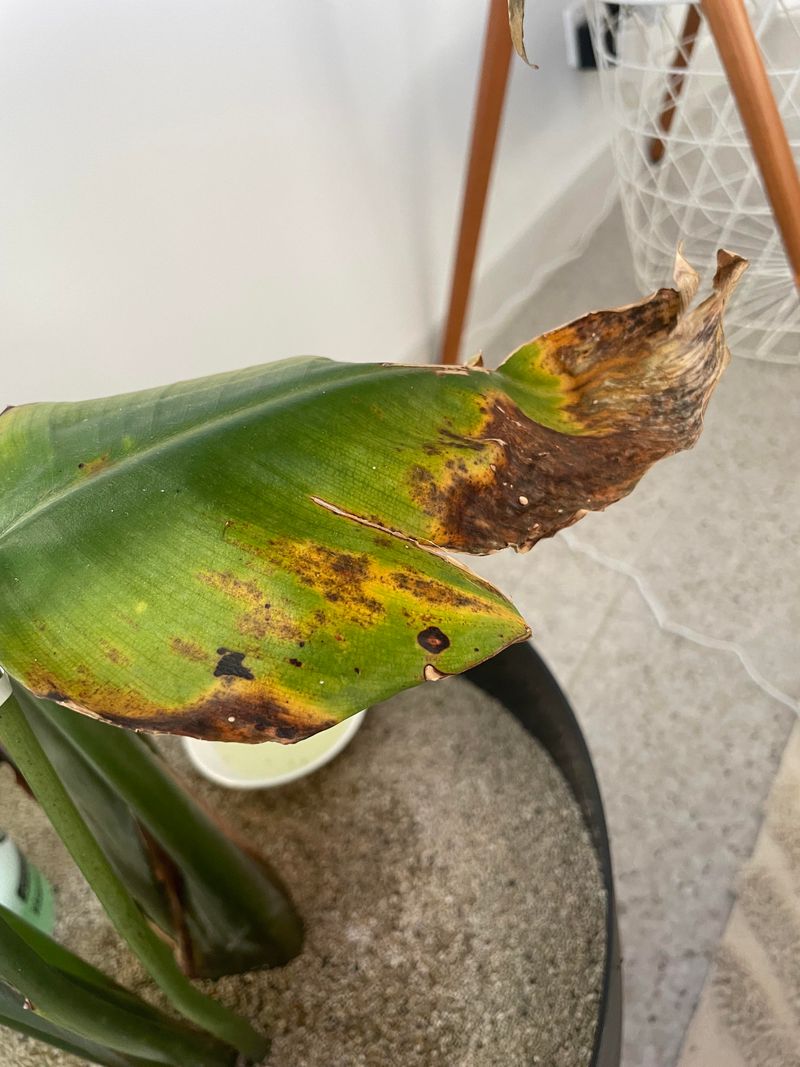
Cold damage is the first thing to tackle when you walk up to your Bird of Paradise after a rough Arizona winter. Brown, mushy, or completely dried-out leaves aren’t doing anything for the plant, and leaving them attached just invites pests and slows the plant down.
Arizona winters can surprise people. Even in the low desert around Phoenix and the East Valley, overnight lows can dip into the upper 20s or low 30s on a handful of nights each winter.
Bird of Paradise handles a light frost okay, but a hard freeze will damage the outer leaves and sometimes the stems too. By late February, you can usually tell exactly what got hit and what survived.
Your Arizona Garden Changes Every Week. Your Plan Should Too.
Gardening in Arizona changes quickly throughout the season. Every Friday you’ll receive a simple weekly plan showing exactly what to plant, prune, fertilize, harvest, and protect so you never miss the right timing.
Start at the outside edges of the plant where frost damage hits first. Pull damaged leaves away from the base and cut the stem as close to the ground as you can without disturbing healthy growth nearby.
If a stem looks brown all the way down, it’s not coming back, so remove it completely.
Don’t rush to cut stems that look questionable. Scratch the surface lightly with your fingernail.
If there’s green underneath, that stem still has life in it and should stay. If it’s brown all the way through, pull it out.
Getting the cold-damaged growth off early makes the rest of the cleanup go faster and helps you see what the plant actually looks like underneath all that winter mess. It’s a satisfying step that shows real results right away.
3. Old Flower Stalks Can Be Taken Down At The Base
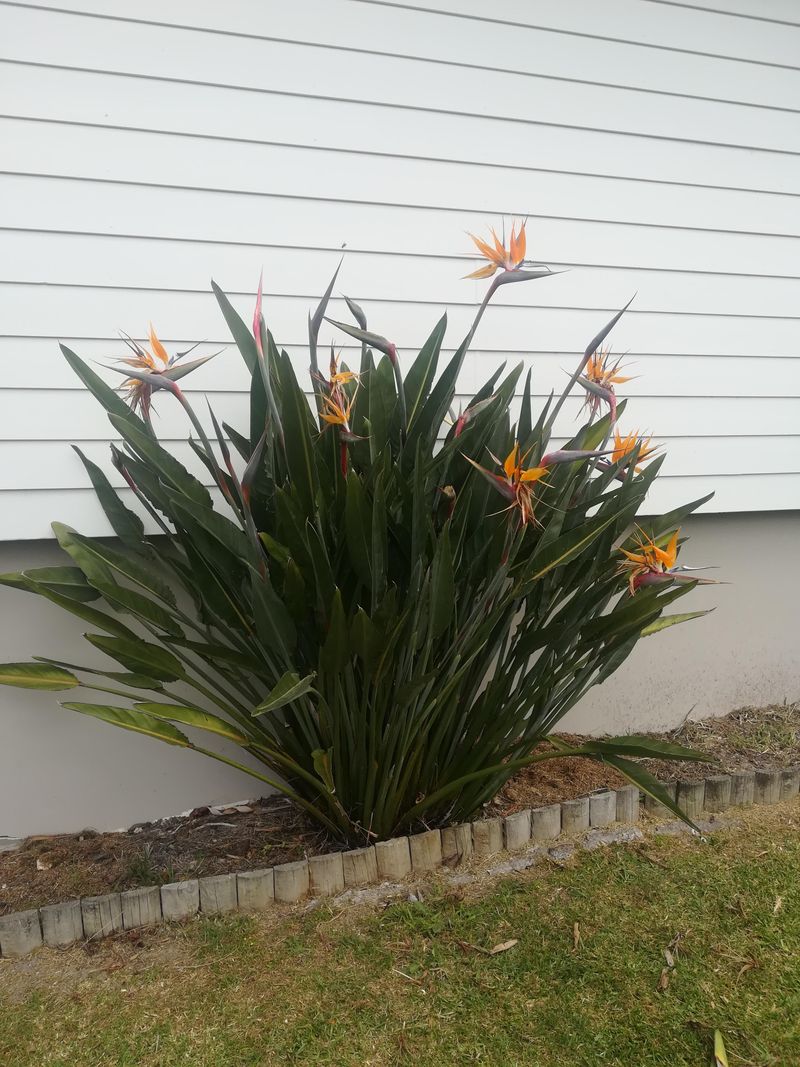
Old flower stalks that made it through winter are worth taking down before the new season starts. By late February in Arizona, those stalks are completely spent and aren’t going to produce anything new on their own.
Bird of Paradise flower stalks can stay on the plant for months after blooming finishes. In the dry Arizona climate, they dry out and hold their shape pretty well, which is why some people just leave them.
But those old stalks take up space and make the plant look cluttered when everything starts growing again in spring.
Cutting them at the base is the right move. Don’t try to cut them partway up hoping for a second bloom from the same stalk.
That’s not how Bird of Paradise works. New flower stalks come up from fresh growth at the base of the plant, not from old ones that have already bloomed.
Use loppers or a pruning saw for thick stalks that your hand pruners can’t get through cleanly. A rough, torn cut at the base is worse than leaving it alone, so use the right tool for the job.
A clean cut heals faster and looks better.
Removing old stalks also lets you see how many healthy base stems the plant has coming into the new season.
Around Scottsdale and Chandler, where Bird of Paradise is planted in front yards and along block walls, a clean base makes the whole planting look intentional and well-kept heading into spring.
4. Healthy Stems Should Be Left For Future Blooms
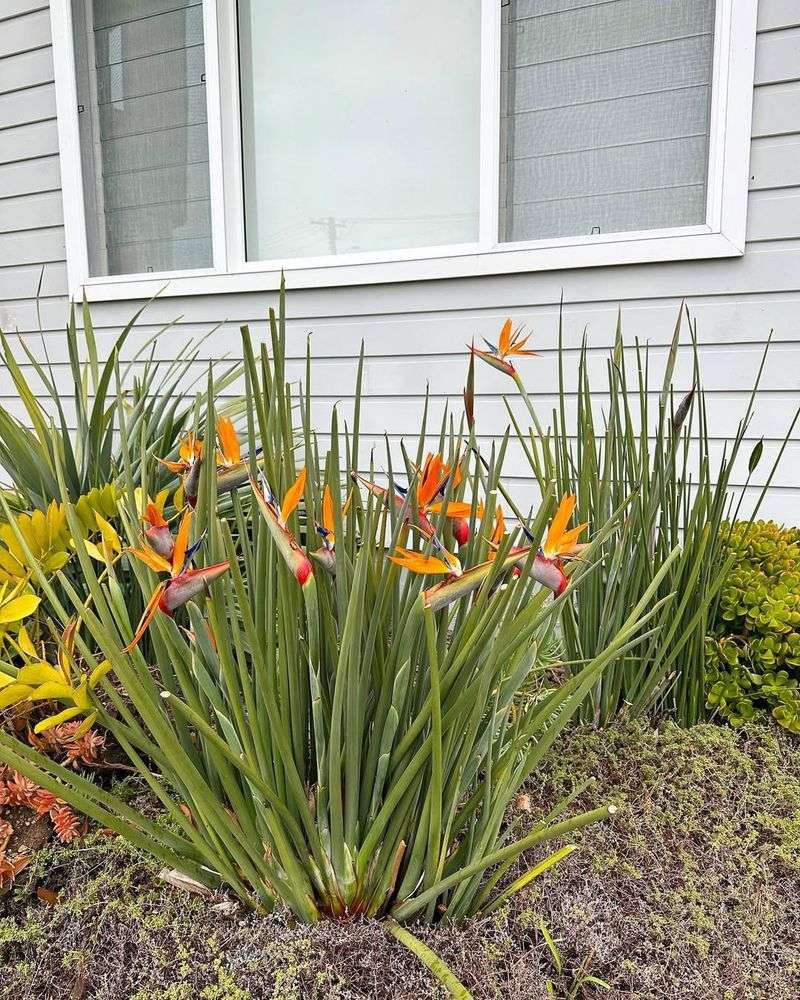
Not everything needs to come off. One of the most common mistakes Arizona gardeners make with Bird of Paradise is cutting back too much and accidentally removing stems that were about to produce flowers.
Healthy stems are firm, green, and upright. They don’t have brown tips or soft spots, and if you scratch the surface lightly, there’s green tissue underneath.
Those stems are loaded with potential heading into spring, and cutting them back just resets the clock on your blooms.
Bird of Paradise in Arizona typically starts flowering in spring and keeps going through the heat of summer. That bloom cycle depends on stems that built up energy over the cooler months.
If you strip the plant back to nothing in February, you’re pushing the first flowers out by weeks, sometimes longer.
A good rule to follow: if it looks healthy and green, leave it alone. Your job before spring is to remove what’s already gone, not to reshape a plant that’s perfectly ready to perform.
Aggressive cutting feels productive in the moment but often just delays the payoff.
In high-growth areas of Arizona like Mesa and Gilbert, where summers get brutal fast, you want your Bird of Paradise blooming as early in the season as possible. Protecting healthy stems now means you get color sooner rather than later.
Save the heavy reshaping for after the main bloom cycle wraps up in late summer, when the plant can recover before the cooler months roll back around.
5. Opening The Center Helps Improve Airflow
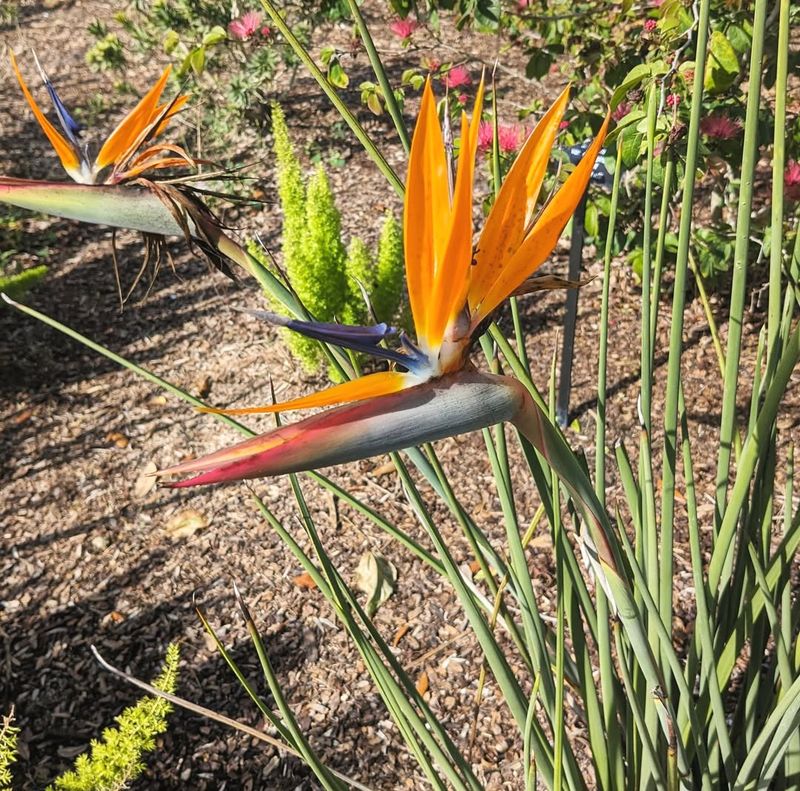
A dense, tangled center is one of those things that sneaks up on you. Bird of Paradise grows fast in Arizona, and after a few seasons, the middle of the plant can get so packed that air barely moves through it at all.
Poor airflow creates the kind of environment that pests and fungal problems love. When stems are pressed tightly together and moisture gets trapped in the middle after irrigation, you’re setting up conditions that can cause real trouble once the heat arrives.
Arizona summers are dry on the outside but humid right at the soil line if irrigation isn’t perfectly dialed in.
Before spring growth starts is a smart time to thin out crossing or inward-facing stems. You’re not gutting the plant.
You’re just pulling out a few of the stems that are growing into the center rather than out and up. Aim to create a little space between the main stems so light and air can reach the base.
Step back and look at the plant from a few feet away while you work. It’s easy to over-thin when you’re standing right on top of it.
You want the plant to look full but not suffocating.
Gardeners in Tempe and Peoria who grow Bird of Paradise along fence lines often notice that plants with open centers stay healthier through the summer than densely packed ones.
A little thinning before the growing season takes off is a low-effort step that pays off when the heat shows up and stays.
6. Established Plants Bounce Back Faster In Warm Weather
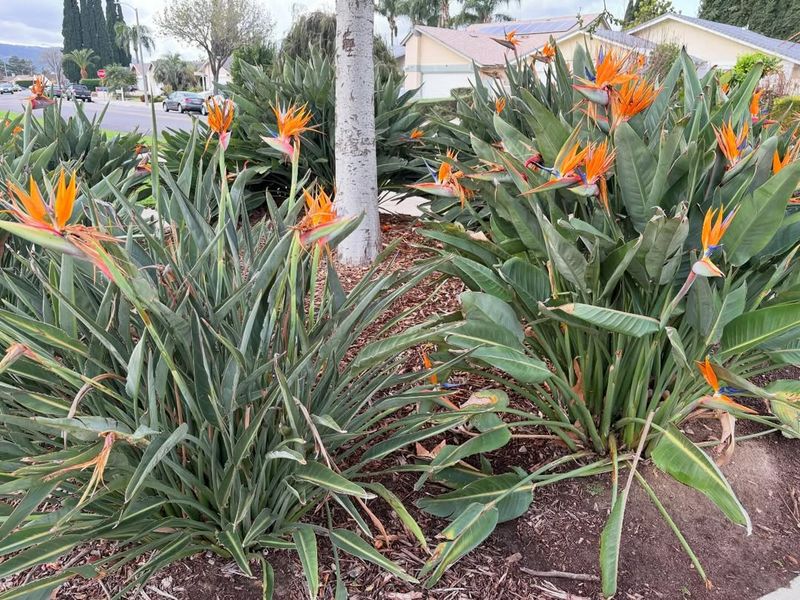
A Bird of Paradise that has been in the ground for three or more years is a different animal than a newly planted one. Mature plants have deep root systems and stored energy that let them recover from pruning quickly once the soil warms up.
In Arizona, soil temperatures climb fast once March arrives. That warmth signals the root system to push hard, and established plants respond by sending up new growth almost immediately after a cleanup prune.
You can practically watch the difference week to week in March and April.
Younger plants, on the other hand, need a bit more caution. If your Bird of Paradise is still in its first or second year in the ground, keep your pruning conservative.
Remove only what’s clearly damaged or spent. Don’t push a young plant into recovery mode right before it needs all its energy for spring growth.
Established plants in Chandler, Surprise, and other parts of the Phoenix metro bounce back so reliably that many experienced gardeners feel comfortable doing a more thorough cleanup on them than they would on anything new.
The root system is the safety net, and when it’s strong, the plant handles a good pruning without skipping a beat.
Timing still matters even for mature plants. Pruning too early in January, when cold nights are still possible, can expose fresh cuts to frost.
Waiting until late February or early March gives Arizona weather enough time to stabilize before the plant starts actively pushing new growth up through the cut areas.
7. Heavy Work Is Not Needed Before Growth Starts
Less is more when it comes to Bird of Paradise in late winter. Heavy pruning before spring growth starts isn’t necessary, and in most cases it just creates extra work for the plant right when it needs to be putting energy into new growth.
Arizona gardeners sometimes get the urge to cut everything back hard in February, especially after a plant has been ignored for a season or two. It feels like a fresh start, and there’s a certain satisfaction in taking a plant down to its bones.
But Bird of Paradise doesn’t need that kind of reset to perform well.
What the plant actually needs before spring is cleanup, not surgery. Pull out the old, dried growth, cut down the spent flower stalks, open up the center a little if it is really packed, and step back.
That’s genuinely all that’s required to set the plant up for a strong season.
Heavy cutting also delays blooms. Bird of Paradise flowers on growth that developed during the previous season.
If you cut that growth away, you’re pushing the first flowers out by several weeks. In a place like Arizona where spring is short and summer gets intense fast, losing even a few weeks of bloom time is a real trade-off.
Save the major reshaping for after the plant finishes its main bloom cycle in late summer or early fall. At that point, you can cut more aggressively without sacrificing the flowers.
Pre-spring is for light work only, and that light work makes a bigger difference than most people expect.