Should North Carolina Gardeners Prune Bird Of Paradise Before Spring
Few plants bring a bold tropical look to a garden quite like Bird of Paradise. With its large, dramatic leaves and striking flowers, it instantly turns a patio, sunroom, or garden bed into something that feels far more exotic.
That is one reason so many North Carolina gardeners enjoy growing it, especially in warm, sunny spaces. Across the Coastal Plain, Piedmont, and warmer pockets of the Mountain region, Bird of Paradise can grow vigorously when given the right care.
One step that often gets overlooked is pruning before the growing season begins. A careful trim at the right time helps remove old growth, improve air flow, and encourage stronger new shoots as temperatures rise.
Gardeners who handle this step properly often see healthier plants and better blooms later in the season. With a few simple pruning tips, North Carolina gardeners can help their Bird of Paradise start the year strong.
1. Bird Of Paradise Is Usually Grown As A Container Plant In North Carolina
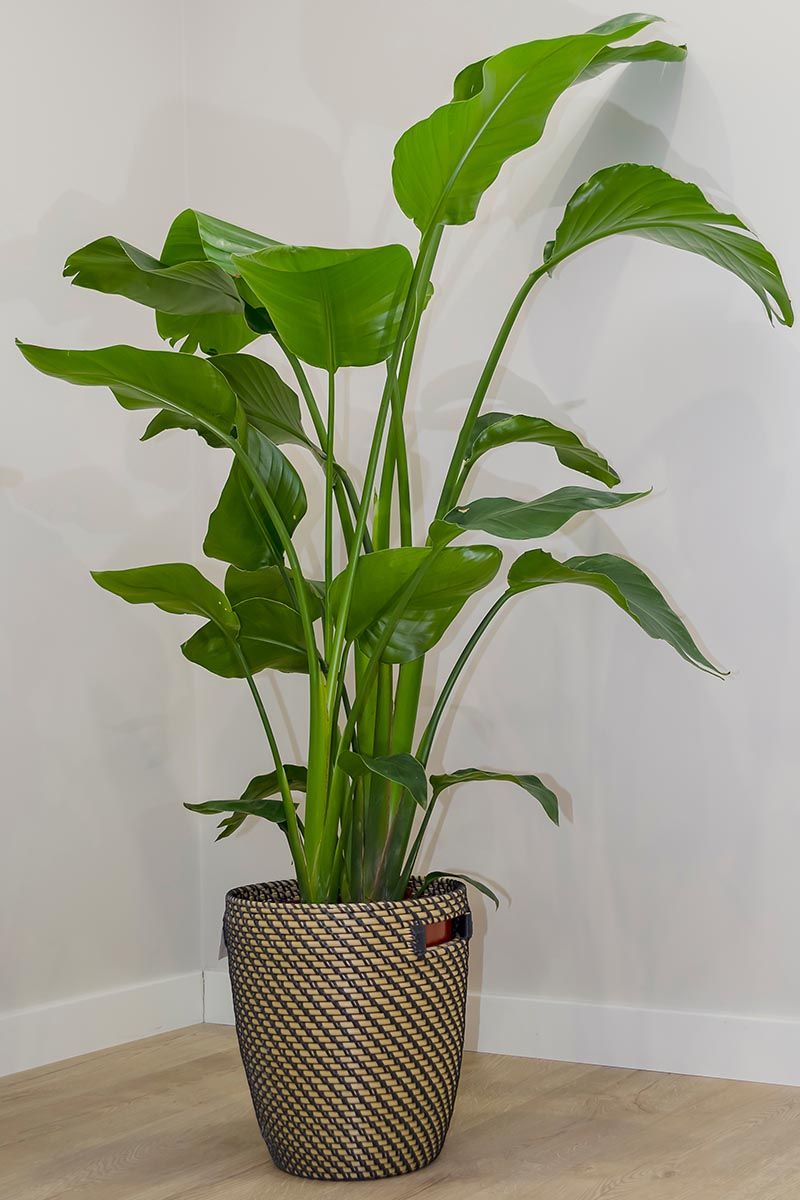
Most North Carolina gardeners grow Bird of Paradise (Strelitzia reginae) in containers rather than planting it directly in the ground. The reason is pretty simple: this plant loves warm weather and does not handle frost well at all.
North Carolina winters can get cold enough to damage or stress the plant if it stays outdoors year-round.
Growing it in a pot gives gardeners a huge advantage. During the warmer spring and summer months, the container can move outside onto a patio, deck, or sunny balcony where the plant soaks up all that warm North Carolina sunshine.
Then, once temperatures start dropping in fall, the pot moves back inside to a bright, warm spot indoors.
Many gardeners place their Bird of Paradise near a large south-facing window during winter so it keeps getting strong light. This indoor-outdoor lifestyle actually suits the plant well, as long as the transitions happen gradually.
Moving it too quickly from shade to full sun can shock the leaves and cause browning on the tips.
Container growing also makes pruning much easier since you can move the plant to a comfortable spot before you start trimming.
North Carolina gardeners who understand this plant’s needs tend to see the best results, keeping their Bird of Paradise healthy and vibrant through every season of the year.
2. Early Spring Is A Good Time For Light Pruning
Timing really does matter when it comes to pruning Bird of Paradise, and early spring stands out as one of the best windows to get the job done.
Right before the growing season kicks into full gear, the plant is preparing to push out fresh new leaves and possibly even flower stalks. A little light pruning at this point helps the plant channel its energy in the right direction.
Late winter to early spring, roughly February through March in North Carolina, is the sweet spot most experienced gardeners aim for. Temperatures begin to climb, days get longer, and the plant naturally starts waking up from its slower winter phase.
Your North Carolina Garden Changes Every Week. Your Plan Should Too.
Gardening in North Carolina changes quickly throughout the season. Every Friday you’ll receive a simple weekly plan showing exactly what to plant, prune, fertilize, harvest, and protect so you never miss the right timing.
Trimming at this time means any cuts the plant needs to recover from happen right as growth is ramping up, which makes the whole process faster and smoother.
Light pruning at this stage is not about dramatically reshaping the plant. It is more about tidying things up, removing tired or older leaves, and giving the plant a fresh start heading into the warmer months.
Think of it as a seasonal refresh rather than a major haircut. North Carolina gardeners who prune at the right moment often notice stronger, more vigorous growth through spring and summer.
Getting the timing right is one of the easiest things you can do to help your Bird of Paradise truly thrive this season.
3. Remove Older Leaves Near The Base
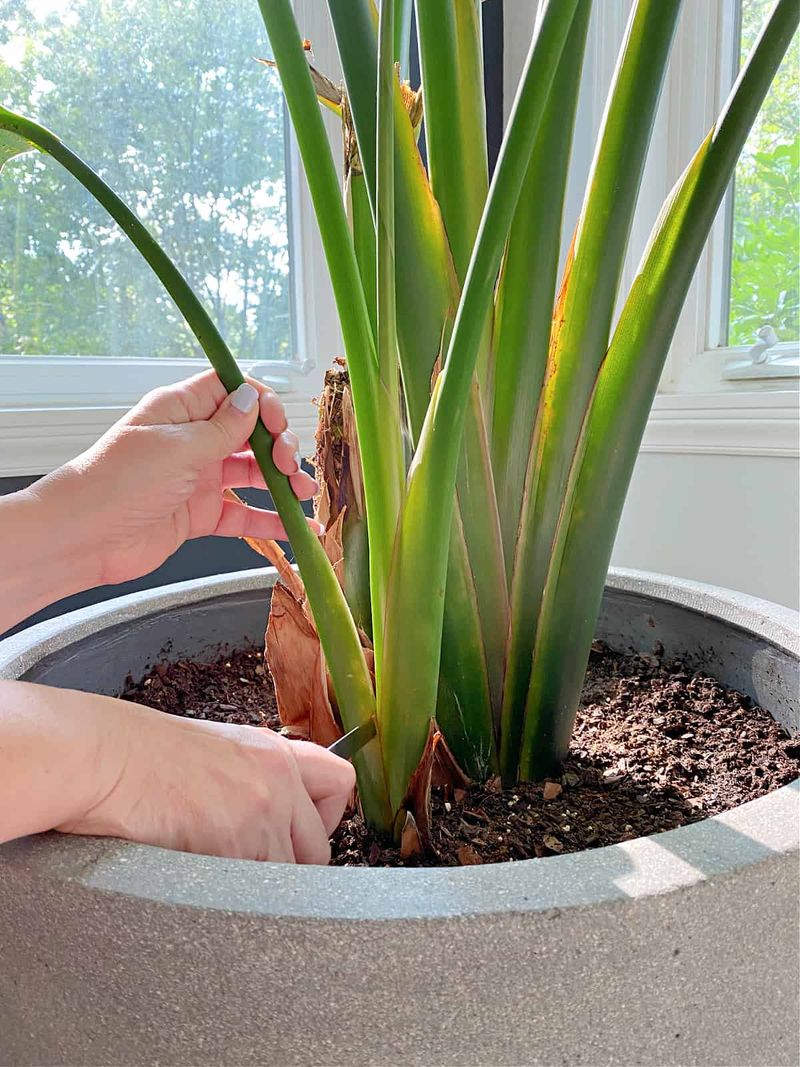
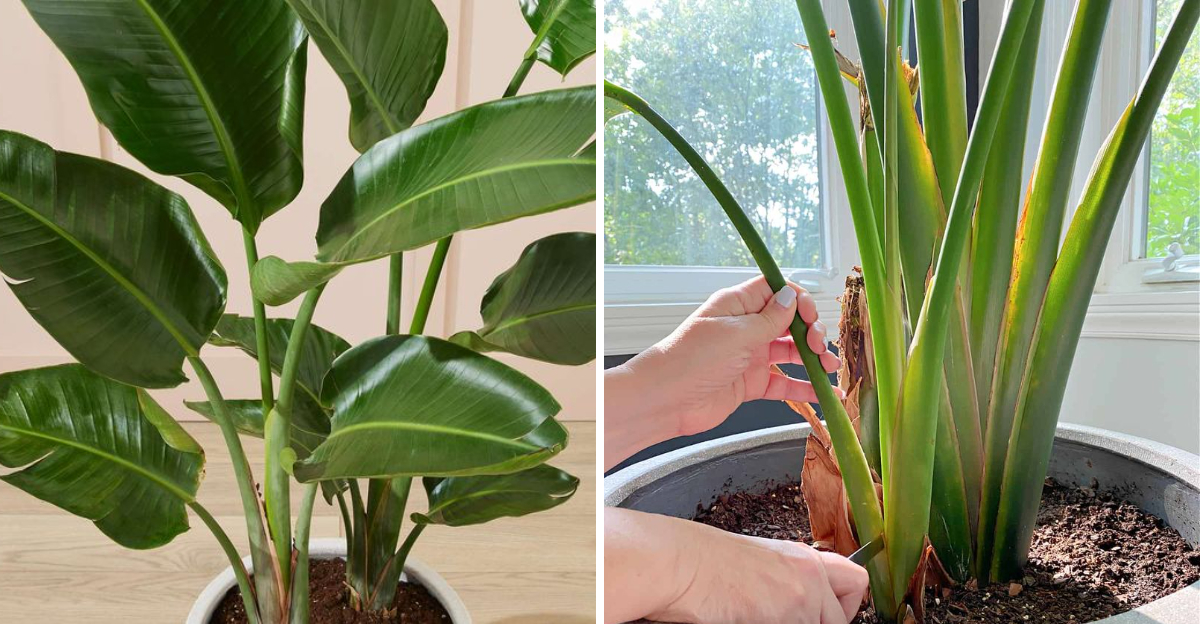
One of the most practical pruning tasks you can do on a Bird of Paradise is removing older, worn-out leaves near the base of the plant. Over time, the lower leaves naturally age, lose their vibrant green color, and start looking a bit ragged.
Trimming these away keeps the plant looking sharp and neat, which matters especially when it sits on display in your North Carolina living room or porch.
The right way to remove these leaves is to cut them as close to the main stem as possible without nicking the stem itself. Leaving a long stub sticking out can look messy and may also create a spot where moisture collects, which is something you want to avoid.
A clean cut right at the base gives the plant the cleanest look and the easiest recovery.
Removing older leaves also frees up space and light for the newer, younger foliage pushing up from the center of the plant. Fresh leaves tend to grow more upright and healthy when they are not crowded by tired older growth around them.
It is a small change that makes a surprisingly noticeable difference. North Carolina gardeners often find that after removing just a few older base leaves, their Bird of Paradise looks instantly more polished and full of life.
Simple, targeted trimming like this is one of the most rewarding parts of spring plant care.
4. Pruning Helps Improve Airflow Around The Plant
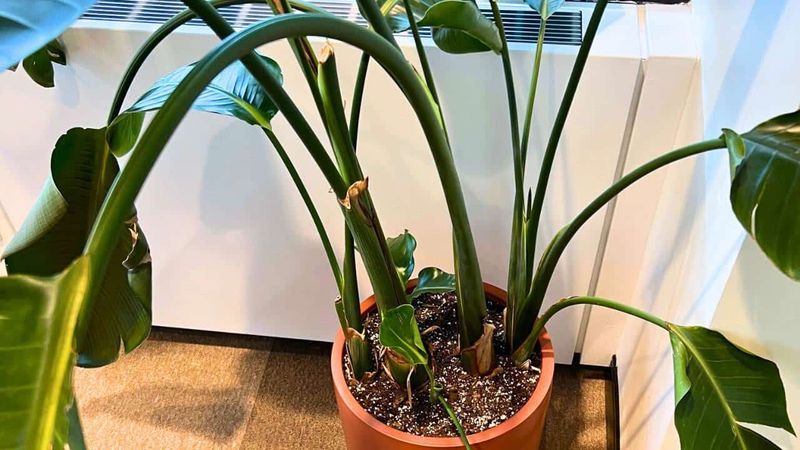
Good airflow might not be the first thing that comes to mind when you think about pruning, but it plays a surprisingly big role in keeping Bird of Paradise plants healthy.
When leaves grow too close together and crowd the center of the plant, air cannot move freely through the foliage.
That stagnant, humid environment near the stems can sometimes encourage fungal issues or make the plant more attractive to pests.
Trimming away some of the older or crowded growth opens up the plant so air can circulate more naturally between the leaves and stems. This is especially helpful right before spring, when the plant starts actively growing again and pushing out new leaves.
Better airflow means those fresh new leaves have room to develop properly without being cramped from the start.
For North Carolina gardeners who keep their Bird of Paradise indoors through winter, airflow can be even more important. Indoor spaces tend to have less natural air movement than the outdoors, so a slightly more open plant structure helps compensate for that.
Positioning the plant near a gentle fan or an open window also supports this goal. The overall effect of improved airflow shows up in healthier, greener leaves and a plant that just looks more alive and vigorous heading into the warm season.
A few strategic cuts before spring can make a real difference in how confidently your plant grows through the months ahead.
5. Avoid Heavy Pruning On Bird Of Paradise
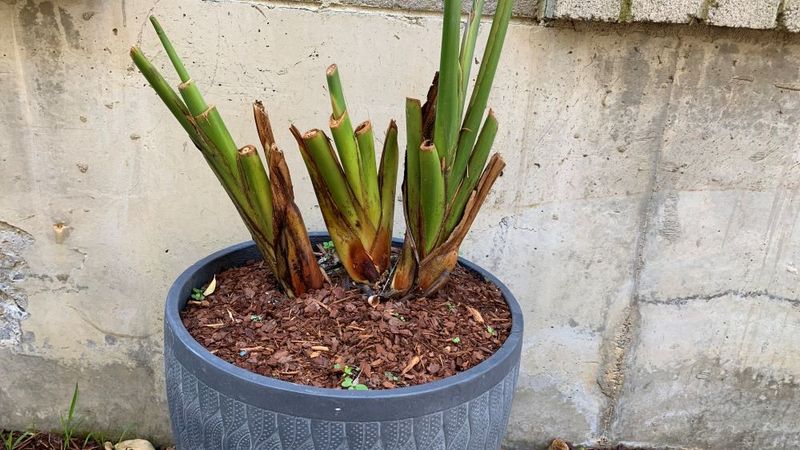
Bird of Paradise plants are tough and resilient, but they do have their limits when it comes to pruning. Removing too much foliage at once can slow the plant down significantly, since leaves are how the plant captures sunlight and produces the energy it needs to grow.
Heavy pruning essentially takes away the plant’s ability to fuel itself properly. A good rule of thumb that many experienced gardeners follow is to never remove more than one-third of the plant’s total foliage in a single pruning session.
Sticking to this guideline helps ensure the plant stays strong enough to recover quickly and keep growing without a major setback.
For most Bird of Paradise plants, that means trimming just a few leaves per session rather than going all out.
The focus should always stay on older leaves, damaged tips, or leaves that are clearly past their prime. Healthy, green, upright leaves should stay on the plant even if they look a little imperfect.
Patience is a real virtue here, and North Carolina gardeners who resist the urge to over-prune tend to be rewarded with stronger, more productive plants.
Keeping your pruning sessions light and focused also means the plant bounces back faster and starts pushing out new growth sooner. Less really is more when it comes to keeping Bird of Paradise happy, healthy, and looking its absolute best through spring and summer.
6. Clean Tools Help Protect Plant Health
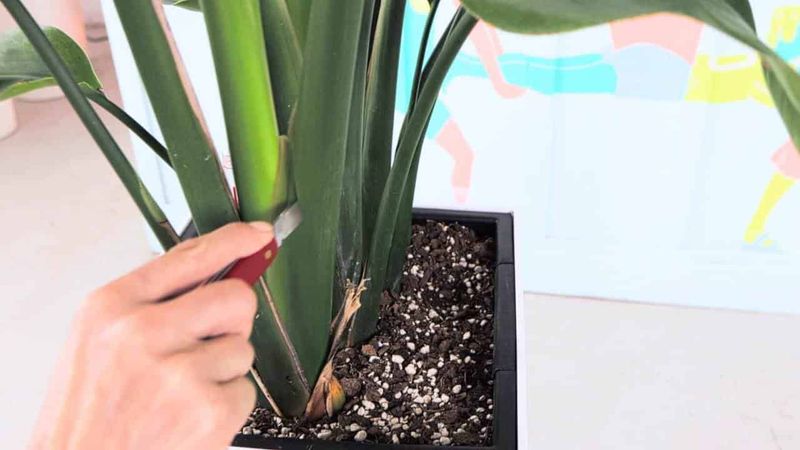
Sharp, clean pruning tools are one of the most underrated parts of good plant care, and they matter more than most people realize. When you use dull or dirty blades on a Bird of Paradise, the cuts tend to be ragged and uneven rather than smooth and precise.
Rough cuts take longer for the plant to recover from and can leave the tissue more vulnerable in the short term.
Sanitizing your tools before pruning is a simple step that pays off in a big way. Wiping the blades with rubbing alcohol or a diluted bleach solution removes any bacteria, fungi, or residue that might transfer from another plant or surface.
This is especially worth doing if you have been using the same tools on multiple plants around your North Carolina home or garden.
Sharp blades are just as important as clean ones. A quality pair of pruning shears or scissors that have been recently sharpened will glide through Bird of Paradise stems smoothly, creating a clean cut that heals quickly.
Many garden centers in North Carolina carry sharpening tools that make maintaining your equipment easy and affordable.
Taking a few extra minutes to prep your tools before each pruning session is a habit that experienced gardeners swear by. It is a small investment of time that directly supports the long-term health and beauty of your Bird of Paradise plant every single season.
7. Spring Pruning Encourages Fresh Growth
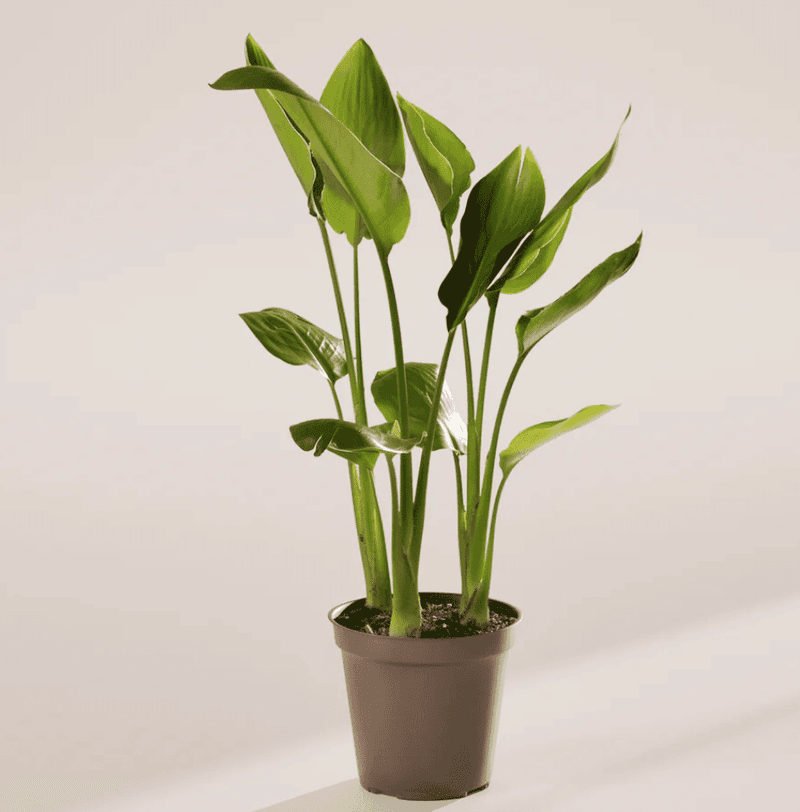
There is something genuinely exciting about watching a Bird of Paradise push out fresh new growth after a well-timed spring pruning.
When you remove older leaves before the growing season begins, the plant can redirect its stored energy toward producing new, stronger leaves and thicker stems.
The result is a plant that looks noticeably more vibrant and full just weeks after trimming. New leaves on a Bird of Paradise tend to emerge rolled up tightly before slowly unfurling into those wide, paddle-shaped blades the plant is famous for.
Seeing that process happen right after a spring pruning is one of the most satisfying moments for any North Carolina gardener. It is a clear sign that the plant is healthy, happy, and heading in the right direction.
Light pruning before spring essentially sends a signal to the plant that it is time to grow. By clearing away tired older growth, you are creating space and opportunity for the plant to invest in fresh foliage.
The more efficiently the plant can use its energy, the stronger and more impressive that new growth tends to be through the warmer months.
Gardeners across North Carolina who make spring pruning a regular part of their plant care routine often notice that their Bird of Paradise plants look fuller, greener, and more impressive year after year.
It is one of those simple habits that builds up to some really rewarding long-term results.
8. Repotting Often Happens At The Same Time As Pruning
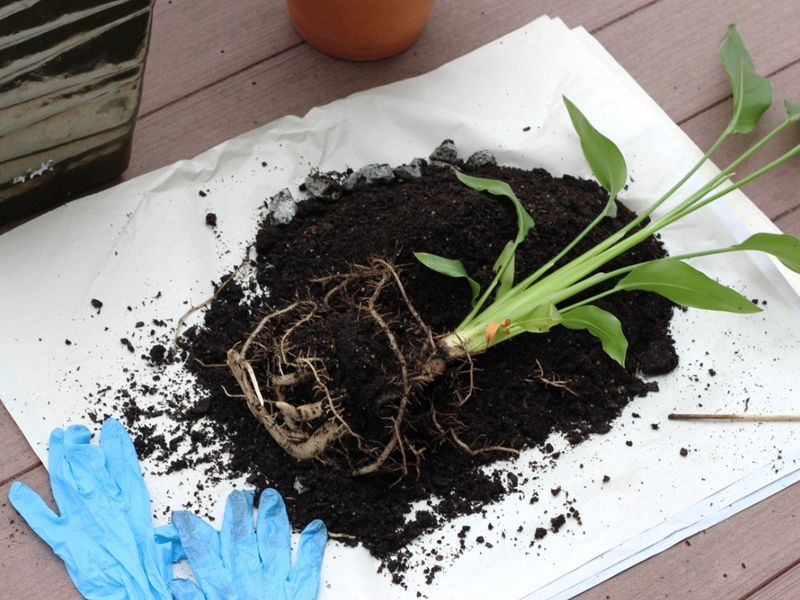
Early spring is not just a great time to prune your Bird of Paradise, it is also the perfect window for repotting if the plant has outgrown its current container.
Roots that have started circling the bottom of the pot or peeking out through the drainage holes are a clear sign that the plant needs more room to grow.
Giving it fresh soil and a slightly larger pot right before the growing season can really set it up for success.
Doing both tasks at the same time makes a lot of practical sense. Since you are already handling the plant and clearing away older growth, checking the root situation adds very little extra time or effort to the process.
Many North Carolina gardeners have found that combining pruning and repotting into one early spring session keeps their plants on a strong, consistent growth track.
When repotting, choosing a pot that is just one size larger than the current one is usually the right call.
Going too big too fast can actually slow the plant down, since it focuses energy on filling the extra soil space with roots rather than pushing out new leaves above ground. A well-draining potting mix designed for tropical plants works best for Bird of Paradise.
After repotting, water the plant thoroughly and place it somewhere bright and warm. North Carolina homes with south-facing windows are ideal spots for helping the plant settle in comfortably and start the new growing season on the best possible footing.
9. Good Light Helps Plants Recover Quickly After Pruning
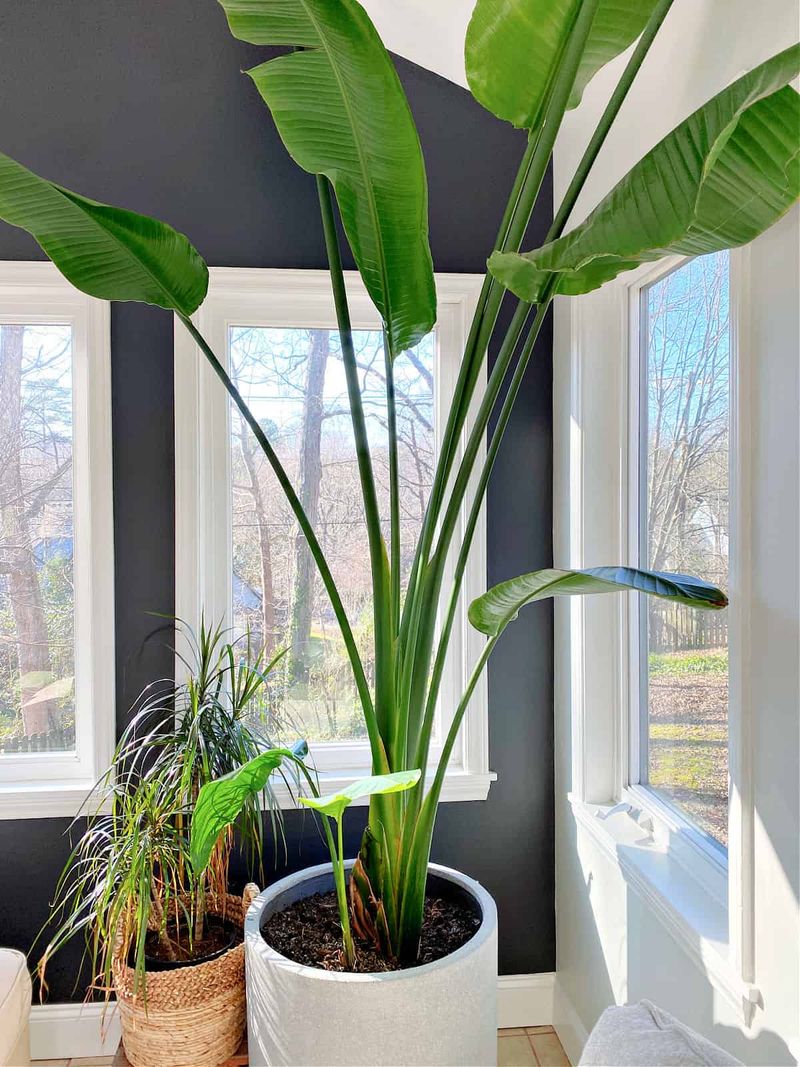
After any pruning session, the single most important thing you can do for your Bird of Paradise is make sure it has access to plenty of bright light.
Light is essentially the plant’s fuel, and the more of it the plant gets after trimming, the faster and more confidently it will recover and push out fresh new growth. North Carolina homes with large, sunny windows are ideal for this recovery phase.
Bird of Paradise plants thrive in bright, indirect light or even some direct morning sun when kept indoors. A south-facing or east-facing window tends to work really well for providing the consistent light levels these plants love.
If natural light in your home is limited, a quality grow light placed close to the plant can be a very effective substitute during the recovery period. Strong light after pruning also plays a role in encouraging flowering in mature plants.
Bird of Paradise plants typically need to be a few years old before they bloom, and they almost always flower more reliably when they receive consistent, bright light throughout the growing season.
Pruning combined with good light exposure is a powerful combination for any North Carolina gardener hoping to see those stunning orange and blue blooms.
Keeping your plant in the best possible light after trimming gives it every advantage it needs. A little attention to placement goes a long way toward making sure your Bird of Paradise grows stronger, greener, and more beautiful with every passing season.