These Are The North Carolina Climbing Plants That Cover An Ugly Fence In One Season
An ugly fence can make a whole yard feel unfinished. The good news is that a fast-climbing vine can change that surprisingly quickly, turning plain boards or chain-link into something leafy, colorful, and a lot easier to look at.
Some vines are great for flowers, some are better for thick green coverage, and some do both with serious enthusiasm. That is part of the fun.
In North Carolina, the long growing season gives these climbers a real chance to make an impact. Of course, no vine grows at exactly the same speed in every yard.
Sun, soil, moisture, and support all matter. Still, the right plant can make that fence feel less like an eyesore and more like part of the garden.
1. Virginia Creeper Turns A Fence Green Fast
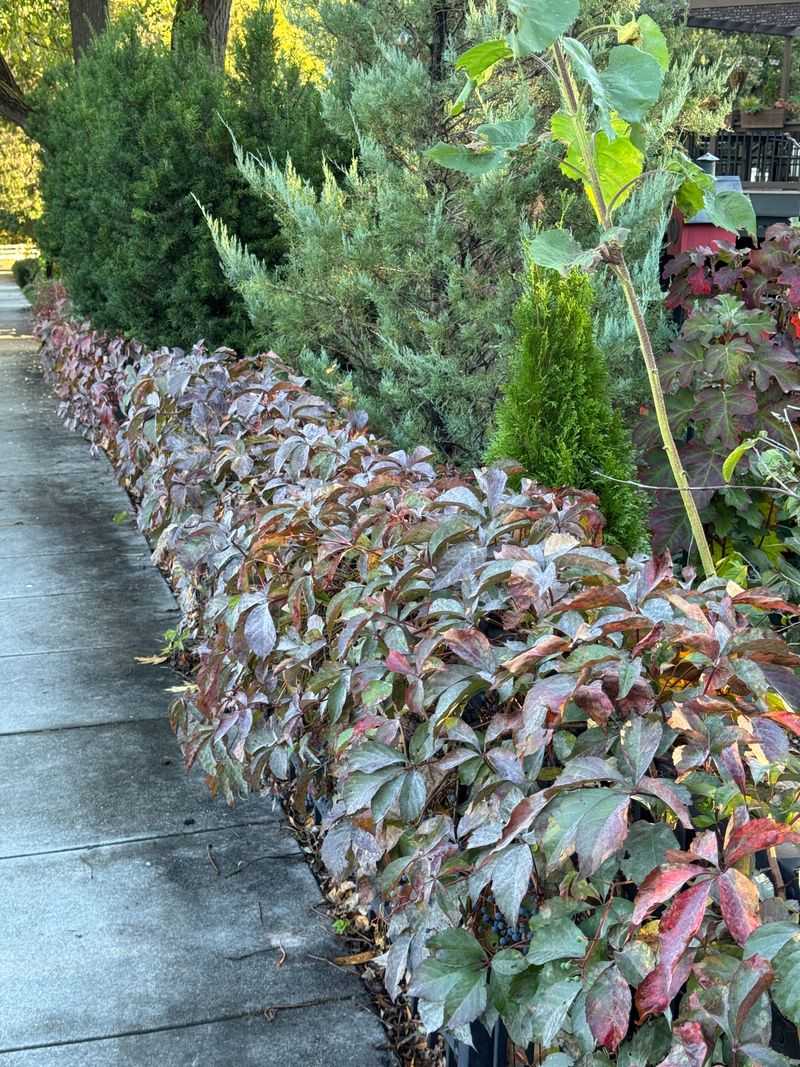
Few vines match Virginia Creeper when it comes to sheer coverage speed on a fence. This native North American climber can put on serious growth in a single season, and in many North Carolina yards, it starts filling in gaps quickly once it gets established.
It clings to surfaces using small adhesive pads, which means it can work on wooden fences, chain-link panels, and masonry walls without needing much help from you.
The foliage is bold and attractive, with five-leaflet leaves that turn a striking red and orange in fall. That autumn color is one of the best reasons to plant it along a fence where you want seasonal interest beyond just green screening.
During summer, the dense leaf coverage creates a solid privacy screen that softens even the most unattractive fence lines.
Virginia Creeper is also a native plant in North Carolina, which means it supports local wildlife including birds that rely on its small dark berries. It grows vigorously in both sun and shade, though full sun tends to produce the fastest coverage.
One thing to watch for is that it can spread beyond the fence if left unmanaged, so light annual pruning helps keep it where you want it. For gardeners who want fast, reliable green coverage with real ecological value, this vine is a strong choice.
2. Woolly Pipevine Makes Privacy Feel Leafy
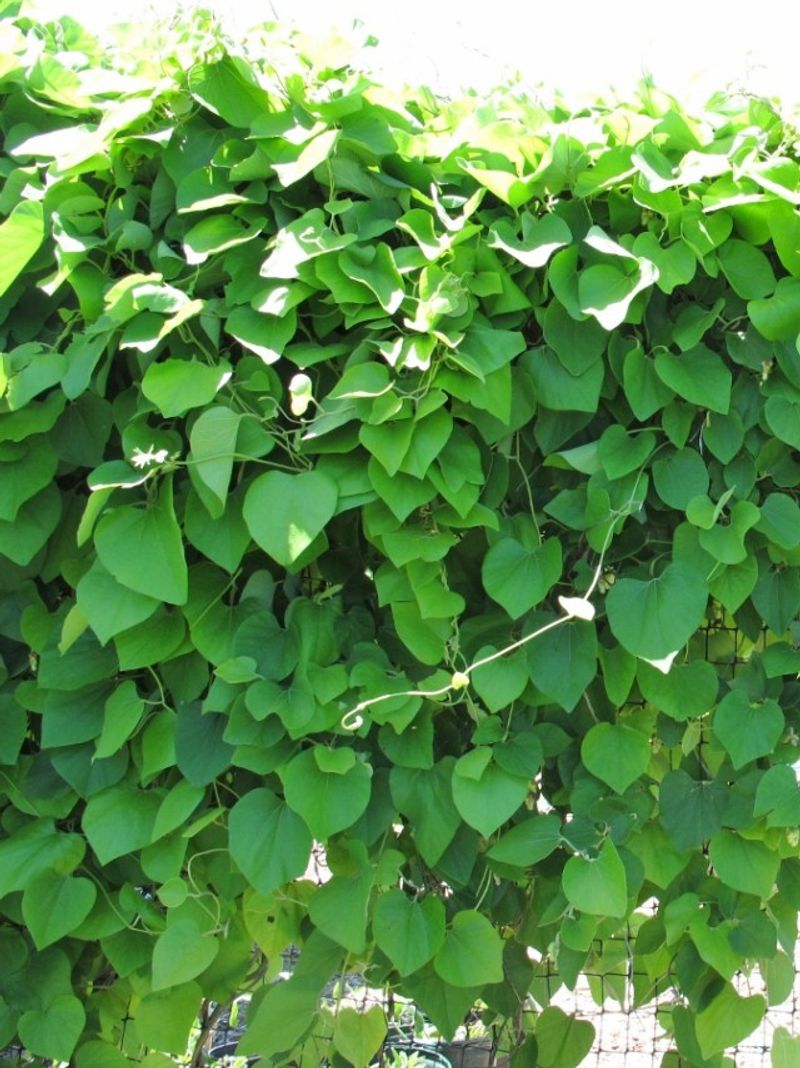
Big, heart-shaped leaves are the calling card of Woolly Pipevine, and those leaves are exactly what makes this native vine such a standout for fence coverage.
Each leaf can grow quite large, and when the plant gets going in summer, the overlapping foliage creates a dense, layered screen that genuinely blocks the view through a fence.
If privacy is your main goal, Woolly Pipevine earns serious consideration.
Beyond the lush greenery, this plant has an interesting ecological role. It serves as a host plant for the Pipevine Swallowtail butterfly, one of the more striking butterflies found across North Carolina.
Planting it along a fence means you may start noticing more butterfly activity in your yard, which adds a whole other layer of appeal beyond just coverage.
Woolly Pipevine prefers partial shade to full shade, making it a solid option for fence lines that don’t get all-day sun. It tends to perform well in the moist, wooded conditions found in many parts of North Carolina, particularly in the Piedmont and mountain regions.
Your North Carolina Garden Changes Every Week. Your Plan Should Too.
Gardening in North Carolina changes quickly throughout the season. Every Friday you’ll receive a simple weekly plan showing exactly what to plant, prune, fertilize, harvest, and protect so you never miss the right timing.
Growth speed can vary depending on soil quality and moisture, but with good conditions it fills in noticeably within a season. Regular watering during dry spells helps it establish faster.
This is a vine that rewards patience with genuinely impressive, wildlife-friendly privacy coverage.
3. Passionflower Covers With Summer Energy
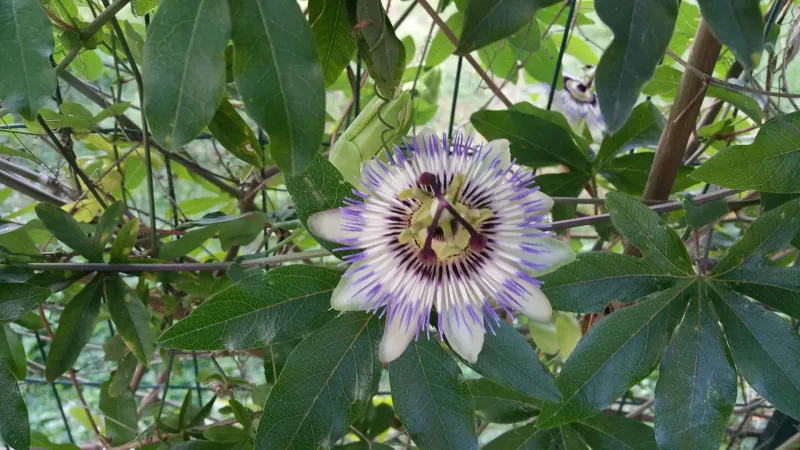
There is nothing quite like watching a Passionflower vine take off in summer.
Once the heat arrives and the days get long, this native climber seems to shift into a higher gear, sending out tendrils that latch onto fence wires, wooden rails, and chain-link openings with surprising enthusiasm.
The coverage it produces is leafy and reasonably dense, though it tends to work best when given something to grab onto along the fence.
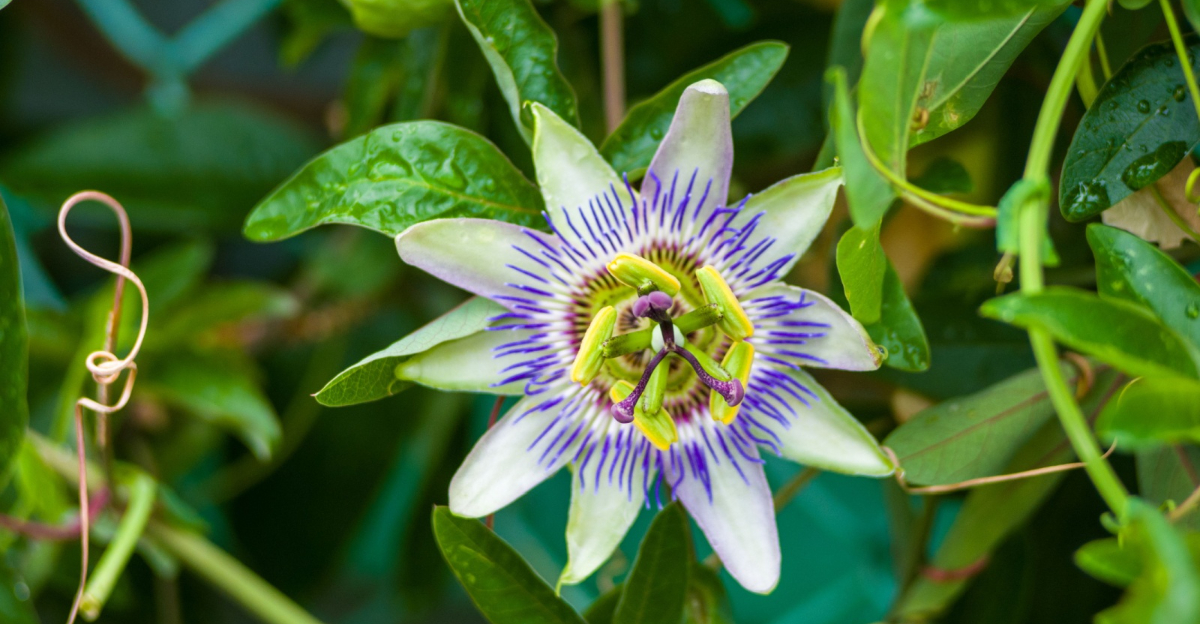
The flowers are the real showstopper. Passionflower blooms are intricate, exotic-looking structures with purple, white, and blue coloring that make people stop and stare.
They appear throughout summer and into early fall, giving the fence a constantly changing display that plain green vines simply cannot match. After the blooms fade, small orange fruits appear, which birds and other wildlife appreciate.
Passionflower is native to North Carolina and grows across much of the state, from the coastal plain through the Piedmont. It handles heat and humidity well, which makes it a practical choice for the long summer.
One thing to keep in mind is that it can spread through underground runners, so monitoring the edges of the planting area is a good habit.
For gardeners who want fast summer coverage with spectacular flowers and real wildlife value, Passionflower brings an energy to the fence line that few other vines can replicate.
4. Virgin’s-Bower Fills A Fence In A Hurry
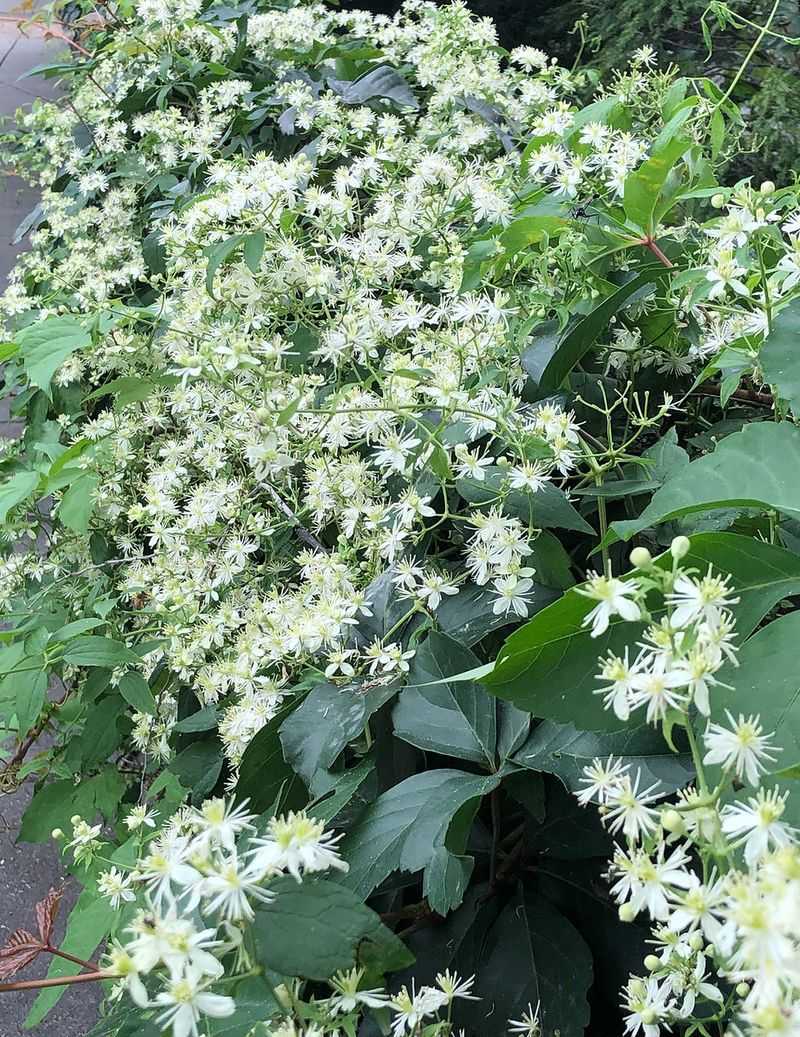
When people talk about fast-growing native vines in North Carolina, Virgin’s-Bower belongs near the top of the list.
This native clematis species is well-adapted to the state’s varied conditions and can cover a fence with impressive speed when planted in a spot with adequate moisture and good support.
The stems twine readily through chain-link and wooden fencing, filling in gaps with feathery, fine-textured foliage that looks softer than many other vines.
Late summer is when Virgin’s-Bower really shines. Masses of small white flowers appear along the fence, creating a frothy, cloud-like display that stands out in the garden.
After the flowers fade, the seed heads develop silvery, wispy plumes that add texture and visual interest well into fall. That extended seasonal interest makes it more than just a fast cover, it becomes a genuine ornamental feature along the fence.
This vine grows naturally along stream banks and forest edges across North Carolina, which tells you something useful about its preferences. It appreciates moisture, good drainage, and some organic matter in the soil.
Full sun to partial shade works well, and the faster growth tends to come in sunnier spots. Because it can grow quite vigorously, light pruning after flowering helps manage its spread along the fence line.
For gardeners who want rapid native coverage with late-season bloom, Virgin’s-Bower is a genuinely rewarding choice.
5. Crossvine Climbs Fast And Blooms Brightly
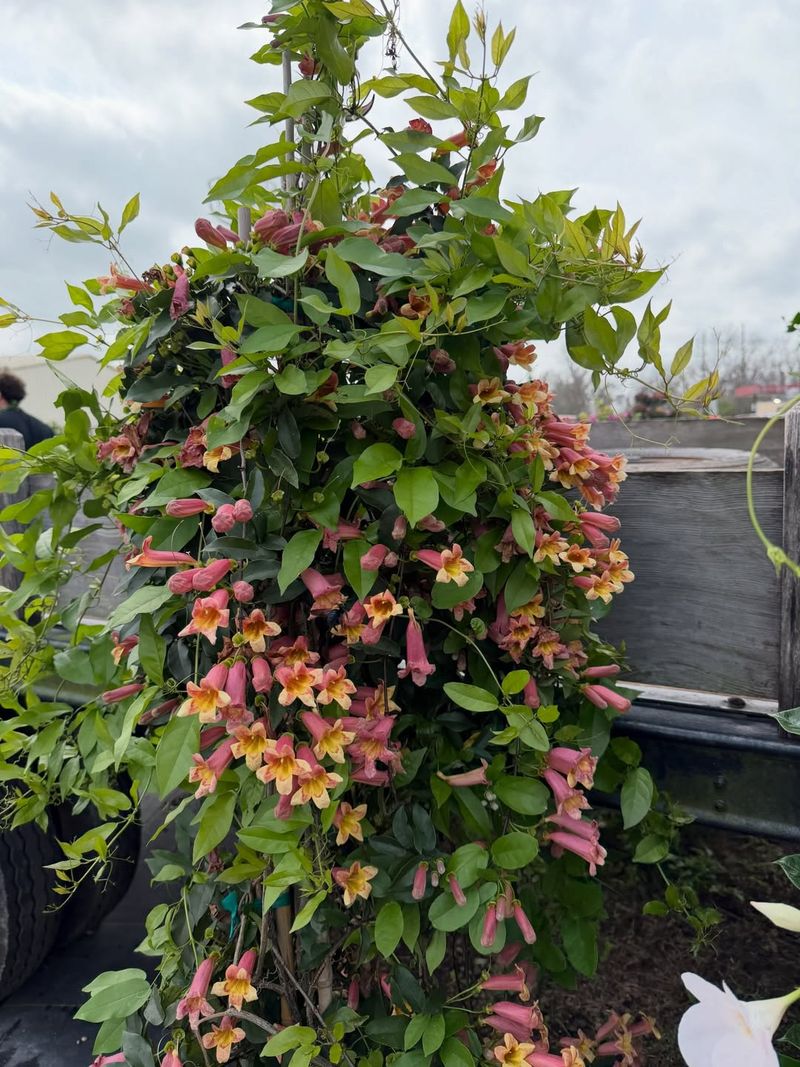
Crossvine is one of those plants that earns its reputation quickly once you see it in action.
The bold trumpet-shaped flowers, typically orange-red on the outside and yellow within, appear in spring and create a vivid display along the fence before most other vines have even leafed out fully.
That early bloom is part of what makes Crossvine such a practical choice for fence lines where you want color as well as coverage.
Beyond the flowers, Crossvine is a strong, woody climber that uses adhesive holdfasts to grip fence surfaces.
It can work on wooden boards, brick walls, and chain-link panels, pulling itself upward and outward to cover a surprising amount of space within a single growing season.
In warmer parts of North Carolina, it tends to hold its leaves through winter, giving the fence some year-round presence even when other vines go bare.
Crossvine is native to much of the eastern and southeastern United States, including North Carolina, which means it is adapted to the local climate and supports pollinators like hummingbirds and bees.
It tolerates a range of soil types and performs in both full sun and partial shade, though flowering is generally more prolific in sunnier spots.
Growth rate and density can vary by location, so giving it a good start with consistent moisture in the first season helps it establish faster and fill the fence more completely.
6. Trumpet Honeysuckle Adds Color Along The Fence
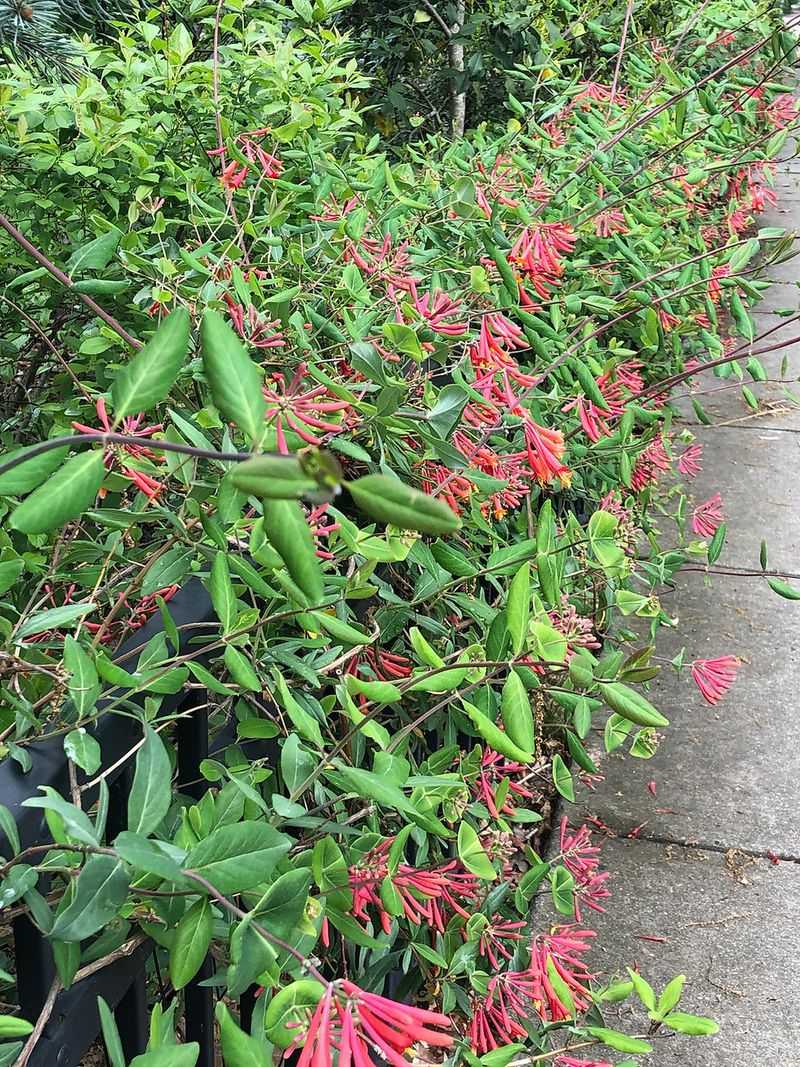
Trumpet Honeysuckle brings a warm splash of red and orange to the fence line, and it does it in a way that feels both wild and deliberately beautiful.
Unlike the invasive Japanese Honeysuckle that has caused problems across North Carolina, Trumpet Honeysuckle is a well-behaved native species that grows with enthusiasm without taking over the entire yard.
That distinction matters a lot when you’re choosing a fence vine for a home garden.
The tubular red-orange flowers appear from spring through summer and are a favorite nectar source for Ruby-throated Hummingbirds, which are common visitors across North Carolina.
Watching hummingbirds work the flowers along a fence line is one of those backyard moments that makes gardening feel genuinely rewarding.
Bees and butterflies also visit the blooms, so the fence becomes a small wildlife corridor in its own right.
Trumpet Honeysuckle grows best in full sun to partial shade and handles heat and humidity without much complaint. It twines through fence openings and over rails, building coverage steadily over the season.
While it may not produce the absolute densest wall of foliage compared to some other vines on this list, it more than makes up for it with consistent flowering and manageable growth.
Providing a sturdy fence or trellis helps it climb more efficiently, and light pruning after the main flowering flush encourages fresh new growth and additional blooms.
7. American Wisteria Brings Big Growth More Gently
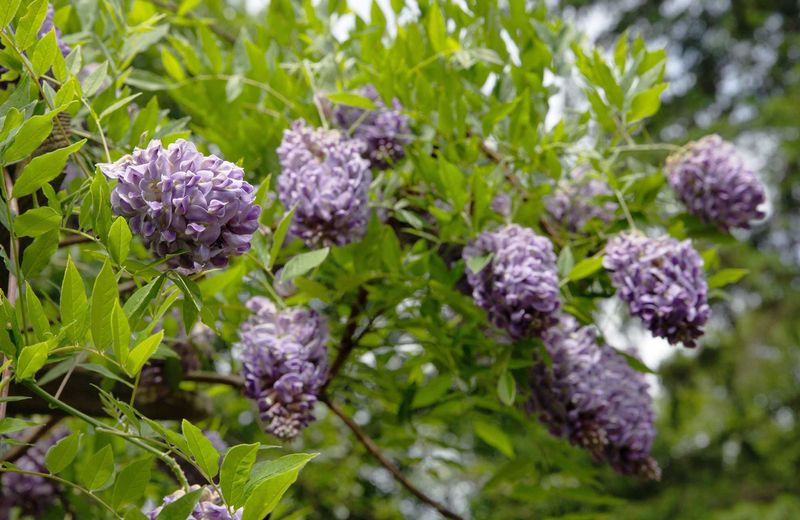
Wisteria has a reputation for being aggressive, and the Asian species absolutely earn that reputation. American Wisteria, however, is a different story.
This native species gives you the dramatic, cascading purple flower clusters that wisteria is famous for, while being considerably more manageable than its invasive relatives.
For gardeners who want big, lush coverage with showstopping blooms, American Wisteria offers a more responsible path to that goal.
The flowers appear in late spring and carry a light, pleasant fragrance that drifts along the fence on warm afternoons. After the bloom period, the vine leafs out into a dense, green canopy that covers the fence thoroughly through summer and into fall.
The coverage it provides is substantial, and on a sturdy fence or arbor, the mature plant creates a genuinely impressive screen.
Because Wisteria is a woody vine that gets heavier over time, the fence needs to be reasonably strong to support it.
Chain-link and lightweight trellises may struggle under the plant’s weight as it matures, so a solid wooden or metal structure works better for long-term planting.
American Wisteria grows best in full sun with well-drained soil, and while it is less rampant than Asian species, regular pruning helps maintain its shape and encourages better flowering.
In the right North Carolina spot with good sun and support, it can become one of the most beautiful features in the yard.
8. Carolina Jessamine Covers With Lasting Charm
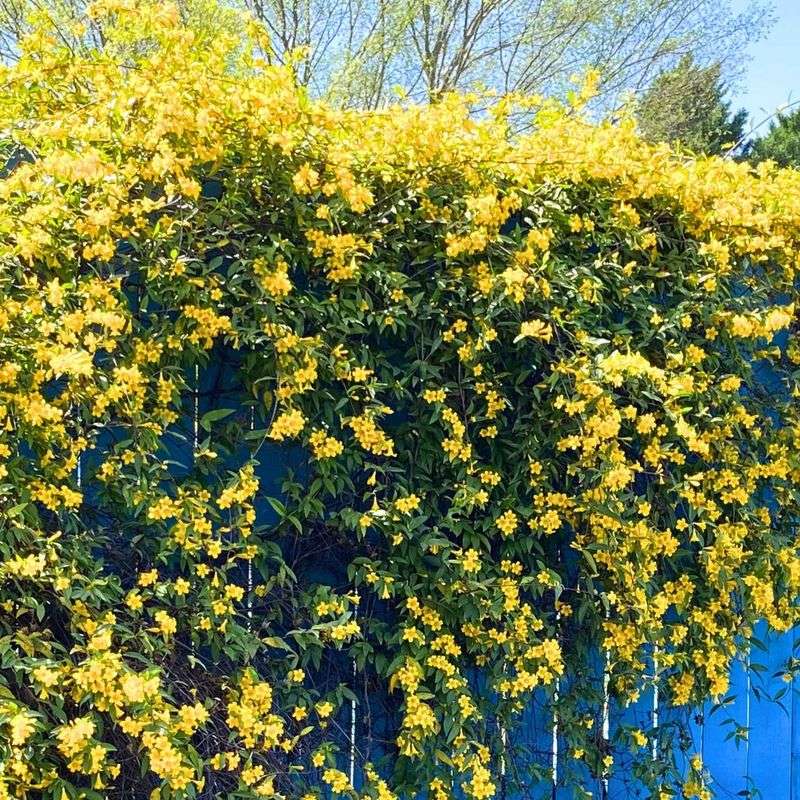
Carolina Jessamine holds a special place in the hearts of gardeners, partly because it blooms so early in the year that it feels like a genuine announcement that winter is ending.
The bright yellow tubular flowers appear in late winter to early spring, often before most other plants have stirred, and they cover the vine in a cheerful flush of color that makes even the plainest fence look intentional and cared for.
As a semi-evergreen to evergreen vine in much of North Carolina, Carolina Jessamine keeps its glossy green leaves through much of the year, which means the fence retains some coverage and color even in the colder months.
That year-round presence is a real advantage over deciduous vines that leave the fence bare and exposed through winter.
The dense twining growth gradually fills in gaps, building a layered, textured screen over one to several seasons depending on growing conditions.
This vine is the state flower of South Carolina and grows naturally across much of the Southeast, including much of North Carolina. It performs well in full sun to partial shade and tolerates a range of soil conditions, though it appreciates decent drainage.
One important note for households with children or pets is that all parts of the plant are toxic if eaten, so placement matters.
For fences in ornamental or adult-oriented garden spaces, Carolina Jessamine is a charming, reliable, and distinctly Southern choice that rewards with both beauty and lasting fence coverage.