What To Plant In Western North Carolina Before The Season Takes Off
Spring in Western North Carolina does not rush in, and that is exactly what makes it so valuable for gardeners.
The mountains warm up slowly, giving you a rare window where cool air and workable soil create ideal growing conditions. While others wait for summer, this is when smart gardeners get ahead.
Across the foothills and higher elevations, early spring offers a perfect balance of moisture and mild temperatures.
Many vegetables thrive in this environment, growing steadily without the stress that comes later with heat and humidity.
Getting them in the ground now allows them to establish strong roots and produce earlier, more reliable harvests. This short window can shape your entire season.
With the right crops planted at the right time, Western North Carolina gardens can start strong and stay productive long before summer even begins.
1. Peas
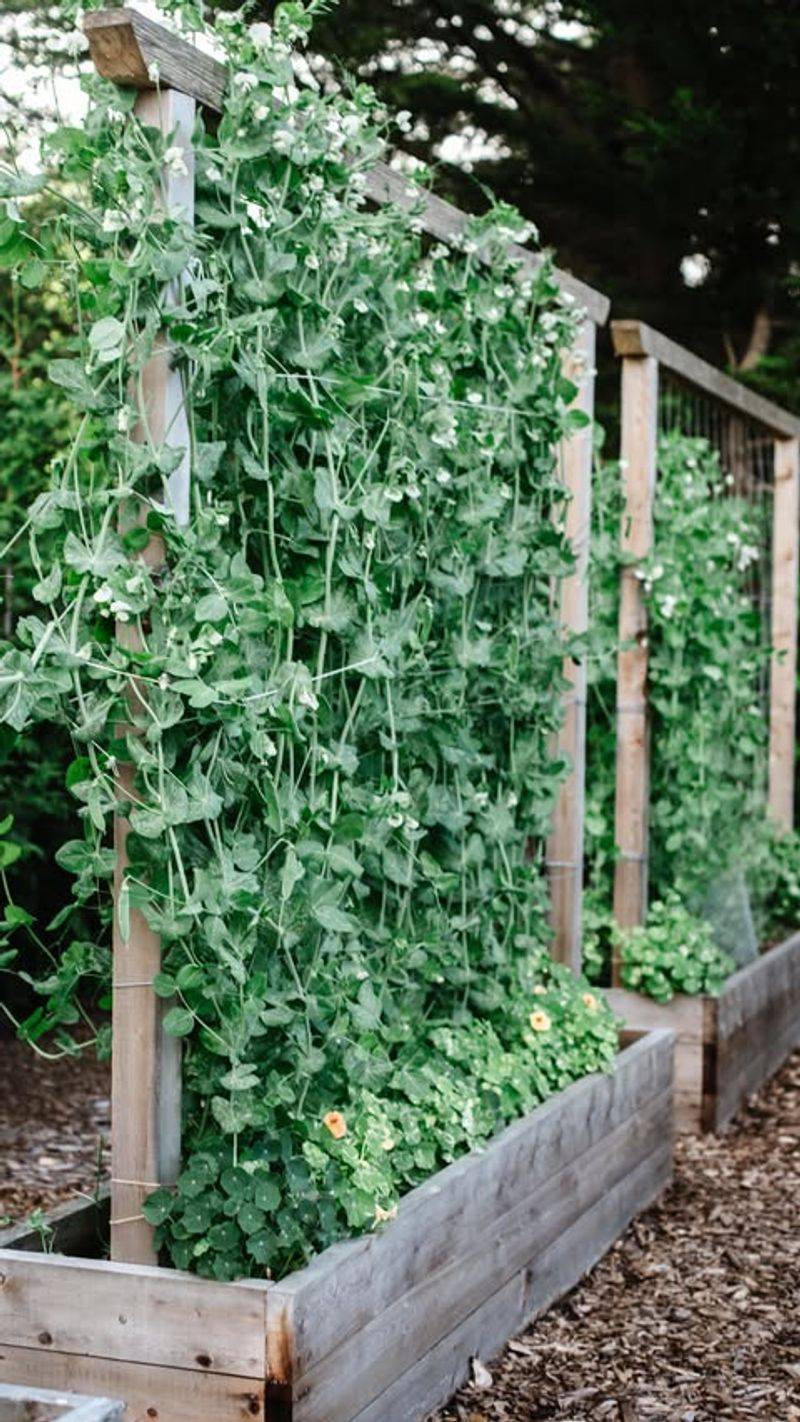
Few things beat the excitement of planting peas in early spring, when the soil is just barely workable and the mountains of Western North Carolina still carry that cool morning chill.
Garden peas, known scientifically as Pisum sativum, are built for exactly these conditions. They actually prefer cool weather and can handle a light frost without missing a beat. Peas grow best when soil temperatures sit between 45 and 70 degrees Fahrenheit.
In the WNC mountains, that sweet spot arrives earlier than many gardeners expect, often in late February or early March.
Getting seeds in the ground as soon as the soil is no longer frozen gives peas the long, cool stretch they need to really take off.
Plant seeds about one inch deep and two inches apart along a trellis or fence, since peas love to climb.
Water them consistently but avoid soggy soil. Within about 60 to 70 days, you will be harvesting crisp, sweet pods straight from the vine. Snap peas, snow peas, and shelling peas all work wonderfully in WNC gardens.
Starting early means you beat the summer heat that causes pea plants to stop producing, so you get a full harvest before temperatures climb too high.
2. Spinach
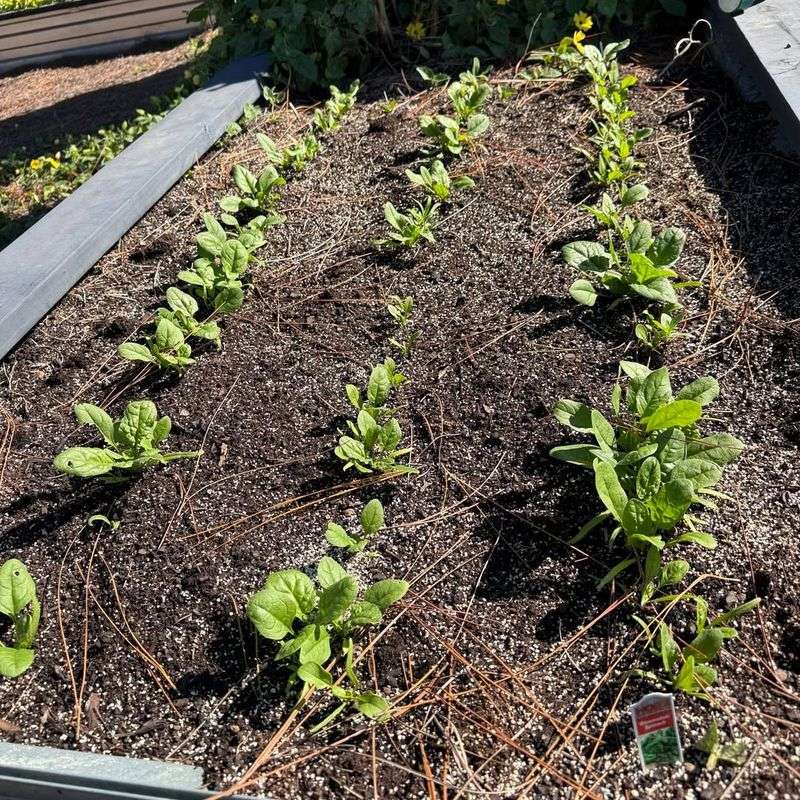
Spinach might just be the most rewarding early spring crop you can grow in Western North Carolina.
Spinacia oleracea thrives when temperatures stay between 35 and 65 degrees Fahrenheit, which makes the mountain spring climate almost perfect for it.
Sow seeds directly into garden beds as soon as the soil can be worked, and spinach will reward you quickly. One of the best things about spinach is how fast it grows.
Baby leaves can be ready to harvest in as little as 25 to 30 days after planting, while full heads take around 40 to 50 days.
Because WNC sits at higher elevations, the cooler temperatures hang around longer than in the Piedmont, giving spinach more time to develop rich, tender leaves before the heat sets in.
Sow seeds about half an inch deep and two to three inches apart in rows. Keep the soil moist and add a thin layer of mulch to hold moisture during cool nights. Succession planting every two weeks stretches your harvest window nicely.
Your North Carolina Garden Changes Every Week. Your Plan Should Too.
Gardening in North Carolina changes quickly throughout the season. Every Friday you’ll receive a simple weekly plan showing exactly what to plant, prune, fertilize, harvest, and protect so you never miss the right timing.
Spinach bolts quickly once warm weather arrives, so planting early is the smartest move. Pair it with a simple vinaigrette or toss it into smoothies for a fresh, homegrown boost all season long.
3. Lettuce
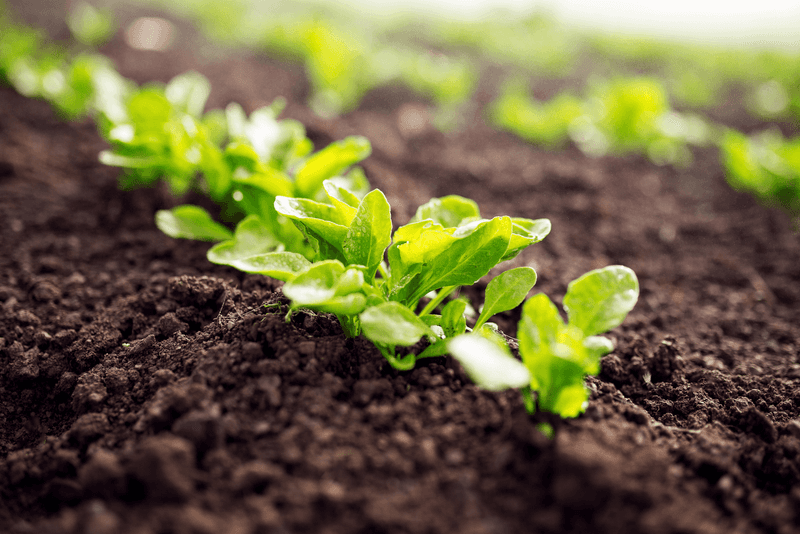
Crispy, colorful, and incredibly easy to grow, lettuce is one of the most satisfying plants to get going in early spring across Western North Carolina.
Lactuca sativa comes in dozens of varieties, from buttery Bibb to crunchy romaine to frilly red leaf, and almost all of them love the cool mountain spring weather that WNC delivers so reliably each year.
Lettuce seeds germinate at soil temperatures as low as 40 degrees Fahrenheit, which means you can get them started earlier than most other crops.
Scatter seeds lightly across a prepared bed, press them gently into the soil, and keep them moist. Thin seedlings to about six inches apart once they sprout.
For baby greens, you can snip leaves as early as three weeks after germination without pulling the whole plant.
One clever trick for mountain gardeners is to use a cold frame or row cover during unexpected late frosts, which are common in WNC even into April. This simple protection keeps your lettuce happy and growing strong.
Full heads typically mature in 45 to 60 days, giving you a generous harvest before summer temperatures push lettuce toward bolting.
Growing multiple varieties side by side creates a gorgeous, colorful garden bed that is as beautiful as it is delicious and practical.
4. Radishes
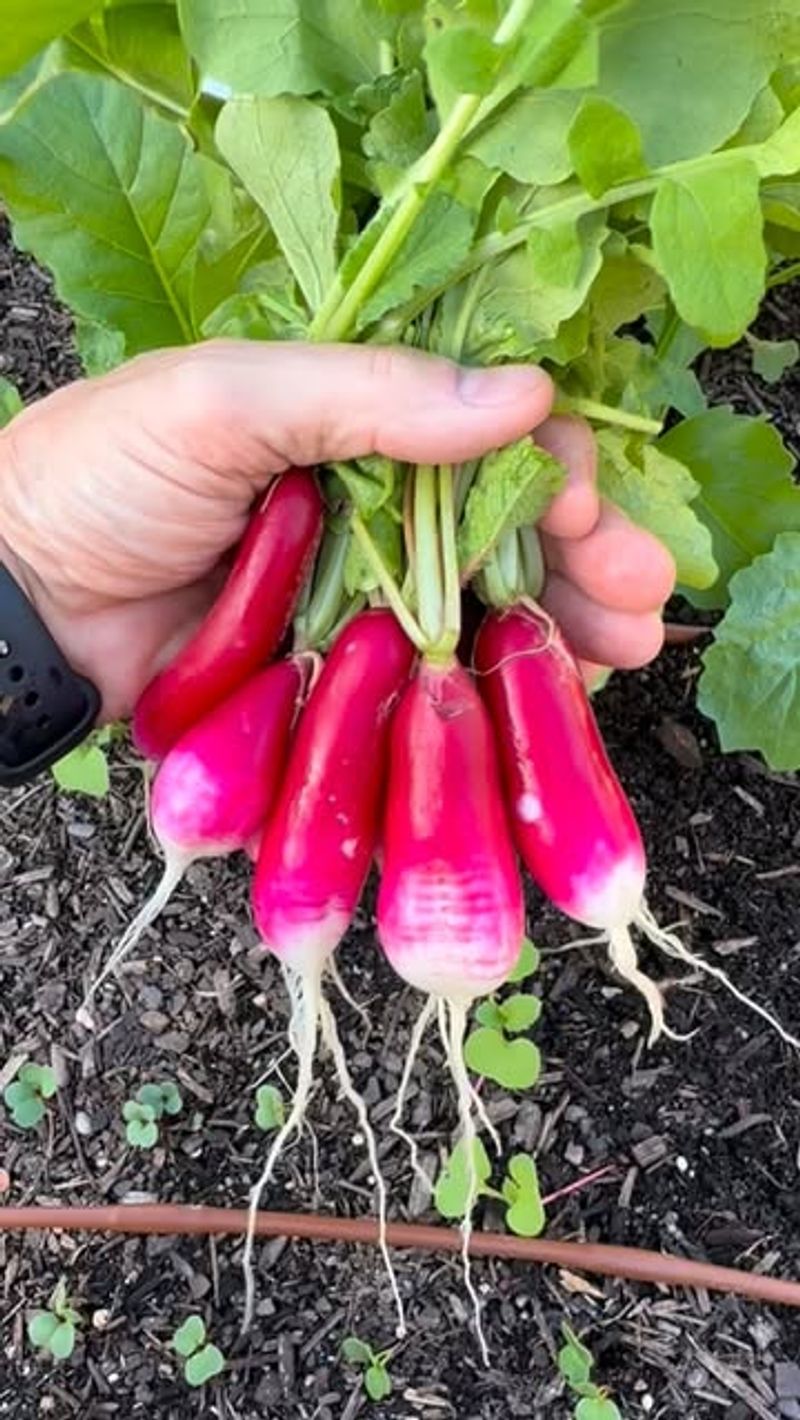
If you have never grown radishes before, early spring in Western North Carolina is the absolute best time to start.
Raphanus sativus is one of the fastest-growing vegetables you can plant, and that speed is a huge advantage when you are eager to see results after a long winter.
Some varieties go from seed to harvest in as little as 22 days. Radishes love cool soil and cool air, which is exactly what WNC mountain gardens offer in late winter and early spring.
Sow seeds directly into the garden about half an inch deep and one inch apart. Thin them to about two inches once seedlings appear.
Because they mature so quickly, radishes are also excellent as row markers for slower crops like carrots, helping you keep track of where things are planted. Did you know radishes have been cultivated for over 4,000 years?
Ancient Egyptians prized them highly, and today they remain one of the most beginner-friendly vegetables around.
Cherry Belle and French Breakfast are two popular varieties that perform especially well in cool mountain conditions.
Harvest promptly once they reach full size, because leaving them in the ground too long causes them to become woody and overly spicy.
Fresh radishes add a satisfying crunch to salads and are a fun, quick win for any WNC gardener getting started in spring.
5. Carrots
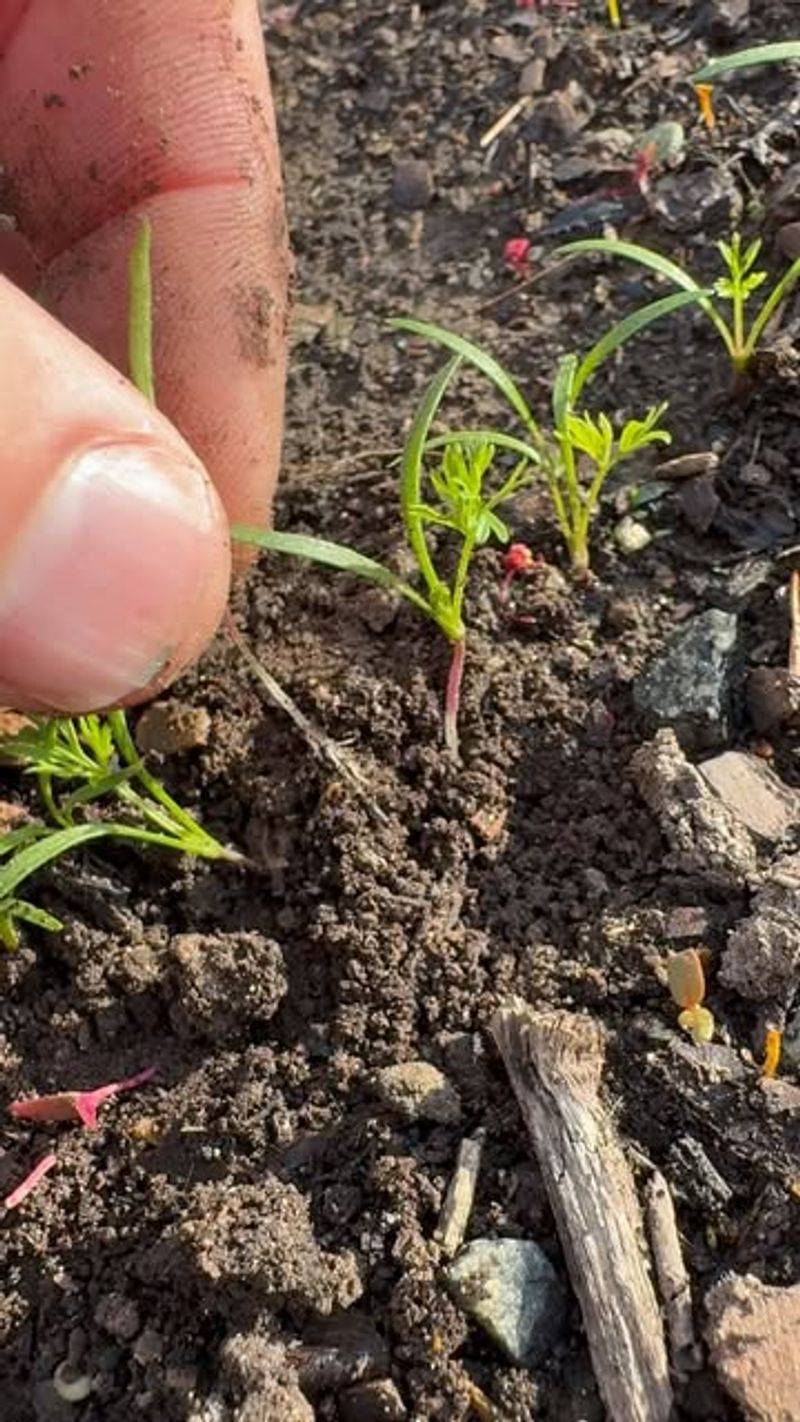
Carrots reward patient gardeners, and planting them early in Western North Carolina sets the stage for one of the most satisfying harvests of the season.
Daucus carota subsp. sativus grows best when soil temperatures sit between 50 and 65 degrees Fahrenheit, and the cool mountain spring in WNC hits that range beautifully.
Cool conditions actually help carrots develop sweeter, more evenly shaped roots. Prepare your soil well before planting. Carrots need loose, deep, rock-free soil to grow straight and strong.
Rocky or compacted ground causes forked or stunted roots, so take time to loosen the bed at least 12 inches deep. Sow seeds directly about a quarter inch deep and one inch apart in rows.
Because carrot seeds are tiny and slow to germinate, covering the row with a thin board or burlap for the first week helps keep moisture in and speeds sprouting. Thin seedlings to two to three inches apart once they reach about two inches tall.
Crowded carrots compete for space and end up small and misshapen. In WNC, early-planted carrots can be ready to harvest in about 70 to 80 days, right before summer heat peaks.
Nantes and Danvers varieties are reliable performers in mountain garden conditions. Pull a few, rinse them off, and enjoy one of the freshest tastes that a Western North Carolina spring garden can offer.
6. Kale
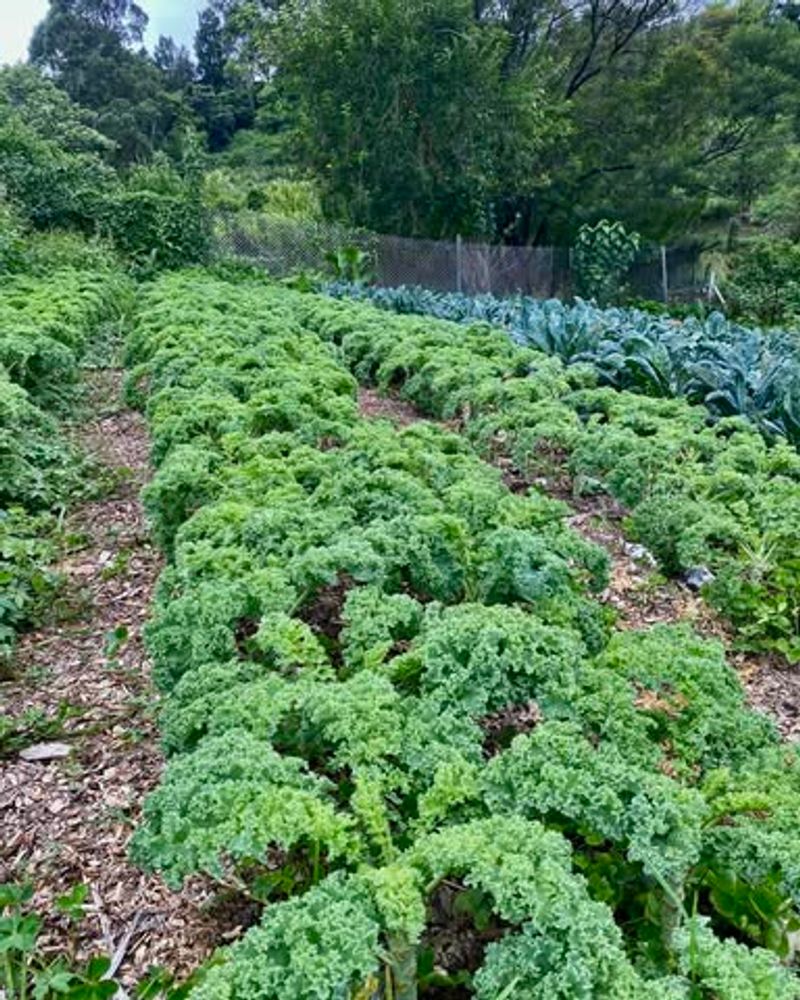
Kale is practically built for Western North Carolina. Brassica oleracea var. sabellica is one of the toughest, most cold-hardy leafy greens you can grow, and it actually gets sweeter after a frost hits its leaves.
In the WNC mountains, where spring frosts are common well into April, that means kale just keeps improving while other crops would struggle.
You can start kale from seed directly in the garden or transplant seedlings you started indoors a few weeks earlier. Either approach works well in mountain gardens.
Space plants about 12 to 18 inches apart to give each one room to spread out. Kale grows vigorously in cool weather and begins producing harvestable leaves in about 55 to 65 days from transplant.
The outer leaves can be picked continuously while the center keeps growing, making it a long-lasting producer through the season.
Lacinato kale, also called Dinosaur kale, and Curly kale are two popular varieties that thrive in WNC garden conditions. Both handle cold snaps without flinching.
Kale is also incredibly nutritious, packed with vitamins K, A, and C, making it one of the most valuable crops per square foot in any garden.
Whether you roast it, saute it, or blend it into a smoothie, homegrown kale from the WNC mountains tastes noticeably fresher and more vibrant than anything from a grocery store shelf.
7. Broccoli (Transplants)
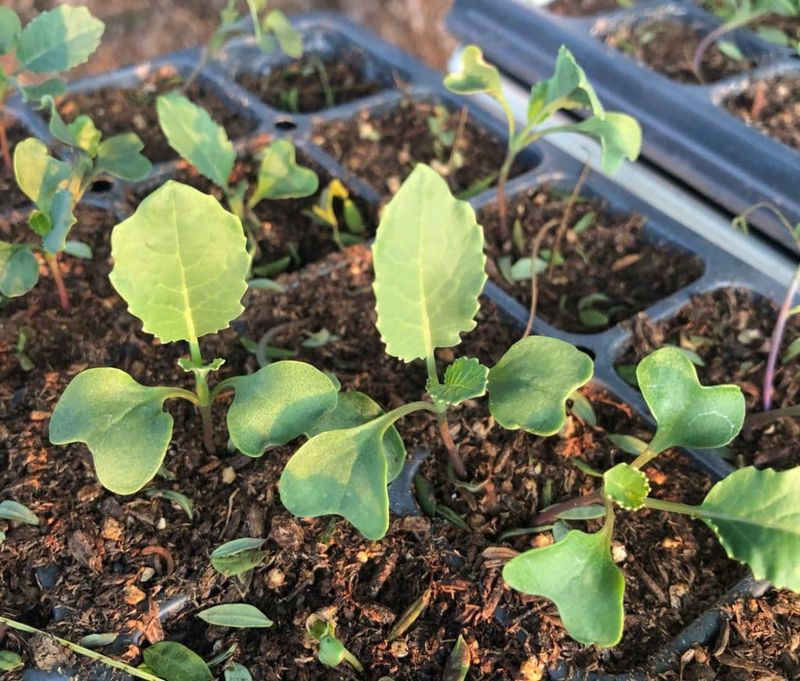
Broccoli is a cool-season superstar, and planting transplants early in Western North Carolina gives it the long stretch of mild temperatures it needs to form tight, flavorful heads.
Brassica oleracea var. italica does not do well when summer heat arrives before the head fully forms, so getting transplants in the ground early is the key to a successful harvest in WNC mountain gardens.
Start seeds indoors about six to eight weeks before your last expected frost date, which in higher elevation areas of WNC can fall anywhere from late April to mid-May depending on your specific location.
Harden off seedlings by setting them outside for a few hours each day over the course of about a week before transplanting.
Space plants 18 inches apart in rows about two feet wide. Broccoli is a heavy feeder, so mix compost into the soil before planting and side-dress with a balanced fertilizer a few weeks after transplanting.
Expect main heads to form within 60 to 80 days after transplanting. Harvest heads while they are still tight and firm, before yellow flowers begin to open.
After the main head is cut, smaller side shoots continue producing for several more weeks, stretching your harvest window nicely.
Waltham 29 and Belstar are two broccoli varieties known to perform well in cool mountain climates like those found across Western North Carolina.
8. Cabbage (Transplants)
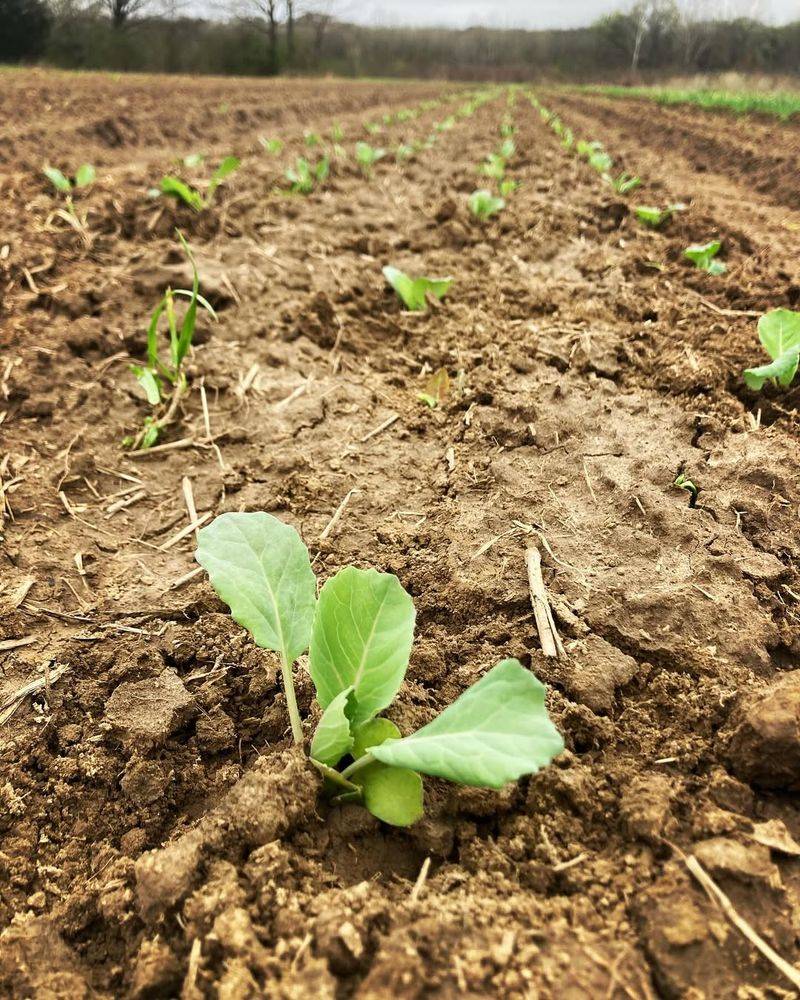
There is something deeply satisfying about watching a cabbage head form from a tiny transplant, and Western North Carolina is an excellent place to make that happen.
Brassica oleracea var. capitata is a cool-season crop that handles light frost with ease, making it a dependable choice for early spring planting in WNC mountain gardens where temperatures stay cool well into the growing season.
Start cabbage seeds indoors six to eight weeks before your last frost date and transplant seedlings outdoors once they have four to six true leaves.
Space plants 12 to 24 inches apart depending on the variety, as larger heading types need more room.
Cabbage prefers fertile, well-drained soil with a slightly acidic pH between 6.0 and 6.8. Adding compost before planting gives it a strong nutritional foundation right from the start.
Keep an eye out for cabbage worms and aphids, which are common pests in WNC gardens. Row covers placed over young transplants offer solid protection while plants establish.
Green varieties like Golden Acre and Stonehead are reliable performers in cool mountain conditions, maturing in 60 to 70 days. Red cabbage varieties add gorgeous color to the garden and the table.
Consistent moisture is important for even head formation, so water regularly and mulch well to keep soil from drying out between spring rain showers in Western North Carolina.
9. Onions (Sets Or Transplants)
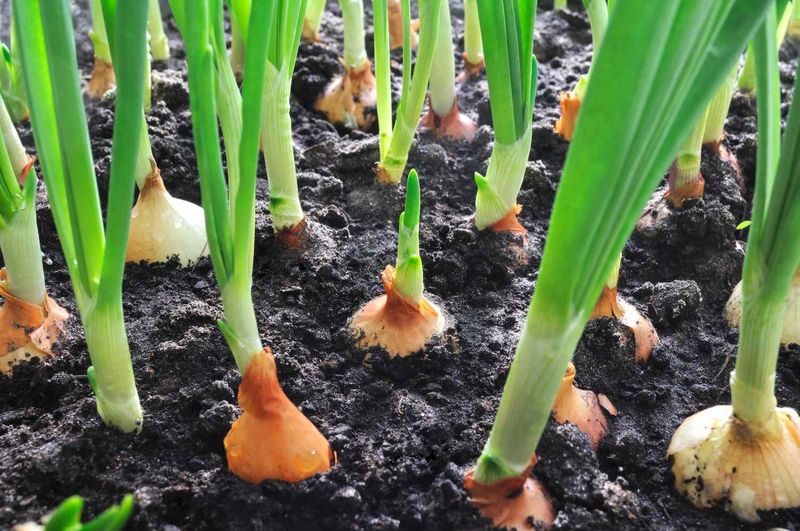
Onions are one of those crops that quietly do their best work underground, and planting them early in Western North Carolina is the smartest way to build a strong bulb before the season heats up.
Allium cepa establishes roots steadily in cool soil, and the long growing days of late spring and early summer signal the plant to start forming that familiar round bulb underground.
You can plant onion sets, which are small bulbs, or transplants purchased from a nursery. Both options work well in WNC mountain gardens.
Push sets about one inch into loose, well-drained soil with the pointed end facing up, spacing them four to six inches apart. Transplants go in at the same spacing.
Onions prefer full sun and soil with plenty of organic matter worked in. A raised bed works especially well because it promotes the drainage that onions need to thrive.
Keep the bed weeded, since onions have shallow roots and do not compete well with surrounding weeds. Water regularly but avoid overwatering, which can cause bulbs to rot before they mature.
Candy and Walla Walla are two sweet onion varieties that grow beautifully in Western North Carolina conditions.
Bulbs are ready to harvest when the tops fall over naturally, usually around 100 to 120 days after planting. Few things taste better than a fresh onion pulled straight from your own WNC garden soil.