7 Fast Growing Shade Trees That Actually Belong In North Carolina Yards
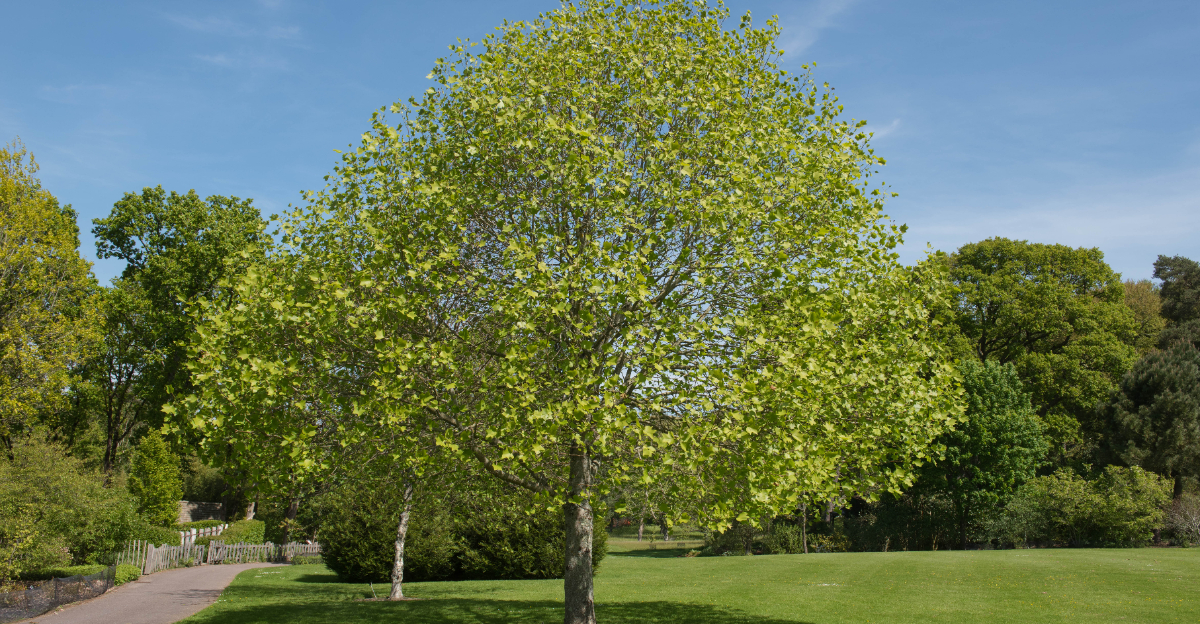
Shade trees are a long term investment, but that does not mean you have to wait a decade before your yard actually feels different.
Fast growing trees that are genuinely suited to North Carolina’s climate can transform a sunny, exposed property into something with real canopy coverage within just a few years, and the right choices do that without becoming a maintenance problem or a liability down the road.
The mistake most homeowners make is reaching for whatever grows fastest without considering whether that tree actually belongs in North Carolina soil and climate long term.
Some fast growers are brittle in storms, prone to disease, invasive in local ecosystems, or simply not built for the heat and humidity that defines summer across much of the state.
These seven trees grow quickly and belong here, offering the kind of shade, structure, and seasonal interest that makes a yard more livable while supporting the local environment at the same time.
1. Sycamore (Platanus occidentalis)
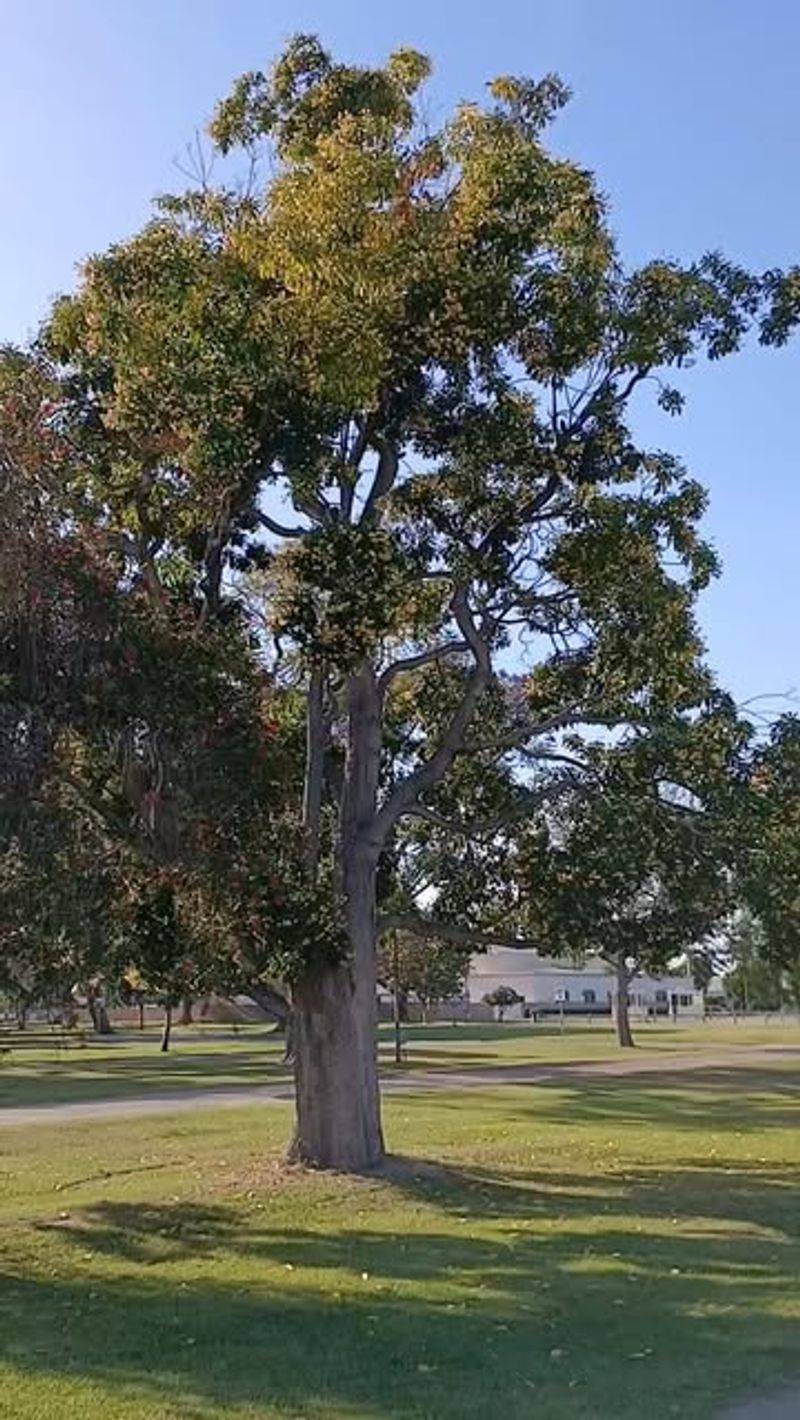
Few trees turn heads the way the Sycamore does, and that is mostly because of its bark. As the tree matures, the outer bark peels away in patches to reveal a creamy white and tan surface underneath, making the trunk look almost painted.
In a North Carolina yard, a mature Sycamore becomes a genuine landmark that people notice from the street.
Growth speed is another reason homeowners love this tree. Sycamores can push out three to six feet of new growth per year when planted in moist, rich soil near streams, ponds, or low-lying areas.
They handle wet bottomland conditions that would stress most other shade trees, which makes them incredibly useful for yards with drainage challenges or seasonal flooding.
That said, the Sycamore needs room, and plenty of it. Roots spread wide and the canopy can stretch 70 feet across at maturity, so planting too close to a house, sidewalk, or septic system is something you definitely want to avoid.
Open spaces, large properties, and areas near water are where this tree truly shines. For North Carolina homeowners with the right amount of space, the Sycamore offers fast growth, stunning looks, and serious shade that lasts for generations.
2. River Birch (Betula nigra)
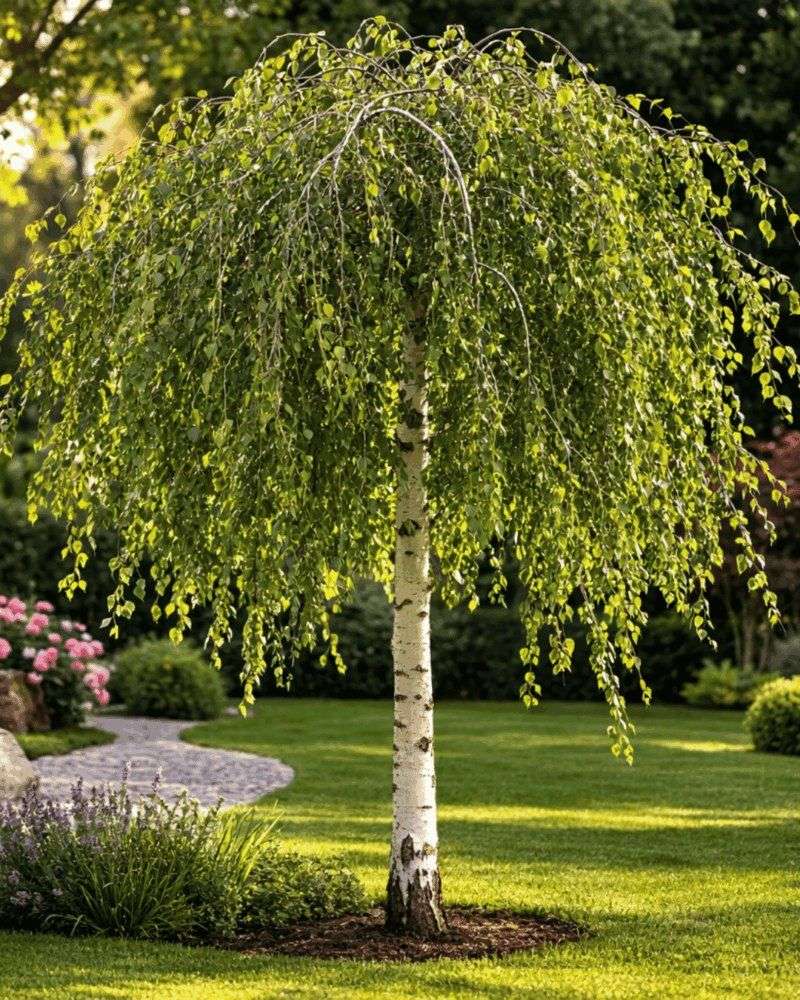
Walk past a River Birch and you will immediately notice the bark, which peels back in curly, cinnamon-colored layers that catch the light in the most interesting way. It is one of those trees that looks good every single season, whether the leaves are on or off.
North Carolina gardeners have loved it for years, and once you understand why, it is easy to see why it keeps showing up in yards across the state.
River Birch is a native tree that grows faster than most people expect, often putting on one and a half to three feet per year in the right conditions. It thrives in moist, acidic soil and actually tolerates wet areas that would stress many other landscape trees.
If your yard has a low spot that stays soggy after rain, a River Birch planted there will not just survive, it will flourish.
Your North Carolina Garden Changes Every Week. Your Plan Should Too.
Gardening in North Carolina changes quickly throughout the season. Every Friday you’ll receive a simple weekly plan showing exactly what to plant, prune, fertilize, harvest, and protect so you never miss the right timing.
The multi-stem form that River Birch naturally takes gives it a graceful, almost artistic look that works well in both formal and casual landscape designs. Planting it where it has room to spread, away from tight corners or small beds, lets the tree develop its full character.
For North Carolina homeowners who want fast shade with year-round visual interest and a tree that actually belongs here, River Birch is a top-tier pick.
3. Tulip Poplar (Liriodendron tulipifera)
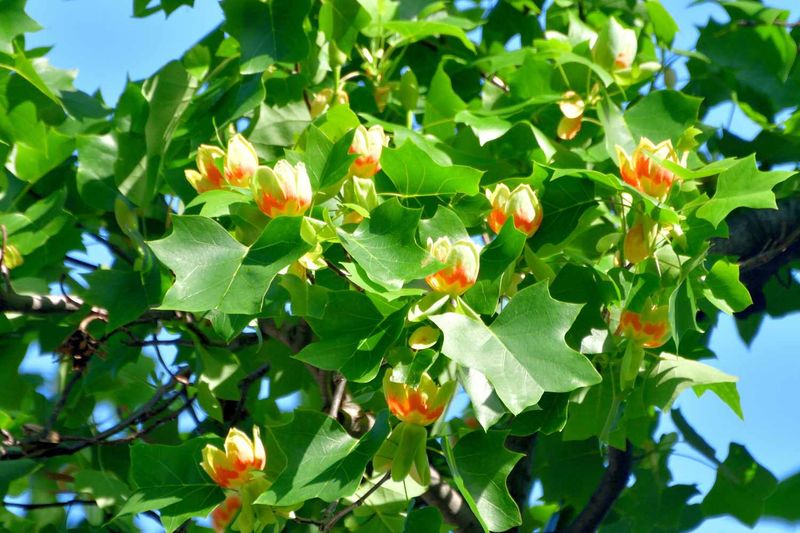
North Carolina’s official state tree is also one of the fastest-growing shade trees you can plant in your yard. The Tulip Poplar earns its reputation quickly, sometimes adding three to five feet of height in a single growing season under good conditions.
If you have a large, open yard with deep, moist, well-drained soil, this tree will reward your patience in record time.
Come spring, the Tulip Poplar puts on a show that most people never expect. Its flowers look like orange and yellow tulips sitting right up in the canopy, which is how it got its memorable name.
Even without the flowers, the uniquely shaped leaves turn a beautiful golden yellow every fall, giving your yard a seasonal color boost.
One thing to keep in mind is that this tree gets big, really big, reaching heights of 70 to 90 feet at maturity. It is not a great fit for small lots or tight spaces near homes, driveways, or utility lines.
But for spacious North Carolina properties, the Tulip Poplar is hard to beat as a fast-growing, native shade tree that belongs exactly where you plant it.
4. Red Maple (Acer rubrum)
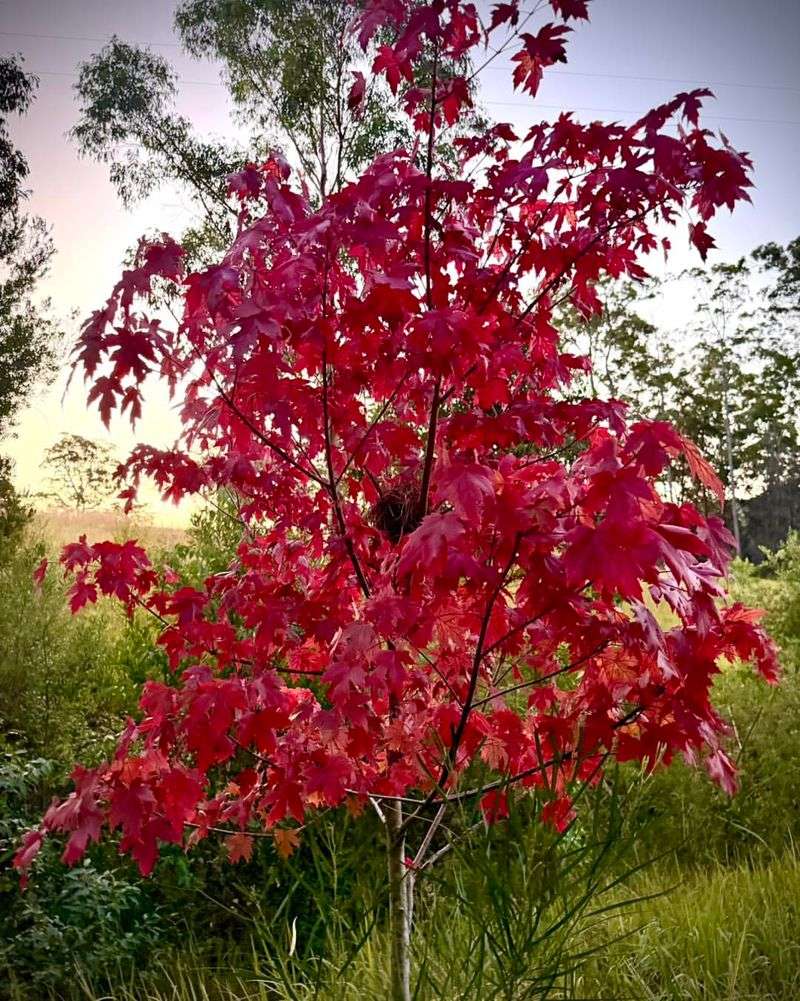
If you want a tree that puts on a fiery fall display and grows at a pace you can actually appreciate, Red Maple checks every box.
Native to North Carolina and adaptable across nearly the entire state, this tree earns its place in yards from the mountains all the way to the coastal plain.
It grows at a moderate to fast rate, typically one and a half to three feet per year, and it does not need babying once established.
Red Maple handles a wide range of soil types, which is part of what makes it so popular across North Carolina.
It performs best where soil stays moist but not constantly waterlogged, making it a solid choice for average home landscapes without extreme drainage issues.
It also tolerates partial shade, although it colors up most brilliantly in full sun when fall rolls around.
Spring brings another surprise with this tree. Before the leaves even open, clusters of tiny red flowers appear along the branches, giving the whole tree a reddish glow that signals the season is changing.
The combination of spring color, generous summer shade, and spectacular fall foliage makes Red Maple one of the most rewarding trees a North Carolina homeowner can plant. Few trees offer this much beauty across all four seasons while growing this reliably.
5. Willow Oak (Quercus phellos)
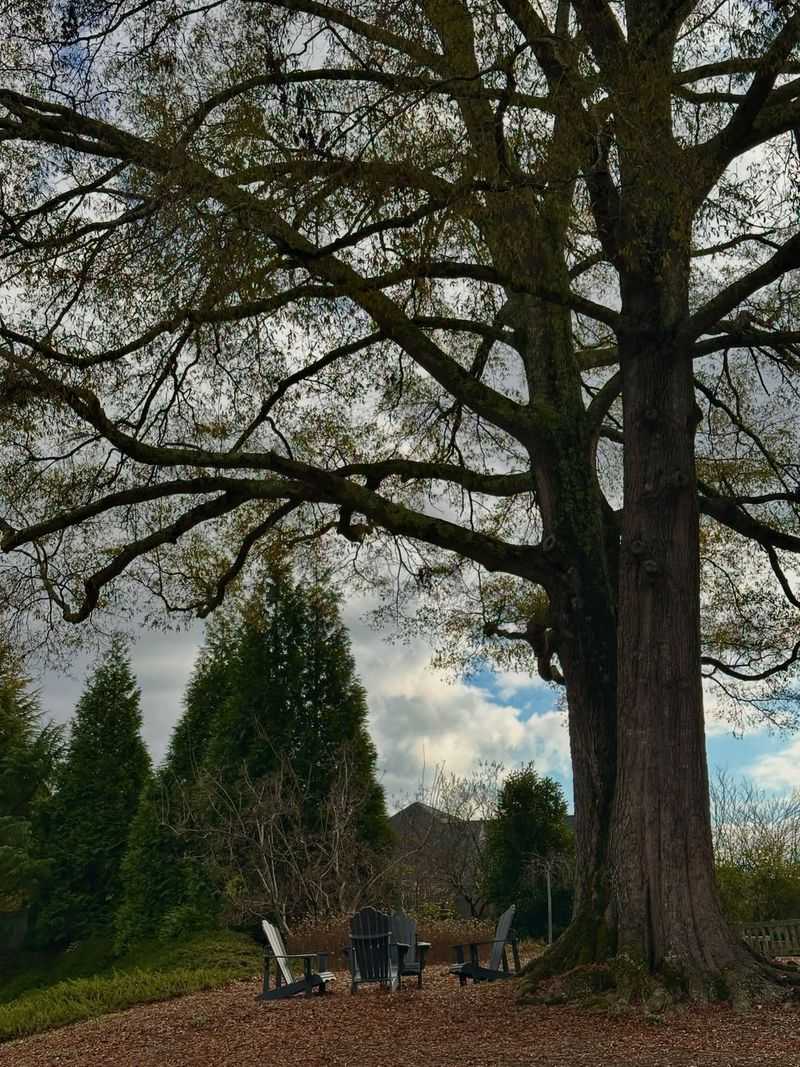
Most people picture wide, lobed leaves when they think of an oak tree, so the Willow Oak tends to surprise first-time visitors.
Its leaves are long, narrow, and almost identical to willow leaves, which gives the tree a fine-textured, airy look that is quite different from other oaks.
That unique appearance, combined with its impressive growth rate for an oak, makes it one of the most interesting shade trees you can add to a North Carolina yard.
Willow Oak grows at a pace of about one and a half to two and a half feet per year, which is fast by oak standards. It prefers acidic, moist, well-drained soil and does remarkably well in urban settings compared to many of its oak relatives.
Street trees, parking lot edges, and large residential yards across North Carolina have all benefited from the Willow Oak’s toughness and adaptability.
Once established, this tree builds a dense, rounded canopy that delivers serious shade during those brutal North Carolina summers. It grows large enough to shade a significant portion of a yard while keeping a shape that is manageable and attractive.
For homeowners who want the durability and long-term value of an oak without waiting forever, the Willow Oak offers the best of both worlds, faster growth and classic oak toughness that lasts for many decades.
6. Southern Red Oak (Quercus falcata)
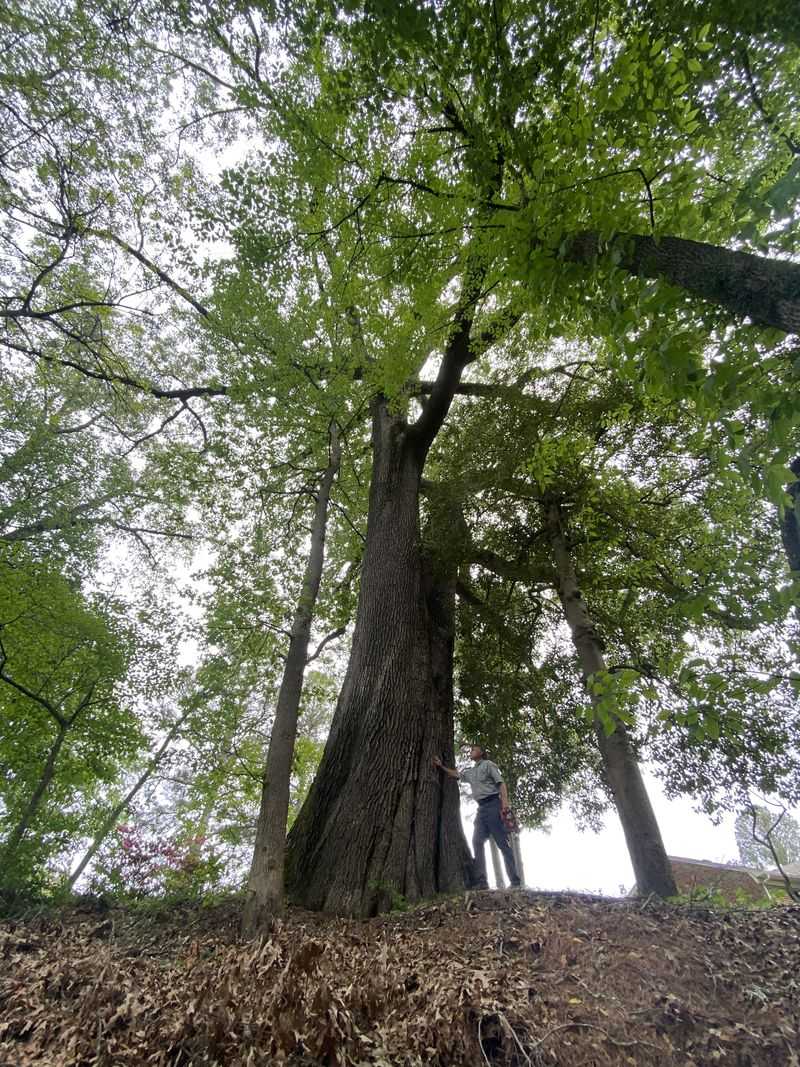
Not every yard in North Carolina sits near a creek or has rich, moist bottomland soil, and that is exactly where Southern Red Oak steps up. This native oak thrives in drier, upland conditions that would stress many of the other fast-growing shade trees on this list.
If your yard has sandy or well-drained soil and a tendency to dry out between rain events, Southern Red Oak is practically made for you.
Growth rate falls in the moderate to fast range, with most trees putting on one to two feet of height per year once they settle in. The canopy spreads broadly as the tree matures, eventually creating a wide, generous patch of shade that covers a large area of the yard.
The deeply lobed leaves have a bold, dramatic shape that gives the tree a strong, classic oak presence through the growing season.
Come fall, the foliage shifts to rich shades of red and russet-brown before dropping, giving North Carolina yards a satisfying seasonal finale.
Southern Red Oak is also a valuable wildlife tree, producing acorns that attract deer, turkeys, squirrels, and a wide range of native birds.
Planting one is not just an investment in shade and beauty, it is also a way to support the local ecosystem in a meaningful and lasting way. Few trees deliver this combination of toughness, beauty, and ecological value.
7. Hackberry (Celtis occidentalis)
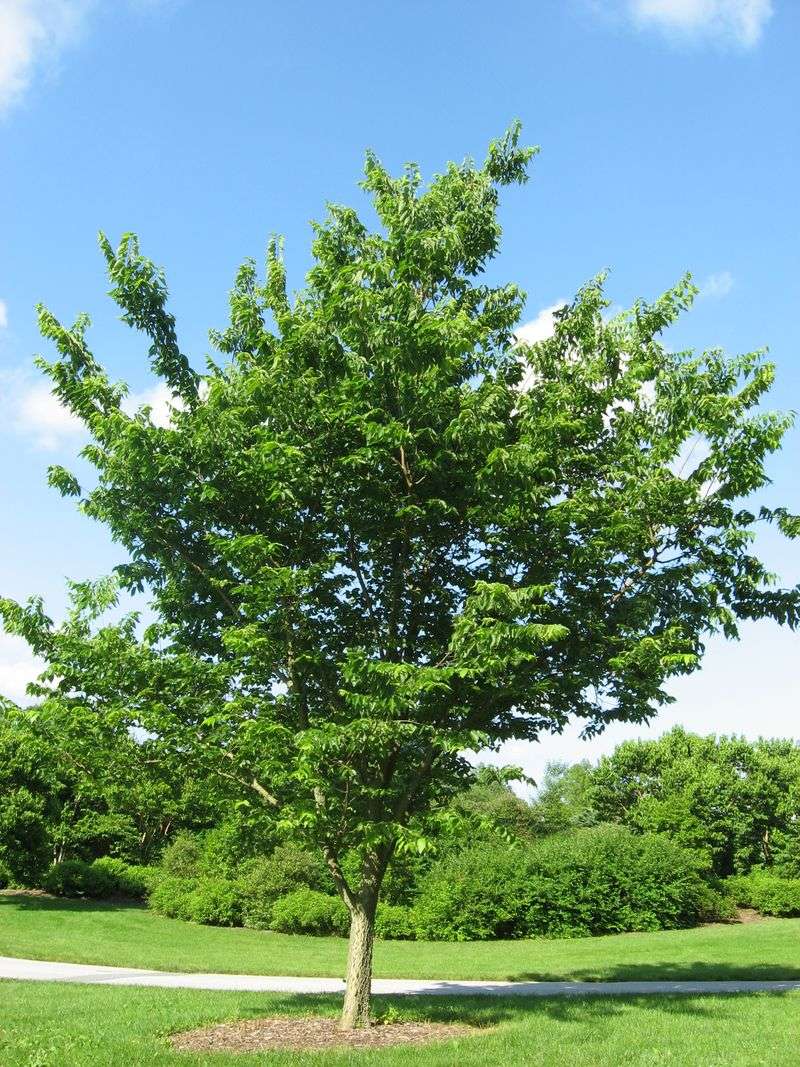
Hackberry does not always get the glamour it deserves, but talk to any experienced North Carolina gardener and they will tell you straight: this tree handles tough conditions that would bring other trees to their knees.
Heat, clay soil, wind, drought, and urban stress are all things Hackberry shrugs off without skipping a beat.
If your yard has challenging conditions and you need shade that actually works, Hackberry is the tree to call on.
Growth is reasonably fast, typically one and a half to two and a half feet per year, and the tree develops a broad, irregular canopy that filters light beautifully.
One of the most interesting things about Hackberry is its bark, which develops distinctive corky ridges and bumps over time, giving the trunk a rugged, sculptural texture unlike any other common landscape tree.
It is not flashy, but it has real character up close. Wildlife benefits are another strong point for this underrated native. Hackberry produces small, dark berries that birds absolutely love, making the tree a natural feeding station during fall migration.
Cedar waxwings, robins, mockingbirds, and bluebirds are just a few of the species that flock to a fruiting Hackberry. For North Carolina homeowners who want a tough, adaptable, fast-growing shade tree that also supports local wildlife, Hackberry earns every bit of yard space you give it.