5 Vegetables To Plant In Georgia In Late March And 5 That Are Too Early
Late March in Georgia has a familiar rhythm: the sun feels warmer, the soil softens, and gardeners feel the irresistible pull to get seeds and transplants into the ground. Over the years, you’ve seen what thrives in cooler early spring soil and what struggles when planted too soon.
The right timing can mean the difference between a flourishing garden and wasted effort, especially for tender vegetables and leafy greens.
Planting at the correct moment encourages strong roots, steady growth, and a harvest you can enjoy without extra stress. Some crops tolerate the chill, others wait for warmer days to reach their potential.
Paying attention to soil temperature, frost risk, and plant type ensures your garden starts healthy and productive.
As you plan where each vegetable will go, you’ll set up rows of vibrant greens, tender shoots, and flavorful crops that will make your spring and early summer meals a true celebration of your work and patience.
1. Lettuce With Crisp Leaves
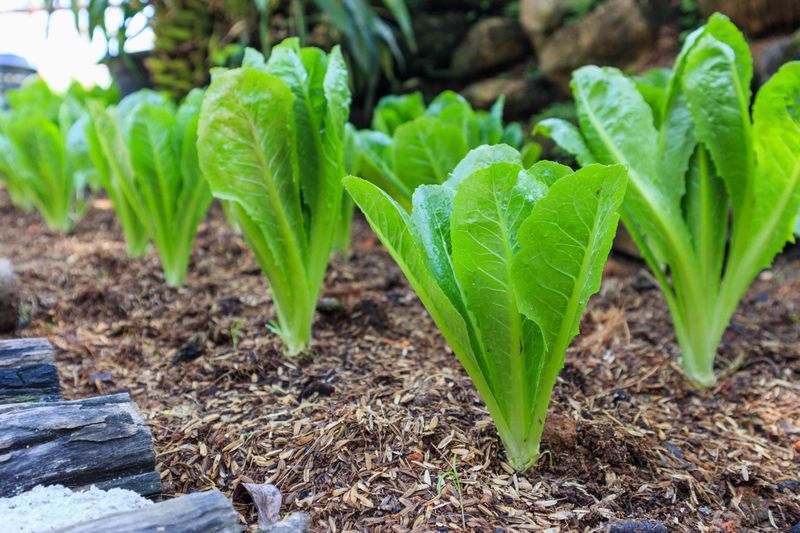
Few vegetables reward a Georgia gardener faster than lettuce. From seed to salad bowl, this cool-season crop can be ready to harvest in as little as 30 to 45 days, making late March one of the best times to get it in the ground.
Lettuce loves the mild temperatures that Georgia experiences in early spring. Daytime highs in the 60s and cooler nights are generally favorable for this leafy green in early spring.
Once summer heat rolls in, lettuce tends to bolt, meaning it shoots up a flower stalk and turns bitter. Planting in late March can help get a head start before the hotter Georgia summers, though results may vary with local conditions.
For best results, sow lettuce seeds directly into loose, well-draining soil about a quarter-inch deep. Keep the soil consistently moist, and you should see sprouts within a week.
Raised beds work especially well in Georgia because they warm up faster and drain better after heavy spring rains. Try planting a mix of varieties like romaine, butterhead, and loose-leaf to get different textures and flavors in your salads.
Thin your seedlings to about 6 inches apart so each plant has room to grow full and healthy.
2. Beets With Sweet Roots
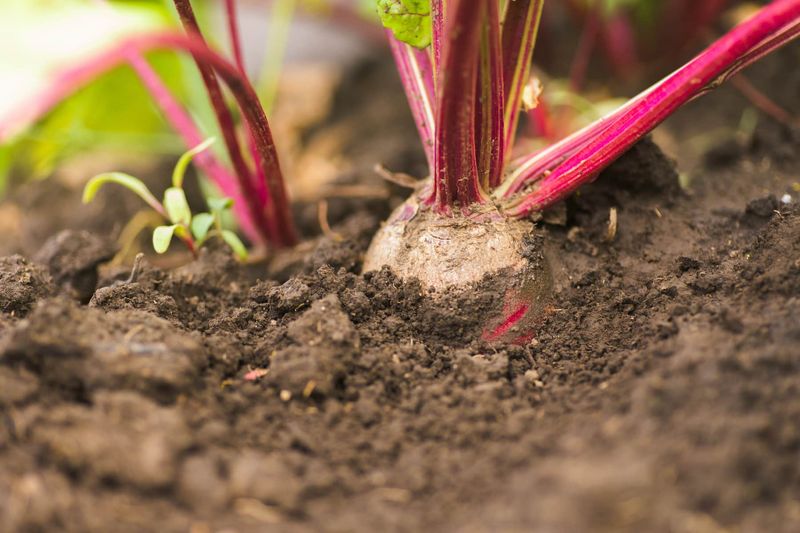
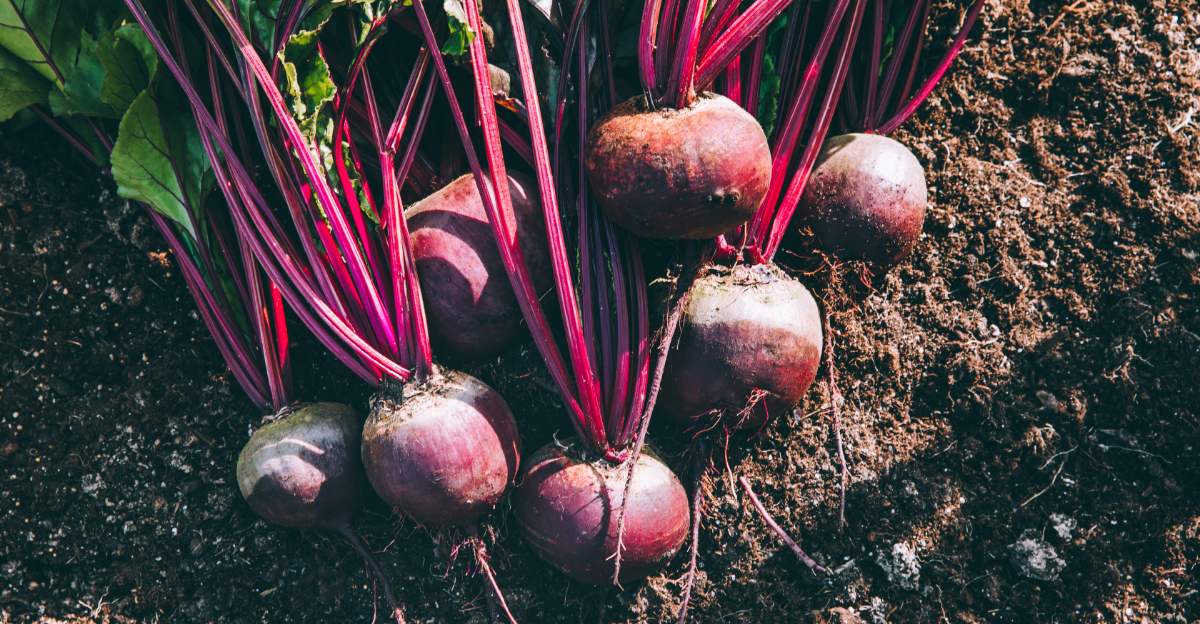
In the garden, beets are one of those vegetables that pull double duty. You get the sweet, earthy roots that most people know from the grocery store, and you also get the leafy greens on top, which are delicious sauteed or tossed into a salad.
That makes beets an especially smart choice for Georgia gardeners who want to get the most out of every square foot of space.
Late March is a great time to direct sow beet seeds in Georgia. Beets are cold-hardy enough to handle the occasional chilly night that Georgia still sees in early spring, and they actually prefer cooler soil temperatures for germination.
Aim for soil temperatures between 50 and 65 degrees Fahrenheit for the best results.
One helpful tip is to soak beet seeds in water for a few hours before planting. Each beet seed is actually a cluster of seeds, so thinning your seedlings is important once they sprout.
Your Georgia Garden Changes Every Week. Your Plan Should Too.
Gardening in Georgia changes quickly throughout the season. Every Friday you’ll receive a simple weekly plan showing exactly what to plant, prune, fertilize, harvest, and protect so you never miss the right timing.
Space them about 3 to 4 inches apart so the roots have room to swell up properly. Beets grow well in loose, deep soil, so if your Georgia garden has heavy clay, consider amending it with compost before planting to improve drainage and texture.
3. Carrots Growing Tender And Sweet
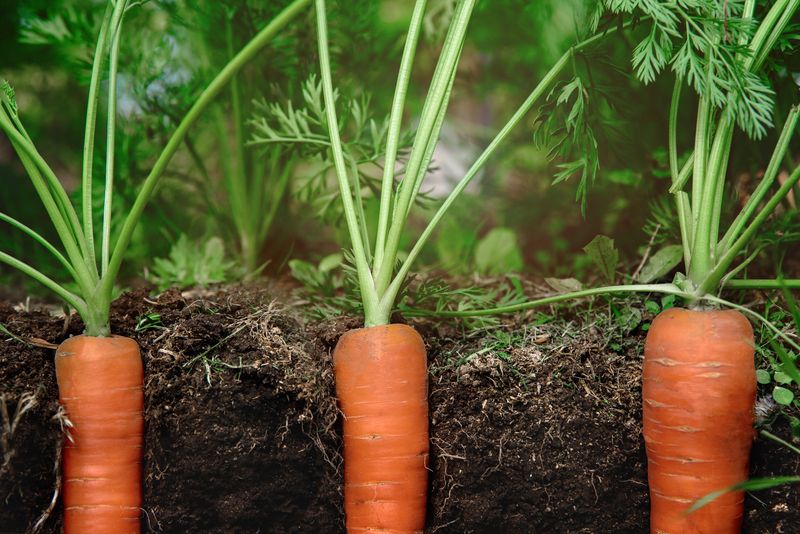
When planted at the right time, carrots can thrive as a classic garden vegetable in Georgia. Late March is ideal because carrot seeds germinate best in cool soil, and Georgia’s early spring temperatures hit that sweet spot perfectly.
Soil temperatures between 45 and 65 degrees Fahrenheit encourage strong, steady germination.
One of the most important things to know about growing carrots is that they need loose, deep, well-draining soil. Rocky or compacted soil causes carrots to fork, twist, or stay stubbornly short.
If your Georgia garden has dense or clay-heavy soil, raised beds filled with a sandy loam mix are a fantastic solution. Raised beds also make it easier to control soil depth, which carrots really appreciate.
Sow carrot seeds directly into the ground about a quarter-inch deep and keep the soil evenly moist until germination, which can take up to two weeks. Patience is key here!
Once your seedlings are about 2 inches tall, thin them to 2 to 3 inches apart so the roots have space to develop. Varieties like Nantes and Danvers tend to perform well in Georgia gardens.
With proper care, carrots can often be ready for harvest in roughly 70 to 80 days, though timing and flavor may vary.
4. Radishes With Spicy Crunch
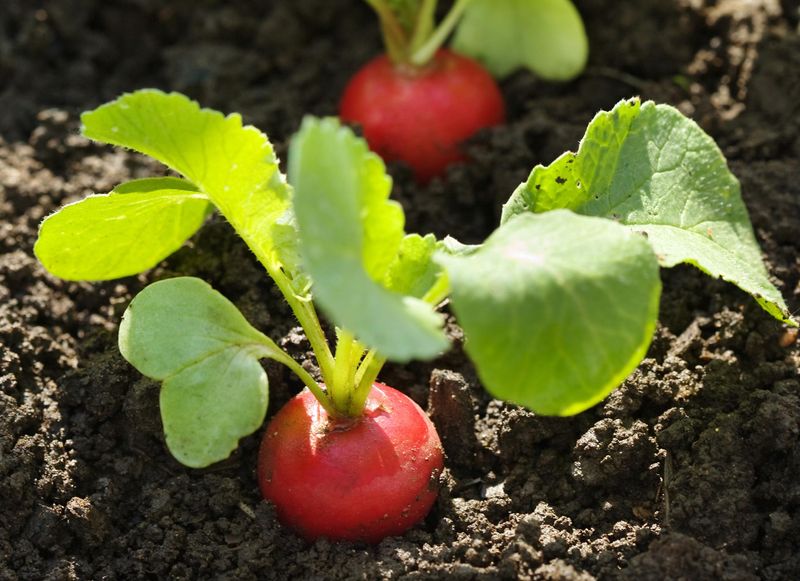
If you are looking for the fastest reward in the garden, radishes are your answer. Some varieties are ready to harvest in as little as 22 days after planting, which makes them incredibly satisfying for gardeners who love quick results.
In Georgia, late March is a perfect window to get radishes in the ground.
Radishes are cool-season vegetables that bolt quickly in heat, so timing matters a lot. Planting in late March can help Georgia gardeners get a harvest before the hotter summer weather arrives, though results vary with conditions.
Once temperatures consistently climb above 80 degrees Fahrenheit, radishes tend to become pithy and overly spicy, so getting them in early is the smart move.
Sow radish seeds directly into the soil about half an inch deep and space them 1 to 2 inches apart. They do not need much fuss, just consistent moisture and a sunny spot in your garden.
Radishes actually make excellent companion plants for slower-growing vegetables like carrots. They help break up the soil as they grow, which can benefit neighboring root crops.
Popular varieties for Georgia gardens include Cherry Belle and French Breakfast. Consider planting a new row every week or two for a continuous supply of fresh radishes throughout early spring.
5. Peas With Fresh Tender Pods
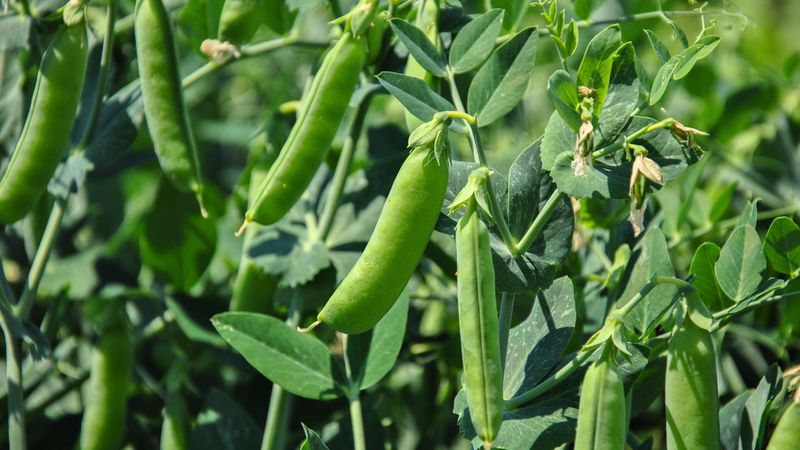
There is something wonderfully old-fashioned about growing peas in a spring garden. They climb, they bloom, and then they reward you with sweet, crisp pods that taste nothing like anything from a can.
In Georgia, late March is one of the best times to get peas in the ground, right before warmer weather takes over.
Peas are cool-season legumes that actually struggle once temperatures rise above 75 to 80 degrees Fahrenheit. Georgia summers come on strong, so planting in late March gives your peas enough time to grow, flower, and produce pods before the heat shuts them down.
Direct sowing is recommended since peas do not transplant particularly well.
Push pea seeds about 1 inch deep into the soil, spacing them about 2 inches apart. Setting up a simple trellis or wire fence before you plant makes training the vines much easier as they grow.
Snap peas, snow peas, and shelling peas all perform well in Georgia gardens. These plants are also nitrogen-fixers, meaning they naturally improve soil health as they grow, which is a nice bonus for the rest of your garden.
Water consistently but avoid waterlogged conditions, and you should see pods forming within 60 to 70 days of planting.
6. Tomatoes Bursting With Flavor
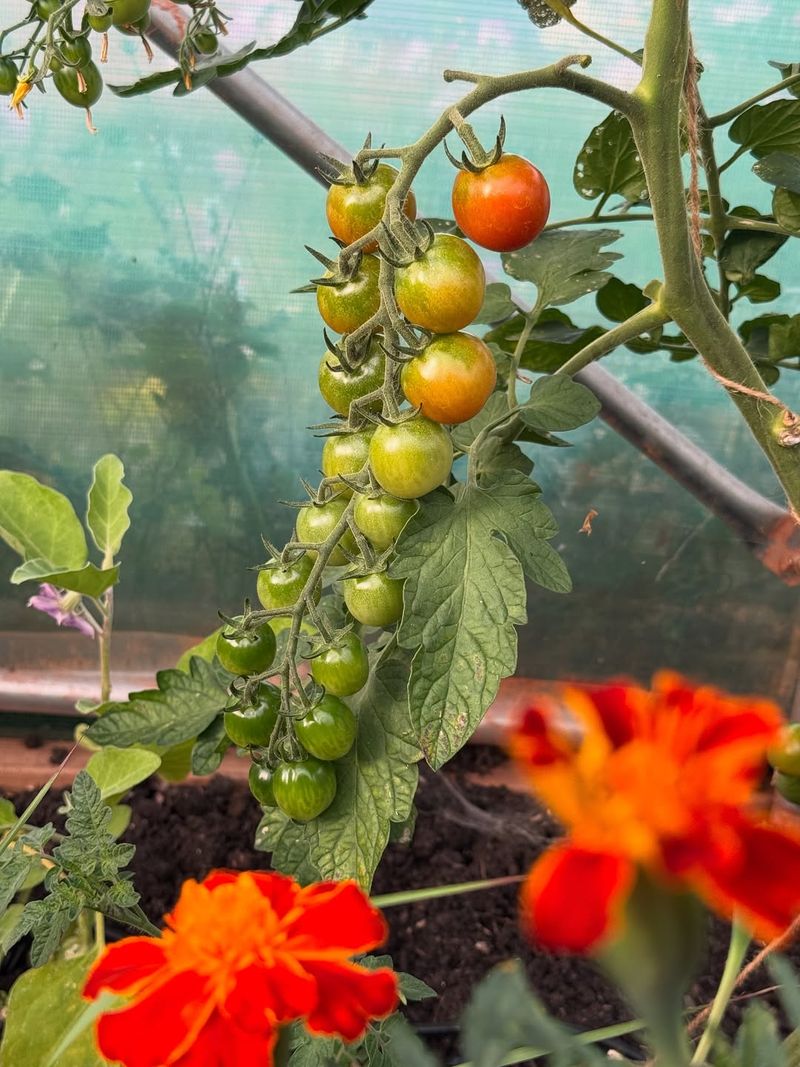
Probably the most popular vegetable in Georgia home gardens, tomatoes are grown for good reason. There is nothing quite like biting into a sun-warmed tomato that you grew yourself.
But here is the catch: late March is still too early to put tomatoes in the ground in most parts of Georgia.
Tomatoes are frost-sensitive plants that can be seriously damaged by temperatures below 32 degrees Fahrenheit. Even though Georgia winters are relatively mild compared to northern states, late March still carries the risk of a surprise cold snap.
The last frost date for most of Georgia falls somewhere between mid-March and mid-April, depending on your specific location within the state. Planting before that window closes is a gamble that rarely pays off.
The smart approach is to start tomato seeds indoors 6 to 8 weeks before your planned outdoor planting date. By mid-April to early May, conditions in Georgia are typically stable enough to move your transplants outside.
Look for nighttime temperatures that stay consistently above 50 degrees Fahrenheit before you plant. Varieties like Celebrity, Better Boy, and Cherokee Purple are all proven performers in Georgia’s warm, humid summers.
Waiting a few extra weeks may feel impatient, but your tomato plants will thank you with a much stronger start.
7. Peppers Adding Heat And Color
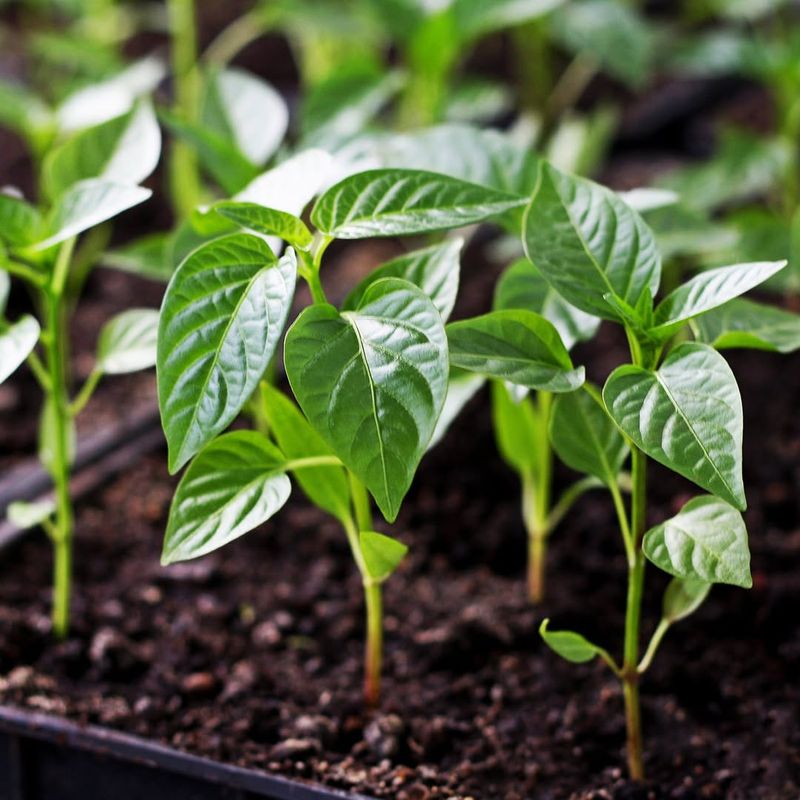
Georgia summers and peppers seem like a match made in heaven, and in many ways they are. Once the heat arrives, pepper plants thrive in Georgia’s long, hot growing season.
The problem is that late March is still too soon to move them outside, even if the days feel warm and inviting.
Like tomatoes, peppers are tropical plants that are highly sensitive to frost and cool soil temperatures. When soil temperatures drop below 55 degrees Fahrenheit, pepper roots struggle to absorb nutrients properly, which stunts growth and weakens the plant overall.
A late frost can cause significant damage to young pepper transplants, setting your garden back by weeks.
Most Georgia gardeners start pepper seeds indoors about 8 to 10 weeks before the last frost date. That means if you have not already started them indoors, late March is actually a great time to begin.
Plan to move your pepper transplants outside in late April to early May, once nighttime temperatures are reliably above 55 degrees. Bell peppers, banana peppers, and jalapenos are all popular choices that grow beautifully in Georgia’s climate.
Give them full sun, rich well-draining soil, and consistent watering, and you will be rewarded with an impressive harvest from midsummer all the way into fall.
8. Cucumbers With Cool Crunch
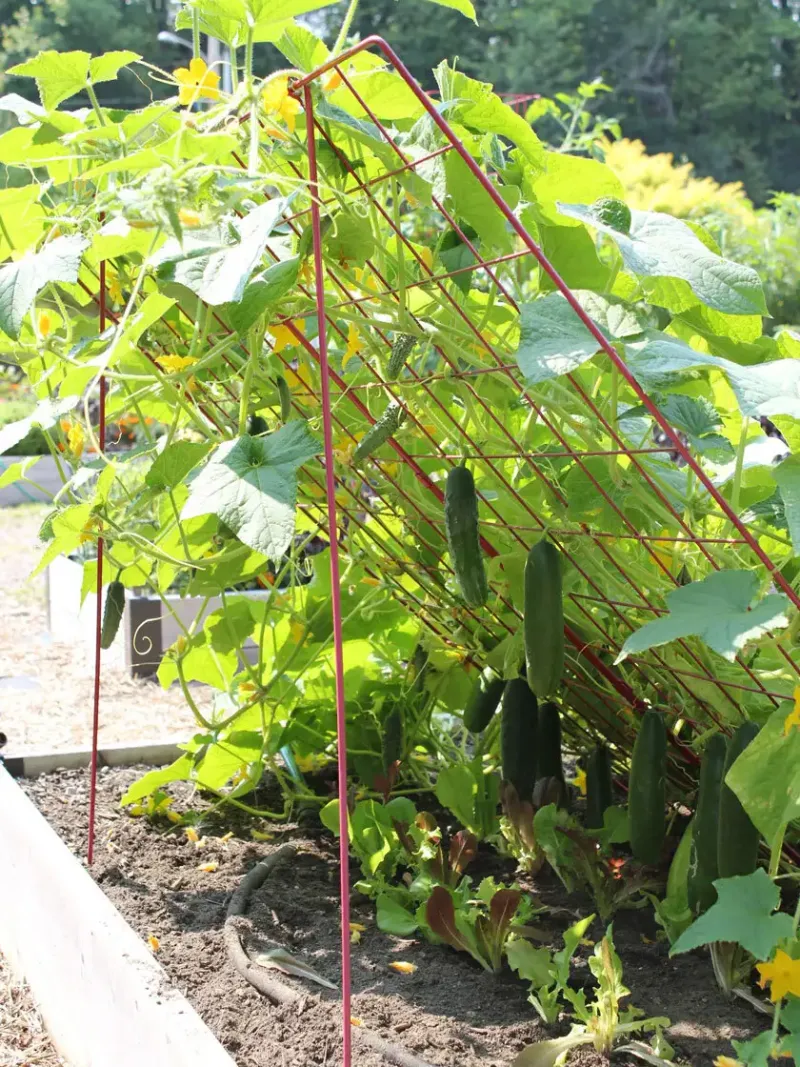
Cucumbers are one of those summer vegetables that Georgia gardeners look forward to every single year. Sliced fresh, pickled, or tossed in a salad, they are endlessly versatile.
Cucumbers are generally better planted after late March, once soil temperatures are consistently warm.
Cucumbers are warm-season crops that need both warm air and warm soil to grow well. Soil temperatures below 60 degrees Fahrenheit will slow germination significantly and leave young plants vulnerable to root problems.
In Georgia, late March soil temperatures can still fluctuate quite a bit, especially after a rainy stretch or a cool front moves through the region.
The ideal time to plant cucumbers in Georgia is mid-April through early May, once the soil has warmed consistently and frost risk has passed. You can direct sow cucumber seeds or start transplants indoors a few weeks early.
Either way, give them a trellis or some kind of support structure because cucumbers love to climb, and vertical growing saves a lot of garden space. Bush Pickle, Straight Eight, and Spacemaster are all varieties that perform reliably well in Georgia’s warm and humid conditions.
Keep them well-watered once they get going, especially during hot summer stretches.
9. Squash Crushing The Competition
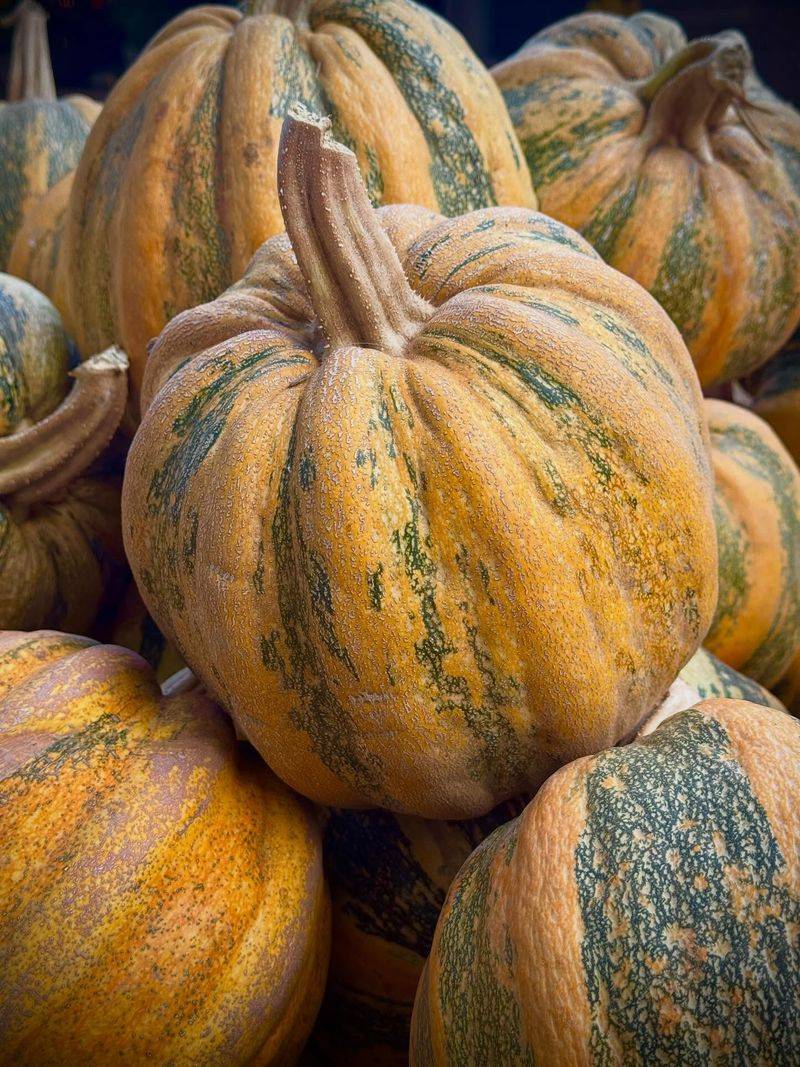
Garden favorites, summer squash and zucchini produce abundantly once they get going. Georgia’s long, warm growing season is practically perfect for squash, but late March is still a bit too chilly to plant them outside without risking damage from cold snaps.
Squash plants are warm-season vegetables that want soil temperatures of at least 60 degrees Fahrenheit, and ideally closer to 70, before they are planted outdoors. Cold soil slows germination and can cause seeds to rot before they even sprout.
Planting squash too early in late March can sometimes result in slow germination or losses, which may require replanting.
Waiting until mid to late April in Georgia is the much safer and smarter strategy for squash. At that point, soil temperatures have typically warmed enough for fast, healthy germination.
Squash seeds can be direct sown about 1 inch deep, planting 2 to 3 seeds per hill and thinning to the strongest plant once they sprout. Yellow crookneck, zucchini, and pattypan squash are all excellent varieties for Georgia gardens.
Keep an eye out for squash vine borers and cucumber beetles once your plants are established, as both pests are common in Georgia and can cause real damage to your crop.
10. Corn With Sweet Juicy Kernels
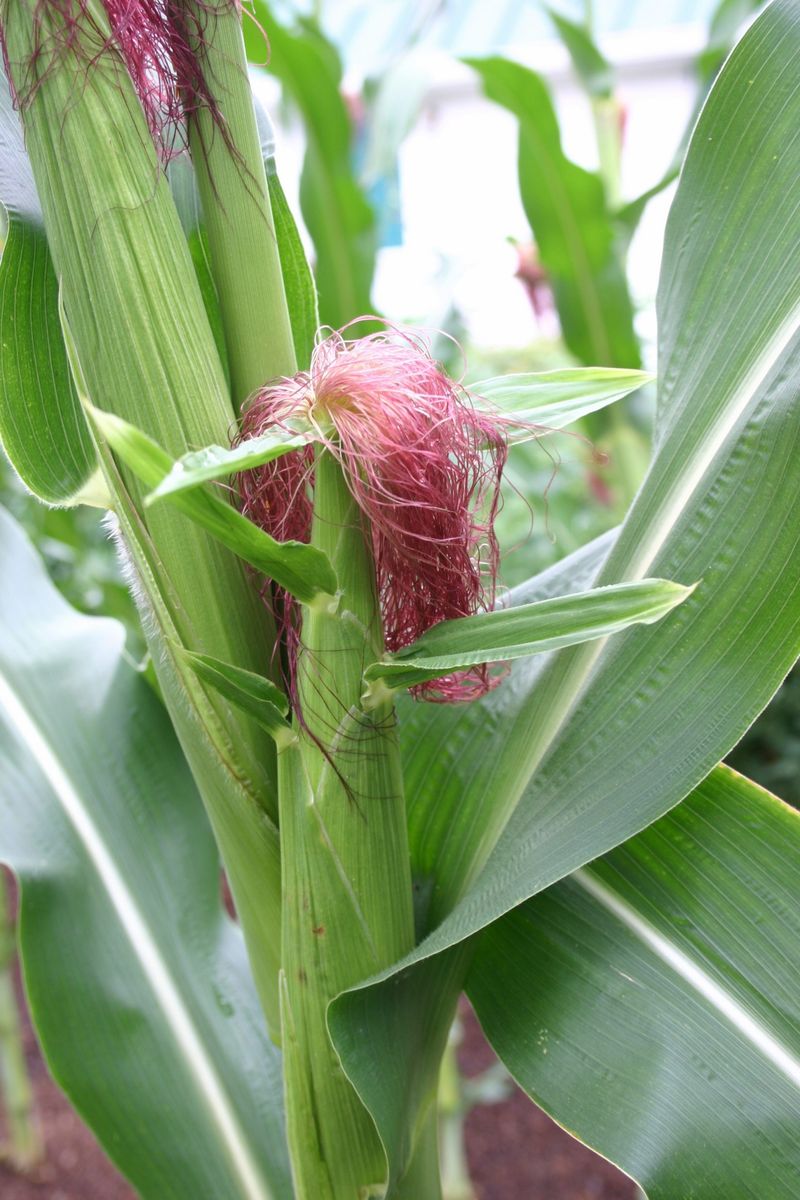
Few things are more satisfying in a Georgia garden than pulling a fresh ear of sweet corn straight from the stalk. But planting corn in late March is jumping the gun a bit, and doing so can lead to poor germination and weak plants that struggle right from the start.
Corn is a warm-season crop that needs soil temperatures of at least 60 degrees Fahrenheit to germinate reliably. In late March, Georgia soil temperatures can still dip below that threshold, especially in the northern parts of the state.
Cold, wet soil can slow corn germination and sometimes cause seeds to rot, potentially reducing your initial planting success.
The recommended planting window for corn in most of Georgia is mid-April through May, once soil temperatures have stabilized in the warmer range. Corn is wind-pollinated, so it should be planted in blocks of at least four rows rather than a single long row to ensure good pollination and full ears.
Silver Queen, Peaches and Cream, and Incredible are all popular sweet corn varieties that thrive in Georgia’s climate. Space seeds about 9 to 12 inches apart within rows, and keep the soil consistently moist throughout the growing season for the best results.