This Is The Biggest Mistake Georgia Gardeners Make With Peonies In Spring

Peonies in Georgia often look strong early in spring, yet bloom results can fall short later in the season. Healthy leaves and steady growth can give the impression everything is on track, but flowers do not always match that early promise.
One common mistake during spring care can quietly affect how those plants perform. Nothing looks wrong at the time, which is why it goes unnoticed.
The impact shows up later through weaker stems, shorter bloom periods, or flowers that fail to reach full potential.
Catching that mistake early changes how peonies hold their structure and how long blooms stay in place.
1. Planting Peonies Too Deep Prevents Spring Blooms
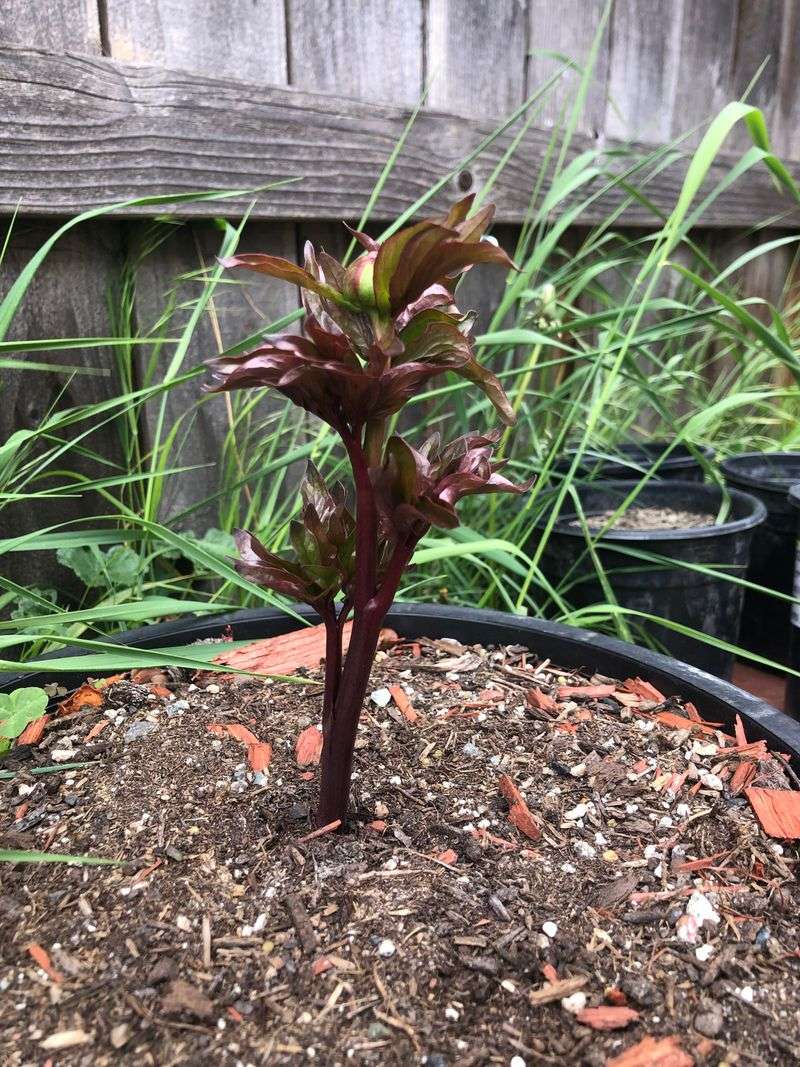
Planting depth is where most Georgia gardeners quietly go wrong, and they often don’t figure it out until a full season has passed with no flowers to show for it.
Peonies planted too deep put all their energy into growing lush, healthy leaves while the blooms never come.
It’s frustrating, especially when you’ve done everything else right.
In Georgia’s already warm climate, peonies need every advantage they can get. Burying the roots too deep cuts off one of those advantages completely.
The growth buds, called eyes, need to sit close to the surface so they can feel temperature changes and respond to the short winter chill Georgia gets each year.
When those eyes are buried more than two inches down, they struggle to read the seasonal signals they rely on to set buds. Georgia winters are mild compared to states further north, so peonies here are already working with a smaller chilling window.
Adding extra soil on top just makes that problem worse.
Shallow planting isn’t a mistake in Georgia — it’s actually the goal. Keeping the eyes between one and two inches below the surface gives the plant its best realistic chance at blooming.
2. Keep The Crown Just Below The Soil Surface
Getting the crown depth right is less about guesswork and more about being deliberate before you backfill the hole. Most peony failures in Georgia trace back to this single moment, and it’s easy to get right if you slow down.
Rushing through planting is what gets people into trouble.
Aim to keep the crown — the point where the roots meet the stems — sitting about one inch below the soil surface.
Some gardeners push it to two inches, and that can still work, but anything beyond that starts reducing your bloom potential, especially in a warm state like Georgia where the chilling hours are already limited.
One inch feels almost too shallow. Gardeners used to planting bulbs or other perennials deep often second-guess themselves and push the crown down further, thinking it needs more protection.
Peonies are different. They want to be close to the surface, not buried.
In Georgia’s red clay-heavy soils, there’s another reason to plant shallow. Clay compacts over time, which can push a crown even deeper as the seasons pass.
Starting at one inch gives you a small buffer against that settling without going so deep that blooms are cut off from the start.
Your Georgia Garden Changes Every Week. Your Plan Should Too.
Gardening in Georgia changes quickly throughout the season. Every Friday you’ll receive a simple weekly plan showing exactly what to plant, prune, fertilize, harvest, and protect so you never miss the right timing.
3. Avoid Burying The Eyes Too Deep In The Ground
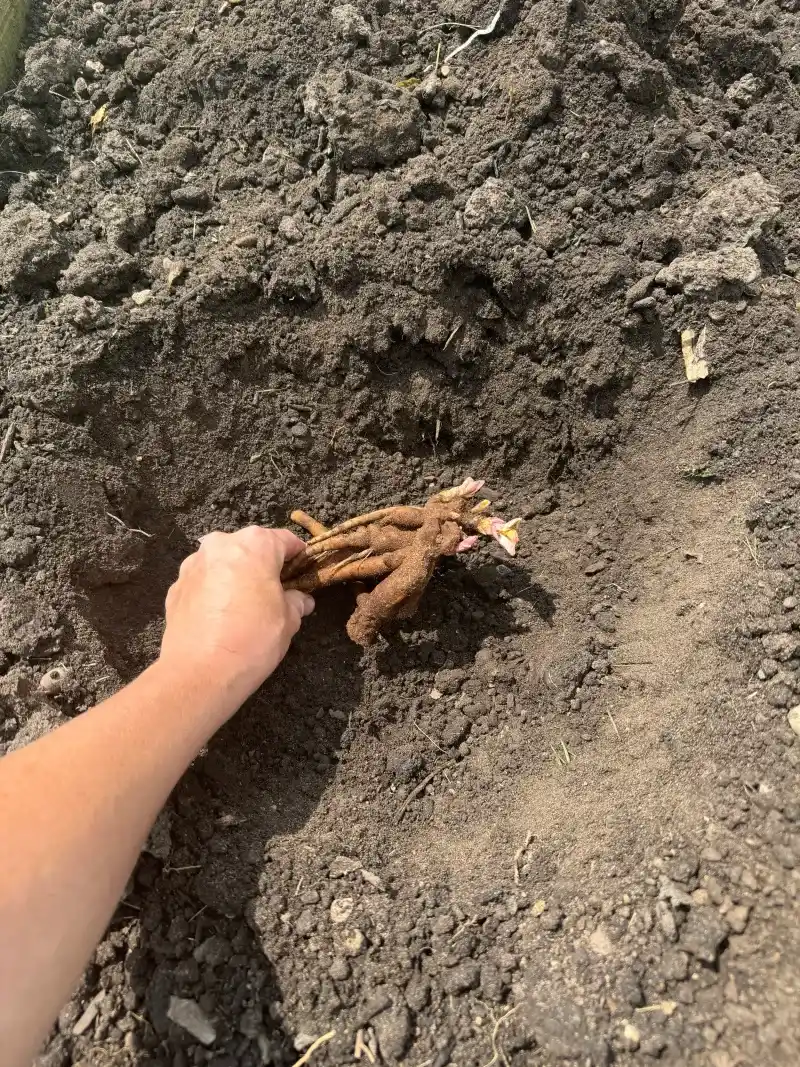
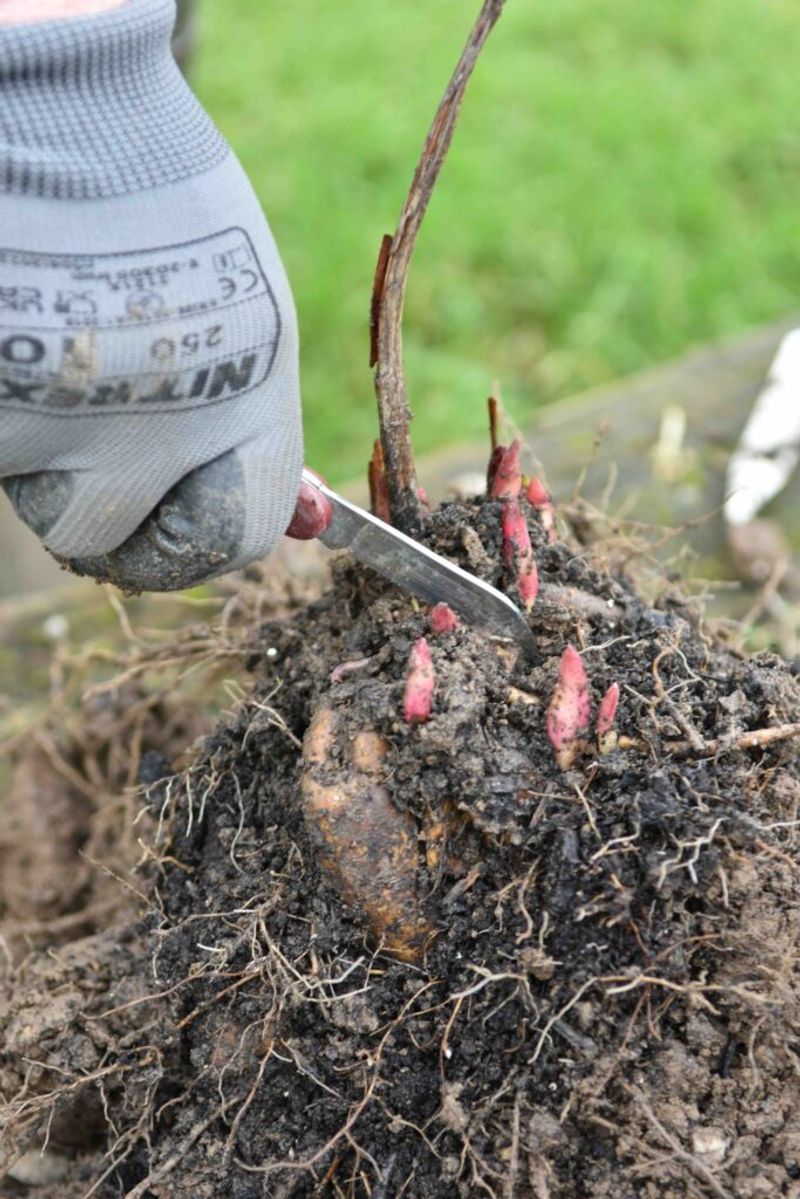
Peony eyes look like small, reddish-pink nubs sitting along the crown of the root. They’re easy to miss if you’re not looking for them, but they’re the most important part of the whole plant when it comes to spring flowering.
Every bloom your peony ever produces starts at one of those eyes.
Bury them too deep and they simply won’t perform. It’s not that the plant struggles — it often looks completely healthy above ground.
Thick stems, full green leaves, no obvious signs of trouble. But without blooms, most Georgia gardeners start wondering what went wrong, and depth is almost always the answer.
When planting, orient the root so the eyes face upward and sit no more than one to two inches below the finished soil surface. If you’re unsure which side is up, look for those pink or red buds — they always point toward the light.
Planting with the eyes facing down is another common mistake that sets the plant back significantly.
Georgia’s growing season is long, which means peonies here can put on impressive foliage growth even when they’re planted incorrectly. Don’t let a full, leafy plant fool you into thinking everything is fine.
Foliage and flowering are two very different signals, and only one of them tells you the plant is truly thriving.
4. Choose A Sunny Spot For Strong Flowering
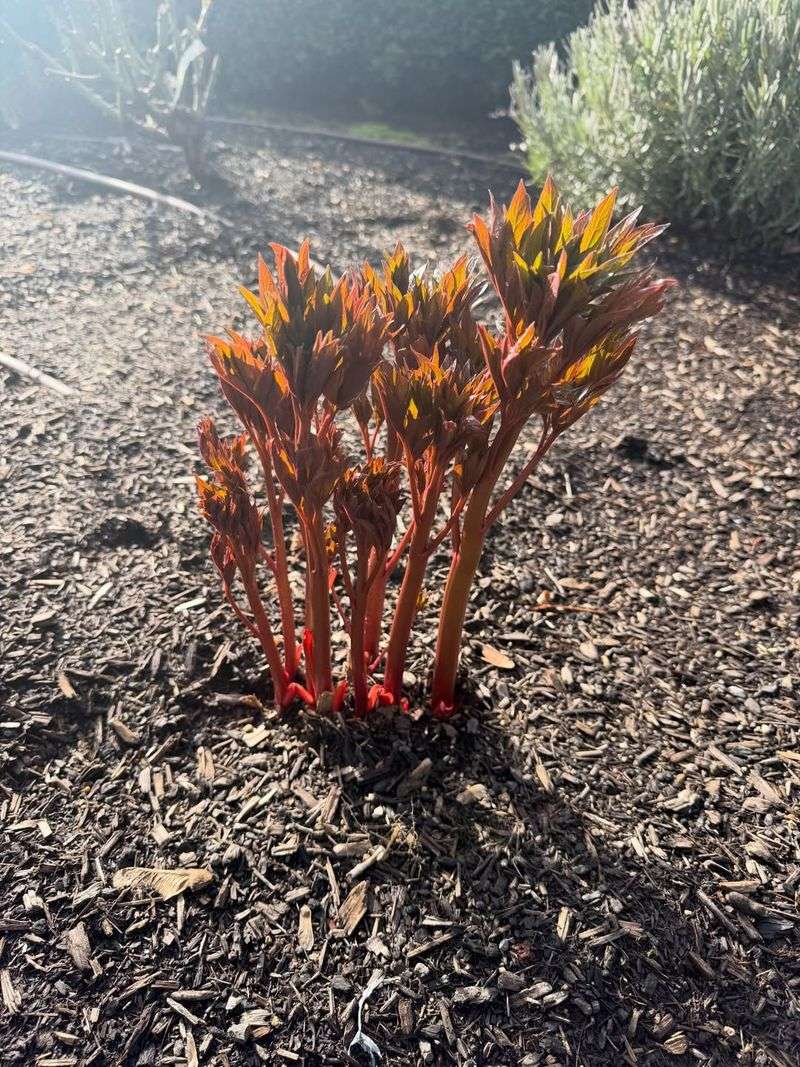
Shade quietly reduces blooming in peonies, and in Georgia where trees and shrubs grow fast and thick, it sneaks up on you. A spot that looked sunny when you planted three years ago might now be partially shaded by a neighbor’s oak or your own overgrown shrubs.
Walk your yard at midday and be honest about how much direct sun that peony is actually getting.
Peonies need at least six hours of direct sunlight each day to bloom reliably. Morning sun is especially valuable in Georgia because it dries the foliage quickly, which helps reduce the fungal issues that warm, humid springs tend to bring.
Afternoon shade is more forgivable than morning shade in this climate.
South or east-facing spots in your yard are usually the best candidates. North-facing beds near structures or fences often get too much shade even if they feel open.
Before you plant or replant, track the sun in that spot across a full day rather than just glancing at it once.
A peony that doesn’t get enough light will grow, but it won’t bloom well. You might see one or two weak flowers on an otherwise healthy-looking plant.
That’s a sun problem, not a soil or depth problem, and moving the plant is the most direct solution.
5. Replant Shallow If Blooming Is Weak Or Missing
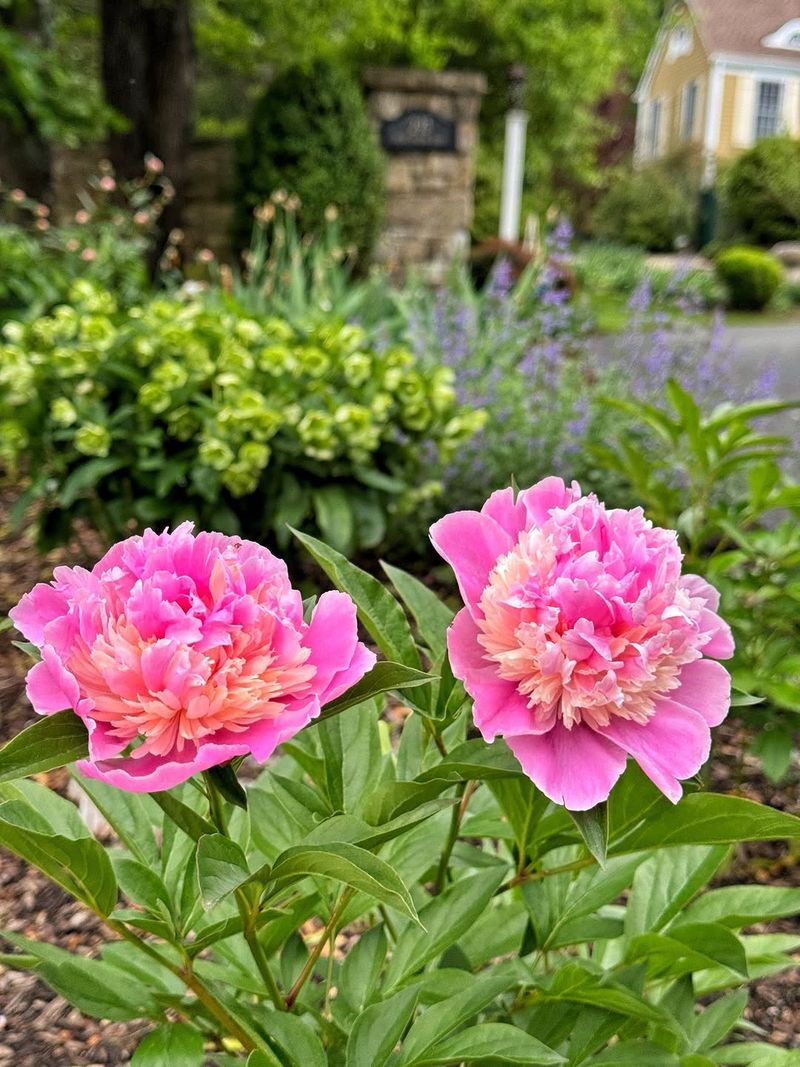
Two springs without blooms is enough of a signal to take action. Waiting another full year hoping things will change rarely works, and the fix is usually simpler than most people expect.
Digging up and replanting at the correct depth is often all it takes to turn a non-blooming peony around.
Wait until fall to do this if you can. Fall is the ideal time to divide and replant peonies in Georgia because the heat has backed off and the plant is heading into dormancy.
Disturbing roots in spring or summer adds stress at the wrong time and can set the plant back further.
When you dig, go wide around the crown to avoid slicing through roots. Lift the whole clump gently, shake off the excess soil, and take a look at where the eyes are sitting.
If they were buried more than two inches down, that’s your confirmation. Replant with the eyes at one inch below the surface and firm the soil gently around the crown without packing it tight.
In Georgia’s clay-heavy ground, loosening the soil before replanting helps a lot. Compacted clay doesn’t drain well, and peonies sitting in wet, dense soil can develop root problems that add to blooming issues.
Mix in some compost to open up the texture before you set the crown back in place.
6. Use Loose Soil To Prevent Settling Too Deep
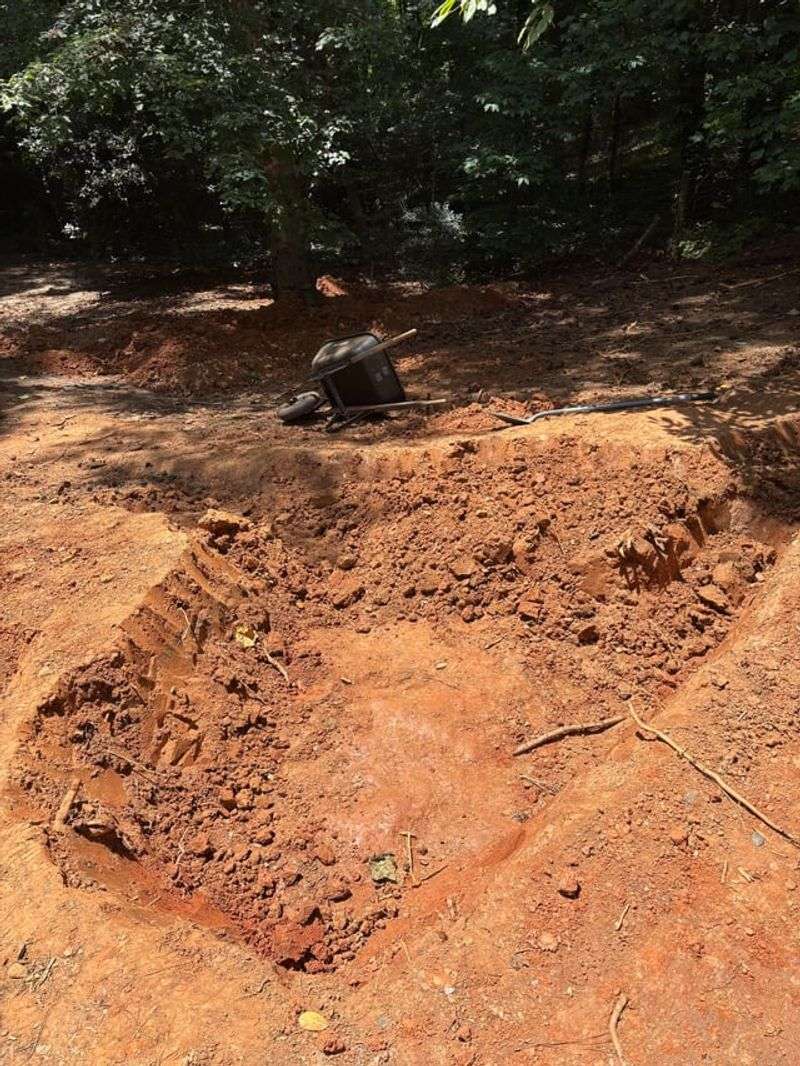
Georgia clay is notorious for compacting after rain, and peonies planted in unimproved clay often end up deeper than intended within a single season.
Soil settles, especially after heavy spring downpours, and a crown that started at one inch below the surface can drift down to three inches without anyone noticing.
Loosening the soil before planting isn’t optional here — it’s part of getting the depth right in the first place. Break up the ground at least twelve inches deep and twelve inches wide around where the crown will sit.
Work in a few inches of compost to improve both drainage and texture.
Compost does two things that matter for peonies in Georgia. First, it opens up clay so water moves through instead of pooling around the roots.
Second, it keeps the soil from compacting back down as quickly, which helps maintain the planting depth you worked to get right. Neither benefit is instant, but both build over time.
Avoid using heavy mulch directly over the crown. A thin layer of mulch around the plant is fine, but piling it on top of the crown adds artificial depth that affects how the eyes respond to temperature.
Keep the area right around the crown relatively clear.
7. Check Plant Depth After Heavy Rain Or Watering
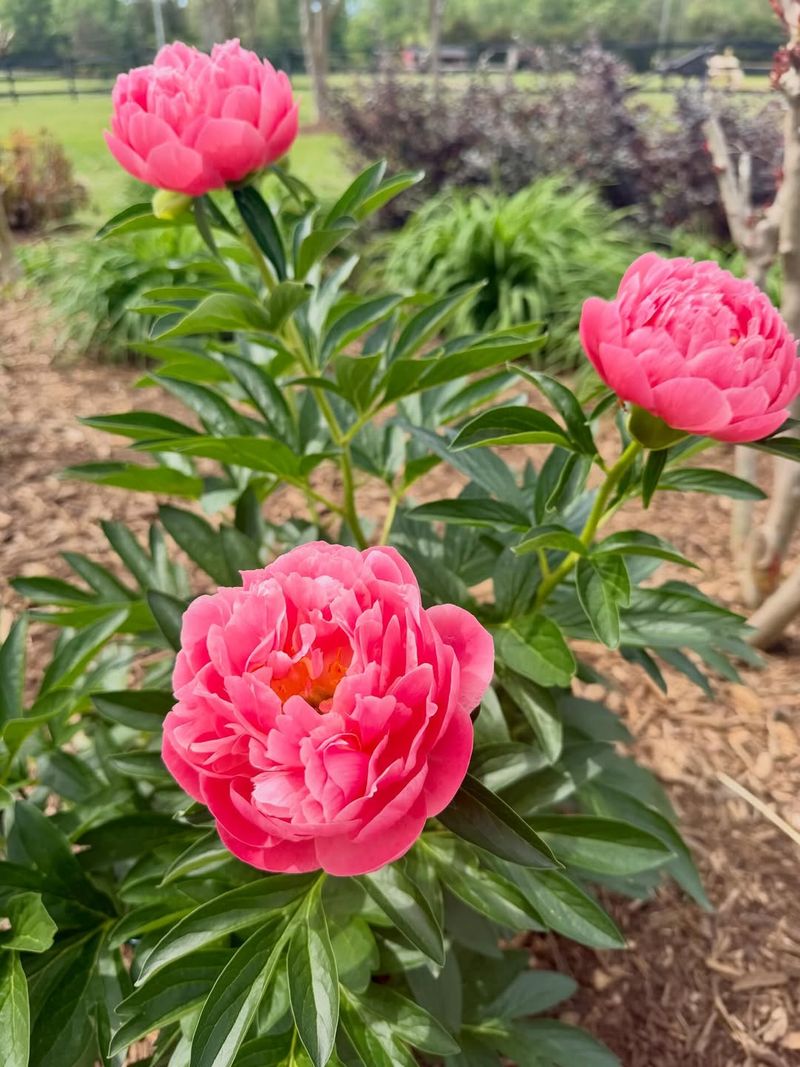
Spring in Georgia brings some serious rain, and that rain moves soil in ways most gardeners don’t account for. A single heavy storm can deposit a thin layer of sediment over your peony crown, and it adds up faster than you’d expect across a full wet season.
Checking depth after significant rainfall is a habit worth building.
Pull back any mulch near the crown and use a finger or a small trowel to feel how deep the eyes are sitting. You’re not digging up the plant — just checking.
If the crown has dropped or soil has built up over it, carefully remove the excess until the eyes are back at one to two inches below the surface.
Raised beds can help with this problem in Georgia because the soil structure tends to stay more consistent and drainage is better than in-ground planting in clay.
If you’ve had repeated settling issues, switching to a raised bed is worth considering, though it’s not a requirement for success.
Watering habits also matter. Overhead watering with strong pressure can displace soil around the crown over time.
Drip irrigation or a gentle watering can placed at the base of the plant is easier on the soil structure and keeps the crown area more stable between checks.