Why Xeriscaping Is A Smart Choice For Arizona Gardens
Watching your Arizona water bill climb during a record-breaking heatwave is enough to make any gardener want to throw in the towel.
Between the relentless sun, alkaline soil, and dry desert winds, keeping a traditional green lawn alive can feel like a losing battle against the elements.
But what if your yard was designed to thrive on the very conditions that usually kill a garden?
Xeriscaping is the smarter, more stylish path forward for the Arizona landscape.
By focusing on low-water plants and hyper-efficient irrigation, you can slash your outdoor water use without sacrificing beauty.
It is the ultimate way to trade a high-maintenance grind for a stunning, resilient yard that actually belongs in the desert.
1. Uses Less Outdoor Water In A Typical Yard
Walking through a Phoenix neighborhood in July makes one thing clear: yards with grass are constantly being watered, sometimes twice a day, just to survive.
Xeriscaping takes a completely different approach by replacing thirsty turf with plants that are built for dry conditions.
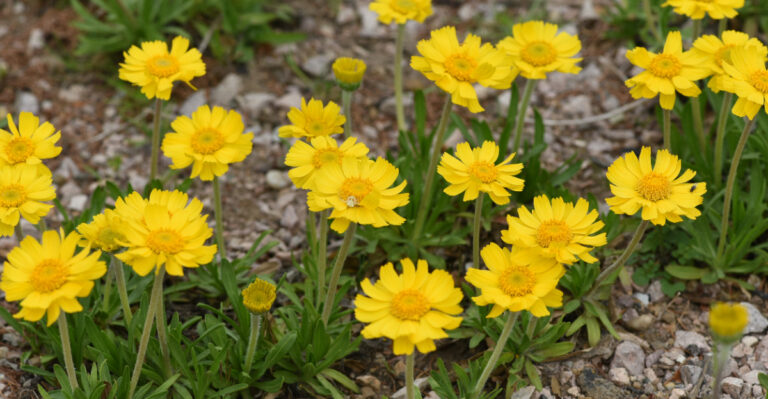
Native and desert-adapted plants like palo verde trees, agave, and desert marigold have root systems designed to find and hold moisture efficiently.
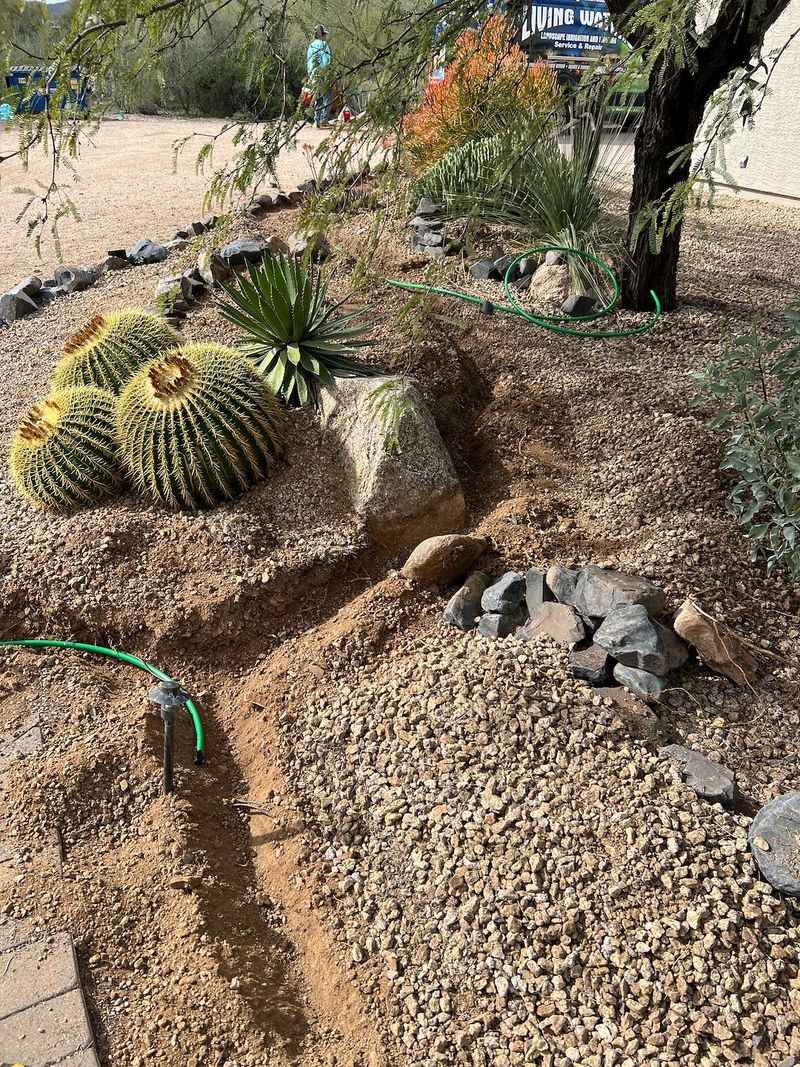
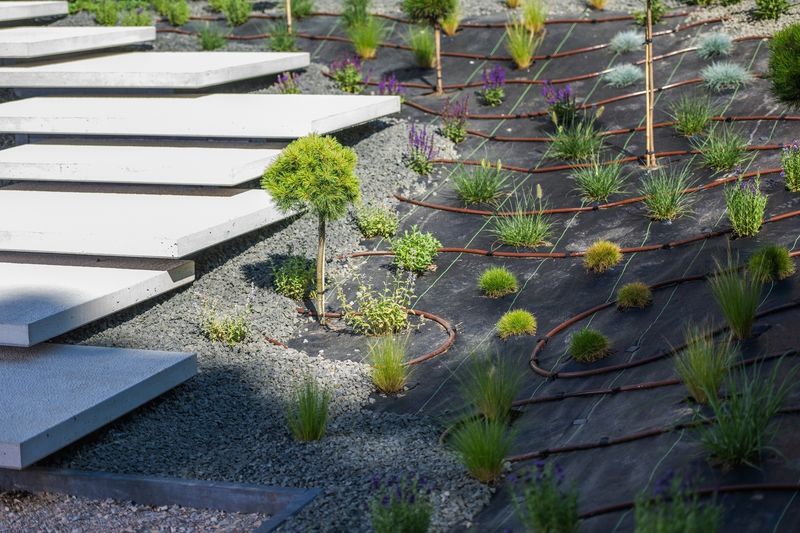
Drip irrigation is a key part of making this work well. Instead of spraying water into hot, dry air where much of it evaporates before reaching roots, drip systems deliver moisture directly to the base of each plant.
That targeted delivery means far less water is wasted on bare soil or pavement.
Covering open soil with a mulch layer can make a noticeable difference, especially around plant root zones.
Organic mulches can slow evaporation and help moderate soil temperature, which often means irrigation can be spaced out more comfortably.
Decomposed granite and other rock mulches can still reduce splashing and soil crusting, but they can also collect heat in summer, so they tend to work best where you want a durable surface rather than a cooler root zone.
A good sign your system is working: plants look healthy and soil stays slightly cool an inch below the surface.
A trouble sign to watch for: crusty, cracked soil between plants, which usually means mulch is too thin or drip emitters need adjustment.
2. Can Lower Water Bills
Outdoor irrigation is one of the biggest drivers of household water costs in Arizona, and it tends to spike hardest during the hottest months when the landscape needs it most.
Switching to xeriscape principles can bring those numbers down meaningfully, though the actual savings depend on yard size, current plant choices, and how efficiently water is already being applied.
The shift starts with replacing high-water-use grass with low-water plants grouped by their irrigation needs, a practice sometimes called hydrozoning.
When plants with similar thirst levels share a watering zone, you avoid overwatering drought-tolerant species just because they are next to something thirstier.
That kind of intentional planning helps every gallon go further.
Many Arizona cities also offer rebates for turf removal and xeriscape conversion, which can offset upfront costs significantly. Checking with your local water utility before starting a project is worth the effort, since programs and amounts vary by city.
Your Arizona Garden Changes Every Week. Your Plan Should Too.
Gardening in Arizona changes quickly throughout the season. Every Friday you’ll receive a simple weekly plan showing exactly what to plant, prune, fertilize, harvest, and protect so you never miss the right timing.
A good sign your setup is efficient: your irrigation controller runs shorter cycles and plants still look vibrant.
A trouble sign: soggy spots near drip emitters, which can indicate overwatering that drives up costs without helping plants at all.
3. Cuts Back On Regular Yard Chores
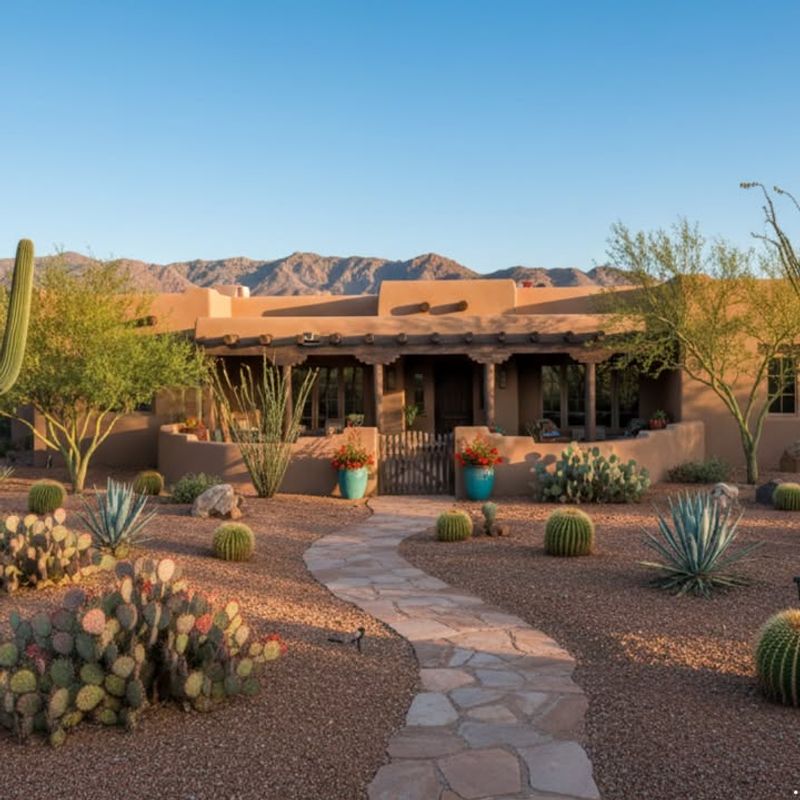
Few things eat up a weekend faster than mowing, edging, raking, and reseeding a struggling grass lawn in Arizona heat. Once a xeriscape garden is established, the weekly grind of traditional lawn care mostly disappears.
Most drought-tolerant and native plants grow at a naturally slow pace, which means less trimming and fewer clippings to haul away.
Weeding is still part of the picture, especially in the first season or two while new plants fill in.
Weed barrier fabric can look like an easy fix, but in many Arizona yards windblown dust and soil settle on top of gravel, and weeds can sprout right above the fabric anyway.
A more reliable approach is keeping a consistent mulch layer, tightening up plant spacing as the landscape matures, and pulling small weeds before they root deeply.
Over time, as plants spread and shade the soil, there’s simply less open space for weeds to take hold.
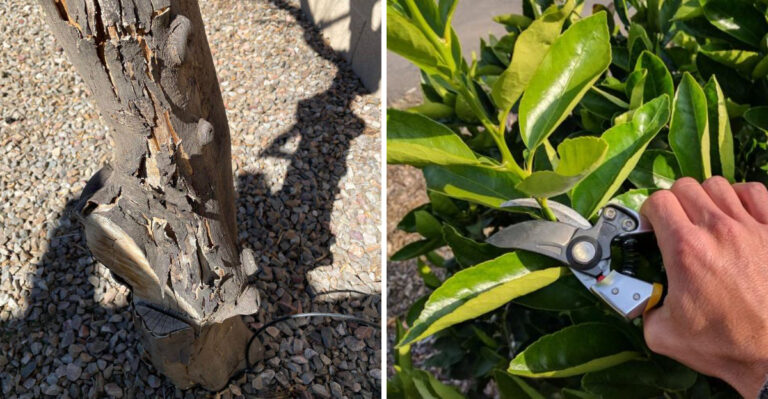
Replacing irrigation heads or adjusting a drip timer takes far less time than dragging hoses around a thirsty lawn twice a week. Seasonal tasks like refreshing mulch once a year and pruning frost-damaged tips in late winter are manageable and quick.
A good sign your xeriscape is maturing well: plants fill in naturally and bare soil shrinks each season.
A trouble sign to catch early: weeds clustering in open gravel patches, which usually means it is time to add fresh mulch or top up the ground cover layer.
4. Can Make Hot Areas Feel More Comfortable With Better Shade Planning
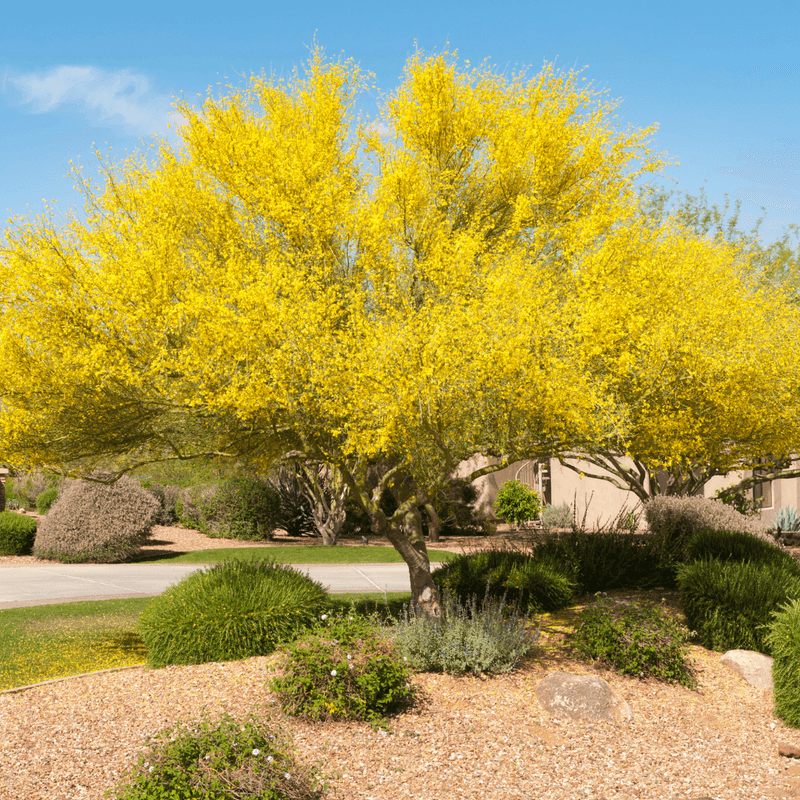
Anyone who has stood next to a west-facing block wall in an Arizona backyard on an August afternoon knows exactly how brutal radiant heat can feel.
Strategic shade planting is one of the most practical and often overlooked benefits of thoughtful xeriscape design.
Placing the right trees on the right sides of a yard can reduce surface temperatures around patios and outdoor seating areas noticeably.
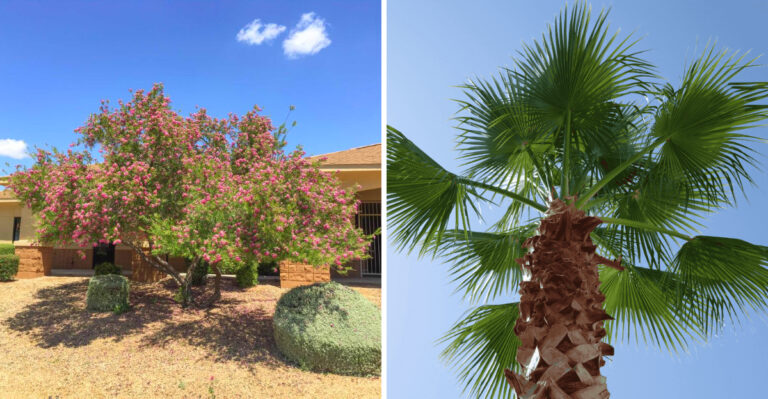
Palo verde, desert willow, and velvet mesquite are popular choices because they offer filtered, dappled shade rather than dense canopy cover. That lighter shade still lets air move through while blocking direct sun during the hottest parts of the day.
Positioned on the south and west sides of a home, these trees can also help shade walls and windows, which may reduce how hard an air conditioner has to work.
Ground-level plantings matter too. Dense, low shrubs like brittlebush or globe mallow planted along hot walkways reflect less heat than bare gravel and feel more comfortable underfoot.
A good sign your shade plan is working: outdoor spaces become usable earlier in the morning and later in the afternoon on hot days.
A trouble sign: trees planted too close to structures, which can cause root or canopy conflicts as the plants mature over several years.
5. Supports Pollinators And Backyard Wildlife
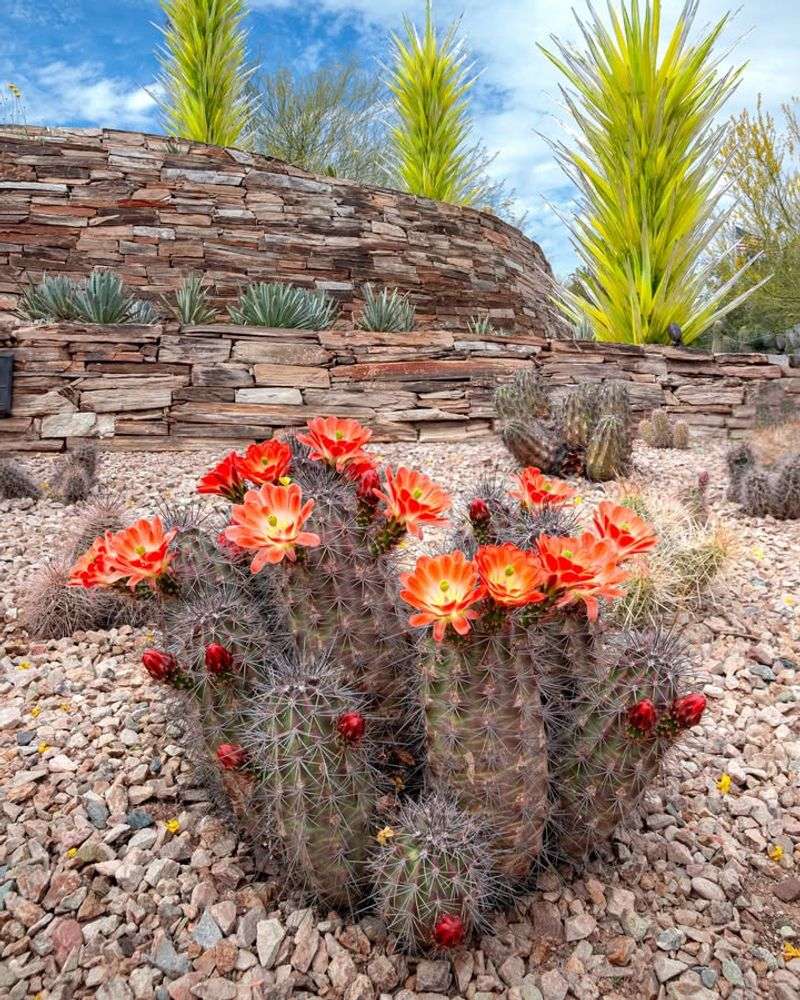
Native bees, hummingbirds, butterflies, and even small lizards all depend on healthy plant communities to survive, and Arizona’s urban sprawl has reduced a lot of that habitat. A xeriscape yard planted with native flowering species becomes a meaningful refuge right in your own neighborhood.
Plants like desert milkweed, penstemon, globe mallow, and saguaro cactus provide food and shelter at different times of year.
Pollinators are especially attracted to flowering natives because those plants evolved alongside local insects and birds over thousands of years.
The timing of blooms, the shape of flowers, and even the scent are all calibrated, in a sense, to local wildlife needs.
Mixing early-spring bloomers with summer and fall flowering species keeps your yard productive as a habitat across multiple seasons.
Adding a shallow water feature or a simple ceramic dish with fresh water and pebbles gives visiting birds and insects a place to drink without drowning.
Even small gestures like leaving a patch of bare soil for ground-nesting native bees can make a real difference.
A good sign wildlife is thriving: regular visits from multiple pollinator species throughout the growing season. A trouble sign: absence of any insect activity, which may suggest pesticide drift from neighboring yards is affecting your space.
6. Often Means Less Fertilizer And Fewer Pesticide Inputs
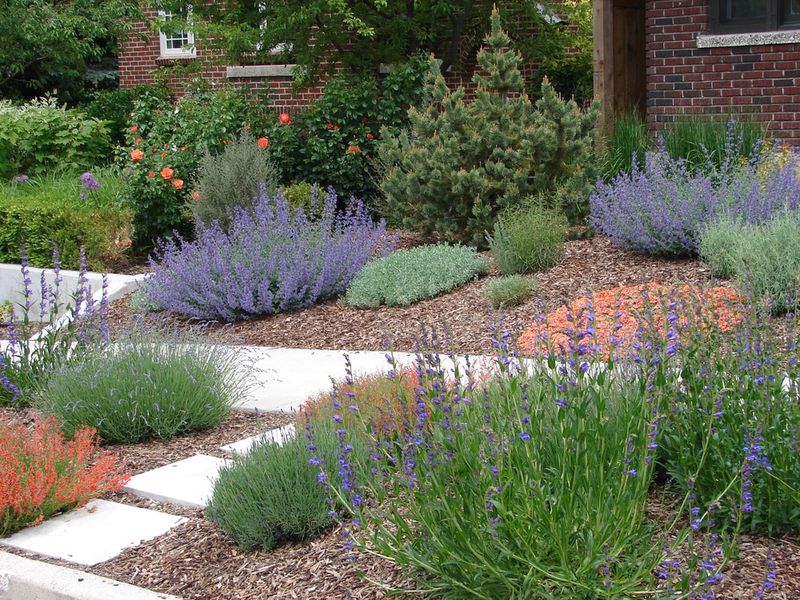
Grass lawns in Arizona often need regular fertilizer applications to stay green in alkaline, nutrient-poor desert soils, and that need brings its own costs and complications. Native and desert-adapted plants are a different story.
They evolved in these exact soil conditions, which means they generally do not need the kind of chemical boost that non-native turf grass demands to perform well.
Fewer fertilizer applications mean less chance of nutrient runoff during Arizona’s monsoon rains, which can carry excess nitrogen and phosphorus into storm drains and eventually into waterways.
Scaling back on pesticide use has a similar ripple effect, since many common lawn pesticides can harm the beneficial insects and birds that a healthy xeriscape is designed to attract and support.
When pest problems do show up in a xeriscape, they are often manageable with targeted, low-impact solutions. Checking plants regularly and catching issues early usually prevents the need for heavy chemical intervention.
Encouraging natural predators like ladybugs, lacewings, and spiders by avoiding broad-spectrum sprays keeps the garden ecosystem more balanced over time.
A good sign your approach is working: plants look healthy without regular chemical support.
A trouble sign: recurring pest outbreaks on the same plant, which may signal a placement issue or a stressed specimen that needs replacing.
7. Helps Reduce Runoff And Erosion Problems
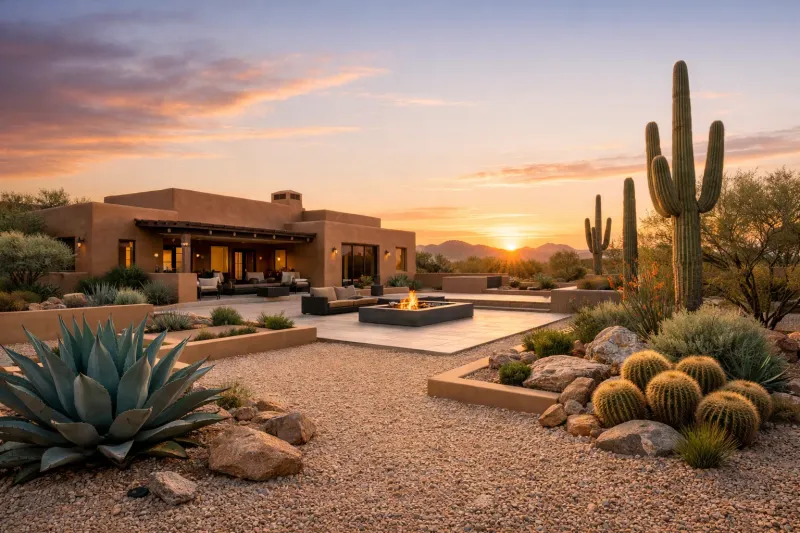
Arizona’s monsoon season delivers rain in short, intense bursts that bare or compacted soil simply cannot absorb fast enough.
When water hits hard ground or sparse grass at high speed, it carries soil, sediment, and whatever is sitting on the surface straight into the street and storm drain system.
A well-designed xeriscape with good ground cover and thoughtful grading handles that surge very differently.
Plants with established root systems help hold soil in place, while layers of decomposed granite or organic mulch slow the movement of water across the surface.
Shallow swales, which are gentle depressions in the landscape designed to direct water flow, can be incorporated into a xeriscape plan to guide runoff toward planting areas rather than away from them.
That approach, sometimes called passive water harvesting, lets monsoon rain soak into the ground where it can actually benefit plants.
Berms and dry creek beds made from native rock are both functional and visually interesting additions that help manage water movement during heavy storms. They add texture to the landscape while serving a real erosion-control purpose.
A good sign your drainage is working: water soaks in within a few minutes after a rain event.
A trouble sign: channels of bare soil forming after storms, which means water is moving too fast and erosion is already underway.
8. Keeps Curb Appeal High With Color And Texture
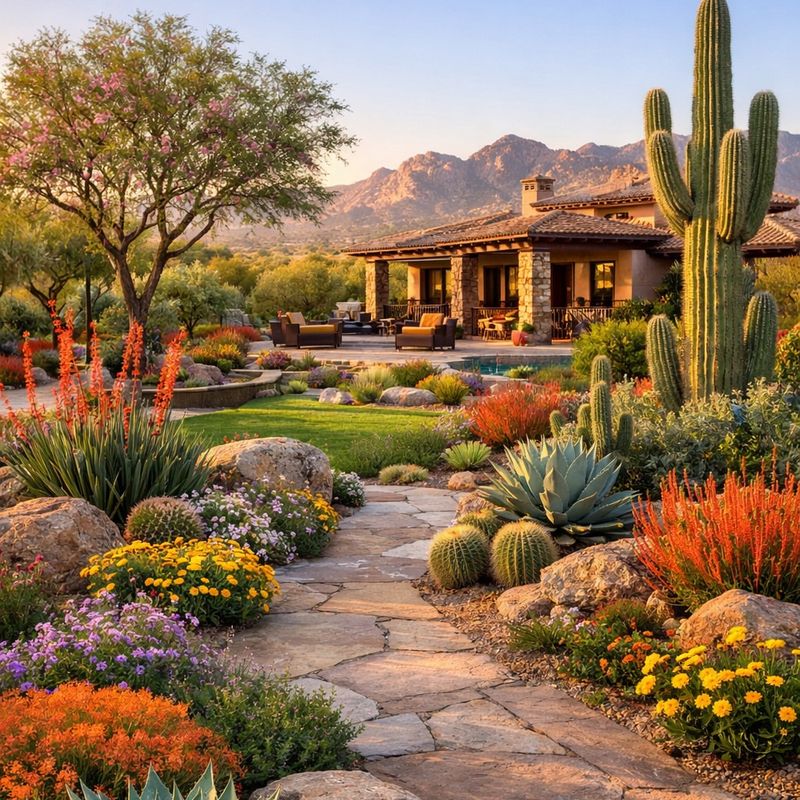
One of the most persistent myths about xeriscaping is that it means a yard full of nothing but gravel and a few scraggly cacti.
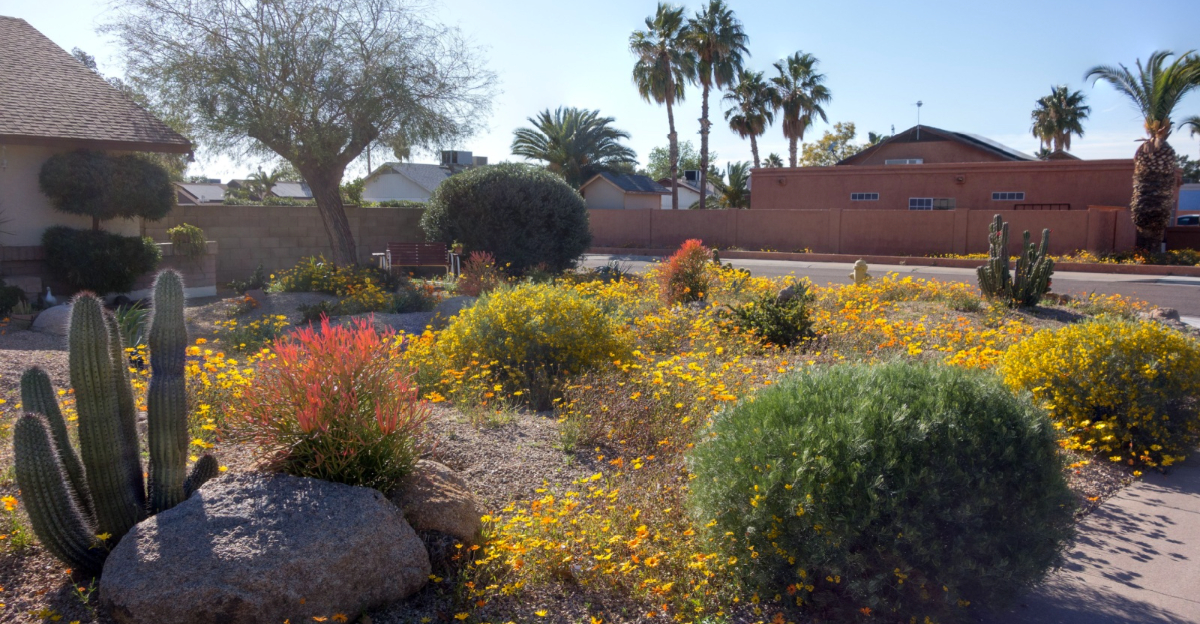
In reality, a well-planned xeriscape can be one of the most visually interesting yards on the block, especially in Arizona where the palette of native plants is surprisingly rich and varied.
The trick is intentional design rather than random placement.
Color can come from plants like red bird of paradise with its warm orange and yellow blooms, purple trailing lantana spilling over rock edges, and the bright pink and magenta tones you can get from penstemon or chuparosa when they’re in bloom.
Texture comes from the bold arms of saguaro, the fine silvery leaves of brittlebush, and the smooth curves of river rock set against rough decomposed granite.
Layering plants by height, from low groundcovers up through mid-size shrubs to accent trees, gives the yard a structured, finished look.
Seasonal interest is easy to plan for because many Arizona natives bloom at different times throughout the year.
Spring brings brittlebush and poppies, summer monsoon season triggers yellow bells and desert willow, and fall adds the warm tones of globe mallow and autumn sage.
A good sign your design is working: neighbors stop to ask what you planted. A trouble sign: the yard looks flat and monochromatic, which usually means more plant variety and height layering would help.