These Arizona Yard Mistakes Can Attract More Scorpions
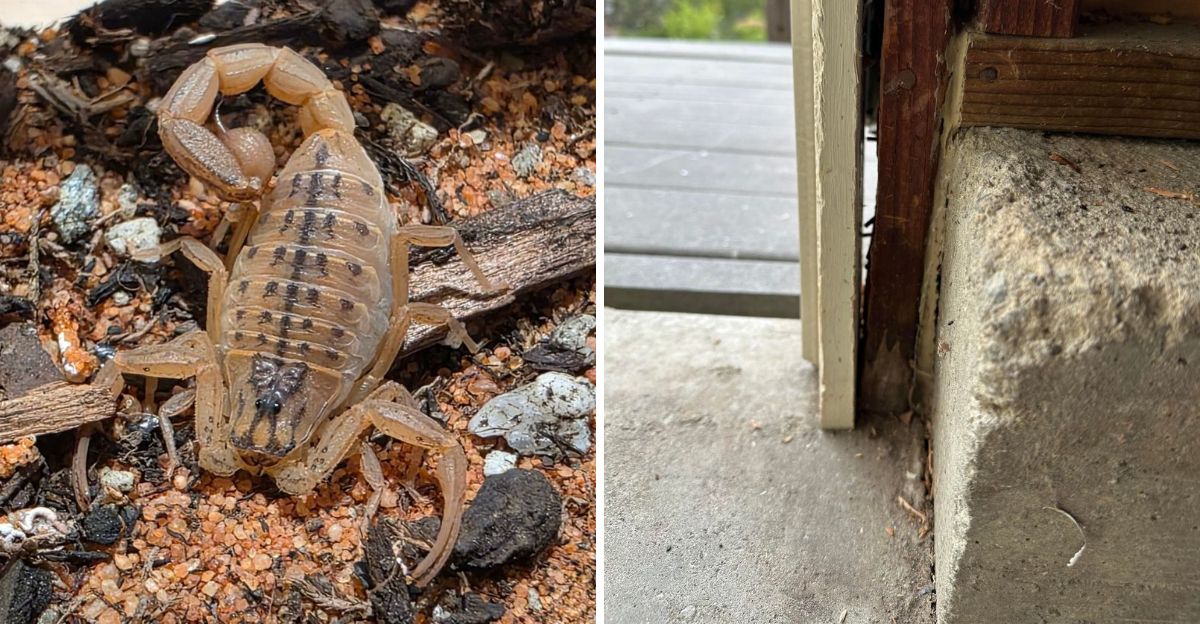
Scorpions start showing up around Arizona yards much more often once temperatures stay consistently warm.
Patio corners, block walls, storage areas, potted plants, and even neat looking backyards can suddenly become places where they start hanging around more than expected.
A few very common yard habits quietly make the problem worse without looking dangerous at all. Extra moisture, cluttered spots, and shaded hiding areas can make scorpions much more comfortable staying close to the house.
Plenty of Arizona yards accidentally attract more scorpions while still looking completely clean and well maintained from the outside.
1. Leaving Pet Food Outside Overnight
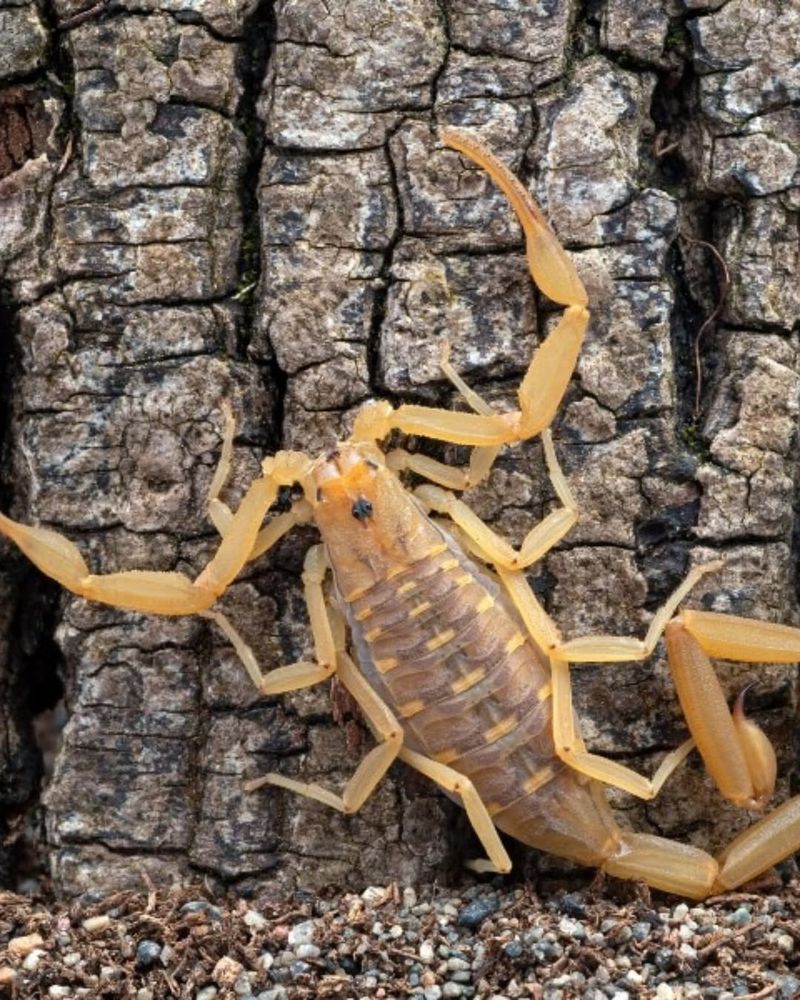
A full pet bowl left outside after dark is basically a dinner invitation for insects, and where insects go, scorpions follow close behind. Scorpions in Arizona are opportunistic hunters.
They eat crickets, beetles, cockroaches, and other small bugs that swarm around food scraps and spilled kibble. Leave a bowl out overnight, and you create a feeding chain that ends with a scorpion in your yard.
Bark scorpions, which are the most venomous scorpion species found in Arizona, are most active at night. That is exactly when pet food left outside starts attracting the insect buffet they hunt.
Even a small amount of leftover food or water in a dish can pull in enough bugs to keep scorpions coming back regularly.
Picking up food and water bowls before sunset takes about ten seconds and makes a real difference. Store them inside or in a sealed container if your pet eats outside.
Rinse the area where the bowl sits to remove food residue that can still attract ants and roaches even after the bowl is gone.
Homeowners in Scottsdale and Mesa have reported noticing fewer scorpion sightings near their patios after simply changing this one habit. It sounds almost too simple, but cutting off the food chain at the bottom is one of the most effective scorpion prevention strategies available.
Scorpions do not stick around in places where prey is hard to find, so removing that easy food source gives them one less reason to stay near your home.
2. Palm Tree Skirts Create Hiding Spots
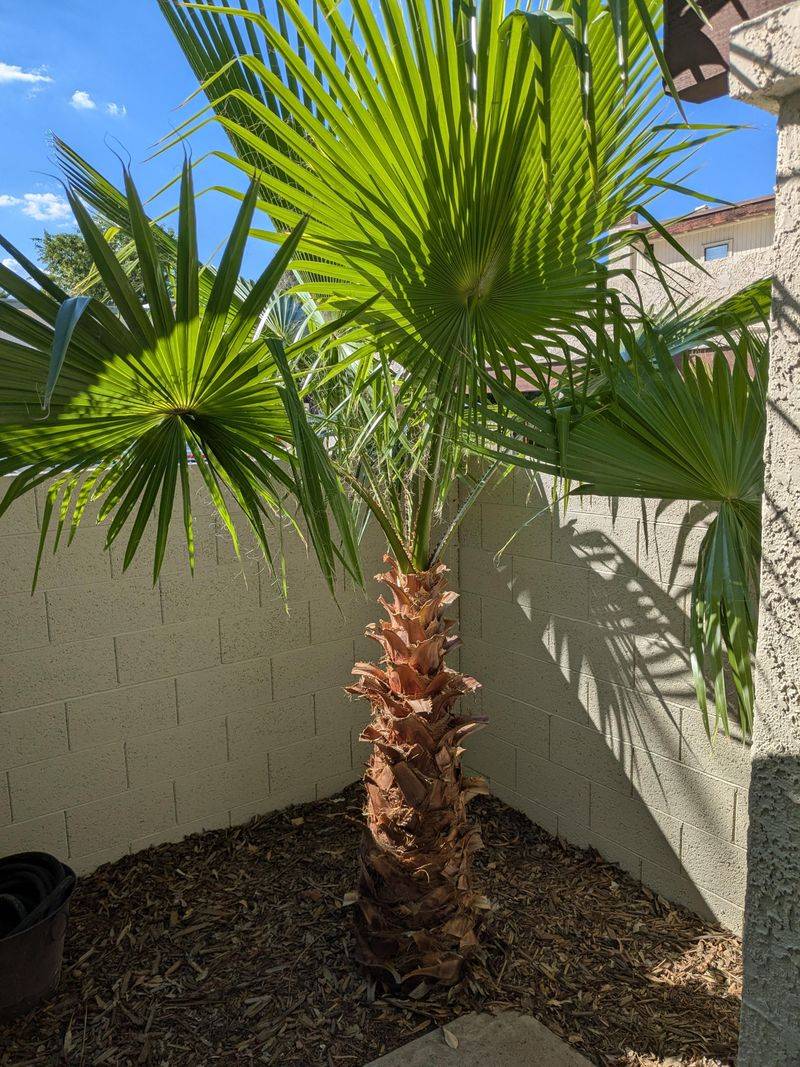
Untrimmed palm trees are one of the most overlooked scorpion hazards in Arizona yards. When old, dried fronds are left to hang and pile up around the trunk, they form a dense, insulated skirt that stays cool and dark during the day.
Scorpions absolutely love that kind of environment. It offers them shelter, protection from the brutal Arizona heat, and easy access to insects that also hide in the debris.
Bark scorpions are excellent climbers and have been found nesting high up inside palm skirts. If your palm tree is close to your home, those scorpions are just a short crawl away from your walls, windows, and entry points.
Pest control professionals across the Phoenix Valley regularly identify untrimmed palms as a primary scorpion harborage site during inspections.
Trimming the dried fronds off your palms removes the shelter scorpions rely on.
Aim to trim once or twice a year, depending on how fast your specific palm variety grows. Always wear thick gloves and long sleeves when doing this work yourself, since scorpions hiding inside the skirt can drop or fall unexpectedly during trimming.
Your Arizona Garden Changes Every Week. Your Plan Should Too.
Gardening in Arizona changes quickly throughout the season. Every Friday you’ll receive a simple weekly plan showing exactly what to plant, prune, fertilize, harvest, and protect so you never miss the right timing.
After trimming, bag the fronds and remove them from your property right away. Leaving cut fronds piled on the ground just shifts the problem from the tree to the yard floor.
Regular palm maintenance is a straightforward step that significantly reduces the number of scorpion hiding spots in your Arizona outdoor space without requiring any chemicals or special equipment.
3. Rock Piles Hold More Scorpions
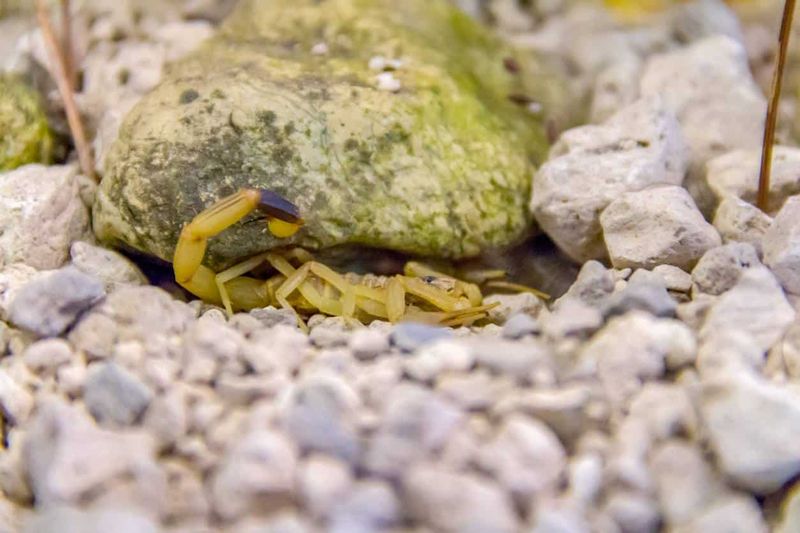
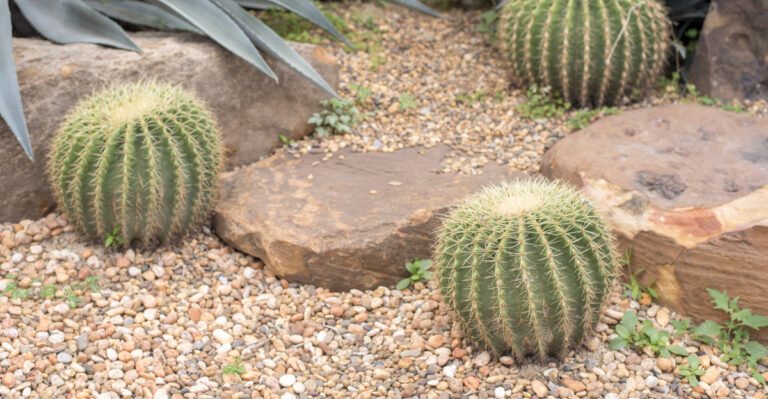
Rock piles might look natural and low-maintenance, but they are one of the best scorpion hotels you can accidentally build in your Arizona yard.
Rocks hold heat from the sun and release it slowly overnight, creating a warm, stable microclimate that scorpions find extremely attractive.
Stack a few rocks together and you instantly create dozens of tight, dark gaps perfect for resting and hunting.
Scorpions spend most of the day sheltering under and between rocks to avoid the intense Arizona heat. At night, they emerge to hunt.
If those rocks are near your house, patio, or walkway, scorpions have a very short commute to your living space. Flagstone paths, decorative boulders, and loose gravel borders are all common culprits in residential yards across Tempe, Chandler, and Gilbert.
You do not have to remove all rocks from your yard, but placement matters a lot. Keep rock features at least three to four feet away from your home’s foundation.
Avoid stacking rocks in loose, irregular piles where gaps are plentiful. Flat-laid stones with minimal gaps offer far less shelter than chunky, uneven arrangements.
Occasionally moving rocks around also disrupts established scorpion territories and exposes any that may have settled in. Wearing gloves during any yard work around rock features is a smart habit regardless.
In Arizona’s desert climate, rock landscaping is popular for good reason, but a few small adjustments in how and where you use it can meaningfully reduce scorpion activity near your home.
4. Leaking Irrigation Attracts More Bugs
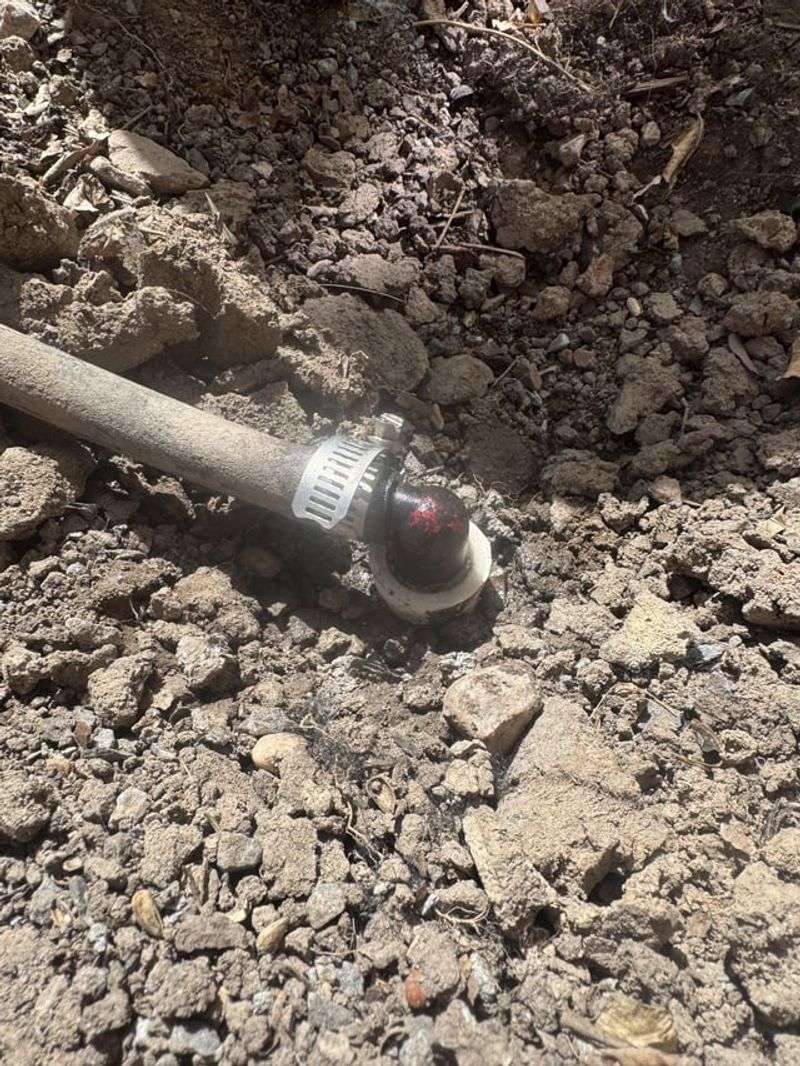
Water is one of the scarcest resources in Arizona, which is exactly why any leak in your irrigation system becomes a magnet for insects almost immediately. Cockroaches, crickets, earwigs, and pill bugs all flock to moist soil.
Once those insects settle in around a drip line leak, scorpions follow because the prey concentration is high and reliable.
Scorpions themselves also need moisture to survive. Arizona summers are brutally dry, and a consistently wet patch of ground near a cracked emitter or loose fitting offers them hydration along with hunting opportunities.
Pest control specialists working in Tucson and the East Valley frequently trace scorpion concentrations back to irrigation leaks that homeowners had not noticed or had been ignoring for weeks.
Check your drip system at least once a month during the warmer seasons when it runs most frequently. Walk the lines and look for pooling water, unusually dark soil patches, or lush plant growth in one specific spot compared to the rest of the bed.
These are all signs of a slow leak that may not be obvious at a glance.
Fixing a leaky emitter usually costs almost nothing and takes just a few minutes. Replacing a cracked fitting or tightening a loose connector is a quick fix that removes both the moisture source and the insect gathering point.
Keeping your irrigation system tight and well-maintained is not just good for your water bill. In Arizona, it is one of the most practical ways to reduce the insect populations that draw scorpions into your yard.
5. Outdoor Lights Draw In Scorpion Prey
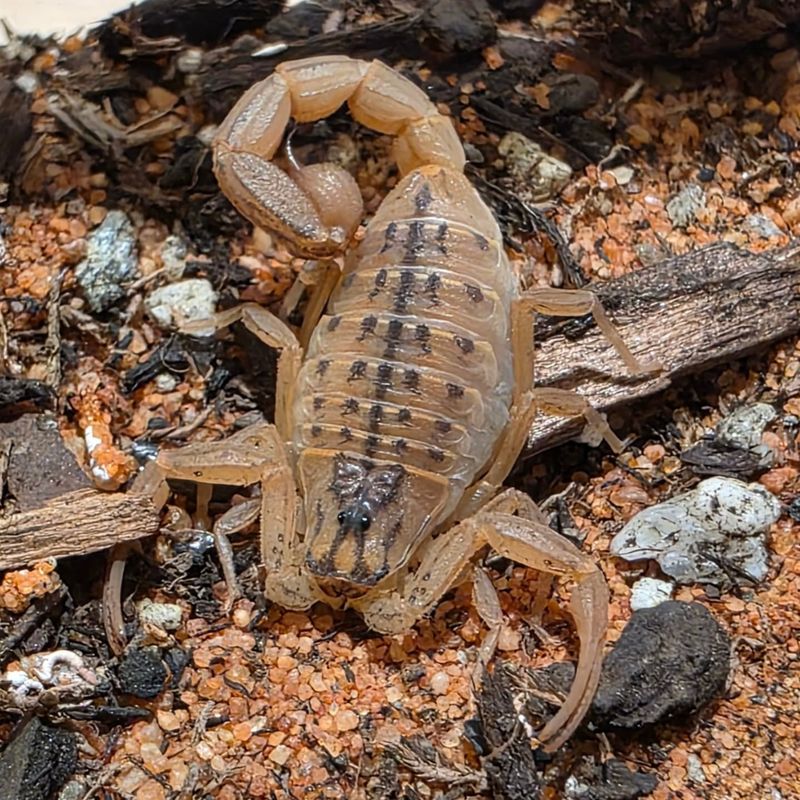
Scorpions cannot see well, but they are exceptional at detecting vibrations and locating prey. Bright white outdoor lights attract moths, gnats, beetles, and other flying insects by the hundreds on warm Arizona nights.
Scorpions learn quickly that hanging around a lit area means easy access to a constant stream of food landing right at their feet.
Standard incandescent and cool white LED bulbs are the worst offenders because they emit light in spectrums that insects can see clearly.
Homes in the Ahwatukee Foothills and North Scottsdale with bright porch lights or floodlights left on all night often see higher insect and scorpion activity around entryways compared to homes using warmer light tones or motion-activated fixtures.
Switching to warm yellow or amber LED bulbs significantly reduces insect attraction without leaving your yard in complete darkness. These bulbs emit light at wavelengths that most insects struggle to detect, so the swarm effect around your fixtures shrinks considerably.
Motion-activated lights are another solid option since they limit total light exposure time each night.
Repositioning lights so they point away from your home rather than toward it can also help. Lighting mounted on a post in the yard facing outward keeps bugs away from your walls and doors instead of clustering them right at your entry points.
Scorpions are drawn to where their prey is most concentrated, so reducing insect density near your home’s exterior directly reduces the scorpion pressure on your Arizona property. Small lighting changes can produce noticeable results within just a few weeks.
6. Gravel Clutter Gives Scorpions Shelter
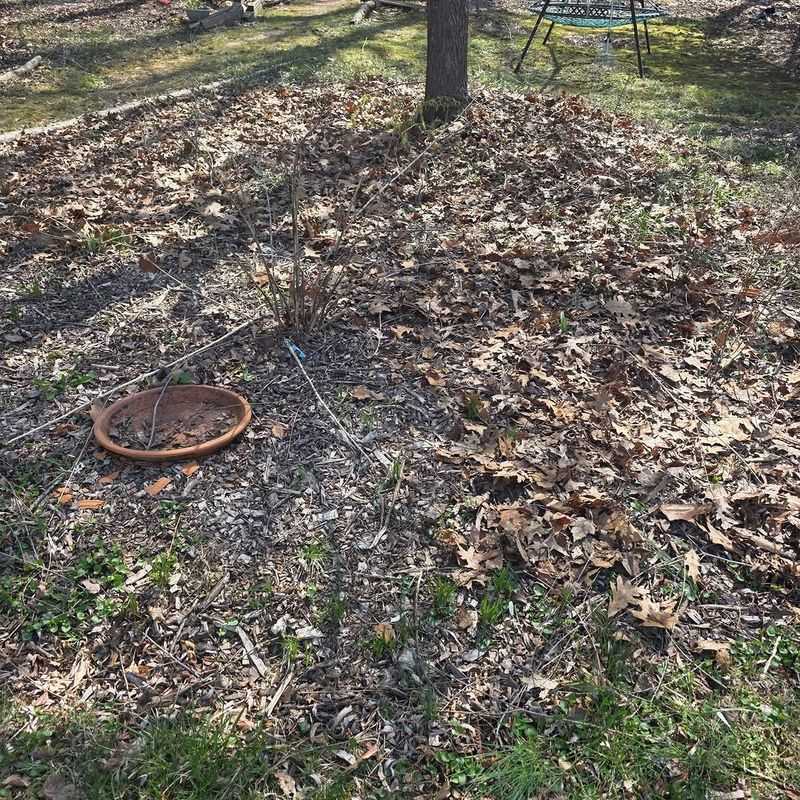
Gravel is everywhere in Arizona landscaping, and for good reason. It conserves water, reduces weeds, and holds up well in the desert climate.
But gravel that is cluttered with leaves, bark, sticks, and other organic debris stops being just ground cover and starts functioning as scorpion habitat.
That layer of mixed material creates exactly the kind of dark, sheltered environment scorpions prefer during daylight hours.
Loose gravel beds that are rarely raked or maintained can also develop thick layers of decomposing material underneath. Moisture gets trapped, insects move in, and the whole setup becomes a self-sustaining ecosystem that supports scorpion activity around your home.
Neighborhoods in Peoria and Surprise with heavily graveled front yards often see this pattern develop when maintenance is skipped for a season or two.
Raking your gravel beds regularly makes a significant difference. Removing fallen leaves, seed pods from palo verde or mesquite trees, and any other organic buildup takes away the layered shelter that scorpions and their prey depend on.
Aim to rake at least once every few weeks during fall when tree debris is at its peak.
Keeping gravel depth consistent and avoiding overly thick applications also helps. A layer that is too deep creates more air pockets and gaps between stones, which is essentially more hiding space.
A clean, well-maintained gravel bed with minimal debris offers far less shelter than a neglected one. In Arizona yards, the difference between tidy and cluttered gravel can genuinely impact how many scorpions feel comfortable setting up camp near your foundation.
7. Unsealed Cracks Make Entry Easier
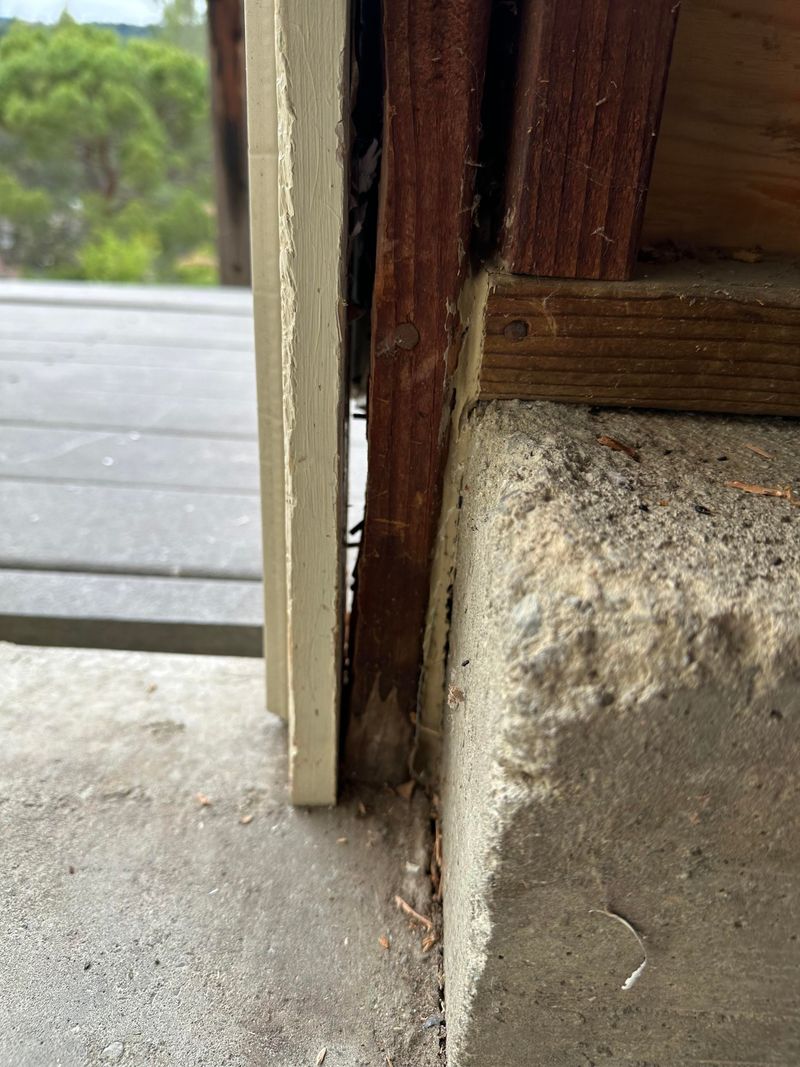
A crack the width of a credit card is all a bark scorpion needs to get inside your home.
Arizona’s extreme heat causes stucco, concrete, and wood to expand and contract repeatedly, creating new gaps around foundations, door frames, window edges, and utility penetrations over time.
What starts as a hairline crack can become a reliable scorpion entry point before you even notice it.
Scorpions found indoors in Arizona are almost always coming in through gaps that were either never sealed or that opened up after previous repairs dried out and shrank.
Check along the base of exterior walls, around pipe entry points, and under doors where weatherstripping has worn thin.
These are the most common access points identified by pest control professionals doing home inspections in Chandler, Mesa, and Queen Creek.
Sealing cracks with exterior-grade caulk or foam sealant is inexpensive and straightforward. Focus on the bottom two feet of your exterior walls and any spot where a utility line or pipe enters the structure.
Door sweeps and quality weatherstripping on all exterior doors close off another major entry route that homeowners frequently overlook.
Recheck your seals at least once a year, ideally before summer when scorpion activity peaks across Arizona. Heat and UV exposure degrade caulk faster in the desert than in cooler climates, so what looked solid last year may have already cracked or pulled away from the surface.
Staying on top of exterior sealing is one of the most direct and cost-effective ways to keep scorpions outside where they belong, rather than sharing your living space.