What Georgia Gardenias Need In March For Colorful Showy Blooms
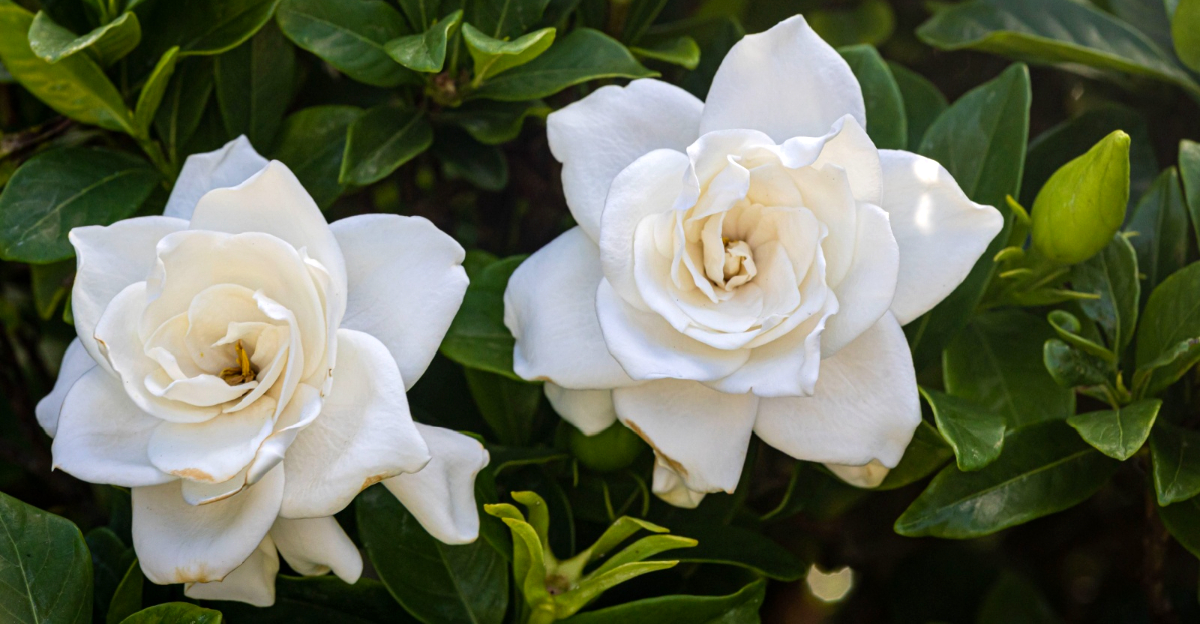
The intoxicating scent of a Georgia gardenia is a Southern rite of passage, but in March, that fragrance hangs in a delicate balance.
This is a month of horticultural suspense: warm afternoons tease buds into opening, while a single surprise cold snap can vanish an entire season of blooms overnight.
Whether your roots are in stubborn red clay or sandy coastal soil, what you do right now determines if you’ll have a spectacular show or a few sad, brown buds.
By balancing sunlight and moisture during this unpredictable transition, you can ensure your gardenias are resilient enough to handle Georgia’s spring mood swings.
A few smart tweaks this month are all it takes to guarantee a vibrant display that lasts all summer long.
1. Give Gardenias Morning Sun Without Harsh Afternoon Heat
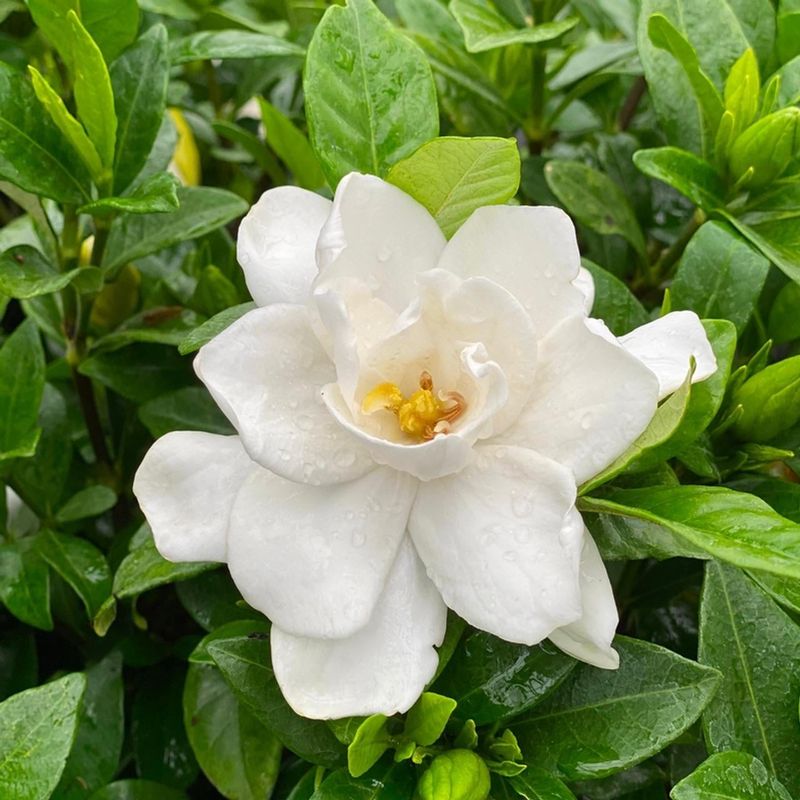
Sunlight placement is one of those things Georgia gardeners often underestimate when gardenias start looking sparse or fail to bloom well.
Gardenias grow best when they soak up several hours of bright morning light, which fuels the energy needed to set and develop buds.
Morning sun also helps dry dew off the foliage quickly, which reduces the chance of fungal issues that tend to pop up during Georgia’s humid spring months.
Afternoon sun in Georgia, especially from late March onward, can get intense. Too much direct afternoon heat stresses the plant, scorches leaves, and can cause buds to drop before they ever open.
A spot near an east-facing wall or under the light canopy of a taller tree often works well for finding that sweet balance.
In North Georgia, where spring arrives a bit later, gardenias can sometimes handle a little more sun exposure without as much stress. Along the Coastal Plain, where temperatures climb faster, afternoon shade becomes even more valuable.
Take a walk around your yard on a clear March morning and observe where the light lands longest, because that observation alone can guide smarter placement decisions for container gardenias or new plantings this season.
2. Keep Soil On The Acidic Side
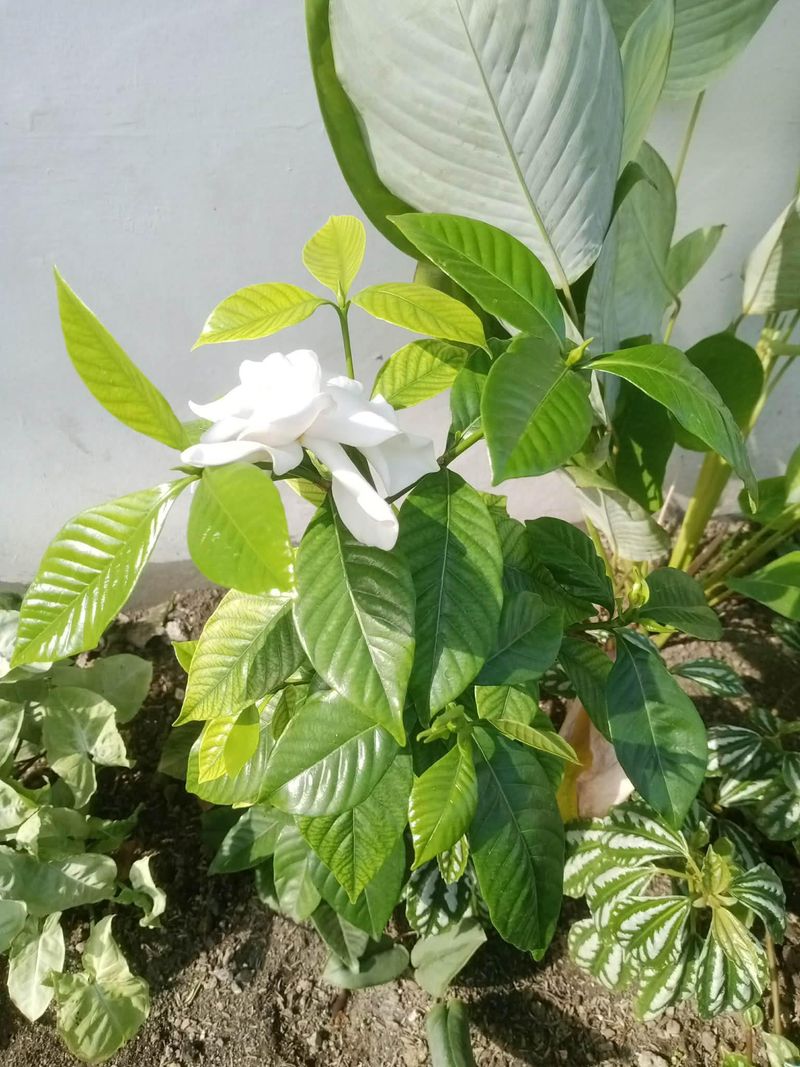
Gardenias are famously fussy about soil chemistry, and March is a smart time to check where things stand before the growing season picks up speed. These plants perform best when soil pH falls somewhere between 5.0 and 6.0.
When the soil drifts above that range and becomes more alkaline, gardenias struggle to pull in iron and other nutrients even when those nutrients are physically present in the soil.
A basic soil test, available through your local county Extension office in Georgia, can tell you exactly where your pH sits.
If the reading comes back too high, elemental sulfur worked into the soil around the plant can help bring things back down gradually.
Acidifying fertilizers formulated for camellias and azaleas also support gardenias well and serve double duty by feeding the plant while nudging the pH lower.
Keep in mind that soil pH does not shift overnight. Amendments made in March may take several weeks to register a noticeable change, so patience matters here.
Your Georgia Garden Changes Every Week. Your Plan Should Too.
Gardening in Georgia changes quickly throughout the season. Every Friday you’ll receive a simple weekly plan showing exactly what to plant, prune, fertilize, harvest, and protect so you never miss the right timing.
Sandy soils common in South Georgia tend to acidify more easily than the heavier clay soils found farther north, meaning application rates and timing may need some adjustment depending on where you garden across the state.
3. Water Deeply Without Soggy Roots
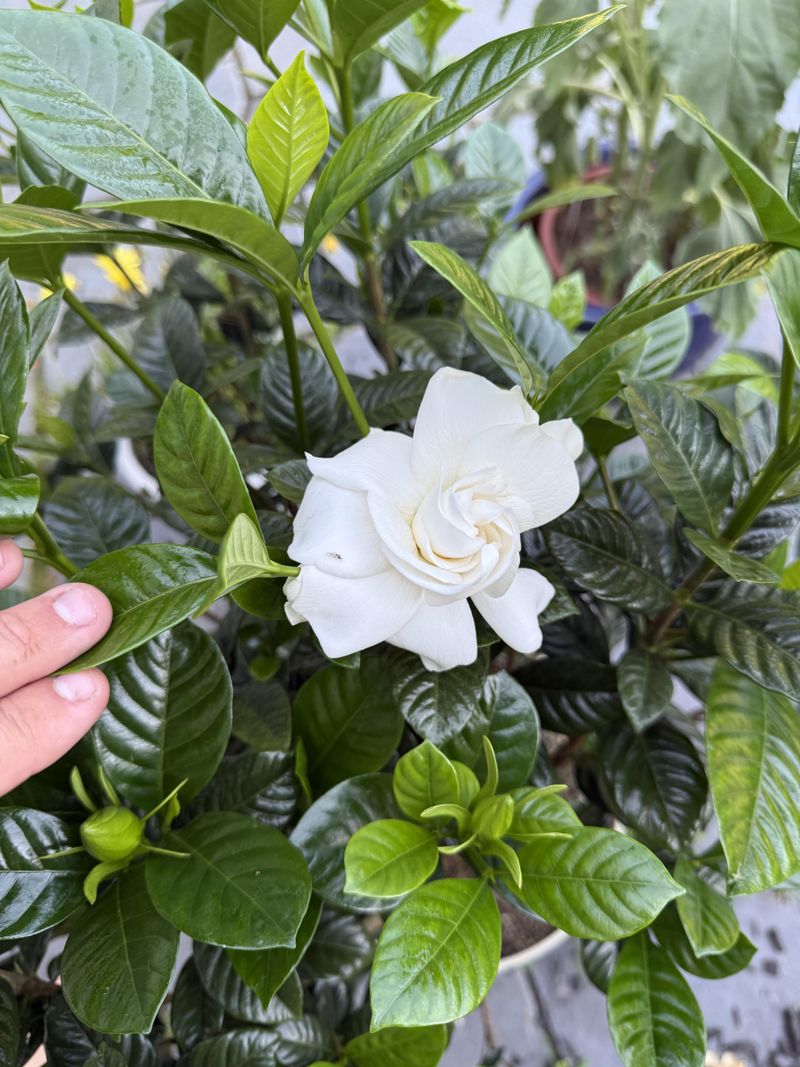
March in Georgia can feel deceptively moist some weeks and surprisingly dry others. Gardenias need consistent moisture to support bud development, but roots sitting in waterlogged soil will suffer just as much as roots left completely dry.
The goal is steady, even moisture that reaches down into the root zone without turning the surrounding soil into a swamp.
Deep, infrequent watering encourages roots to grow downward, which makes the plant more resilient as temperatures rise through spring.
Shallow, frequent watering keeps roots near the surface where they are more vulnerable to temperature swings and dry spells.
A soaker hose or drip irrigation setup works particularly well for gardenias because it delivers water directly to the root zone without splashing foliage, which can invite leaf spot problems.
Before reaching for the hose, press a finger about two inches into the soil near the base of the plant. If it feels moist, hold off for another day or two.
If it feels dry, water slowly and thoroughly until moisture penetrates several inches down.
Container gardenias dry out faster than in-ground plants, especially during warm March afternoons, so check their soil more frequently and never let them sit in saucers filled with standing water.
4. Refresh Mulch Without Smothering Stems
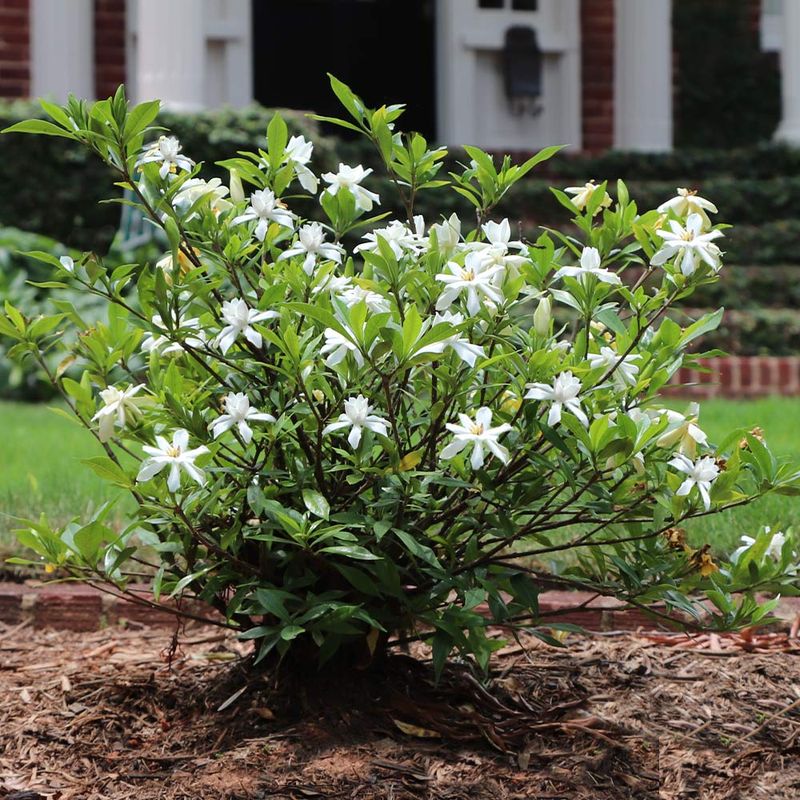
Pine straw is practically a Georgia gardening tradition, and gardenias happen to love it. A
fresh layer of organic mulch applied in March does several helpful things at once: it holds soil moisture, moderates soil temperature during unpredictable spring weather, and slowly breaks down to add organic matter that supports root health over time.
The key detail most gardeners miss is keeping the mulch pulled back an inch or two from the main stem of the plant. When mulch piles directly against the stem, it traps moisture against the bark, which creates conditions favorable for rot and pest activity.
A two-to-three inch layer spread out to the drip line of the plant is generally a solid approach without going overboard.
If last year’s mulch is still in place, you do not necessarily need to remove it entirely before adding fresh material. Rake it loose first to prevent it from matting down and blocking water from reaching the soil.
Pine bark nuggets are another popular option in Georgia gardens and tend to break down a bit more slowly than pine straw, which means they need refreshing less often.
Either choice works well as long as depth and stem clearance are managed thoughtfully throughout the season.
5. Feed At The Right Moment In March
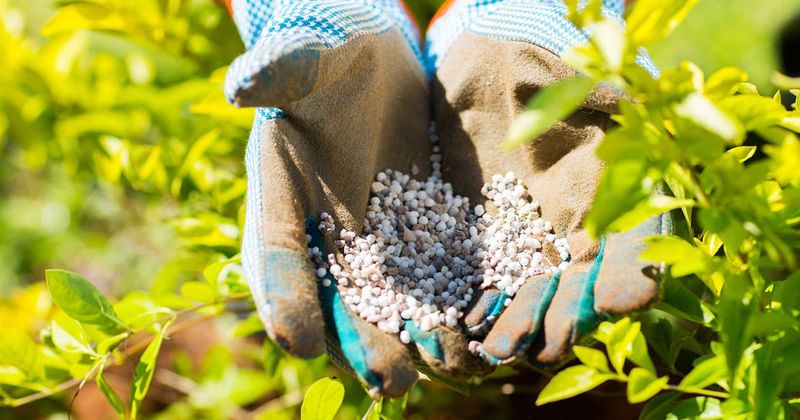
Timing fertilizer applications for gardenias is not about following a rigid calendar date but about reading what the plant and the weather are doing.
Mid-March is generally a reasonable window across much of Georgia, once nighttime temperatures have stabilized and new growth is just beginning to push.
Feeding too early, before the plant is actively growing, means those nutrients may leach away before roots can use them.
Acid-forming fertilizers designed for azaleas and camellias work well for gardenias because they provide nutrients in a form the plant can access while also supporting the soil pH range gardenias prefer.
Fish emulsion and blood meal are organic options some Georgia gardeners rely on for a gentler, slower release of nutrients.
Whichever product you choose, follow label instructions rather than assuming more fertilizer means more blooms.
Avoid fertilizing gardenias after late summer, as pushing new growth too late in the season leaves soft stems vulnerable when cooler fall temperatures arrive.
For March specifically, a single, well-timed application sets the plant up for the bud development and foliage growth that fuels a strong bloom season.
In cooler parts of North Georgia, waiting until later in the month or even early April may make more sense if the ground still feels cold and growth has not yet started.
6. Fix Yellow Leaves Before Buds Suffer
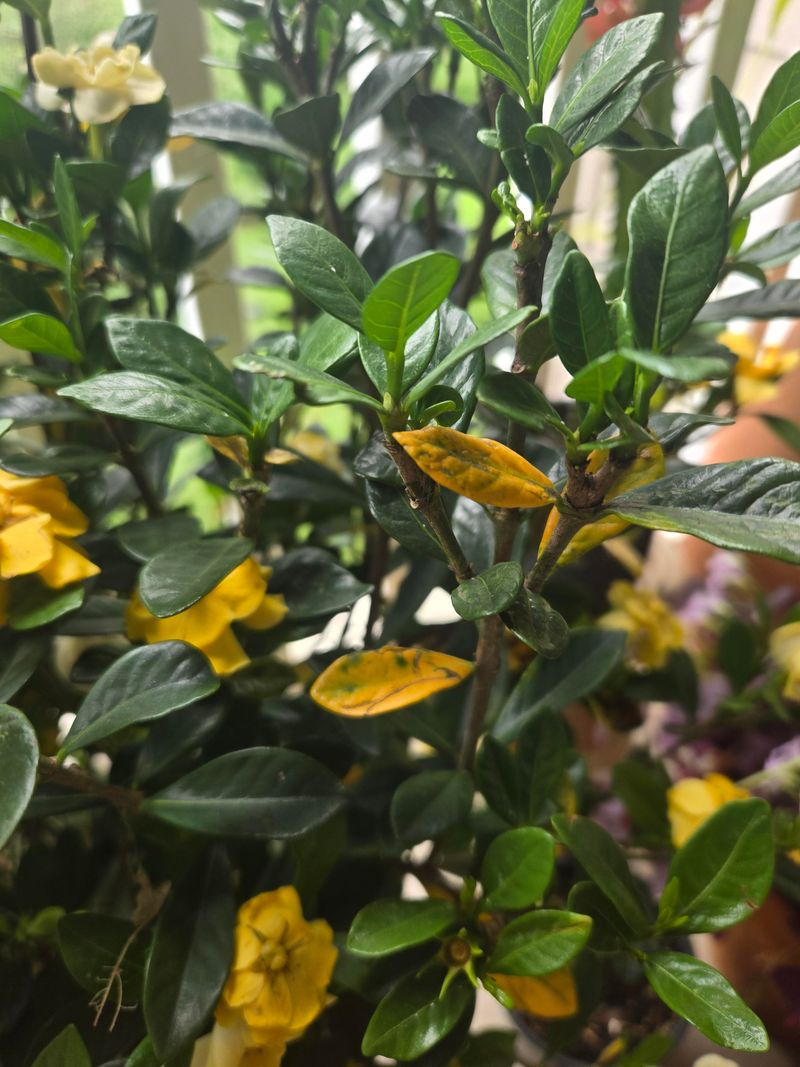
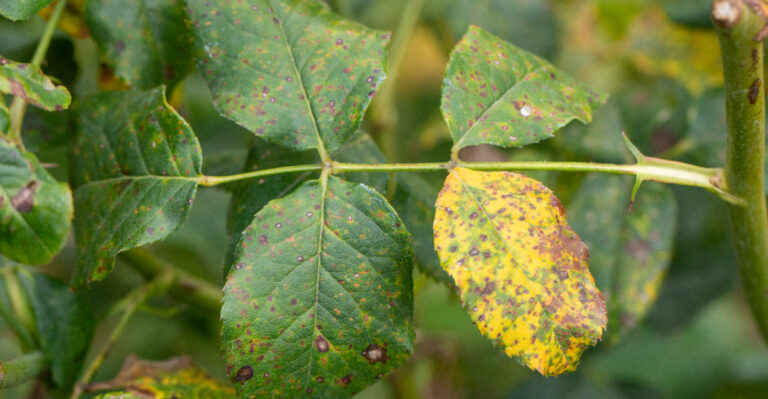
Yellowing leaves on a gardenia are one of the most common sights Georgia gardeners notice in early spring, and the cause is usually rooted in soil chemistry rather than watering habits.
When leaves turn yellow while the veins stay green, that pattern is a classic sign of iron chlorosis, which happens when soil pH climbs too high for the plant to absorb iron efficiently.
Catching this early in March matters because leaves that cannot photosynthesize properly cannot support strong bud development.
A soil test is the most reliable way to confirm what is actually happening before applying any amendments. If iron deficiency is confirmed, a chelated iron product applied as a soil drench or foliar spray can help restore color relatively quickly.
Adjusting soil pH with sulfur alongside the iron treatment addresses the underlying problem rather than just the symptom.
Other causes of yellowing include overwatering, compacted roots, or natural leaf drop as older interior leaves shed in spring. Distinguishing between these causes takes a little observation.
Check whether yellowing is happening on older inner leaves or newer outer growth, since that distinction often points toward different problems.
Gardenias growing in containers are especially prone to chlorosis when potting mix ages and pH drifts, so repotting or top-dressing with fresh acidic mix every couple of years helps keep things balanced.
7. Stop Lawn Lime From Sneaking In
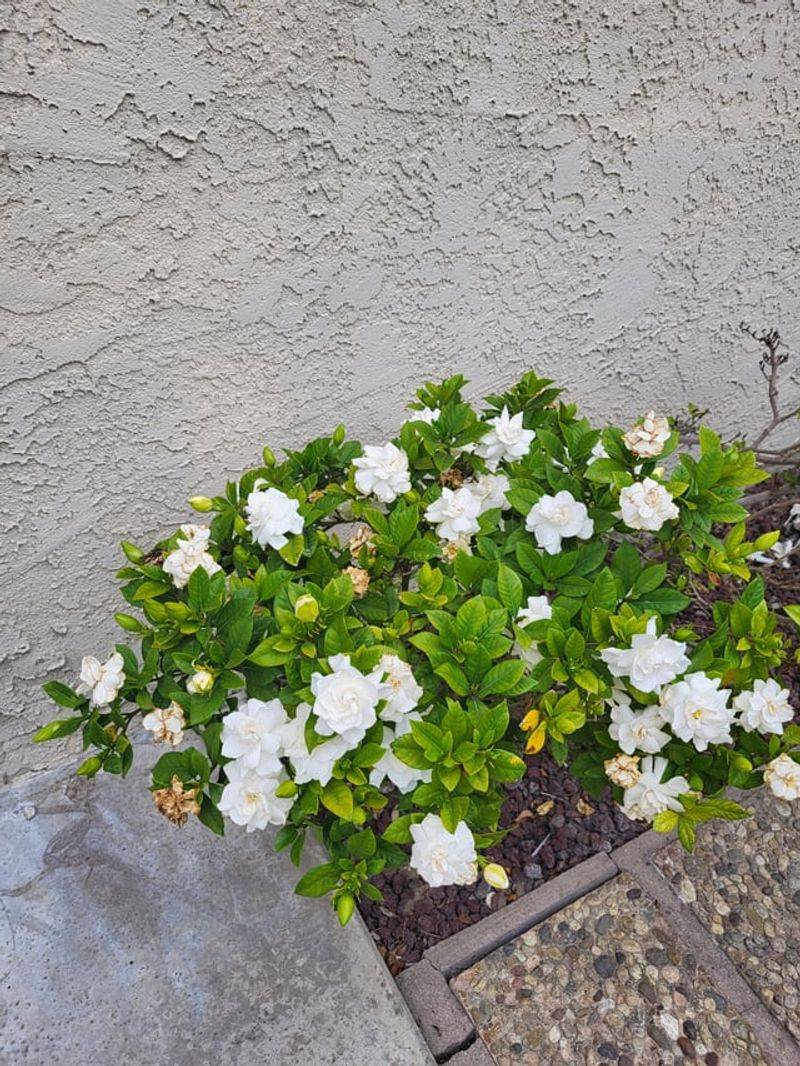
March is prime time for lawn care across Georgia, and many homeowners spread lime on their grass to raise the turf’s soil pH right around this same window. The problem is that lime does not stay neatly within the lawn.
Rain, irrigation, and foot traffic can carry it into nearby garden beds, and gardenias are particularly sensitive to that kind of alkaline drift over time.
If your gardenias grow along a lawn border or near a frequently limed turf area, it is worth taking a few precautions. A physical edging barrier can slow the movement of lime-enriched soil into the bed.
Monitoring soil pH in the gardenia bed each spring gives you an early warning if alkalinity is creeping up before it starts showing up in the foliage as chlorosis or poor growth.
Some Georgia gardeners build raised beds for their gardenias specifically to create a more controlled soil environment that is easier to manage independently from the surrounding lawn.
This approach works especially well in neighborhoods where lawn care services apply lime on a regular schedule without considering nearby acid-loving shrubs.
Communicating with your lawn care provider about keeping lime applications away from gardenia beds is a simple step that can prevent a frustrating and recurring problem season after season.
8. Scout For Scale Before It Spreads
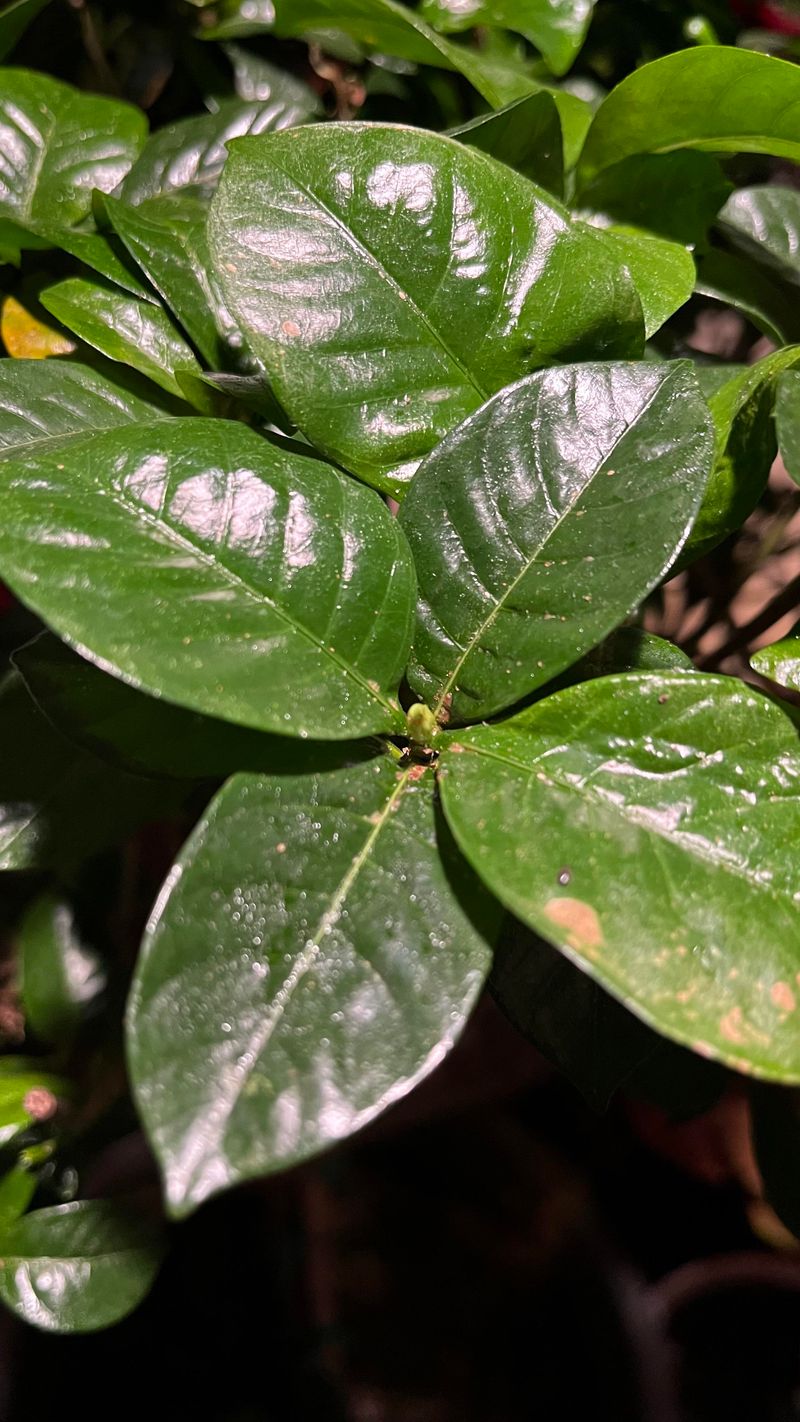
Scale insects are among the sneakier pests that target gardenias in Georgia, partly because they do not move around and partly because their waxy armor makes them look more like plant texture than actual bugs.
March is a good time to get into the habit of inspecting stems and the undersides of leaves before populations have a chance to build through the warmer months ahead.
Armored scale and soft scale are the two types most commonly found on gardenias.
Both feed by inserting mouthparts into plant tissue and drawing out sap, which gradually weakens the plant and can contribute to yellowing leaves, stunted growth, and reduced bloom potential.
Soft scale also produces a sticky substance called honeydew that leads to the growth of sooty mold, a black coating that blocks sunlight from reaching leaf surfaces.
Catching a light infestation early makes management much more straightforward. Horticultural oil sprays applied while temperatures are still mild in March can smother scale crawlers effectively.
Heavily infested branches that cannot be treated easily may need to be pruned away and removed from the garden entirely.
Avoid applying oils when temperatures are expected to spike above the label’s recommended threshold, as heat combined with oil can cause leaf damage that sets the plant back heading into bloom season.
9. Hold Off On Pruning Until After Bloom
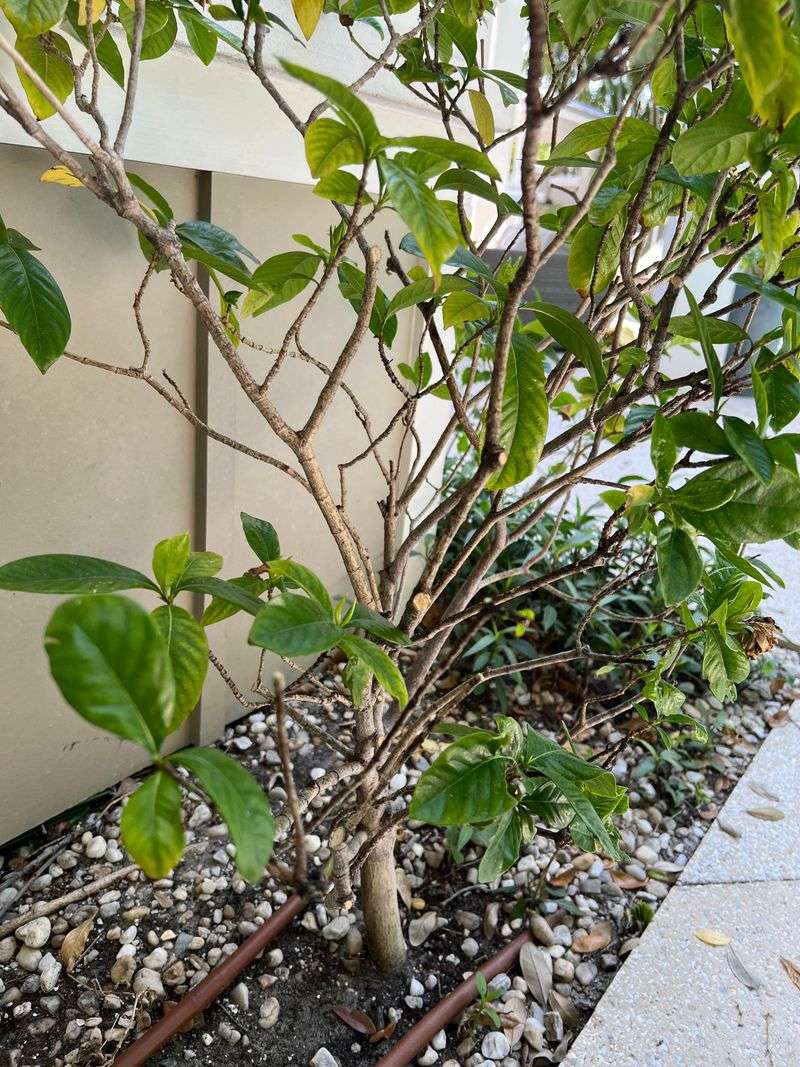
One of the most common March mistakes gardeners make with gardenias is reaching for the pruning shears too soon. Gardenias bloom on old wood, meaning the flower buds for this season formed on last year’s growth.
Cutting back branches in March removes those buds before they ever have a chance to open, which is why a well-intentioned tidy-up can result in a plant that looks neat but produces very few flowers.
If there are obviously broken, crossed, or frost-damaged branches that need attention, removing those specifically is reasonable without sacrificing the overall bloom potential.
The difference is between targeted removal of problem wood and a general shaping session that takes off healthy bud-bearing stems.
A light hand and a clear reason for each cut keeps the plant on track for a strong bloom display.
Wait until the blooms have faded, usually sometime in late spring or early summer depending on your location in Georgia, before doing any shaping or size-reduction pruning.
Pruning right after bloom gives the plant the maximum amount of time to set new growth, which will carry next season’s buds.
Gardeners in the warmer parts of South Georgia may finish blooming earlier than those in the mountains, so timing that post-bloom pruning window varies a bit depending on where you are across the state.
10. Protect Buds On Cold Snap Nights
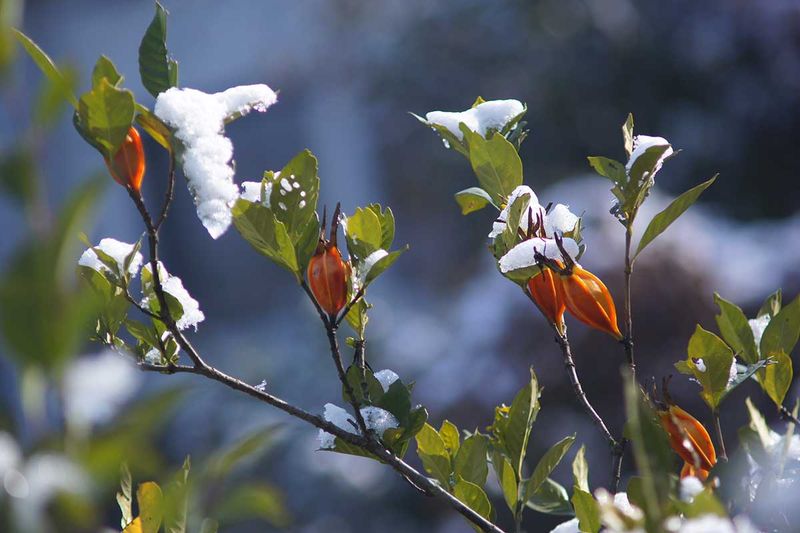
Georgia March nights can be genuinely unpredictable. A stretch of warm days can lull gardeners into a false sense of security, and then a cold front drops overnight temperatures close to or below freezing with very little warning.
Gardenias that are already pushing new growth and forming buds are vulnerable during these late cold snaps, especially in the northern parts of the state where frost risk lingers longer into spring.
Lightweight frost cloth or old bed sheets draped loosely over the plant on nights when temperatures are expected to drop sharply can provide several degrees of protection.
Remove the covering during the day so the plant can breathe and receive light.
Avoid using plastic sheeting directly on foliage, as plastic can concentrate cold and cause more damage than leaving the plant uncovered in some situations.
Container gardenias have an advantage here because they can be moved to a sheltered spot like a covered porch or garage on especially cold nights.
In-ground plants near a south-facing brick or stone wall benefit from the radiant heat those surfaces release after a sunny day, which can keep temperatures a few degrees warmer than an exposed open-bed location.
Watching the forecast carefully through the end of March and into early April remains one of the most practical habits a Georgia gardenia grower can develop.