7 Important Iris Tips For Stunning Spring Blooms In Georgia Gardens
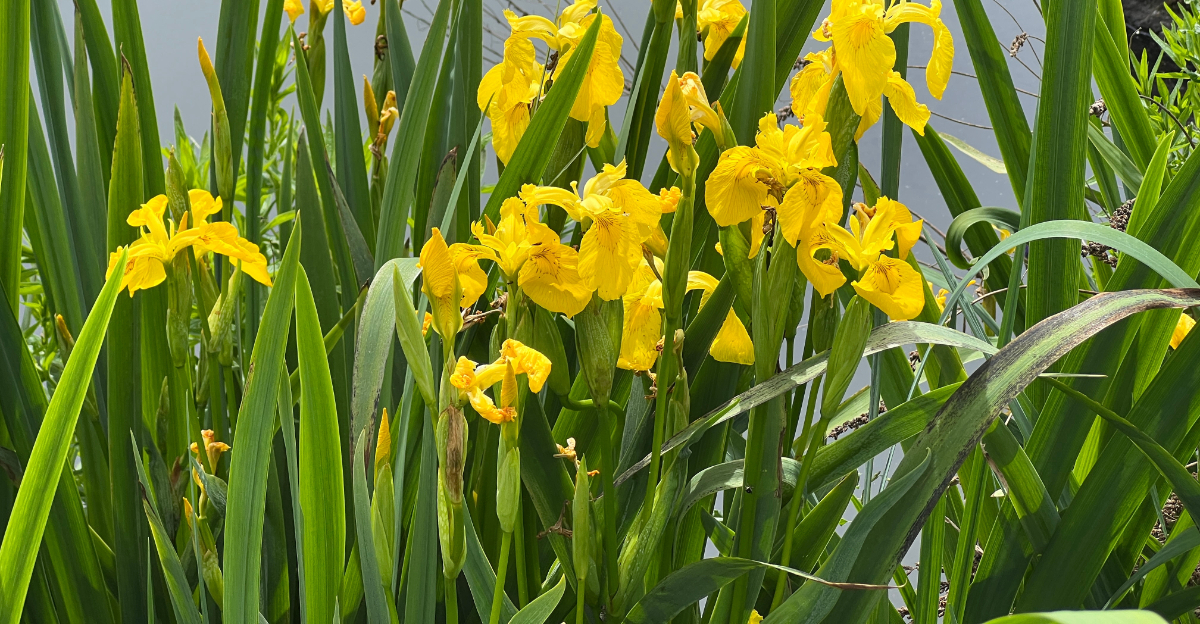
Iris season can make a Georgia yard look incredible almost overnight.
Tall blooms start opening, colors get brighter by the day, and suddenly the flower bed everybody ignored during winter becomes the first thing people notice walking past the house.
Then come the annoying surprises. Bent stalks after heavy rain, flowers fading too fast, crowded clumps producing weak blooms, or healthy looking leaves with barely any flowers at all.
Spring weather shifts quickly this time of year, and irises react to every little change more than many flowers do.
Strong blooms rarely happen by accident with irises. Small cleanup habits, timing mistakes, and overlooked garden routines can completely change how those plants look once peak flowering season arrives.
1. Too Much Shade Can Reduce Iris Flowering Fast
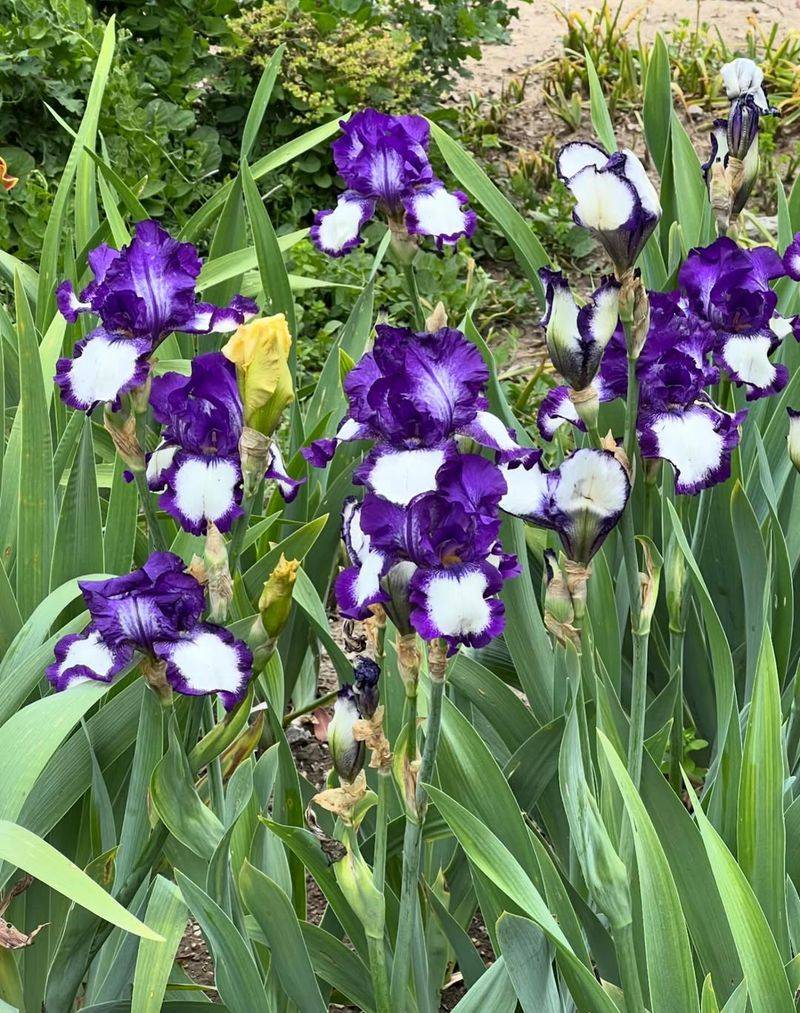
Shade is one of the sneakiest problems in a Georgia iris bed. You plant your irises in a spot that gets decent morning light, and then a nearby tree fills in over summer, slowly cutting off the sun your plants depend on.
By the time spring rolls around, you notice fewer blooms and wonder what went wrong.
Irises need at least six hours of direct sunlight each day to produce strong, healthy flowers.
In Georgia, where spring days can be warm and bright, irises planted in full sun tend to perform noticeably better than those tucked under shade trees or near tall shrubs.
Partial shade might seem acceptable, but it often leads to weak stems and reduced bloom counts over time.
Walk your garden on a clear afternoon and pay attention to where shadows fall. Southern and eastern exposures tend to work well for irises in Georgia, catching morning sun while avoiding the most intense afternoon heat.
If a tree or large shrub has grown up near your iris bed, consider trimming back branches to open up the canopy.
Moving irises to a sunnier location is always an option, especially right after they finish blooming in late spring. Replanting in a brighter spot gives the rhizomes time to settle before Georgia’s summer heat sets in.
A little effort now pays off with a much fuller, more colorful display the following spring season.
2. Crowded Clumps Often Produce Fewer Blooms Over Time
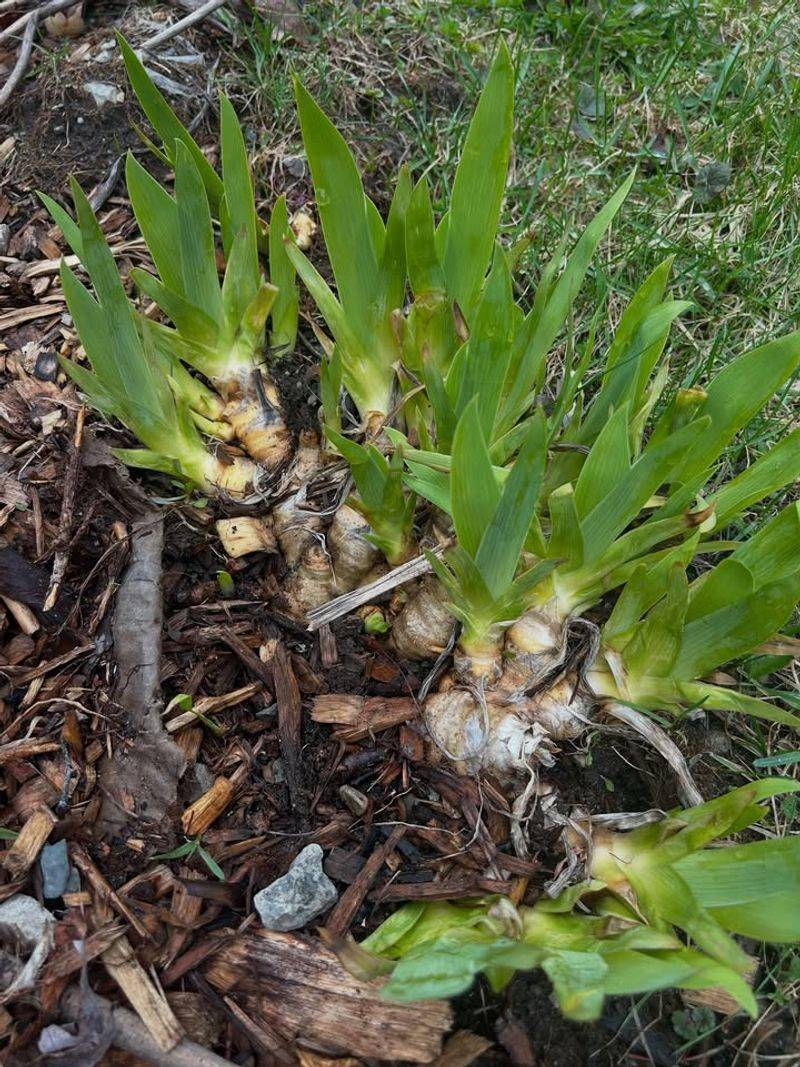
Packed-in irises might look lush at first glance, but crowding is one of the main reasons a once-beautiful Georgia iris bed starts to underperform.
When rhizomes compete for the same nutrients, water, and light, individual plants weaken and bloom production drops noticeably.
What used to be a sea of purple and yellow slowly becomes a tangle of leaves with very few flowers.
Irises spread outward naturally, and within three to four years, a single plant can turn into a dense, overlapping mass. The older central rhizomes tend to stop blooming entirely while the newer outer growth tries to push through.
Recognizing this pattern early saves a lot of frustration during Georgia’s spring bloom season.
Spacing matters from the very beginning. When planting, keep rhizomes about 12 to 18 inches apart so each plant has room to expand without immediately crowding its neighbors.
Your Georgia Garden Changes Every Week. Your Plan Should Too.
Gardening in Georgia changes quickly throughout the season. Every Friday you’ll receive a simple weekly plan showing exactly what to plant, prune, fertilize, harvest, and protect so you never miss the right timing.
If you are working with an established bed that already looks congested, it is worth taking an afternoon to spread things out properly.
Thinning a crowded bed does not have to be complicated. Carefully lift the clumps, separate the healthy outer fans from the older central portions, and replant only the most vigorous pieces.
Discard or compost the worn-out centers that no longer show strong growth. Georgia gardeners who take this step every few years consistently report more impressive bloom displays when spring arrives again.
3. Wet Soil Can Create Problems Around Iris Rhizomes
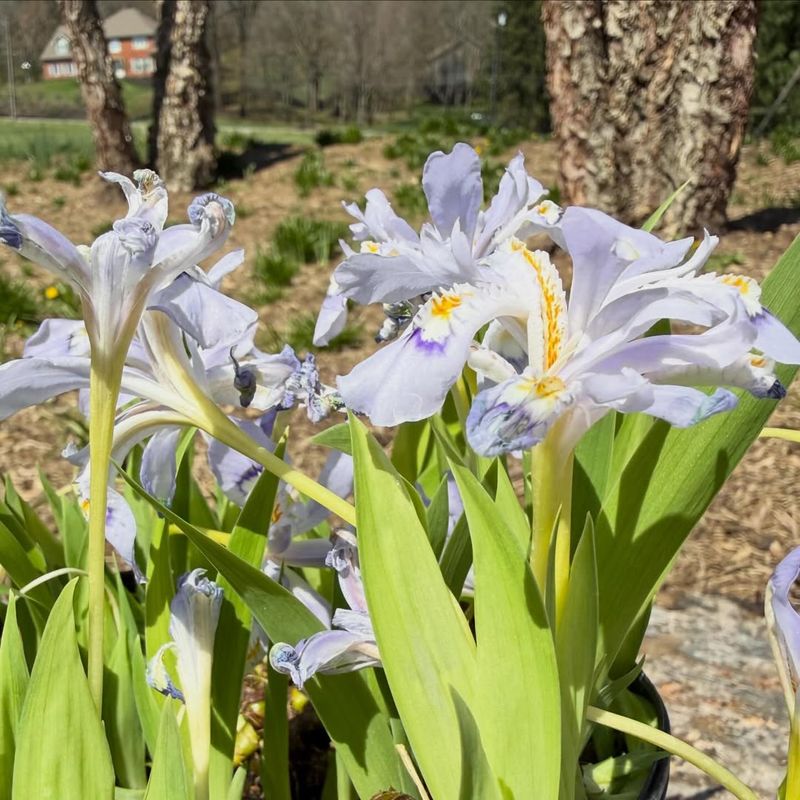
Standing water and soggy soil are serious threats to iris rhizomes, especially in parts of Georgia where heavy clay soil or low-lying beds hold moisture long after rain.
Rhizomes are essentially thick, fleshy stems that sit at or just above the soil surface, and when they stay wet for extended periods, they become vulnerable to rot.
Soft, mushy rhizomes are a clear sign that drainage needs immediate attention.
Georgia receives fairly consistent rainfall throughout the year, and spring storms can dump a lot of water in a short time. Raised beds or slightly mounded planting areas help excess water drain away from the rhizomes quickly.
Even a few inches of elevation can make a noticeable difference in how long moisture lingers around the roots.
Soil amendment is another useful approach. Working coarse sand or fine gravel into heavy clay before planting improves drainage without requiring major landscaping changes.
Avoid adding too much organic matter right at the planting site, since rich, moisture-retaining compost placed directly around rhizomes can sometimes encourage the same soggy conditions you are trying to prevent.
One easy habit to adopt is keeping the tops of the rhizomes exposed rather than buried. Planting too deep is a common mistake, and it traps moisture directly against the plant.
In Georgia’s humid climate, letting the rhizome bake in the sun actually helps keep rot at bay and encourages stronger, more reliable blooming each spring season.
4. Morning Sun Usually Leads To Stronger Spring Flowers
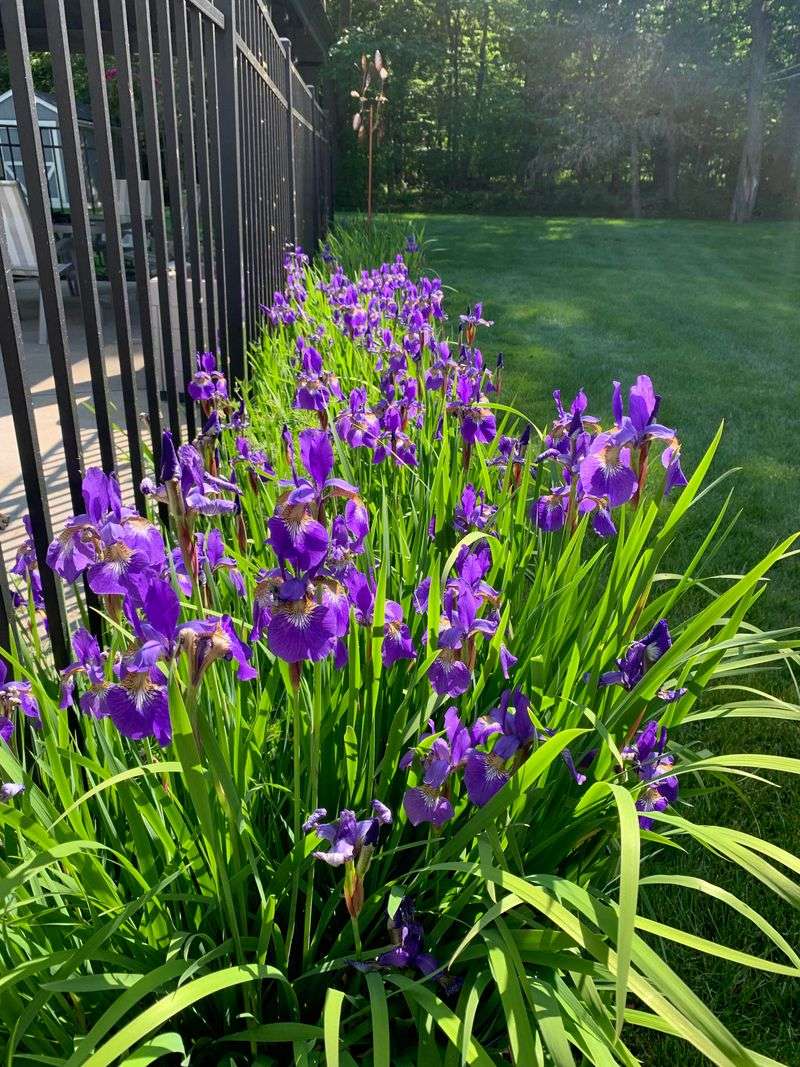
Ask any experienced Georgia gardener about iris placement, and morning sun will almost always come up. Plants that catch the early light tend to produce taller stems, more vibrant colors, and longer-lasting blooms compared to those that only get afternoon exposure.
It is one of those simple details that genuinely shapes how your whole spring garden looks.
Morning sun warms the rhizomes gently as the day begins, encouraging steady growth without the stress of intense afternoon heat.
In Georgia, summer afternoons can be brutal, and irises that bake in direct western sun from two in the afternoon onward sometimes show scorched foliage and reduced vitality heading into the following season.
An eastern or southeastern bed position tends to strike a healthy balance.
Light quality also plays a role. Morning light is softer and less harsh than midday or afternoon sun, which helps flower petals hold their color longer before fading.
Bearded irises in shades of purple, blue, and deep burgundy often look their absolute best in early morning Georgia light, especially when spring temperatures are still mild and pleasant.
If you are redesigning a garden bed or starting fresh, pay attention to where the sun hits first thing in the morning before settling on a planting spot. Observe the area across several days to get an accurate picture.
A spot that gets strong morning sun from roughly seven until noon, then partial afternoon shade, often produces the most consistent and impressive iris blooms in Georgia gardens year after year.
5. Dividing Older Plants Helps Restore Bloom Production
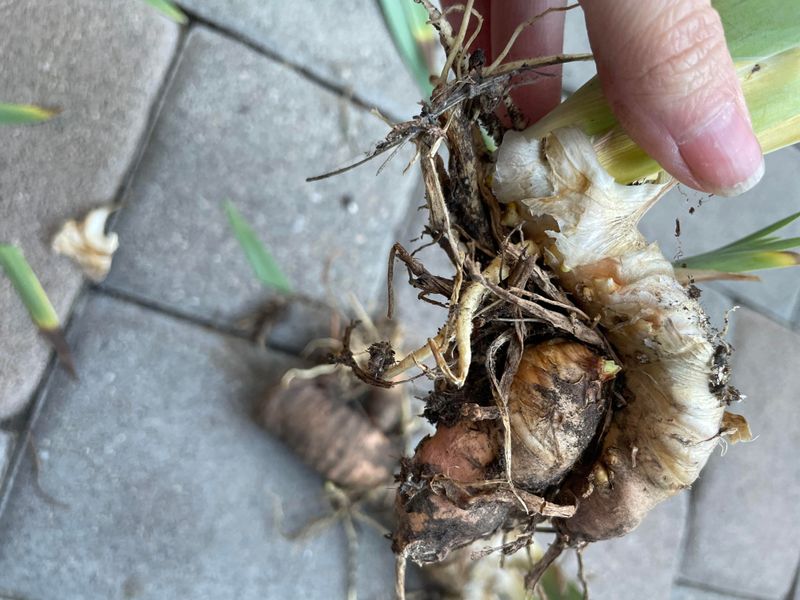
Older iris clumps have a way of quietly stopping production without any dramatic warning. One spring you notice fewer flowers, and the next year there are even fewer, until the bed looks green and leafy but almost entirely flowerless.
Division is the most reliable fix, and it works remarkably well when done at the right time.
In Georgia, the best window for dividing irises falls between late July and early September, after the plants have finished blooming and before the fall growing season begins.
Dividing during this period gives the rhizomes enough time to establish roots before cooler weather arrives.
Waiting too long into fall can leave newly planted divisions without enough time to settle in properly.
To divide, lift the entire clump with a garden fork, then use a sharp, clean knife to separate the healthy outer fans from the exhausted center mass. Each division should have a firm, solid rhizome with at least one healthy fan of leaves attached.
Trim the foliage down to about four to six inches to reduce stress on the plant while it re-establishes.
Replant the best divisions in fresh, well-prepared soil with good sun exposure. Adding a low-nitrogen fertilizer at planting time supports root development without pushing excessive leafy growth.
Georgia gardeners who divide their irises every three to four years almost always see a dramatic improvement in bloom count the following spring, making the effort absolutely worth the afternoon it takes to complete.
6. Good Airflow Often Reduces Common Fungal Issues
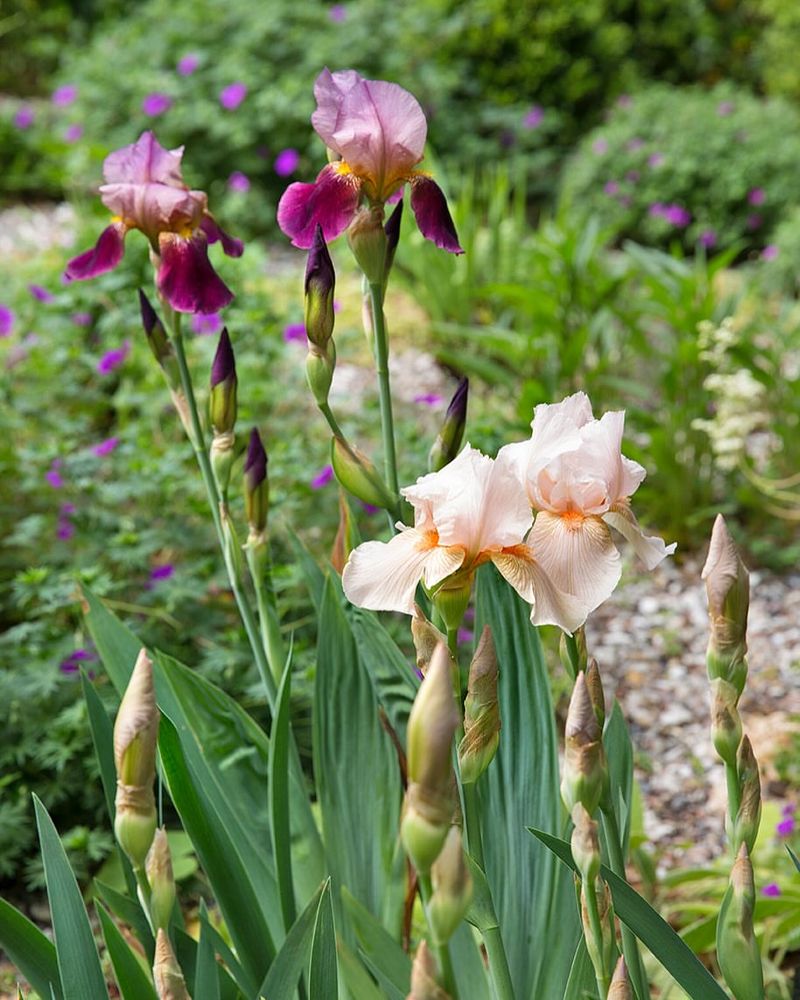
Georgia summers are hot, sticky, and humid, which creates near-perfect conditions for fungal problems in the garden.
Irises are not immune to leaf spot, bacterial soft rot, and other moisture-related issues that spread quickly when plants are packed together without enough air moving through.
Improving airflow is one of the most practical and underused strategies for keeping an iris bed healthy.
Spacing is the foundation of good airflow. When rhizomes are planted too close together, foliage overlaps and stays damp far longer after rain or morning dew.
That persistent moisture on leaf surfaces encourages fungal spores to take hold. Keeping plants at least 12 to 18 inches apart gives each fan room to dry out quickly between weather events.
Old, brown leaf tips and spent stalks sitting in the bed trap moisture and create hiding spots for disease. A quick tidy-up every few weeks keeps the area cleaner and reduces the chances of problems spreading from one plant to the next.
Avoid overhead watering whenever possible in Georgia’s humid climate. Drip irrigation or careful hand watering at the base of the plant keeps foliage dry and significantly reduces fungal pressure.
If you do notice early signs of leaf spot, removing affected foliage promptly and improving the planting conditions usually slows the spread before it becomes a serious issue.
Healthy airflow is not a luxury in Georgia gardens, it is a genuine necessity for long-term iris success.
7. Spent Flower Stalks Should Be Removed After Blooming
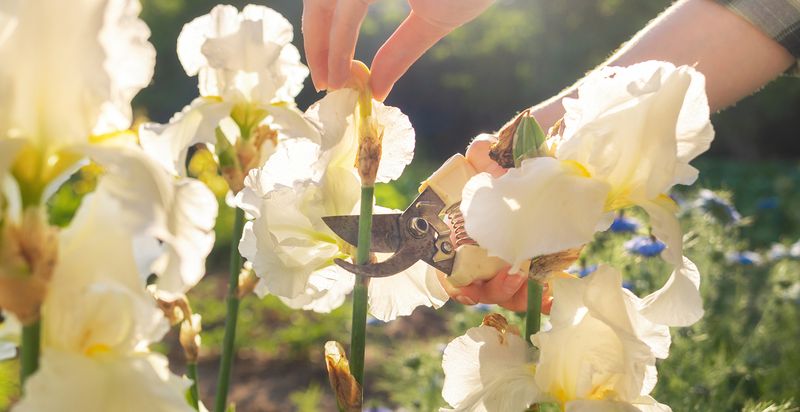
Once the last bloom on a stalk fades, that stalk has finished its job. Leaving spent stalks standing in the bed might seem harmless, but they can actually create problems over time if left unattended in Georgia’s warm, moist conditions.
Removing them promptly is a small task that pays off in multiple ways.
Decaying stalks attract moisture and can become entry points for bacterial soft rot, which spreads easily into nearby rhizomes.
In Georgia, where summer humidity stays high for months, a rotting stalk sitting at the base of a plant is exactly the kind of condition that invites trouble.
Cutting the stalk cleanly at its base removes that risk before it has a chance to develop.
Beyond disease prevention, deadheading spent stalks also keeps the garden looking neat and intentional rather than tired and neglected. An iris bed with clean, upright foliage and no brown, drooping stalks simply looks more cared for.
Visitors to your Georgia garden will notice the difference, even if they cannot quite put their finger on why one bed looks so much better than another.
Use clean, sharp pruners or scissors to make the cut, and wipe the blades with rubbing alcohol between plants if disease has been present anywhere in the bed. Dispose of the removed stalks rather than leaving them on the soil surface.
After cleanup, the plant can redirect its energy into strengthening the rhizome for next season, setting the stage for an even better spring bloom performance in your Georgia garden.