6 Things Texas Gardeners Should Watch Out For When Growing Marigolds
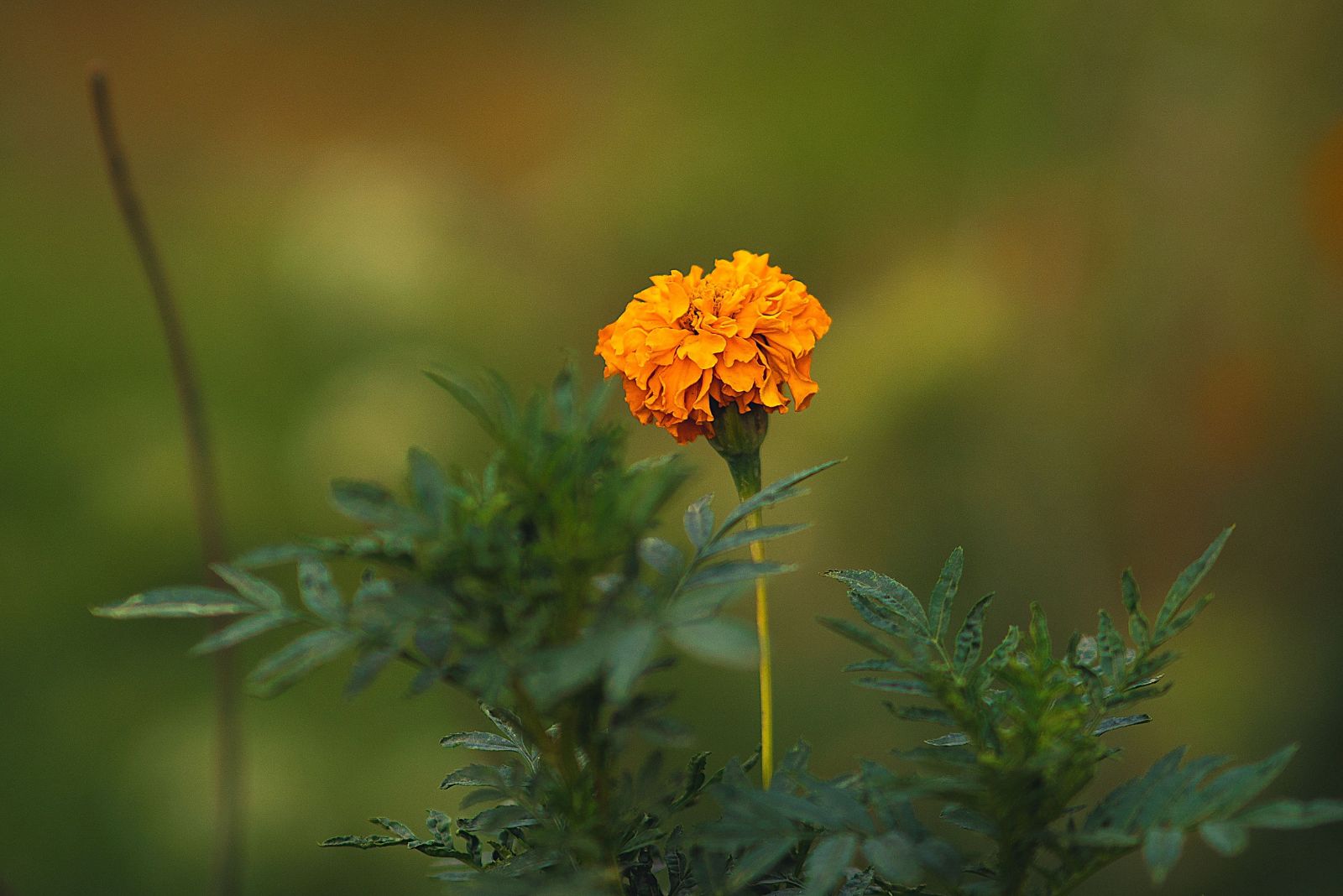
Marigolds seem like the kind of flower that can handle anything. They are bright, cheerful, easy to love, and often recommended to gardeners who want dependable color without a lot of stress.
In Texas, they show up everywhere from vegetable beds to front yard borders, adding that bold pop of yellow, orange, and gold that instantly makes a garden feel more alive.
Because they have such a reputation for being low-fuss, it is easy to assume they will take care of themselves. That is usually when the trouble starts.
Texas weather can be surprisingly hard on marigolds in a few specific ways. Too much intense afternoon sun can leave them looking scorched, while soggy soil and overwatering can cause root problems fast.
Humidity, poor airflow, and crowded planting can also open the door to disease, even for flowers that seem pretty tough at first. Then there are pests, which always seem to show up right when the plants should be looking their best.
The good news is that marigolds are still a great choice for Texas gardens. You just need to know what can trip them up.
Once you understand the most common issues, it gets much easier to keep them healthy, colorful, and blooming strong.
1. Extreme Heat Stress
Texas summers are no joke. When temperatures climb past 95 degrees, even sun-loving marigolds can start to struggle.
You might notice your plants getting tall and spindly, producing fewer blooms, or looking a little droopy by mid-afternoon. That is called heat stress, and it is very common for Texas gardeners during the peak summer months.
Marigolds love sunshine, but there is a big difference between warm morning sun and the brutal afternoon rays that bake your garden in places like Austin or El Paso.
One of the best things you can do is plant marigolds where they get full sun in the morning and some light shade in the afternoon. A little protection from the hottest part of the day goes a long way.
Watering also plays a huge role in managing heat stress. Water your marigolds deeply in the early morning so the roots can soak it up before the heat sets in.
Avoid watering in the evening because wet leaves overnight can lead to other problems. Aim to keep the soil moist but not soggy.
Adding a thin layer of mulch around the base of your plants can also help lock in moisture and keep the roots cooler during those blazing Texas afternoons.
If your marigolds start looking leggy, do not panic. Pinching back the tips of long stems encourages bushier growth and more blooms.
With a little extra care and smart placement in your garden, your marigolds can push through the Texas heat and keep flowering well into fall.
2. Overwatering And Poor Drainage
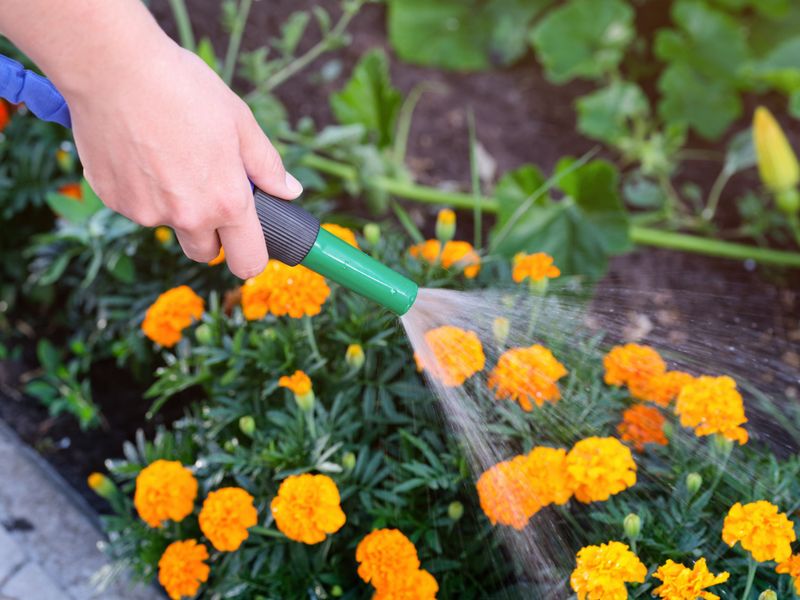
Here is something that surprises a lot of new gardeners: marigolds do not like to have wet feet. Even though Texas heat makes you want to water everything constantly, too much water is actually one of the fastest ways to harm your marigolds.
Your Texas Garden Changes Every Week. Your Plan Should Too.
Gardening in Texas changes quickly throughout the season. Every Friday you’ll receive a simple weekly plan showing exactly what to plant, prune, fertilize, harvest, and protect so you never miss the right timing.
Overwatering leads to root rot, which is a condition where the roots get so waterlogged they cannot function properly anymore.
Marigolds prefer well-draining soil that dries out a little between waterings. Before you plant, check your garden soil.
If water tends to pool or sit after rain, your drainage is not good enough. You can fix this by mixing in compost, sand, or other organic material to loosen up the soil and help water move through it more easily.
Raised garden beds are also a smart option for Texas gardeners dealing with heavy clay soil. A good rule of thumb is to stick your finger about an inch into the soil before watering. If it still feels moist, wait another day.
Marigolds are surprisingly drought-tolerant once they are established, so they can handle a little dry spell much better than they can handle sitting in soggy ground.
Signs of overwatering include yellowing leaves, mushy stems near the soil line, and a general look of wilting even when the soil is wet.
If you spot these signs in your Texas garden, cut back on watering right away and check that your pots or garden beds have proper drainage holes.
Catching this problem early gives your marigolds a much better chance of bouncing back strong.
3. Fungal Diseases In Humid Conditions
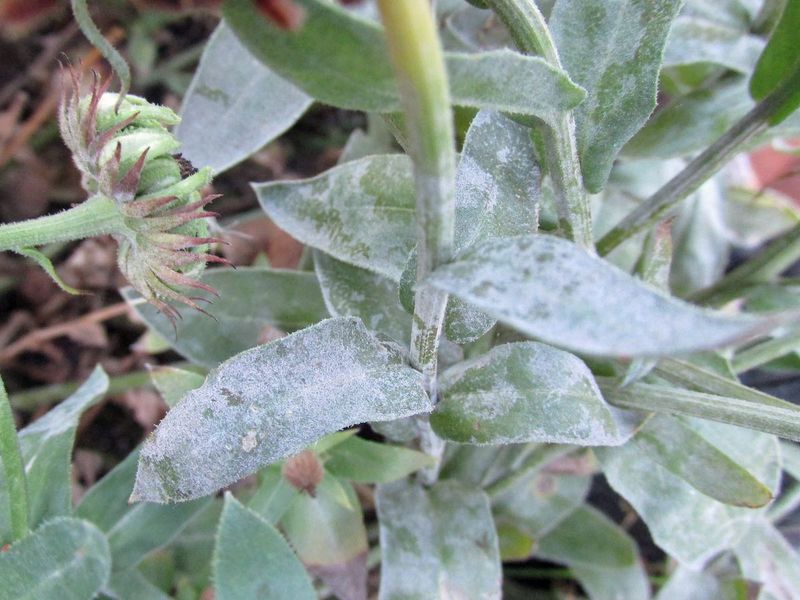
Gardeners in East Texas and along the Gulf Coast know that humidity is a constant battle. All that moisture in the air creates the perfect conditions for fungal diseases to take hold on your marigolds.
Powdery mildew is one of the most common culprits. It shows up as a white or grayish powdery coating on the leaves and stems, making your plants look dusty and unhealthy.
Another fungal issue is botrytis, sometimes called gray mold, which causes brown, mushy patches on flowers and leaves. Both of these diseases spread quickly when air does not circulate well around your plants.
The fix starts at planting time. Space your marigolds about 8 to 12 inches apart so air can move freely between them.
Crowded plants trap moisture, and that trapped moisture is exactly what fungal spores need to grow and spread.
Watering habits matter a lot here too. Always water at the base of the plant, not from above.
Wet leaves in humid Texas weather are an open invitation for fungal trouble. Morning watering is best because any moisture that does get on the leaves has time to dry off before nightfall.
If you already spot signs of fungal disease, remove the affected leaves right away and dispose of them away from your garden. You can also apply a diluted neem oil spray or a baking soda solution to slow the spread.
Keeping your garden clean and tidy by removing fallen leaves and old blooms also reduces the chances of fungal problems taking over your marigold patch in the first place.
4. Pests Like Aphids And Spider Mites
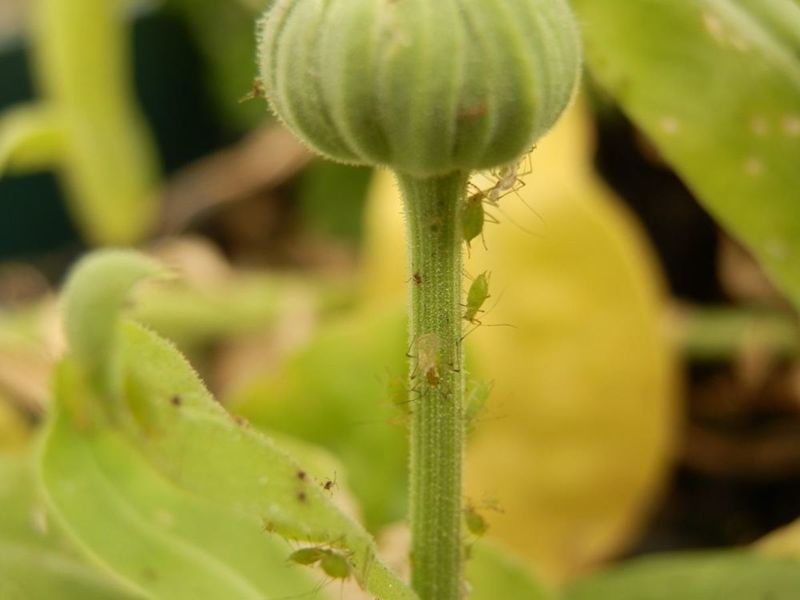
Marigolds have a well-known reputation for repelling certain garden pests, but that does not mean they are completely off the menu for bugs.
In the warm Texas climate, aphids and spider mites are two of the most common pests that can show up on your marigold plants and cause real damage if left unchecked.
Aphids are tiny, soft-bodied insects that cluster on new growth and the undersides of leaves. They suck sap from the plant, which causes leaves to curl, yellow, and look deformed.
Spider mites are even smaller and harder to see, but you will notice their presence through fine webbing on stems and a dusty, speckled look on the leaves. Both pests tend to multiply fast in hot, dry conditions, which makes Texas gardens especially vulnerable during summer.
The first step is to inspect your marigolds regularly, at least once a week. Catching an infestation early makes it much easier to manage.
For small infestations, a strong spray of water from your garden hose can knock aphids right off the plant. Doing this in the morning gives the plant time to dry before evening.
For more stubborn pest problems, insecticidal soap is a safe and effective option that works well on both aphids and spider mites. Mix it according to the label directions and spray it directly on the affected areas.
Neem oil is another natural choice that Texas gardeners swear by. Avoid spraying during the hottest part of the day to prevent leaf burn, and repeat treatments every few days until the pests are gone.
5. Too Much Fertilizer
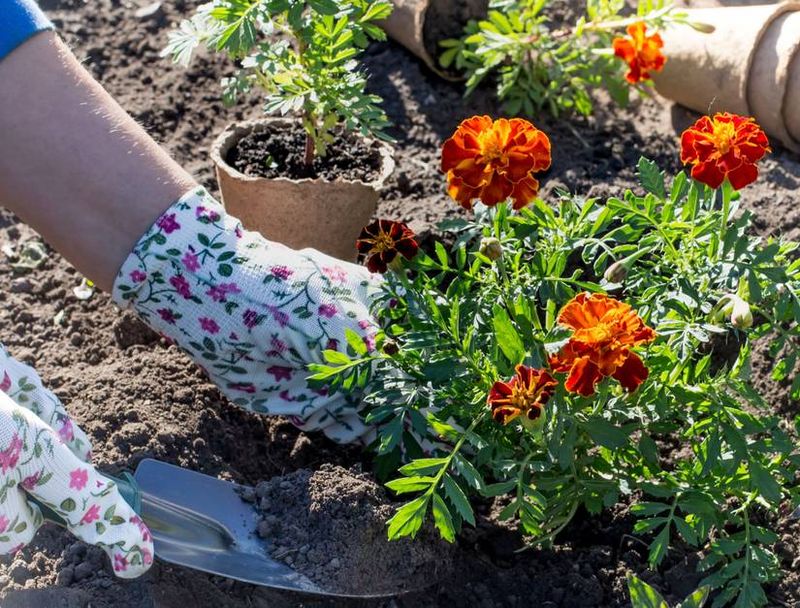
More fertilizer does not always mean more flowers. In fact, feeding your marigolds too much is one of the most common mistakes Texas gardeners make.
When marigolds get too much nitrogen, they put all their energy into growing big, lush, dark green leaves instead of producing the colorful blooms you planted them for. The plant looks healthy on the surface, but the flower show is disappointing.
Marigolds are actually pretty low-maintenance when it comes to feeding. They do not need rich soil or heavy fertilization to perform well.
In most Texas gardens, a light application of a balanced fertilizer at planting time is enough to get them off to a good start. After that, they can often get by with little to no additional feeding throughout the season.
If you do want to fertilize during the growing season, choose a balanced, slow-release fertilizer with equal or lower nitrogen levels.
Fertilizers with higher phosphorus content, which is the middle number on the package, actually support blooming better than high-nitrogen formulas.
Apply sparingly and always follow the package instructions. A little goes a long way with marigolds.
One easy trick to encourage more blooms without reaching for the fertilizer bag is to make sure your plants are getting enough sun and are being deadheaded regularly.
In Texas, where the growing season stretches well into fall, properly managed marigolds can produce waves of color without needing much extra feeding at all.
Trust the plant a little, ease up on the fertilizer, and let your marigolds do what they do best.
6. Not Deadheading Spent Blooms
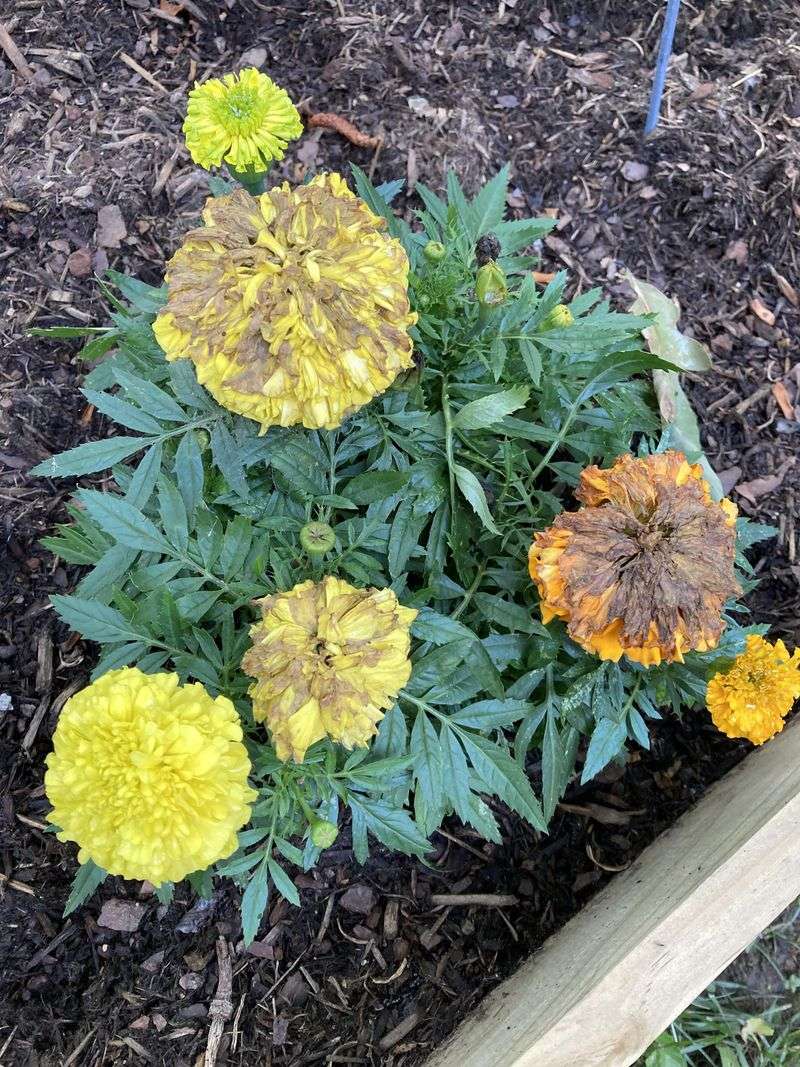
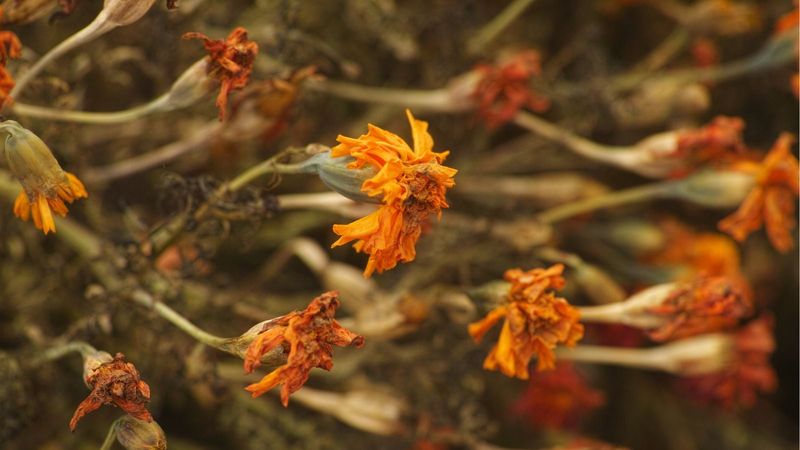
Picture a marigold plant covered in faded, brown, crinkled flowers sitting right next to one bursting with fresh orange and yellow blooms. The difference between those two plants is often just one simple habit: deadheading.
Deadheading means removing spent or faded flowers before they have a chance to form seeds, and it is one of the most rewarding things you can do for your Texas marigold garden.
When a marigold flower fades and starts to form a seed head, the plant shifts its energy toward making seeds instead of making new flowers. By removing those old blooms regularly, you are basically telling the plant to keep blooming.
It is a simple trick, but it works incredibly well. Texas gardeners who deadhead consistently often enjoy non-stop color from late spring all the way through the first cool snaps of fall.
Deadheading is easy to do. Just pinch or snip off the faded flower head right where it meets the stem.
You can use your fingers for small blooms or a pair of clean garden scissors for thicker stems. Try to make this part of your weekly garden routine.
A few minutes of deadheading every week can make a huge difference in how many blooms your plants produce.
If you let spent blooms pile up without removing them, you may also create a damp, cluttered environment that invites fungal diseases, which is already a concern in more humid parts of Texas.
Staying on top of deadheading keeps your plants looking neat, encourages fresh growth, and helps your marigolds stay productive and vibrant throughout the entire growing season.