Plant These 9 Shrubs In Early Spring For Stunning Western Oregon Gardens
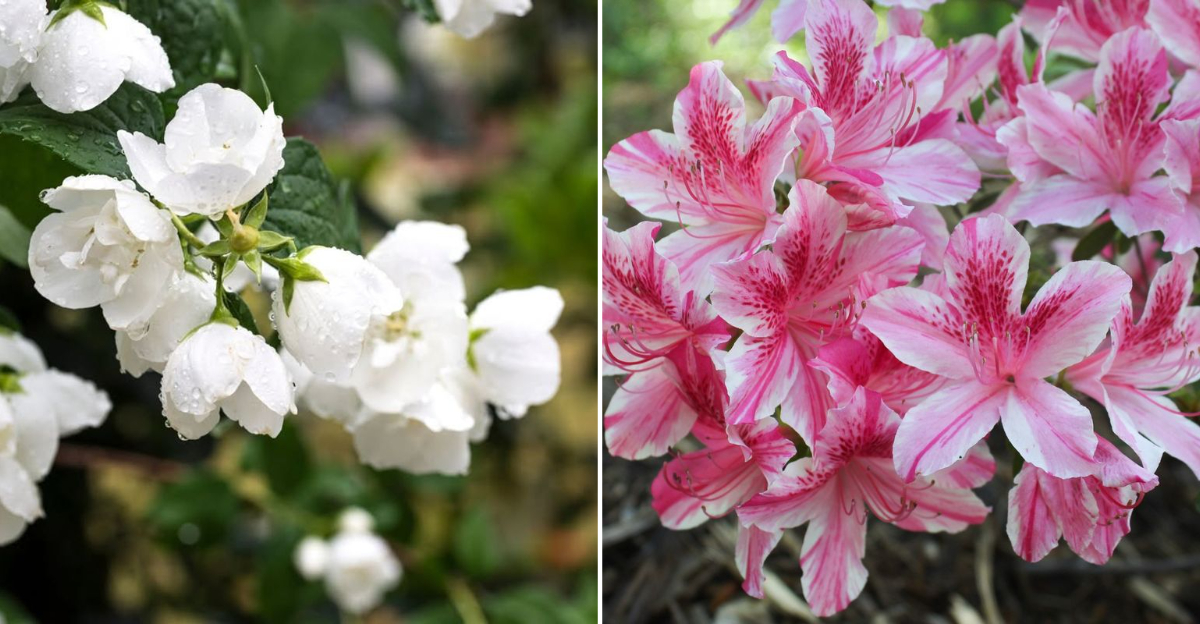
Early spring in Western Oregon is the perfect time to plant shrubs that will thrive through the season and beyond.
With the soil starting to warm up and the promise of more sunshine, it’s the ideal window to set down roots for vibrant, low-maintenance plants that will bring lasting beauty to your garden.
These shrubs not only thrive in Oregon’s climate but also offer a variety of colors, textures, and sizes to suit different garden styles.
Whether you’re looking for a fragrant hedge, a flowering beauty, or a colorful accent, these shrubs will grow strong and vibrant throughout the year.
Get them in the ground now, and you’ll be rewarded with a garden that’s alive with color, texture, and interest. The best part?
They’ll be ready to show off as the seasons change, adding that perfect touch to your outdoor space.
1. Rhododendron
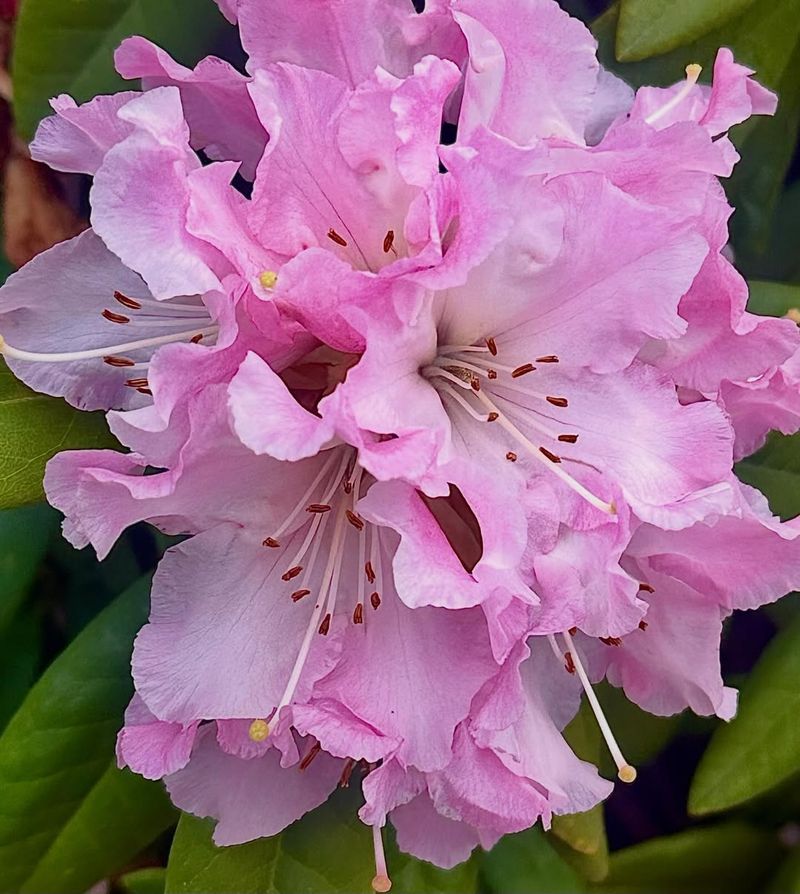
Few plants stop people in their tracks quite like a rhododendron in full bloom. In Western Oregon, these shrubs are practically a symbol of spring.
Drive through almost any neighborhood in Eugene or Salem in April, and you will see them bursting with bold clusters of pink, purple, red, or white flowers.
Rhododendrons love the Pacific Northwest climate. They prefer acidic, well-drained soil, which is exactly what much of Western Oregon naturally offers.
Plant them in a spot with partial shade, especially protection from harsh afternoon sun. Morning light is ideal.
When planting in early spring, dig a hole twice as wide as the root ball but no deeper. Rhododendrons have shallow roots, so avoid burying them too deep.
Mulch around the base to hold moisture and keep roots cool during warmer months.
These shrubs grow slowly but can reach 6 to 12 feet tall depending on the variety. Compact varieties like ‘PJM’ or ‘Ramapo’ work well in smaller gardens.
Regular watering during the first season helps them get established. Once settled in, rhododendrons are surprisingly low-maintenance and can reward you with stunning blooms every single spring for decades.
2. Hydrangea (Panicle Or Bigleaf)
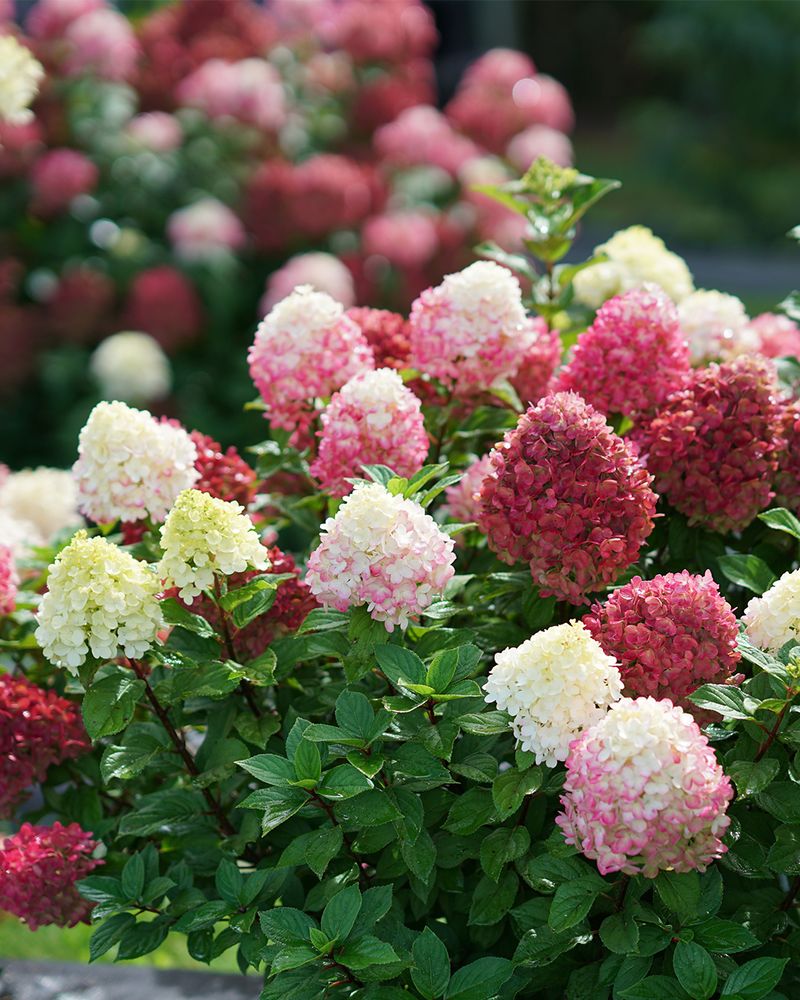
Walk into almost any garden center in Western Oregon in early spring, and hydrangeas will be front and center. That is no accident.
These shrubs are incredibly popular because they deliver big, showy blooms without asking for a lot in return.
Bigleaf hydrangeas, or Hydrangea macrophylla, are especially well-suited to the Western Oregon climate. Their flower color actually changes depending on your soil’s pH.
In acidic soil, which is common throughout the region, blooms tend to turn blue or purple. In more neutral soil, expect pink tones.
It is like a built-in science experiment right in your backyard.
Panicle hydrangeas are another great option. They bloom a bit later in summer and tolerate more sun than bigleaf types.
Both varieties do well with morning sun and afternoon shade.
Plant hydrangeas in early spring after the last frost risk has passed. Dig a wide, shallow hole and water deeply after planting.
These shrubs thrive in moist, rich soil. Adding compost at planting time gives them a great boost.
Your Oregon Garden Changes Every Week. Your Plan Should Too.
Gardening in Oregon changes quickly throughout the season. Every Friday you’ll receive a simple weekly plan showing exactly what to plant, prune, fertilize, harvest, and protect so you never miss the right timing.
Expect blooms in their first or second year. Hydrangeas can grow 3 to 6 feet tall and make a gorgeous focal point in any Western Oregon landscape.
3. Azalea
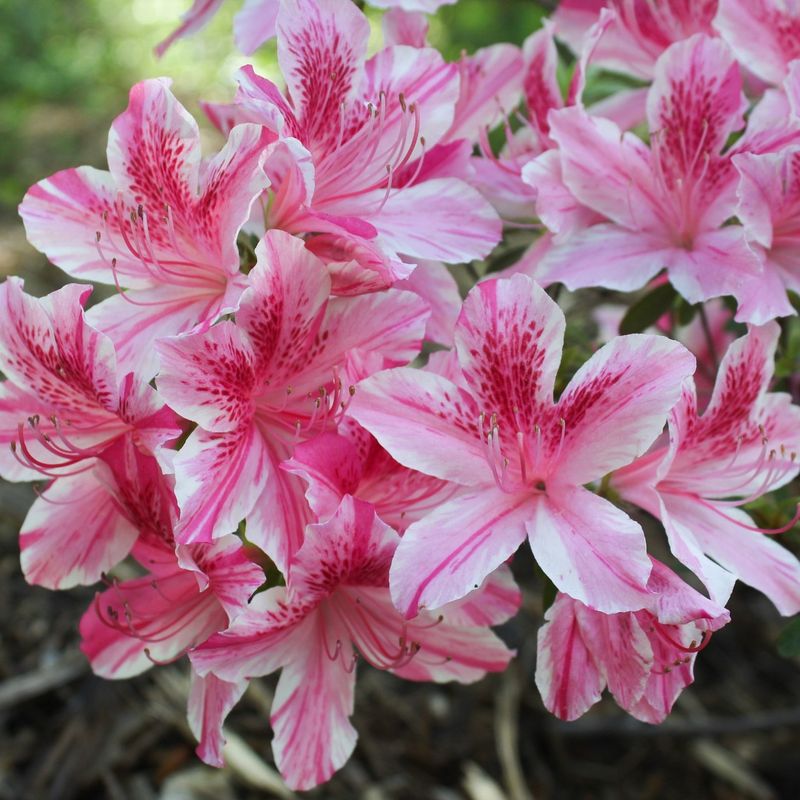
If you want a shrub that practically explodes with color in spring, azaleas are your answer. They are closely related to rhododendrons but tend to be smaller and even more flower-packed.
In Western Oregon, azaleas bloom from March through May, lighting up gardens with shades of coral, orange, red, white, and lavender.
Both deciduous and evergreen azalea varieties grow well in this region. Deciduous types, like the Exbury hybrids, drop their leaves in winter but put on a breathtaking floral show in spring.
Evergreen azaleas keep their foliage year-round and are great for adding structure to garden beds.
Azaleas prefer slightly acidic soil with excellent drainage. Western Oregon’s naturally acidic soils are a big advantage here.
Choose a planting spot with dappled shade or morning sun. Too much direct afternoon sun can scorch the leaves during dry summers.
When planting in early spring, work some compost into the soil and water thoroughly. Mulching around the base helps retain moisture through the summer.
Azaleas are relatively compact, usually growing 3 to 6 feet tall. They rarely need heavy pruning.
Just remove any crossing or crowded branches right after blooming to keep the shape tidy and healthy.
4. Spirea (Japanese Spirea)
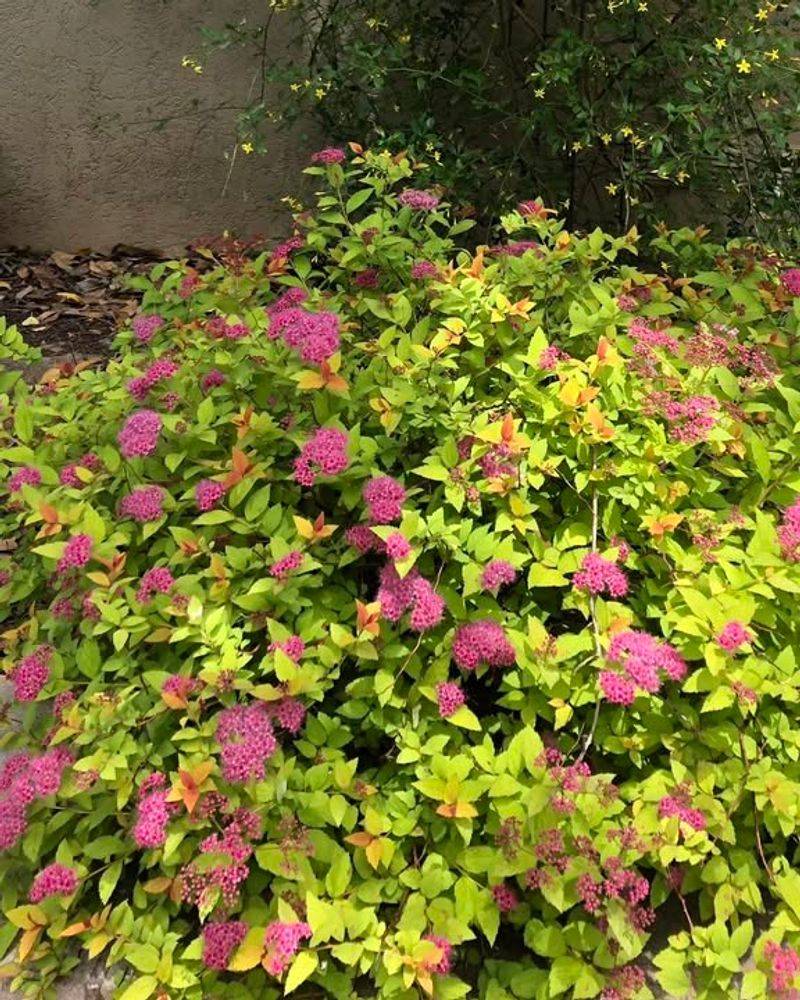
Japanese spirea is one of those plants that makes every gardener look like they know exactly what they are doing. It is tough, easy to grow, and puts on a reliable show every single year.
In Western Oregon, it fits beautifully into both formal and casual garden designs.
The variety ‘Little Princess’ is a fan favorite. It forms a tidy mound about 3 feet tall and wide, covered in pink flower clusters from late spring into summer. ‘Gold Flame’ is another popular pick, offering golden foliage that turns orange-red in fall.
Both grow well throughout the Willamette Valley and coastal areas of Western Oregon.
Spirea thrives in full sun but tolerates partial shade. Plant it in well-drained soil and water regularly through the first growing season.
Once established, it handles dry summers quite well, which is a big bonus for Oregon gardeners who want to conserve water.
One of the best things about Japanese spirea is how forgiving it is. If it starts to look overgrown or leggy, you can cut it back hard in late winter and it will bounce right back.
Plant it along borders, in mass plantings, or as a low hedge. Pollinators absolutely love the flowers, so expect bees and butterflies all season long.
5. Mock Orange (Philadelphus)
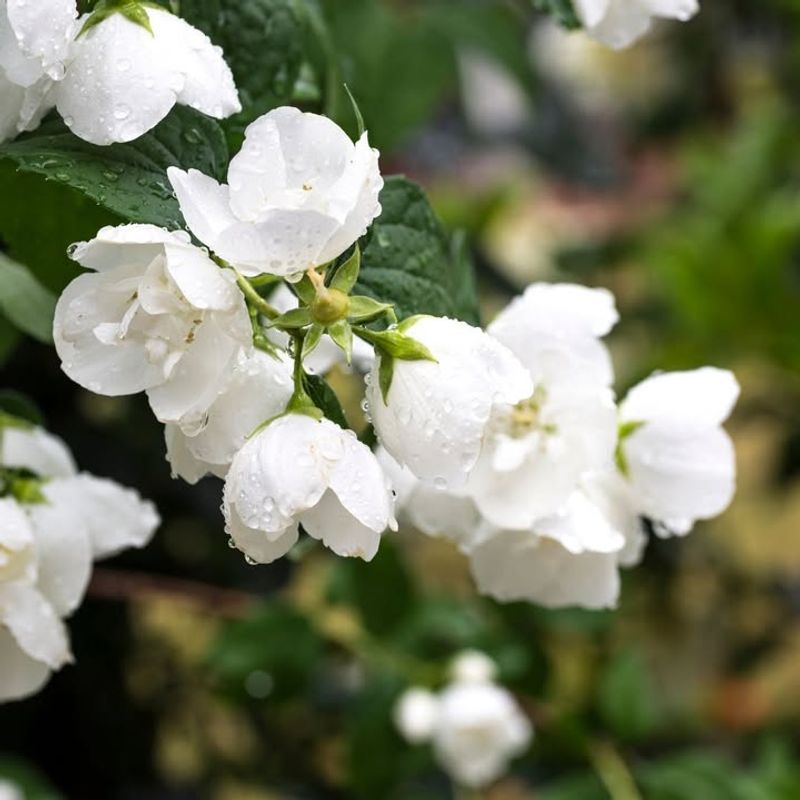
Imagine stepping outside on a warm spring morning and being hit with the sweet, citrusy scent of orange blossoms. That is exactly what mock orange delivers.
Despite its name, this shrub does not produce fruit, but the fragrance from its white flowers is absolutely incredible.
Mock orange, or Philadelphus, is a deciduous shrub that blooms in late spring to early summer. The flowers are pure white with a yellow center, and they appear in generous clusters all along the arching branches.
In Western Oregon, the blooming period usually falls in May or June, right when you want to spend the most time outdoors.
This shrub is easygoing about soil and tolerates a range of conditions common across Western Oregon. It prefers full sun to partial shade and grows best in well-drained soil.
Most varieties reach 6 to 10 feet tall, so give it room to spread. Compact varieties like ‘Snowbelle’ or ‘Dwarf Snowflake’ work well in smaller spaces.
Plant mock orange in early spring and water it in well. Fertilize lightly with a balanced fertilizer to encourage strong growth.
After blooming, prune out older stems to keep the plant vigorous. This shrub is a wonderful addition to any Western Oregon garden, especially near patios or walkways where the fragrance can truly be enjoyed.
6. Oregon Grape (Mahonia Aquifolium)
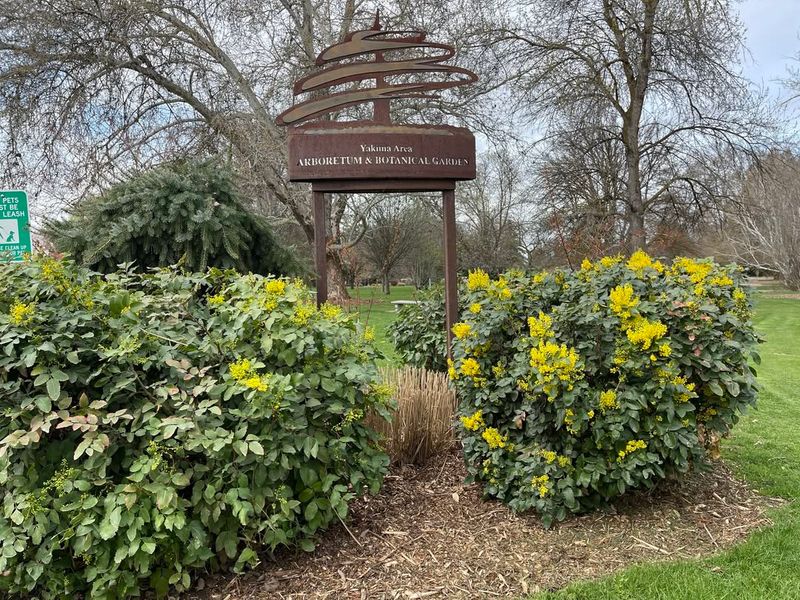
There is something deeply satisfying about growing a plant that belongs here. Oregon grape is the official state flower of Oregon, and it has been thriving in Western Oregon’s forests and gardens long before anyone thought to put it in a pot.
Planting it feels like celebrating the land itself.
Mahonia aquifolium is an evergreen shrub with glossy, holly-like leaves that stay green all year. In early spring, it produces upright clusters of bright yellow flowers that attract bees and early-season pollinators.
By late summer, those flowers turn into clusters of blue-purple berries that birds absolutely love. The berries are also edible for humans and have been used in jams and jellies for generations.
Oregon grape is wonderfully adaptable. It handles full sun, partial shade, and even deep shade.
It tolerates drought once established, which makes it excellent for low-water Western Oregon gardens. It grows 3 to 6 feet tall and spreads slowly over time.
Plant it in early spring and mulch well to keep moisture in the soil. Little pruning is needed, though you can trim it back after flowering to control size.
Oregon grape also works great as a natural barrier or hedge due to its spiny leaves. For gardeners in Western Oregon looking for a native, wildlife-friendly shrub, this one is a clear standout.
7. Red Flowering Currant (Ribes Sanguineum)
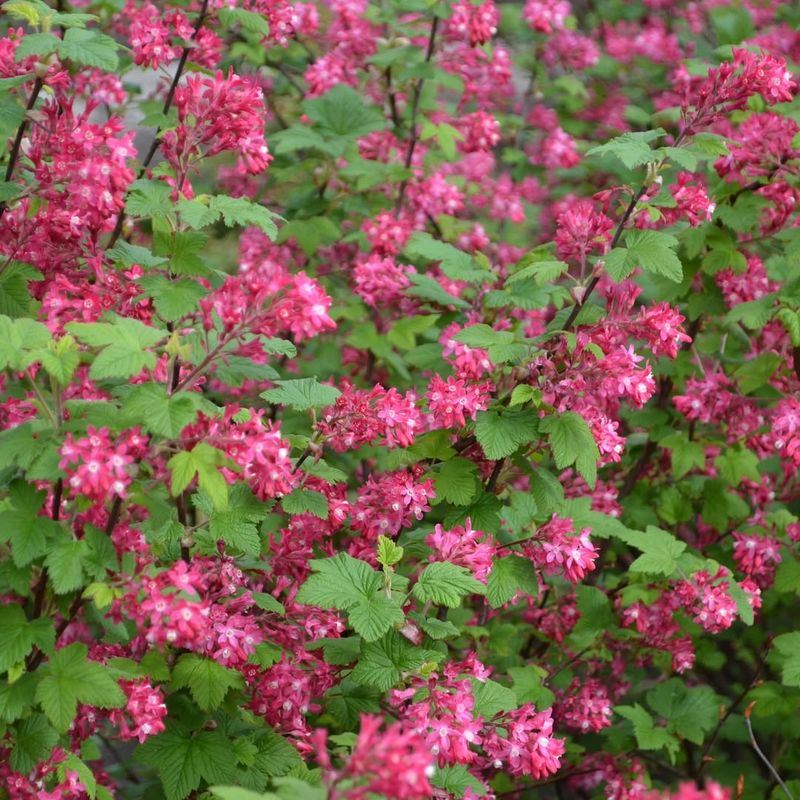
Every spring in Western Oregon, something magical happens in late February. Before most other plants have even thought about waking up, red flowering currant bursts into bloom.
The drooping clusters of deep pink to red flowers are a stunning sight, especially against the gray winter skies that still linger in February and March.
Ribes sanguineum is a native shrub, and it plays a vital role in the local ecosystem. Hummingbirds returning from their winter migration rely on these early blooms as one of their first food sources.
Bees and other pollinators also flock to the flowers. Planting this shrub is one of the best things you can do for local wildlife in Western Oregon.
It grows 6 to 10 feet tall and adapts to a wide range of conditions. Full sun to partial shade both work well.
It tolerates clay soil, which is common in many parts of the Willamette Valley. Once established, it is quite drought-tolerant too.
Plant in early spring and water regularly through the first summer. After a few years, this shrub practically takes care of itself.
The blue-black berries that follow the flowers attract birds through summer and fall. For a native plant with serious seasonal impact, red flowering currant is hard to beat in any Western Oregon garden.
8. Snowberry
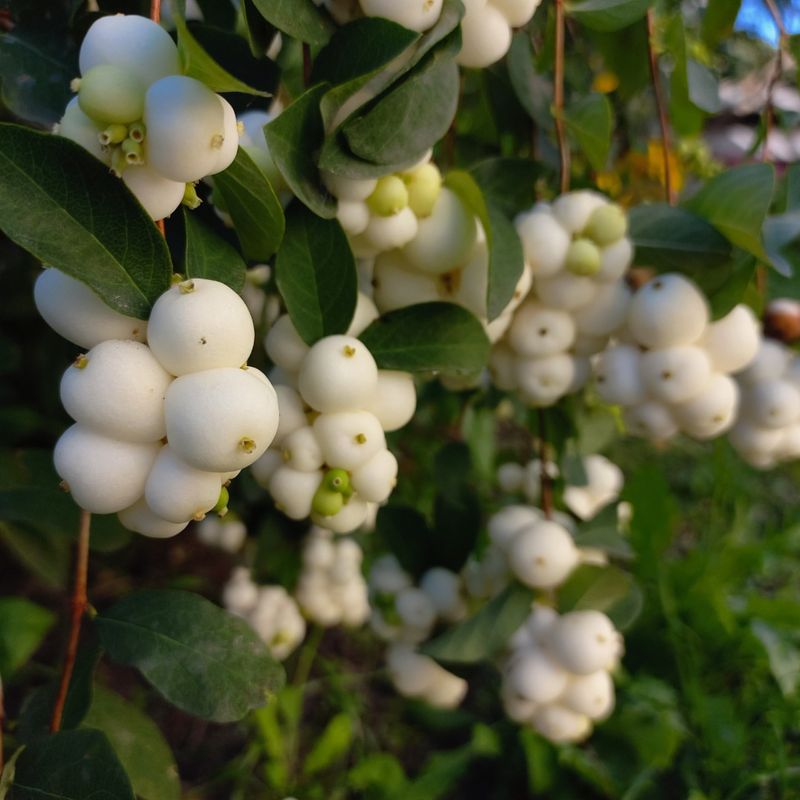
Not every great garden shrub is about flashy flowers. Sometimes the most interesting plants are the ones that surprise you in unexpected ways.
Snowberry, or Symphoricarpos albus, is exactly that kind of plant. Its claim to fame is clusters of bright white berries that cover the arching branches from late summer well into winter.
Snowberry is a native shrub found naturally throughout Western Oregon’s forests and stream banks. It is incredibly hardy and adapts to conditions that would challenge many other plants.
Deep shade, poor soil, dry spells, and wet winters are all things snowberry handles without complaint. That toughness makes it a reliable choice for difficult spots in the garden.
The pink flowers in spring are small but charming, and they attract bumblebees and other native pollinators. The white berries that follow are technically toxic to humans but are an important food source for birds like robins and cedar waxwings during the colder months.
Plant snowberry in early spring in almost any well-drained to moderately moist soil. It spreads by underground runners over time, so it works well as a ground-covering mass planting on slopes or under trees.
In Western Oregon landscapes, it adds naturalistic beauty and supports wildlife through every season of the year.
9. Ninebark (Physocarpus)
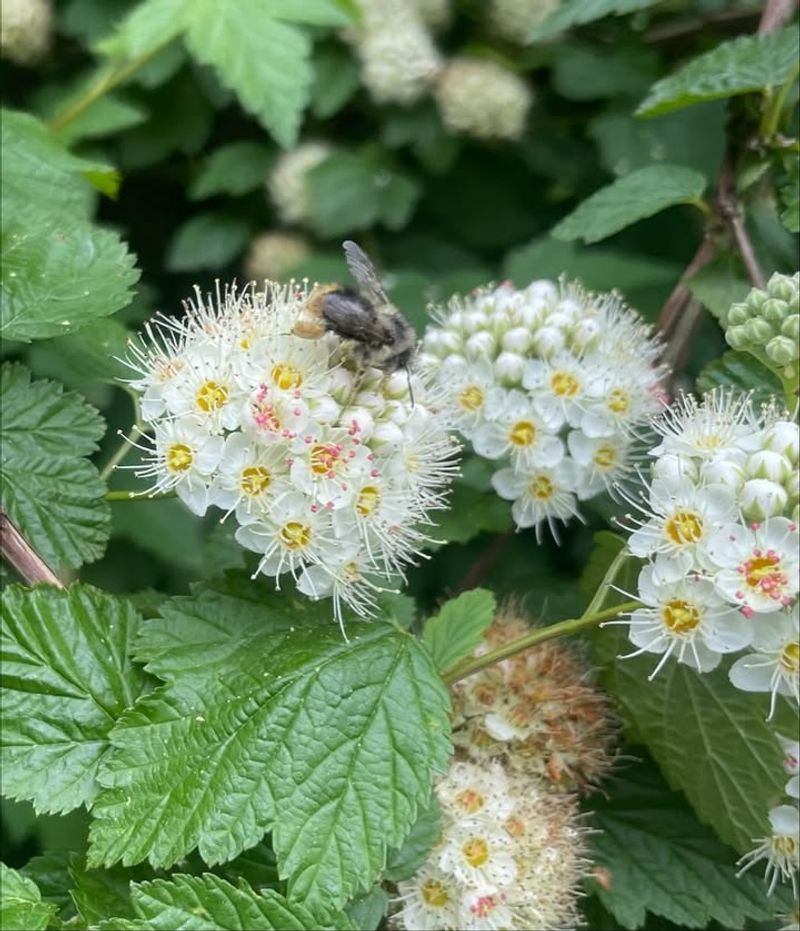
Bold foliage that looks stunning from spring through fall, clusters of white flowers that bees adore, and peeling cinnamon-colored bark that adds winter interest.
Ninebark, or Physocarpus opulifolius, brings something beautiful to every single season in a Western Oregon garden.
The dark-leaved varieties like ‘Diabolo’ or ‘Summer Wine’ are especially popular. Their deep burgundy or purple foliage creates a dramatic contrast with lighter-colored plants nearby.
In late spring or early summer, the shrub covers itself in small white or pale pink flower clusters that pollinators find irresistible. As fall arrives, the foliage shifts to orange and red tones before dropping for winter.
Ninebark is a tough, adaptable shrub that performs well across Western Oregon’s varied growing conditions. It handles clay soil, occasional flooding, and dry spells once established.
Full sun brings out the richest foliage color, but it also tolerates partial shade well.
Plant ninebark in early spring and give it a good drink of water to settle in. It grows 6 to 10 feet tall and wide, so space it generously.
Prune lightly after flowering to maintain shape. For gardeners in the Willamette Valley or along the Oregon Coast looking for a low-maintenance shrub with year-round appeal, ninebark absolutely delivers on every level.