What No-Mow May Really Does To Oregon Lawns After 30 Days
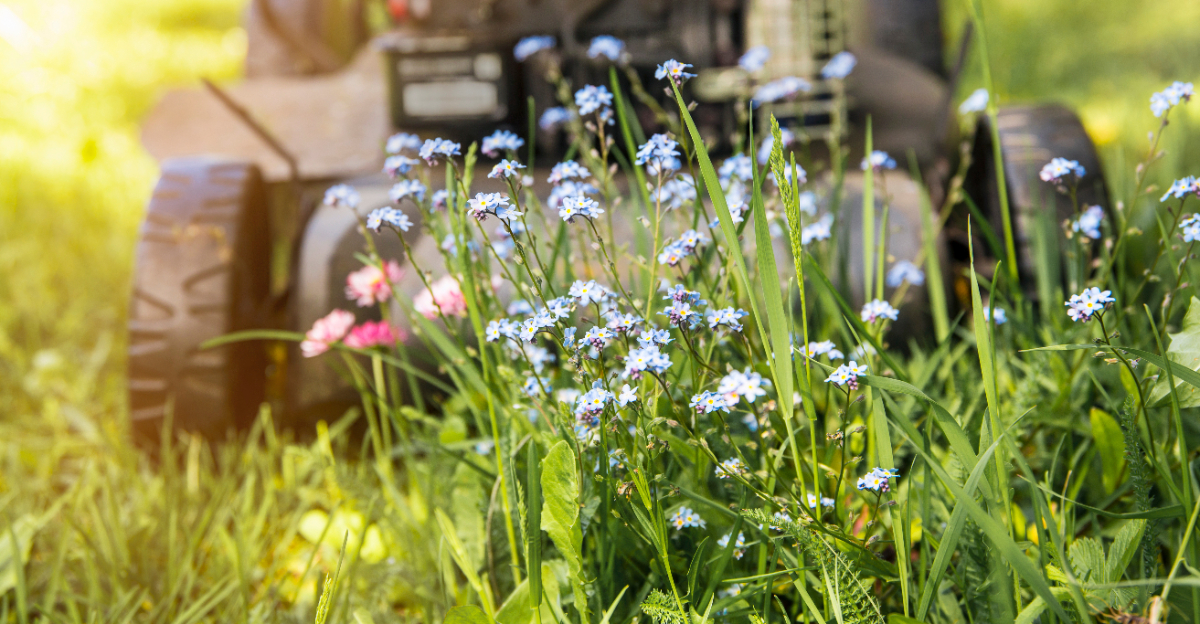
No-Mow May sounds simple enough: park the mower, let the lawn go wild, and enjoy feeling like a tiny hero for pollinators. Oregon lawns, however, can have a few opinions after 30 days of freedom.
Some spots may turn into a charming mini-meadow, complete with clover, dandelions, and busy bees. Other areas may start looking like your yard joined a garage band and forgot about rehearsal.
A month without mowing can help flowering lawn plants feed early-season pollinators, especially in yards that already have clover, violets, or other low blooms mixed in. It can also reveal what is actually growing in your turf, which is both useful and mildly humbling.
But taller grass may mat down, invite weeds to set seed, or stress out when you finally cut it too short. The trick is knowing what happens after those 30 days, so your Oregon lawn supports wildlife without turning into a floppy green mystery.
Grass Grows Taller Fast
Oregon grass does not waste any time when May rolls around. Cool-season grasses like ryegrass and fescue, which are super common across the state, thrive in spring temperatures.
Without mowing, they can shoot up several inches in just one week.
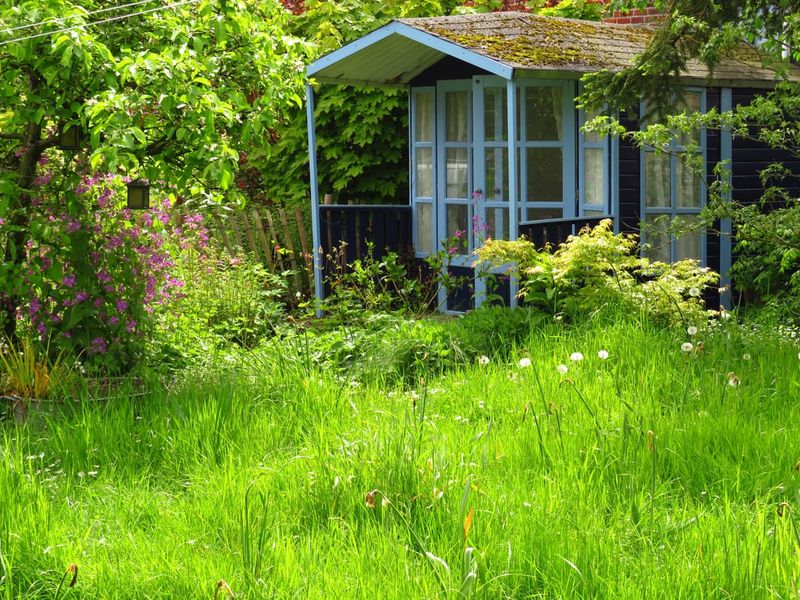
By the end of 30 days, many Oregon lawns reach heights of 6 to 10 inches or more. That might sound like a lot, but tall grass is actually doing important work underground too.
Longer blades mean deeper roots, and deeper roots help your lawn handle summer heat better.
In wetter parts of Oregon like the Willamette Valley, the extra spring rain gives grass even more fuel to grow fast. You might notice your lawn looks thick and almost meadow-like by week three.
Some homeowners are surprised by how full and green it looks. The growth rate slows down a little toward the end of the month, but the overall height can still feel overwhelming if you are not prepared for it.
Knowing this ahead of time makes the whole experience much less stressful.
Clover Flowers Feed Pollinators
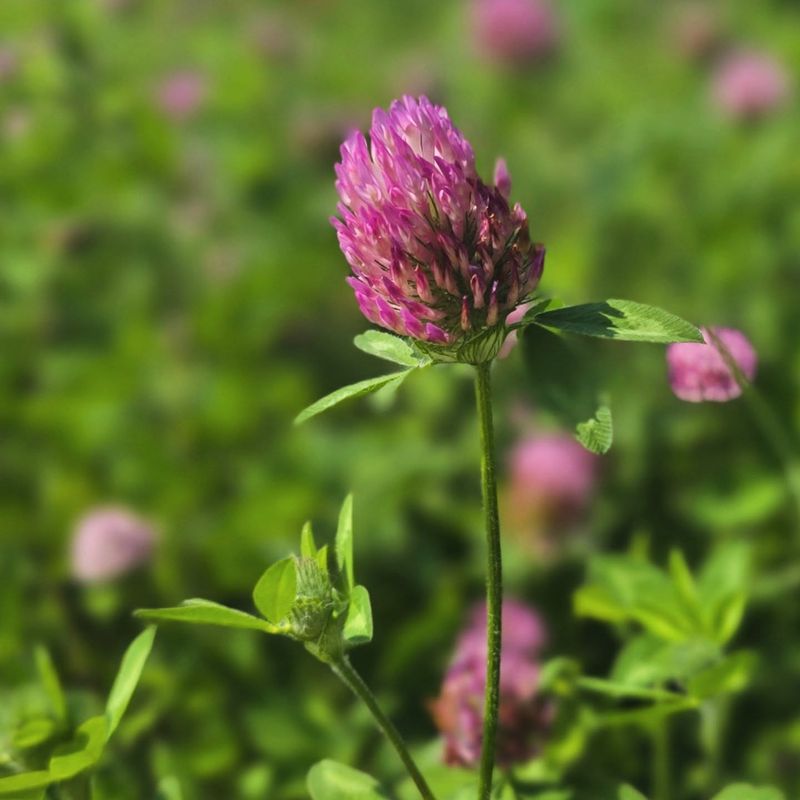
One of the best surprises of No-Mow May in Oregon is watching clover bloom. Most lawns already have clover mixed in, and when you stop mowing, those little plants finally get the chance to flower.
White clover and red clover are the most common types found in Oregon yards.
Bees absolutely love clover. A single clover patch can attract dozens of bumblebees, honeybees, and native Oregon bees in just one afternoon.
Butterflies and other helpful insects visit too. This is a big deal because May is when many pollinators are just waking up and desperately need food sources.
Oregon has seen a steady decline in native bee populations over the years. Letting your lawn grow for just one month can actually make a real difference for local ecosystems.
Clover flowers only stay open for a short time, so the longer you let them bloom, the more pollinators you support. Many Oregon gardeners who try No-Mow May for the first time are amazed at how quickly their yard becomes a little buzzing habitat.
Your Oregon Garden Changes Every Week. Your Plan Should Too.
Gardening in Oregon changes quickly throughout the season. Every Friday you’ll receive a simple weekly plan showing exactly what to plant, prune, fertilize, harvest, and protect so you never miss the right timing.
It feels good to know your lawn is helping local wildlife.
Weeds Become More Noticeable
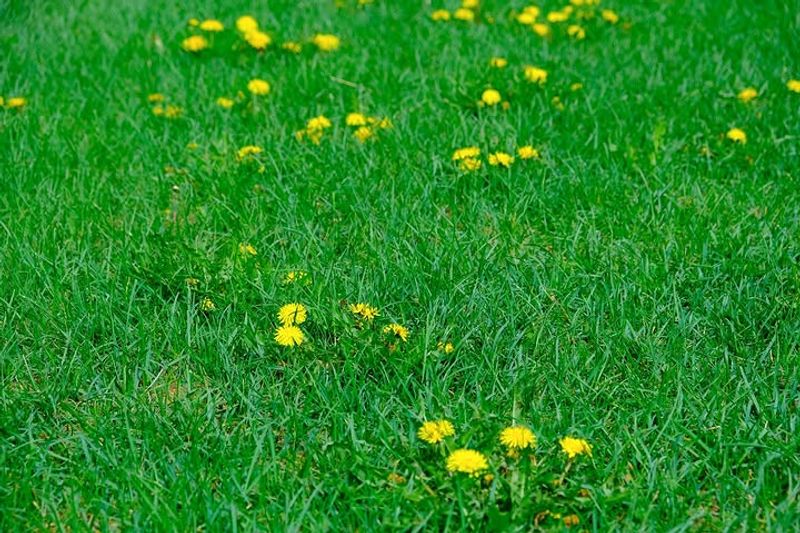
Here is something nobody talks about enough: weeds get very noticeable very fast during No-Mow May. In Oregon, common culprits include dandelions, creeping buttercup, hairy bittercress, and English daisy.
When the mower stops, these plants have nothing holding them back.
Dandelions can shoot up bright yellow flowers within days. By week two, some lawns look more like a wildflower field than a tidy yard.
For some people, this is charming. For others, especially in tightly packed Oregon neighborhoods, it can feel embarrassing or stressful.
The good news is that most of these weeds are actually helpful during No-Mow May. Dandelion flowers are an early food source for bees.
Even buttercup provides some value for small insects. However, if you have aggressive weeds like blackberry or thistle already creeping in, a month without mowing gives them extra time to spread.
It is smart to pull those specific plants by hand if you spot them early. Overall, a little extra weediness is a normal and expected part of the No-Mow May experience in Oregon, and most lawns recover just fine once regular mowing starts back up.
Soil Holds Moisture Longer
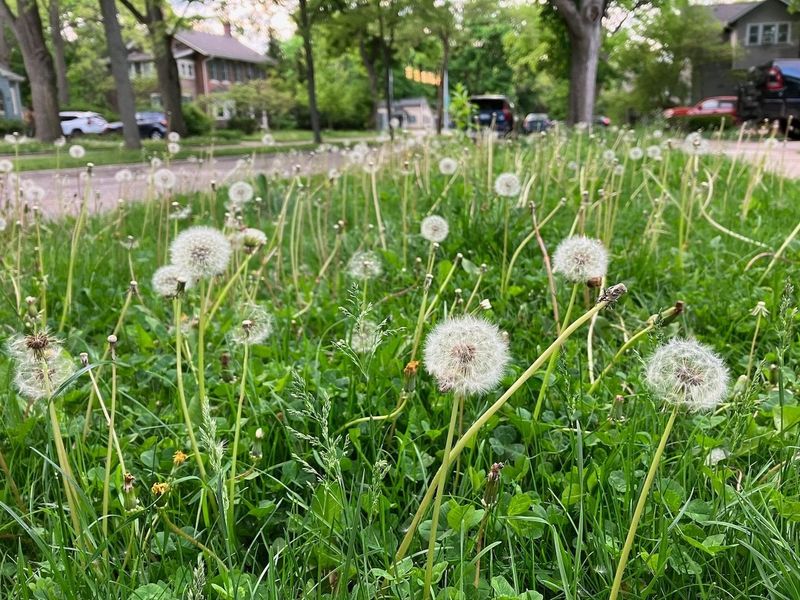
Tall grass acts like a natural umbrella for your soil. When Oregon lawns are left unmowed during May, the longer blades shade the ground below.
That shade keeps the soil from drying out as quickly as it would under a short, freshly mowed lawn.
This is especially helpful in Oregon because May weather can be unpredictable. Some years bring warm dry spells that dry out topsoil fast.
A lawn with taller grass holds onto that moisture much longer, which means your grass roots stay hydrated even between rain showers.
Healthy soil moisture also supports the tiny organisms living underground, like earthworms, fungi, and beneficial bacteria. These creatures are essential for a strong, healthy lawn.
When soil dries out too often, those populations shrink. Keeping moisture in the ground during No-Mow May gives these organisms a chance to thrive.
Oregon gardeners who have paid attention to their soil health report that lawns participating in No-Mow May often feel softer and spongier underfoot by the end of the month. That sponginess is a sign of healthy, well-structured soil.
It is one of the quieter benefits of skipping the mower that most people do not expect.
Lawns Can Look Uneven
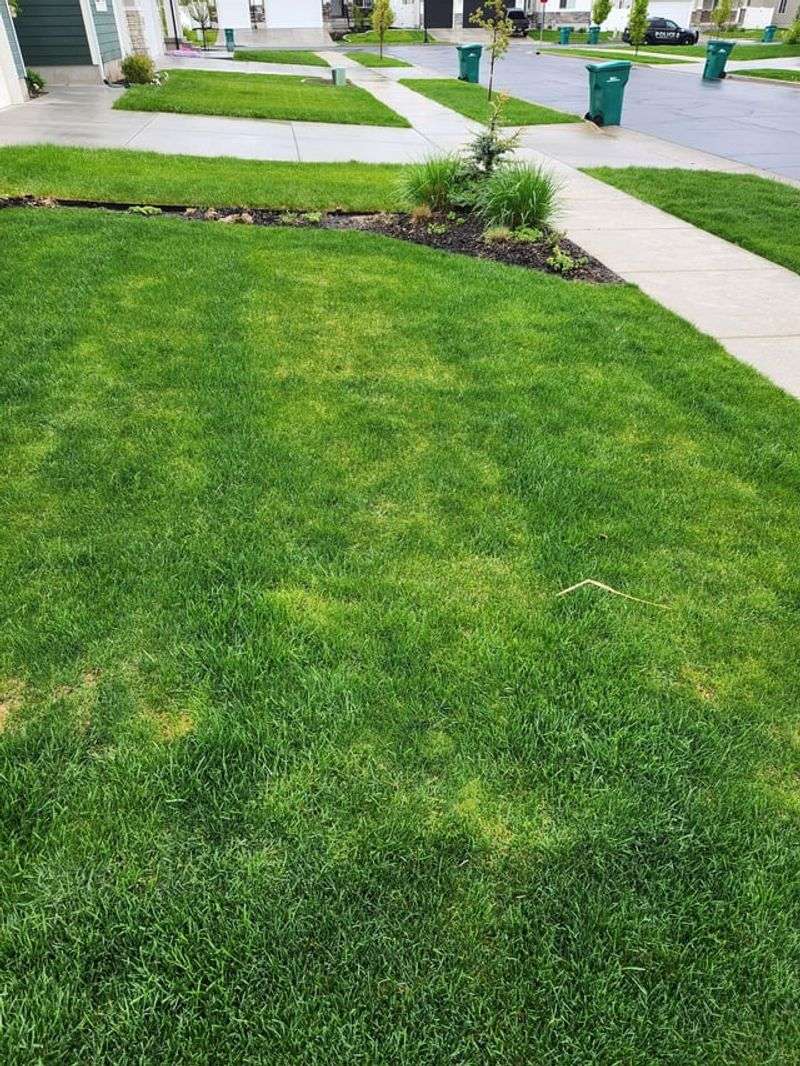
Not every part of your Oregon lawn grows at the same speed. By the end of No-Mow May, you might notice that some spots are tall and thick while others look thin or patchy.
This unevenness is totally normal, but it can catch people off guard.
Areas with more sun tend to grow faster. Shaded spots under trees or along fences may barely change at all.
Soil quality also plays a big role. Parts of your yard with richer, more nutrient-packed soil will produce noticeably taller and greener grass than areas with compacted or clay-heavy ground, which is common in many Oregon neighborhoods.
This uneven look can feel frustrating, especially if you care a lot about curb appeal. Some Oregon homeowners deal with it by doing light trimming along edges and walkways while leaving the main lawn untouched.
That small compromise keeps things looking a little tidier without completely giving up on the No-Mow May goal. The uneven growth actually reveals a lot of useful information about your lawn.
It shows you exactly where soil improvements are needed, where drainage might be poor, and which areas could benefit from overseeding in the fall. Think of it as a free lawn health report.
First Mow Needs Care
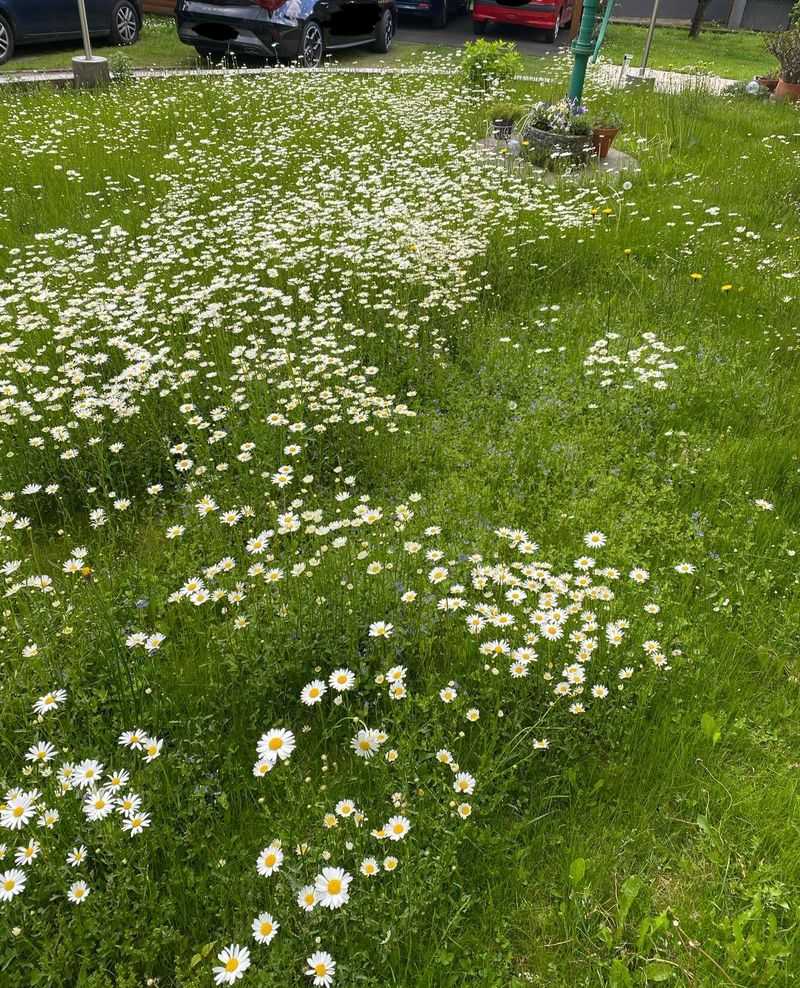
When June arrives and it is finally time to mow again, you cannot just set the blade low and go. After a full month of growth, Oregon lawns need a gentle and thoughtful first cut.
Cutting too much at once can seriously stress your grass and leave your lawn looking yellow and burned.
The general rule is called the one-third rule: never cut more than one-third of the grass blade in a single mowing session. If your lawn has grown to 9 inches, cut it down to about 6 inches first.
Then wait a few days and cut again. Slowly working your way back down to your normal mowing height is the safest approach.
Make sure your mower blade is sharp before that first cut. A dull blade tears the grass instead of cutting it cleanly, which leaves the tips ragged and brown.
Oregon lawns that are cut with a sharp blade bounce back much faster and look greener within days. It also helps to mow when the grass is dry.
Wet clippings clump together and can smother the grass underneath. Taking your time with the first mow after No-Mow May makes a huge difference in how healthy and attractive your lawn looks going into summer.
Some Areas Recover Better
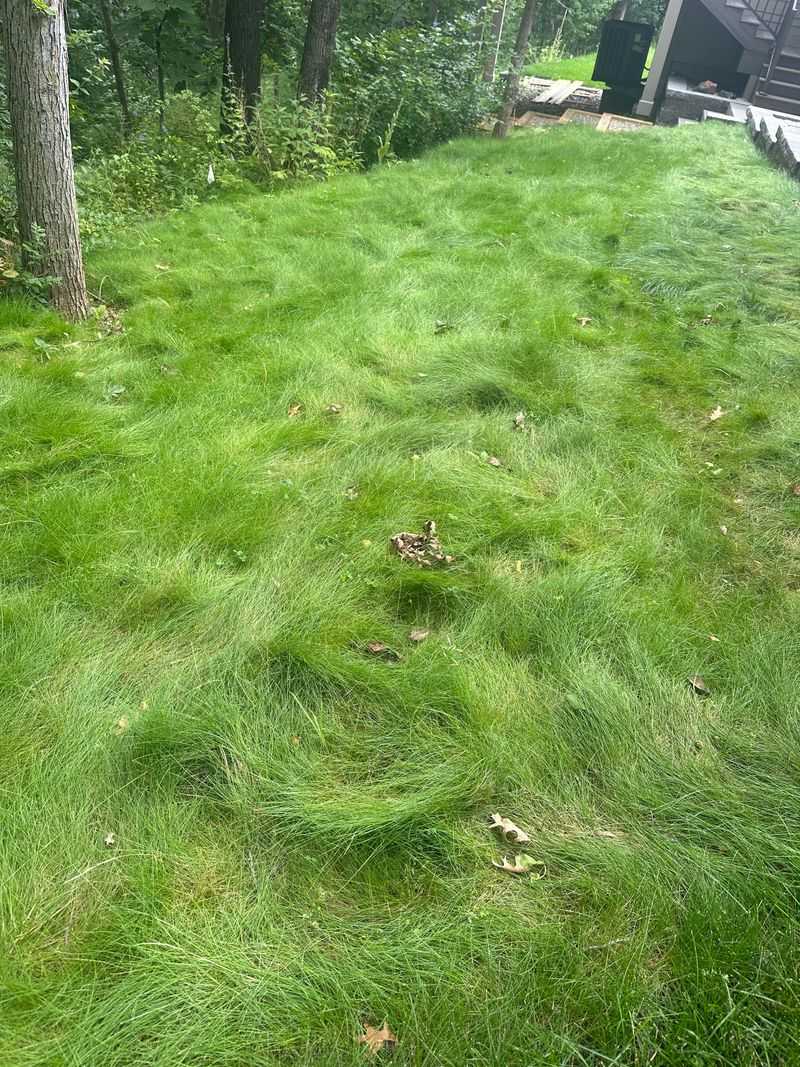
After No-Mow May wraps up, Oregon homeowners quickly notice that their lawns do not all bounce back the same way. Some sections green up fast and look amazing within a week of the first mow.
Other spots seem to struggle and stay thin or patchy for a while longer.
Lawns in Oregon with good loamy soil, decent drainage, and regular fertilizing in the past tend to recover the quickest. Yards in areas like the Willamette Valley, where soil is naturally rich, often look nearly perfect within two weeks of resuming mowing.
Lawns dealing with compacted soil, heavy shade, or pest pressure take longer to get back on track.
Recovery also depends on what grew in during May. If clover and other low-growing plants filled in the bare spots, those areas might actually look better than before.
Clover fixes nitrogen in the soil, which naturally feeds the surrounding grass. On the flip side, if aggressive weeds moved in and crowded out the grass, some reseeding might be needed in the fall.
Either way, most Oregon lawns fully recover by mid-summer. Paying attention to which spots struggled gives you a clear plan for improving your lawn before next spring rolls around.