These Shrubs Survive Texas Heatwaves Even Without Watering
Texas heatwaves have a way of exposing every weak spot in the yard. When the sun stays intense for days, the soil dries out fast, and rain refuses to show up, even decent-looking plants can start giving up in a hurry.
That is why tough shrubs are such a big deal in Texas landscapes. The right ones do not just hang on through rough weather.
They keep their shape, hold their foliage, and continue looking good when everything around them starts to look stressed.
For gardeners, that kind of reliability is hard to beat. Nobody wants a yard that turns tired and thirsty the moment the forecast gets brutal.
Shrubs that can handle heatwaves without extra watering make it easier to build a landscape that looks strong and steady even during the hardest stretch of summer.
They also save time, cut down on maintenance, and fit perfectly with a more practical approach to gardening in dry conditions.
The best part is that these shrubs are not just survivors. Many bring texture, structure, and year-round beauty to the yard while asking for very little in return.
Once you find the kinds that can handle Texas heat on their own, it becomes much easier to create a landscape that stays attractive without feeling like a constant battle.
1. Texas Sage
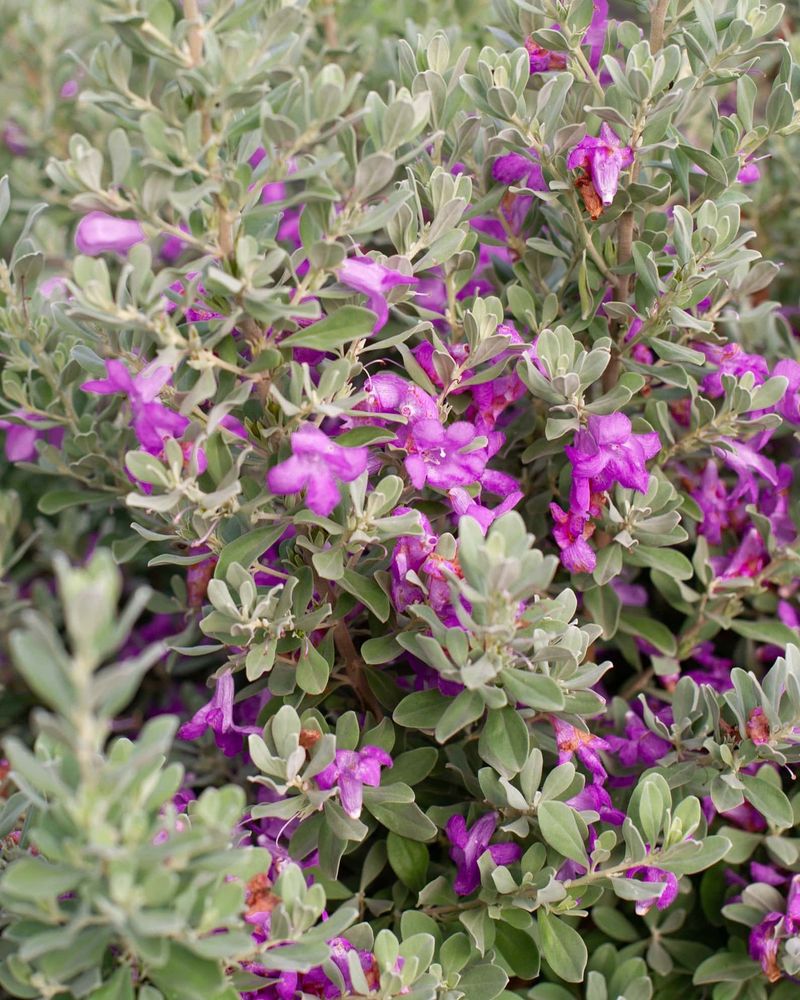
Walk through any Central or West Texas neighborhood after a summer rain shower, and you will likely spot a burst of purple blooms lighting up the roadside. That is Texas Sage, also called Cenizo, doing what it does best.
This shrub practically announces the rain before it even falls, earning it the nickname “barometer bush.” When humidity rises, it blooms. It is like having a living weather forecast in your yard.
Texas Sage grows naturally across the dry, rocky hills of Texas, and it is perfectly suited for the state’s intense heat and poor soil. It loves full sun and actually struggles in shaded or overly watered spots.
Plant it in well-drained soil, give it some space to spread, and then mostly leave it alone. It will reward you with silvery foliage year-round and stunning purple, pink, or white flowers several times a year.
One of the best things about this shrub is how little it asks of you. Once established, it needs almost no supplemental watering, even during the worst Texas heatwaves.
It is deer-resistant, low-maintenance, and works beautifully as a hedge or standalone accent plant. Mature shrubs can reach six to eight feet tall.
For Texas homeowners who want a tough, gorgeous shrub that thrives on neglect, Cenizo is hard to beat.
2. Yaupon Holly
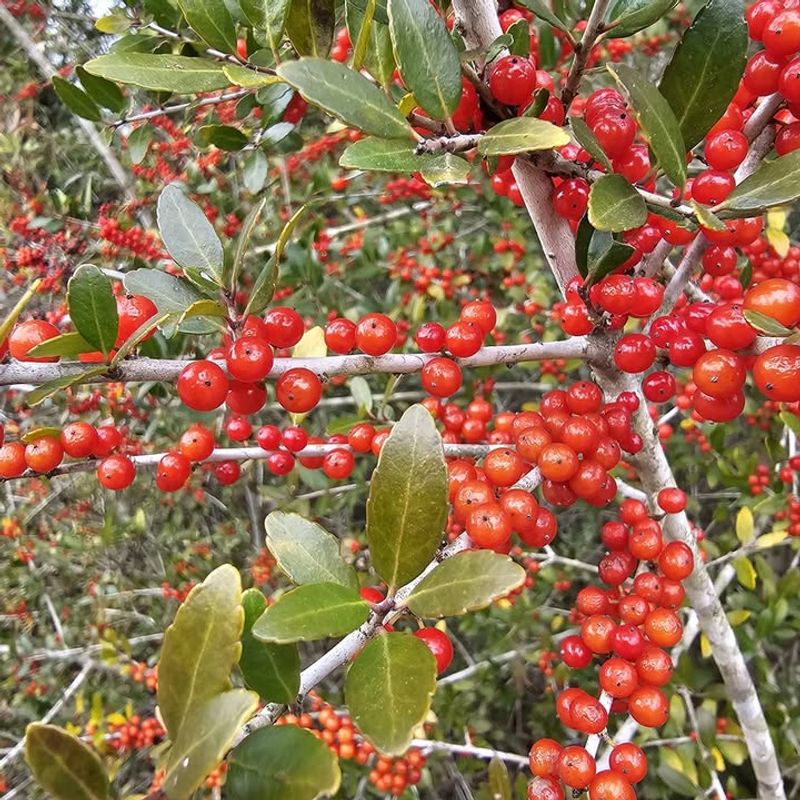
Some plants need pampering. Yaupon Holly is not one of them. This native Texas shrub is one of the most adaptable and resilient plants you can put in the ground across the entire state.
It handles heat, drought, flooding, shade, full sun, poor soil, and heavy pruning without complaint. If there were a toughness award for Texas shrubs, Yaupon Holly would win it every year.
Your Texas Garden Changes Every Week. Your Plan Should Too.
Gardening in Texas changes quickly throughout the season. Every Friday you’ll receive a simple weekly plan showing exactly what to plant, prune, fertilize, harvest, and protect so you never miss the right timing.
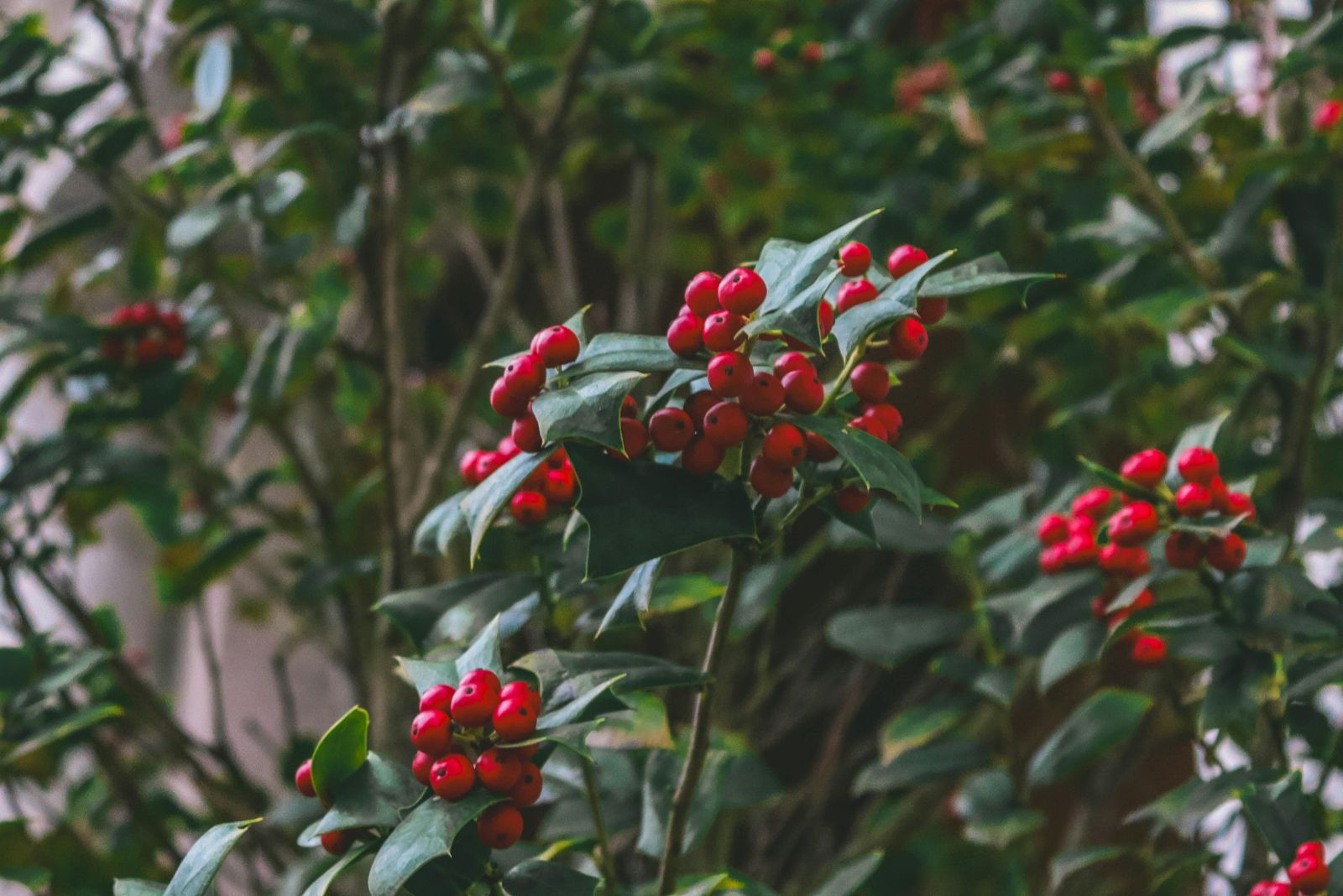
Native to East and Central Texas, Yaupon Holly is an evergreen that keeps its glossy green leaves all year long. Female plants produce small, bright red berries in fall and winter that birds absolutely love.
That means your yard gets color and wildlife activity even in the coldest months. The berries are toxic to humans, so keep that in mind if you have small children or pets who explore the garden.
Once established, Yaupon Holly rarely needs watering, even through extended Texas droughts. It can be shaped into a formal hedge, left to grow naturally as a privacy screen, or pruned into a small multi-trunk tree form.
Dwarf varieties are also available if you have a smaller space. Few shrubs offer this much versatility with this little effort.
For Texas gardeners who want reliable, year-round greenery without a fuss, Yaupon Holly is a go-to choice that rarely disappoints.
3. Wax Myrtle
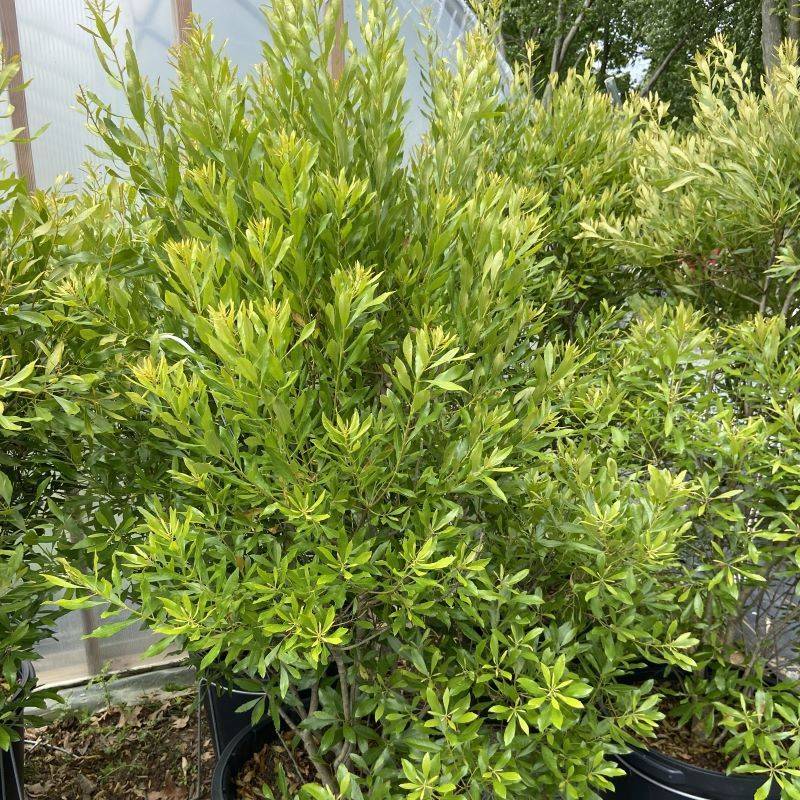
Most people are surprised to learn how drought-tough Wax Myrtle actually is. It grows near streams and wet areas in the wild, so folks assume it needs a lot of water.
But once it gets its roots established in the ground, it handles dry Texas summers far better than you would expect. It is one of those plants that quietly earns your respect over time.
Wax Myrtle is a fast-growing native evergreen that can shoot up six to twelve feet tall in just a few years. That makes it a popular choice for quick privacy screens along fences or property lines across Texas.
The leaves are narrow, aromatic, and olive-green, giving the plant a light, airy look. Birds love the small, waxy blue-gray berries that appear in clusters along the branches during fall and winter.
In Texas, Wax Myrtle does best in full sun to partial shade and tolerates a wide range of soil types, including sandy and clay soils. It handles heat well and bounces back quickly after periods of drought.
It can also be pruned hard to keep it compact or shaped as a multi-trunk small tree. For homeowners across East and Central Texas who want fast coverage and low water needs, Wax Myrtle delivers solid results without demanding much attention in return.
4. Agarita
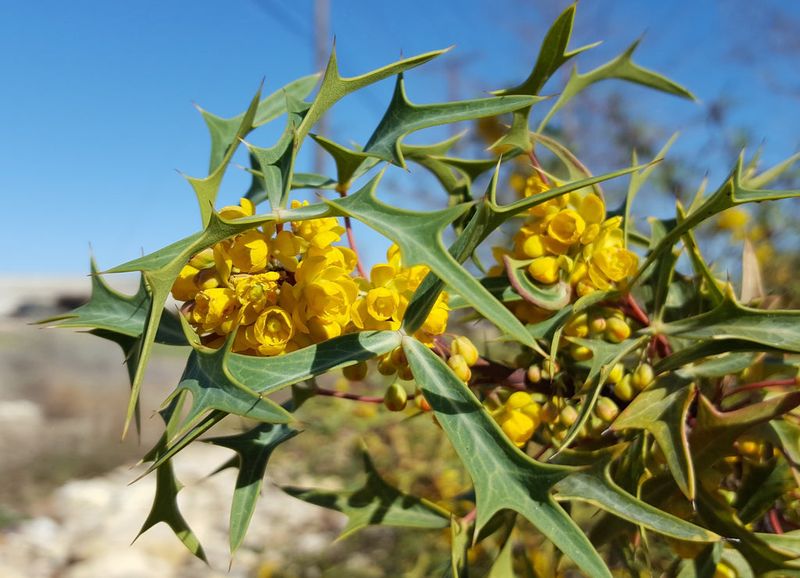
If you want a shrub that is truly built for the toughest parts of Texas, look no further than Agarita.
This spiny, evergreen native grows wild across Central and West Texas, often found clinging to rocky hillsides and dry creek banks where almost nothing else survives. It is not the prettiest shrub up close, but it is one of the most rugged plants in the entire state.
Agarita has stiff, blue-green leaves with sharp points that make it a natural barrier plant. Nothing is getting through a mature Agarita hedge without a struggle.
In late winter and early spring, it produces small, fragrant yellow flowers that bees love. Those flowers turn into tart red berries by summer that are prized for making jelly and wine. Wildlife, including deer and birds, also feed on the berries throughout the season.
When it comes to drought tolerance, Agarita is in a league of its own. It thrives in poor, rocky, alkaline soil with almost no supplemental water once established.
It rarely needs pruning and has no serious pest or disease problems in Texas landscapes. Growth is slow but steady, and mature plants can reach five to eight feet tall.
For gardeners in Central or West Texas who want a low-maintenance, wildlife-friendly shrub that laughs at heatwaves, Agarita is a fantastic native option worth considering.
5. Texas Persimmon
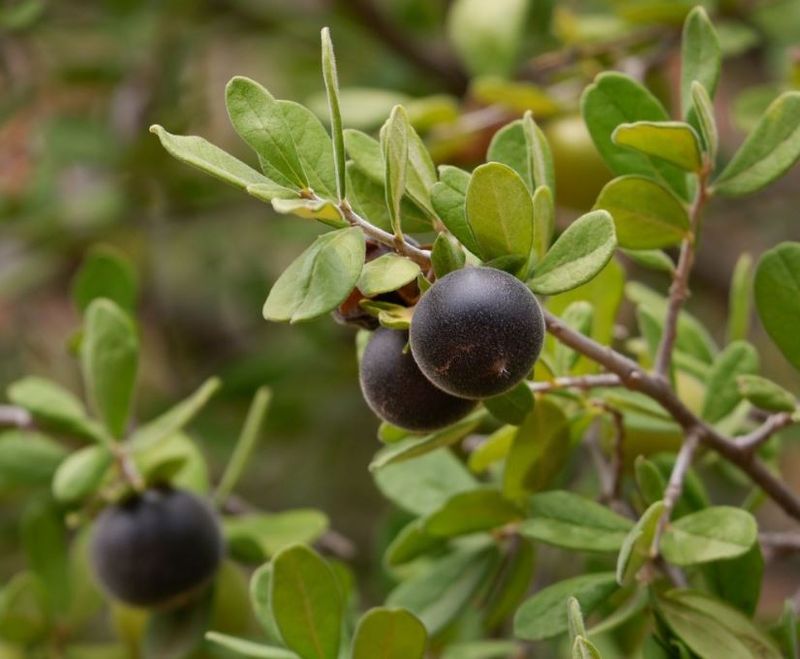
There is something almost prehistoric about Texas Persimmon. Its smooth, peeling gray bark and gnarled branches give it a sculptural quality that looks incredible in a naturalistic Texas landscape.
It grows as a large shrub or small tree, typically reaching ten to fifteen feet tall, and it earns every inch without asking for much in return.
Native to Central and West Texas, Texas Persimmon is one of the most drought-tolerant woody plants in the state. It grows naturally on dry, rocky limestone slopes where rainfall is scarce and summer heat is intense.
The thick, leathery leaves are small but tough, and they stay on the plant through most of the year. In summer, female plants produce small, dark black fruit that wildlife, especially birds and mammals, absolutely feast on.
For Texas homeowners, Texas Persimmon works well as a specimen plant, a naturalized hedge, or part of a native wildlife garden. It handles full sun and poor soil with ease and rarely needs supplemental watering once its deep roots are established.
The peeling bark adds year-round visual interest even when the plant is not fruiting. It is also deer-resistant and generally pest-free.
If you want a tough, beautiful, and genuinely native Texas plant that looks like it belongs in the landscape, Texas Persimmon is a smart and satisfying choice.
6. Evergreen Sumac
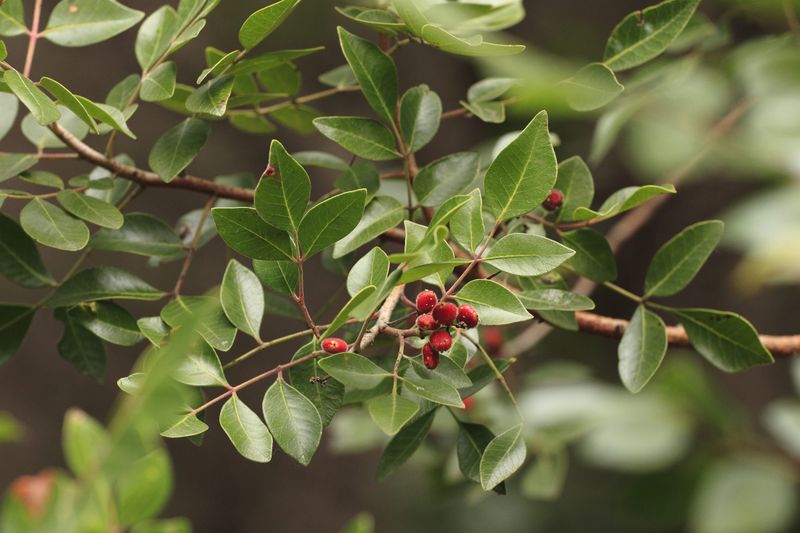
Not many shrubs can claim to be both tough as nails and genuinely attractive, but Evergreen Sumac pulls it off with ease. This native Texas plant keeps its glossy, dark green leaves all year long, which is a rare trait among drought-tolerant shrubs.
It looks polished and refined while surviving conditions that would stress most ornamental plants in the state.
Evergreen Sumac grows naturally on dry, rocky hillsides across Central and West Texas, often in shallow, alkaline soils with very little organic matter. It handles full sun beautifully and actually prefers it.
In late summer, small white flower clusters appear and eventually develop into red berries that birds enjoy through the fall and winter months. The berries have a tart flavor and were historically used by Native Americans to make a refreshing drink.
In a Texas landscape, Evergreen Sumac works well as a privacy screen, a slope stabilizer, or a natural hedge along a fence line. It typically grows six to twelve feet tall and spreads at a similar width, so give it room to fill in naturally.
Once established, it rarely needs watering, even during brutal summer heatwaves. It is also deer-resistant and largely pest-free.
For homeowners across Central Texas who want a handsome, dependable, and water-wise native shrub, Evergreen Sumac is one of the best choices available in the region.
7. Flameleaf Sumac
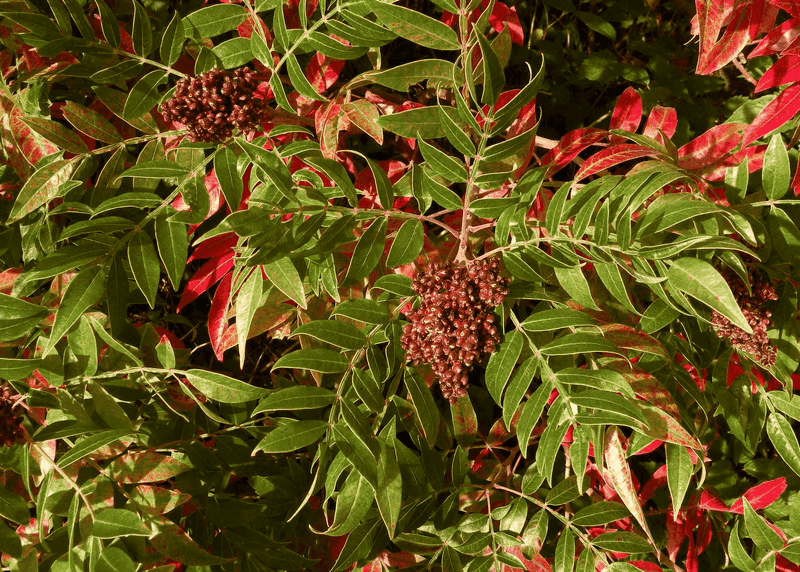
Fall color in Texas can feel like a rare luxury, but Flameleaf Sumac delivers it reliably every single year. When most of the state is still looking dry and sun-scorched in October, this native shrub explodes into brilliant shades of orange, red, and scarlet.
It is one of the most dramatic fall displays you will find anywhere in the Texas landscape, and it earns it without a single drop of extra water.
Flameleaf Sumac is a deciduous native shrub that grows naturally across Central and West Texas in rocky, dry soils. During the growing season, it carries long, feathery green leaves that give it a graceful, tropical look.
In summer, clusters of small red-orange berries appear that birds and small wildlife enjoy. Then in fall, the whole plant transforms into a fiery display that stops people in their tracks.
Despite losing its leaves in winter, Flameleaf Sumac is incredibly hardy and heat-tolerant. It handles poor, rocky, alkaline soil with no complaints and rarely needs supplemental irrigation once its roots are settled.
It spreads slowly by root suckers, forming loose thickets that work well on slopes or in naturalistic garden settings across Texas. Mature plants typically reach eight to twelve feet tall.
For gardeners who want spectacular seasonal color without the water bill, Flameleaf Sumac is a truly rewarding native choice for any Texas yard.
8. Desert Willow
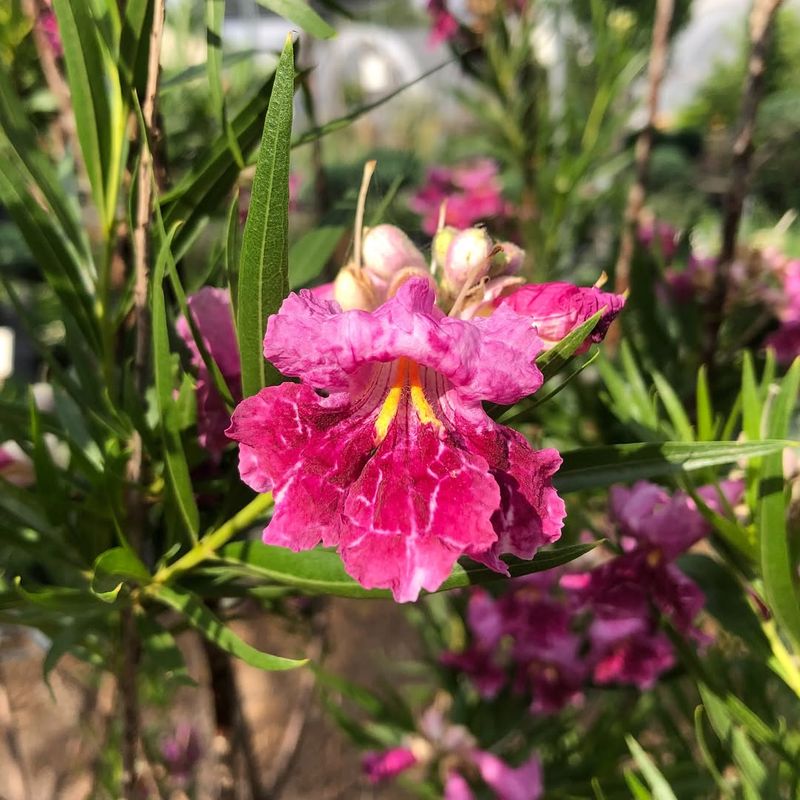
Hummingbirds find it first. Before you even notice the Desert Willow blooming in your yard, the hummingbirds have already arrived, hovering around its stunning red-orange, trumpet-shaped flowers like tiny helicopters.
This large shrub, which can sometimes grow into a small tree, is one of the most visually exciting drought-tolerant plants you can add to a Texas landscape. And it asks for almost nothing in return.
Desert Willow is native to the dry creek beds and arroyos of West Texas, and it is perfectly adapted to intense heat and long dry spells.
Its long, narrow, willow-like leaves give it a graceful appearance, and its flowers bloom repeatedly from late spring through fall in shades of lavender, pink, white, and deep red-orange.
The blooms have a light, sweet fragrance that adds another layer of sensory appeal to any outdoor space.
In Texas landscapes, Desert Willow thrives in full sun and well-drained soil, including rocky and sandy types. It grows quickly, often reaching fifteen to twenty-five feet tall at maturity, but it can be kept shrub-sized with regular pruning.
Once established, it needs almost no supplemental water, even during the hottest Texas summers. It is also deer-resistant and attracts not just hummingbirds but also bees and butterflies.
For anyone in Texas who wants a showstopping, wildlife-friendly, low-water plant, Desert Willow is an outstanding and rewarding choice.