6 Fast-Growing Native Trees For Pennsylvania Gardens
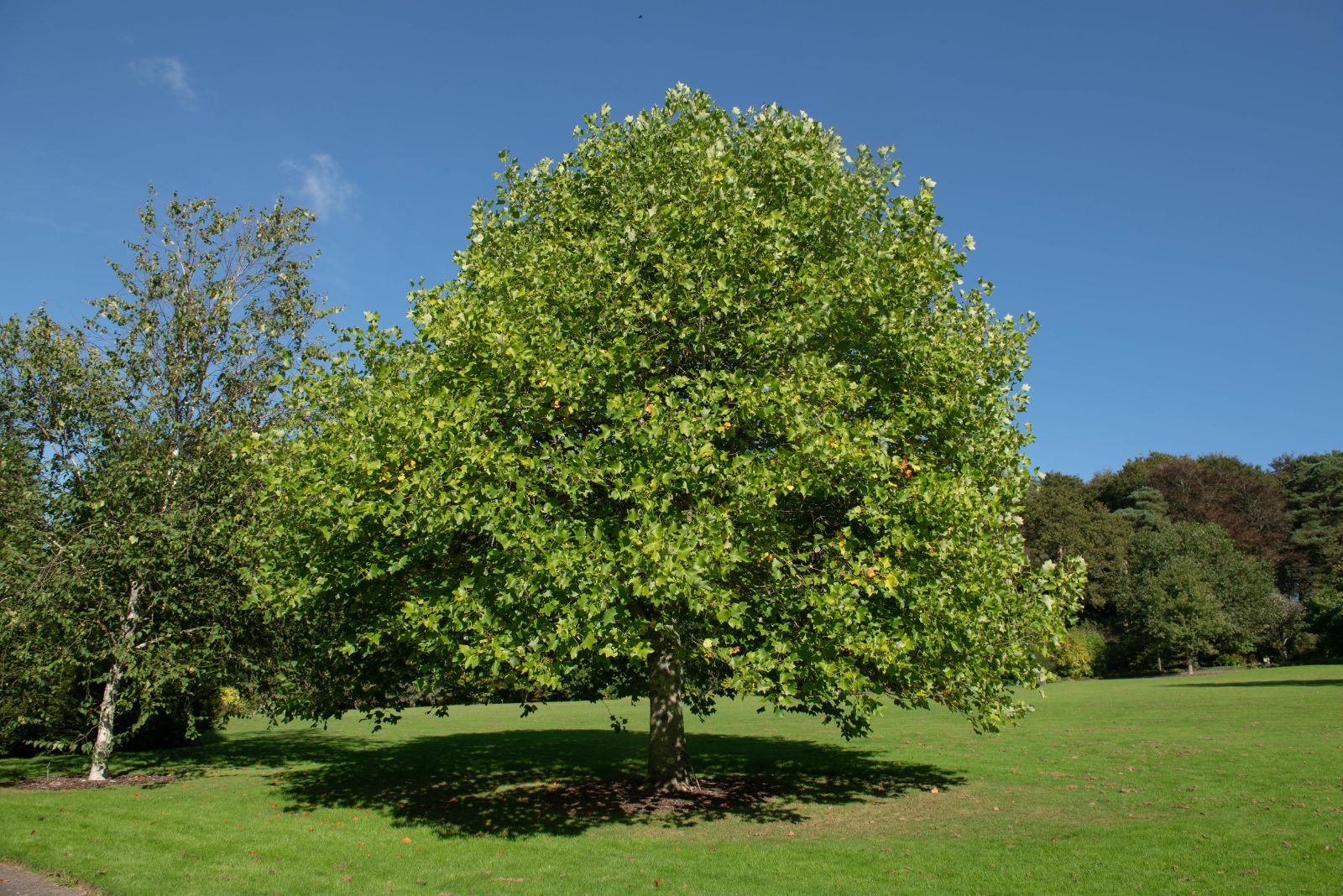
Pennsylvania gardens are the perfect place to add a few trees, but it’s not always fun to wait years for them to reach their full potential.
If you’re looking for a quick-growing option that gives you shade, beauty, and structure without dragging the process out, native trees are the way to go.
The great thing about native trees is that they are adapted to the local climate and soil, meaning they’re more likely to thrive without a lot of extra care or fuss.
What makes these trees especially appealing is their speed. Many native varieties can grow noticeably faster than you might expect, giving your garden that full, established look without waiting a decade.
These trees not only help with privacy, shade, and curb appeal, but they also support local wildlife and bring more natural beauty to your yard.
With the right fast-growing native trees, you can enjoy the benefits of a mature landscape without the long wait.
1. Red Maple
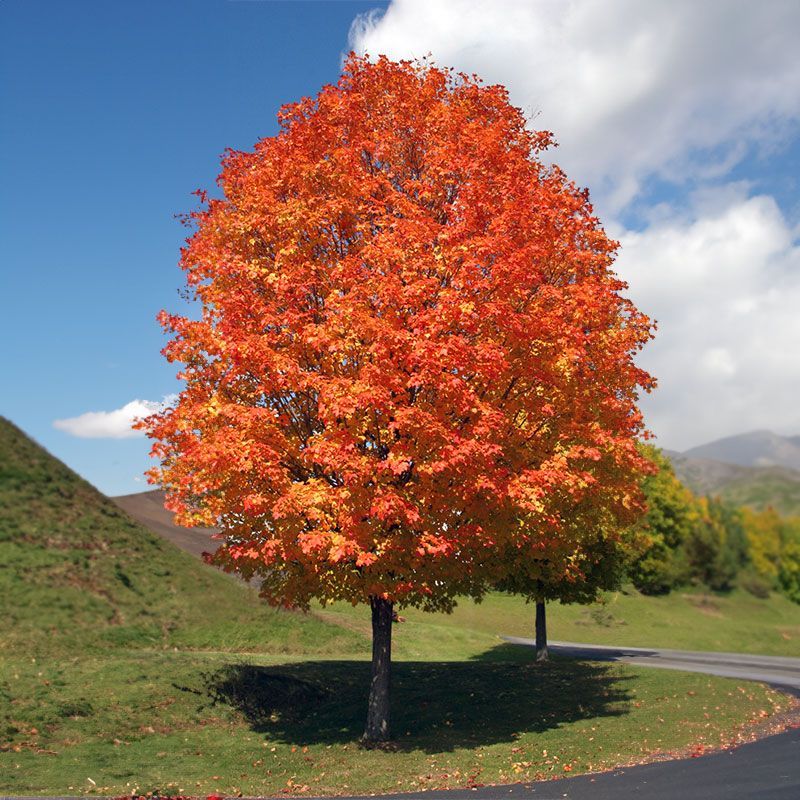
If you want a tree that puts on a show every single fall, the Red Maple is your answer. This Pennsylvania native is famous for its blazing red and orange leaves that light up the whole yard each autumn.
It grows quickly, often adding up to 3 feet in a single year, so you will not be waiting long to enjoy its beauty.
Red Maples are incredibly adaptable. They grow well in wet areas, dry spots, clay soils, and sandy soils.
That flexibility makes them one of the most popular landscaping trees across Pennsylvania. They can reach heights of 40 to 70 feet, making them excellent shade trees for larger yards and open spaces.
Wildlife absolutely love this tree. Birds nest in its branches, and its early spring flowers provide pollen for bees before most other trees have even budded.
The seeds, called samaras or “helicopter seeds,” are a favorite food for squirrels and small mammals throughout Pennsylvania.
Planting a Red Maple is straightforward. Choose a spot with full sun to partial shade and give it plenty of room to spread.
Water it regularly during its first two years to help it get established. Once it takes root, it becomes remarkably self-sufficient and low-maintenance.
One fun fact: the Red Maple is actually one of the most common trees found across the entire eastern United States. In Pennsylvania especially, it thrives in both rural forests and suburban neighborhoods. It is a classic choice that never goes out of style.
2. Eastern Cottonwood
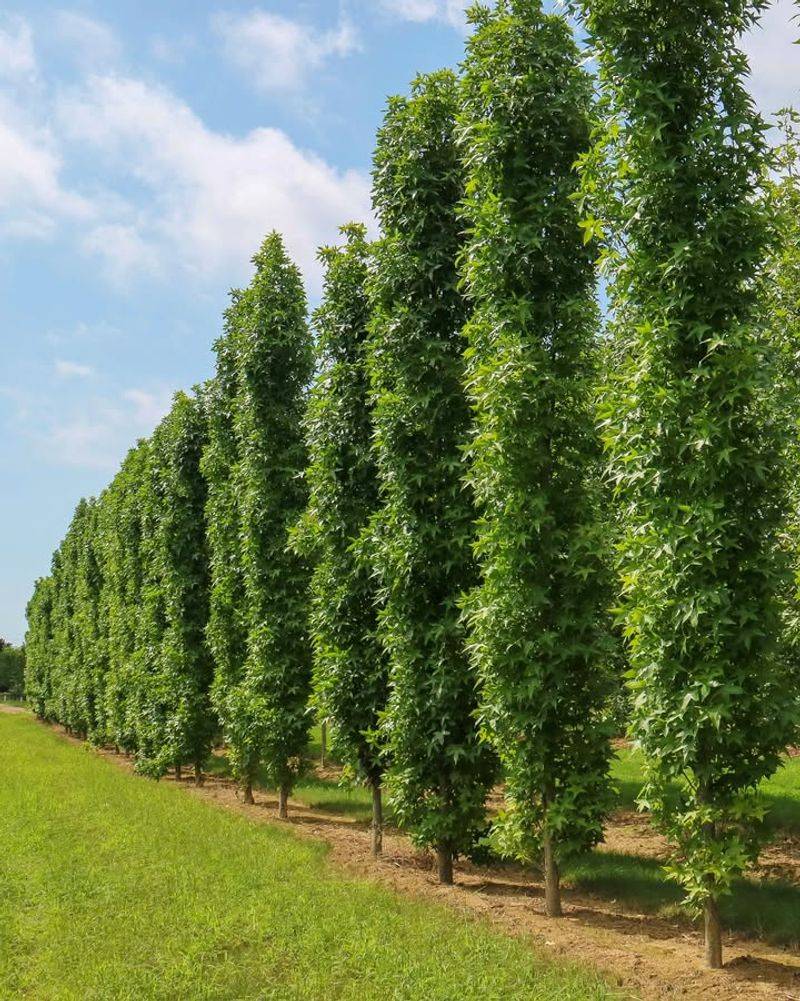
Speed is the Eastern Cottonwood’s superpower. Few trees in Pennsylvania can match its incredible growth rate of 5 to 8 feet per year under ideal conditions.
If you want fast shade and a dramatic landscape presence, this tree delivers in a way that few others can.
Eastern Cottonwood loves water. Plant it near a pond, stream, or low-lying area in your yard and watch it take off.
Its roots actively seek out moisture, which makes it a natural choice for Pennsylvania properties with drainage challenges or wet spots that other trees struggle with.
Your Pennsylvania Garden Changes Every Week. Your Plan Should Too.
Gardening in Pennsylvania changes quickly throughout the season. Every Friday you’ll receive a simple weekly plan showing exactly what to plant, prune, fertilize, harvest, and protect so you never miss the right timing.
The leaves of this tree are something special. They are triangular and glossy green, and they shimmer and rustle beautifully in even the lightest breeze.
In late spring, female trees release cottony white seeds that float through the air like tiny snowflakes. It is a magical sight, though some homeowners prefer planting male trees to avoid the fluffy seed fluff.
Birds and insects rely heavily on Eastern Cottonwood throughout Pennsylvania. Orioles, woodpeckers, and many songbirds use it for nesting and foraging.
Its bark provides shelter for beetles and other insects that form the base of the food chain in local ecosystems.
One thing to keep in mind is that this tree grows large, sometimes reaching 100 feet tall. Always plant it away from buildings, power lines, and underground pipes.
Give it open space to grow freely. When planted correctly, the Eastern Cottonwood becomes a stunning, wildlife-rich centerpiece in any Pennsylvania landscape for generations to come.
3. Silver Maple
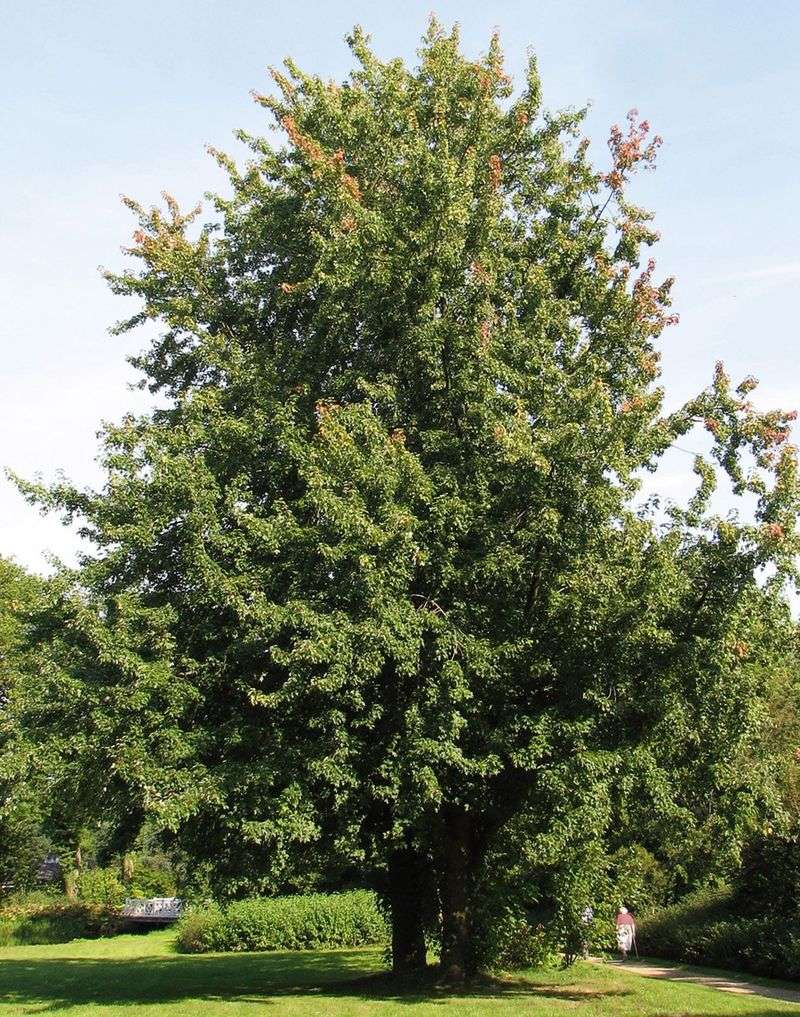
Flip a Silver Maple leaf over and you will see something surprising: the underside is a soft, shimmery silver-white. When the wind blows through a Silver Maple, the leaves flutter and catch the light in a way that looks almost magical.
That two-toned leaf effect is one of the reasons Pennsylvania gardeners have loved this tree for generations.
Growth speed is another big reason to choose Silver Maple. It can grow 3 to 5 feet per year, making it one of the fastest-growing native trees in Pennsylvania.
Within just a decade, you can have a full, mature-looking tree providing deep, cooling shade across your lawn or garden.
Silver Maples prefer moist soils and do especially well near streams, ponds, or in low-lying areas of your yard. They are not picky about soil type, which makes them a reliable choice across many different Pennsylvania properties.
They can reach 50 to 80 feet in height and spread just as wide, so plan accordingly when choosing a planting spot.
One honest consideration: Silver Maple branches can be somewhat brittle and may break during heavy ice or wind storms. Planting it away from your home and parking areas is a smart move.
Regular pruning as the tree matures helps keep it strong and well-shaped over the years. Wildlife benefit tremendously from Silver Maple. Its early spring flowers bloom before most other trees, giving bees and other pollinators a critical early food source.
Squirrels, birds, and small mammals all use this Pennsylvania native throughout the year for food and shelter.
4. Black Willow
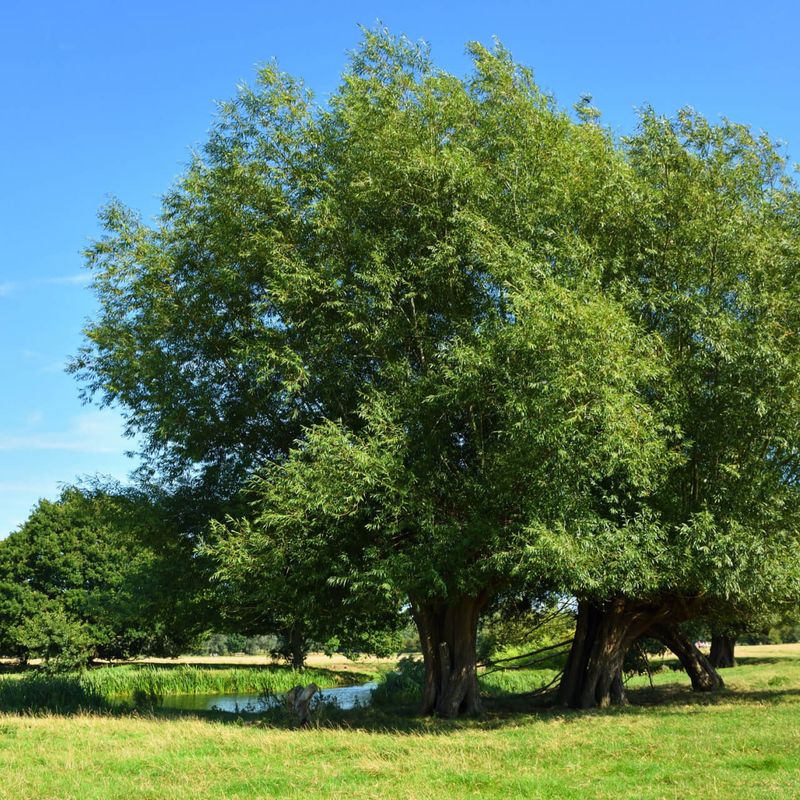
There is something quietly poetic about a Black Willow growing along the edge of a Pennsylvania pond or stream. Its long, narrow leaves drape and sway in the breeze, creating a peaceful, almost meditative atmosphere.
This tree has a personality all its own, and once you plant one, you will wonder why you waited so long.
Black Willow is the largest native willow species in North America, and it grows fast. Expect 3 to 8 feet of new growth per year under the right conditions.
It thrives in wet and moist soils, making it a perfect solution for soggy areas of your Pennsylvania property where other trees simply refuse to grow.
Beyond its good looks, Black Willow is an ecological powerhouse. Its roots stabilize stream banks and prevent erosion, which is a serious benefit in Pennsylvania where heavy spring rains can wash away soil.
Planting it near water features or along drainage channels protects your land while adding beauty.
Birds are especially fond of this tree. More than 100 species of caterpillars feed on willow leaves, which in turn attracts birds by the dozens to your yard. It is one of the most wildlife-supportive trees you can plant anywhere in Pennsylvania.
Black Willow does best in full sun and needs consistent moisture. It is not the best choice for dry upland sites, but in the right spot it is almost impossible to stop.
Cuttings root very easily, which means you can even propagate new trees from branches of an existing one. That is a pretty handy trick for expanding your Pennsylvania garden over time.
5. Tulip Poplar
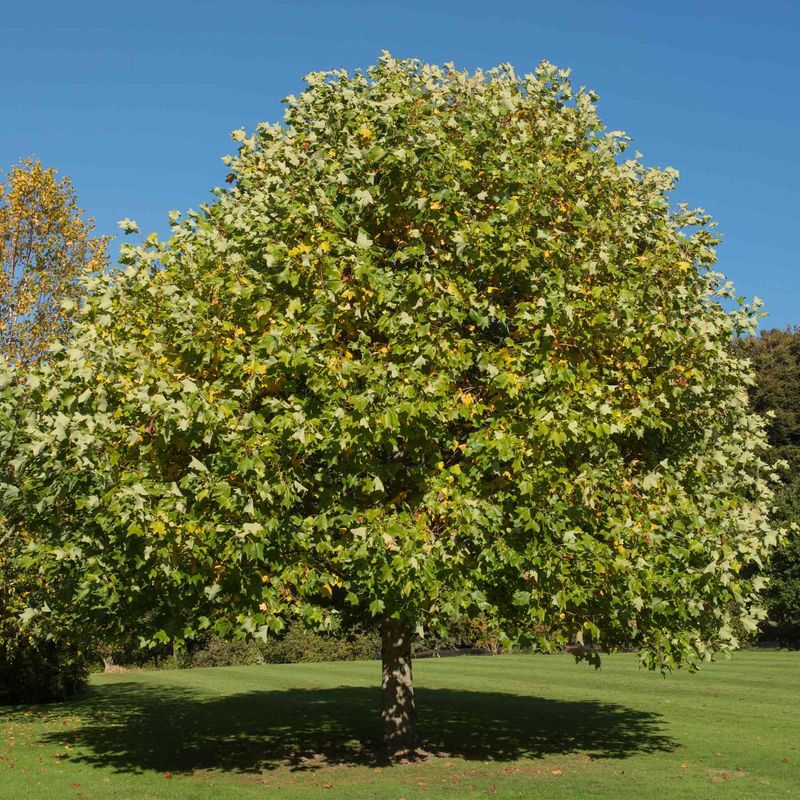
Imagine a tree so beautiful that it produces flowers that look exactly like tulips. That is the Tulip Poplar, and it is one of the most visually stunning native trees you can grow in Pennsylvania.
In late spring, the upper branches fill with yellow-green blooms with orange centers, attracting hummingbirds and bees in impressive numbers.
Tulip Poplar is also one of the tallest native trees in eastern North America. It regularly reaches 80 to 100 feet in height, and it grows at a rate of 2 to 3 feet per year.
That combination of height and speed makes it a favorite for Pennsylvania homeowners who want a grand, statement-making tree in their landscape.
The leaves of this tree are just as unique as the flowers. They have a distinctive four-lobed shape that looks almost like someone cut a maple leaf with a cookie cutter.
In autumn, those leaves turn a rich golden yellow, adding one more seasonal display to this already impressive tree.
Tulip Poplar prefers deep, moist, well-drained soils and full sun. It does not do well in wet or compacted soils, so choose your planting spot carefully.
Once established in the right location across Pennsylvania, it grows with almost no extra care or fuss from you.
One quirky historical note: Tulip Poplar wood was prized by early American settlers for building log cabins and canoes because of its straight grain and light weight.
Today, it is still used in furniture and musical instruments. Planting one connects your Pennsylvania garden to a rich and fascinating natural history.
6. Serviceberry
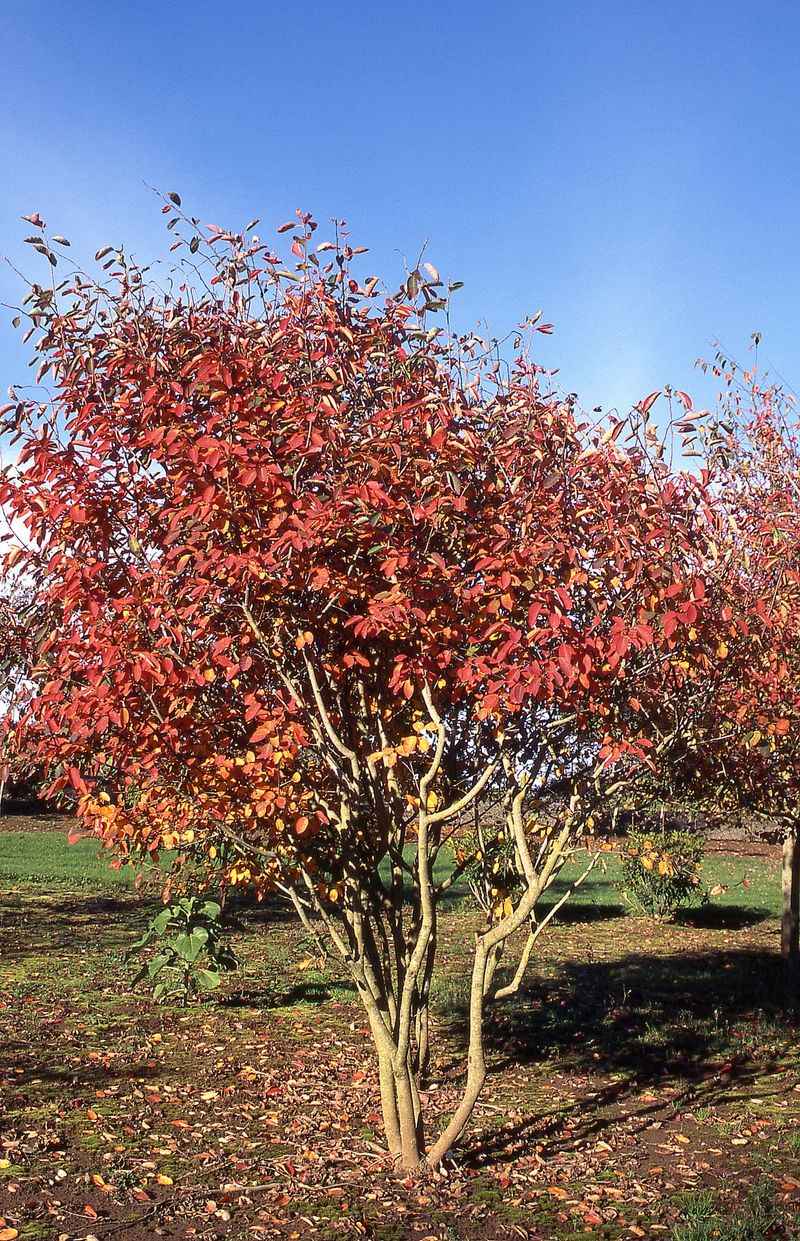
Early spring in Pennsylvania means one thing for Serviceberry fans: a spectacular show of white blossoms before almost any other tree has woken up from winter.
Sometimes called Shadbush or Juneberry, this native tree is a true seasonal signal that warmer days are finally here. It is cheerful, reliable, and endlessly rewarding to grow.
Serviceberry is a smaller tree compared to others on this list, typically growing 15 to 25 feet tall. That makes it a fantastic option for smaller Pennsylvania yards, narrow planting strips, or spots near the house where a towering tree would be too much.
It grows about 1 to 2 feet per year and has a naturally elegant, multi-stemmed form. The berries that follow the spring flowers are edible and delicious. They ripen in June and taste something like a blueberry with a hint of almond.
Birds go absolutely wild for them, so you will likely be sharing your harvest with robins, cedar waxwings, and other Pennsylvania songbirds. That is not a bad trade for the wildlife activity it brings to your yard.
Fall color is another bonus. Serviceberry leaves turn shades of orange, red, and yellow, giving Pennsylvania gardens a second seasonal display after the spring flowers. It truly earns its keep through all four seasons without demanding much in return.
Plant Serviceberry in full sun to partial shade in well-drained soil. It tolerates a range of soil types and is resistant to most pests and diseases.
For Pennsylvania gardeners looking for a low-effort, high-reward native tree, Serviceberry is an easy and enthusiastic recommendation.