The 10 Climbing Plants That Will Cover California Fences In A Flash
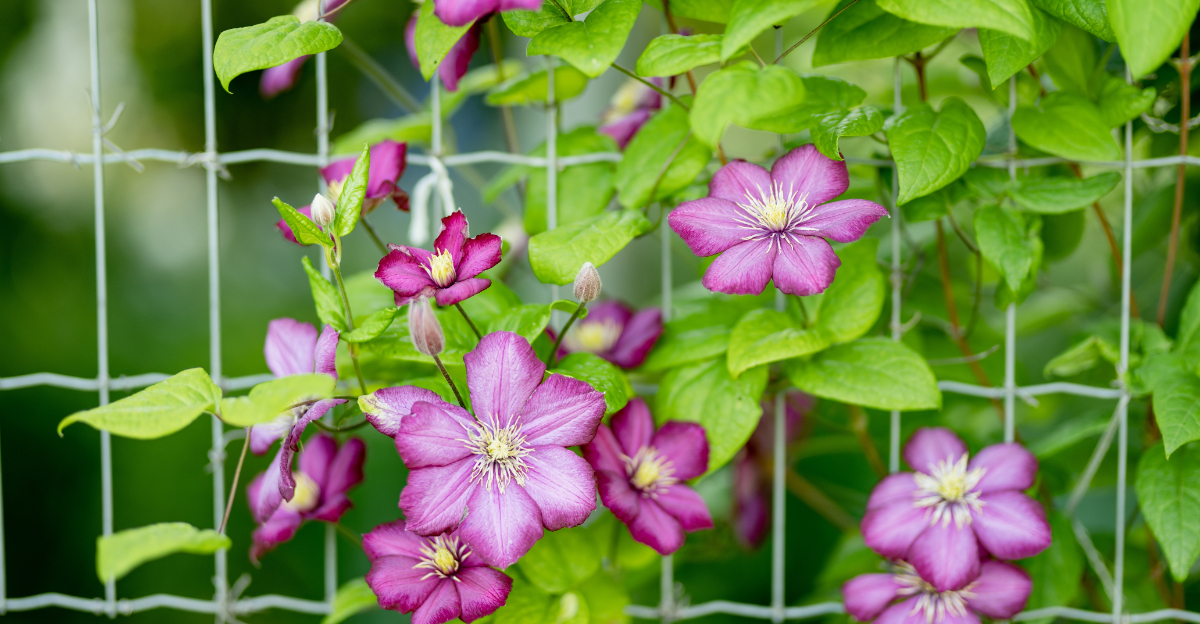
Looking to turn your California fence into a lush, green masterpiece? The right climbing plants can completely transform your yard, adding beauty, privacy, and a touch of nature’s charm in no time.
Maybe you’re seeking for vibrant flowers, bold foliage, or fast-growing greenery, these climbing plants are perfect for quickly covering a fence and making your garden pop.
Some of these climbers are so fast-growing, they’ll quickly wrap around your fence, creating a dense, vibrant barrier. Others bring lovely blooms or a beautiful texture, making them the perfect addition to any garden.
The best part? Most of them thrive in California’s warm climate and can handle the occasional dry spell.
If you’re ready to fill in your fence with eye-catching greenery, these climbing plants will get the job done, fast.
1. Star Jasmine
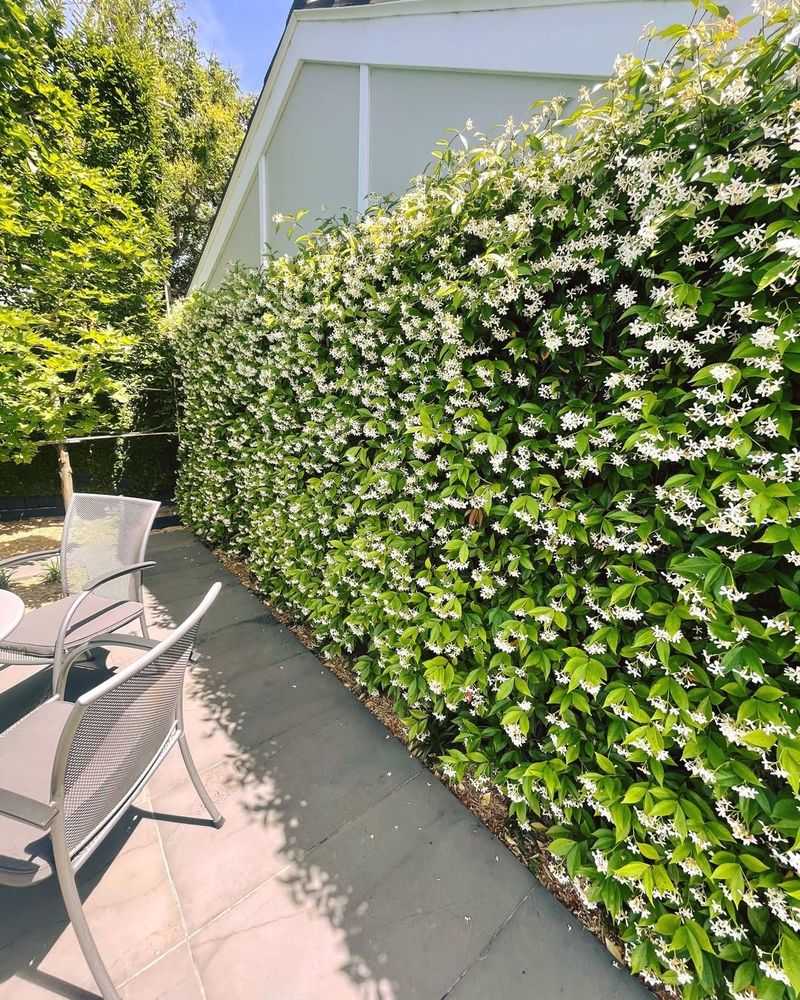
Few plants can match the charm of Star Jasmine when it comes to covering a California fence quickly and beautifully. Its glossy, dark green leaves stay on all year long, and in spring, it bursts into clusters of tiny white flowers that smell absolutely amazing.
Neighbors will stop to ask what that sweet scent is.
Star Jasmine, also known as Trachelospermum jasminoides, grows well in full sun or partial shade, which makes it very flexible for different spots in your yard.
Once it gets settled in, it becomes drought-tolerant, which is a huge bonus in California where water conservation matters.
It is also low-maintenance compared to many other vines.
To get the best coverage, give it a trellis or wire support along your fence so the stems have something to grab onto. Water it regularly during the first year to help the roots establish.
After that, it practically takes care of itself. Growth speeds up noticeably in warmer months, and over time it can spread several feet wide.
For California gardeners who want beauty without a lot of fuss, Star Jasmine is a top pick.
2. Carolina Jessamine
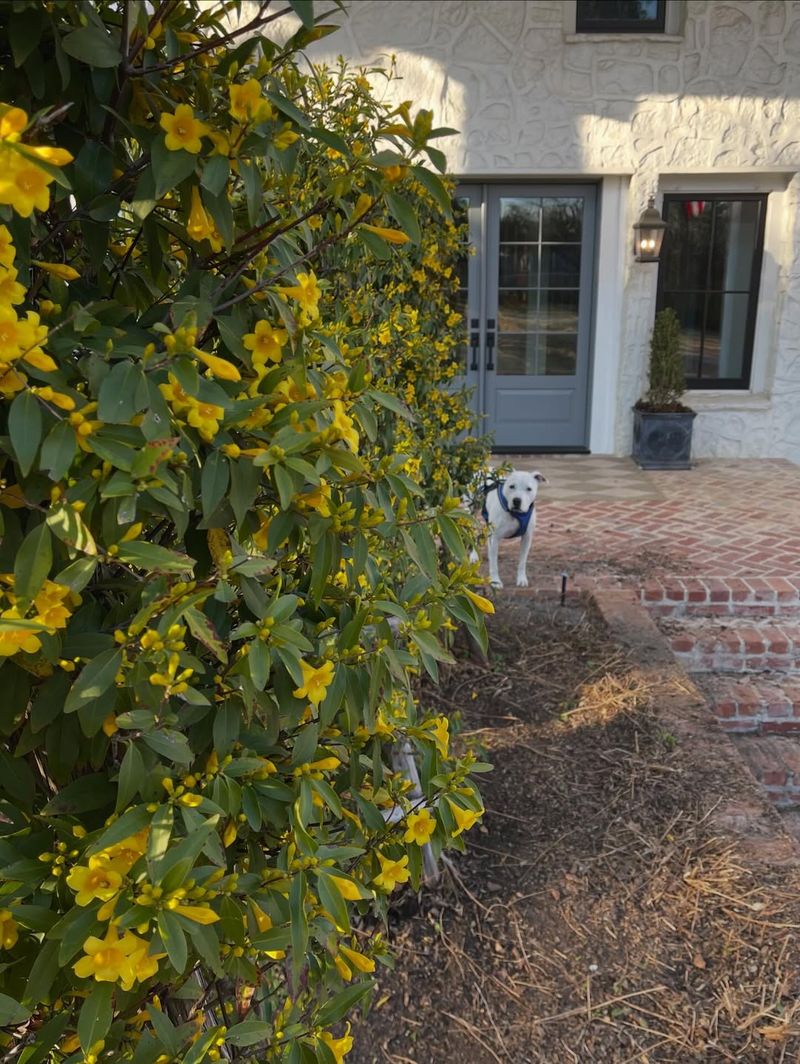
Bright yellow flowers, a sweet fragrance, and a fast-growing habit make Carolina Jessamine one of the most cheerful fence climbers you can plant in California.
It blooms in late winter to early spring, which means you get a burst of color right when most other plants are still waking up.
That early show is hard to beat.
Carolina Jessamine, or Gelsemium sempervirens, is an evergreen vine that holds its leaves year-round. It thrives in full sun to partial shade and handles a range of soil types without much fuss.
In many California climate zones, it grows vigorously and can cover a fence within a couple of growing seasons.
One thing to keep in mind is that all parts of this plant are toxic if eaten, so it is best to plant it in spots away from young children and pets. That said, it is a fantastic choice for decorative fences, garden walls, and trellises.
Give it something to climb and it will reward you with gorgeous blooms every year. Pair it with a sturdy support system and regular light pruning to keep it looking neat and full.
Your California Garden Changes Every Week. Your Plan Should Too.
Gardening in California changes quickly throughout the season. Every Friday you’ll receive a simple weekly plan showing exactly what to plant, prune, fertilize, harvest, and protect so you never miss the right timing.
3. Hardenbergia
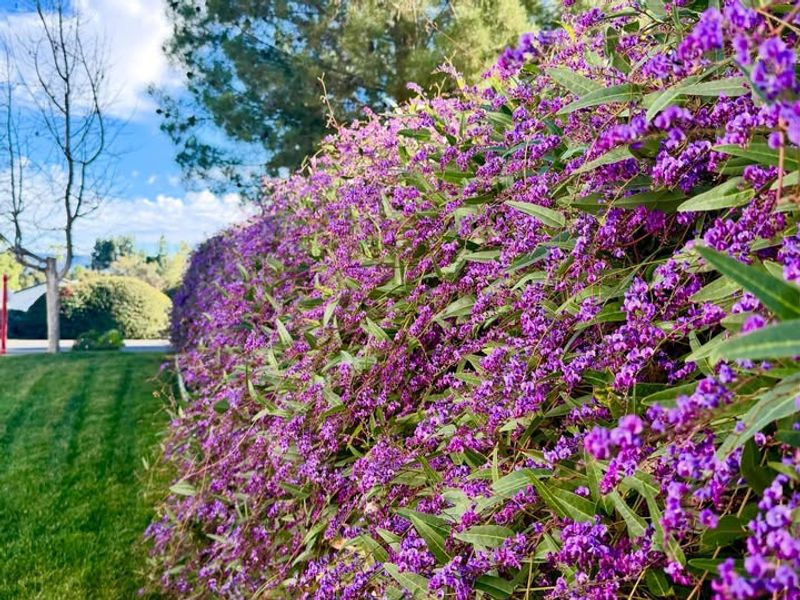
Not every vine gets to bloom in the middle of winter, but Hardenbergia does exactly that. Also called Purple Coral Pea, this Australian native produces cascading clusters of small purple, pink, or white flowers from late winter into early spring.
It is a real standout when most California gardens are quiet and still.
Hardenbergia violacea is an evergreen twining vine that grows quickly once established. It loves full sun to light shade and is well-suited to California’s Mediterranean climate.
Once it settles in, it becomes quite drought-tolerant, making it a smart choice for water-wise gardens throughout the state.
This vine does not get as heavy or aggressive as some other climbers, which makes it easier to manage along fences and trellises. It reaches about 6 to 10 feet in height, which is perfect for covering a standard garden fence without going overboard.
Feed it with a light fertilizer in spring to encourage strong growth and more blooms. Hardenbergia also attracts hummingbirds and butterflies, adding even more life to your outdoor space.
For California gardeners who want something a little different, this vine is a wonderful and reliable choice.
4. Chocolate Vine
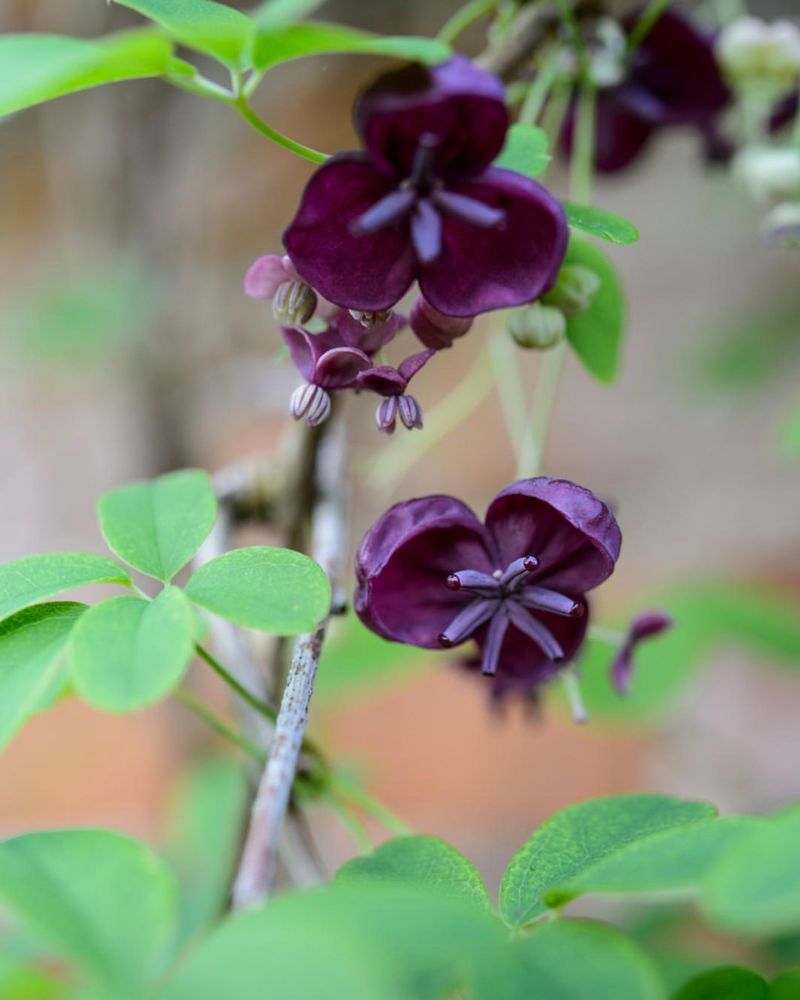
Imagine a vine that smells faintly like chocolate and covers your fence with unusual, drooping purple flowers every spring. That is exactly what the Chocolate Vine, or Akebia quinata, brings to the table.
It is one of those plants that makes visitors stop and take a second look.
This semi-evergreen climber is vigorous and fast-growing, often reaching 20 to 40 feet if left unchecked. In California’s mild climate, it can grow year-round and provide dense coverage along fences, walls, and trellises.
It handles full sun to partial shade well, and once established, it requires very little extra watering.
Because it grows so eagerly, regular pruning is important to keep it from taking over neighboring plants or structures. Trim it back after flowering to maintain the shape you want.
The good news is that pruning actually encourages more lush growth. Chocolate Vine also produces interesting fruit pods in late summer, adding another layer of visual interest to your garden.
If you want a fast-growing, conversation-starting vine that thrives in California’s warm conditions, this one checks every box. Just stay on top of the trimming and it will reward you generously.
5. Evergreen Clematis
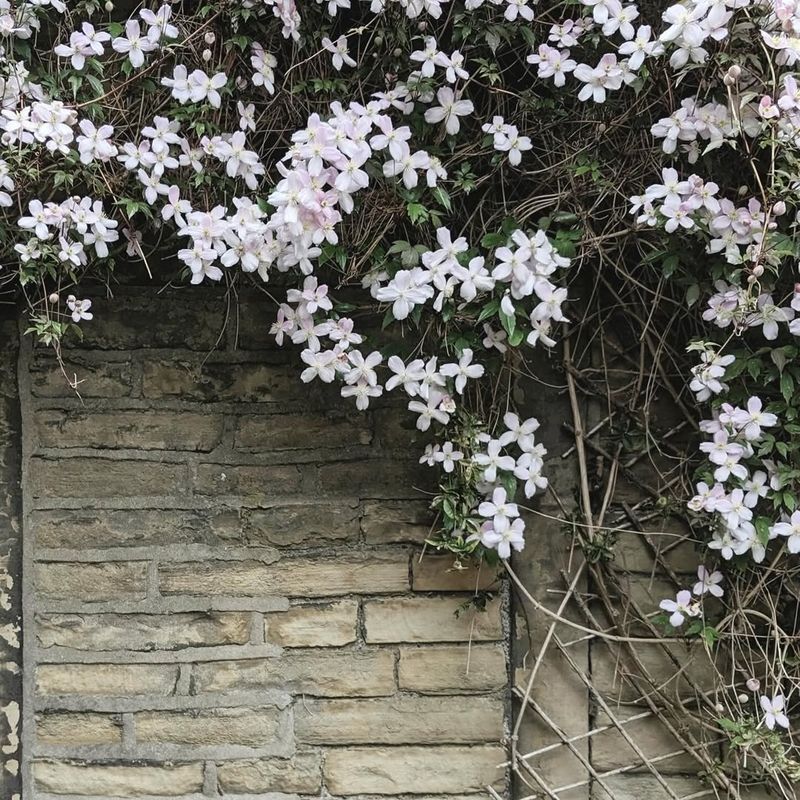
When people think of clematis, they often picture big showy blooms, but Evergreen Clematis has its own quiet kind of beauty.
Clematis armandii produces masses of small, creamy white flowers in early spring, and the sweet vanilla-like scent can fill an entire backyard.
It is the kind of plant that makes you want to spend more time outside.
Unlike many clematis varieties, this one keeps its leaves all year, which means your fence stays covered with lush, dark green foliage even in winter. It grows quickly in California’s warm climate and can spread 15 to 20 feet or more with the right support.
Full sun to partial shade works well for this vine.
Plant it near a sturdy trellis or wire fence and give it room to spread. It climbs by wrapping its leaf stems around supports, so a structure with thin wires or slats works best.
Water it consistently during the first growing season to help roots establish deeply. After that, it becomes fairly self-sufficient.
Prune it right after flowering to control its size and encourage fresh growth for the next season. For California fence coverage that looks great all twelve months of the year, Evergreen Clematis is a smart and rewarding choice.
6. Climbing Hydrangea
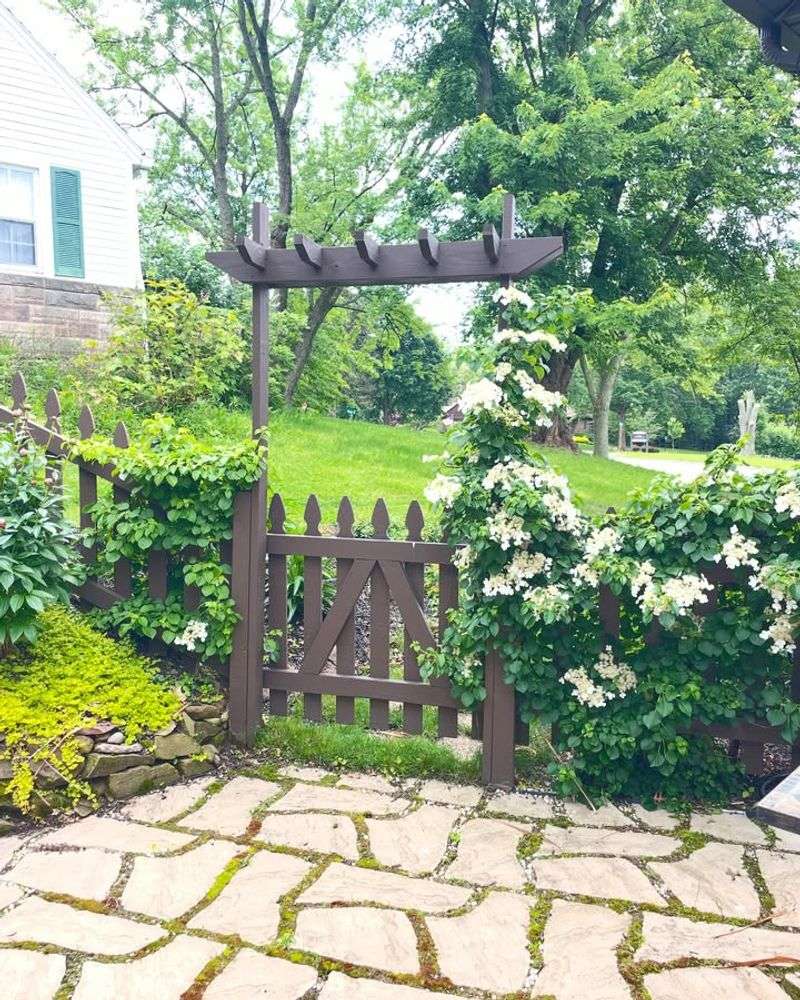
Most hydrangeas grow as shrubs, but Climbing Hydrangea takes things vertical in the best possible way. Hydrangea anomala petiolaris clings to fences, walls, and trellises using small aerial roots, and in early summer it produces large, flat clusters of white flowers that look absolutely stunning.
It is one of those plants that makes a fence look like a work of art.
This vine is a great option for shadier spots in California gardens where other fast-growing climbers might struggle. It prefers partial to full shade and moist, well-drained soil.
While it is slower to establish than some other vines on this list, once it takes hold, it grows with real confidence and determination.
Patience pays off with Climbing Hydrangea. The first couple of years may seem slow, but by year three or four, growth really picks up.
It can eventually reach 30 to 50 feet, so it is well-suited for larger fences or garden walls. In California coastal areas where humidity is higher, it tends to thrive especially well.
Keep the soil consistently moist during hot months and add a layer of mulch to help retain moisture. The long-term payoff is a lush, flowering fence that looks incredible season after season.
7. Passionflower (Non-Invasive Types Only)
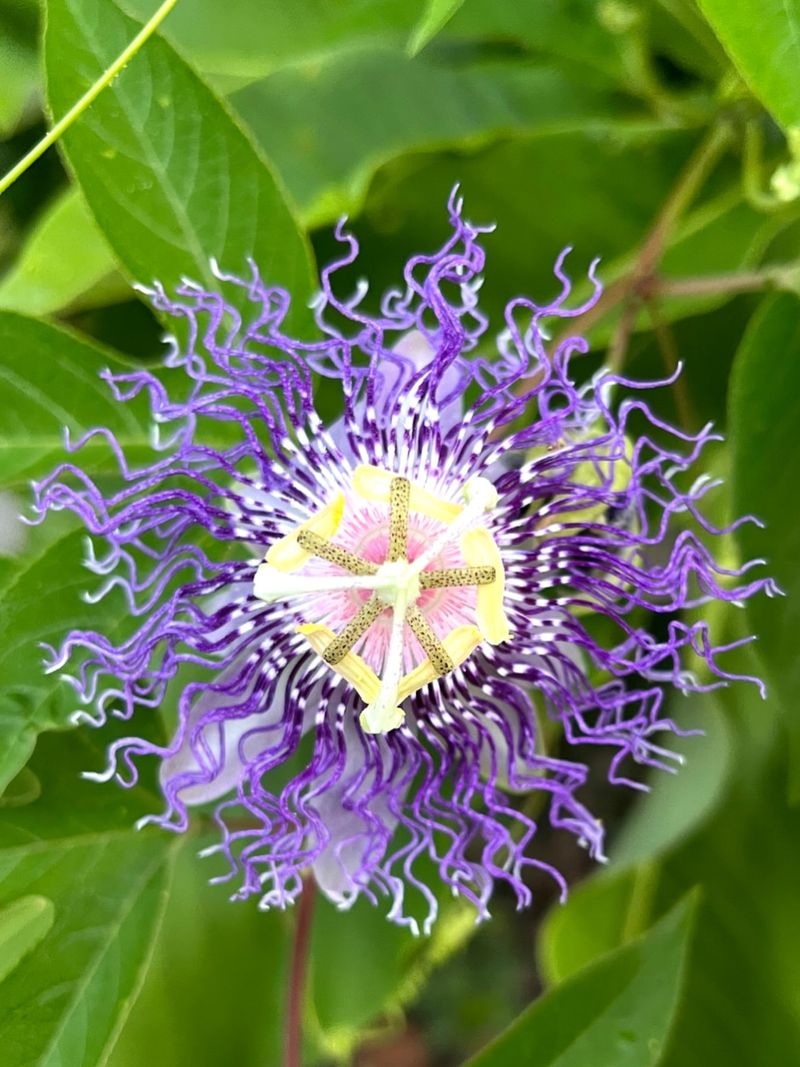
There is nothing quite like a Passionflower bloom. The flowers look almost too exotic to be real, with their intricate purple and white petals arranged around a striking center.
Growing this vine on a California fence is like adding a piece of the tropics right to your own backyard.
For California gardens, it is best to choose non-invasive varieties like Passiflora incarnata or California native types. These grow fast and cover fences quickly without spreading aggressively into areas where they are not wanted.
They thrive in full sun and warm temperatures, making them a natural fit for many parts of the state.
Passionflower also attracts Gulf Fritillary butterflies, which use it as a host plant for their caterpillars. Watching butterflies visit your fence regularly is a genuine bonus.
The vine produces small edible fruits in late summer that are a sweet treat for wildlife and humans alike. Give it a sturdy trellis or chain-link fence to climb and it will fill in fast.
Trim back any overly long stems in late winter to keep growth tidy and encourage fresh blooms. For a fence that looks wild, colorful, and full of life, Passionflower delivers every single time.
8. Scarlet Runner Bean
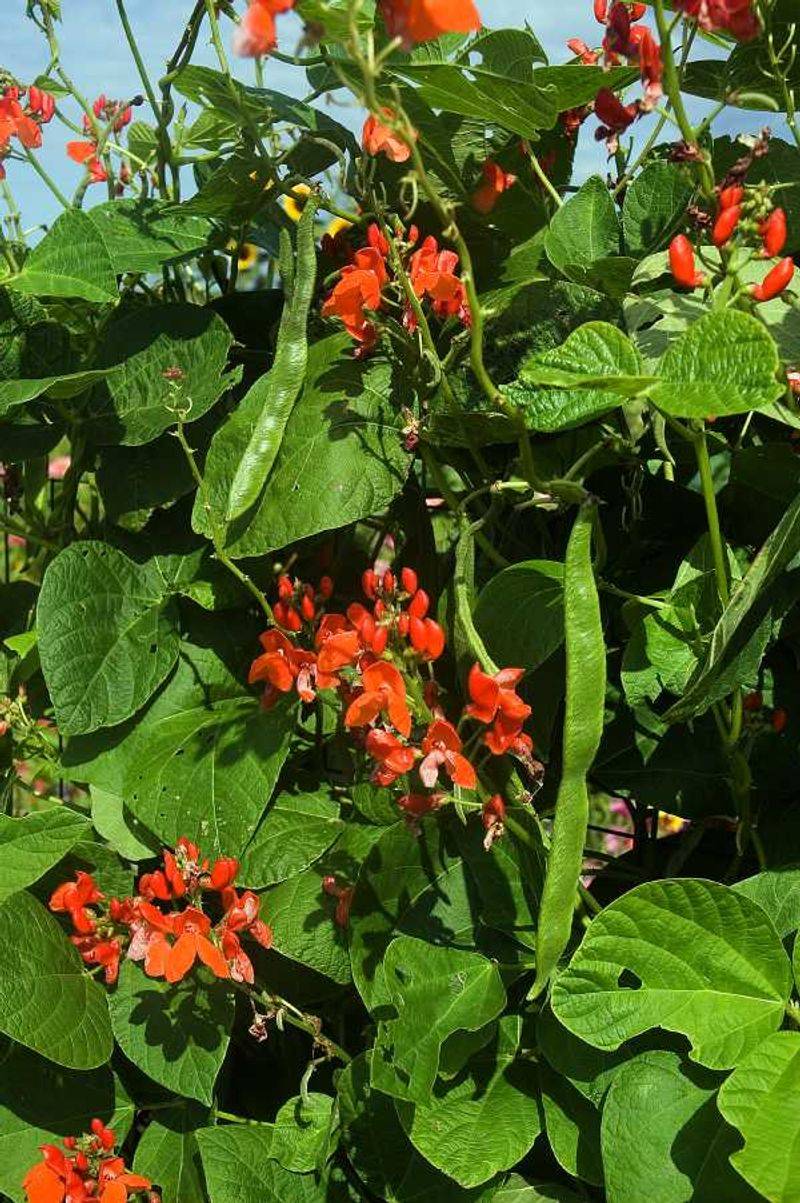
Want a vine that covers your fence fast AND gives you something to eat? Scarlet Runner Bean is the answer.
This hardworking climber shoots up quickly in warm weather, wrapping its stems around fences and trellises with impressive speed. By midsummer, it can be covered in bright red flowers that attract hummingbirds like a magnet.
Scarlet Runner Bean, or Phaseolus coccineus, is technically a vegetable, but it doubles as a stunning ornamental vine. The beans themselves are edible and have a rich, earthy flavor.
In California’s long growing season, you can get multiple harvests from a single planting. It loves full sun and warm soil, so plant it after the last cool spell of spring.
Start seeds directly in the ground near your fence for the fastest results. Give the vines something to twine around, like wire mesh or wooden stakes, and they will climb without much help.
Water regularly during dry spells and add compost to the soil to boost growth. By the end of summer, you will have a fully covered fence and a bowl full of fresh beans.
It is one of the most practical and satisfying fence climbers you can grow in California.
9. Black-Eyed Susan Vine
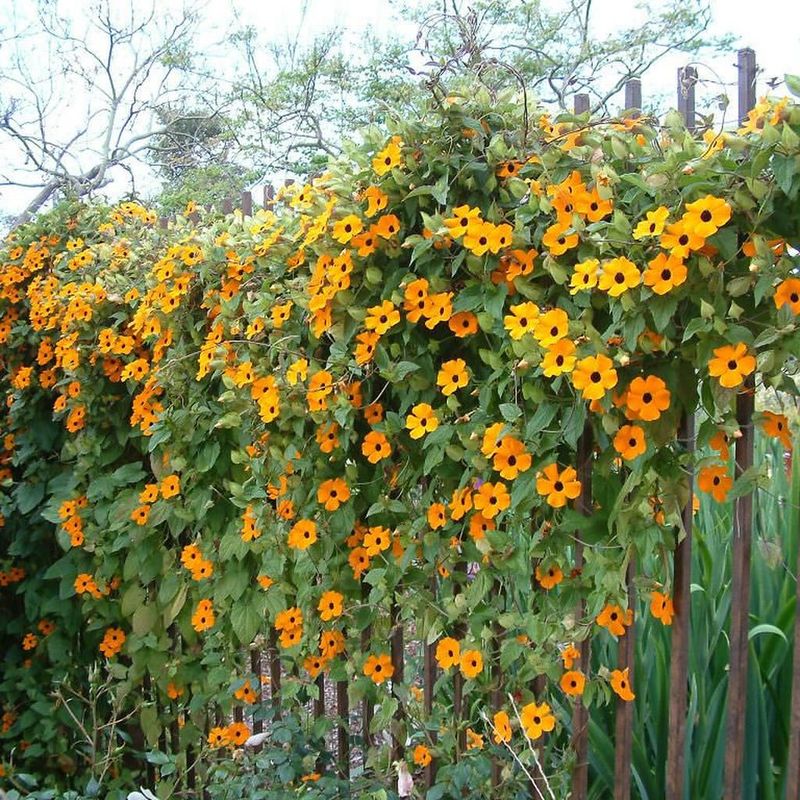
Sunny, cheerful, and incredibly fast-growing, the Black-Eyed Susan Vine is one of the most fun fence climbers you can plant in California. Thunbergia alata produces masses of golden yellow or bright orange flowers, each with a deep chocolate-brown center.
The combination is bold, happy, and impossible to ignore.
This vine grows quickly in warm weather and can cover a fence or trellis within a single growing season. It loves full sun and performs best in California’s warmer inland regions, though it does well along the coast too with enough warmth.
It is typically grown as an annual in cooler areas but may return as a perennial in frost-free parts of Southern California.
Plant it in well-drained soil and give it something to climb right from the start. It twines naturally and does not need much encouragement to start covering a fence.
Water it consistently and feed with a balanced fertilizer every few weeks to keep the blooms coming. Deadheading spent flowers encourages even more new blooms throughout the season.
If you want a fast, colorful solution for a bare fence in California, this vine brings maximum visual impact with minimal effort. It is simple, joyful, and genuinely satisfying to grow.
10. Pink Trumpet Vine
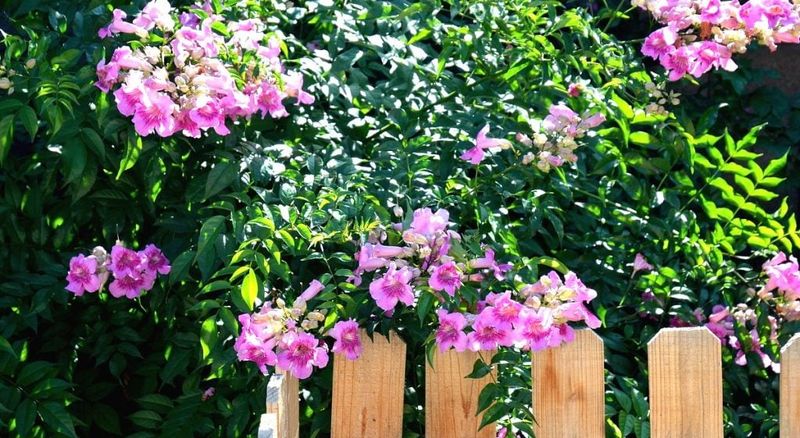
Bold, fast, and absolutely gorgeous, the Pink Trumpet Vine is a showstopper for California fences. Podranea ricasoliana produces clusters of large, soft pink trumpet-shaped flowers with darker pink veining throughout the summer and fall.
The blooms are big enough to stop you in your tracks every time you walk by.
This South African native thrives in California’s warm, sunny climate and grows vigorously once established. It handles heat well, which makes it a great fit for inland valleys and Southern California gardens.
Give it a strong fence or sturdy trellis because it gets heavy as it matures and needs solid support to hold all that lush growth.
Pink Trumpet Vine is semi-evergreen in mild California winters, meaning it keeps most of its leaves and comes back strong each spring. Prune it hard in late winter to control its size and encourage a fresh flush of growth and flowers for the coming season.
It is drought-tolerant once established, which is a real advantage in California’s dry summers. Plant it in full sun for the best flowering results.
If you want a vine that makes your fence look like something out of a magazine, Pink Trumpet Vine is the one to plant.