How To Grow Onions In Containers In California For Fresh Harvests Anytime
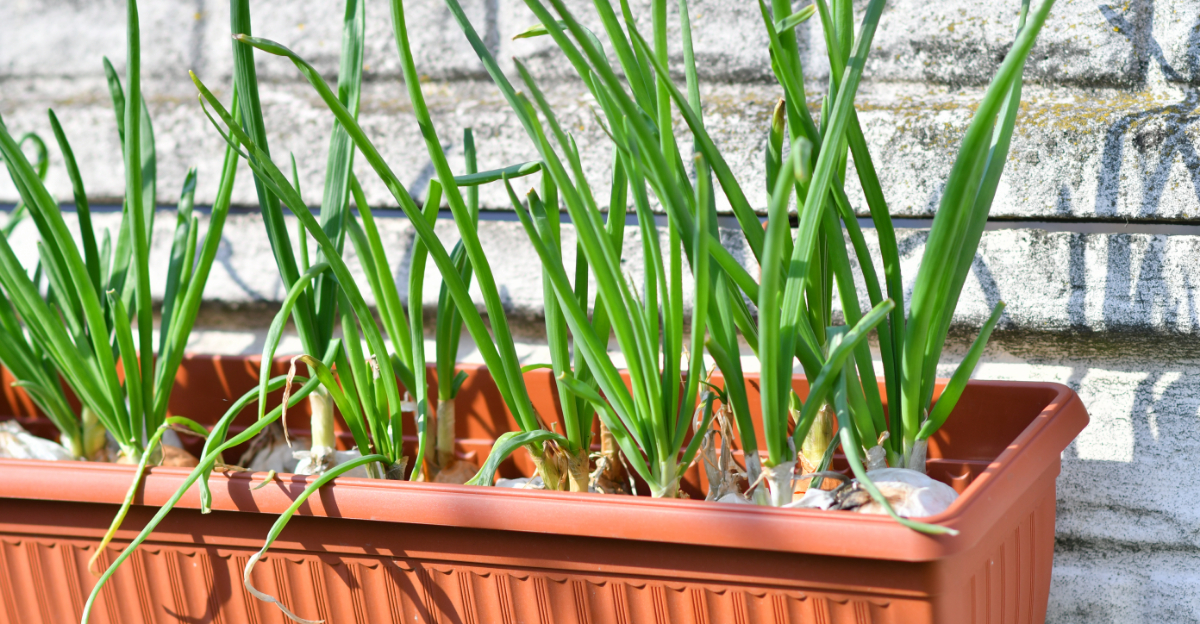
Growing onions in containers sounds like one of those ideas that seems almost too simple to be worth the trouble, right up until you pull it off and wonder why you did not start sooner.
For California gardeners, it can be a smart way to keep fresh onions close by without giving up precious garden space or dealing with soil that never quite behaves.
A container can sit on a patio, tuck into a sunny corner, or join the rest of your edible lineup without much fuss. That convenience is part of the charm, but onions still need the right start to stay sturdy, flavorful, and productive over time.
A pot full of thin, struggling tops is not the goal here. You want the kind of container harvest that makes dinner prep feel satisfying.
A few setup details make all the difference, and getting them right early can save disappointment.
1. Choose The Right Onion Type For Your Region
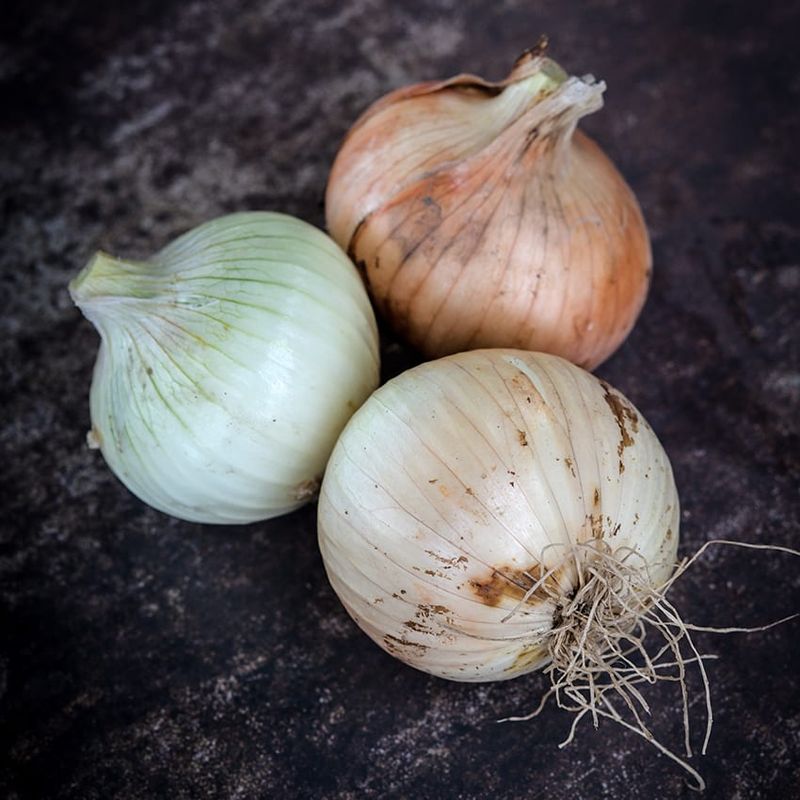
Not all onions are created equal, and picking the wrong type can mean a disappointing harvest before you even get started. California is a big state with a wide range of climates, so matching your onion variety to your local region is one of the smartest moves you can make as a container gardener.
Southern California gardeners, especially in areas like Los Angeles and San Diego, should look for short-day varieties. These onions form bulbs when daylight hours are shorter, making them perfect for the mild winters found in the south.
Popular picks include Texas Grano 1015 and Red Creole, both of which produce sweet, flavorful bulbs that do beautifully in containers.
In much of Northern and coastal California, including places like the Bay Area, intermediate-day onions are often the better choice, while long-day varieties are better suited to farther north. Walla Walla and Yellow Sweet Spanish are excellent choices that take full advantage of those extended daylight hours.
These varieties tend to grow large, juicy bulbs that store well too.
For those living in the Central Valley or other middle regions of California, intermediate-day varieties like Copra or Stuttgarter hit the sweet spot. They are reliable, consistent producers that adapt well to shifting seasonal temperatures.
If you are mainly after green onions rather than bulbs, compact varieties like Evergreen Bunching or White Lisbon work wonderfully in smaller containers and grow quickly. Pearl onions and Paris Silverskin are also fantastic for pots because of their smaller size.
Knowing your region and choosing accordingly gives your onions the best possible start from day one.
2. Use Deep Containers With Proper Drainage
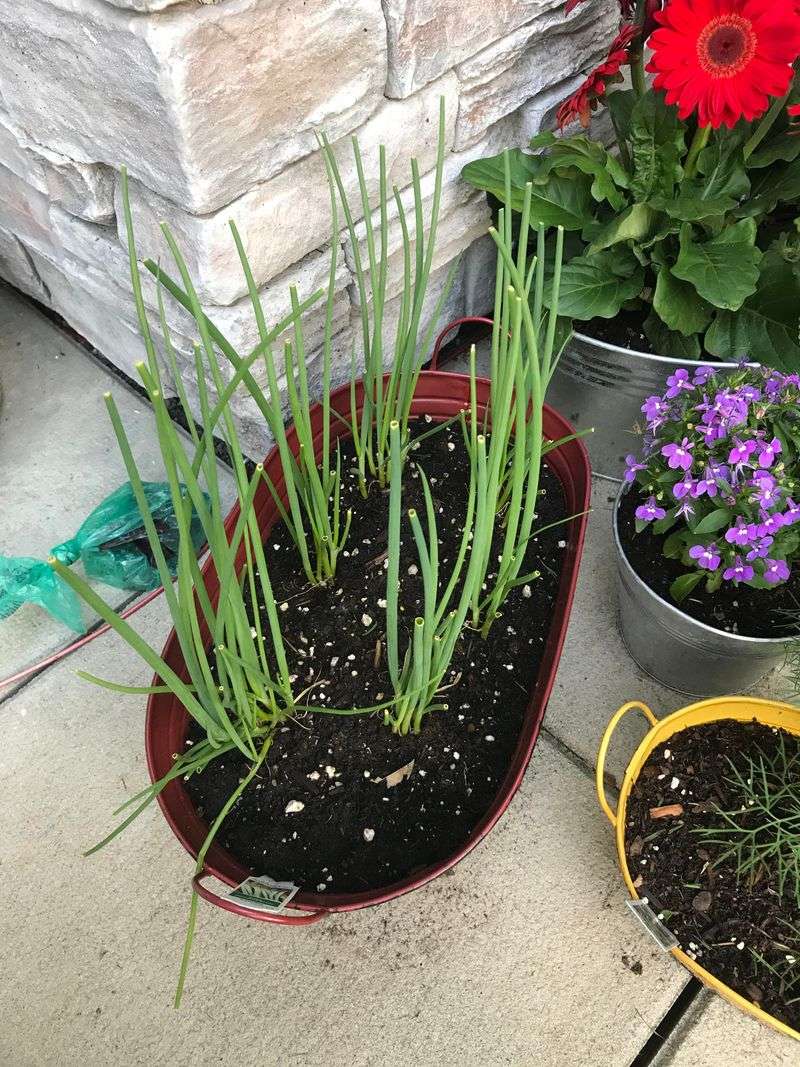
Believe it or not, the container you choose can make or break your onion harvest. Onions need room to push their roots down and, in the case of bulb onions, space to swell outward as they mature.
Skimping on container size is one of the most common mistakes beginner gardeners make.
For growing bulb onions, aim for containers that are at least 10 to 12 inches deep. A standard 5-gallon bucket works surprisingly well and can comfortably support four to six onion plants at once.
Your California Garden Changes Every Week. Your Plan Should Too.
Gardening in California changes quickly throughout the season. Every Friday you’ll receive a simple weekly plan showing exactly what to plant, prune, fertilize, harvest, and protect so you never miss the right timing.
If you want to grow a larger batch, wide rectangular planters or wooden crates give you even more planting space without taking up much extra room on a patio or balcony.
Drainage is absolutely non-negotiable. Onions sitting in soggy soil will rot quickly, so always make sure your container has multiple holes at the bottom.
If you are repurposing an old bucket or tub that lacks holes, grab a drill and add at least four to six openings. Placing a layer of gravel or broken pottery pieces at the bottom before adding soil can also help water flow freely.
Material matters too. Fabric grow bags are a popular choice among California container gardeners because they naturally air-prune roots and prevent overwatering by allowing excess moisture to evaporate through the sides.
Plastic containers are lightweight and affordable, while wooden crates add a rustic charm to any outdoor space. Whichever material you choose, just make sure it can handle the California sun without cracking or warping.
A well-chosen container sets the foundation for a truly productive growing season.
3. Fill With Loose, Well-Draining Potting Mix
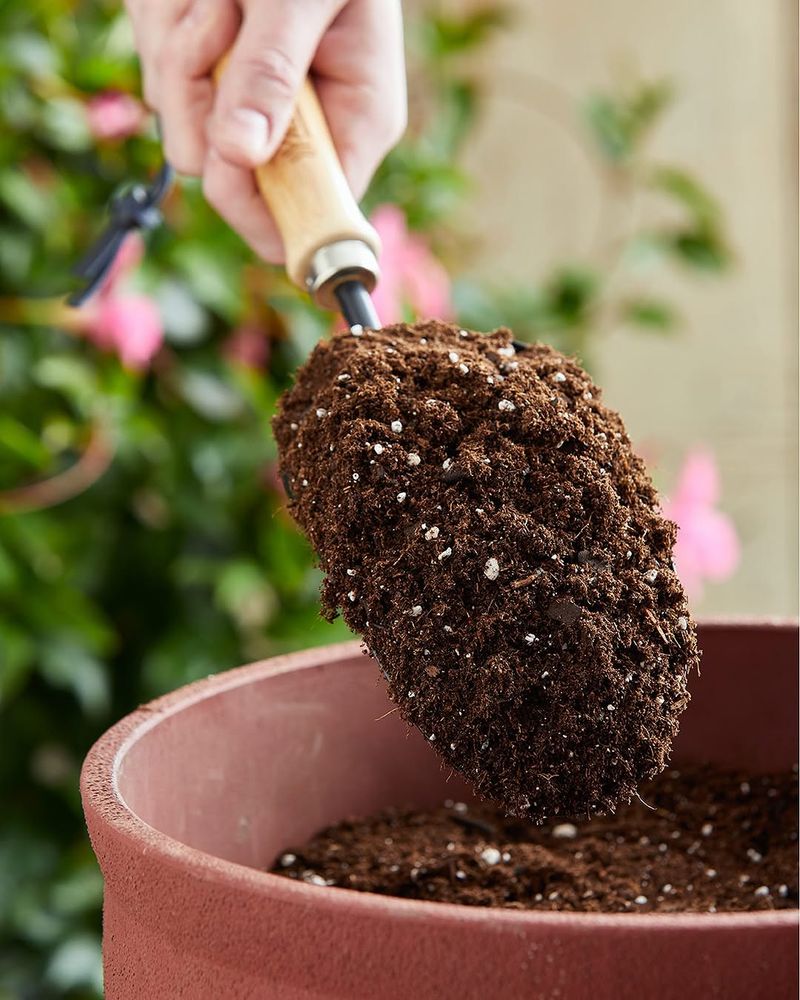
Soil quality is everything when it comes to growing onions in containers. Garden soil straight from your backyard is too dense for pots and tends to compact over time, cutting off the oxygen and drainage that onion roots depend on.
A specially prepared potting mix gives your plants the breathing room they need to thrive.
The ideal blend for container onions combines equal parts high-quality potting mix, compost, and either perlite or coarse sand. The potting mix provides a light, fluffy base.
The compost adds natural nutrients that feed your onions as they grow. Perlite or sand improves drainage and prevents the soil from becoming heavy and waterlogged after watering.
This combination creates the kind of loose, crumbly texture that onion roots love to push through.
Onions also prefer a slightly acidic to neutral soil pH, somewhere between 6.0 and 7.0. If you are unsure about your mix, an inexpensive soil pH test kit from any garden center can give you a quick answer.
In California, where tap water can sometimes be on the alkaline side, checking your soil pH before planting is a smart habit to develop.
Avoid using heavy, peat-based mixes that hold too much moisture, especially in the warmer inland areas of California where heat can already stress your plants. Refreshing your potting mix each growing season is also a good practice.
Old soil can harbor pathogens and lose its structure over time. Starting fresh or amending your existing mix with new compost each season keeps your containers productive and your onions growing strong from the very first day.
4. Provide Full Sun Exposure
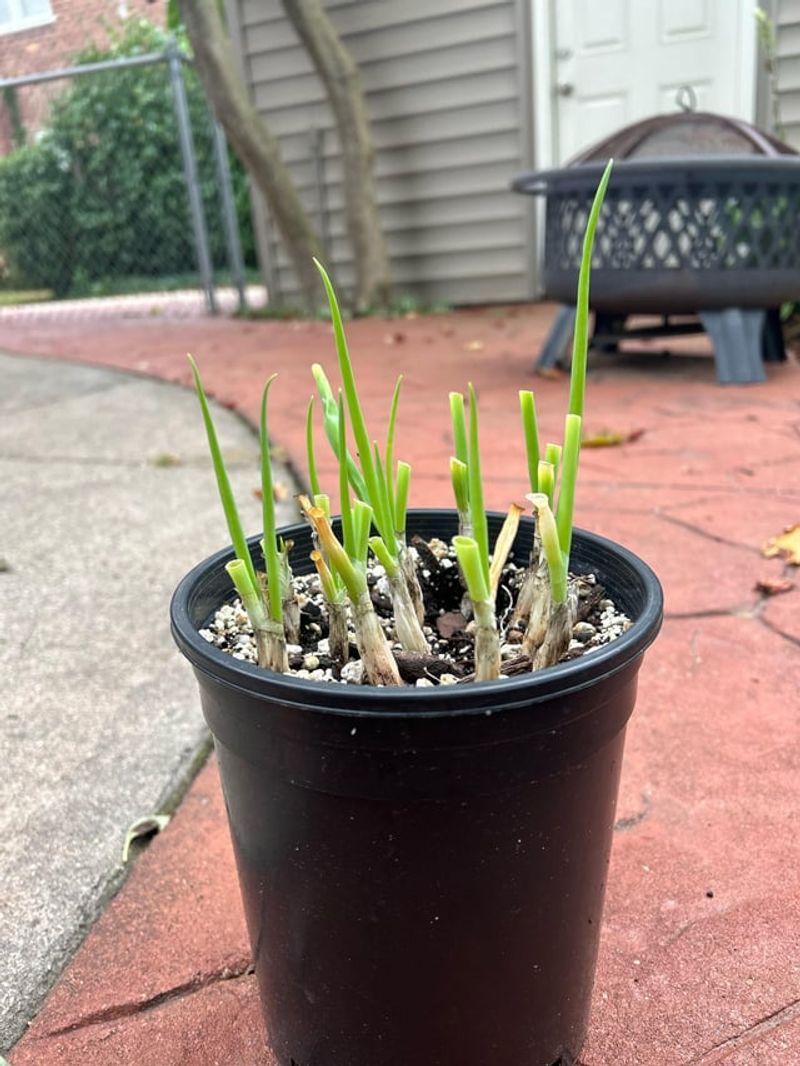
Sunlight is the fuel that powers your onion plants, and these vegetables are not shy about needing a lot of it. One of the biggest perks of container gardening in California is the ability to move your pots around to chase the best light throughout the day, giving you a level of control that in-ground gardeners simply do not have.
Onions need a minimum of six to eight hours of direct sunlight every single day to grow well. Less than that and your plants will produce thin, weak tops and tiny, underdeveloped bulbs.
In California, most regions receive abundant sunshine, making it one of the best places in the country to grow onions in containers. South-facing patios, balconies, and rooftops are ideal spots.
During the hottest summer months, especially in inland California areas like the Central Valley or Riverside, afternoon temperatures can climb above 90 degrees Fahrenheit. While onions love sun, extreme heat can stress the plants and cause premature bolting, where the plant sends up a flower stalk instead of forming a bulb.
Placing containers where they get morning sun but some light afternoon shade can help protect them during heat waves.
Rotating your containers every few days is also a helpful trick. This ensures all sides of the plant receive even light exposure, which leads to more uniform growth.
Keep an eye on surrounding walls, fences, or trees that might cast unexpected shadows as the seasons change. Onions grow best in cooler temperatures between 55 and 75 degrees Fahrenheit, so in California, fall and early spring are often the most productive growing windows for full, healthy bulbs.
5. Water Consistently Without Waterlogging
Watering onions in containers is a balancing act that takes a little practice but quickly becomes second nature. Too little water and your onions will struggle to form healthy bulbs.
Too much water and the roots will rot, putting all your hard work at risk. Finding that sweet spot is the key to a successful harvest.
A simple rule of thumb is to water when the top inch of soil feels dry to the touch. Stick your finger into the soil up to the first knuckle.
If it feels dry, it is time to water. If it still feels moist, wait another day and check again.
This method works better than watering on a fixed schedule because it responds to actual soil conditions rather than the calendar.
California’s warm and sometimes windy climate can cause containers to dry out faster than you might expect. During summer, you may find yourself watering every day or even twice a day in extremely hot weather.
Fabric grow bags, in particular, tend to dry out more quickly because of their breathable sides, so keep a closer eye on moisture levels if you are using them.
When you do water, water deeply and thoroughly until you see it draining out of the bottom holes. This encourages roots to grow downward rather than staying shallow near the surface.
Shallow roots make plants more vulnerable to heat stress, which is a real concern in many parts of California. Avoid getting water on the onion tops or leaves, as consistent moisture on the foliage can encourage fungal issues.
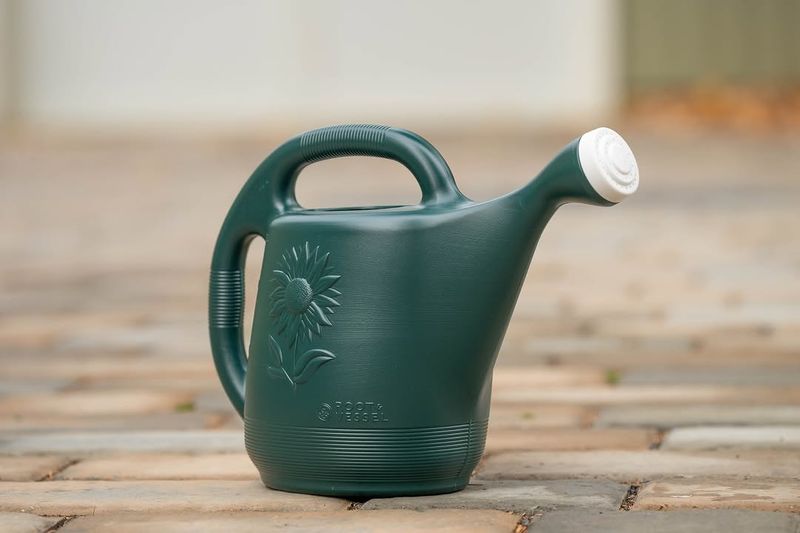
A simple drip irrigation setup or a long-spouted watering can makes the job easier and more precise.
6. Fertilize Lightly During Active Growth
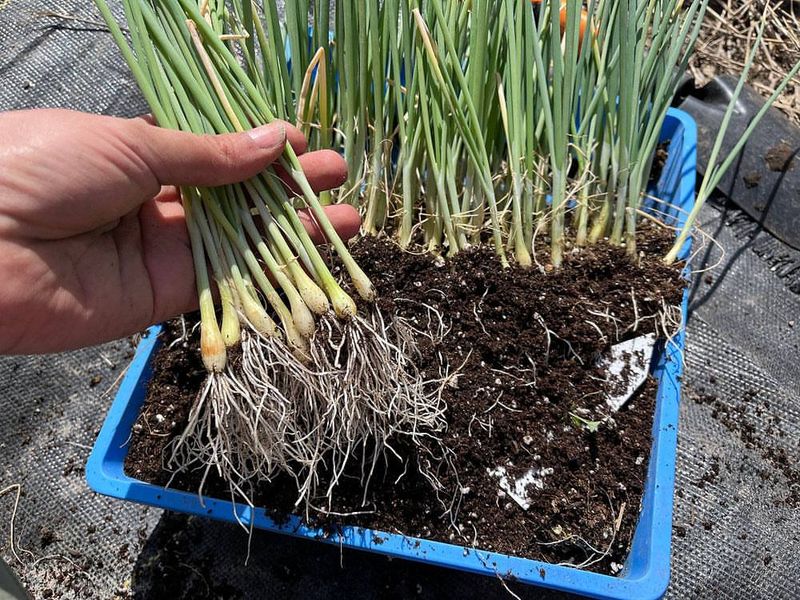
Onions are not heavy feeders, but they do appreciate a little nutritional support during their active growing phase. Getting the fertilizing routine right can mean the difference between small, flavorless bulbs and big, sweet onions that make every meal better.
Start with a nitrogen-rich fertilizer during the early stages of growth, when your onion plants are focusing on building up their leafy tops. Healthy green tops are essential because each leaf corresponds to a ring inside the bulb.
More leaves mean more rings, and more rings mean a bigger, meatier onion. A balanced liquid fertilizer applied every three to four weeks works well during this phase.
Once you notice the bulbs beginning to swell at the soil surface, it is time to shift your approach. Switch to a fertilizer that is higher in potassium and lower in nitrogen.
Too much nitrogen late in the growing cycle pushes the plant to keep producing leaves instead of putting energy into bulb development. A high-potassium feed supports strong bulb formation and helps improve the overall flavor of your harvest.
Organic options like fish emulsion, seaweed extract, or worm castings are popular among California container gardeners who prefer a more natural approach. These slow-release options are gentler on plants and reduce the risk of over-fertilizing, which can actually harm onions by burning their roots.
Always follow the label instructions and avoid applying fertilizer to dry soil, as this can shock the roots. Watering lightly before feeding gives the nutrients an easier path into the root zone.
Keeping your fertilizing routine consistent and simple will reward you with a genuinely impressive harvest.
7. Harvest Based On Bulb Or Green Onion Stage
One of the best things about growing onions in containers in California is that you get to choose when to harvest based on exactly what you need in the kitchen. You are not locked into a single harvest window the way some vegetables demand.
Onions give you options at multiple stages of growth, which makes them incredibly flexible for home cooks.
Green onions, also called scallions, can be pulled as soon as the tops reach six to eight inches tall, usually just a few weeks after planting. Snipping or pulling them at this stage gives you mild, fresh-flavored greens that are perfect for salads, stir-fries, and garnishes.
You can even harvest just the outer green tops and leave the plant in the soil to keep growing, giving you a continuous cut-and-come-again harvest.
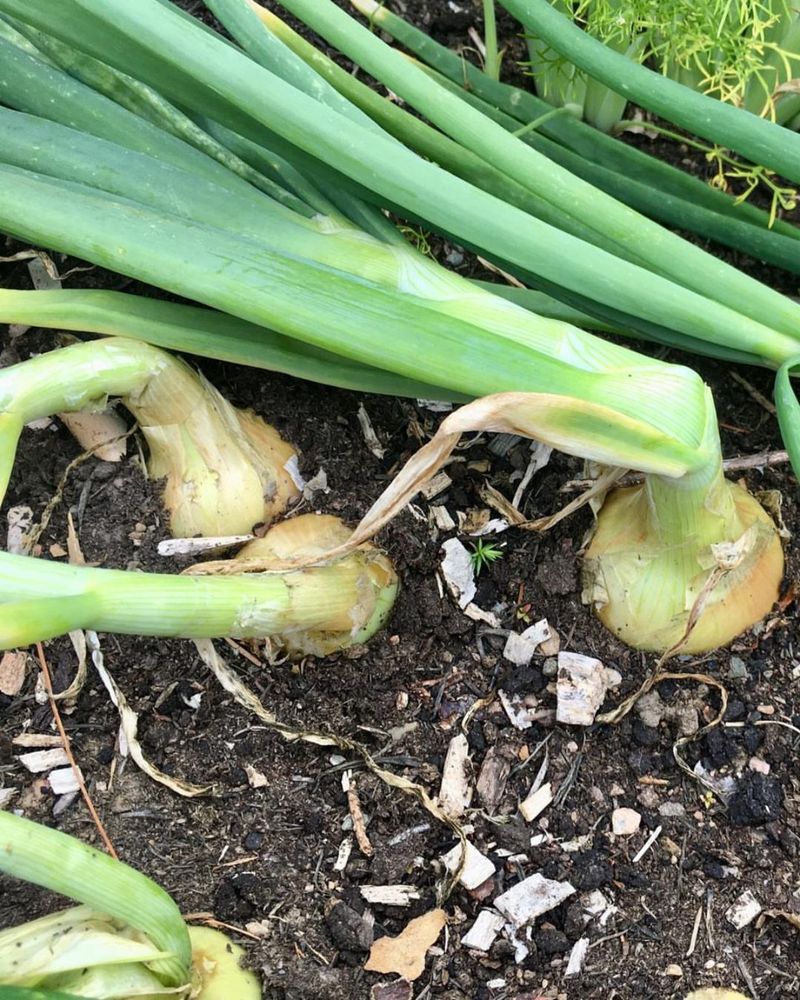
For full bulb onions, patience is the name of the game. Watch for the tops to begin yellowing and flopping over naturally.
This is the plant’s signal that it has finished growing and is ready to be pulled. Most varieties reach this stage between 90 and 120 days after planting, though California’s mild climate can sometimes speed up this timeline.
Gently loosen the soil around the base with a hand trowel before pulling to avoid bruising the bulb.
After harvesting bulb onions, let them cure in a cool, shaded, and well-ventilated spot for two to three weeks. Curing toughens the outer skin and helps the onions last much longer in storage.
Properly cured onions stored in a cool, dry place can stay fresh for several months, meaning your California container garden can keep feeding you long after the growing season wraps up.