Should California Gardeners Prune Bird-Of-Paradise Before Spring?
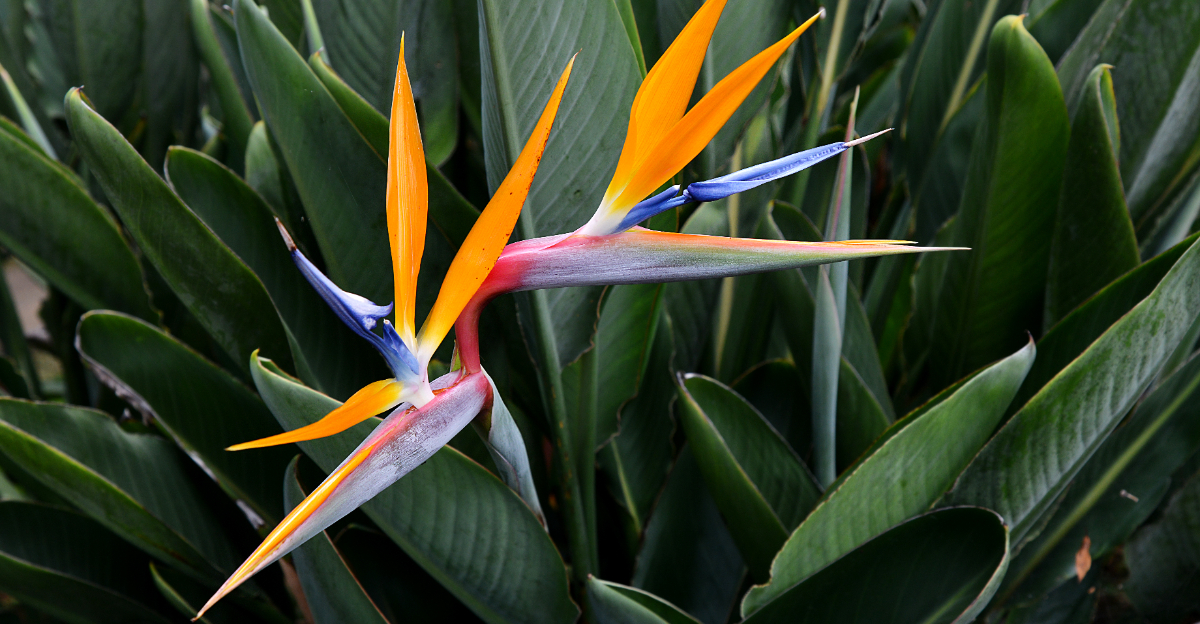
If you’ve lived in California for more than five minutes, you know the Bird of Paradise is basically the unofficial mascot of the Golden State.
These architectural beauties hold down the fort in front yards from San Diego to Sacramento, looking tropical and tough all year long.
But as the winter chill begins to fade, you might find yourself standing over your plants with a pair of shears and a lot of questions.
Is now the right time to give them a haircut, or are you about to ruin your spring bloom? It’s a classic gardening dilemma that keeps plenty of backyard enthusiasts up at night.
Getting the timing right is the difference between a lush, flowery paradise and a sad cluster of hacked-up stalks. Let’s dig into the dirt on when to snip, when to wait, and how to keep your orange-crested friends thriving in the California sun.
1. When To Prune Bird-Of-Paradise
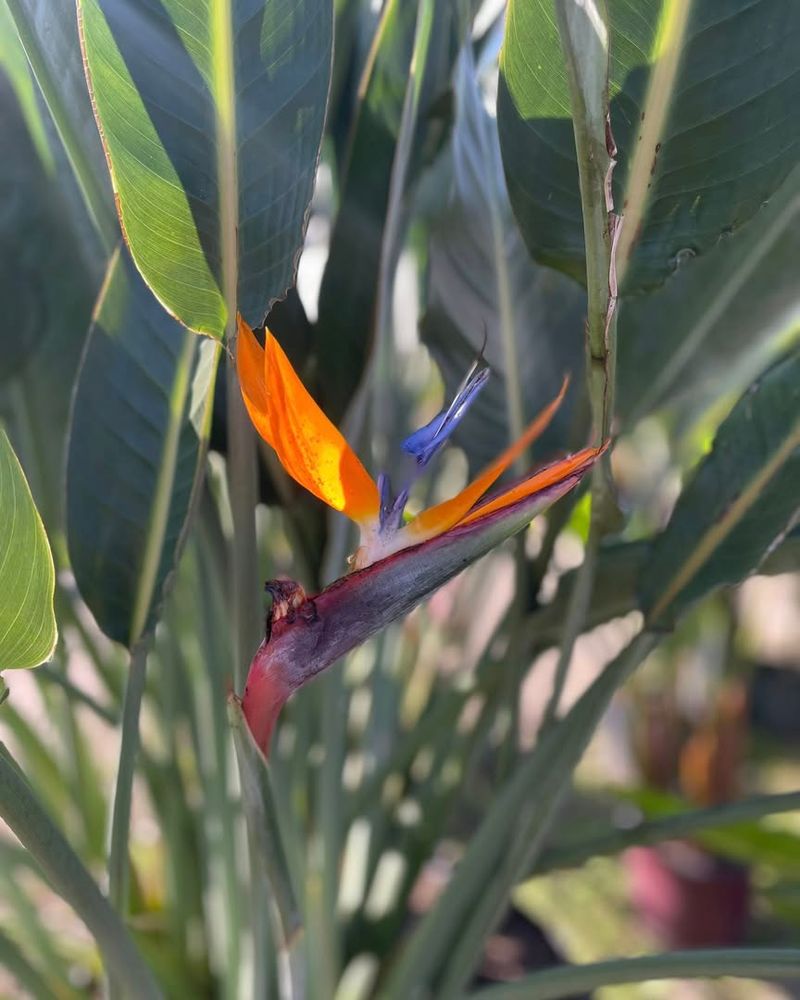
Late winter to early spring is the sweet spot for pruning your Bird-of-Paradise in California. Just before the plant wakes up for its active growing season is the best time to get to work.
Pruning at this point gives the plant a head start on recovery and new growth.
Most gardeners in California find that doing this once a year is plenty. Of course, if you spot damaged or dead leaves at any point, go ahead and remove them right away.
You do not have to wait for a specific season to clean up obvious problems.
Timing matters more than most people think. If you prune too early in deep winter, cold snaps in parts of California can stress the plant.
Waiting until you see the first signs of new buds forming is a smart move. The plant signals when it is ready, and following that cue keeps your Bird-of-Paradise healthy and strong throughout the warmer months ahead.
2. Benefits Of Pruning Before Spring
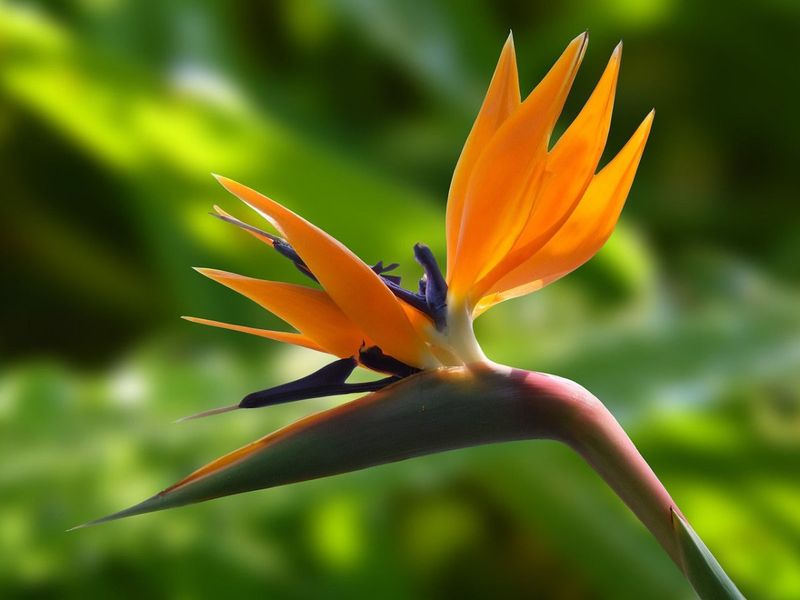
Pruning before spring offers some real rewards for your Bird-of-Paradise. When you clear away old growth just before the active season begins, the plant can put all its energy into fresh leaves and bright blooms.
Think of it like clearing clutter before a big project.
California’s warm spring weather arrives quickly, and plants respond fast. Getting ahead of the season means your Bird-of-Paradise is already clean and ready to grow the moment temperatures rise.
You will likely notice fuller, more vibrant foliage and stronger flower stalks as a result.
Another great benefit is better air circulation around the plant. Removing crowded or overlapping leaves lets sunlight reach the inner stems.
This reduces the chance of moisture buildup, which can lead to problems over time. Healthy airflow keeps the plant looking neat and performing well.
California gardeners who make pre-spring pruning a yearly habit often say their plants look noticeably better compared to years when they skipped it. Small efforts in late winter really do pay off when spring arrives in full swing.
3. Avoid Cutting Healthy Growth
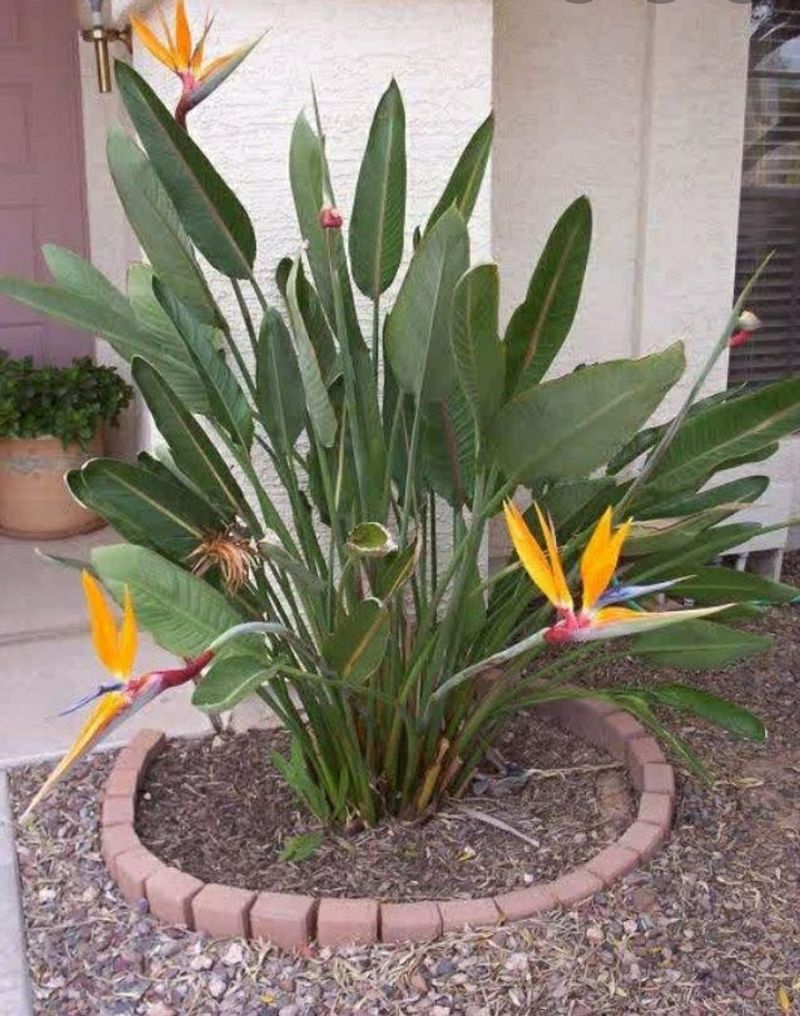
One of the most common mistakes gardeners make is cutting too much at once. Healthy green leaves are doing important work for your Bird-of-Paradise.
Your California Garden Changes Every Week. Your Plan Should Too.
Gardening in California changes quickly throughout the season. Every Friday you’ll receive a simple weekly plan showing exactly what to plant, prune, fertilize, harvest, and protect so you never miss the right timing.
They capture sunlight and help the plant produce energy, so removing them unnecessarily can set the plant back.
A good rule of thumb is to never remove more than one-third of the plant’s foliage in a single pruning session. Going beyond that can stress the plant and slow down its recovery.
California gardeners who follow this guideline tend to see much better results come springtime.
Look closely before you cut. If a leaf is green, firm, and standing upright, leave it alone.
Only target growth that is clearly past its prime. It can be tempting to go overboard when you are in the pruning zone, but restraint is your best tool here.
A light, thoughtful trim does far more good than an aggressive cutback. Your Bird-of-Paradise will reward your careful approach with strong, steady growth as the California spring season gets going.
4. Remove Withered Or Damaged Stems
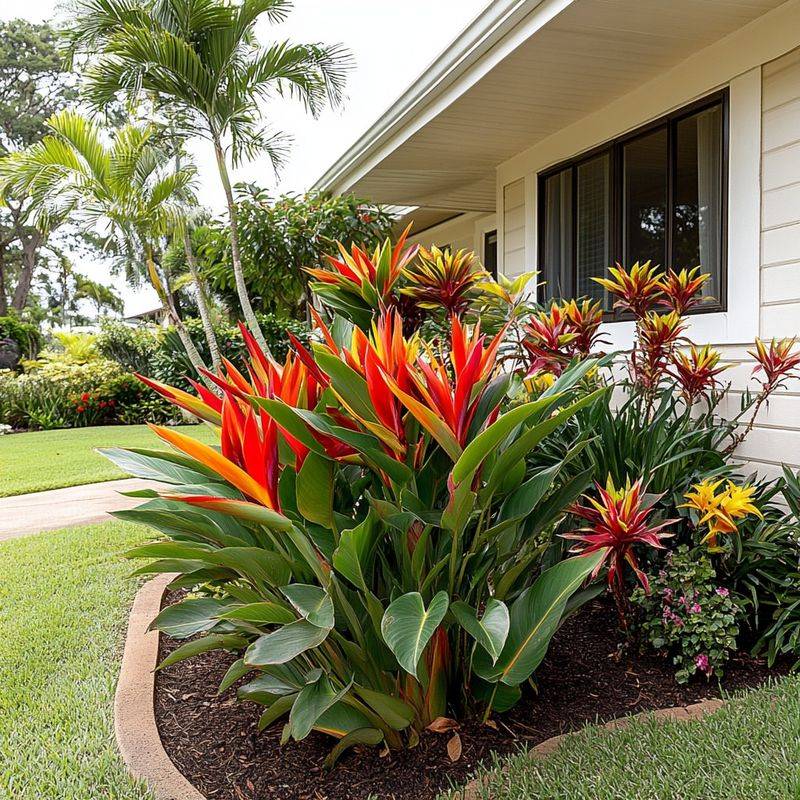
Withered, brown, or damaged stems are not just an eyesore. They can actually drain resources from the rest of your Bird-of-Paradise plant.
Removing them promptly keeps the plant focused on healthy growth rather than trying to recover struggling parts.
Always use sharp, sterilized pruning shears when making cuts. A clean cut at the base of the stem, right where it connects to the main plant, is the right approach.
Dull blades can crush plant tissue and leave ragged edges that take longer to heal.
In California, where the weather stays relatively mild, you can remove withered or damaged stems at almost any time of year without causing major stress to the plant. However, doing a thorough check before spring is especially smart.
You clear out the old so the new has room to shine. Grab your shears, look for anything brown, limp, or clearly struggling, and snip it cleanly at the base.
Your plant will look tidier immediately, and you will set it up for a much stronger growing season in the months ahead.
5. Encourage New Growth Through Pruning
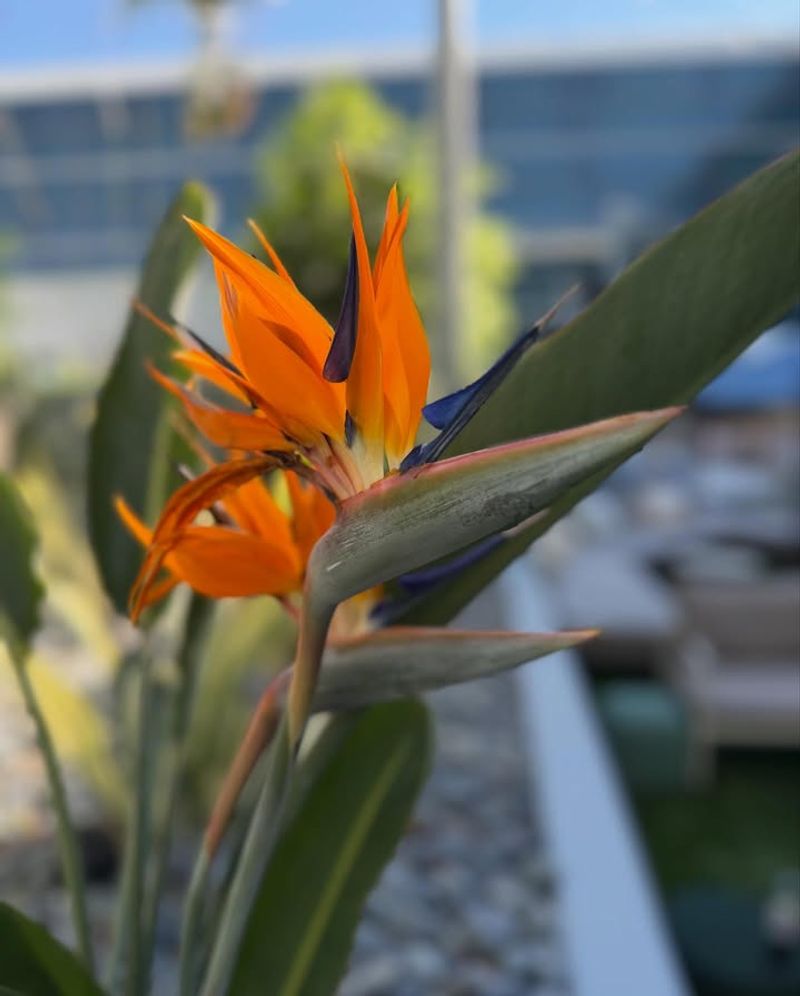
Pruning is not just about removing what is old. It is also one of the best ways to encourage your Bird-of-Paradise to push out fresh, vigorous new growth.
When old stems are removed, the plant redirects its energy toward producing new shoots and leaves.
California’s long growing season makes this especially exciting. Once spring arrives and temperatures climb, a well-pruned Bird-of-Paradise can put out new growth surprisingly fast.
Gardeners who prune before spring often notice fresh shoots appearing within just a few weeks.
To get the best results, pair your pruning with a light feeding of balanced fertilizer right as spring begins. This gives the plant the nutrients it needs to support all that new growth.
Water consistently but do not overdo it. The combination of smart pruning and good care habits can transform your plant from looking tired and overgrown to looking lush and full of life.
Watching new growth emerge after a well-timed pruning session is one of the most satisfying experiences a California gardener can have in the garden.
6. Don’t Prune During Flowering
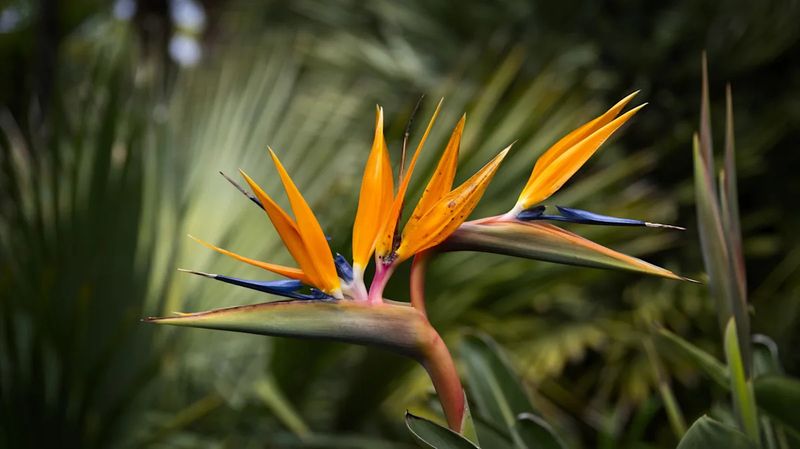
Here is something worth keeping in mind: pruning while your Bird-of-Paradise is actively flowering is generally not a great idea.
Those blooms are the whole show, and cutting stems during this time can interrupt the flowering cycle and reduce the number of blossoms you get.
Bird-of-Paradise plants in California often bloom from late fall through early spring, though timing can vary depending on your location in the state. If your plant is currently producing flowers, hold off on any major pruning until the blooms have finished.
You can still remove visibly dead or broken stems without touching the flowering stalks. Just be selective and careful.
Once the flowers fade and the stalks begin to brown and droop, that is the right moment to cut them back cleanly at the base. Patience during the flowering period really pays off.
You get to enjoy the full beauty of the blooms, and then you can give the plant a proper tidy-up once the show is over. California gardeners who time this correctly enjoy both stunning flowers and a healthy, well-shaped plant throughout the year.
7. Best Pruning Practices In California
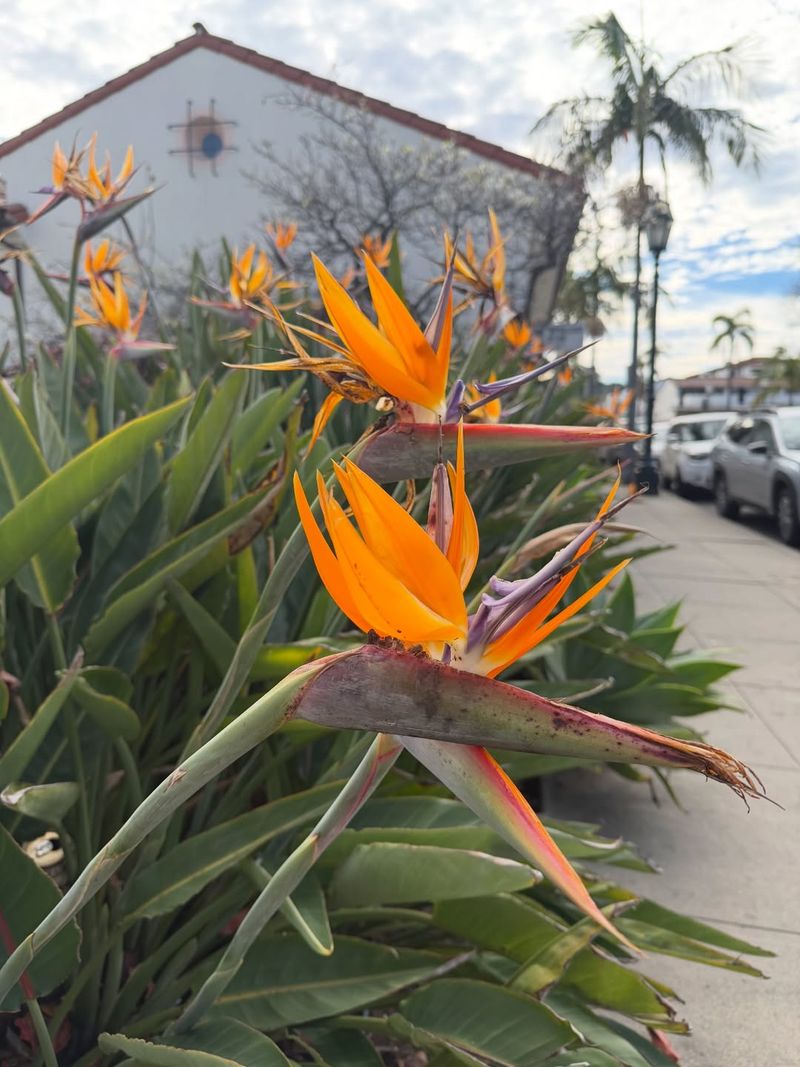
Getting pruning right in California comes down to a few solid habits. Start by always using clean, sharp pruning shears.
Sterilize the blades with rubbing alcohol before you begin to avoid spreading any plant diseases from one stem to another.
Make your cuts at the base of each stem, as close to the main trunk as possible without damaging surrounding growth. Avoid leaving stubs, since they can attract pests and slow the healing process.
A smooth, clean cut is always the goal.
Wear gloves when working with Bird-of-Paradise. The sap can irritate skin, and the large leaves have stiff edges that can scratch.
Dispose of trimmed material properly rather than leaving it on the soil, where it could harbor pests.
In California, where the climate allows for year-round gardening, making pruning a regular part of your plant care routine keeps your Bird-of-Paradise looking sharp and growing strong.
Stick to late winter for your main pruning session, do touch-ups as needed, and your plant will reward you with bold, beautiful growth season after season. Consistent care is what separates a thriving plant from a struggling one.