10 Small Backyard Ideas That Create A Relaxing Oasis In California
A small backyard in California can still feel like a real escape. You do not need a huge lawn, a resort-style budget, or a team of landscapers showing up at sunrise.
You just need a smart layout and a few well-chosen details. Add some shade, bring in layered planting, tuck a chair into a quiet corner, and suddenly the whole space starts feeling a lot more inviting.
That is a pretty nice transformation for a modest yard. California does make backyard design interesting.
Dry weather, strong sun, and limited space can turn even simple plans into a bit of a puzzle. Still, that is also where the creativity comes in.
A compact yard can feel cooler, softer, and far more relaxing with the right mix of privacy, structure, and drought-tolerant beauty. Small space, big mood, and honestly, that is a great combination.
1. Create A Small Seating Nook As The Main Destination
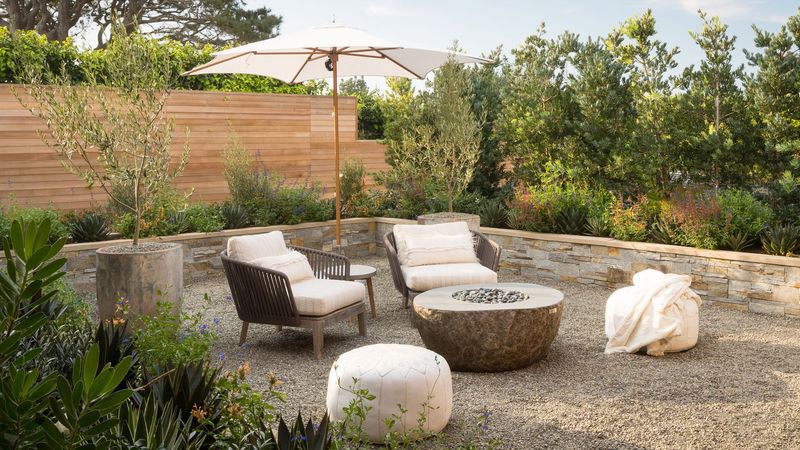
Compact patios often feel more useful when one corner is treated as the main reason to be outside. Instead of scattering chairs randomly across a small yard, grouping a couple of comfortable seats around a side table gives the space a clear purpose.
That simple shift can make a California backyard feel organized, welcoming, and much easier to enjoy after a long day.
A seating nook works especially well when it is tucked against a fence or wall, which adds a sense of enclosure without making the area feel cramped. Adding a weather-resistant outdoor rug underneath helps define the zone visually.
In warmer California regions, positioning the nook in a spot that catches afternoon shade can make the difference between a seat that gets used daily and one that sits empty.
Soft cushions in fade-resistant fabric hold up well in California sun. String lights overhead or a small lantern on the table add ambiance during evening hours.
Keep the furniture scaled to the space so nothing feels oversized. A small seating nook does not need much room to feel intentional and restful, and once it is in place, it tends to become the spot everyone gravitates toward.
2. Add Shade With A Pergola, Patio Cover, Or Small Deciduous Tree
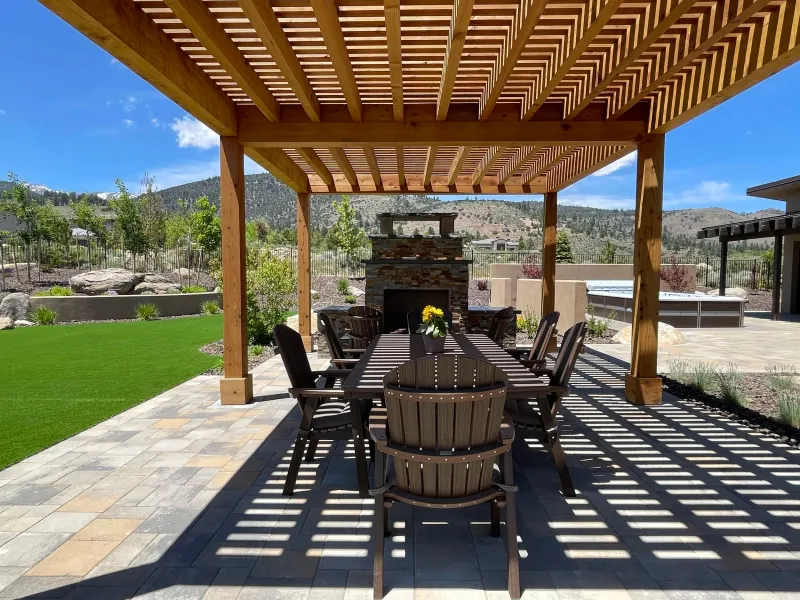
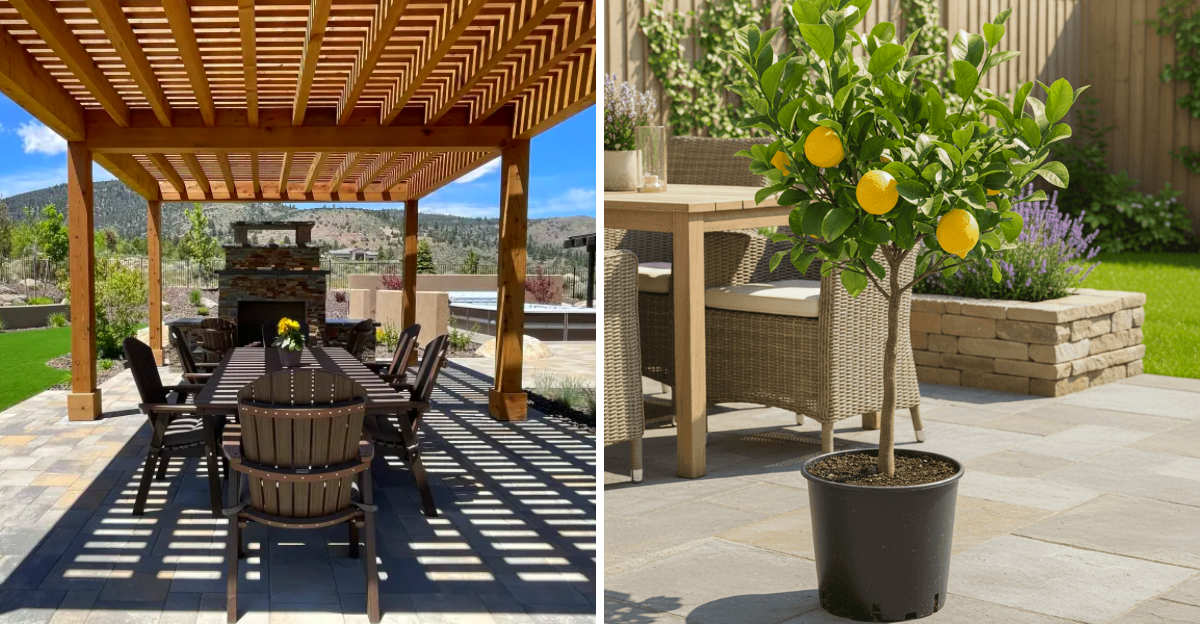
Warm afternoons in California can make an exposed backyard feel more like a chore than a retreat. Shade is one of the most impactful upgrades a small yard can get, and there are several ways to bring it in without major construction.
A pergola, a simple patio cover, or a well-placed deciduous tree can drop the temperature of an outdoor seating area noticeably, making the space far more comfortable from late spring through early fall.
Pergolas are a popular choice in California because they add structure and visual interest while still allowing filtered light through.
When covered with a fast-growing vine such as wisteria or a California-friendly passion vine, they also provide seasonal privacy.
Patio covers offer more complete shade and can be attached directly to the house, which is useful for small yards where freestanding structures take up valuable ground space.
Your California Garden Changes Every Week. Your Plan Should Too.
Gardening in California changes quickly throughout the season. Every Friday you’ll receive a simple weekly plan showing exactly what to plant, prune, fertilize, harvest, and protect so you never miss the right timing.
Small deciduous trees are worth considering because they provide shade in summer and allow warming sunlight through in winter when the leaves drop.
Choices suited to California conditions include crape myrtle and certain varieties of Japanese maple.
Planting even one tree in a strategic spot can change how the entire yard feels during the hottest months of the year.
3. Use Flowering Vines On Trellises Or Fences For Privacy
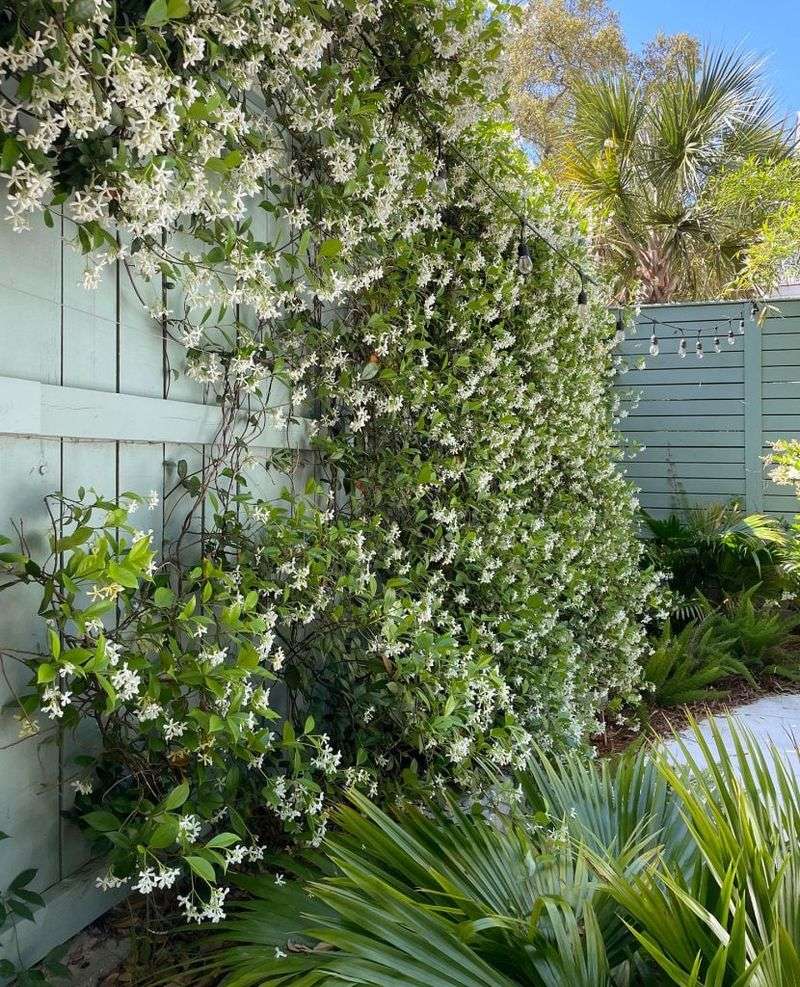
Close fences and neighboring rooftops can make a small California yard feel exposed, but a well-chosen flowering vine changes that quickly.
Growing vines up a trellis or along an existing fence creates a living privacy screen that softens hard surfaces and adds color and movement.
Unlike a solid wood fence extension, a vine-covered trellis allows some airflow while still giving the yard a more enclosed, sheltered feeling.
Several vines perform reliably in California gardens. Star jasmine is a popular option because it is fragrant, moderately drought tolerant once established, and evergreen in many California climates.
Bougainvillea thrives in hot, dry conditions and produces vivid blooms across a long season. Passion vine attracts pollinators and provides dense coverage relatively quickly.
Choosing the right vine for your specific California microclimate matters, since coastal gardens and inland gardens can have very different conditions.
Trellises do not need to be elaborate. Simple wood or metal panels attached to a fence work well and are easy to install.
Training vines with garden ties in the early months helps them fill in more evenly.
Once established, a flowering vine can become one of the most striking features in a small backyard, turning a plain fence line into something genuinely beautiful and private.
4. Rely On Containers To Add Color Without Crowding The Yard
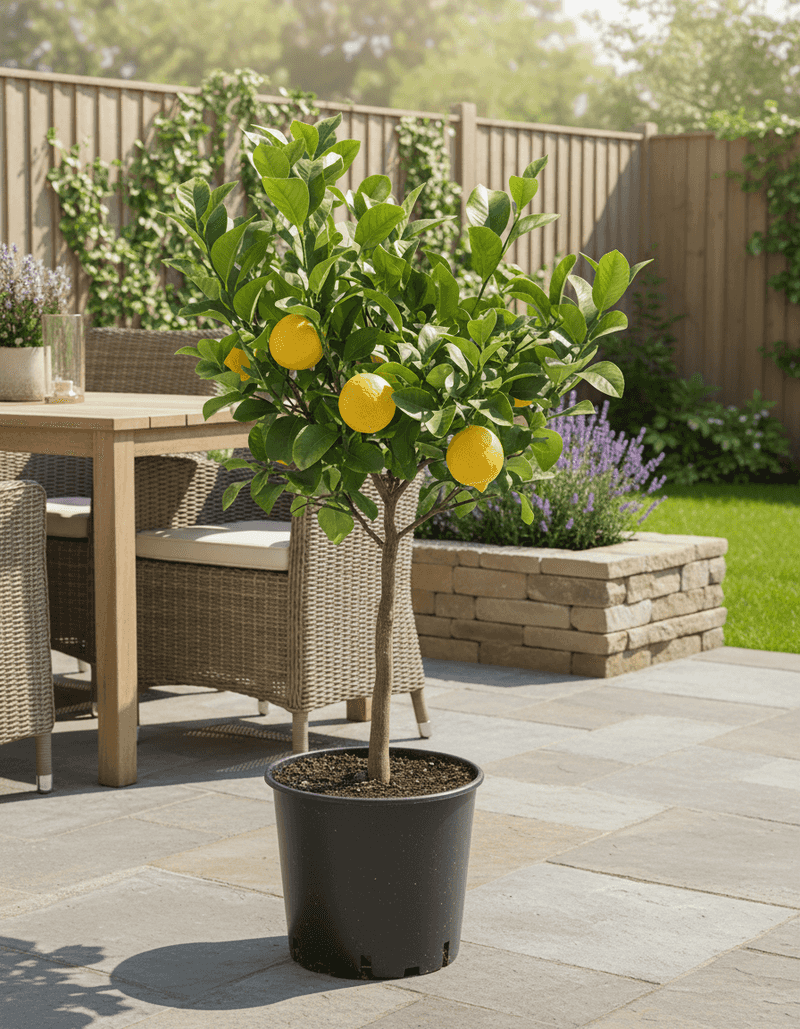
Planting beds are not always an option in a small California backyard, especially when much of the ground is covered by concrete, pavers, or compacted soil. Containers solve that problem neatly.
A thoughtful arrangement of pots in different sizes can bring color, texture, and even fragrance to a patio without taking up significant floor space or requiring permanent changes to the yard.
California summers can be tough on container plants, so choosing heat-tolerant varieties makes maintenance easier.
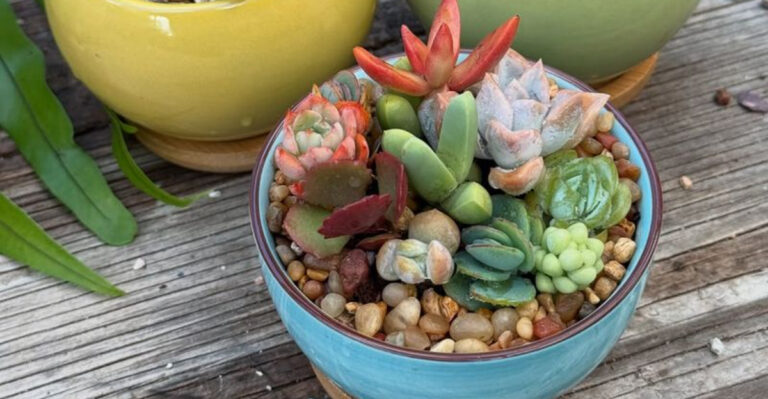
Succulents, lavender, rosemary, and dwarf citrus all tend to handle California conditions well when given good drainage and appropriate watering.
Grouping containers in odd numbers and varying the heights creates a layered look that feels more like a planted garden than a collection of random pots.
One practical benefit of containers is flexibility. Pots can be rearranged as the seasons change, moved to follow shade or sun, or swapped out when a plant finishes blooming.
In a small California yard where permanent changes are difficult to undo, that flexibility is genuinely useful. Using consistent pot colors or materials ties the look together and keeps the space feeling cohesive rather than cluttered.
Even three or four well-chosen containers can make a bare patio feel alive.
5. Use A Curved Path Or Stepping-Stone Route To Make The Space Feel Larger
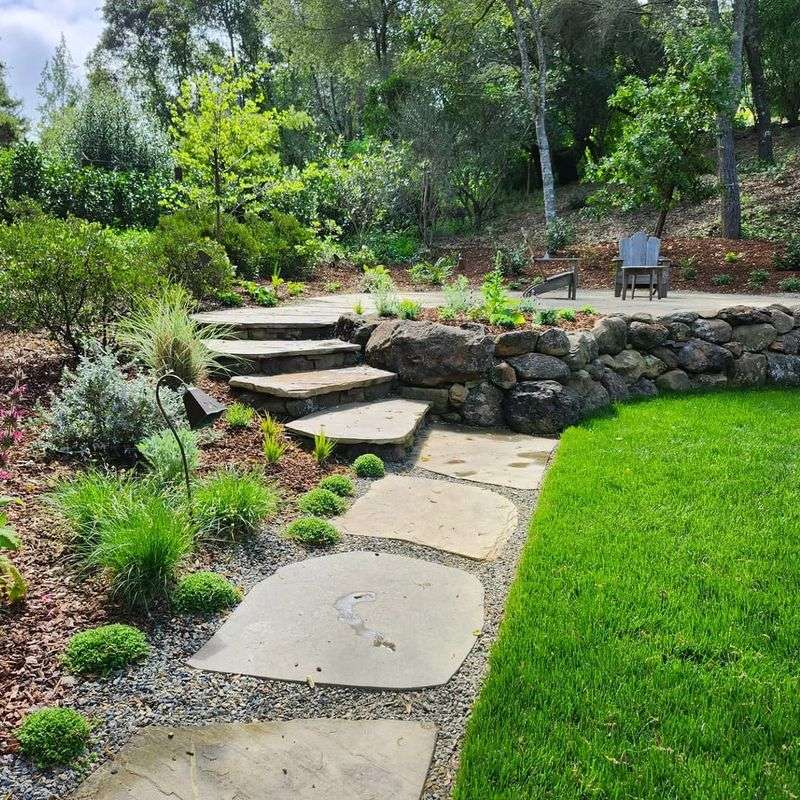
Straight lines in a small yard tend to highlight how short the distance is from one end to the other. A curved path or a gently winding stepping-stone route does the opposite.
By encouraging the eye to follow a bend rather than shoot directly to a fence, a curved walkway creates the impression that the yard extends further than it actually does.
It is a simple visual trick, but it works surprisingly well in compact California spaces.
Stepping stones are an affordable and low-commitment way to introduce this effect. Flat stones, concrete pavers, or decomposed granite pads can be arranged in a loose curve through a planting bed or across a lawn area.
Planting low groundcovers or creeping thyme between the stones softens the edges and helps the path feel natural rather than constructed.
In California backyards where water conservation is a priority, a path also serves a practical purpose by reducing the amount of irrigated ground cover needed.
A stepping-stone route through drought-tolerant plantings can replace sections of lawn that require regular watering.
The path becomes both a design element and a functional feature that guides visitors through the space. Even a short curved route of six to eight feet can noticeably change how a small backyard reads.
6. Layer Drought-Tolerant Plants Instead Of Filling The Space With Lawn
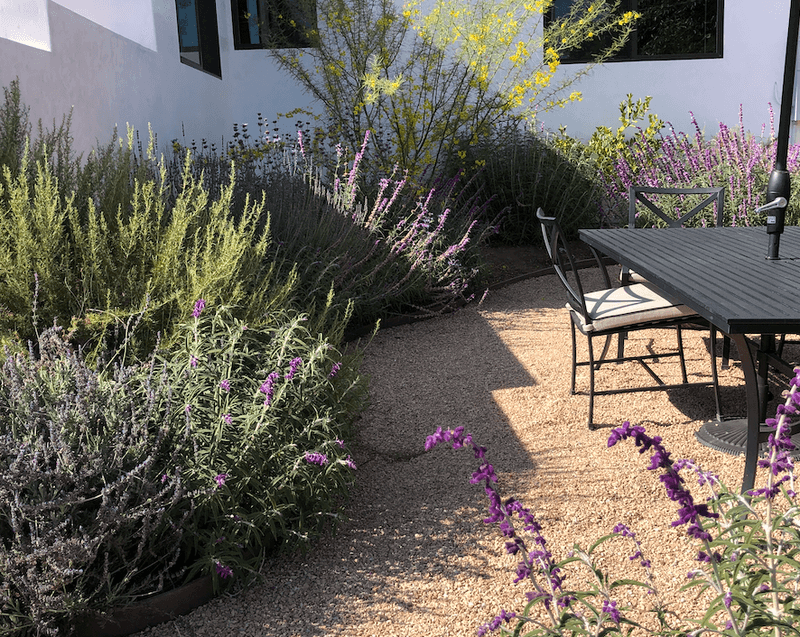
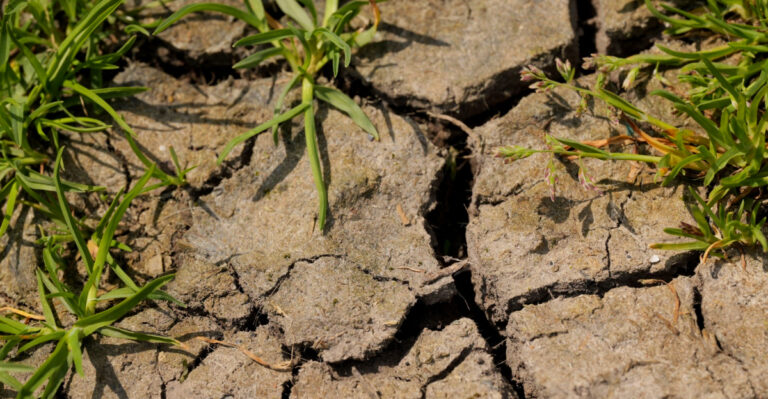
Dry planting beds filled with water-wise plants can feel just as lush and restful as a traditional lawn, and they tend to require far less maintenance once established.
In California, where summer water restrictions and high irrigation costs are a real concern for homeowners, replacing all or part of a lawn with layered drought-tolerant planting is one of the most practical changes a small backyard can benefit from.
Layering means placing taller shrubs at the back, medium-height perennials in the middle, and low groundcovers or ornamental grasses at the front. This approach creates depth and visual interest even in a narrow space.
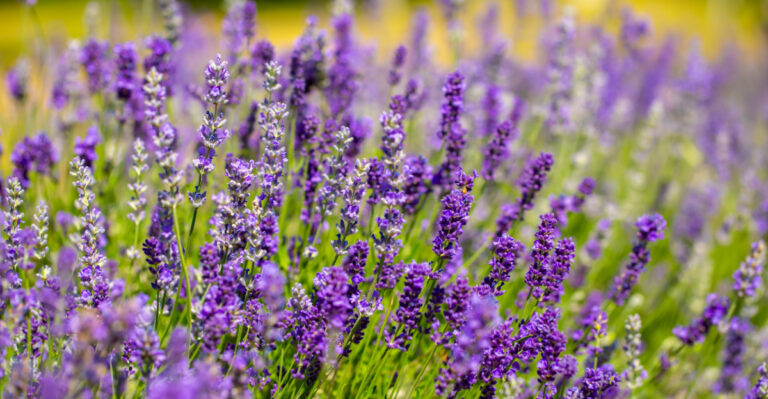
California native plants such as salvia, ceanothus, and deer grass work well together and support local pollinators. Mediterranean plants like lavender and rosemary also perform reliably in many California climates and add fragrance to the garden.
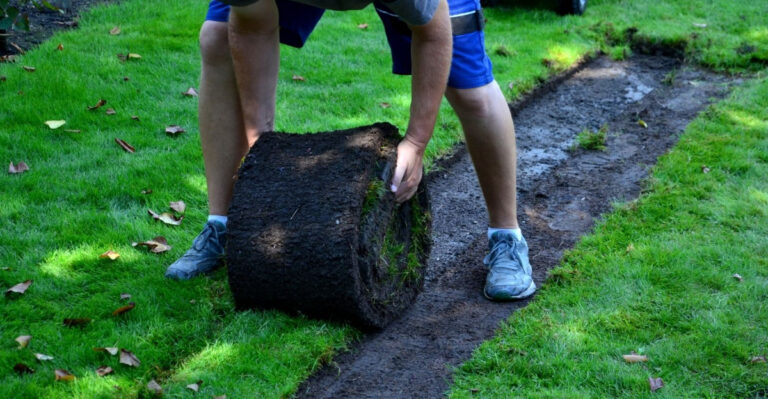
The transition away from lawn does not need to happen all at once. Starting with one bed and expanding gradually allows homeowners to learn what grows well in their specific conditions.
Some California counties and water districts offer rebates for lawn removal, which can help offset the initial cost of replanting.
Over time, a layered drought-tolerant planting scheme tends to look more interesting than a flat lawn while using significantly less water.
7. Cover Open Soil With Organic Mulch
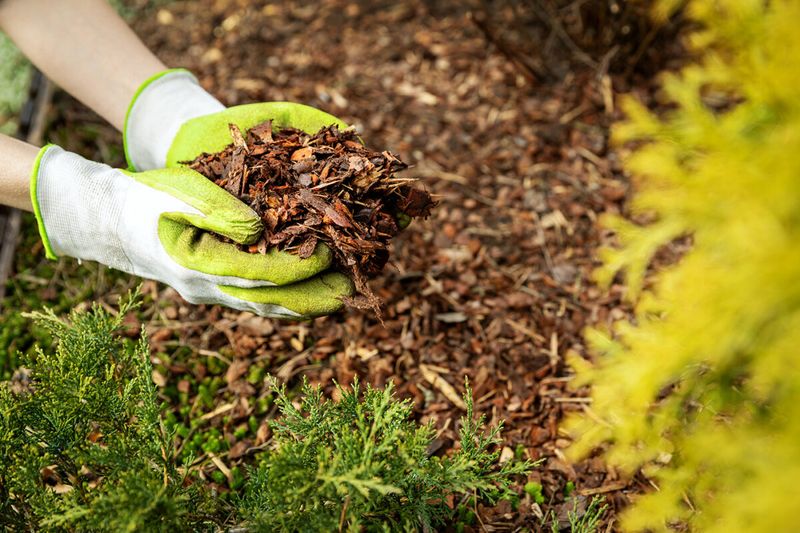
Bare soil in a California backyard does not stay bare for long before weeds move in, moisture evaporates, and the ground starts to look rough and neglected. A layer of organic mulch addresses all three of those issues at once.
Spread two to three inches deep over open soil, mulch slows evaporation, suppresses weed growth, and gradually improves soil structure as it breaks down over time. It is one of the most cost-effective improvements a small yard can get.
Wood chips and shredded bark are widely available in California and work well in ornamental beds.
Gorilla hair mulch, made from shredded redwood or cedar bark, is popular in California because it holds in place on slopes and does not blow around easily.
Keeping mulch a few inches away from plant stems and tree trunks helps prevent moisture-related issues at the base of plants.
Beyond the practical benefits, a freshly mulched bed simply looks neat and cared for.
In a small California backyard where every detail is visible, that tidy appearance contributes to the overall feeling of calm and order that makes an outdoor space feel like a retreat.
Refreshing the mulch layer once a year is usually enough to maintain both the look and the soil benefits it provides.
8. Add Vertical Gardening To Pull The Eye Upward
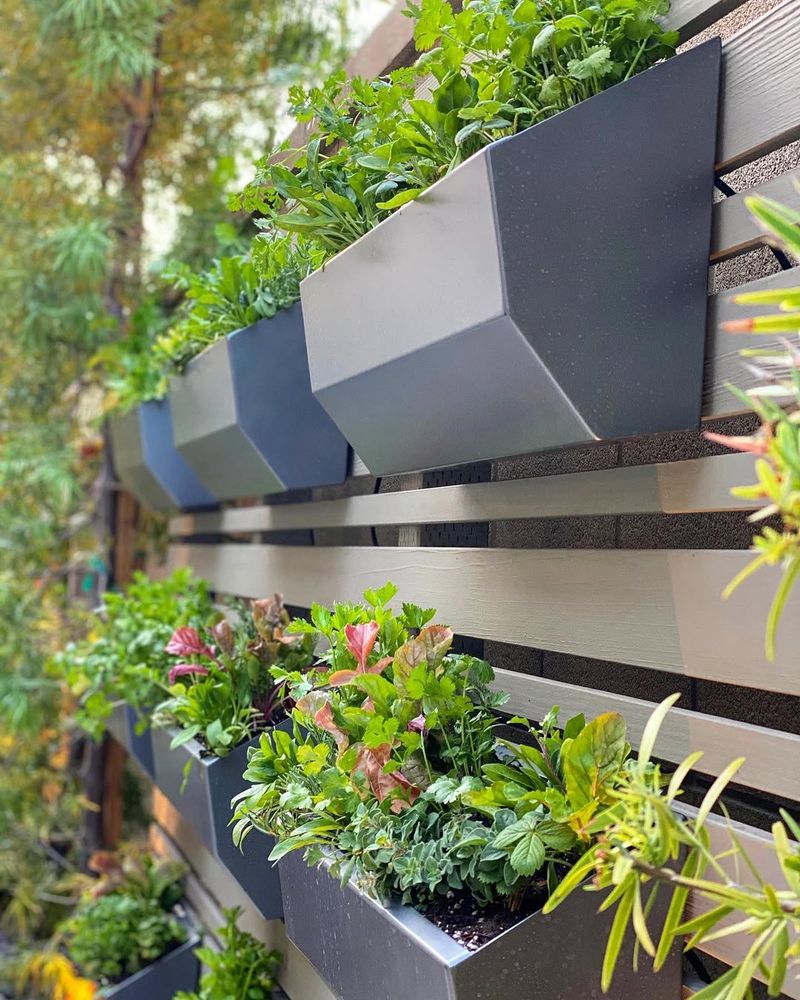
When horizontal space is limited, the vertical dimension of a small California backyard becomes one of its most underused assets.
Wall-mounted planters, stacked pocket systems, and trellised vines all draw the eye upward and make fences and walls feel like active parts of the garden rather than plain boundaries.
This shift in focus can make a compact yard feel taller, more layered, and more interesting to look at from a seating area.
Vertical gardens work particularly well on south or west-facing walls in California, where sunlight is plentiful. Succulents and trailing plants like string of pearls or sedum hold up well in mounted systems with minimal irrigation.
Herbs such as basil, thyme, and mint can also thrive in vertical pocket planters when watered consistently. Choosing plants that stay compact and do not overwhelm the structure keeps the display looking clean.
A simple wood or metal frame with wire panels is enough to support climbing plants or mounted containers. The investment is relatively modest, and the visual impact can be significant.
In California backyards where ground planting is restricted by hardscape or existing infrastructure, a vertical garden can introduce greenery and life in spots that would otherwise remain bare.
It adds dimension without sacrificing any usable floor space in the yard.
9. Build In A Focal Point Such As Art, A Birdbath, Or A Special Container
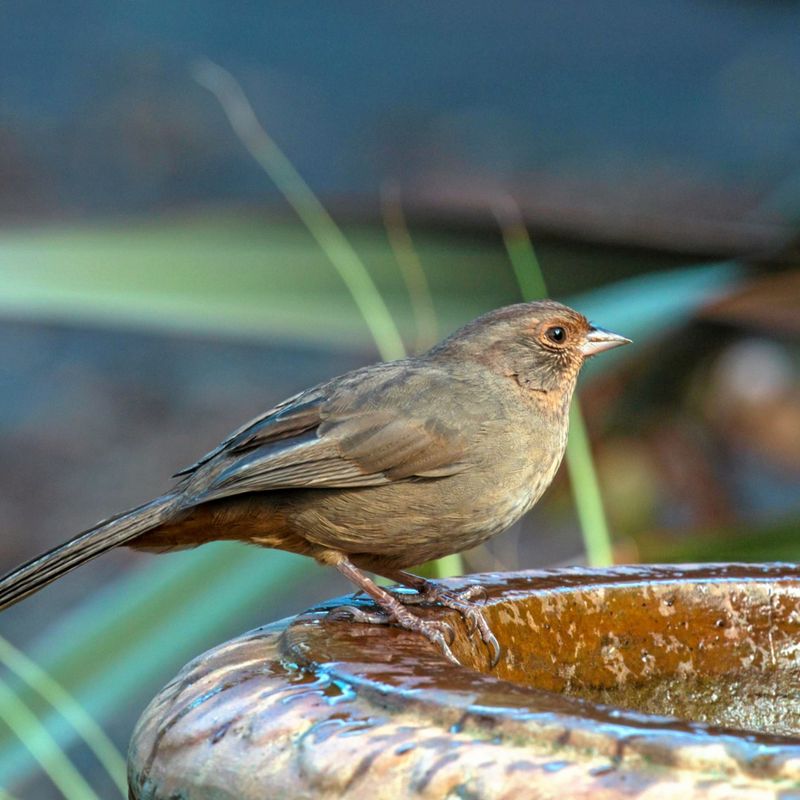
Every well-designed outdoor space has something that catches the eye first.
In a small California backyard, a single well-chosen focal point can anchor the entire design and give the space a sense of intentionality that makes it feel curated rather than accidental.
That focal point might be a ceramic birdbath, a piece of garden sculpture, a large statement container, or even a striking piece of painted metal art mounted on a fence.
A birdbath does double duty in California gardens. It provides a visual centerpiece while also attracting local birds, which adds movement and life to a quiet space.
Keeping the water fresh encourages repeat visits from songbirds, hummingbirds, and other species common to California neighborhoods.
Placing the birdbath where it can be seen from the main seating area makes it easy to enjoy without moving around the yard.
The focal point does not need to be expensive or elaborate. A single oversized glazed pot planted with a dramatic agave or a sculptural grass can serve the same purpose as a costly piece of art.
What matters is that the object has enough presence to draw attention and hold it. In a small backyard, one strong focal point tends to be more effective than several competing elements placed throughout the space.
10. Map Sun, Shade, Wind, And Views Before You Plant Anything
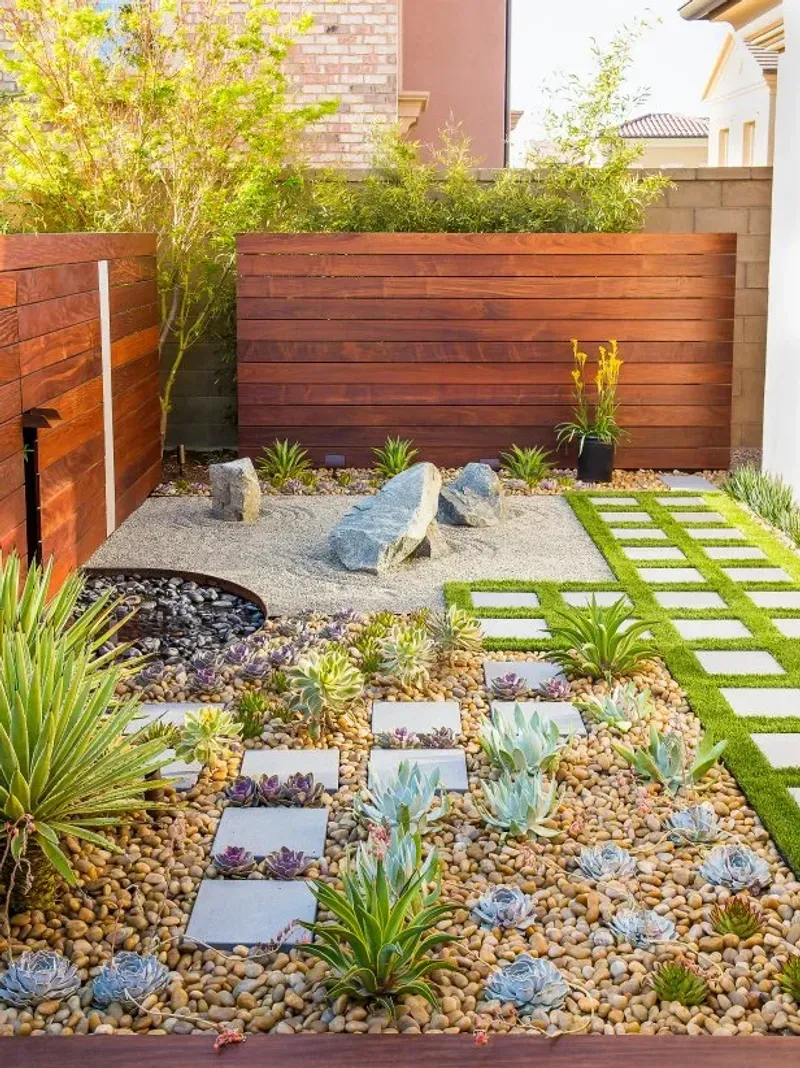
Before buying a single plant or moving a single stone, spending time observing how sun, shade, and wind move through a small California backyard can save a lot of frustration later.
Conditions vary significantly across California, and even within a single yard, one corner might bake in afternoon sun while another stays cool and shaded for most of the day.
Understanding those patterns helps ensure that plants and features end up in spots where they will genuinely thrive.
Watching the yard at different times of day over a week or two reveals a great deal.
Morning sun exposure, afternoon shade from a neighboring structure, and prevailing wind direction from the coast or nearby hills all influence what will grow well and where a seating area will feel most comfortable.
California homeowners in inland valleys often deal with intense afternoon heat, while coastal yards may need wind-tolerant plants near exposed edges.
Views matter too. Standing at the main seating area and noting what is visible from that spot helps identify where privacy screening is most needed and where an attractive plant or focal point would have the most impact.
Mapping these conditions before making permanent changes is a straightforward step that tends to produce much better results in the finished yard. A small investment of time upfront can make the entire design process smoother and more successful.