The Best Way To Prune Hibiscus For Massive Blooms In California
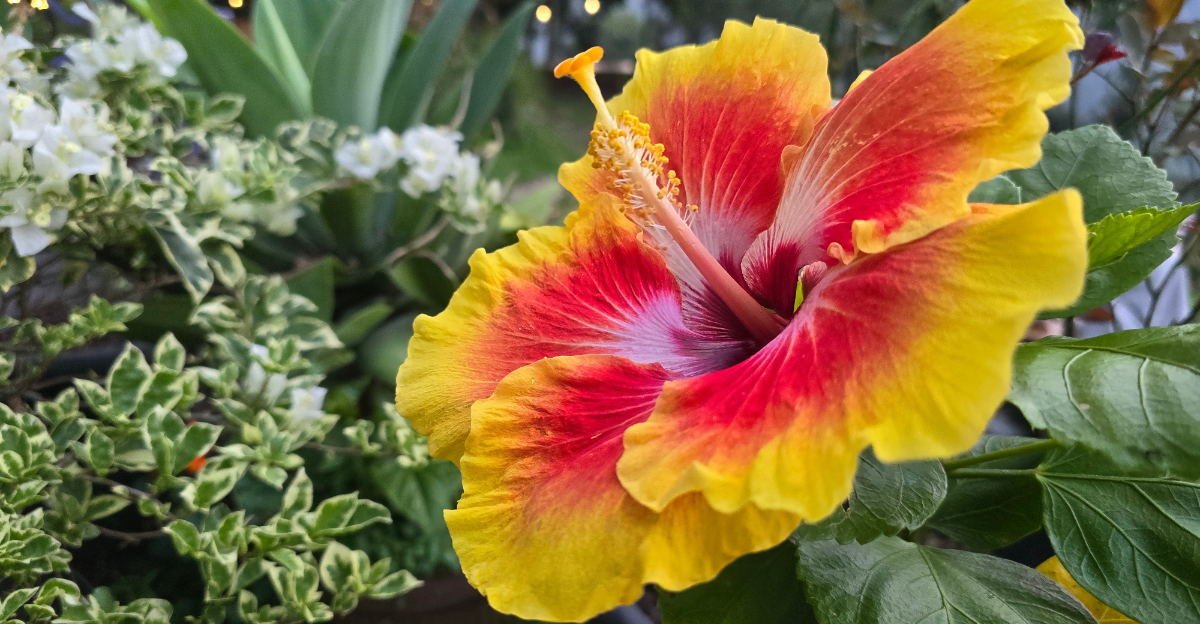
If you want your backyard to look like a postcard from Maui, you really can’t beat a hibiscus in full swing. These showstoppers love the California sun, but they can get a little unruly if they’re left to their own devices.
Without a solid trim, your prize-winning shrub might turn into a leggy, tangled mess with only a handful of flowers at the very tips.
The secret to those massive, dinner-plate-sized blooms isn’t just a fancy fertilizer. It actually starts with a strategic prune.
Cutting back your plants might feel a bit scary at first, but it is the ultimate way to trigger fresh growth and a literal explosion of color. Grab your favorite garden gloves and clear some space in the green bin.
We are going to break down exactly how to chop your way to the most vibrant garden on the block.
1. Prune Timing For Big Blooms
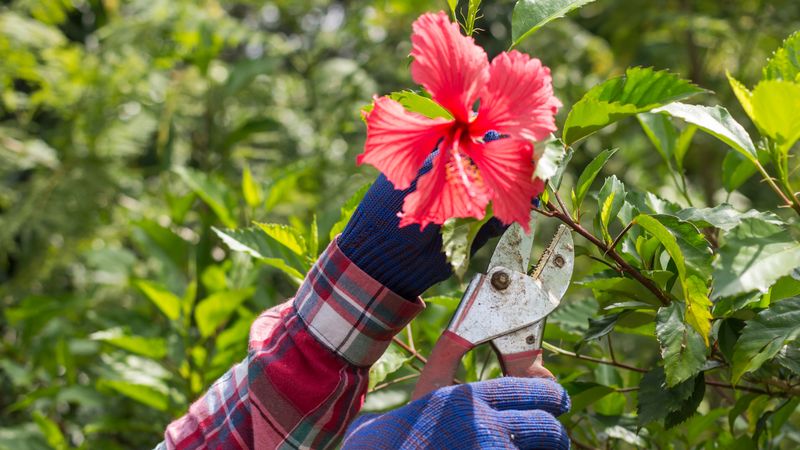
Timing your pruning correctly is honestly one of the biggest factors in getting a hibiscus loaded with blooms. Prune too late or too early, and you could miss the sweet spot when the plant is ready to push out new growth.
For tropical hibiscus, which is the most common type grown in Southern California, early spring is your best window. Wait until temperatures are consistently warm and there is no more threat of cold nights.
Pruning in late winter or very early spring gives the plant enough time to recover and start producing flowering stems before summer arrives.
Hardy hibiscus varieties, which you might find in Northern California or cooler inland areas, do best when pruned in early spring. These plants bloom on brand-new wood, so cutting them back early encourages a strong flush of fresh growth.
Aim to cut old stems down to about four to six inches above the soil line. Getting the timing right sets the entire season up for success.
A well-timed prune means more branches, more buds, and way more blooms when warm weather rolls in across California.
2. Prune After Frost
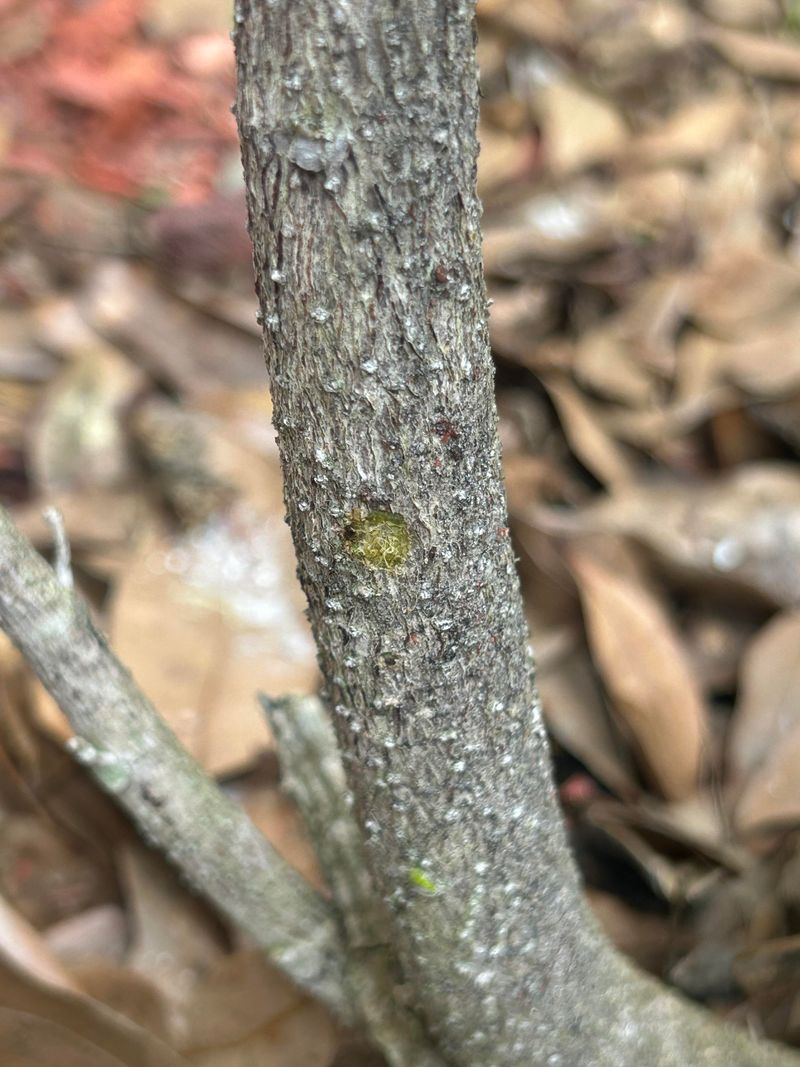
Even in California, some regions get hit with light frost during winter, especially in the Inland Empire, Sacramento Valley, and higher elevation areas. Frost can leave hibiscus stems looking brown, mushy, and completely lifeless.
But do not grab your shears the moment temperatures drop.
Patience is key here. Wait until all danger of frost has completely passed before you start cutting away damaged growth.
Pruning too soon can expose fresh new growth to another cold snap, which stresses the plant all over again. Once you are confident that warm weather is here to stay, go ahead and remove all frost-damaged wood.
Start by bending a stem gently. If it snaps cleanly, it is likely damaged beyond recovery.
If it bends without breaking, there may still be life in it. Cut back to where you see green, healthy tissue inside the stem.
That green color tells you the plant is still actively growing in that section. Removing the damaged parts quickly after frost season improves airflow and lets the plant redirect its energy into producing healthy new shoots.
Your California Garden Changes Every Week. Your Plan Should Too.
Gardening in California changes quickly throughout the season. Every Friday you’ll receive a simple weekly plan showing exactly what to plant, prune, fertilize, harvest, and protect so you never miss the right timing.
In California gardens, this step alone can make a noticeable difference in how fast your hibiscus bounces back and blooms.
3. Remove Withered Stems
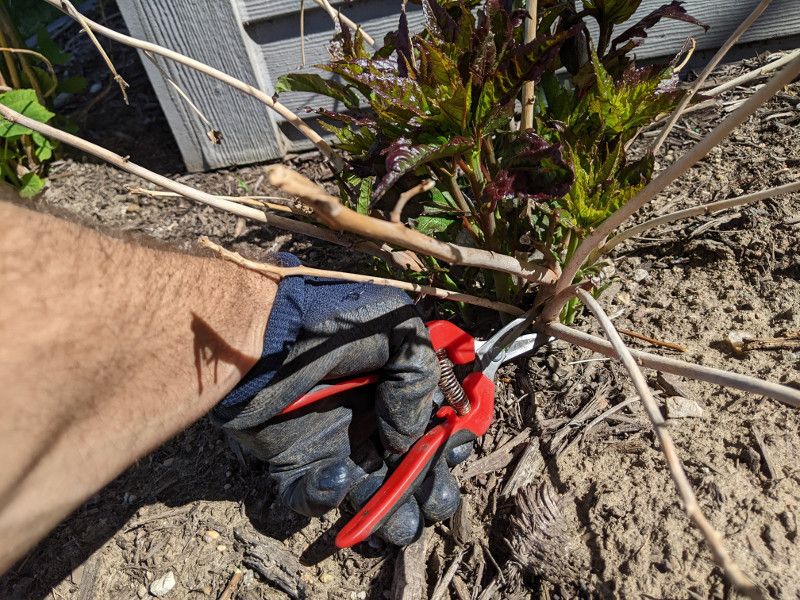
Withered stems are more than just an eyesore. They can actually hold a hibiscus back from reaching its full blooming potential.
Old, dried-out, or weak stems compete with healthy growth for the plant’s water and nutrients without contributing anything useful in return.
Walk around your hibiscus and look for stems that are thin, brittle, or brown all the way through. These are the ones you want to remove first.
Cutting them away is like clearing out clutter, it lets the plant focus its energy where it really counts. In California’s warmer climate, hibiscus can grow quickly, and withered stems can pile up fast if you skip this step during routine maintenance.
Make clean cuts just above a healthy node or leaf joint. A node is that small bump where new growth sprouts from.
Cutting just above it encourages the plant to push out a fresh, strong shoot in that exact spot. Avoid leaving long stubs behind because they can attract pests and slow healing.
Removing withered stems every few weeks during the growing season keeps your hibiscus looking tidy and working efficiently. It is one of the simplest habits that delivers consistently impressive results in any California garden.
4. Shape For Better Airflow
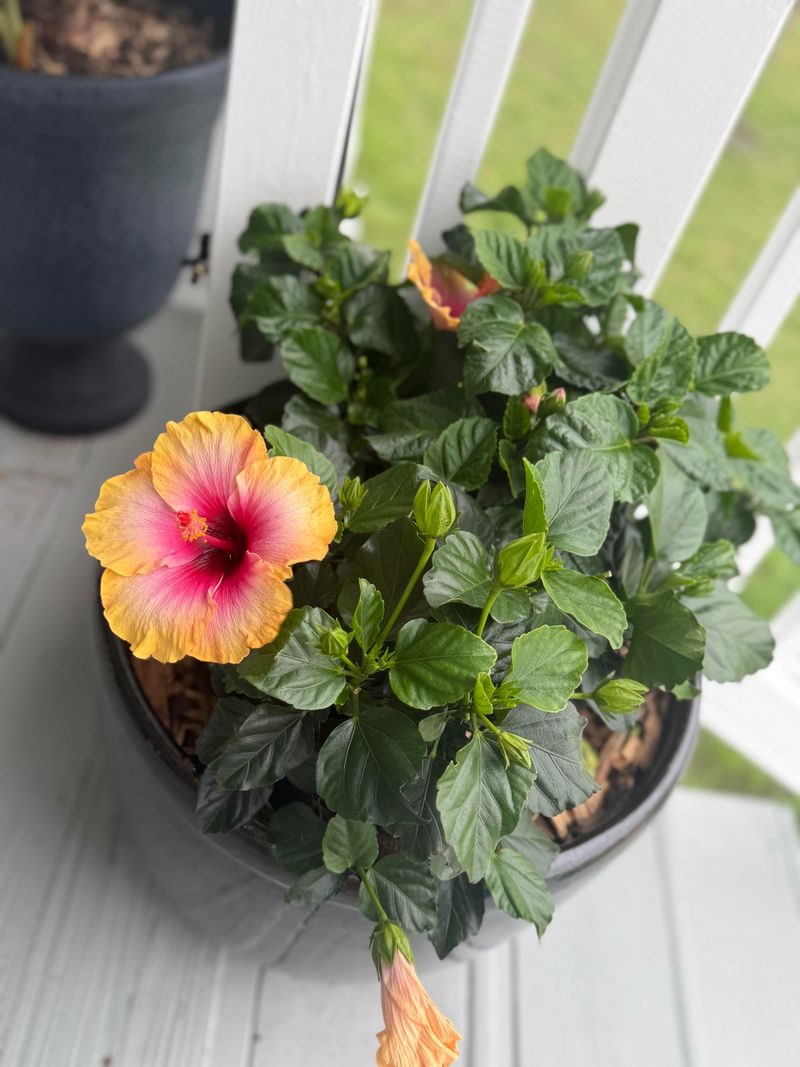
Good airflow through a hibiscus plant is not just about looks. It actually plays a huge role in keeping the plant healthy and productive.
When branches are too crowded, moisture gets trapped inside the canopy, which creates the perfect conditions for fungal problems and pest infestations.
Shaping your hibiscus with airflow in mind means removing branches that cross over each other or grow inward toward the center of the plant. The goal is to create an open, airy structure where sunlight can reach every part of the plant.
In California, where sunshine is plentiful, taking advantage of that natural light by opening up the canopy can significantly boost bloom production.
Think of it like giving your plant room to breathe. Start by identifying the main framework branches you want to keep.
Then remove anything that clutters the interior or causes branches to rub against each other. Rubbing branches create wounds that invite disease.
After shaping, step back and look at the plant from a few feet away. You should be able to see light passing through the center.
This open shape encourages stronger lateral growth and more flowering tips all around the plant, which means a much showier display when bloom season peaks in California.
5. Cut Back Leggy Growth
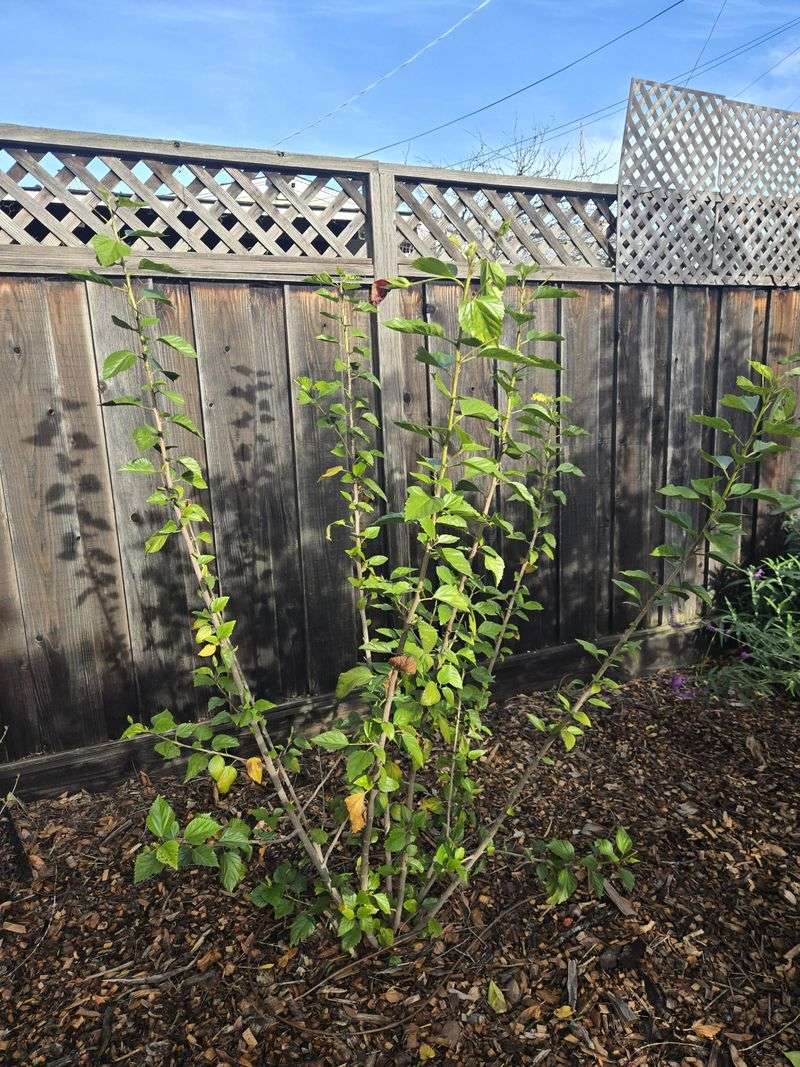
Leggy growth is one of the most common complaints from hibiscus growers across California. A leggy plant has long, stretched-out stems with sparse leaves and very few flowers.
It usually happens when the plant has not been pruned in a while or when it has been reaching for light in a shaded spot.
Cutting back leggy stems encourages the plant to branch out and grow fuller. When you trim a long stem, the plant responds by sending out two or more new shoots from just below the cut.
More shoots mean more potential flowering tips, and that is exactly what you want. For tropical hibiscus in Southern California, cutting leggy stems back by one-third to one-half is usually a safe approach.
Do not be afraid to make bold cuts here. Hibiscus is a resilient plant and recovers quickly in California’s warm climate.
After cutting, give the plant a good watering and a light feeding with a balanced fertilizer to support the new growth. Within a few weeks, you will start seeing fresh, bushy shoots emerging from the cut points.
Over the course of a season, regular cutbacks transform a stretched, sparse plant into a compact, flower-covered showpiece that makes your California garden look absolutely stunning.
6. Avoid Pruning During Blooming
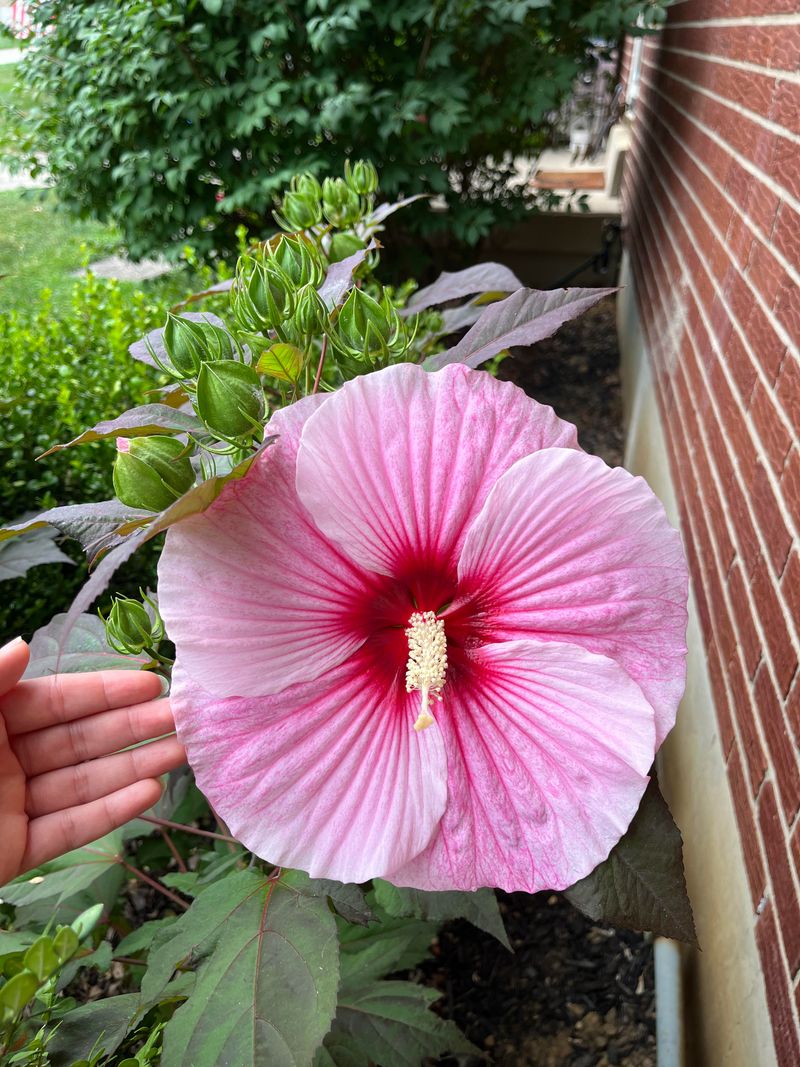
Here is a mistake that many well-meaning gardeners make: grabbing the shears while the hibiscus is covered in beautiful flowers. It feels productive, but pruning during peak blooming actually works against you.
You end up removing the very buds and flowers you have been waiting all season to enjoy.
Hibiscus produces flowers on new growth, so cutting stems while the plant is actively blooming removes future buds along with current ones. The plant then has to spend energy recovering and regrowing instead of continuing to produce flowers.
In California, where hibiscus can bloom for many months due to the warm climate, interrupting that cycle is a real setback.
The better approach is to hold off on major pruning while your hibiscus is in full swing. You can still remove spent flowers, which is called deadheading, to keep the plant looking clean and encourage it to push out fresh buds.
But save the structural pruning for after the main bloom period winds down. Light pinching of stem tips is also okay during blooming to encourage branching without disrupting the flower cycle.
Knowing when to put the pruners down is just as important as knowing when to use them, and your California hibiscus will reward that patience with a longer, more spectacular bloom season.
7. Use The Right Tools
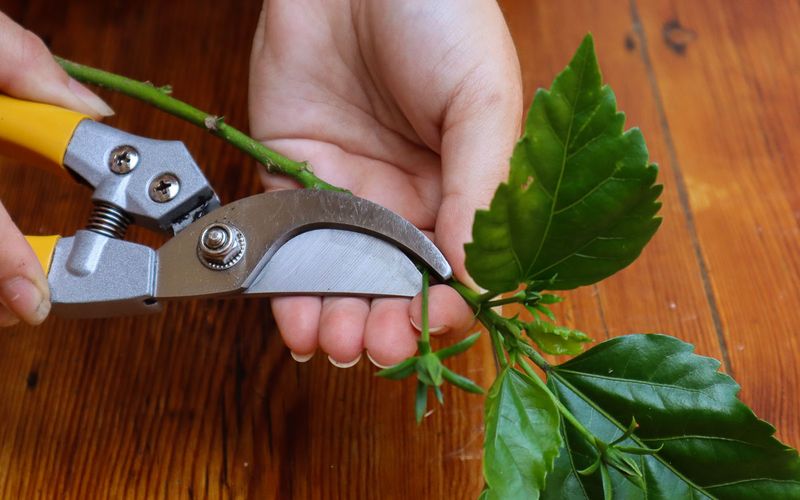
Sharp, clean tools make a bigger difference than most people realize. Dull blades crush and tear stems instead of cutting cleanly, which leaves ragged wounds that heal slowly and invite disease.
Using the right tool for the right job protects your hibiscus and makes pruning much easier on your hands.
For most hibiscus pruning tasks, a good pair of bypass pruners is your best friend. They make precise, clean cuts on stems up to about three-quarters of an inch thick.
For thicker, woodier branches, a pair of loppers gives you the extra leverage you need without straining. Always clean your tools with 70% isopropyl alcohol before you start pruning and again between plants if you are working with multiple hibiscus in your California garden.
This simple step prevents the spread of bacteria and fungal spores from one plant to another.
Sharpen your pruners at least once a season using a whetstone or a handheld sharpener. A sharp blade glides through stems smoothly and leaves a clean surface that heals fast.
After pruning, wipe your tools dry and store them somewhere clean and dry to prevent rust. Taking care of your tools means they will take care of your hibiscus season after season, helping you maintain a thriving, bloom-packed garden anywhere in California.