8 Annual Flowers Georgia Gardeners Can Start From Seed In March
There’s a short window in Georgia when starting flowers from seed just makes sense, and March lands right in the middle of it.
The soil is warming up enough to support steady growth, but it’s still early enough to give plants a strong head start before the real heat sets in.
That timing is what turns a handful of seeds into a full, colorful garden that actually lasts. Instead of struggling later, these flowers settle in early and keep going without much trouble.
It’s also one of the easiest ways to fill beds without overspending, especially when the right varieties are chosen from the start. Not every annual handles early spring conditions the same way, though.
Some take off fast, while others stall. Picking the ones that match this moment is what makes the difference between a slow start and a garden that comes together with confidence.
1. Zinnias Grow Fast Once Soil Warms
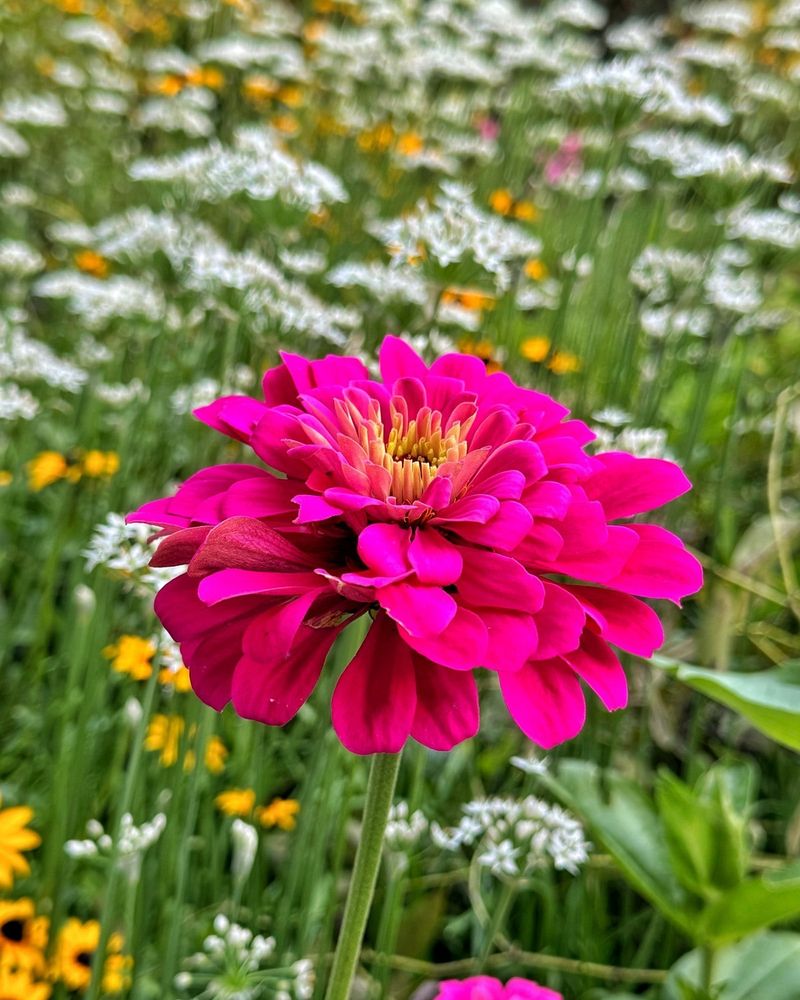
Few flowers reward impatience quite like zinnias. Put a seed in warm soil and stand back — these things take off fast, especially once Georgia’s spring soil temps start climbing past 60 degrees.
March is right on the edge of ideal for zinnias, but if you start them indoors mid-month, you’ll have strong seedlings ready to go out by late April.
Zinnias hate having their roots disturbed, so use biodegradable peat pots or paper cups if you’re starting inside. That way, you can plant the whole thing without yanking seedlings out.
Germination usually happens within five to seven days when kept warm, so don’t overthink it.
Once they’re in the ground and the heat builds, zinnias just go. They’ll bloom from early summer right up until frost hits, which in most parts of Georgia means you’ve got color well into October.
Deadhead the spent blooms regularly and they’ll keep pushing out new flowers without slowing down. Butterflies and bees absolutely swarm them, which is a nice bonus if you’re trying to bring pollinators into your yard.
Plant them in full sun with decent drainage and they’ll do the heavy lifting for you all season long.
Zinnias also pair beautifully with other annuals, filling in gaps with bright, consistent color throughout the garden.
With minimal care beyond watering and occasional deadheading, they make a low-stress way to keep your beds vibrant all season long.
2. Cosmos Handle Cool Starts And Heat Later
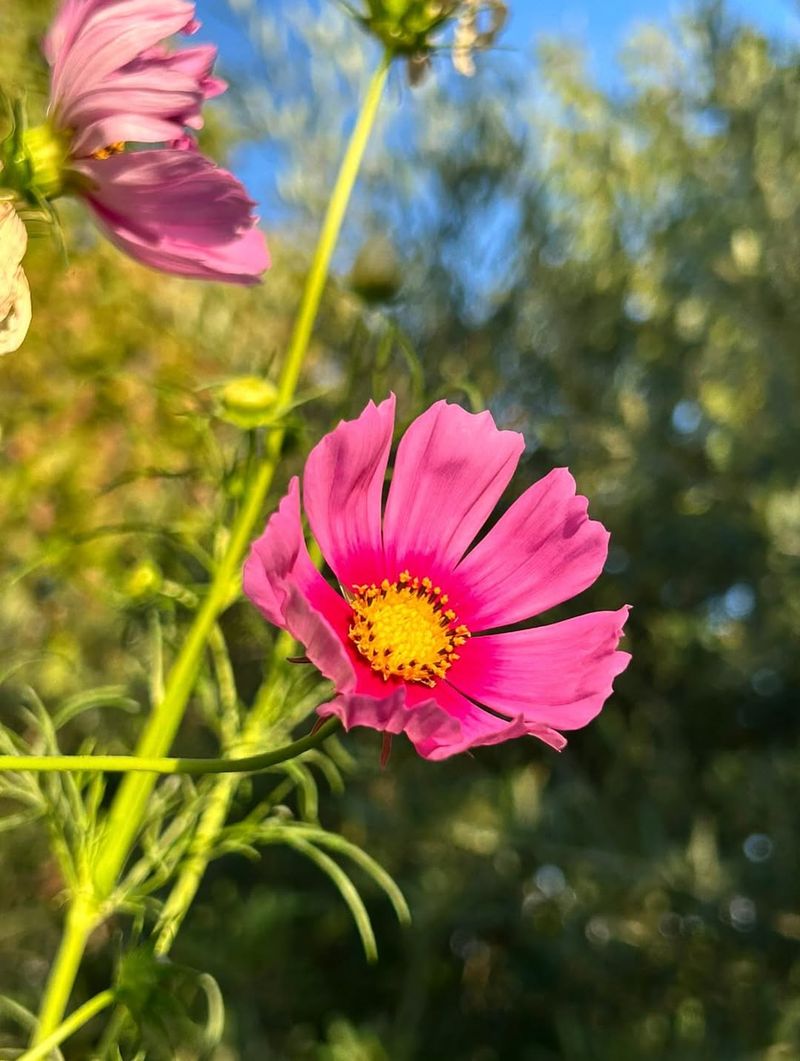
Cosmos are tougher than they look. Those wispy, feathery stems make them seem fragile, but plant them in Georgia and they’ll handle spring cool spells and summer heat without flinching.
Starting them from seed in March gives them time to develop before the real heat arrives, and they’ll reward you with non-stop blooms that last all season.
Direct sowing works well with cosmos — just scatter seeds over loose, well-drained soil and rake them in lightly. Skip the heavy fertilizing.
Rich soil actually makes cosmos go wild with leaves and hold back on flowers. Poor to average soil is where they really shine.
Your Georgia Garden Changes Every Week. Your Plan Should Too.
Gardening in Georgia changes quickly throughout the season. Every Friday you’ll receive a simple weekly plan showing exactly what to plant, prune, fertilize, harvest, and protect so you never miss the right timing.
That’s pretty unusual advice for a flower, but it’s genuinely true with this one.
In Georgia’s warmer zones, cosmos can reach four to six feet tall by midsummer, creating a natural screen or backdrop in the garden. Shorter varieties work great in containers or along borders.
They reseed themselves freely, so don’t be surprised if cosmos show up on their own next spring in spots you didn’t plan for. Butterflies love them, and they make excellent cut flowers — long stems, cheerful blooms, and they hold up well in a vase for several days without much fuss.
Cosmos are also incredibly forgiving if you forget to water occasionally, bouncing back quickly and keeping your garden colorful with very little effort.
3. Sunflowers Sprout Quickly In March Soil
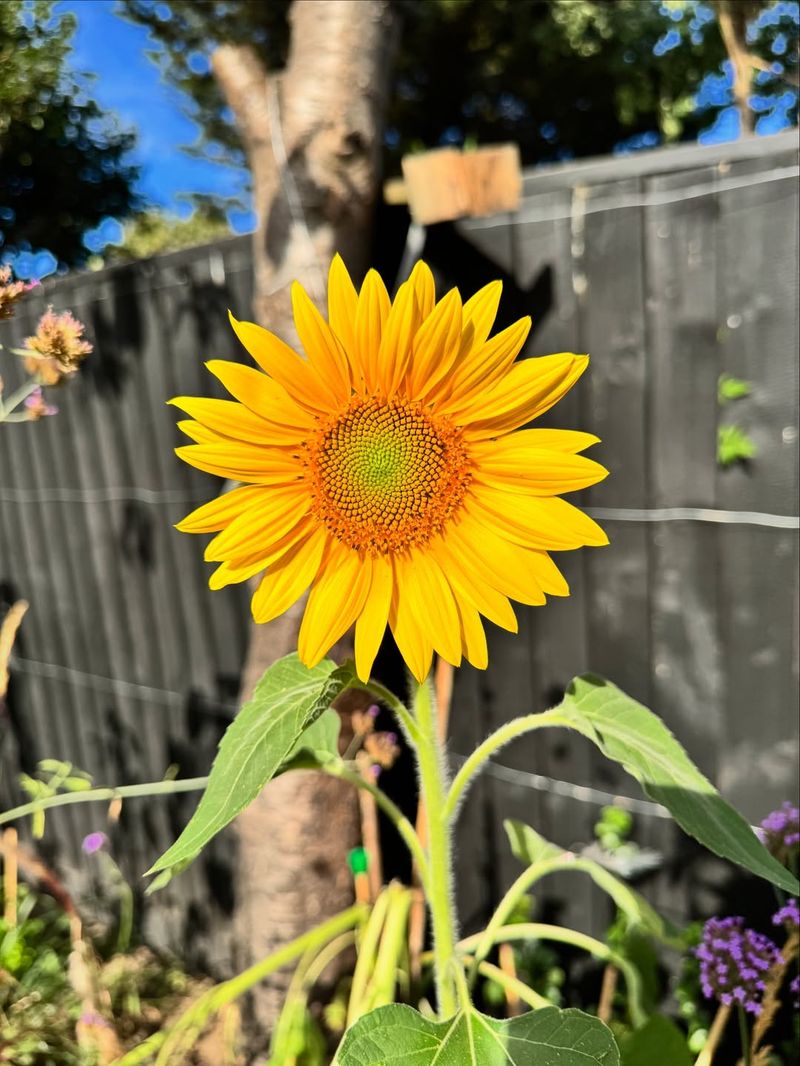
Sunflowers don’t wait around. Drop a seed in the ground in March when Georgia’s soil has started to warm, and you’ll see a sprout poking through within a week to ten days.
They grow fast, they grow big, and they bring that unmistakable cheerfulness to any yard or garden space.
Direct sowing is the way to go with sunflowers — they don’t transplant well because of their long taproots. Pick a spot that gets at least six hours of sun daily, push the seed about an inch deep, and water it in.
Spacing matters more than people think. Crowded sunflowers compete hard and end up with smaller heads, so give them at least a foot between plants, more if you’re growing giant varieties.
Georgia summers can be brutal, but sunflowers are built for heat. They’ll keep their heads up through July and August without complaint.
Birds will start visiting as the seed heads mature, which adds a whole other layer of life to the garden. Planting a second round of seeds in late March or early April staggers your bloom time so you’re not left with bare stalks all at once.
Smaller branching varieties like ‘Autumn Beauty’ give multiple blooms per plant and work especially well in Georgia’s long growing season.
Sunflowers also make a bold statement in cut arrangements, lasting several days in a vase and bringing that same vibrant energy indoors.
4. Marigolds Establish Fast With Early Sowing
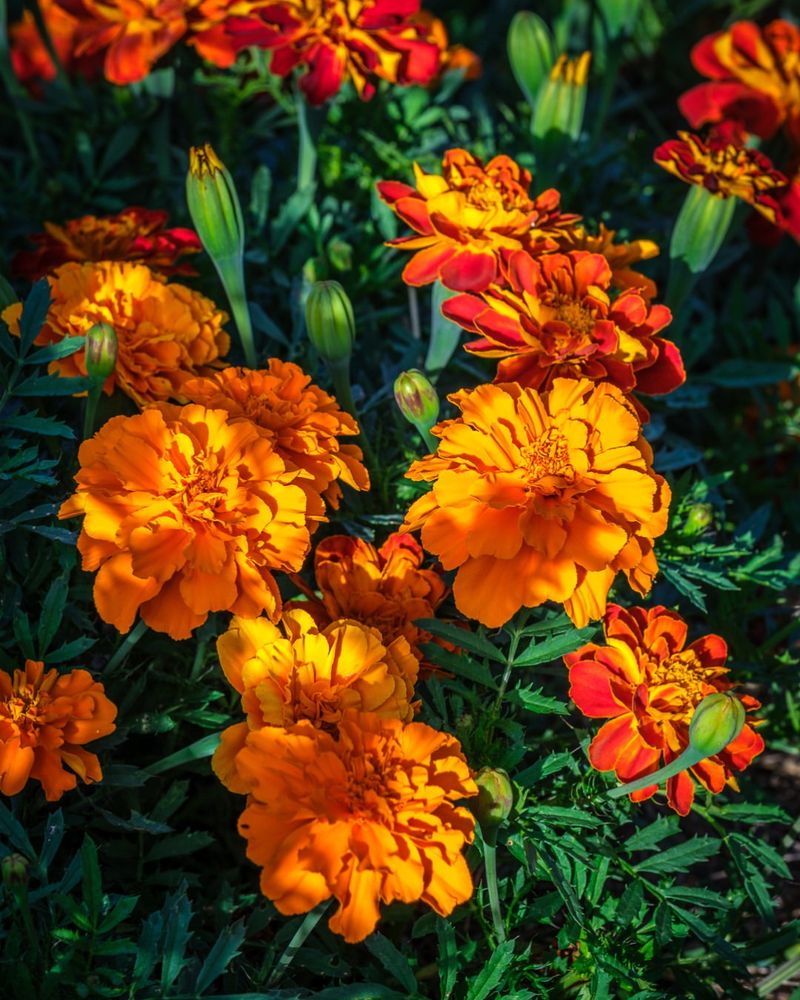
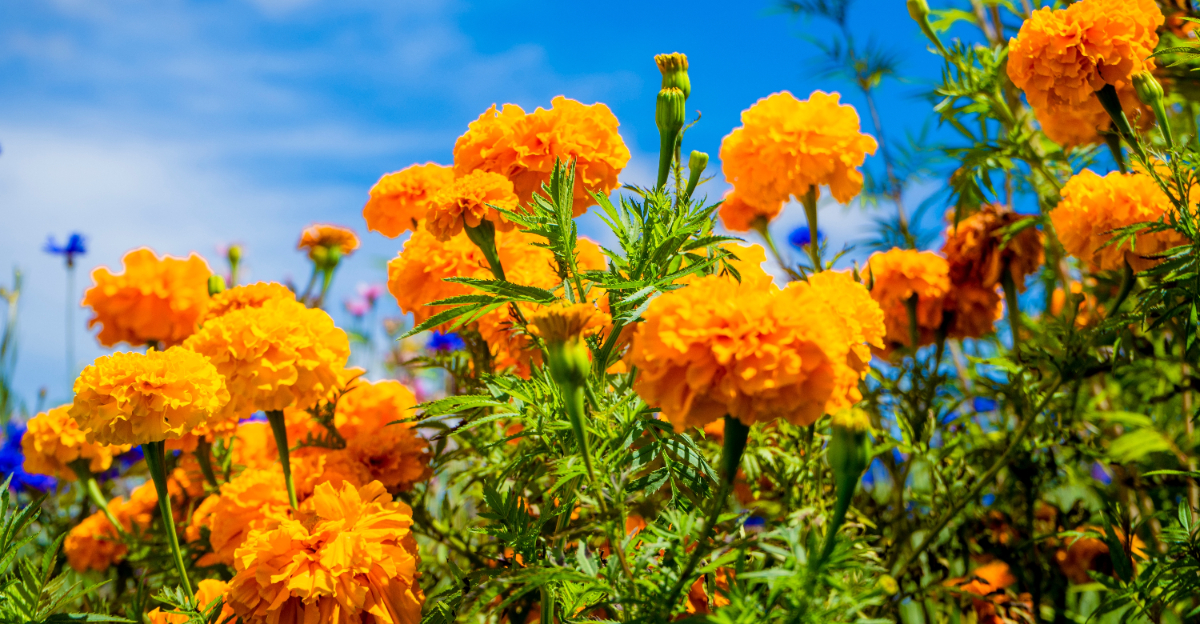
Marigolds have been a Georgia garden staple for generations, and there’s a solid reason they keep showing up year after year. Start them from seed in early March — either indoors or directly in the ground — and you’ll have blooming plants well before the heat of summer arrives.
They’re fast from seed, usually germinating within a week.
One thing that makes marigolds worth planting near vegetables is their strong scent. Aphids, whiteflies, and certain nematodes genuinely avoid them.
Tuck a few marigold plants along the edges of your tomato or pepper beds and you’re doing your garden a favor beyond just adding color. French marigolds stay compact and bushy, while African varieties grow taller and produce larger blooms.
In Georgia, marigolds handle the heat well but can look a little rough during the absolute peak of August. Cutting them back by about a third during that stretch usually encourages a fresh flush of growth heading into fall.
Water them at the base rather than overhead to keep the foliage dry and reduce any chance of mildew. Full sun is non-negotiable for strong blooming — shady spots produce leggy plants with fewer flowers.
Seed-started marigolds from March will be well established long before the heat really arrives, giving them a strong foundation for the whole season.
5. Nasturtiums Germinate Well In Cooler Conditions
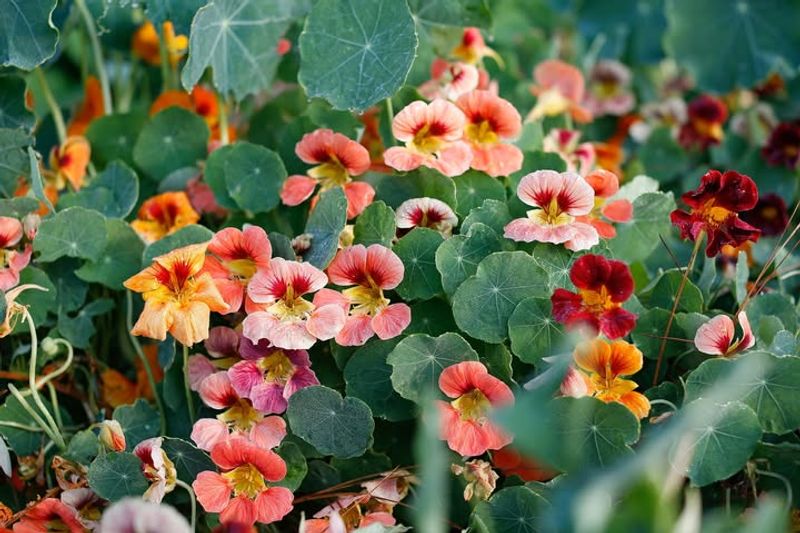
Nasturtiums are one of those plants that actually prefer a little chill at germination — which makes March in Georgia just about perfect for them. Sow the seeds directly where you want them to grow.
Their large seeds are easy to handle, and they’ll push up through the soil within a week or so when temps are still mild.
Skip the indoor starting with nasturtiums. They strongly dislike being transplanted and tend to sulk when their roots get disturbed.
Just press the seeds about half an inch into the soil, water them in, and let them do their thing. Loose, moderately poor soil actually produces better blooms than rich amended beds — sound familiar?
Similar deal to cosmos.
What makes nasturtiums genuinely interesting is that the whole plant is edible. Flowers, leaves, and even the seed pods have a peppery bite that works great in salads.
Kids love picking and eating them straight from the garden, which makes nasturtiums a fun plant to grow with younger family members. In Georgia, they’ll bloom beautifully through spring and into early summer, then slow down once the real heat sets in.
Cut them back a bit in late summer and they often bounce back nicely when temperatures drop again in September and October, giving you a second wave of color.
6. Cleome Starts Early And Handles Summer Heat
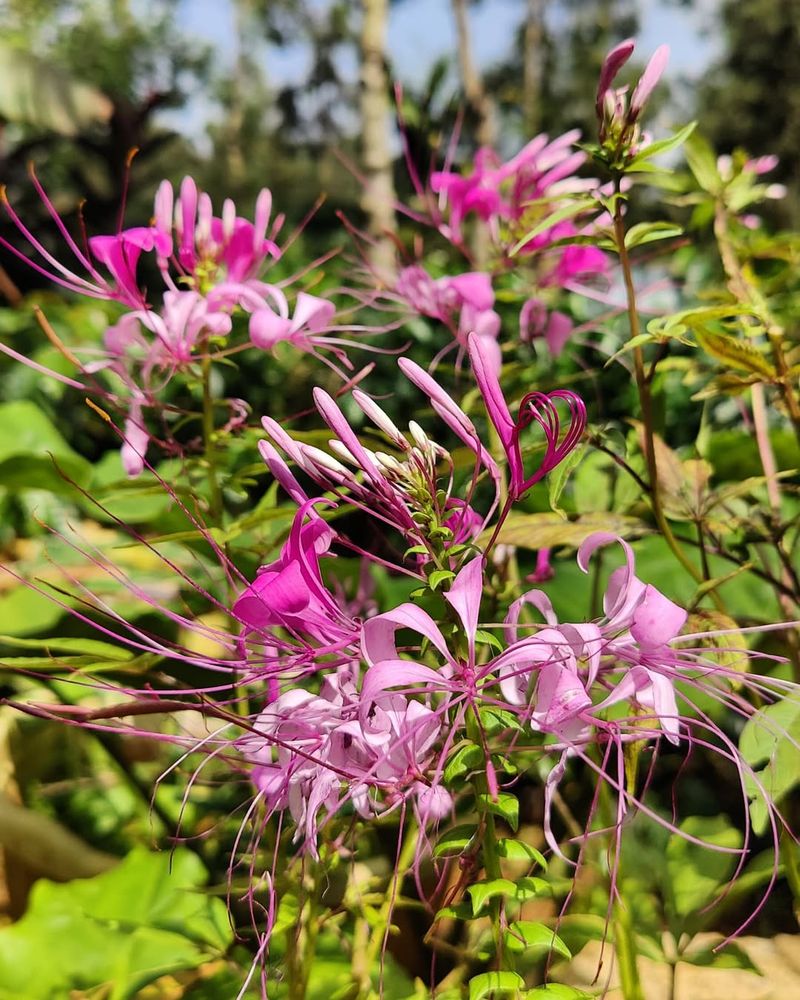
Cleome, sometimes called spider flower, looks like something out of a tropical garden but grows without much fuss right here in Georgia. Starting seeds in March — either indoors or directly outside — gives cleome plenty of time to size up before the heat really hits.
And heat is where cleome absolutely thrives.
Cold stratification helps with germination. Pop the seeds in a damp paper towel inside a zip bag and put them in the fridge for a few days before planting.
That simple trick speeds things up noticeably. Cleome germinates slowly compared to zinnias or sunflowers, so don’t panic if nothing appears for two weeks — it’s coming.
Cleome gets tall. In Georgia’s warm, humid summers it can easily reach four or five feet, sometimes more.
Plant it toward the back of a border where it won’t shade out shorter plants. Hummingbirds are absolutely wild about cleome blooms, and if you want to bring them into your yard regularly, this plant is one of the best choices you can make.
It reseeds aggressively, which is either great news or something to manage depending on your garden style. Thin out the volunteers each spring and you’ll always have a fresh crop without buying new seeds.
Cleome is genuinely one of the most underused annuals in Georgia gardens.
Cleome also produces fragrant flowers that attract bees and butterflies, adding both color and life to the garden throughout the season.
7. Gomphrena Thrives After A March Start
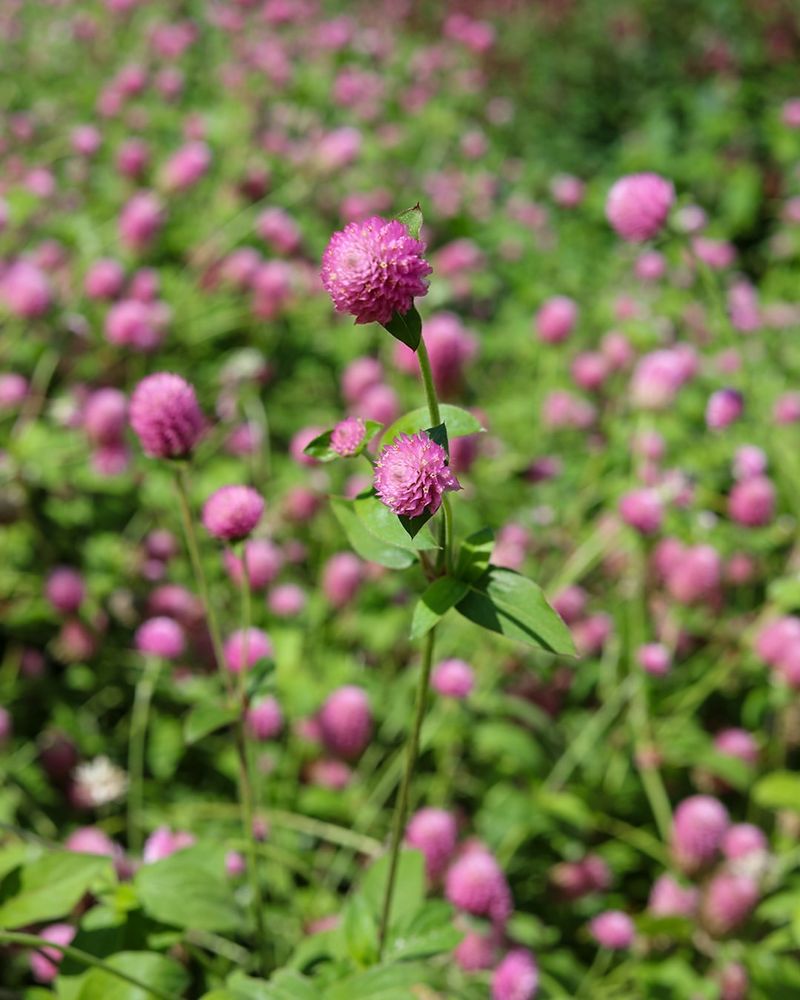
Gomphrena might not be the first flower that comes to mind for most Georgia gardeners, but it absolutely should be on your list. Those round, clover-like blooms in purple, pink, magenta, and white hold their color for months — both on the plant and as dried flowers.
Start seeds indoors in March and you’ll have transplants ready to go out after the last frost.
Germination is a little slow, typically ten to fourteen days, so give it time. Soaking the seeds in water for a few hours before planting can speed things up.
Gomphrena needs warmth to sprout well, so keep your seed tray somewhere consistently warm — on top of the refrigerator or on a heat mat if you have one.
Once it’s in the ground and Georgia’s summer heat kicks in, gomphrena barely needs any attention. It’s one of the most heat and drought-tolerant annuals you can grow in this state, which is saying something given how punishing July and August can be.
Full sun, decent drainage, and occasional watering during dry spells is really all it needs. Butterflies love the blooms, and since gomphrena holds its color so well, it’s a fantastic choice for cutting and drying.
Hang bunches upside down and the blooms stay vivid for months — great for dried arrangements all winter long.
8. Bachelor’s Buttons Tolerate Early Spring Sowing
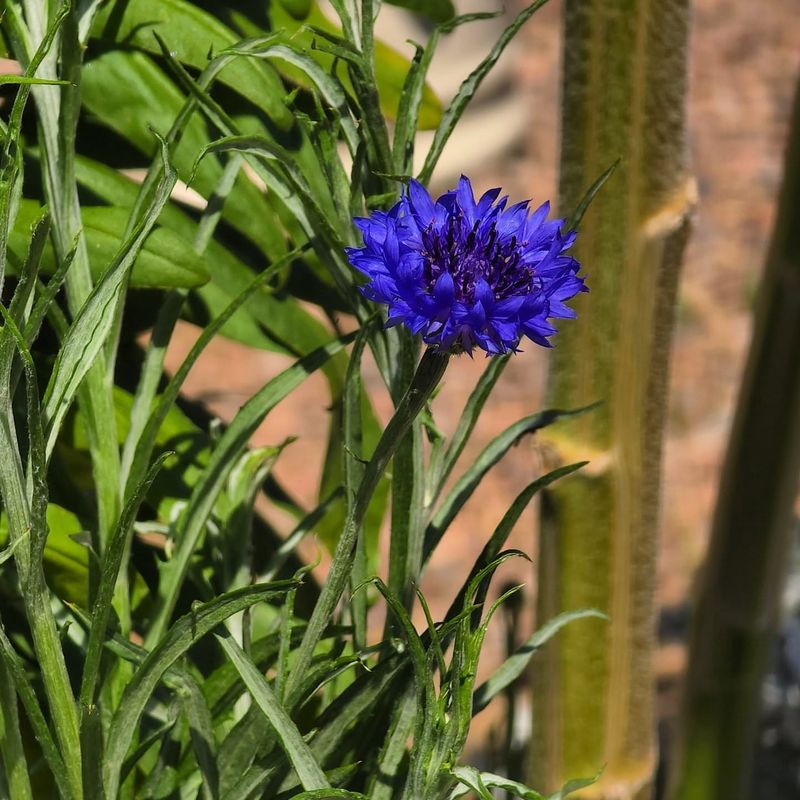
Bachelor’s buttons are cool-season champs, and that cobalt blue color is unlike almost anything else you can grow from seed.
Sow them directly into Georgia garden beds in early March while nights are still cool — they actually germinate better in chilly conditions than in warm ones.
Raking them lightly into loose soil is all the prep they really need.
Don’t bother starting bachelor’s buttons indoors. Direct sowing is faster and produces stronger plants.
Press seeds about a quarter inch deep, water gently, and expect sprouts within seven to ten days. Thinning the seedlings to about nine to twelve inches apart gives each plant room to branch out and produce more flowers.
Bachelor’s buttons bloom best during Georgia’s mild spring weather. As summer heat intensifies, they’ll start to fade and slow down — that’s completely normal for a cool-season annual.
Letting a few plants go to seed in late spring means you might get a surprise second round of plants in fall when temperatures cool back down, which is a genuinely nice bonus.
Pollinators, especially native bees, flock to these flowers in early spring when not much else is blooming yet.
Colors go beyond blue too — pink, white, burgundy, and bicolor varieties are all widely available and just as easy to grow from a March sowing right here in Georgia.