The Best Georgia Container Plants That Survive Full Sun On A Hot Concrete Patio
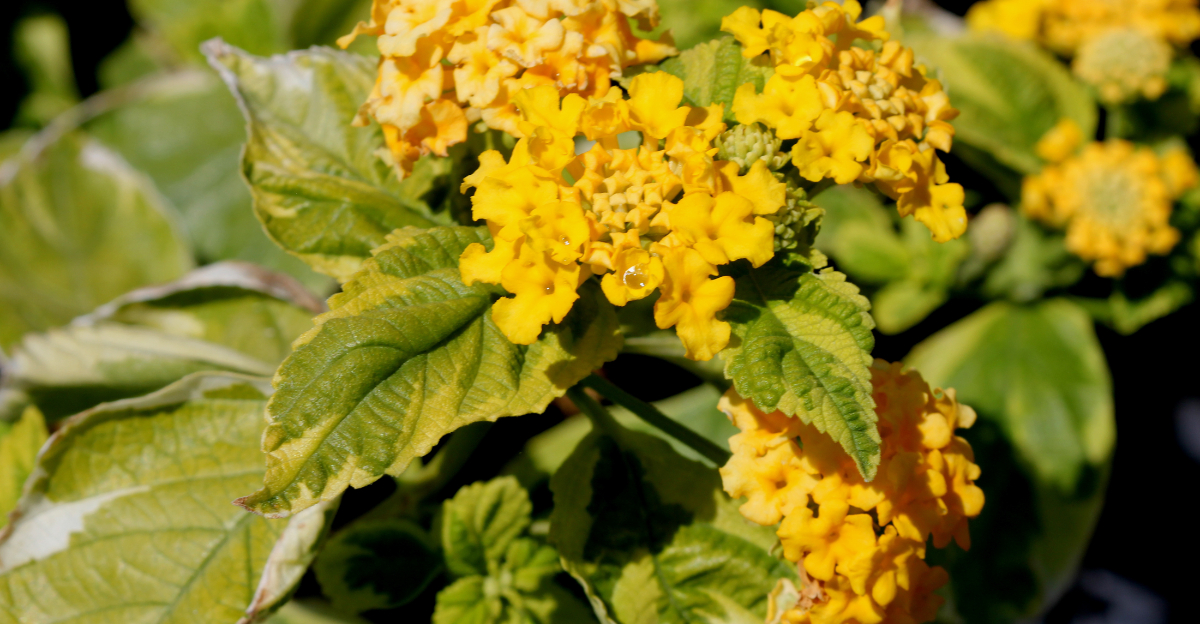
Containers on a Georgia patio can look great at first, especially under full sun where everything starts strong and colorful.
Plants go in healthy, soil is fresh, and it feels like the setup should handle the season without much trouble. Then the heat from the concrete builds up and the change shows fast.
Leaves start to fade, growth slows down, and a few plants struggle even though nothing obvious changed.
Frustration builds because the care stays the same, yet the results do not hold. Heat rising from below, not just sunlight from above, creates a tougher environment than it seems at first.
Choosing plants that can take that kind of pressure makes a noticeable difference. Some hold up, stay full, and keep going even when the surface around them gets hot, which is what this list focuses on.
1. Lantana
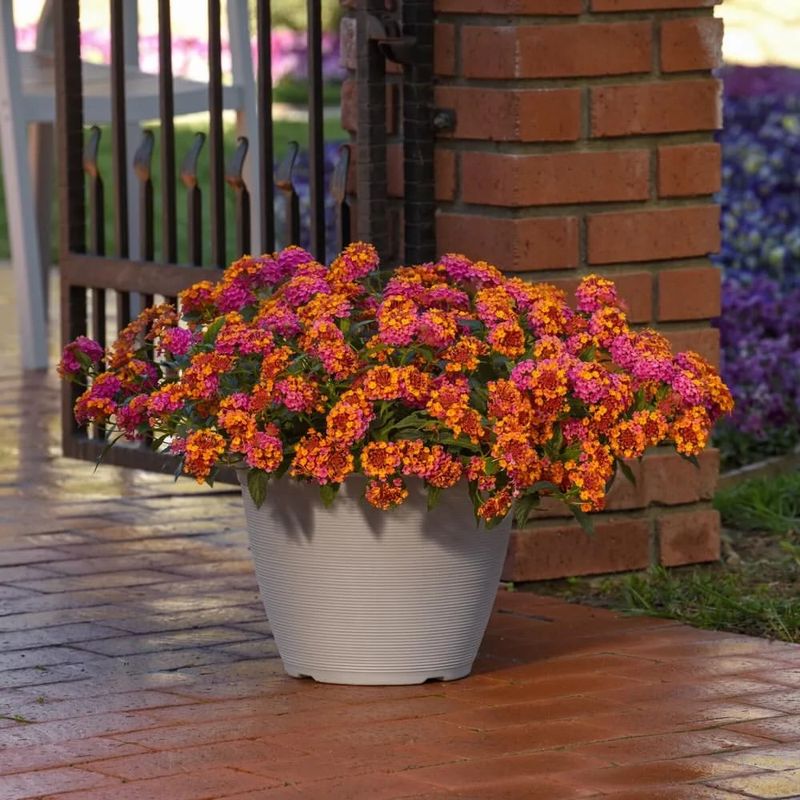
Right from the start, lantana earns its place as one of the smartest container choices for a blazing Georgia patio. It thrives in full sun and handles reflected heat from concrete surfaces without slowing down, which makes it especially useful in urban or paved settings where temperatures climb quickly.
While many plants begin to fade or struggle under constant exposure, lantana continues producing clusters of bright flowers that hold their color through long stretches of heat. This consistent performance makes it a reliable option for patios that receive sun from morning through late afternoon.
Gardeners often choose lantana when they want a plant that does not require constant adjustment or protection from intense conditions. It adapts well to containers, holds its shape, and continues blooming even when daytime temperatures stay high for extended periods.
Because Georgia summers can bring both humidity and strong sun, plants that tolerate both are not always easy to find, yet lantana manages that balance with very little effort once established. When placed near seating areas or along edges of a patio, it adds steady color without becoming demanding.
For anyone dealing with heat buildup from stone, brick, or concrete, lantana offers a dependable way to keep containers looking active and healthy instead of worn out by midseason.
Regular light pruning helps keep it compact and encourages even more blooms throughout the hottest part of the Georgia summer.
2. Vinca
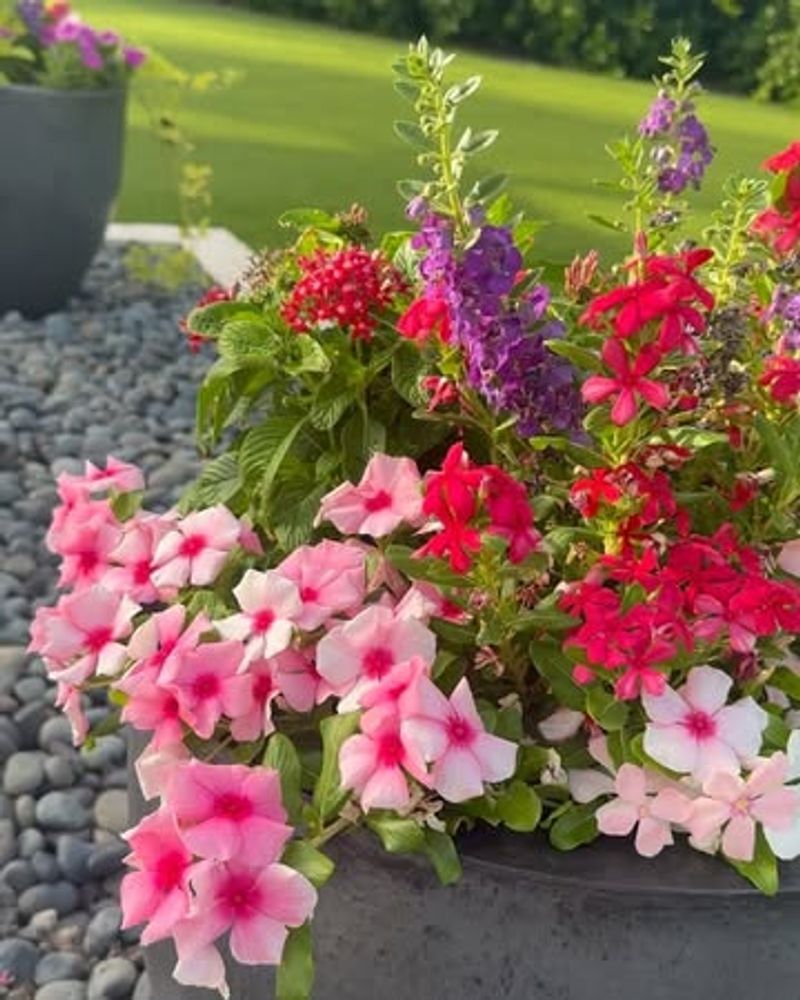
If your patio feels like an oven by lunchtime, vinca is one of the most reassuring plants you can grow in containers in Georgia. It keeps blooming through heavy heat, strong sunlight, and dry stretches with a calm, steady performance that feels almost effortless.
That reliability makes it especially useful when you want flower pots that still look polished during long summer weeks. What makes vinca such a winner is its ability to stay neat while producing clean, bright blooms above healthy green foliage.
It does not require constant deadheading, which is a major advantage on a hot concrete patio where maintenance can quickly feel overwhelming. Plant it in a container with excellent drainage, and avoid overwatering, since soggy soil is one of the few things that can cause problems.
Your Georgia Garden Changes Every Week. Your Plan Should Too.
Gardening in Georgia changes quickly throughout the season. Every Friday you’ll receive a simple weekly plan showing exactly what to plant, prune, fertilize, harvest, and protect so you never miss the right timing.
Letting the soil dry slightly between waterings supports stronger roots and better flowering. In Georgia conditions, vinca also handles humidity better than many other summer flowers, which helps it stay presentable even after long stretches of heat.
It works well in mixed containers because it fills space without becoming floppy, but it also holds a crisp, structured look when planted on its own. For patios that receive full sun and reflect heat throughout the day, vinca remains one of the most reliable and low-maintenance flowering choices available.
It is also rarely bothered by pests or diseases, which helps it stay clean and consistent even through the toughest part of the Georgia summer.
3. Portulaca
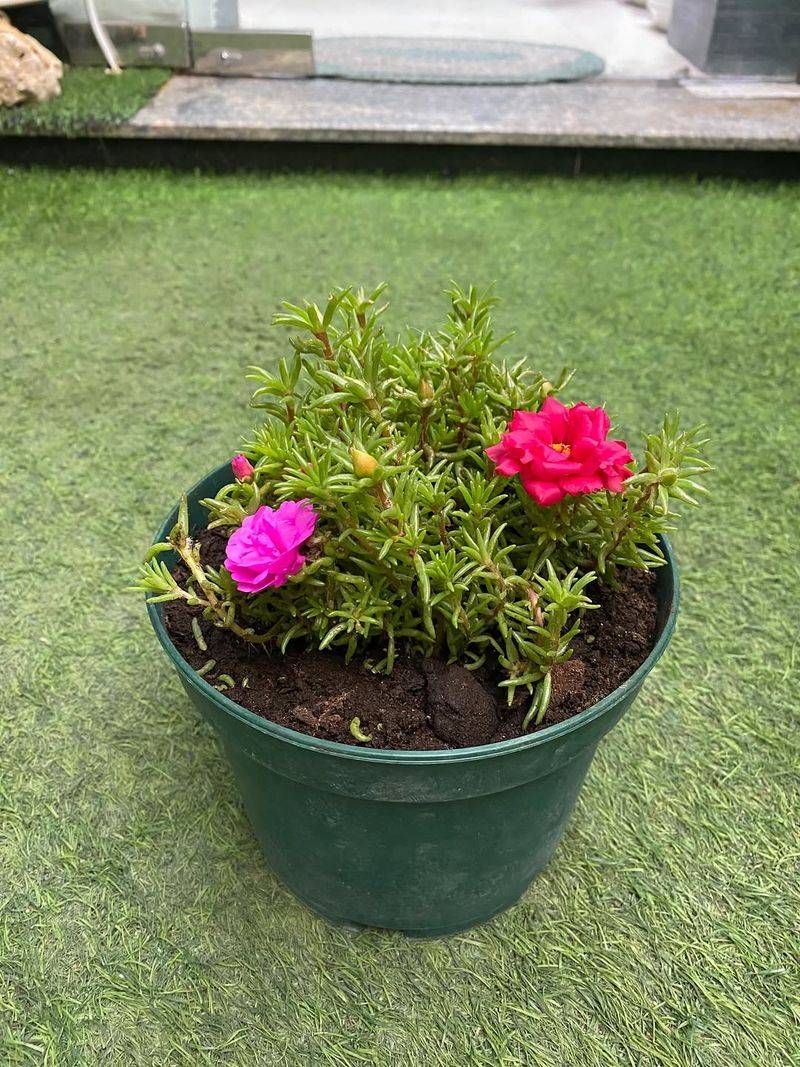
For patios that get scorching afternoon sun in Georgia, portulaca feels like it was built for the job. Its succulent leaves store moisture, its flowers open beautifully in bright light, and it thrives where heat and dry soil would frustrate fussier plants.
That combination makes it a standout pick for containers sitting on concrete that radiates warmth all day.
One thing that stands out about portulaca is how little effort it needs once planted in a fast-draining potting mix. It prefers leaner conditions, so overwatering is far more likely to cause problems than a stretch of strong sunshine.
Choose a shallow or medium-sized container with good drainage holes, place it in full sun, and allow the top layer of soil to dry before watering again.
Because it trails and mounds at the same time, portulaca softens hard patio edges and creates a relaxed spill of color around containers. In Georgia summers, the bright blooms and fleshy foliage stay attractive with very modest care.
Avoid heavy fertilizer, as overly rich soil can reduce flowering and lead to weaker growth.
Portulaca also handles reflected heat well, making it especially useful on patios surrounded by stone, brick, or concrete surfaces.
For a plant that thrives in intense sun, handles dry conditions, and keeps containers looking lively, portulaca remains one of the most dependable warm-season choices for Georgia patios.
Its flowers tend to close in the evening or on cloudy days, then reopen with full sun, which is a normal part of its daily cycle in Georgia conditions.
4. Angelonia
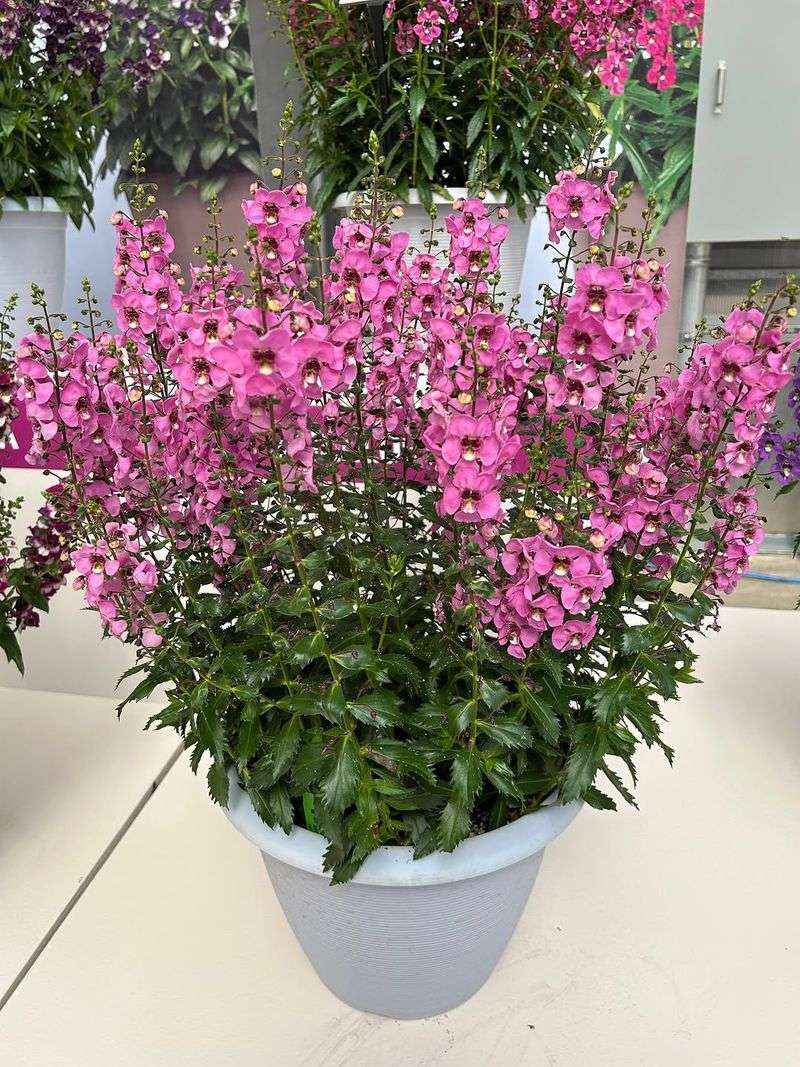
When you want height and structure in a Georgia container garden, angelonia is a strong answer for full sun and relentless patio heat. Its upright flower spikes stay tidy and colorful through summer, giving pots a cleaner, more vertical look than many softer annuals.
That shape is especially helpful on a concrete patio where plants may need to frame seating areas or entry points without spreading too far.
Unlike many heat-sensitive flowers, angelonia holds its structure well and continues blooming even when temperatures stay high for long stretches. Its steady growth makes it a dependable choice when other plants begin to fade under pressure.
In mixed containers, it works well as a vertical anchor, balancing trailing and mounding plants around it. A well-draining potting mix supports healthy roots, and watering deeply when needed helps maintain steady growth.
Occasional trimming of spent stems encourages new blooms and keeps the plant looking full and neat.
Angelonia also performs reliably in Georgia humidity, which can be challenging for many flowering plants. Good airflow and proper spacing help prevent stress and keep foliage looking clean.
Place containers where they receive at least six hours of direct sun, and avoid overcrowding to maintain strong growth.
For patios exposed to heat and reflected light, angelonia adds height, color, and structure while remaining easy to manage through the peak of summer.
It is also relatively resistant to pests and diseases, which helps it stay clean and consistent throughout the Georgia summer without extra maintenance.
5. Zinnia
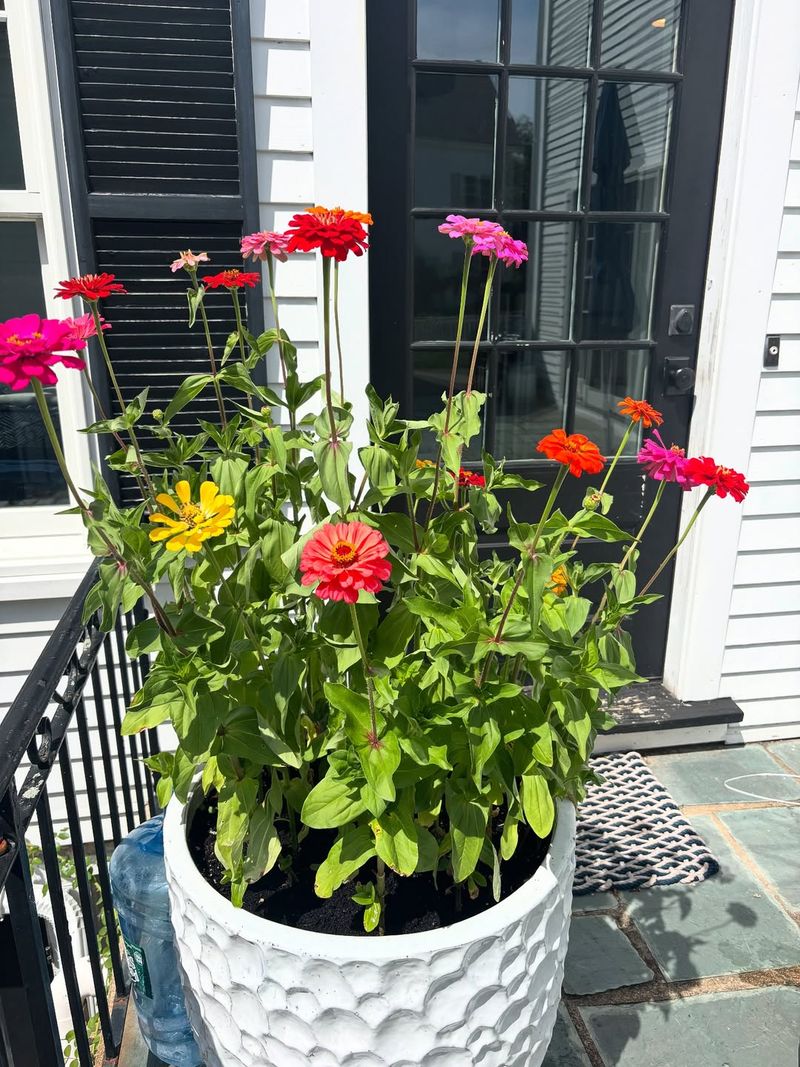
Few flowers bring as much cheerful color to a Georgia patio as zinnias, especially when you choose compact varieties suited for containers. They thrive in full sun, handle summer warmth well, and produce bold blooms that brighten even a plain concrete setting.
That vibrant look works well in areas where heat builds up and plants need to stay visually strong through long, bright days.
The key with container zinnias is providing strong light, steady airflow, and a container large enough to support consistent root growth. Crowded planting should be avoided, since tight spacing can lead to stress once heat and humidity increase.
Watering at the soil level instead of over the foliage helps reduce disease risk, especially during humid periods. Regular removal of spent blooms encourages continued flowering and keeps plants looking tidy.
Light feeding supports bloom production without pushing overly soft growth that struggles in heat.
Zinnias offer a wide range of colors, from deep reds and bright pinks to orange, yellow, and soft white tones. This variety allows containers to stand out clearly even from a distance.
Their upright habit and steady blooming pattern help maintain a structured look throughout the season.
In high heat conditions, zinnias continue performing with minimal decline, making them one of the more dependable flowering options available for summer patios in Georgia.
Choosing disease-resistant varieties helps reduce issues like powdery mildew, especially during Georgia’s humid summer stretches.
6. Pentas
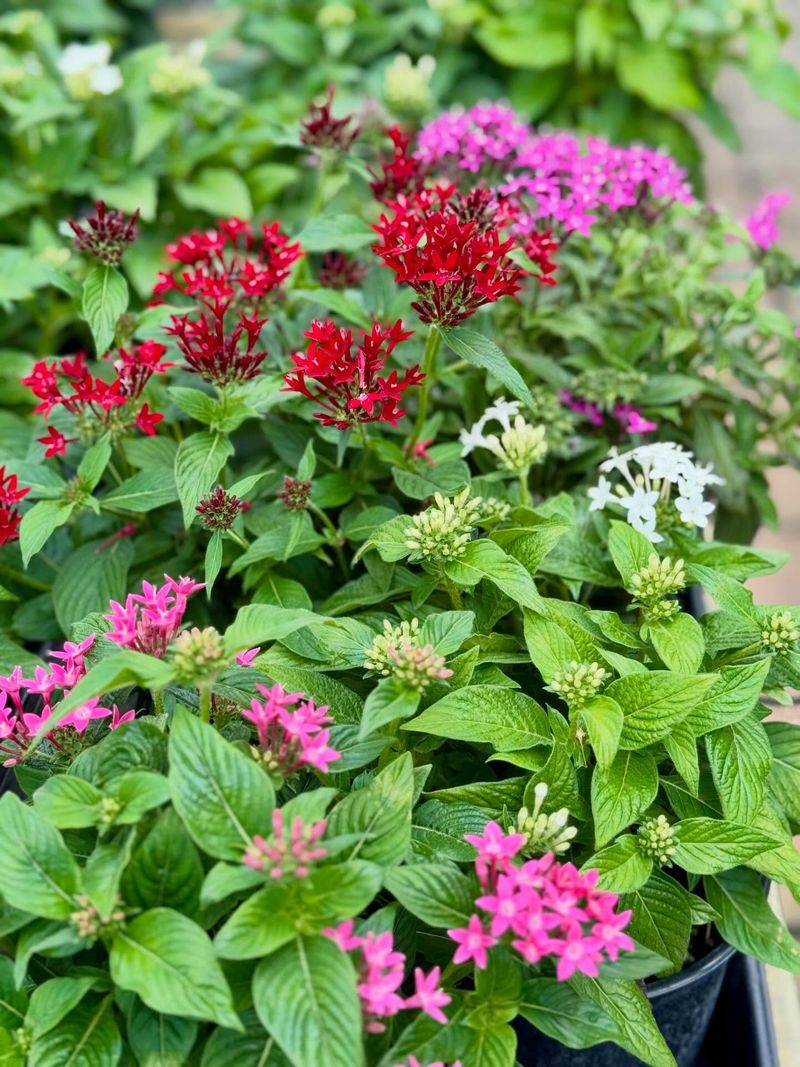
If attracting butterflies and keeping your patio colorful are both high on your list, pentas is a fantastic container plant for Georgia. It handles heat with ease, blooms steadily in full sun, and produces star-shaped flower clusters that stand out against summer greenery.
That combination makes it useful as both a decorative feature and a way to bring movement and activity into a warm patio setting.
Pentas performs best in a container with rich but well-drained potting mix, and it benefits from consistent watering during extended heat. Once established, it tolerates high temperatures well, especially with full sun exposure.
Regular moisture supports steady blooming, but overly wet soil should be avoided to protect the roots.
Deadheading helps maintain a tidy appearance and encourages continued flowering, though it is not overly demanding.
The flowers appear in shades of red, pink, lavender, and white, making pentas easy to match with different container combinations. Its upright growth habit allows it to blend well with trailing or mounding plants without becoming overwhelming.
Placing containers closer to seating areas or entry points increases the chance to observe visiting butterflies and pollinators.
In hot patio conditions, pentas continues producing color with minimal decline, making it a dependable option for long-lasting summer displays in Georgia.
It also attracts hummingbirds along with butterflies, adding even more activity and interest to Georgia patio containers throughout the summer.
7. Salvia
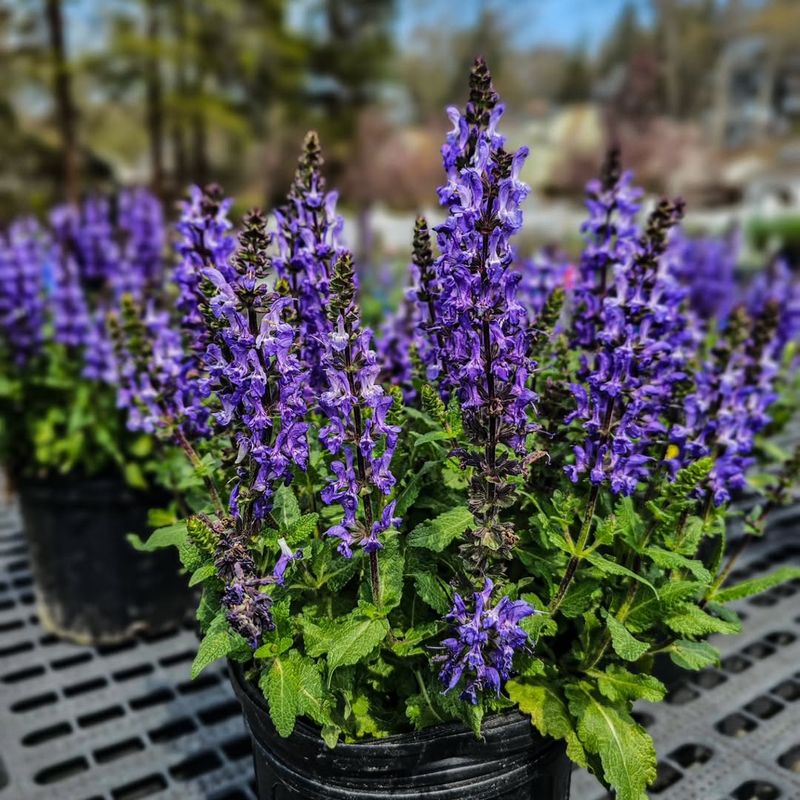
On a full sun patio in Georgia, salvia brings both resilience and a slightly wilder garden feel without becoming hard to manage. Its upright flower spikes hold up well in hot, dry container conditions, and many varieties continue blooming long after early summer plants fade.
That lasting performance makes it especially useful when a patio display needs to stay active through the hottest months.
Salvia adapts well to bright light and moderate watering once established in a container. A pot with excellent drainage supports healthy roots, and deep watering when the soil begins to dry helps maintain steady growth during peak heat.
Allowing the soil surface to dry slightly between waterings reduces the risk of overwatering, which can affect performance in containers.
When flower spikes begin to fade, light trimming encourages new growth and continued blooming.
Salvia also attracts pollinators, adding movement and interest to a patio setting that might otherwise feel still and structured.
Compact and medium varieties are better suited for containers, as they maintain a balanced shape without becoming too large. Proper spacing improves airflow, which is important in humid Georgia conditions.
Excess fertilizer should be avoided, since it can reduce flowering strength and lead to weaker growth.
With strong sun tolerance, steady blooming, and low maintenance needs, salvia remains one of the more reliable choices for container gardening in Georgia heat.
8. Euphorbia
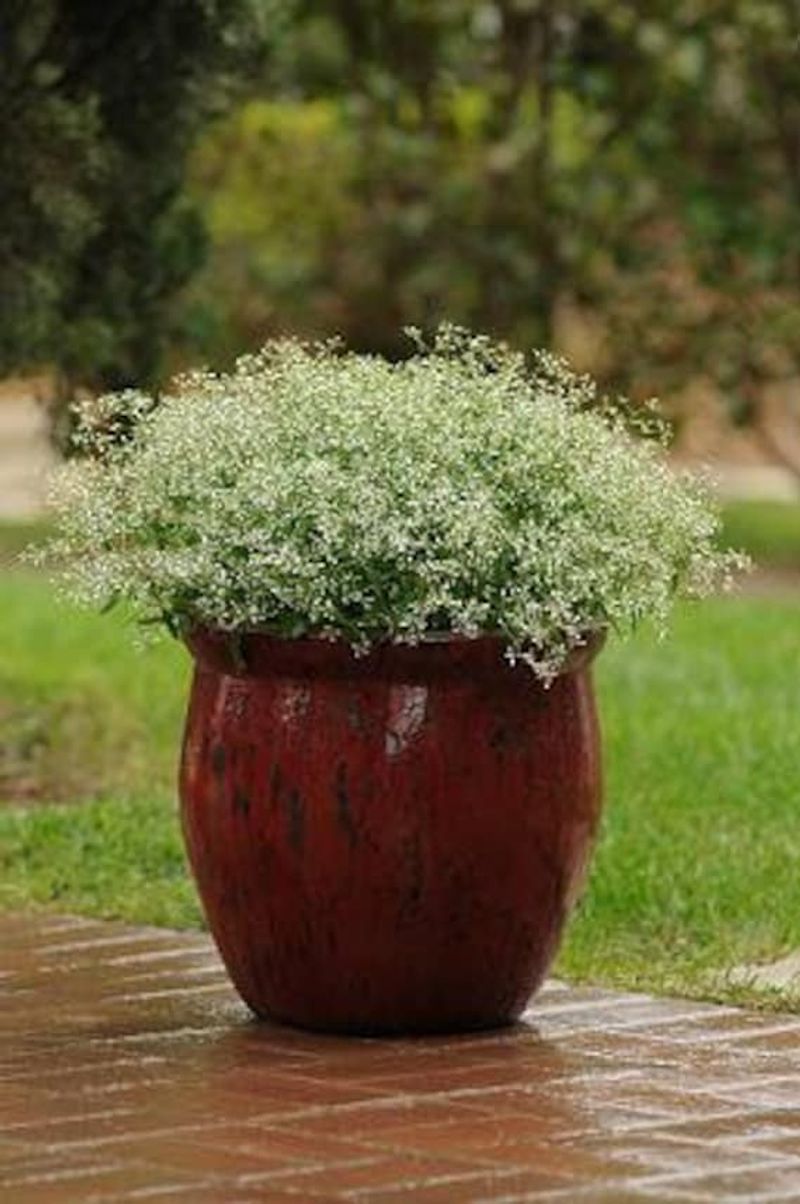
For a softer, airier look on a blazing Georgia patio, euphorbia is an excellent container plant that handles heat and strong light without wilting. Its tiny, cloudlike blooms create a light texture that pairs well with bolder flowers and keeps that fresh appearance through demanding summer weather.
That quality makes it especially useful on concrete patios where reflected light can stress many plants by midafternoon.
Euphorbia performs well in mixed containers, filling gaps and softening edges without overpowering surrounding plants. It blends easily with stronger bloom shapes while maintaining balance in the arrangement.
Fast-draining soil is important, along with consistent sun exposure and moderate watering. Allowing the top layer of the potting mix to dry slightly between waterings helps prevent excess moisture around the roots.
Once established, euphorbia maintains a tidy form without frequent trimming, which reduces maintenance and keeps containers looking neat.
Its fine texture adds contrast next to larger leaves and dense flower clusters, improving the overall composition of container plantings.
In addition, its light-reflecting blooms can brighten patio areas later in the day, especially near entryways or seating zones.
With steady performance in high heat and minimal care requirements, euphorbia serves as a dependable filler that enhances the appearance of summer containers in Georgia conditions.