8 Fragrant Plants That Make Arizona Backyards Smell Amazing
Some backyards in Arizona look beautiful, but they still feel like something is missing. Color helps, shade matters, and texture makes a difference, but scent is what gives a yard that extra layer people actually notice.
It changes the mood of the whole space without needing anything dramatic. A warm evening, a light breeze, and the right plant nearby can make even a simple backyard feel more inviting and memorable.
That is part of what makes fragrant plants so worth paying attention to in Arizona, especially when many landscapes focus mostly on surviving heat and staying neat.
The good news is that a backyard can handle tough conditions and still have that softer, more enjoyable side.
Some plants do a lot more than just look nice once they settle in. They bring something that lingers in the air and changes how the whole yard feels, which is exactly why these fragrant picks stand out.
1. Desert Willow Brings A Subtle Sweet Fragrance During Bloom
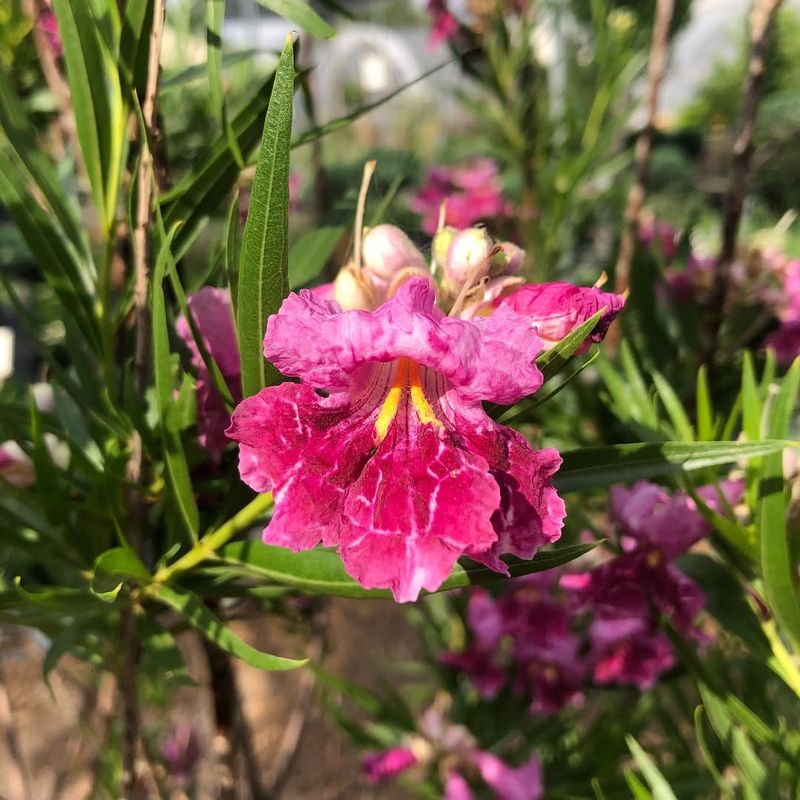
Desert Willow does not shout for attention, but it earns it anyway. During bloom, which can stretch from late spring all the way through fall in most Arizona yards, the flowers give off a soft, sweet scent that floats on the breeze without ever feeling overwhelming.
It is the kind of fragrance that makes you pause and wonder where it is coming from.
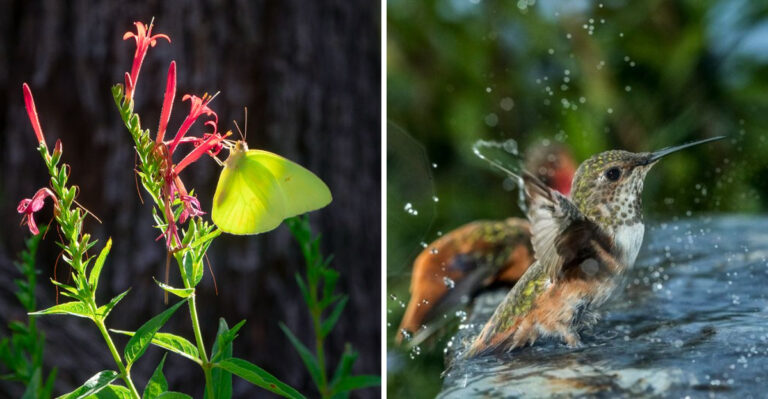
Flowers come in shades of pink, purple, white, and deep burgundy, and they look more like something from a tropical garden than a desert plant. Hummingbirds absolutely cannot resist them.
If you have been trying to attract more wildlife to your Tucson or Phoenix backyard, planting one of these near a window or sitting area is a smart move.
Height-wise, it stays manageable, usually topping out somewhere between 15 and 25 feet depending on water and soil conditions. It handles heat without flinching and recovers well after summer monsoon stress.
Leaves drop in winter, which some people find inconvenient, but the branch structure is interesting enough to carry the yard through the cold months.
Watering deeply but infrequently encourages a stronger root system, which helps the tree handle Arizona’s brutal summers. Give it full sun and good drainage, and it will reward you with blooms and fragrance for years without asking for much in return.
2. Texas Mountain Laurel Fills The Air With A Grape-Like Scent
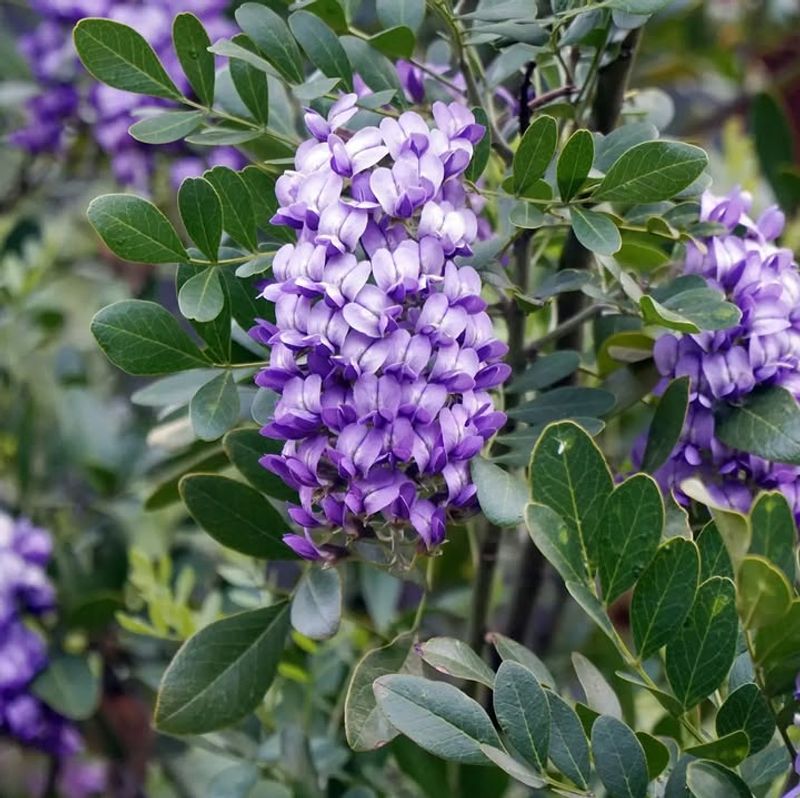
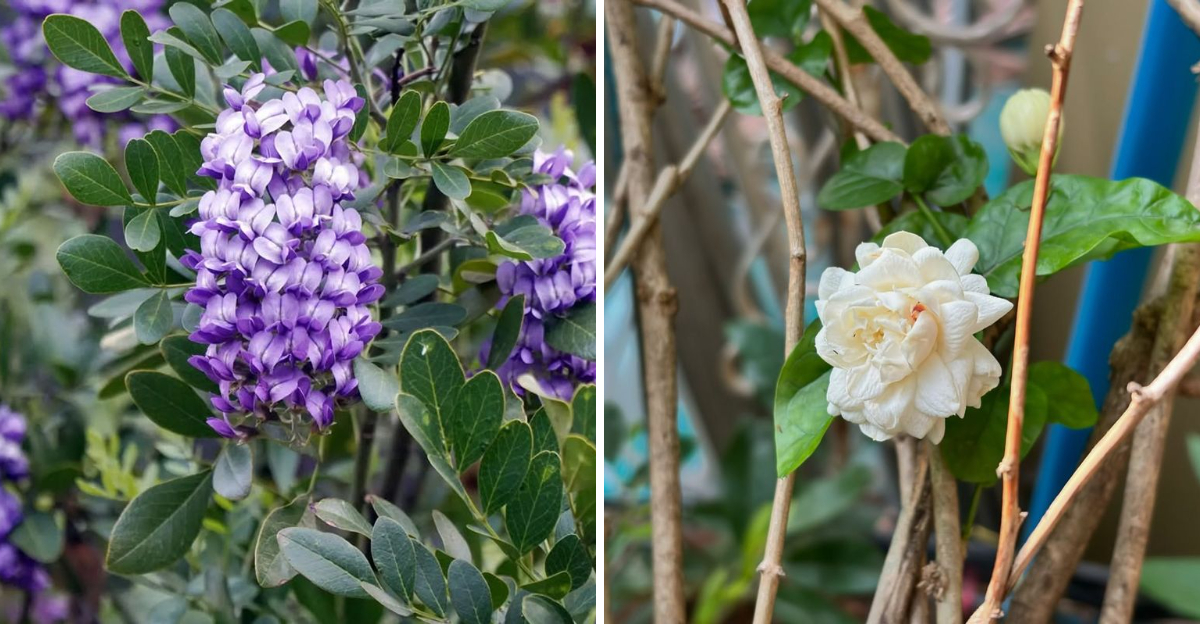
Walk past a Texas Mountain Laurel in full bloom and you might actually look around for a bunch of grapes. That sweet, almost candy-like fragrance hits fast and hard, especially on warm spring mornings in Arizona.
It smells almost exactly like grape soda, which surprises most people who have never encountered it before.
Blooms typically show up between February and April, depending on your elevation and how warm the winter has been. Purple flower clusters called racemes hang from the branches in thick bunches that look almost as good as they smell.
In a Phoenix or Tucson yard, a well-placed mountain laurel near a seating area can fill the whole patio with scent on a calm evening.
Your Arizona Garden Changes Every Week. Your Plan Should Too.
Gardening in Arizona changes quickly throughout the season. Every Friday you’ll receive a simple weekly plan showing exactly what to plant, prune, fertilize, harvest, and protect so you never miss the right timing.
Growth is slow, which means you plant it with patience in mind. But that also means it rarely gets out of hand or crowds other plants out.
It handles full sun without complaint, and rocky or sandy desert soil suits it just fine.
Deer tend to leave it alone, and it does not need much water once it gets settled. Pruning is mostly optional since the natural shape stays fairly tidy on its own.
If you want one showstopper plant in your Arizona backyard that earns its place every single spring, this is a strong candidate worth considering.
3. Arabian Jasmine Stands Out With Strong Evening Scent
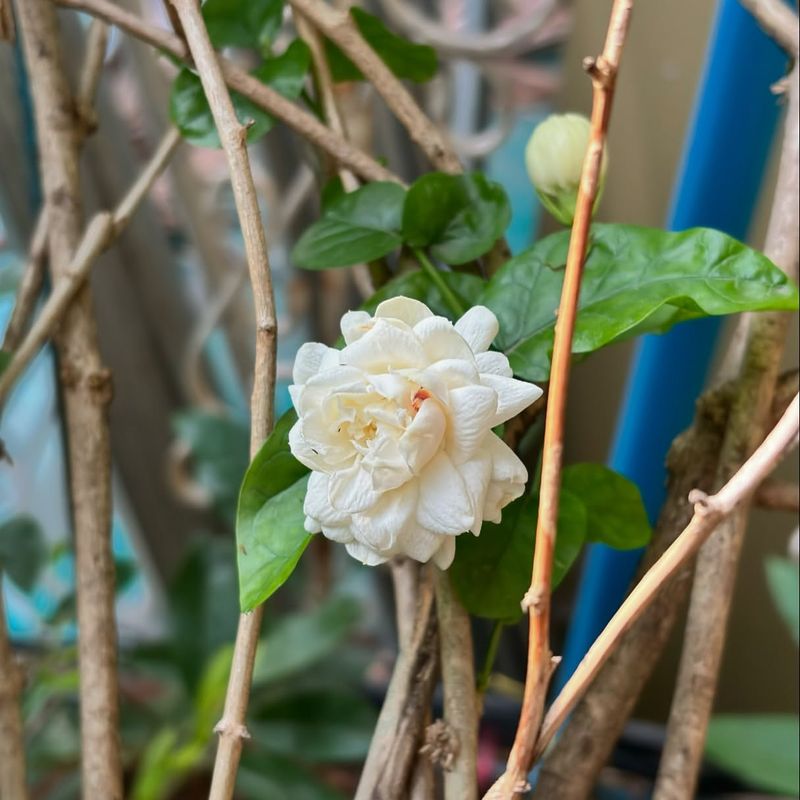
Arabian Jasmine is not subtle. When it blooms, you know it.
Small white flowers release a rich, heady perfume that intensifies as the sun goes down, making evening time in an Arizona backyard feel completely different. Neighbors have been known to ask what is blooming just from catching a whiff over the fence.
Traditionally used to make jasmine tea and perfume, this plant has centuries of history behind it. Growing it in Arizona requires a spot with full to partial sun and some protection from the harshest afternoon heat, especially in low desert areas like Phoenix or Mesa.
A wall that catches morning sun but offers afternoon shade tends to work well.
It can be trained as a vine or kept as a shrub depending on how you prune it. Left alone, it sprawls and climbs, which makes it useful for covering fences or trellises where you want both privacy and fragrance.
Regular watering during the hottest months keeps it looking healthy and producing blooms consistently.
Humidity from monsoon season actually helps this plant push out more flowers, so late summer often brings a second wave of intense fragrance.
If you want your outdoor entertaining space to smell incredible after sunset, Arabian Jasmine earns a permanent spot in any Arizona garden worth spending time in.
4. Night Blooming Jasmine Peaks After Sunset With Intense Fragrance
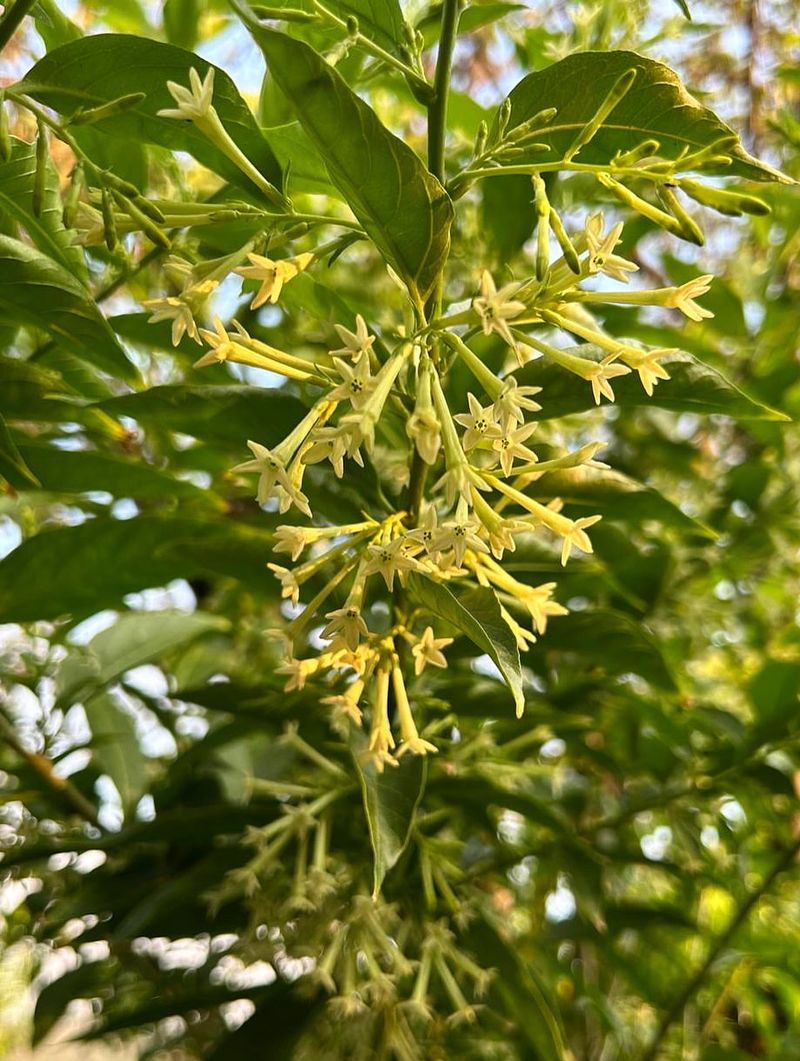
Right around dusk, something shifts in a backyard where Night Blooming Jasmine is growing. Small, tubular white flowers that looked almost plain all day suddenly release one of the most powerful fragrances in the plant world.
Some people find it intoxicating. Others think it is almost too strong up close, but from a few feet away it hits perfectly.
Technically a shrub, it can grow quite tall if left unpruned, sometimes reaching 8 to 10 feet in warm Arizona conditions. Scottsdale and Phoenix homeowners who want a fragrant privacy screen near a back patio have used it successfully for exactly that purpose.
A little trimming keeps it at whatever height works for your space without reducing the blooms much at all.
Watering needs are moderate, and it handles heat better than most people expect from a plant with such delicate-looking flowers. Afternoon shade helps in the hottest parts of summer, but it is not strictly necessary in most low desert yards.
Sandy, well-draining soil suits it well, which is lucky since that describes most of Arizona.
Bloom cycles happen multiple times per year rather than just once, which means you get more than one season of evening fragrance to look forward to.
Planting it near a bedroom window or outdoor seating area makes the most of what this remarkable plant offers after the sun drops below the horizon.
5. Lavender Keeps Its Scent Even In Dry Desert Heat
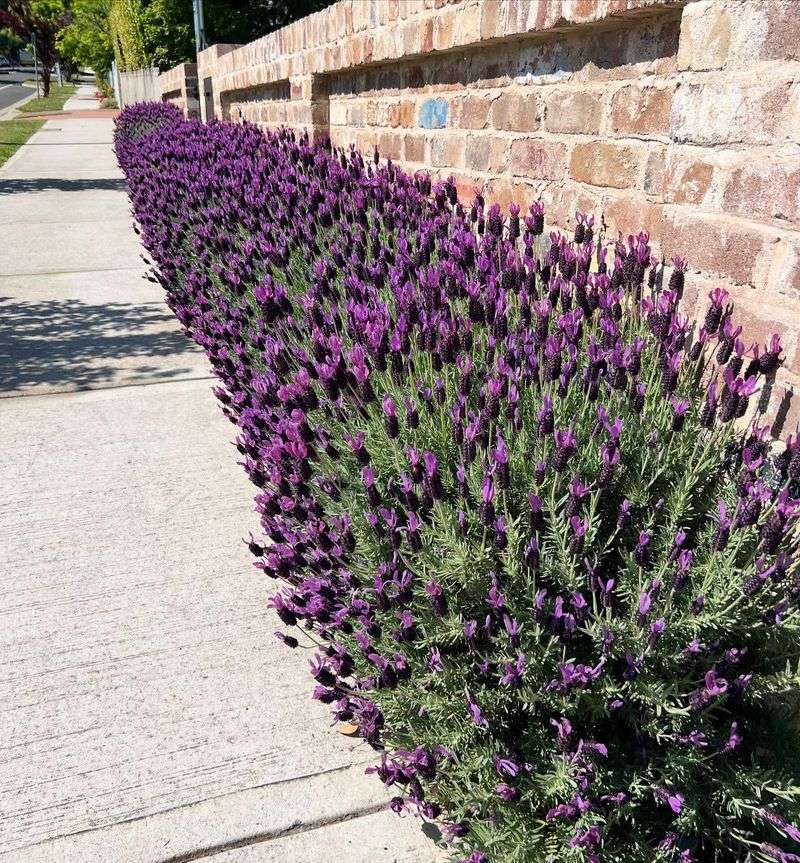
Lavender in Arizona is not the long shot it used to be considered.
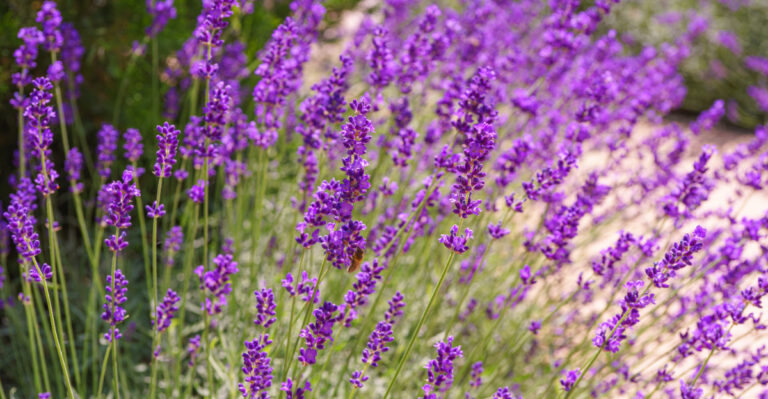
Spanish lavender and Phenomenal lavender in particular handle the desert heat better than the more common English types, and they hold onto their fragrance even through weeks of triple-digit temperatures.
Brush against the stems and the oil releases immediately, filling the air with that unmistakable clean, herbal scent.
Planting in a raised bed or along a slope helps with drainage, which is the single biggest factor in whether lavender survives an Arizona summer. Standing water around the roots is the main problem to avoid.
Gravel mulch around the base keeps soil temperatures down and moisture moving away from the crown of the plant where rot can start.
Full sun is non-negotiable. Tucson and Prescott gardeners tend to have better luck with lavender than Phoenix growers because temperatures are slightly lower, but it absolutely can work in the low desert with the right variety and soil setup.
Water deeply every week or two during summer, and back off significantly in winter.
Dried lavender from your own backyard holds its scent for months after cutting, which means the fragrance follows you indoors too. Hang bundles near a doorway, place them in a linen closet, or simply leave them in a vase.
Few plants deliver as much sensory value from a single planting as lavender does in the right Arizona garden.
6. Rosemary Releases Aroma When Touched Or Warmed By Sun
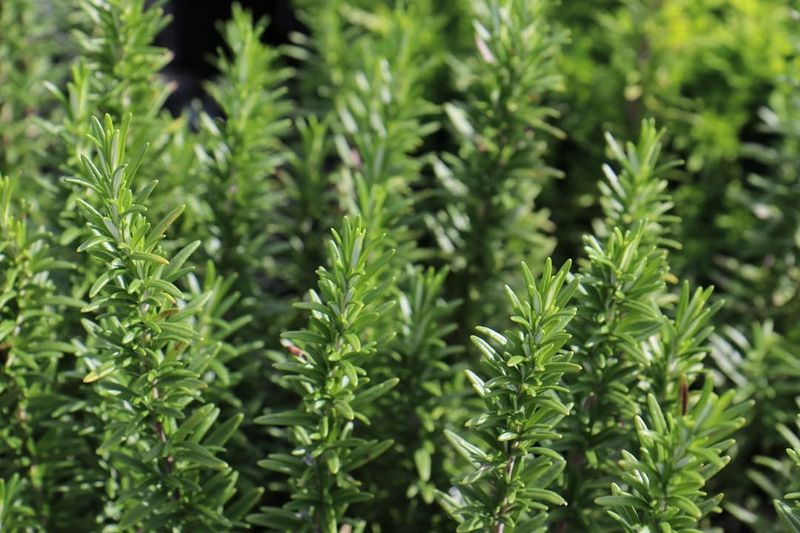
Run your hand along a rosemary branch on a hot Arizona afternoon and the smell that comes off it is immediate and sharp in the best way. Piney, herbal, and slightly resinous, it is one of those scents that feels grounding and familiar even if you cannot quite name why.
Sun-warmed rosemary growing near a kitchen door is one of the simple pleasures of desert gardening.
Arizona is genuinely one of the best places in the country to grow rosemary. It loves the heat, tolerates drought without dramatic wilting, and thrives in the kind of rocky, alkaline soil that frustrates so many other plants.
Upright varieties grow into large, woody shrubs over time. Trailing varieties spill beautifully over walls and raised beds, releasing fragrance whenever the wind moves through them.
Pruning after bloom keeps the shape tidy and encourages fresh, aromatic new growth. Letting it flower is worth it though, since the small blue blossoms attract bees and add visual texture to the yard.
In Phoenix and Tucson, rosemary often blooms in late winter or early spring when not much else is putting on a show.
Beyond fragrance, it is one of the most useful plants you can grow in Arizona. Snip a few sprigs for cooking anytime, and the plant grows back without any fuss.
Fragrant, edible, and genuinely low-effort once established in well-draining desert soil, it belongs in almost every Arizona backyard.
7. Sweet Alyssum Spreads A Soft Honey Scent In Cooler Weather
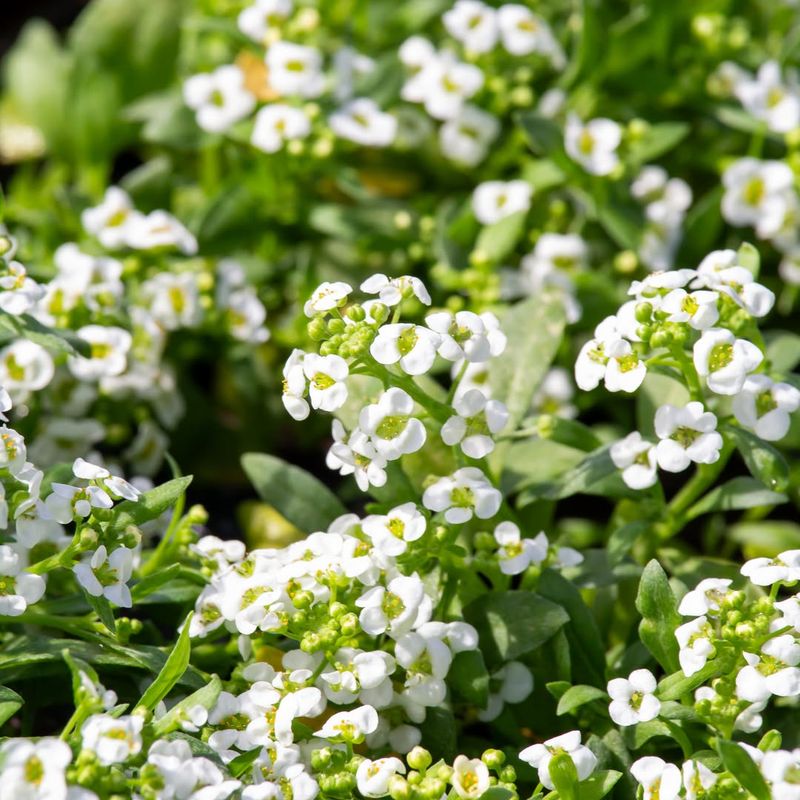
Sweet Alyssum plays a different game than the bold, summer-blooming plants on this list. Tiny clusters of flowers, usually white or soft purple, carry a gentle honey-like fragrance that drifts low across the ground and catches you by surprise.
In Arizona, it shines during the fall, winter, and early spring months when temperatures drop to a more comfortable range.
Planting it in October or November sets you up for months of fragrant ground cover right when the rest of the garden is looking sparse.
It fills in quickly, spilling over the edges of containers, rock walls, and raised beds with a carpet of bloom that smells genuinely sweet without being overpowering.
Tucson and Phoenix gardeners use it as a cool-season border plant all the time.
Water needs are modest, and it handles light frost without much trouble. As temperatures warm toward late spring, it tends to slow down and eventually fade, which is fine since that is when the heat-loving plants start taking over.
Letting it go to seed means it often comes back on its own the following fall without replanting.
Pair it with other cool-season bloomers like pansies or snapdragons for a fragrant, colorful winter display that most people outside of Arizona do not even know is possible.
It is one of the quiet secrets of desert gardening that experienced Arizona growers tend to figure out after their first season here.
8. Damianita Gives Off A Light Herbal Fragrance In Full Sun
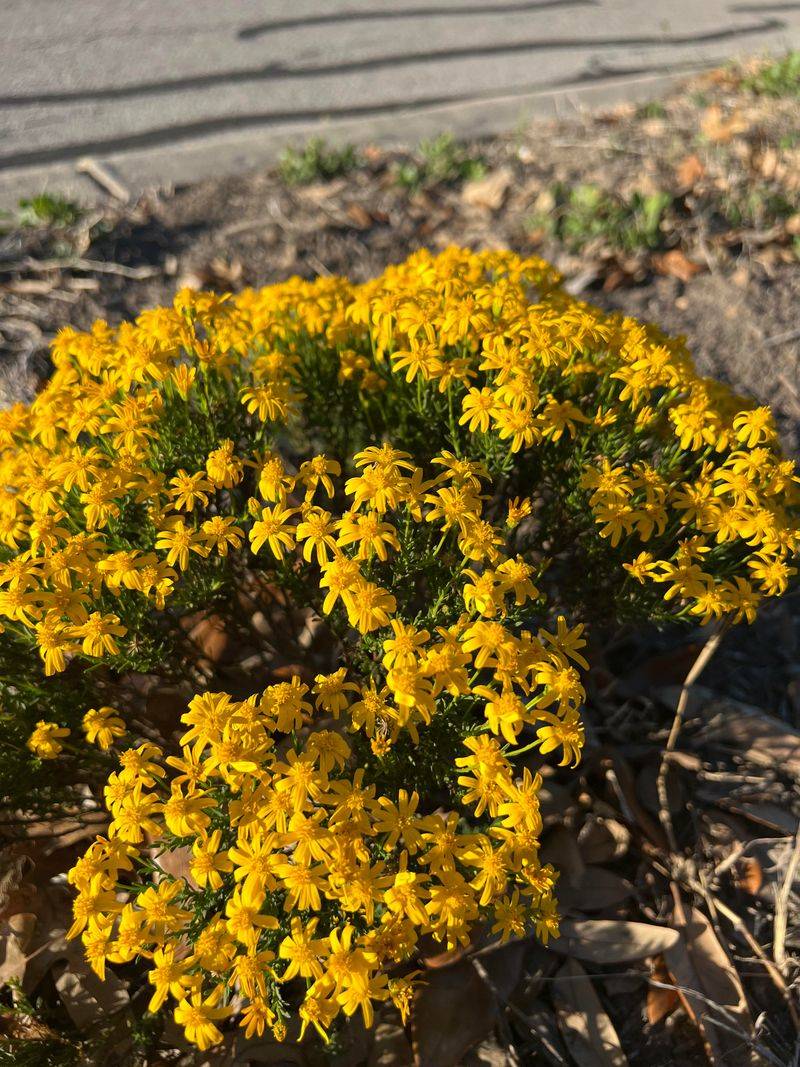
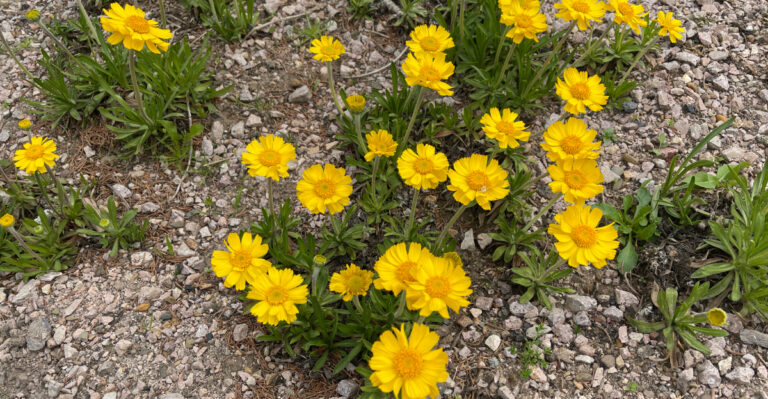
Damianita is the kind of plant that earns respect quietly. Covered in small, bright yellow flowers for weeks at a time, it looks cheerful and tidy in any Arizona yard.
Get close enough and you catch a light, clean herbal scent that is sharper than lavender and greener than rosemary but pleasant in its own distinct way.
Full sun is where it performs best, and fortunately Arizona has no shortage of that. Rocky slopes, gravel gardens, and dry hillsides suit it perfectly.
It is native to the Chihuahuan Desert region, which means the kind of heat and drought that challenges imported plants barely registers for Damianita. Prescott, Tucson, and Phoenix gardeners all report good results without much intervention.
Fragrance increases noticeably when temperatures rise and the sun hits the foliage directly. Walking past it on a warm afternoon releases more scent than brushing against it in the shade.
Placing it along a sunny path or driveway edge takes advantage of this quality and turns a routine walk through the yard into something more sensory.
Blooms appear in spring and often again after monsoon rains, giving you two distinct fragrant seasons per year. Trimming lightly after each bloom cycle encourages fresh growth and keeps the plant from getting woody and open in the center.
For a tough, fragrant, and genuinely beautiful desert plant, Damianita is easy to overlook and worth seeking out.