Things You Should Never Add To Arizona Desert Soil No Matter What You Read Online
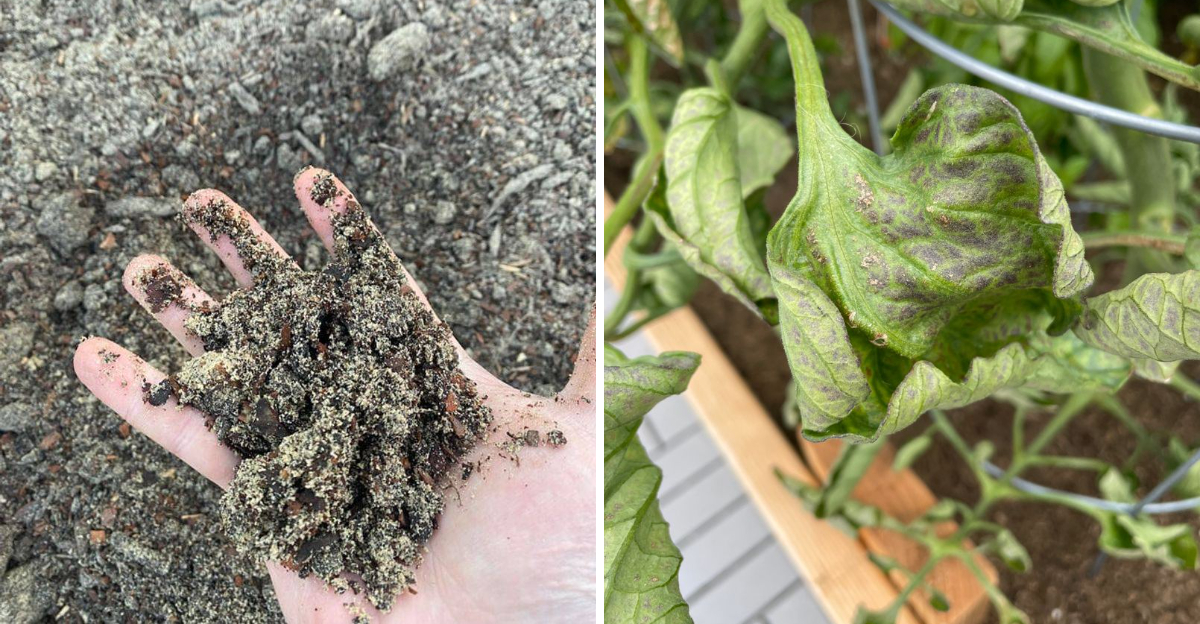
Arizona desert soil already has its own balance, and adding the wrong materials can quietly make things worse instead of better. Plants may struggle, growth slows down, and nothing seems to respond the way it should, even after extra effort.
Many popular tips sound convincing, but not everything works in dry, mineral heavy ground like this.
Certain additions can build up salts, trap moisture in the wrong way, or throw off how roots take in nutrients. Problems often show up later, which makes it harder to connect them back to what was added in the first place.
Gardeners across Arizona are starting to rethink what goes into their soil after seeing mixed results from common advice.
Once a few of those mistakes are avoided, soil starts behaving more predictably and plants respond in a much steadier way through the season.
1. Fresh Manure That Can Burn Plants And Add Excess Salts
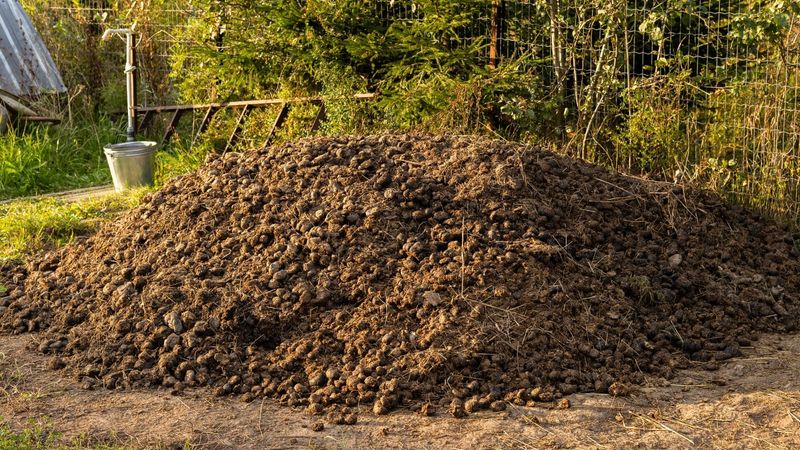
Fresh manure sounds like a natural fix, but in Arizona it can create real problems fast. When manure has not been composted, it still contains high levels of ammonia and nitrogen compounds that can scorch plant roots on contact.
Desert plants are not built for that kind of nutrient shock.
Arizona soil already tends to run high in salts because of low rainfall and intense evaporation. Adding fresh manure piles on even more salt load, and when water evaporates quickly in the heat, those salts concentrate right at the root zone.
You end up with a crust of mineral buildup that blocks water from reaching roots properly.
Chicken manure is one of the worst offenders when used fresh. It has an extremely high nitrogen content compared to cow or horse manure, and even a small amount applied directly can cause noticeable leaf burn within days.
In a place like Scottsdale or Mesa where summer temps push past 110 degrees, that damage happens even faster.
If you want to use manure in your Arizona garden, always choose fully composted manure that has been processed for at least 90 days. Look for products labeled as aged or composted, not raw.
Even then, apply it lightly and water it in well to help dilute the salt content. Fresh manure is simply not worth the risk in a desert environment where your soil is already under stress from heat, drought, and alkalinity working against you every single season.
2. Large Amounts Of Sand That Can Make Soil Compact Like Concrete
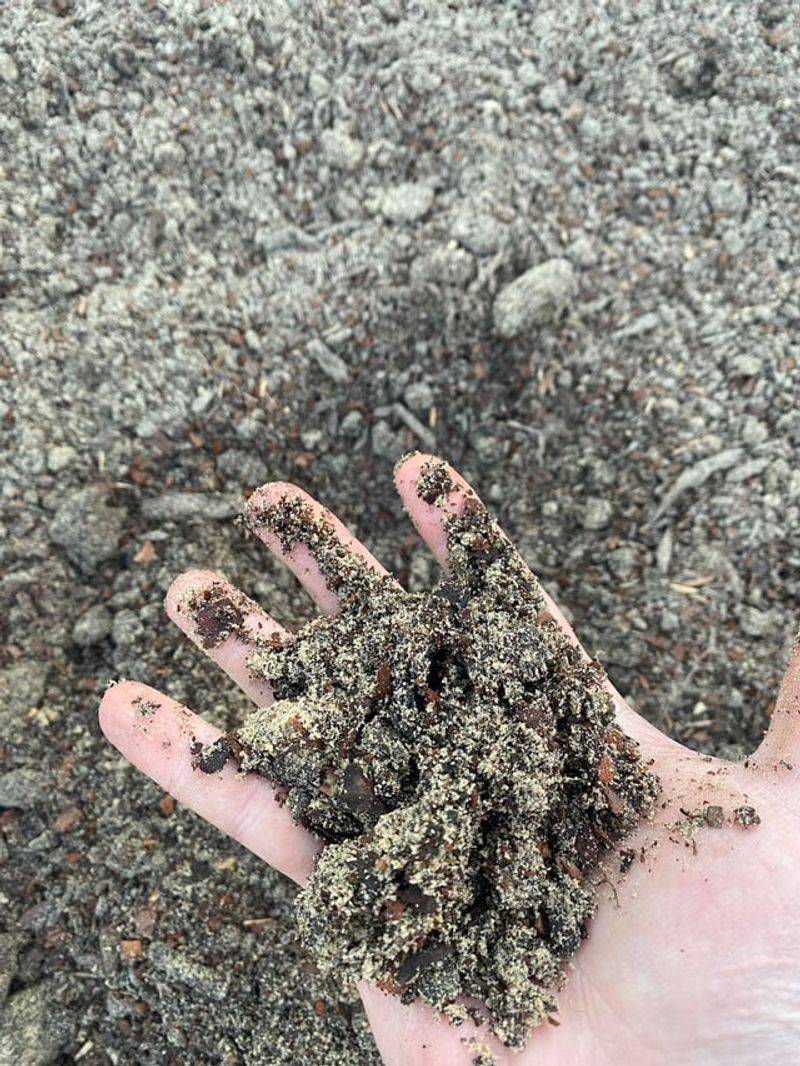
Sand seems like a logical fix for heavy soil, but dumping large quantities into Arizona desert ground is one of the most counterproductive things you can do.
Most Arizona soil already has a significant sand fraction, and adding more without the right balance of organic matter creates a mixture with very little structure.
Here is what actually happens at the particle level. Arizona native soil often contains fine clay particles mixed with sand.
When you add more coarse sand to that mix, the particles do not loosen things up the way you might expect. Instead, the sand fills in the spaces between clay particles, and over time, especially with irrigation and sun exposure, the whole thing binds together almost like concrete.
Your Arizona Garden Changes Every Week. Your Plan Should Too.
Gardening in Arizona changes quickly throughout the season. Every Friday you’ll receive a simple weekly plan showing exactly what to plant, prune, fertilize, harvest, and protect so you never miss the right timing.
Gardeners in Tempe and Gilbert have run into this exact issue after reading generic soil improvement advice not written with the Southwest in mind.
They added several inches of sand hoping to improve drainage, and ended up with a surface that sheds water instead of absorbing it.
That is the opposite of what any garden needs.
Improving Arizona soil actually requires organic matter, not sand. Compost, aged wood fines, or decomposed leaf material all help break up compaction and improve water retention without creating that cement-like effect.
If drainage is your concern, raised beds with a custom soil mix are a far smarter approach than trying to amend native desert ground with large sand additions. Small amounts of coarse horticultural grit used in container mixes are fine, but bulk sand in the ground is a different situation entirely.
3. Straight Wood Chips Mixed Into Soil That Tie Up Nitrogen
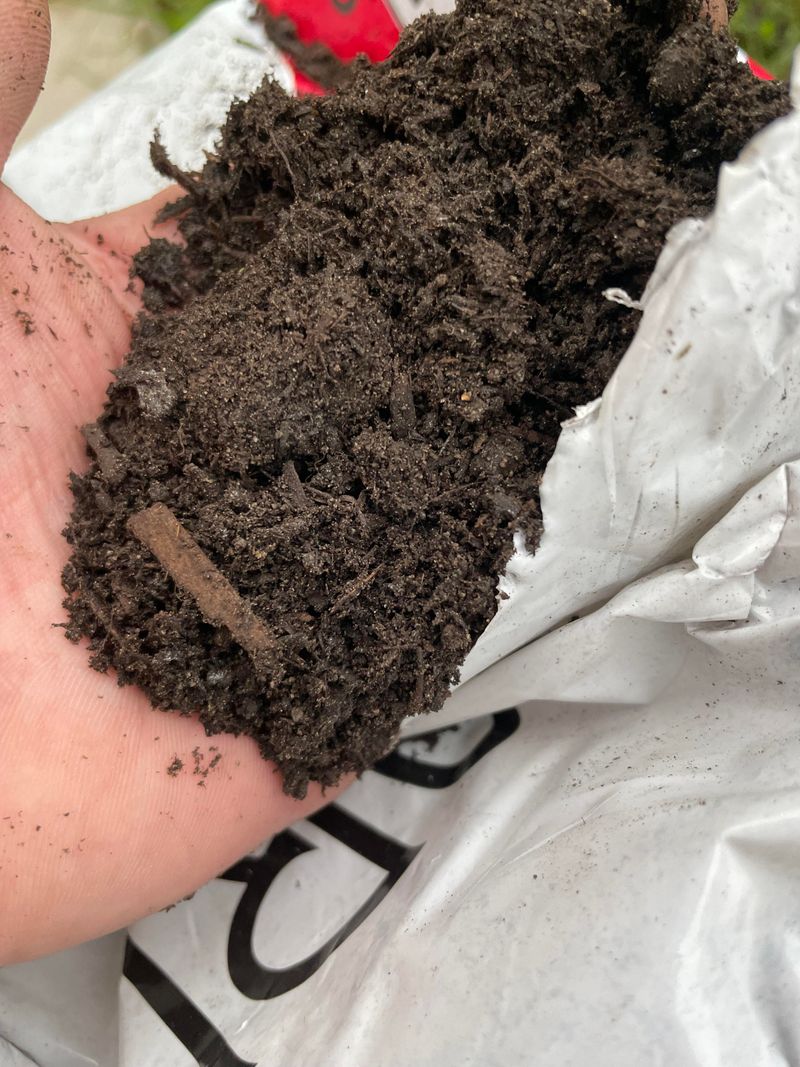
Wood chips on top of soil work beautifully as mulch, especially in Arizona where keeping moisture in the ground is a constant battle. But mixing them directly into the soil is a completely different story, and it can set your garden back by months or even a full growing season.
When wood chips get incorporated into the soil, soil microbes immediately get to work breaking them down. That decomposition process requires nitrogen, and the microbes pull it straight from the surrounding soil.
Plants growing nearby suddenly find themselves competing with microbial activity for the nitrogen they need to grow. Leaves turn pale yellow, growth slows, and the whole garden looks like it is running on empty.
In Arizona, where the growing windows between brutal summer heat and winter cold are already narrow, losing weeks of productive growth to nitrogen lockup is a serious setback.
Gardeners in the East Valley and Tucson area who have tried this often notice the problem within two to three weeks of tilling in fresh chips.
Recovery requires adding supplemental nitrogen, which adds cost and effort that could have been avoided.
Keep wood chips where they belong, which is on the surface as a two to four inch mulch layer. Used that way, they reduce soil temperature, slow evaporation, and gradually feed the soil from the top down as they break down over time.
If you want to add woody organic matter to your soil directly, look for well-aged compost that has already completed the decomposition process and no longer competes for nitrogen.
4. Unfinished Compost That Can Harm Roots And Attract Pests
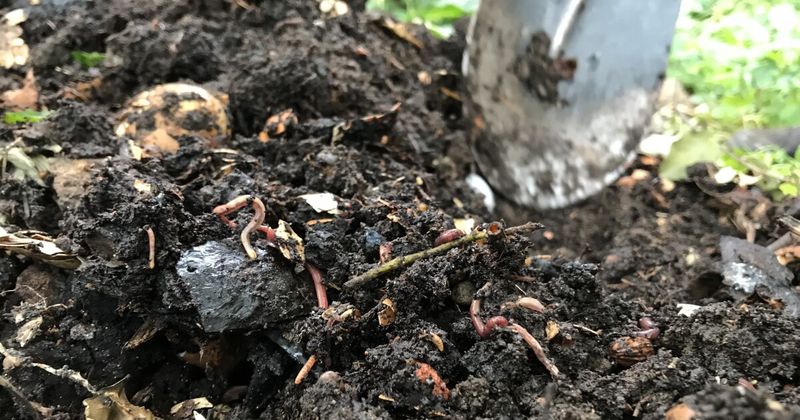
Compost is genuinely one of the best things you can add to Arizona desert soil, but only when it is fully finished. Unfinished compost is a different product entirely, and putting it in contact with plant roots can cause real harm that most gardeners do not see coming.
Active decomposition generates heat, and partially broken-down organic matter can reach temperatures well above what tender roots can handle.
In a state like Arizona where soil surface temperatures already spike dramatically in summer, adding a heat-generating material right into the root zone creates conditions that stress plants from two directions at once.
Root damage from heat and chemical byproducts of decomposition can stunt growth significantly.
Unfinished compost also attracts pests. Food scraps, partially rotted fruit, and vegetable matter that has not fully broken down are magnets for rodents, flies, and other unwanted visitors.
In Maricopa County and other desert communities, pest pressure is already a real concern. Putting attractive organic material in your garden beds without finishing the compost process first makes the problem worse.
A simple way to tell if compost is ready is the smell and texture test. Finished compost smells earthy, almost like forest floor soil, and you cannot identify the original materials anymore.
If it still smells sour, ammonia-like, or you can see recognizable food bits, it needs more time in the pile. Patience with compost pays off significantly in Arizona gardens where the soil needs every advantage it can get against heat and drought conditions.
5. Chemical Fertilizers Used Heavily In Already Harsh Soil
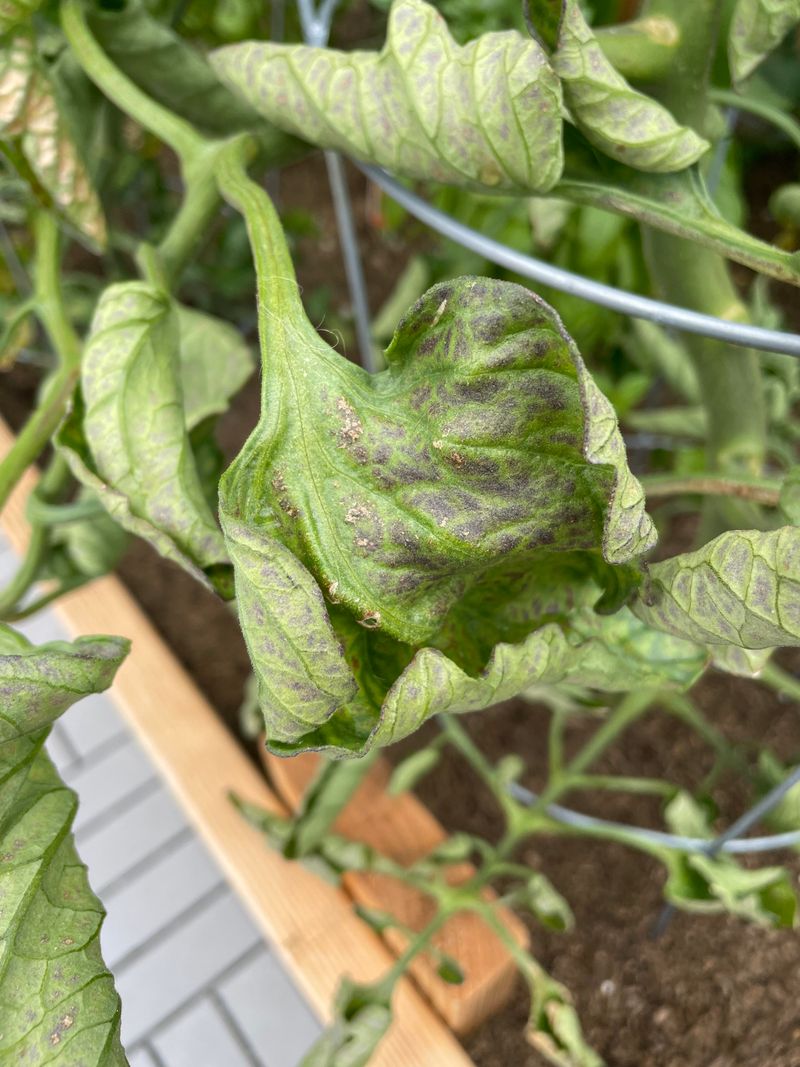
Grabbing a bag of synthetic fertilizer and going heavy with it might seem like a fast path to greener plants, but Arizona desert soil does not respond well to that approach.
The combination of alkaline pH, low organic matter, and intense heat makes chemical fertilizer applications risky in ways that cooler, more forgiving soils simply do not experience.
Salt index is a term that matters a lot here. Most synthetic fertilizers carry a high salt index, meaning they contribute significantly to soil salinity when applied.
Arizona soil already accumulates salts naturally because rainfall is too low to flush them through the soil profile. Piling on chemical fertilizer regularly makes that salt problem worse, and eventually you end up with soil conditions where water absorption becomes inefficient and plant health declines noticeably.
There is also the pH factor. Most chemical fertilizers do not address alkalinity at all, and some can push soil pH even higher.
Arizona soils often test between 7.5 and 8.5, and many nutrients become chemically locked up and unavailable to plants at those levels.
Pouring on more fertilizer when the underlying pH issue has not been addressed just wastes money and adds more salt without delivering real nutrition to roots.
Slow-release organic fertilizers are a smarter match for the Southwest. Products made from feather meal, kelp, or composted materials release nutrients gradually, do not spike salt levels, and contribute organic matter that helps soil structure over time.
Pairing fertilizer applications with a soil pH test gives you a clear starting point rather than guessing in the dark.
6. Clay Soil Added In Bulk That Reduces Drainage Even More
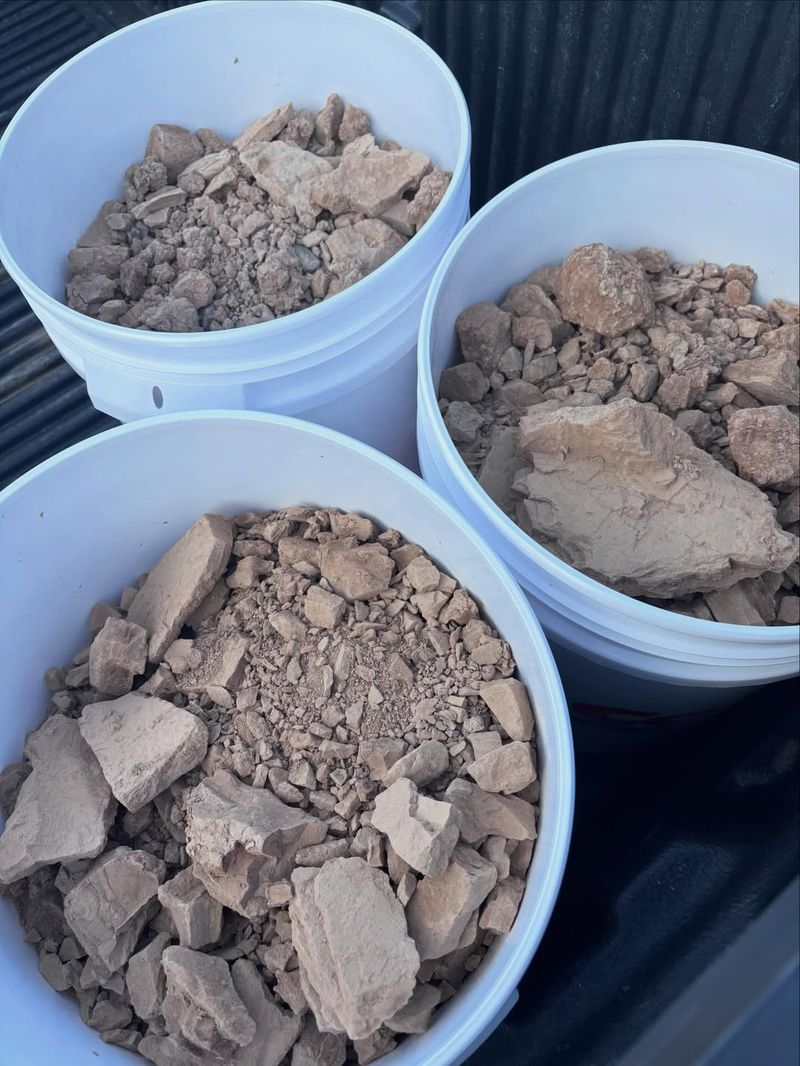
Some gardeners in Arizona look at their sandy, fast-draining soil and decide that adding clay will help hold more water. On paper it sounds reasonable.
In practice, it tends to create a drainage situation that is significantly worse than what they started with, and fixing it afterward takes real effort.
Arizona native soil already contains some clay content in many areas, particularly in the low desert valleys around Phoenix and Yuma. Adding bulk clay on top of or mixed into existing soil layers creates what soil scientists sometimes call a perched water table effect.
Water moves down through the looser upper layers and then stops at the denser clay layer, pooling in the root zone and staying there far longer than desert-adapted plants can tolerate.
Root rot becomes a genuine risk when drainage stalls in Arizona gardens. Many plants that thrive in the desert, including native shrubs, succulents, and Mediterranean herbs, evolved in conditions with fast drainage.
Standing water around their roots, even for short periods after irrigation, creates stress that shows up as yellowing leaves, soft stems, and stunted growth. Soggy soil in the desert heat is a particularly harsh combination.
Rather than adding clay, focus on building organic matter through regular compost applications over multiple seasons.
Organic matter genuinely improves water retention in sandy desert soil without sacrificing the drainage that desert plants depend on.
Raised beds filled with a custom blend of compost, native soil, and coarse pumice give you real control over drainage and water-holding capacity in a way that bulk clay additions simply cannot match.
7. Epsom Salt Used Often Without A Real Magnesium Need
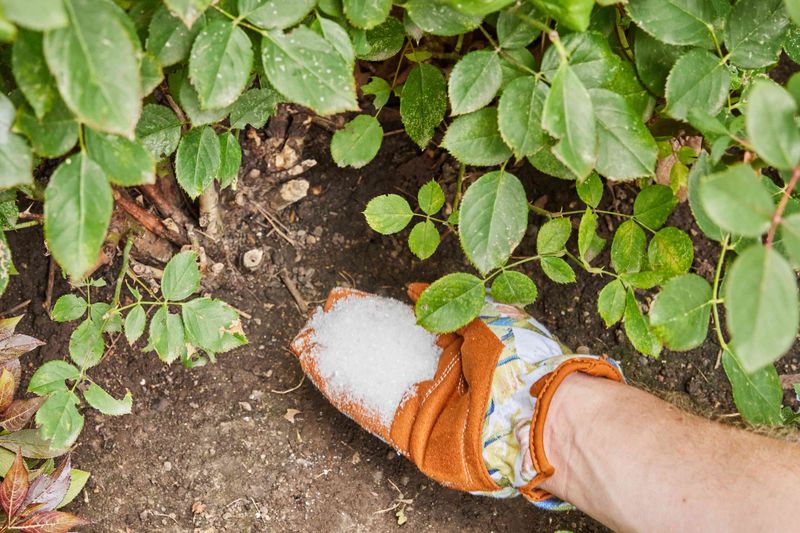
Epsom salt has developed a devoted following in gardening communities online, and recommendations to use it show up constantly.
In Arizona, though, applying it regularly without testing your soil first is a habit that can quietly make your garden worse over time rather than better.
Epsom salt is magnesium sulfate, and it genuinely helps in soils that are deficient in magnesium. The problem in Arizona is that most desert soils already contain adequate to high magnesium levels.
Adding more when the soil does not need it does not boost plant health. What it does do is contribute to overall salt load in soil that is already fighting a salinity problem from low rainfall and high evaporation rates.
Excess magnesium in soil also competes with calcium and potassium uptake.
Arizona soils frequently have naturally elevated calcium from caliche deposits, and throwing off that mineral balance further by adding unnecessary magnesium can interfere with how roots absorb nutrients.
Plants may show symptoms that look like nutrient deficiency even though the soil has plenty of minerals present.
Before reaching for Epsom salt, get a basic soil test done.