What Arizona Citrus Trees Need In March For A Strong Season
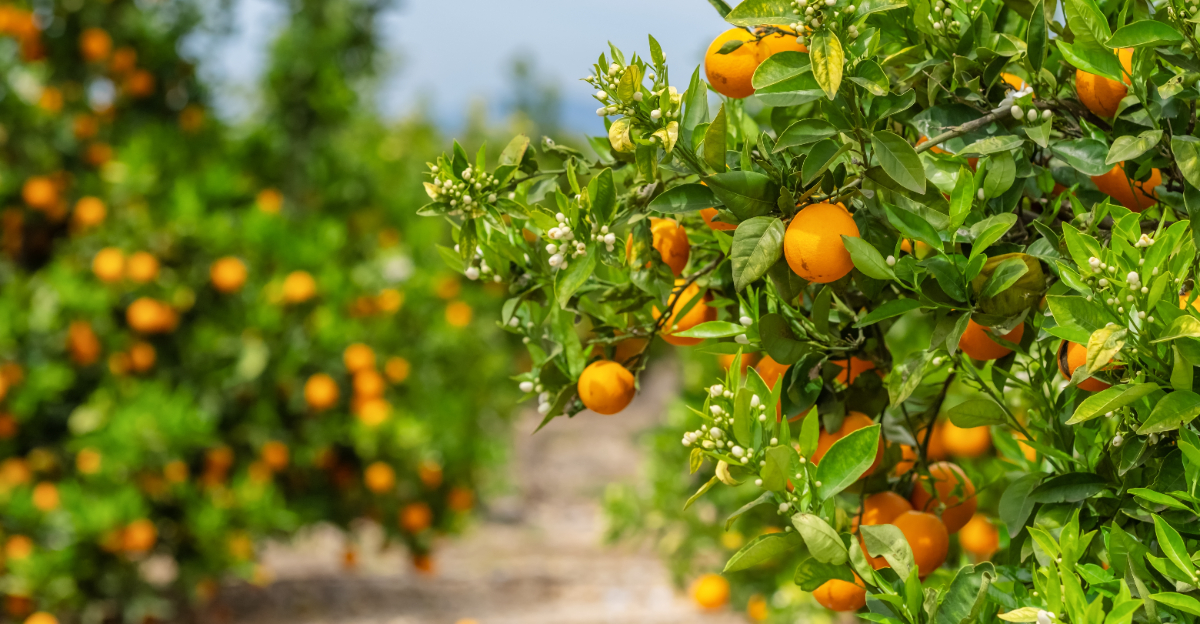
Arizona citrus can look perfectly fine in early spring, which is exactly why March care gets underestimated so often. Everything may seem steady from the outside, but the tree is already moving into one of its most important stages of the season.
Fresh growth starts to build, energy begins shifting, and small care decisions can have a bigger effect than many gardeners realize.
This is also the time when a healthy tree can keep building momentum or start heading in the wrong direction without showing obvious signs right away.
In Arizona, where heat arrives fast and conditions turn harsher before long, that early spring window matters more than it seems.
A citrus tree that gets the right support now has a much better chance of staying vigorous, productive, and better prepared for the months ahead.
That is why March is not just another month on the calendar for citrus care here. It is often the point where the whole season quietly starts taking shape.
1. Deep Watering To Support Active Spring Growth
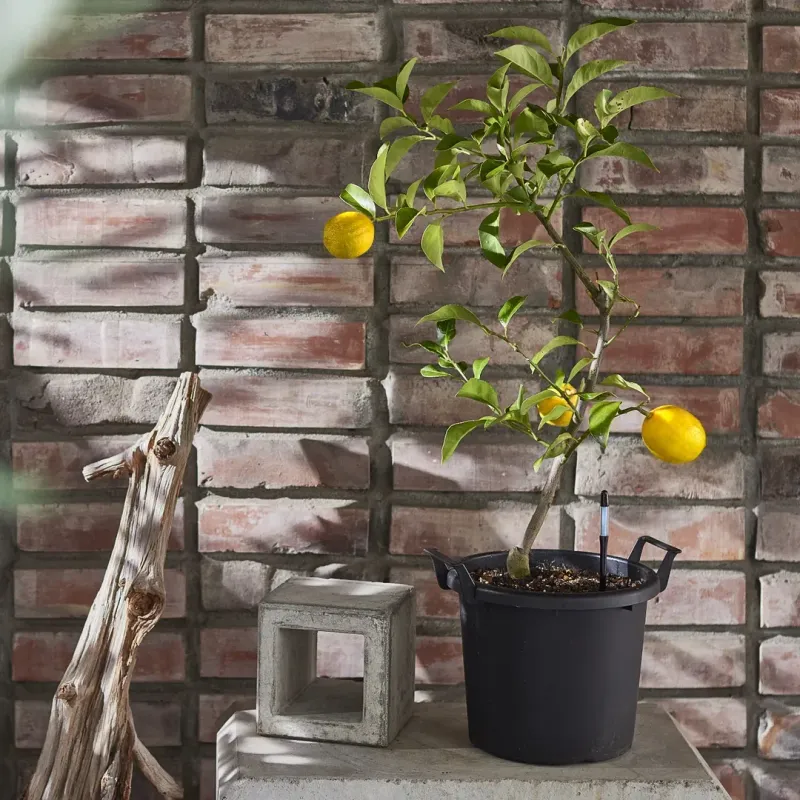
Shallow watering might keep a citrus tree alive, but it will not help it thrive. In Arizona, the soil dries out faster than most people expect, even in March when temperatures are still moderate.
Roots need to chase moisture downward, and that only happens when water reaches deep into the ground.
Aim to water your citrus every 10 to 14 days in March, but do not just run the hose for a few minutes and call it done. You want moisture to soak down at least 18 to 24 inches into the soil.
A slow, steady soak near the drip line of the tree works much better than a quick rinse at the base of the trunk.
Drip irrigation systems set up around the outer edge of the canopy are a solid choice for Arizona homeowners. Letting water run for an hour or longer at low pressure gets it where it needs to go without wasting water to evaporation.
One thing a lot of people get wrong is watering right at the trunk. Citrus roots spread outward, not straight down from the center.
Focusing your water at the drip line, which is roughly where the outer branches end, targets the active root zone much more effectively.
Check your soil moisture by pushing a long screwdriver or wooden dowel into the ground. If it slides in easily, there is still moisture present.
If it hits resistance quickly, it is time to water. This simple trick saves a lot of guesswork for Arizona gardeners.
2. A Balanced Fertilizer As Trees Begin To Push New Growth
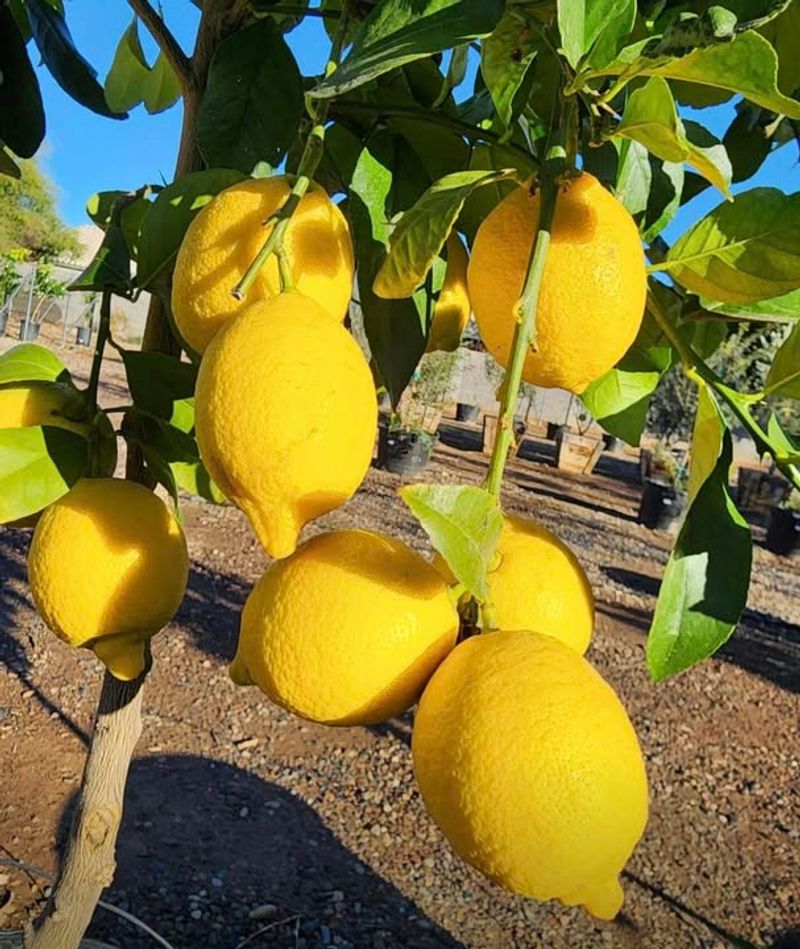
Right around the time you start seeing tiny new leaves pushing out, that is your cue to feed. Citrus trees in Arizona are heavy feeders, and March is one of the most important times to fertilize because the tree is actively building new tissue and getting ready to flower.
Grab a fertilizer labeled specifically for citrus, or use a balanced granular option with a ratio like 6-3-3 or similar. Spread it evenly under the canopy out to the drip line, keeping it away from the trunk itself.
Your Arizona Garden Changes Every Week. Your Plan Should Too.
Gardening in Arizona changes quickly throughout the season. Every Friday you’ll receive a simple weekly plan showing exactly what to plant, prune, fertilize, harvest, and protect so you never miss the right timing.
After you apply, water deeply so the nutrients move down into the root zone instead of sitting on the surface.
Iron and zinc deficiencies show up often in Arizona citrus because the alkaline desert soil locks those nutrients up. Yellow leaves with green veins are a classic sign.
Adding a chelated iron supplement along with your regular fertilizer in March can head that problem off before it gets noticeable.
Avoid overdoing it. More fertilizer does not mean faster growth.
Too much nitrogen pushes a lot of leafy growth but can actually reduce flowering and fruit set, which is the opposite of what you want heading into spring.
Tucson and Phoenix gardeners often fertilize three times a year, with March being the first and most critical round. Staying on a consistent schedule makes a bigger difference than any single heavy application.
Keep records of when and how much you applied so you can adjust from year to year based on how your trees respond.
3. Mulch To Keep Soil Moist And Roots Protected
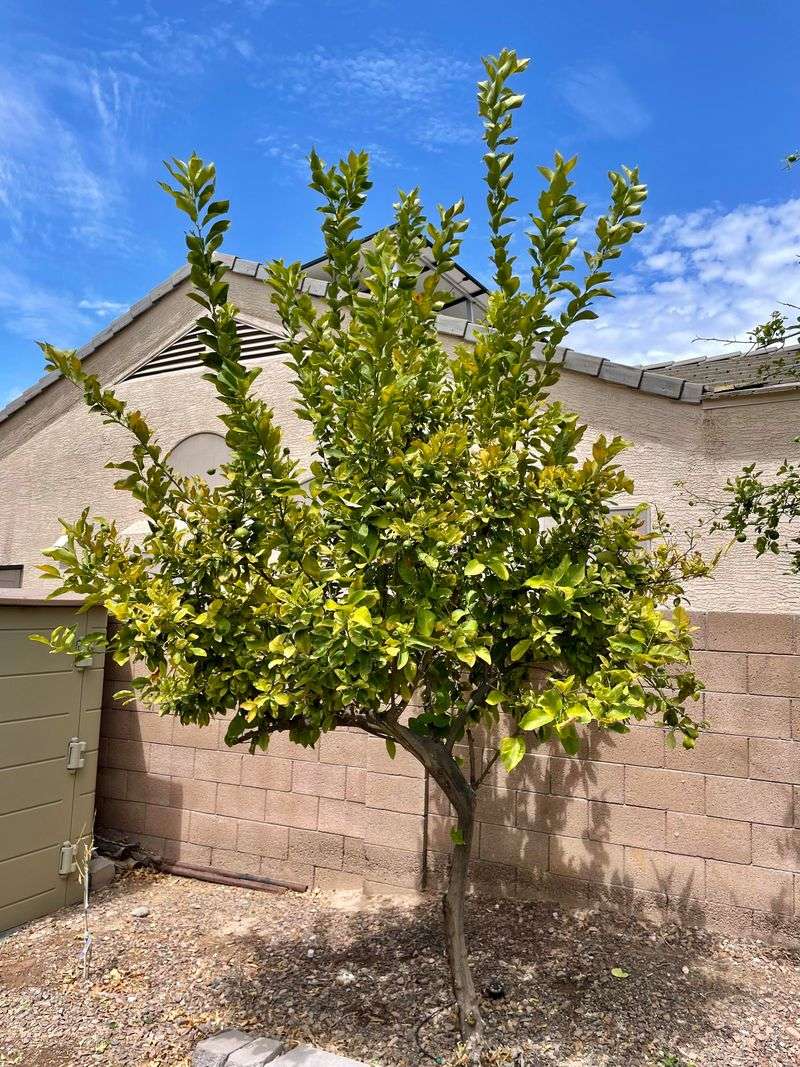
Bare soil bakes fast in Arizona, even in early spring. Adding a layer of mulch around your citrus trees is one of the simplest things you can do to hold onto soil moisture and keep roots from stressing out as temperatures start climbing through March and into April.
Spread mulch about 3 to 4 inches thick in a wide ring around the tree, but keep it pulled back a few inches from the trunk. Piling mulch against the bark traps moisture against the wood and can cause rot or attract pests you do not want near the tree.
A clean gap between the mulch and the trunk is important.
Wood chips work great for Arizona citrus. They break down slowly, add organic matter to the soil over time, and do a solid job of insulating the root zone from temperature swings.
Straw and shredded bark are also good options if wood chips are not easy to find in your area.
Beyond holding moisture, mulch actually helps moderate soil temperature. In March, nights can still get cool in parts of Arizona, especially in higher elevation areas like Prescott or Flagstaff.
A good mulch layer buffers those overnight dips without you having to do anything extra.
Refreshing your mulch in early spring also gives the yard a clean, tidy look heading into the growing season. It is one of those tasks that pays off in multiple ways with very little effort, making it worth doing every single year without skipping.
4. Frost Protection For Late Cold Nights
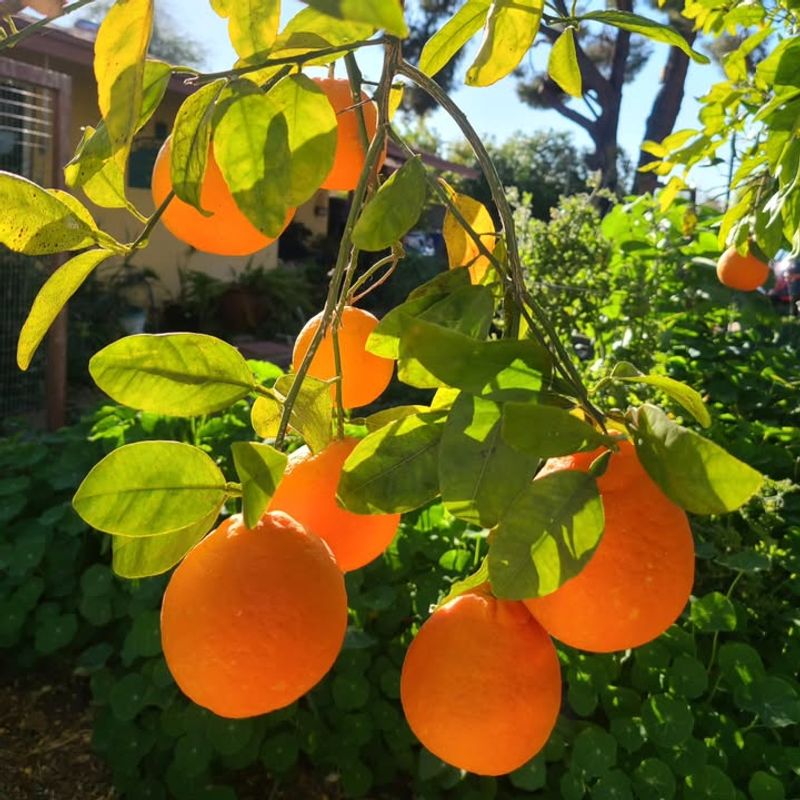
March in Arizona can fool you.
Warm afternoons make it feel like winter is completely done, but nighttime temperatures can still drop low enough to damage tender new growth, especially in northern parts of the state or during unexpected cold fronts rolling through the desert.
Young citrus trees are especially vulnerable to late-season frost. Even a brief dip into the upper 20s can damage new flower buds and fresh leaf tips that have just pushed out.
Losing that early growth sets the tree back by weeks and can reduce your fruit yield for the entire season.
Keep a few frost cloths or old bedsheets on hand through mid-March. When the forecast drops below 32 degrees, drape the cover over the tree before sunset and secure it around the base so warm air from the soil stays trapped underneath.
Remove it the next morning once temperatures rise above freezing.
Stringing outdoor lights under the frost cloth adds extra warmth on the coldest nights. Old incandescent Christmas lights work better than LED bulbs for this purpose because they actually produce heat.
It sounds old-fashioned, but Arizona gardeners have used this trick for years.
Check weather apps that give hourly forecasts rather than just daily highs and lows. Nighttime readings are what matter most for frost risk.
Phoenix and Tucson typically see fewer frost events by mid-March, but areas around Kingman or higher desert elevations can stay frost-prone well into the month, so staying alert is worth the extra effort.
5. Light Pruning Only If Needed After Frost Risk Drops
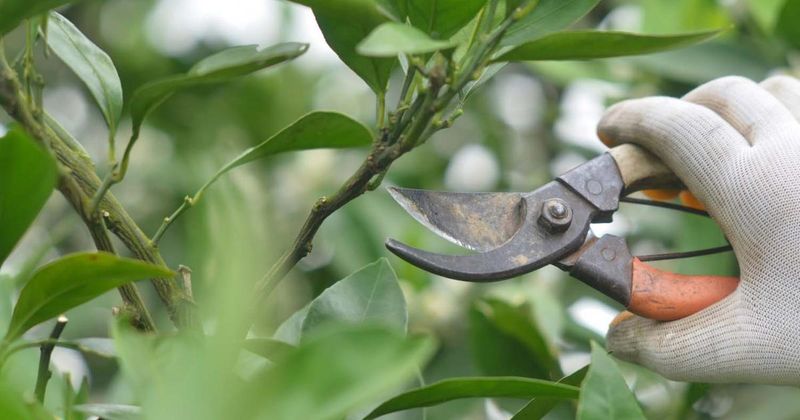
Pruning citrus in Arizona is one of those things where less is almost always better. Citrus trees do not need heavy shaping the way a rose bush or fruit tree might.
March is only the right time to prune if you are cleaning up frost damage or removing branches that are clearly not going to recover after winter.
Wait until you are confident the last cold nights have passed before you cut anything. Pruning stimulates new growth, and fresh growth that pushes out right before a late frost is going to get damaged.
Patience here saves a lot of frustration. Once daytime temperatures are consistently in the 70s and nights stay above 40 degrees, you are usually safe to prune.
Focus on branches that are crossing and rubbing against each other, any wood that looks discolored or no longer producing growth, and shoots that are growing straight up through the center of the canopy.
Those vertical shoots, called water sprouts, take energy without producing fruit. Removing them opens up airflow without stressing the tree.
Sharp, clean tools matter more than most people realize. Dull pruners tear the wood instead of cutting cleanly, leaving ragged wounds that take longer to heal and are more vulnerable to disease.
Wipe your blades with rubbing alcohol between cuts if you are working on multiple trees to avoid spreading any problems from one tree to another.
Avoid cutting large limbs unless absolutely necessary. In Arizona’s intense sun, exposed bark can get sunburned quickly if the canopy is thinned too aggressively.
Keeping the structure mostly intact protects the trunk and main branches from sun damage through the long, hot summer ahead.
6. Early Pest Checks As Temperatures Warm Up
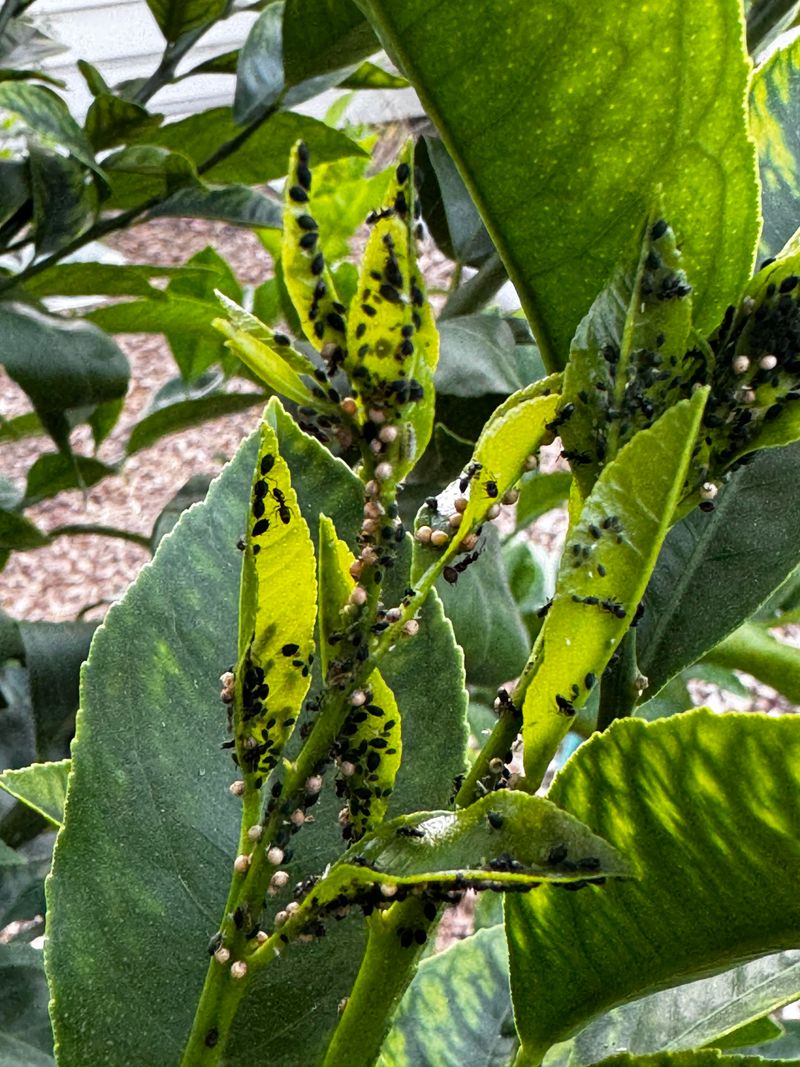
Warm weather wakes up more than just your citrus trees. Aphids, whiteflies, citrus leafminers, and scale insects all start moving when temperatures climb, and March is exactly when you want to get ahead of them before populations build up.
Flip leaves over and look at the undersides. Aphids love tender new growth and cluster on young shoots and fresh leaves.
Whiteflies leave a sticky residue called honeydew that can lead to sooty mold, which coats leaves in a dark film and reduces the tree’s ability to absorb sunlight. Catching these early keeps things manageable.
A strong blast of water from a garden hose knocks aphids off without any chemicals at all. For heavier infestations, insecticidal soap sprays work well and break down quickly without leaving long-lasting residue.
Neem oil is another option that Arizona gardeners use regularly because it handles multiple pest types at once.
Scale insects are trickier to spot because they look like small brown bumps on stems and branches rather than traditional insects. Run your fingers along branches and if you feel rough, crusty bumps that do not brush off easily, scale is likely present.
Horticultural oil applied in March smothers them effectively before they spread.
Check your trees every week or two throughout March. Early detection is the whole game with citrus pests.
A small colony of aphids caught in week one is nothing compared to what it becomes by week three when temperatures are climbing and populations are exploding.
Regular walks through the yard make a noticeable difference in how your Arizona citrus performs all season long.
7. Full Sun Exposure To Drive Strong Growth And Flowering
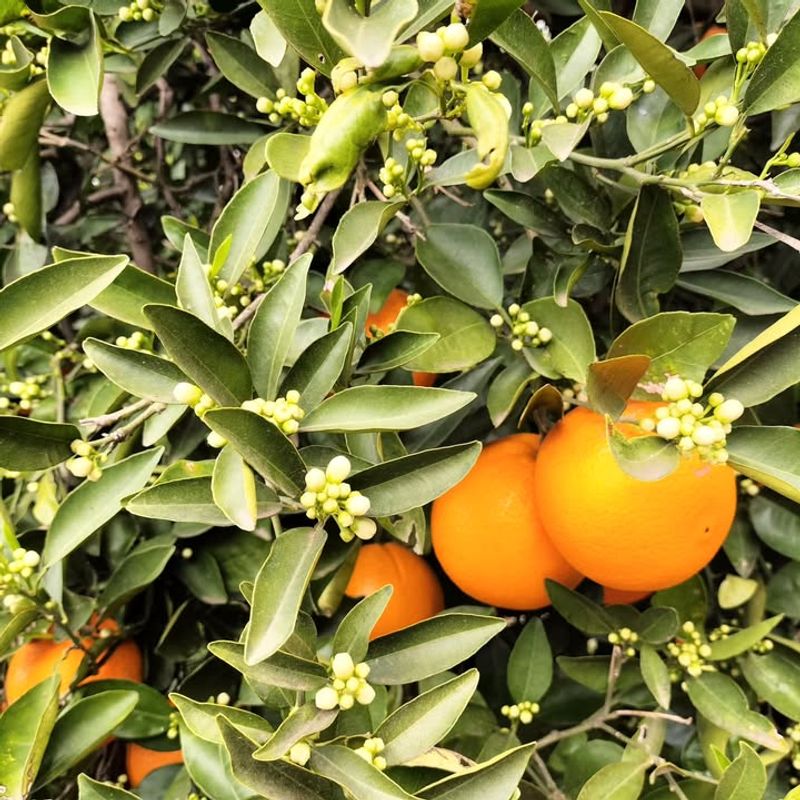
Citrus trees are sun lovers, plain and simple. Arizona has some of the most intense sunshine in the country, and your citrus trees want every bit of it.
In March, as days get longer and the sun climbs higher in the sky, full sun exposure is what triggers strong vegetative growth and the flowering that leads to fruit.
Shade from a nearby wall, a large tree, or even an overgrown hedge can quietly reduce your citrus tree’s productivity without you ever connecting the two. Six hours of direct sun is the bare minimum.
Eight or more hours is where citrus really thrives, and Arizona’s climate makes that easy to achieve in most yards.
If you recently planted a citrus tree, placement matters enormously. South-facing spots in the yard receive the most consistent sun exposure throughout the day.
Avoid planting near structures that cast long afternoon shadows, because afternoon sun in spring and summer is particularly valuable for driving photosynthesis and flowering.
Sun also plays a role in fruit flavor. Trees grown in full sun tend to produce sweeter, more flavorful fruit compared to those in partial shade.
Arizona growers have a natural advantage here because the combination of intense sun and warm spring temperatures creates ideal conditions for sugar development in the fruit.
One note worth keeping in mind: while full sun is essential, very young trees with limited canopy coverage can get sunburned on the trunk and exposed branches.
Painting exposed bark with diluted white latex paint protects those areas until the canopy fills in enough to provide its own shade.