8 Plants That Make Good Onion Companions In Arizona Gardens
Onions usually stay quiet in the garden compared to bigger crops, but the plants growing around them can completely change how well they perform in Arizona conditions.
Strong sun, dry air, and fast warming soil create challenges that often show up much earlier in the season than expected once temperatures start climbing.
Certain plants seem to grow especially well near onions, while others quickly turn into a bad match once everything begins competing for space, moisture, or nutrients.
Garden beds often look healthier and more balanced when the right combinations grow side by side instead of fighting each other underground.
Arizona heat tends to make those differences even more noticeable through spring and early summer. Growth patterns, shade levels, and nearby plant choices can all influence how onions settle in once the season starts speeding up.
Small planting decisions early on often shape how productive the bed feels later without taking up extra space in the garden.
1. Carrots Grow Well Alongside Onions In Garden Beds
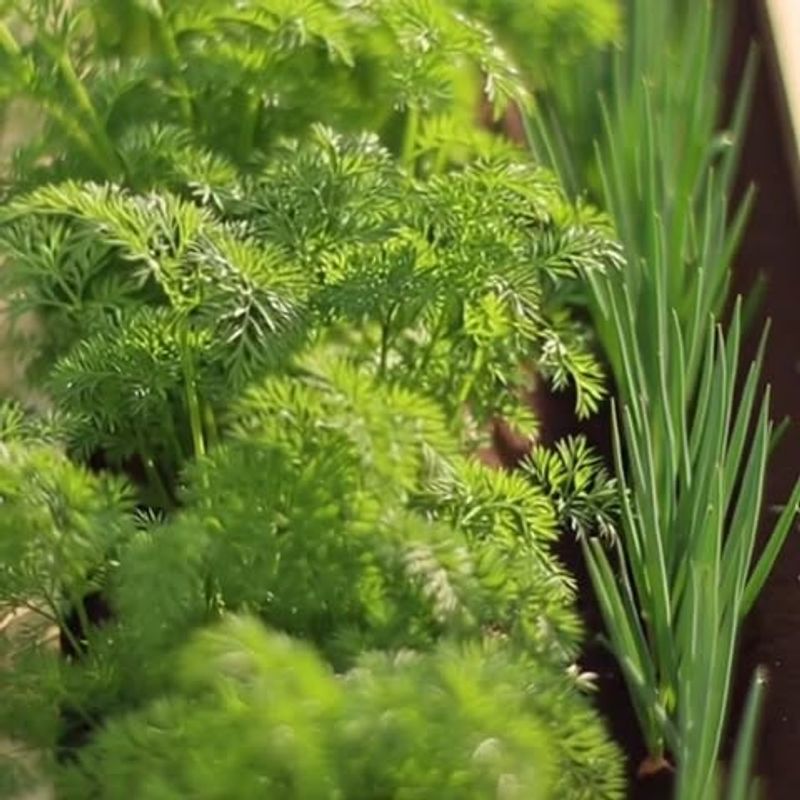
Carrots and onions might just be one of the oldest plant friendships in the gardening world. Gardeners have paired these two for generations, and there is solid reasoning behind it.
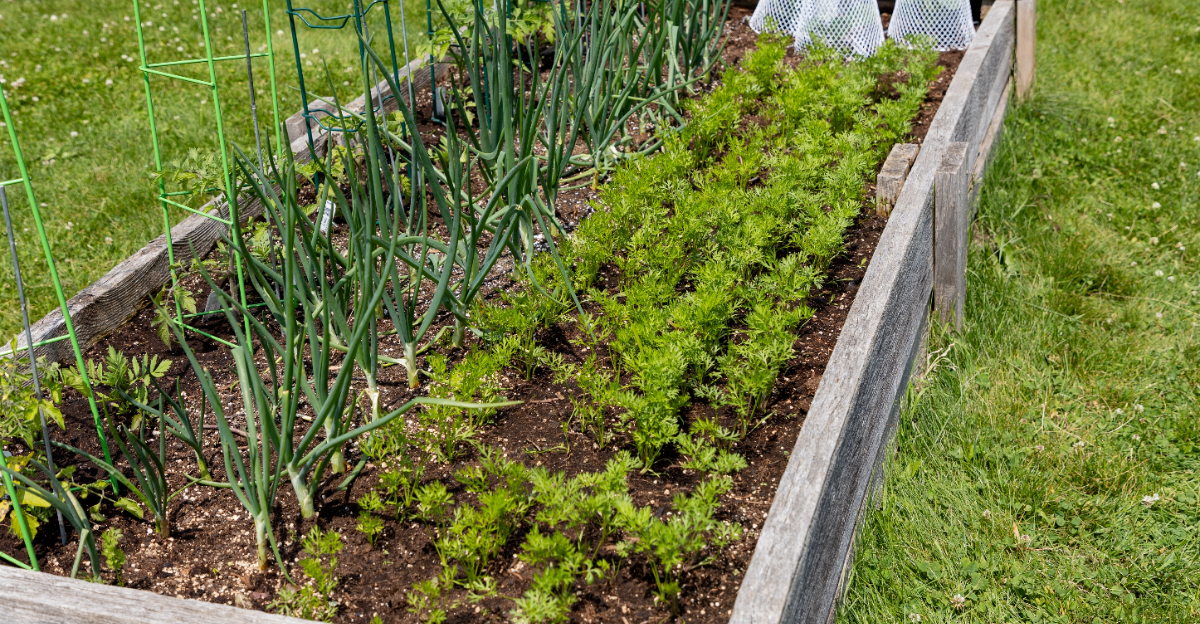
Onions release a scent that tends to confuse carrot flies, while carrots help loosen the soil around onion bulbs as their roots push deeper underground.
In Arizona, both crops can be planted during the cooler months, typically from October through February, when temperatures are far more manageable. Planting them in alternating rows is a common approach that works well in raised beds and in-ground plots alike.
Carrots are not heavy feeders, so they rarely compete aggressively with onions for nutrients. Just make sure your soil drains well, since both crops struggle in waterlogged ground.
Sandy loam works great in most Arizona garden spots.
One thing worth knowing is that carrots take longer to mature than onions, so stagger your harvest expectations. Pull onions when their tops begin to fall over naturally, and give carrots a few extra weeks.
Keeping the bed weeded and lightly mulched helps both crops stay healthy through Arizona’s unpredictable late-winter temperature swings. Overall, this pairing is reliable, practical, and beginner-friendly.
Loose soil depth matters quite a bit for this pairing because carrots develop straighter roots when they can grow downward without hitting compacted ground.
2. Lettuce Benefits From Growing Near Taller Onion Leaves
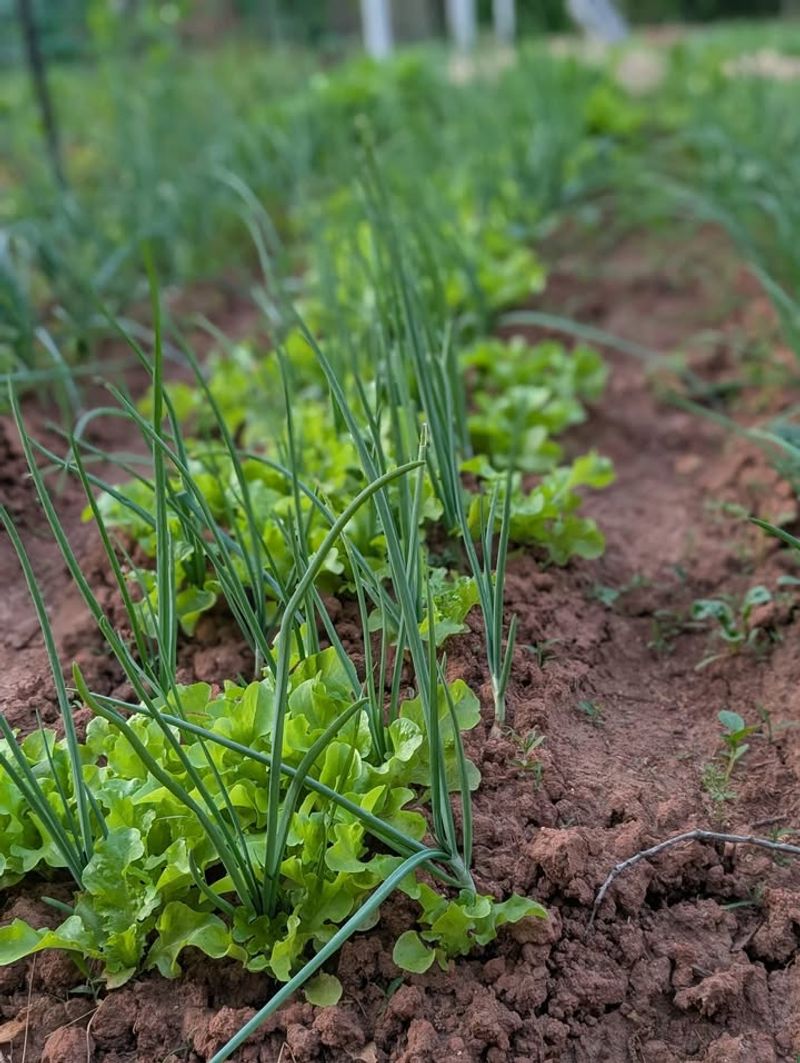
Shade is a precious resource in Arizona, and onions happen to provide just enough of it to benefit a heat-sensitive crop like lettuce. Onion leaves grow upright and tall, casting light, filtered shade over shorter plants nearby.
Lettuce growing beneath those leaves gets a bit of relief from the intense afternoon sun that can otherwise cause it to bolt quickly.
Bolting happens when lettuce sends up a flower stalk due to heat stress, making the leaves turn bitter and tough. Placing lettuce on the east or northeast side of your onion rows gives it morning sun while blocking some of the harsh western afternoon exposure.
Arizona gardeners who use this trick often report longer, more productive lettuce harvests during spring.
Your Arizona Garden Changes Every Week. Your Plan Should Too.
Gardening in Arizona changes quickly throughout the season. Every Friday you’ll receive a simple weekly plan showing exactly what to plant, prune, fertilize, harvest, and protect so you never miss the right timing.
Both crops do well when planted between October and March in most parts of Arizona. Watering consistently and keeping the soil moist but not soggy gives lettuce the best chance alongside onions.
Loose-leaf varieties tend to tolerate heat a bit better than head lettuces, so they are usually the smarter pick here.
Spacing matters too. Lettuce should sit close enough to benefit from the shade but not so close that it crowds the onion bulbs.
About eight to ten inches apart tends to work well in most Arizona raised beds and garden rows.
Mulching around both crops helps keep soil temperatures cooler and slows moisture loss during Arizona’s dry spring conditions.
3. Beets Share Similar Water Needs With Onions
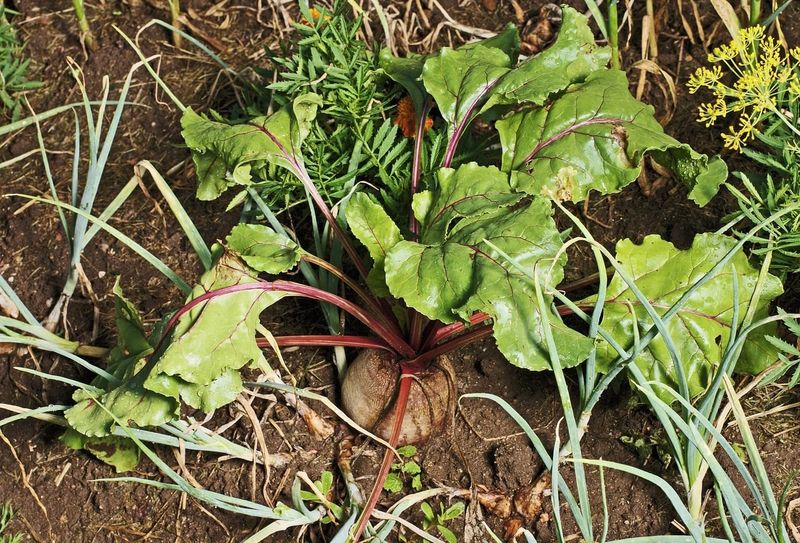
Matching plants by water needs is one of the smartest moves any Arizona gardener can make. Water is always at a premium in the desert, and grouping plants that drink at similar rates means you waste less and stress your garden less.
Beets and onions fall into that same watering rhythm almost naturally.
Both prefer consistently moist soil without sitting in standing water. In Arizona’s dry climate, that usually means watering every two to three days during cooler months and possibly more frequently as temperatures start climbing in spring.
Drip irrigation works especially well for keeping both crops happy without splashing water onto leaves and inviting fungal issues.
Beets also add a quiet bonus to the garden: their leaves can act as a light ground cover that helps slow moisture evaporation from the soil surface. That is genuinely useful in Arizona, where the sun pulls moisture out of bare soil quickly.
Beet greens are also edible, so nothing goes to waste.
Planting beets and onions together works best from October through February in most Arizona growing zones. Both crops bolt or struggle when temperatures rise above 80 degrees consistently.
Giving them a shared, well-amended bed with compost worked into the top six inches gives both the best start possible in Arizona’s often sandy or clay-heavy soils.
4. Tomatoes Pair Well With Onions In Warm Weather Gardens
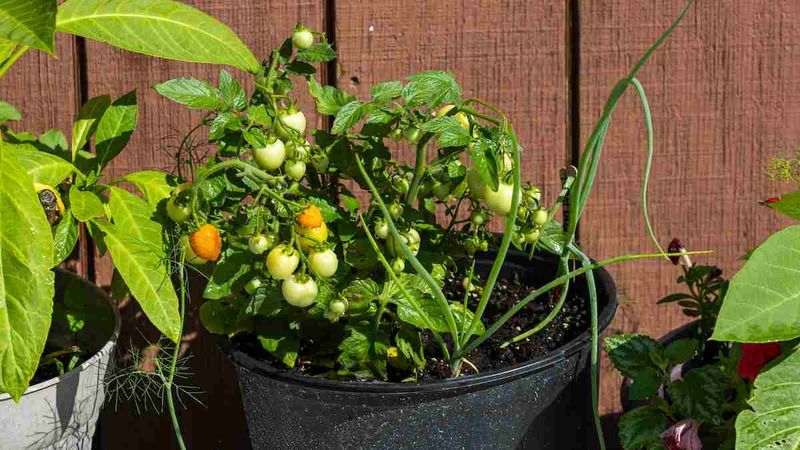
Few vegetables are as beloved by Arizona home gardeners as tomatoes, and pairing them with onions is a combination that holds up well in practice. Onions are believed to deter certain insects that commonly target tomato plants, including aphids and some species of thrips.
Whether that effect is strong enough to notice in every garden varies, but many Arizona growers report fewer pest problems when these two share space.
Tomatoes are warm-season crops in Arizona, typically planted in late February or early March so they mature before the brutal summer heat peaks.
Onions planted nearby during the same window can fill in the gaps between tomato cages and stakes, making good use of limited garden space without crowding either plant.
One thing to keep in mind is that tomatoes are heavy feeders. They pull a lot of nitrogen and other nutrients from the soil, so make sure your bed is well-amended before planting.
Adding compost and a balanced slow-release fertilizer at the start of the season helps both crops get what they need without competing too heavily.
Watering deeply and infrequently encourages tomato roots to grow downward rather than sideways, which reduces competition with onion roots near the surface.
Keeping a layer of straw mulch around both plants helps Arizona gardens retain moisture and keeps soil temperatures more stable during warm spring afternoons.
5. Peppers Grow Strongly Near Onions During Summer
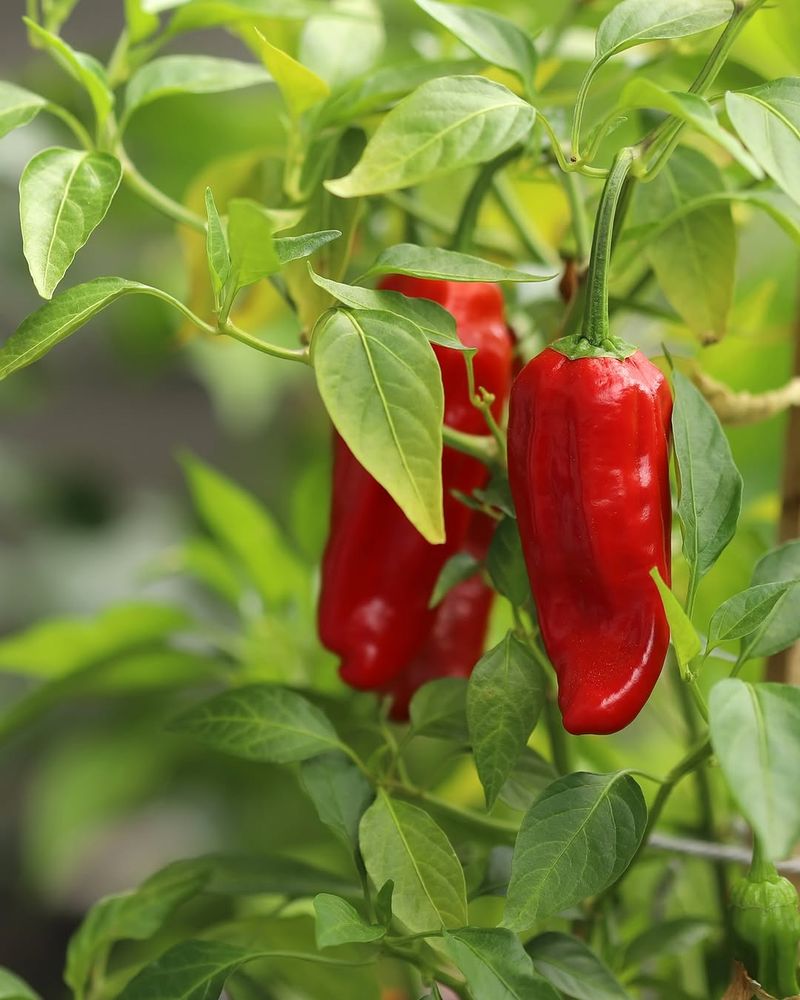
Arizona summers are not for the faint of heart, but peppers absolutely thrive in that heat. Pairing them with onions during the warm season creates a productive combination that takes full advantage of Arizona’s long, sun-drenched growing days.
Onions planted between pepper rows can help deter certain soil pests and may reduce aphid pressure around pepper stems.
Peppers and onions both prefer well-draining soil and do not like sitting in moisture for long periods. In Arizona, where monsoon rains can dump significant water quickly between July and September, making sure your garden bed has good drainage becomes especially important.
Raised beds with amended soil handle monsoon flooding much better than flat in-ground plots.
Starting peppers indoors in January or February and transplanting after the last frost gives them a head start before the real heat arrives.
Onions planted alongside them in early spring can often be harvested by the time peppers hit their peak production period in midsummer, freeing up space and reducing competition naturally.
Hot pepper varieties like jalapeños, serranos, and Anaheims tend to perform particularly well in Arizona’s climate. Planting onions nearby does not seem to negatively affect pepper flavor or yield based on what most experienced Arizona gardeners observe.
Keeping both plants consistently watered through the dry spring months before monsoon season is the most important factor for success.
6. Spinach Fits Nicely Between Rows Of Onions
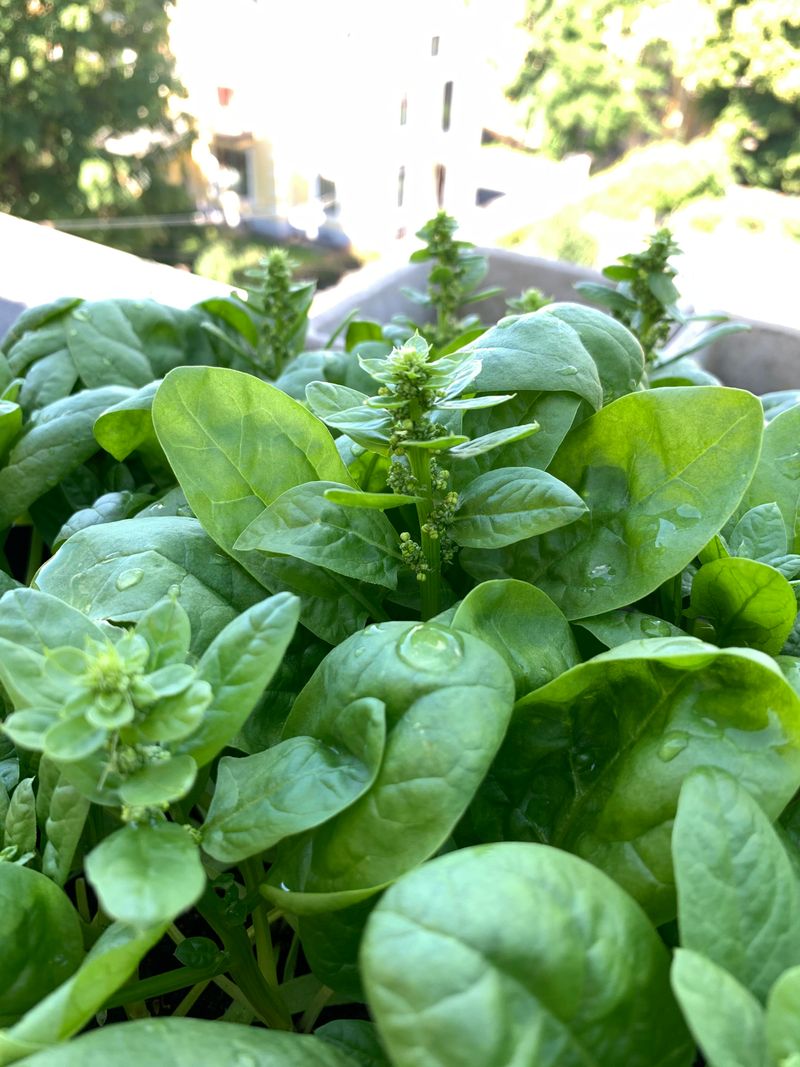
Spinach is a cool-season crop that genuinely shines in Arizona’s mild winters, and tucking it between onion rows is a space-saving trick worth trying.
Onions grow upright with a relatively small footprint, leaving plenty of open ground between rows that spinach can fill without crowding either plant.
It is a tidy, efficient way to get more out of a limited garden area.
Spinach prefers temperatures between 35 and 75 degrees Fahrenheit, making Arizona’s fall and winter months ideal for planting. Sow spinach seeds directly into the soil from September through February in most parts of the state.
Planting it near onions means both crops can share drip irrigation lines and similar soil preparation, which simplifies your watering schedule considerably.
One practical advantage of this pairing is that spinach matures relatively quickly, often within 40 to 50 days from seeding. You can harvest spinach leaves before onions need the extra space, so there is little long-term competition between the two.
Succession planting spinach every two to three weeks keeps a steady supply coming throughout Arizona’s cool season.
Avoid planting spinach in spots that receive full western afternoon sun during late winter, since even mild warmth can trigger early bolting. Growing it on the slightly shaded side of taller onion foliage provides just enough protection to extend the harvest.
Consistent watering and loose, fertile soil are the two biggest factors for spinach success in Arizona gardens.
7. Chamomile Attracts Helpful Insects Around Vegetable Beds
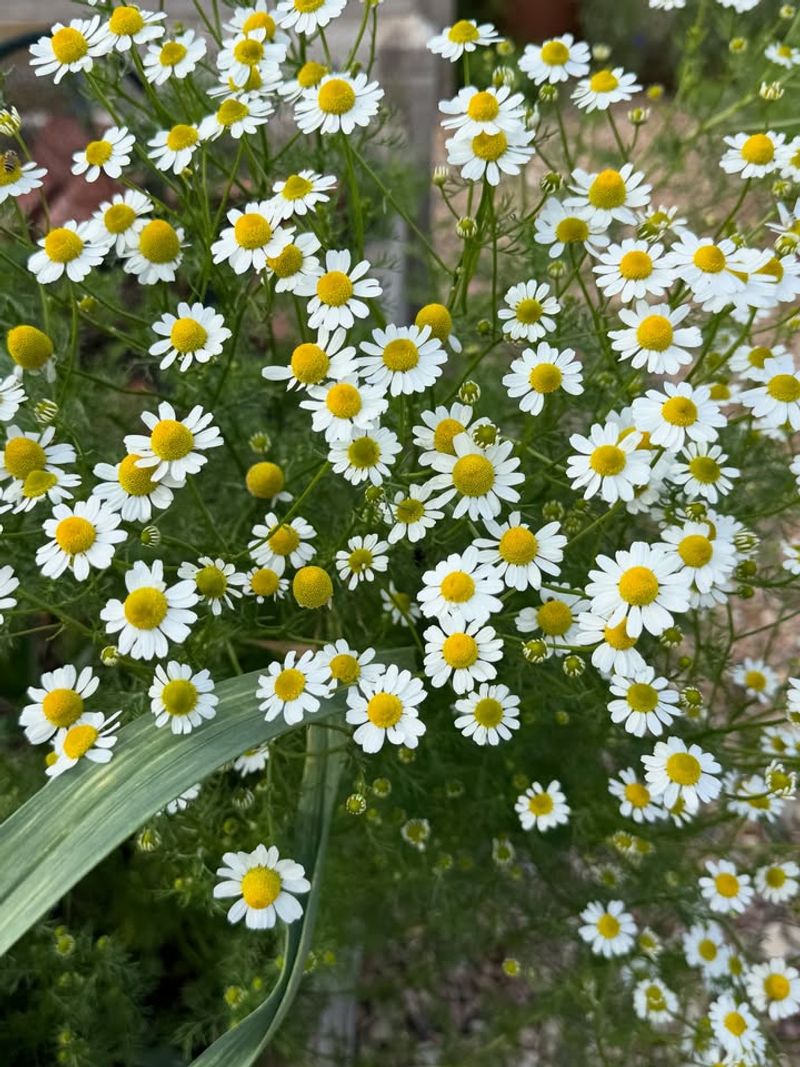
Chamomile brings something to the garden that most vegetables simply cannot: flowers. And those flowers attract beneficial insects like lacewings, hoverflies, and parasitic wasps that naturally keep pest populations in check.
Planting chamomile near your onions in Arizona creates a small ecosystem of helpful bugs that protect nearby vegetables without any chemical sprays needed.
German chamomile is the variety most commonly grown in Arizona vegetable gardens. It tolerates heat reasonably well and can be planted in fall or early spring.
Once established, it grows quickly and begins blooming within a few weeks, making it a fast-acting addition to any companion planting setup.
Some experienced Arizona gardeners also claim that chamomile improves the flavor of onions grown nearby. While that claim is difficult to verify scientifically, it comes up often enough in gardening circles to be worth mentioning.
What is more certain is that chamomile’s strong scent may help mask the smell of nearby vegetables from certain flying pests.
Keep chamomile trimmed back so it does not overshadow shorter onion plants or crowd their base. Deadheading spent flowers encourages continuous blooming throughout the season.
Chamomile self-seeds readily, so expect it to return in future seasons with little effort on your part. In Arizona’s warm climate, that kind of low-maintenance, multi-purpose plant is always a welcome addition to any vegetable bed.
8. Strawberries Grow Well Near Onions In Raised Beds
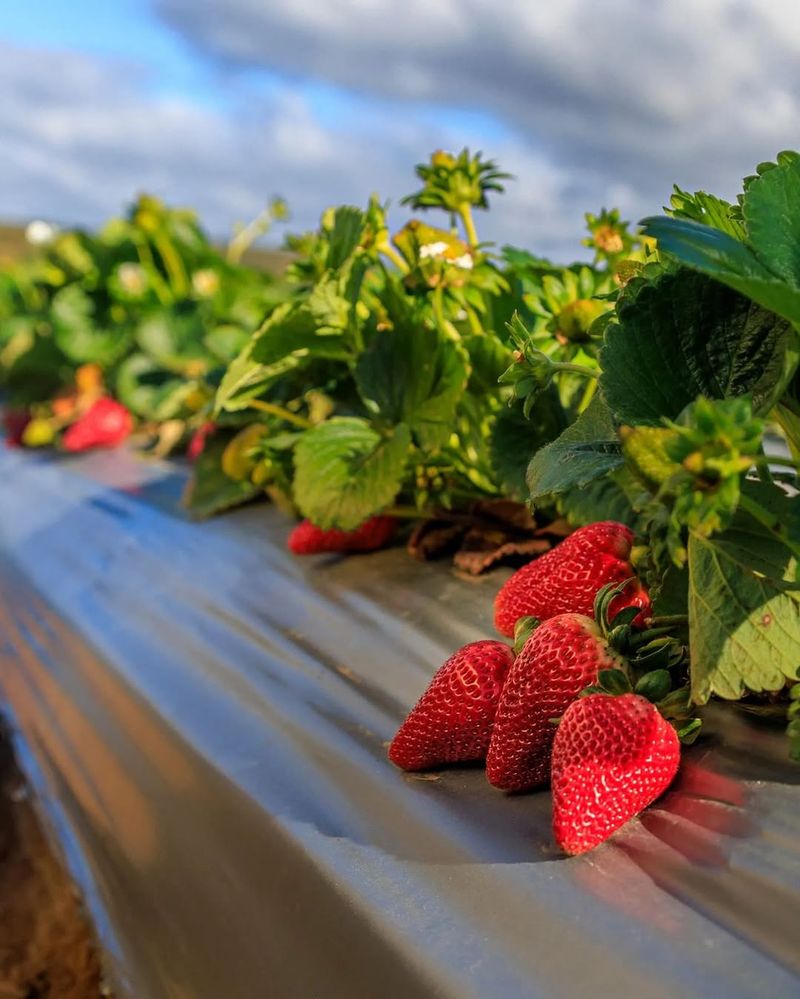
Strawberries and onions sharing a raised bed might sound like an unusual combination, but it works surprisingly well in Arizona. Onions are said to repel certain insects that commonly target strawberry plants, including aphids and some beetles.
Raised beds in Arizona also warm up quickly in spring, giving both crops a favorable environment for early-season growth.
Arizona gardeners typically plant strawberries in the fall, allowing roots to establish through winter before fruiting in early spring. Onions planted in the same bed during fall settle in alongside them without much fuss.
Both crops prefer well-draining, slightly acidic to neutral soil, so their needs align closely enough to make management straightforward.
Spacing is the main thing to plan carefully. Strawberries spread through runners and can take over a bed if left unchecked.
Trimming runners regularly keeps them from crowding onion bulbs, which need a bit of open space around their base to develop properly. Raised beds with defined edges make managing that spread much easier than open garden rows.
June-bearing strawberry varieties tend to do best in Arizona because they produce fruit before summer heat becomes overwhelming. Pairing them with short-day onion varieties that also mature in spring keeps the harvest timeline aligned nicely.
Mulching the bed with straw helps regulate soil temperature and moisture for both crops throughout Arizona’s unpredictable late-winter and early-spring weather patterns.