8 Tips For Texas Gardeners To Grow A Delicious Edible Garden On A Budget
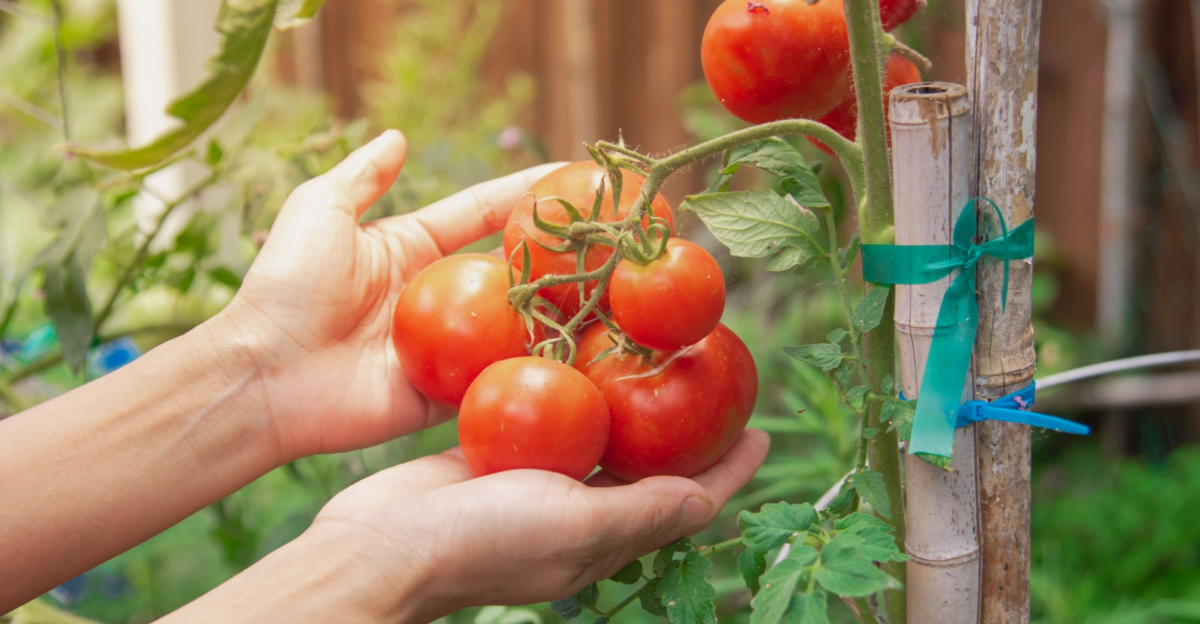
Starting your own Texas garden can feel like an expensive gamble when you are staring down high nursery prices and the unpredictable threat of a summer heat wave.
But what if the secret to a lush, edible oasis isn’t a massive bank account, but rather a few clever, low-cost strategies?
The Lone Star State actually hands gardeners some incredible natural advantages, from our legendary long growing seasons to winters mild enough to keep the harvest moving.
By tapping into simple techniques like seed saving and DIY composting, you can turn a small investment into a huge return of fresh, flavorful produce.
Whether you are propagating cuttings or starting your own seeds indoors, these eight practical tips are designed to help Texas gardeners grow more for less.
It has never been easier to fill your table with homegrown food while keeping your budget perfectly intact.
1. Focus On Soil Health To Save Money And Boost Yields
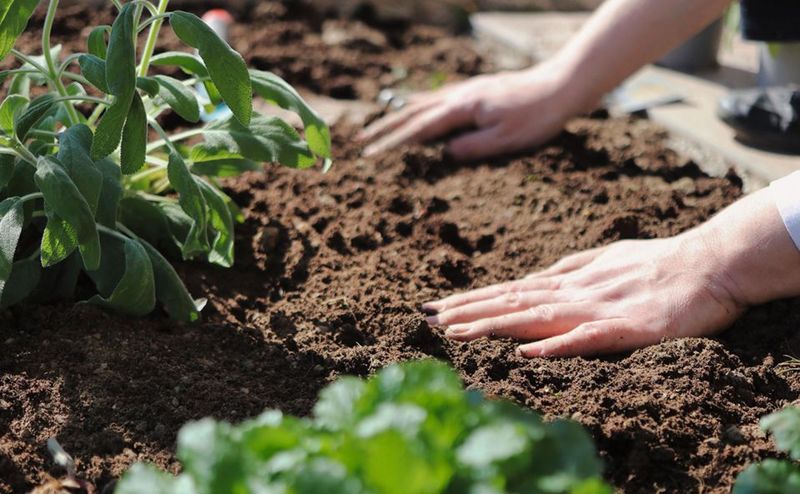
Poor soil is one of the biggest reasons Texas gardeners overspend, constantly buying fertilizers and amendments that would not even be necessary with a healthy foundation.
Texas soils vary wildly across the state, from the heavy black clay of the Blackland Prairie to the sandy soils of East Texas and the caliche-heavy ground found across much of Central and West Texas.
Understanding what you are working with before spending a single dollar is one of the smartest moves you can make.
A basic soil test, often available at low cost through county extension offices, tells you exactly which nutrients are lacking so you only add what is truly needed.
Skipping the test and guessing often leads to over-applying expensive products that do not actually help your plants grow.
Healthy soil with good structure holds moisture longer, which is especially valuable during Texas summers when water bills can climb fast.
Building organic matter into your soil over time reduces the need for store-bought fertilizers by feeding the beneficial microbes that make nutrients available to plant roots naturally.
Mixing in aged compost before each planting season improves drainage in clay soils and increases water retention in sandy ones.
Once your soil is thriving, your plants grow stronger, resist pests more effectively, and produce more food per square foot, making every dollar you invest go much further in your Texas garden.
2. Grow Plants From Seed Instead Of Buying Starters
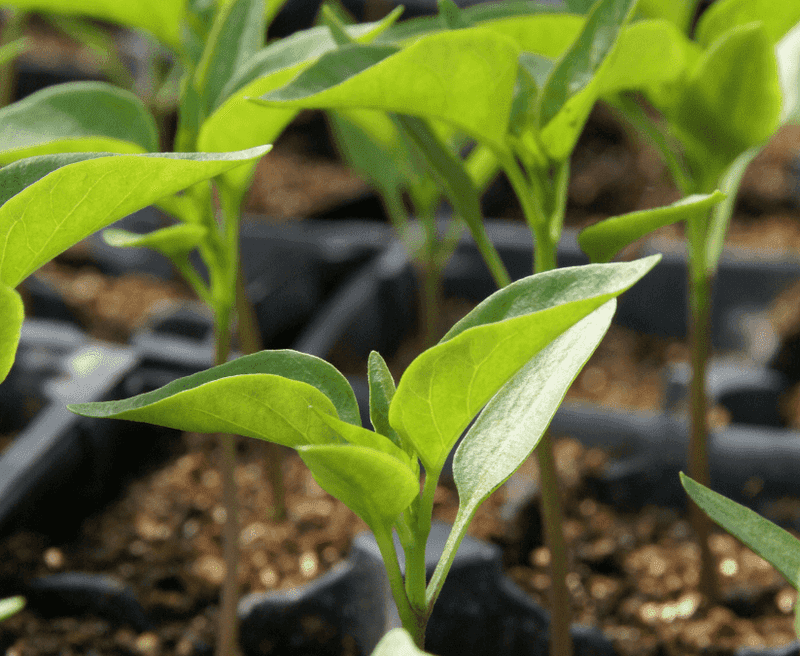
Walk through any Texas garden center in spring and you will quickly notice how fast a cart full of transplants adds up. A single tomato plant can cost four to eight dollars, and that price multiplies fast when you need enough plants to fill a real garden.
Starting your own seeds at home is one of the most effective ways to cut that cost dramatically while also giving you access to a far wider variety of vegetables and herbs than any store shelf offers.
Most warm-season crops that Texas gardeners love, including tomatoes, peppers, squash, cucumbers, and basil, are straightforward to start from seed with just a few basic supplies.
Your Texas Garden Changes Every Week. Your Plan Should Too.
Gardening in Texas changes quickly throughout the season. Every Friday you’ll receive a simple weekly plan showing exactly what to plant, prune, fertilize, harvest, and protect so you never miss the right timing.
A shallow tray, a quality seed-starting mix, and a sunny south-facing window or an inexpensive grow light are all you really need to get started.
Timing matters in Texas, so starting seeds indoors six to eight weeks before your last expected frost date gives transplants a strong head start before the heat arrives.
One common mistake is starting seeds too early and ending up with leggy, root-bound plants that struggle after transplanting.
Checking your specific Texas hardiness zone and local average last frost date helps you plan a realistic schedule.
Seeds purchased in bulk or through seed catalogs cost a fraction of what starter plants run at retail, and the savings compound every season you continue the habit. The variety selection alone makes seed starting worth every bit of the effort.
3. Save Your Own Seeds For Future Seasons
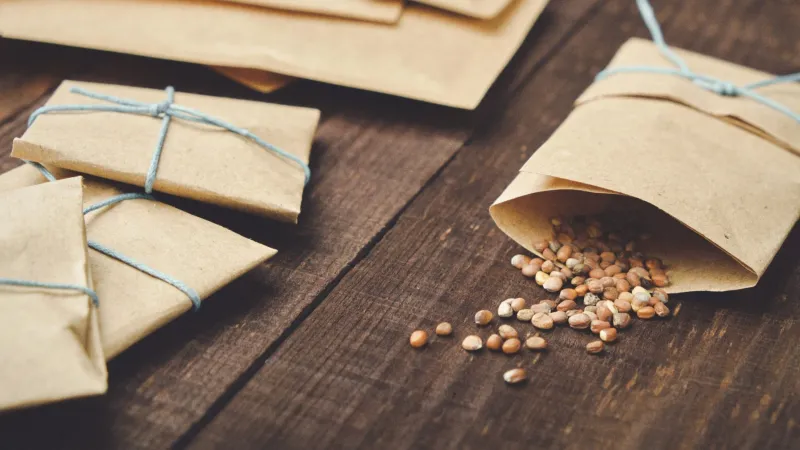
There is something genuinely satisfying about planting a seed in spring that came from your own garden the previous fall, closing a loop that costs you almost nothing but a little attention at harvest time.
Seed saving is one of the oldest gardening traditions in the world, and for Texas gardeners working with a tight budget, it is also one of the most practical habits you can build.
When done correctly, it means you may never need to buy seeds for certain crops again.
Open-pollinated and heirloom varieties are the ones worth saving because they reliably reproduce plants with the same traits as the parent. Hybrid seeds, which are common in garden centers, do not breed true and are not worth the effort to save.
Tomatoes, peppers, beans, squash, and herbs like basil and cilantro are among the easiest crops for Texas gardeners to save seed from successfully.
The process is simpler than most people expect. Allow a few of your best-performing fruits or pods to fully mature on the plant past the eating stage, then harvest, clean, and dry the seeds thoroughly before storing them in a cool, dry location.
Labeling envelopes with the variety name and harvest date keeps your seed collection organized.
Properly dried and stored seeds from most vegetables remain viable for two to four years, giving you a reliable supply that costs nothing and keeps improving as you select from your strongest, most productive plants each season.
4. Propagate Cuttings To Multiply Plants For Free
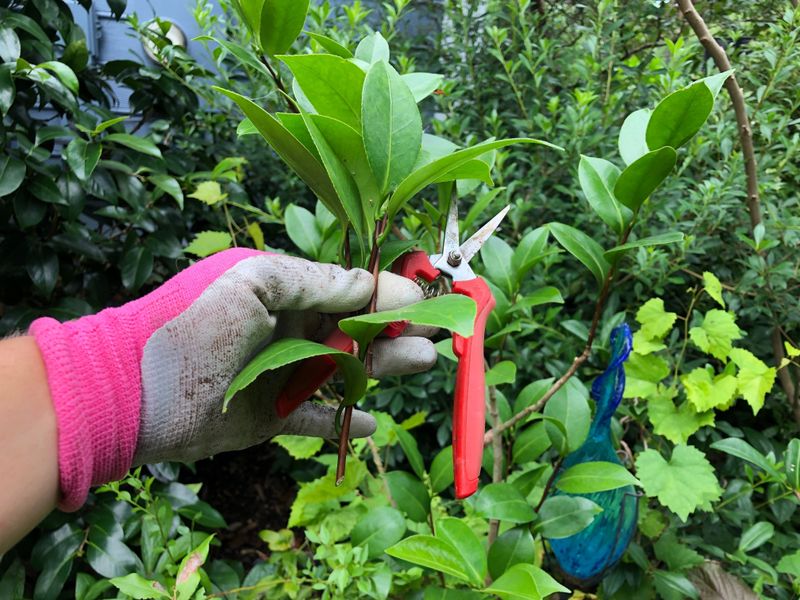
Buying new herb plants every season is one of those quiet budget drains that many gardeners do not think much about until they add it all up.
Rosemary, basil, mint, lemon balm, and many other popular kitchen herbs root easily from cuttings, meaning one plant you already own can become five or ten new plants with almost no cost involved.
For Texas gardeners who rely on herbs heavily in cooking, this habit pays for itself almost immediately.
Taking cuttings is a straightforward process. Snip a healthy stem about four to six inches long just below a leaf node, remove the lower leaves, and place the cutting in a glass of water or directly into moist potting mix.
Many herbs root within one to three weeks when kept in a warm, bright spot, which is rarely a challenge in a Texas home. Once roots are an inch or two long, the cutting is ready to pot up or transplant into the garden.
Beyond herbs, some fruiting plants also propagate well from cuttings, including figs, which are extremely popular across Texas and root reliably from dormant hardwood cuttings taken in late winter.
Sweet potato slips, another Texas garden staple, are produced by placing a tuber in water and harvesting the sprouts that emerge.
Avoiding the mistake of taking cuttings from stressed or pest-affected plants is important, since healthy parent plants produce the strongest offspring.
Once you start propagating regularly, your plant collection grows steadily without adding much to your gardening expenses.
5. Make Compost And Mulch At Home To Reduce Costs
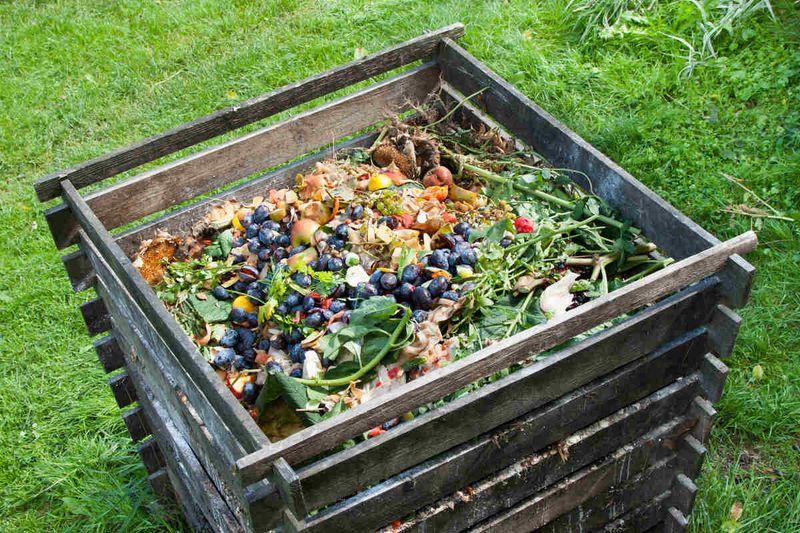
Bagged compost and mulch add up faster than most gardeners realize, especially when you are filling raised beds or covering large garden areas before each planting season.
Making your own at home costs almost nothing and produces a product that is often richer and more biologically active than anything sold in a bag at a hardware store.
For Texas gardeners dealing with hot summers and fast-decomposing organic matter, having a steady compost supply is a genuine game-changer.
A basic compost pile needs just two things in rough balance: carbon-rich brown materials like dry leaves, cardboard, and straw, and nitrogen-rich green materials like kitchen vegetable scraps, fresh grass clippings, and garden trimmings.
Keeping the pile moist but not soggy and turning it occasionally speeds up the process.
In Texas heat, a well-managed pile can produce finished compost in as little as six to eight weeks during summer months.
Mulch made from wood chips, shredded leaves, or straw does double duty in a Texas garden by keeping soil temperatures lower, slowing moisture evaporation, and suppressing weeds that would otherwise compete with your vegetables.
Many Texas municipalities offer free wood chip mulch through tree trimming programs, which is worth looking into before spending money at a garden center.
Applying two to three inches of mulch around plants after each watering session stretches your water further and reduces the time you spend weeding, making your garden more productive and less demanding all at once.
6. Buy Garden Supplies In Bulk To Stretch Your Budget
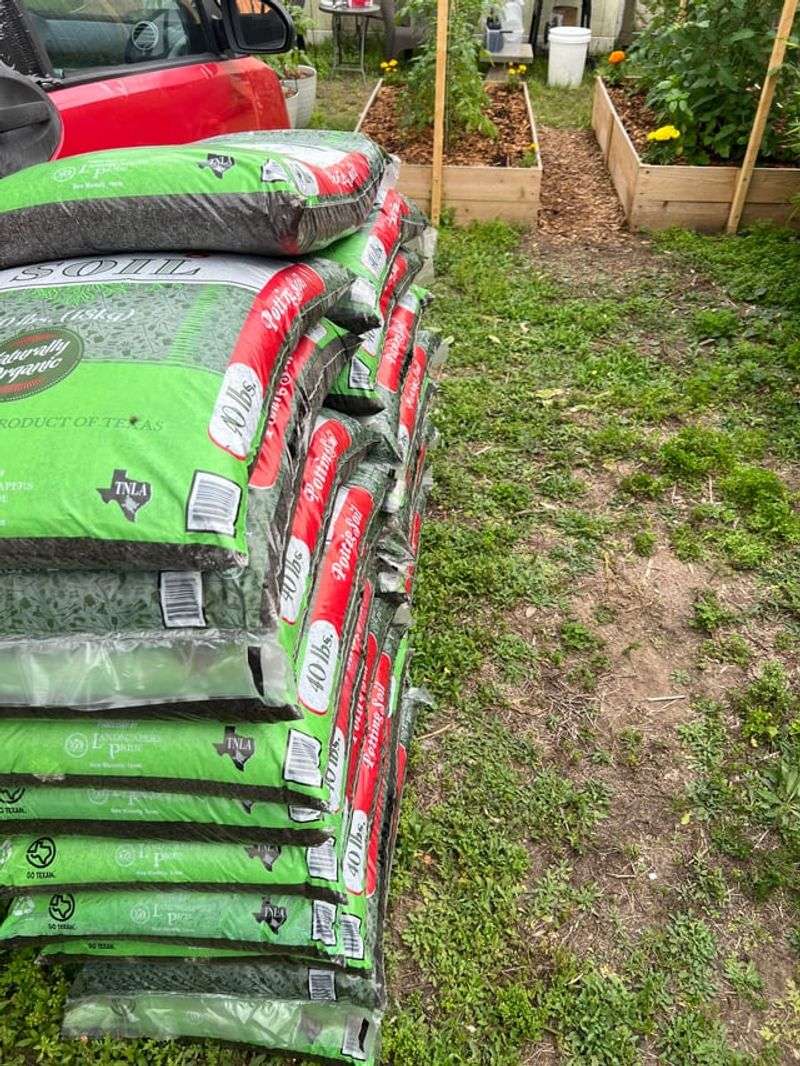
Retail garden centers are convenient, but they are rarely the most affordable place to buy the supplies your garden needs on a regular basis.
Potting mix, fertilizer, drip irrigation components, and even seeds cost significantly less when purchased in larger quantities from wholesale nursery suppliers, farm co-ops, or online retailers.
For Texas gardeners who plan to garden year-round, which is very realistic given the state’s long growing seasons, buying in bulk makes strong financial sense.
Seed packets are one of the clearest examples of bulk savings in action. A single retail packet of tomato seeds might contain 25 seeds and cost three to five dollars.
The same variety purchased through a wholesale seed supplier often costs the same amount for 500 seeds or more.
Splitting bulk seed orders with neighbors or a local gardening group is a smart way to get those savings without ending up with more seeds than you can realistically use before they lose viability.
Drip irrigation supplies, row cover fabric, and soil amendments like sulfur or agricultural lime are other categories where buying more at once lowers your per-unit cost meaningfully.
Storing supplies properly after purchase protects that investment, since seeds need cool and dry conditions while fertilizers should stay sealed and away from moisture.
Joining a local gardening club or community garden group in your Texas area often opens doors to group purchasing arrangements and shared resources that make bulk buying even more accessible for gardeners working with limited storage space or smaller budgets.
7. Upcycle Household Items To Cut Gardening Expenses
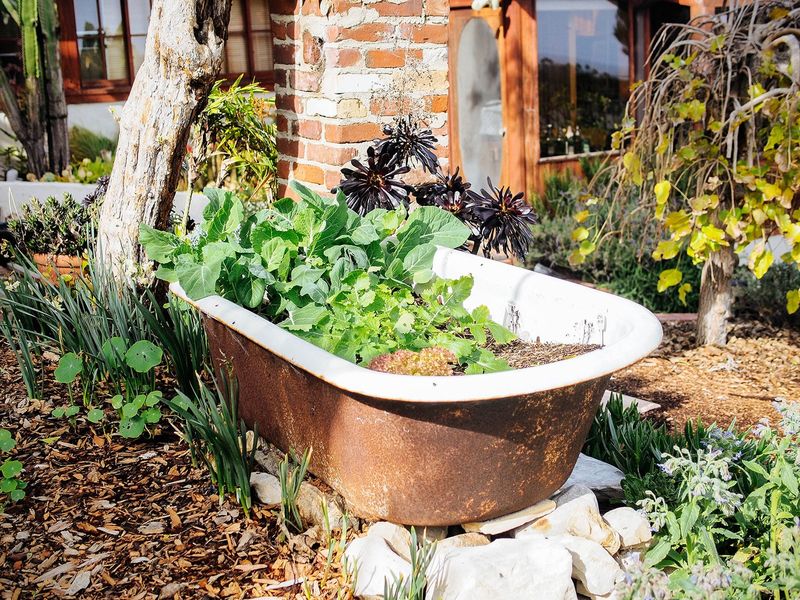
Before spending money on brand-new planters, raised bed kits, or garden tools, it is worth taking a slow walk through your garage, shed, or storage area to see what might already work.
Texas gardeners have a long tradition of creative resourcefulness, and some of the most productive container gardens you will ever see are built from items most people would have hauled to the curb.
Old galvanized tubs, wooden wine crates, cracked wheelbarrows, and even worn-out cowboy boots have all served as perfectly functional planters.
Pallets are one of the most versatile upcycling materials available, often free from hardware stores, garden centers, or local businesses.
Standing a pallet upright and stapling landscape fabric to the back creates a vertical planting pocket that works beautifully for strawberries, lettuce, or herbs.
Laying a pallet flat and filling the gaps with soil turns it into a low raised bed at almost no cost.
Always check that pallets are stamped with the HT mark, meaning heat-treated, rather than MB, which indicates methyl bromide treatment and should be avoided for food gardens.
Household items like colanders, old bathtubs, five-gallon buckets, and even broken ceramic pots can all be drilled for drainage and pressed into service as unique, functional planters.
Newspaper or cardboard laid under garden beds before adding soil smothers weeds without chemicals.
Repurposing items you already own keeps money in your pocket and gives your Texas garden a character and personality that no store-bought setup can quite replicate.
8. Learn Food Preservation To Maximize Harvest Value
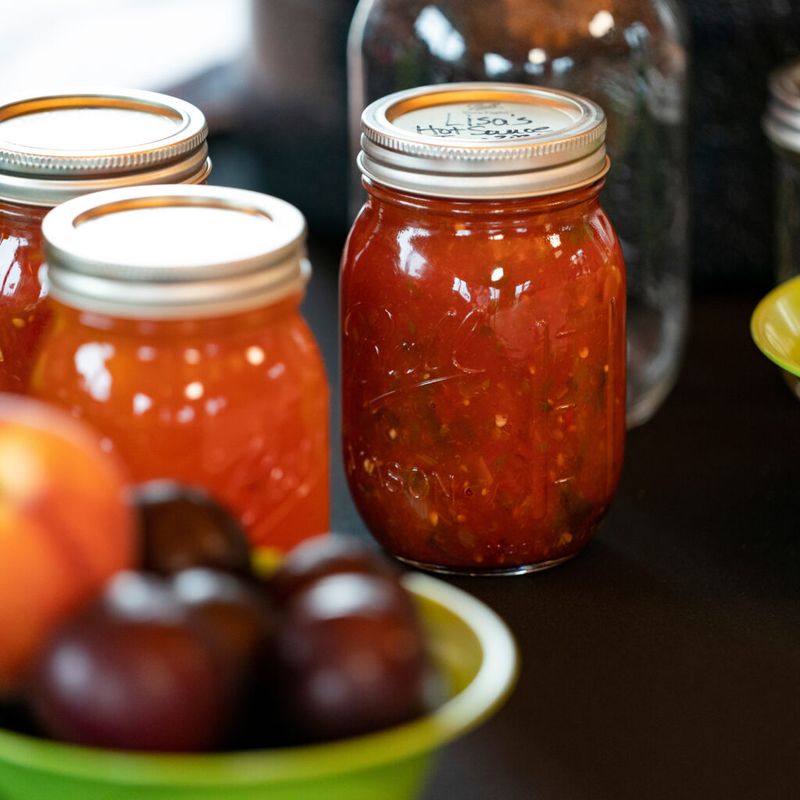
One of the quietest ways that gardeners lose money is by letting a bumper harvest go to waste because they cannot eat everything fast enough.
Texas gardens, especially during peak summer and fall production, can produce more tomatoes, peppers, squash, and herbs than any single household can reasonably consume fresh.
Learning basic food preservation turns that temporary abundance into a pantry stocked with homegrown food that carries your garden’s value through the entire year.
Canning is one of the most reliable preservation methods for high-acid Texas garden staples like tomatoes, salsa, and pickled okra or cucumbers.
Water bath canning is beginner-friendly, inexpensive to get started with, and produces shelf-stable jars that last up to a year or more when stored properly.
A basic canning kit with a large pot, jar rack, and canning tongs costs under thirty dollars and pays for itself quickly when you consider the grocery value of what you are preserving.
Freezing is even simpler and works well for blanched green beans, roasted peppers, pureed tomatoes, and most herbs.
Dehydrating is another excellent option for Texas gardeners who grow large quantities of hot peppers, herbs, or cherry tomatoes, since a basic food dehydrator runs inexpensively and produces lightweight, shelf-stable ingredients.
Understanding which preservation method suits each crop helps you avoid waste and get the most value from every plant you grow.
A well-stocked preservation pantry built from your own Texas garden is one of the most rewarding payoffs of budget-conscious growing.