Arizona Gardeners Can Grow More Food In Small Spaces With These 8 Vegetables
Not every Arizona garden comes with endless space. Many are small patios, compact yards, or a few containers sitting in a sunny corner.
But limited space does not mean limited harvest. In fact, some vegetables are surprisingly productive and can give a steady supply of fresh food even when growing areas are tight.
Across Arizona, gardeners are getting creative with raised beds, containers, and small garden plots. The right vegetables can grow quickly, produce heavily, and keep harvests coming for weeks.
A few well-chosen plants can turn a small area into something that feels much bigger when it comes time to pick fresh food.
The key is knowing which vegetables actually perform well in smaller growing areas and still handle Arizona conditions. Some varieties naturally stay compact while producing plenty to harvest.
With the right choices, even a modest garden can deliver baskets of fresh vegetables throughout the growing season.
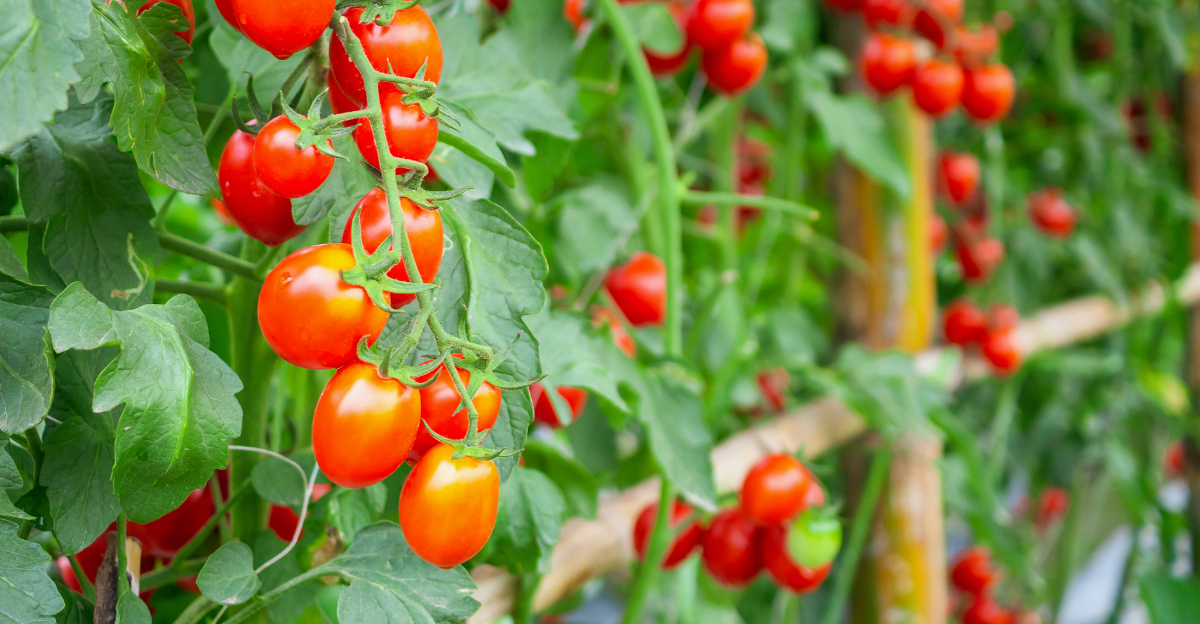
1. Cherry Tomatoes Produce Heavy Harvests Even In Small Arizona Spaces
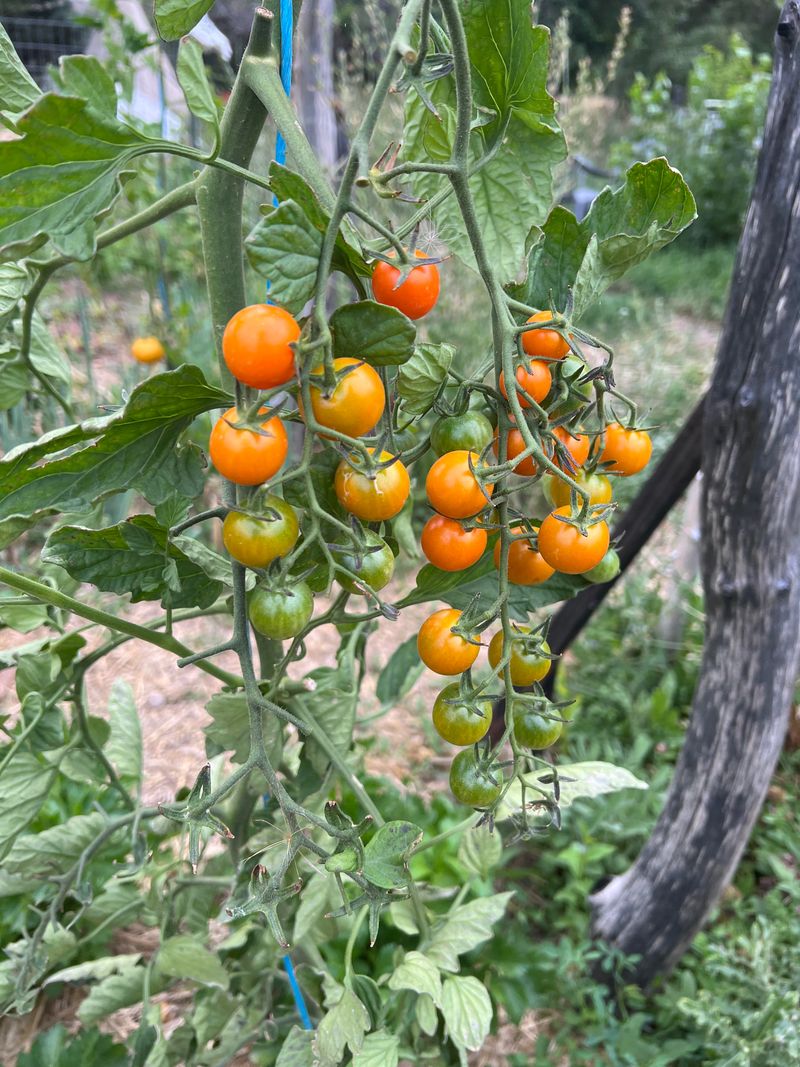
A single cherry tomato plant can surprise you with how much fruit it pushes out over a season. Varieties like Sungold or Sweet 100 are especially productive in Arizona, where the long warm season gives them plenty of time to keep producing.
Plant them in a five-gallon container or a small raised bed and you are already set up for a solid harvest.
In Arizona, timing matters more than anything. Start seeds indoors in late January or direct plant transplants outdoors in late February through March.
You want fruit forming before the brutal summer heat rolls in, because extreme temperatures slow pollination and can stall fruit set on even the healthiest plants.
Stake or cage your plants early. Cherry tomatoes grow fast and the weight of heavy fruit clusters will pull stems down if you wait too long to support them.
A simple wire cage pushed into the soil at planting time does the job without taking up extra garden space.
Water consistently rather than sporadically. In the dry Arizona climate, uneven watering causes blossom end rot and cracked fruit, both of which cut into your harvest.
Drip irrigation set on a timer works extremely well for container-grown tomatoes and keeps the root zone steady without wasting water.
2. Peppers Grow Well In Containers And Compact Garden Beds
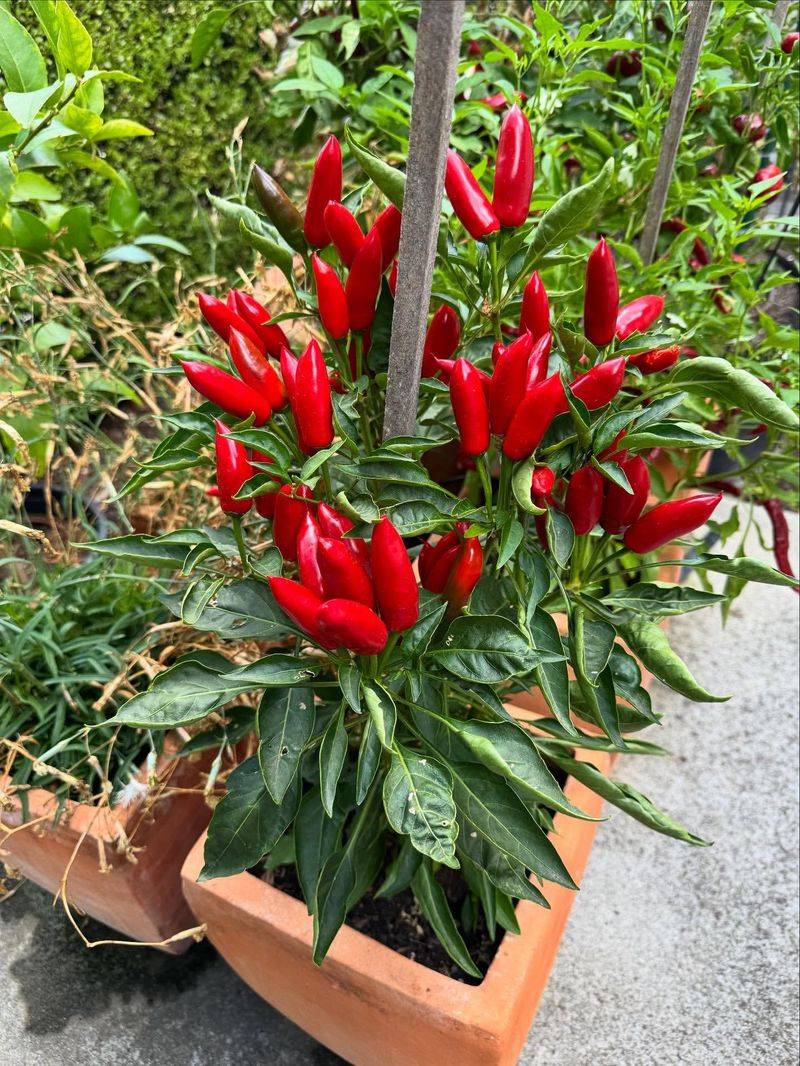
Peppers are practically built for small-space gardening. A single plant in a three-gallon pot can produce a steady stream of fruit from spring all the way into fall, which in Arizona is a surprisingly long growing window.
Hot varieties like jalapeno and serrano tend to be even more productive than sweet peppers in desert conditions.
Heat does not scare peppers the way it scares some other vegetables. Arizona summers can push peppers into a semi-dormant state during the absolute peak of July and August, but the plants bounce back once temperatures drop slightly in September.
Many Arizona gardeners see their best pepper harvests in the fall, not the spring.
Soil quality makes a real difference when growing peppers in containers. Use a mix with good drainage, and add compost to give plants the nutrition they need without relying heavily on synthetic fertilizers.
Your Arizona Garden Changes Every Week. Your Plan Should Too.
Gardening in Arizona changes quickly throughout the season. Every Friday you’ll receive a simple weekly plan showing exactly what to plant, prune, fertilize, harvest, and protect so you never miss the right timing.
Feed lightly with a balanced fertilizer every few weeks during active growth periods.
Space plants about eighteen inches apart if planting in a ground bed, or give each container plant its own pot. Crowding peppers leads to reduced airflow, which increases the chance of fungal problems during Arizona’s monsoon season.
Giving each plant room to breathe pays off with cleaner, more consistent fruit production throughout the season.
3. Bush Beans Produce Plenty Of Food Without Taking Much Space
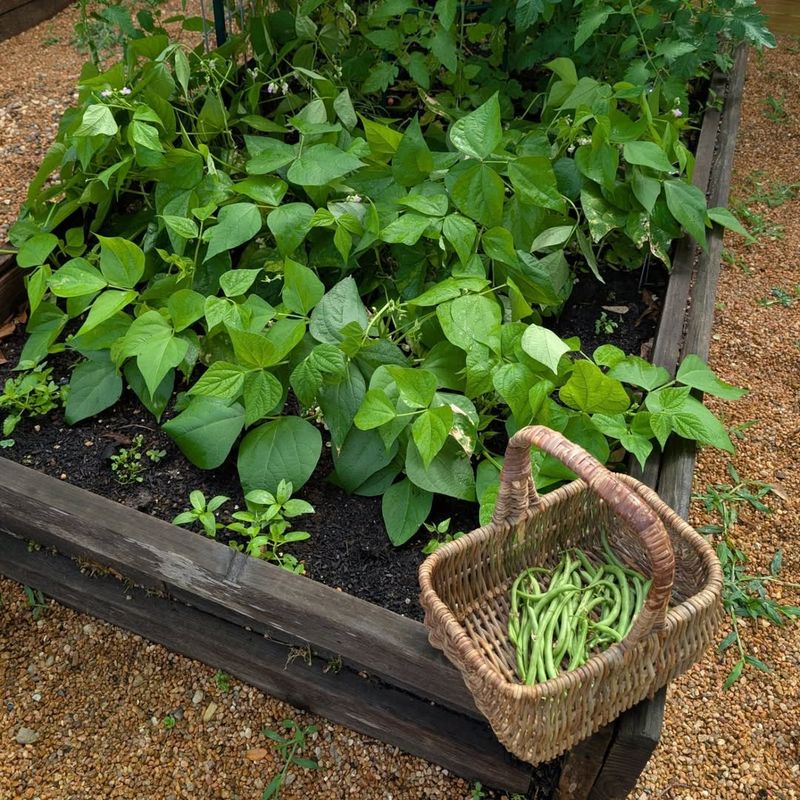
Bush beans might be the most underrated vegetable for small Arizona gardens. Unlike pole beans, they stay compact, rarely exceeding two feet tall, and they do not need a trellis or support structure.
Varieties like Bush Blue Lake or Provider work especially well in desert conditions and can handle the heat better than many gardeners expect.
Plant bush beans directly in the soil after the last frost, which in most Arizona locations falls between late February and mid-March depending on elevation. Seeds germinate quickly in warm soil, often sprouting within five to seven days.
You can squeeze plants into a twelve-inch-wide raised bed row without sacrificing yield, making them an efficient choice for tight spaces.
One of the best things about bush beans is that the entire plant produces at roughly the same time. Harvest happens over a two to three week window, which means you get a concentrated burst of food rather than a slow trickle.
Succession planting every three weeks through spring gives you multiple harvests before summer fully arrives.
Bush beans need consistent moisture during flowering and pod development. Irregular watering at that stage leads to dropped flowers and smaller pods.
In Arizona’s dry air, containers dry out especially fast, so check soil moisture daily during the peak growing period and water deeply when the top inch of soil feels dry.
4. Green Onions Grow Quickly And Fit Easily Into Small Garden Areas
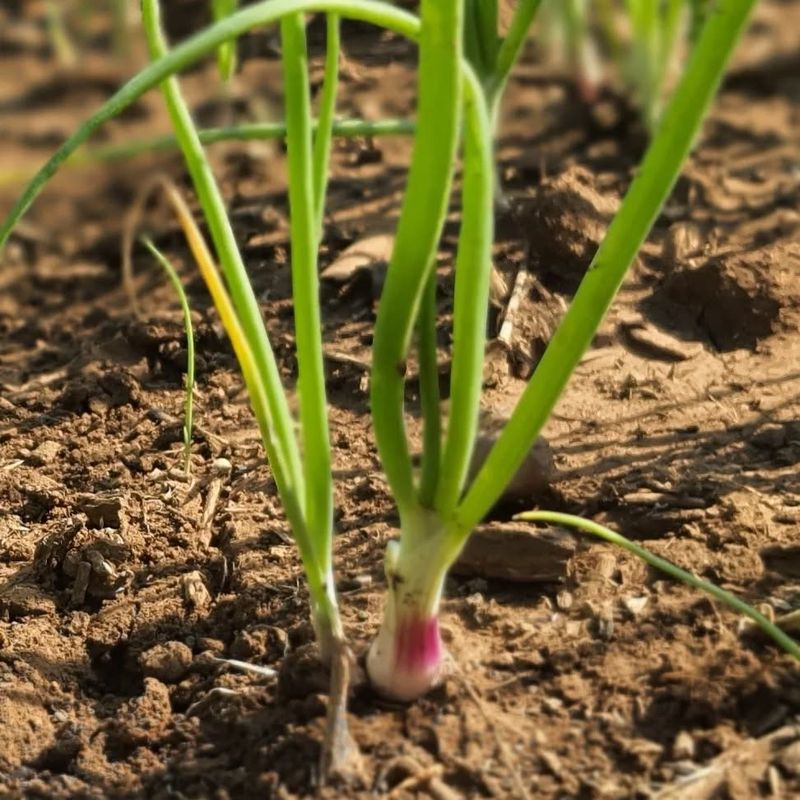
If you want something growing and ready to eat fast, green onions are hard to beat. From planting to harvest, most varieties are ready in about three to four weeks, which is quicker than almost anything else you can grow in an Arizona garden.
That speed makes them a great choice for gardeners who want quick results without waiting through a long growing season.
You can tuck green onions into almost any unused corner of a garden bed. Plant them in a single row along the edge of a raised bed, in a narrow window box, or even in a repurposed coffee can with drainage holes punched in the bottom.
Spacing them about an inch apart lets you fit a surprising number of plants into a very small footprint.
Arizona’s mild winters are actually ideal for growing green onions. Plant in October through February in low-desert areas like Phoenix or Tucson, and the cool temperatures keep them growing steadily without bolting.
In higher elevation areas, spring planting works better once the ground warms up past freezing temperatures at night.
Harvesting is simple. Pull the entire plant when stalks reach about six to eight inches, or snip the tops and let the base regrow for a second cutting.
Regrowing from the base works well in containers and stretches your harvest without replanting. Keep the soil moist but not soggy to prevent rot at the base of the stalks.
5. Radishes Mature Fast And Work Well In Tight Spaces
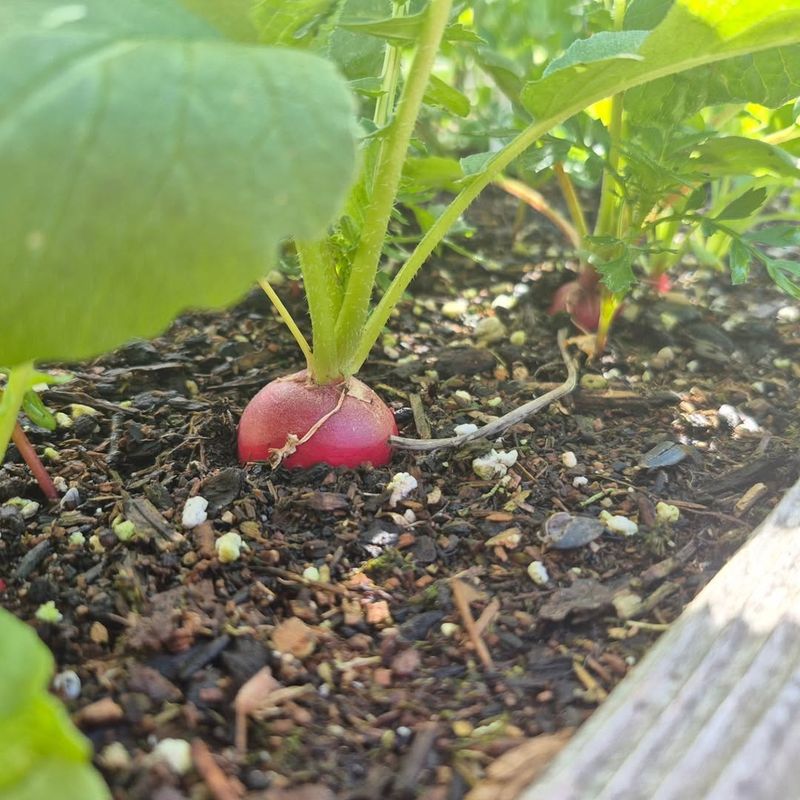
Twenty-five days from seed to harvest is not a typo. Radishes are genuinely one of the fastest vegetables you can grow, and that speed is a huge advantage in Arizona where the planting window before summer heat narrows quickly.
Cherry Belle and French Breakfast are two varieties that perform reliably in desert garden conditions and do not take up much room at all.
Direct sow radish seeds about half an inch deep and one inch apart in rows or scattered across a small bed. Thin seedlings to two inches apart once they sprout, which usually happens within three to five days in warm Arizona soil.
Crowded radishes push against each other underground and end up misshapen, so thinning is worth the few minutes it takes.
Cool soil is what radishes want. In Arizona, that means planting from late September through March in the low desert.
Spring-planted radishes can still work if you time them right, but seeds sown after late March in Phoenix-area gardens often bolt to seed before the root develops properly, leaving you with nothing worth eating.
Interplant radishes between slower-growing vegetables to use every inch of space efficiently. Tuck them between tomato transplants or alongside lettuce rows.
By the time those larger plants need the space, the radishes are already harvested and gone. It is a simple trick that squeezes more food out of the same square footage without any extra work.
6. Lettuce Can Be Harvested Repeatedly From Small Garden Beds
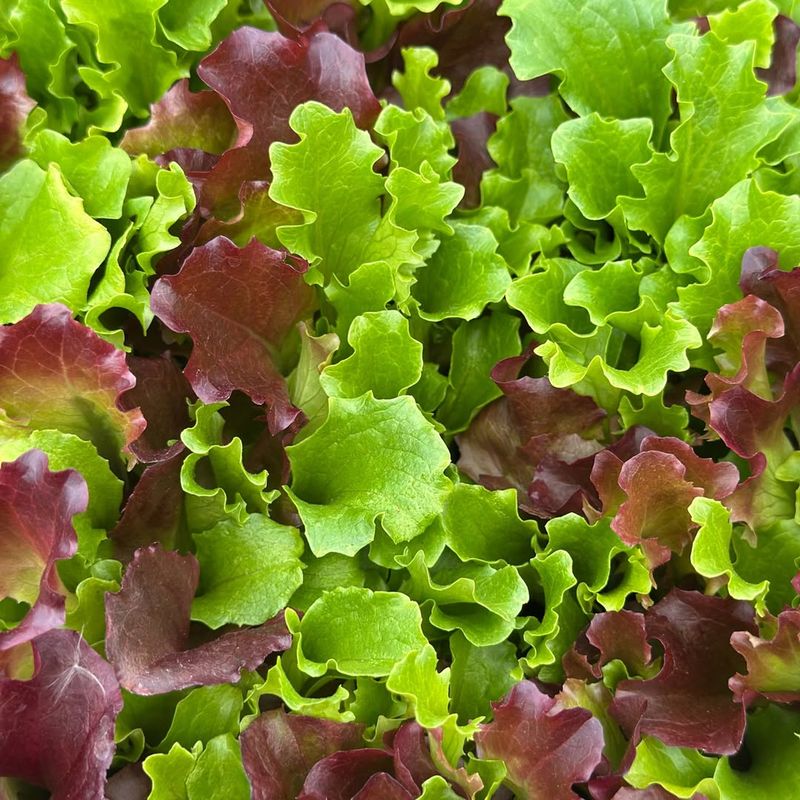
Cut-and-come-again lettuce varieties are a game changer for small-space gardening. Instead of pulling the whole plant at once, you harvest outer leaves and the center keeps growing, giving you multiple cuttings from the same plant over several weeks.
Varieties like Black Seeded Simpson, Red Sails, or Buttercrunch all respond well to this style of harvesting in Arizona gardens.
Arizona’s cool season, which runs roughly from October through April in the low desert, is prime time for lettuce. Temperatures between 45 and 75 degrees Fahrenheit are what lettuce prefers, and those conditions line up almost perfectly with Arizona winters.
Planting in fall gives you a long harvest window before warming spring temperatures trigger bolting.
Shade cloth can extend your lettuce season on both ends. In early fall when temperatures are still warm, a thirty to forty percent shade cloth keeps leaf temperatures lower and prevents bitter, wilted growth.
The same cloth used in late spring can buy you an extra few weeks before the heat finally forces the plants to bolt.
Scatter seeds directly across a small bed or container, water gently, and thin to about six inches apart once seedlings are established. Loose-leaf varieties handle closer spacing better than head-forming types, which makes them more practical for tight Arizona garden spaces.
Fertilize lightly with a nitrogen-based fertilizer every three weeks to keep leaves tender and growth steady throughout the season.
7. Swiss Chard Produces Leaves For Months In Arizona Gardens
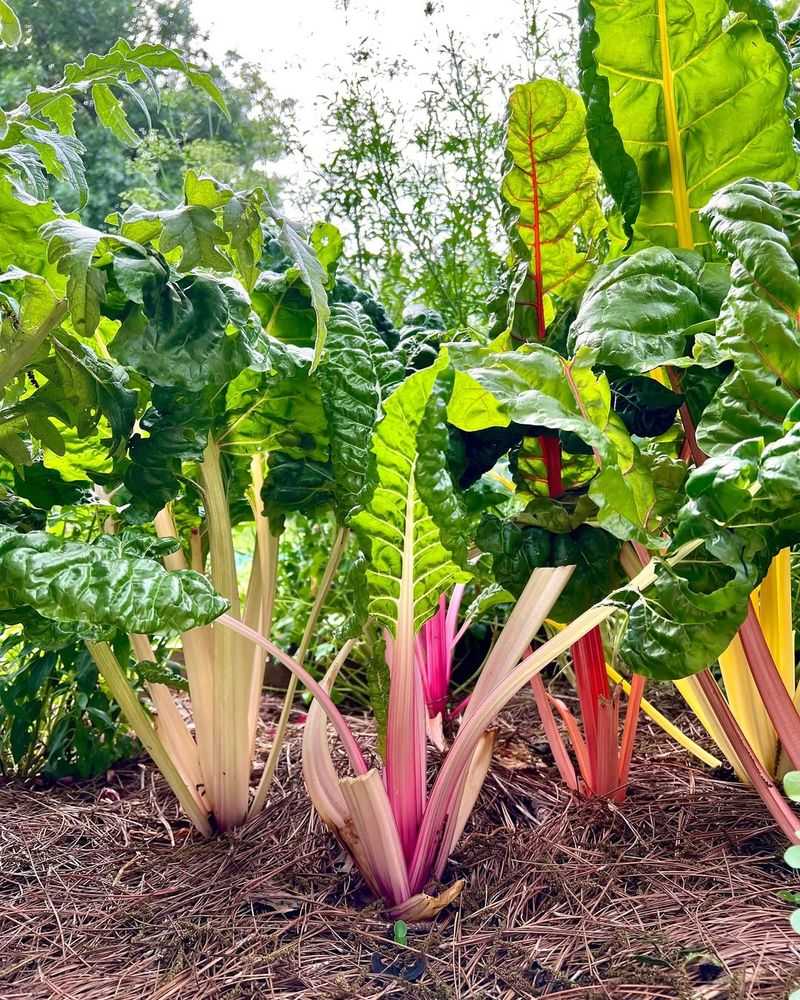
Swiss chard has a longer productive season in Arizona than almost any other leafy green. Plant it in fall and it can keep producing through winter and well into spring, giving you six or more months of harvests from a single planting.
Bright Lights is a popular variety that does particularly well in Arizona and adds a splash of color to any garden with its red, yellow, and orange stems.
Like lettuce, chard responds well to cut-and-come-again harvesting. Snap off outer stalks at the base and the plant sends up new growth from the center within days.
A single plant harvested this way can supply a steady flow of greens for a family without needing much space or constant replanting.
Chard tolerates both cool and mild warm temperatures better than most greens. In Arizona, it handles light frost without much damage and can push through temperatures in the mid-eighties before it starts to struggle.
That flexibility makes it useful during the transitional weeks between cool season and the start of hot weather in spring.
Plant chard in a spot that gets full sun during the cool months, but consider a location with afternoon shade for spring harvests when temperatures climb. Containers work well because you can shift them as the sun angle changes.
Feed plants every month with a balanced fertilizer and water consistently, since chard grows best when soil moisture stays even rather than fluctuating between wet and dry extremes.
8. Cucumbers Can Grow Vertically To Save Valuable Garden Space
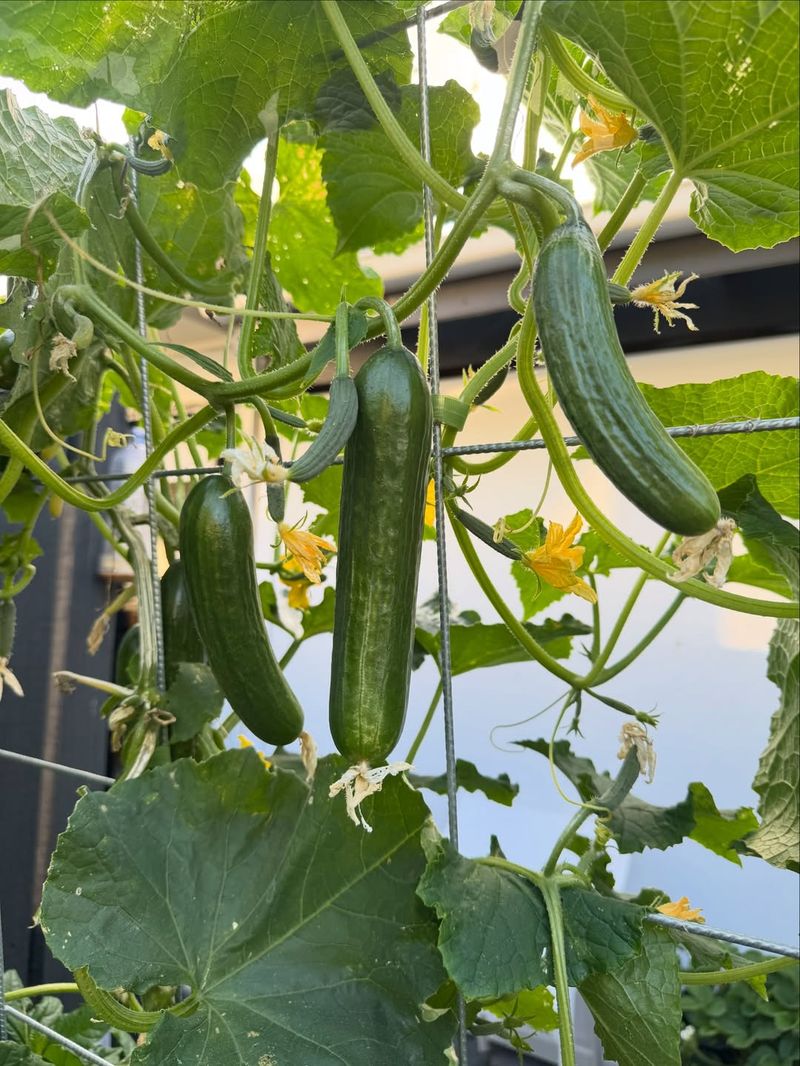
Growing cucumbers up instead of out is the single best move a small-space Arizona gardener can make. A vertical trellis takes up only a few inches of ground width while giving the vines several feet of growing room.
Varieties like Spacemaster or Bush Pickle stay more compact than standard vining types and still produce a solid crop on a small trellis or wire fence panel.
In Arizona, cucumbers go in the ground after the last frost and before temperatures start pushing past one hundred degrees consistently. Late February through early April is the sweet spot for low-desert planting.
Getting plants in early gives them time to produce a good harvest before the peak of summer heat slows growth and reduces fruit quality.
Vertical growing also improves air circulation around the leaves, which cuts down on powdery mildew, a common problem for cucumbers during Arizona’s monsoon season.
Fruits that hang freely from a trellis are also easier to spot and pick before they get oversized, which encourages the plant to keep producing new cucumbers rather than putting energy into maturing large seeds.
Water cucumbers deeply and regularly. Inconsistent moisture causes bitter fruit and misshapen cucumbers, both of which are frustrating after a full growing season of effort.
Drip lines at the base of the trellis keep roots consistently moist without wetting the foliage, which helps reduce fungal issues during the humid monsoon weeks that hit much of Arizona each summer.