These Easy Care Tips Help Lucky Bamboo Last Longer In Arizona
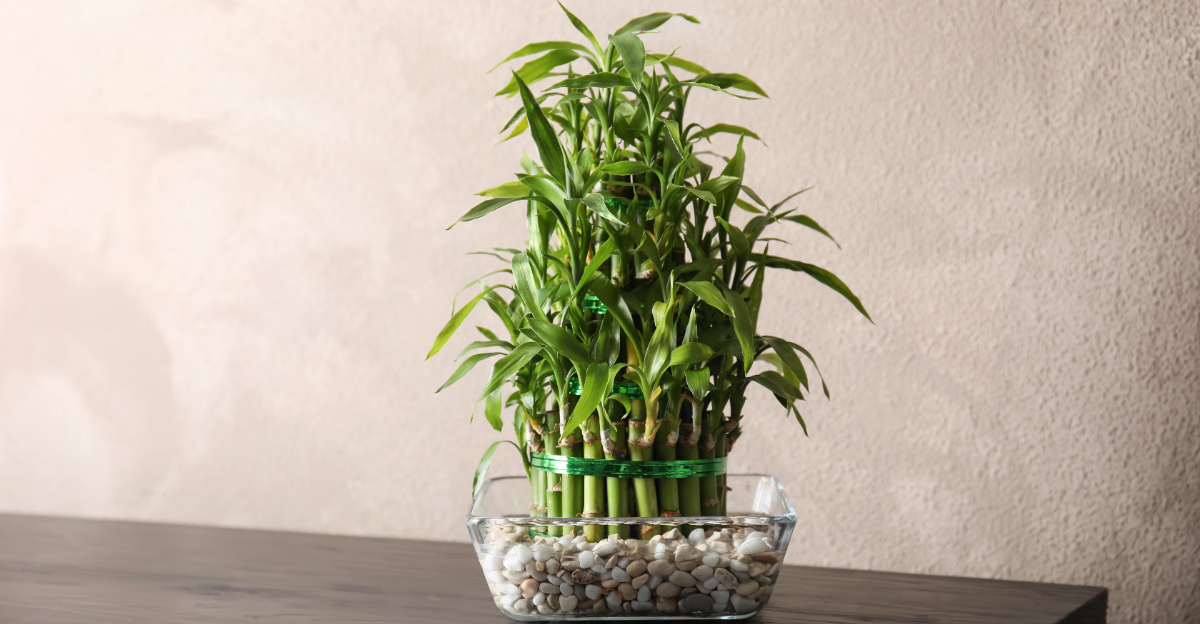
Lucky bamboo often shows up in Arizona homes as a simple plant that seems almost impossible to mess up. It’s sold everywhere, sits happily on desks or shelves, and many people assume it will just keep growing without much effort.
But in Arizona’s dry indoor air and intense sunlight, this plant can struggle if a few basic care steps are overlooked.
The good news is that lucky bamboo is still one of the easiest plants to keep alive once the right habits are in place.
Paying attention to water quality, light, and placement can make a noticeable difference in how healthy the plant stays over time.
Many people are surprised how long these plants can last when they get consistent care instead of being left to fend for themselves.
With a few simple adjustments, lucky bamboo can stay green, upright, and healthy much longer, making it a reliable plant for Arizona homes that want greenery without constant maintenance.
1. Keep Lucky Bamboo In Bright Indirect Light
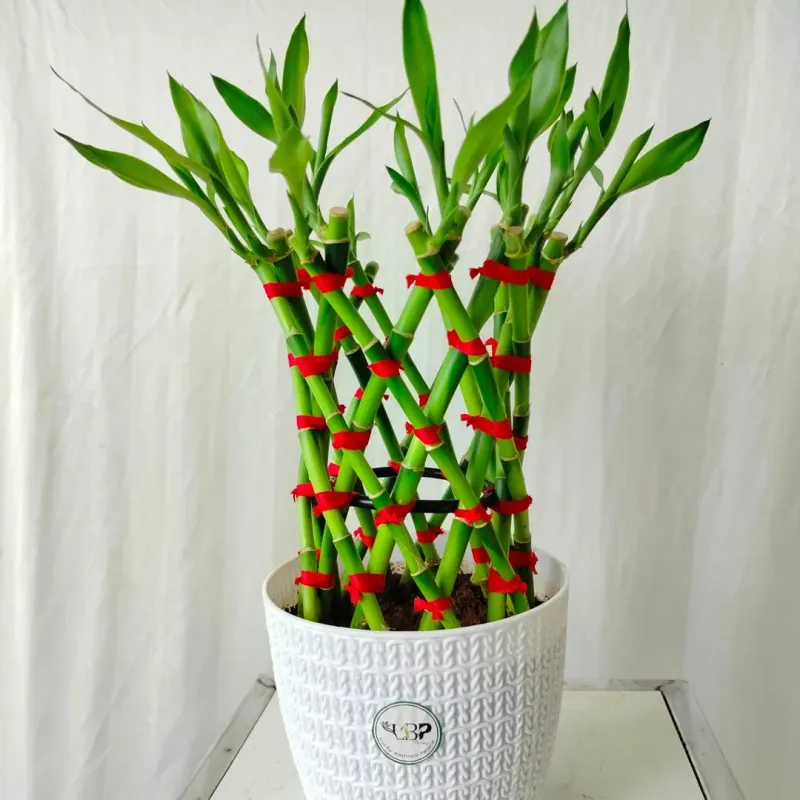
Sunlight in Arizona is not a gentle thing. Step outside in July and you’ll feel that immediately, so imagine what a full afternoon of direct sun through a window can do to a delicate plant like lucky bamboo.
Scorched yellow patches on the leaves are usually the first sign that something has gone wrong with light placement.
North- or east-facing windows tend to work best in Arizona homes. Morning light from an east window is softer and won’t overheat the plant the way south or west windows can during the brutal afternoon hours.
Sheer curtains also help filter the intensity without blocking all the brightness.
Rotating the plant a quarter turn each week helps every side get even exposure. Without this small habit, one side tends to stretch toward the light while the other stays pale and weak.
It only takes a few seconds and makes a real difference over time.
Spots near air conditioning vents are worth avoiding too. In Arizona, AC runs almost constantly through the summer, and that constant cold airflow can stress the plant just as much as harsh light.
A stable, bright corner away from vents and direct sun is the sweet spot for lucky bamboo to stay looking its best indoors.
Lucky bamboo naturally grows under the canopy of larger plants in the wild, which is why it prefers bright but indirect light indoors. When the lighting is right, the leaves stay deep green and the stems grow steadily without signs of stress.
2. Use Filtered Or Distilled Water For Healthier Growth
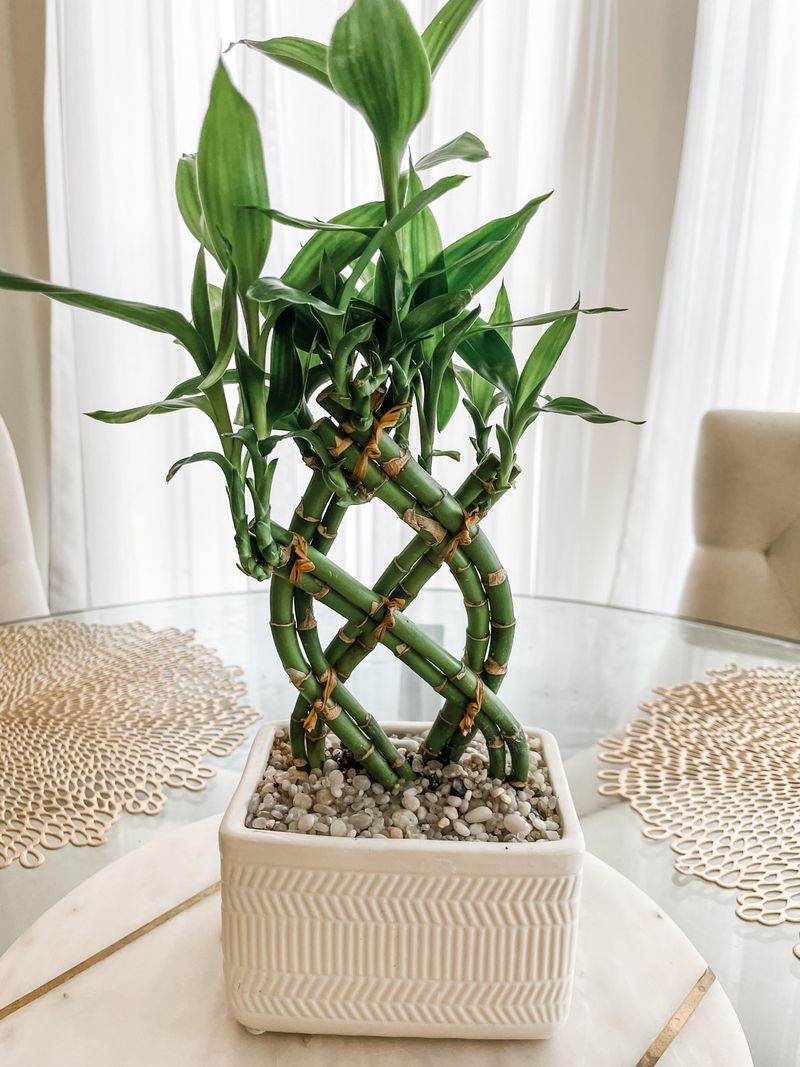
Tap water in Arizona is some of the hardest in the country. It carries high levels of chlorine, fluoride, and mineral salts that slowly build up in the water and on the roots of lucky bamboo.
Over time, those minerals cause the leaf tips to turn brown and crispy, which is a frustrating problem that keeps coming back no matter how well you care for the plant otherwise.
Filtered water removes most of those harsh chemicals before they can cause damage. A basic pitcher-style water filter works perfectly fine and does not require any fancy setup.
Your Arizona Garden Changes Every Week. Your Plan Should Too.
Gardening in Arizona changes quickly throughout the season. Every Friday you’ll receive a simple weekly plan showing exactly what to plant, prune, fertilize, harvest, and protect so you never miss the right timing.
Distilled water is another solid option and is easy to find at most grocery stores in Arizona for under a dollar a gallon.
Rainwater is actually one of the best choices if you can collect it. Arizona gets monsoon rain during the summer months, and that natural water is soft and free of the heavy minerals found in municipal tap supplies.
A clean bucket left outside during a monsoon storm can give you a useful supply.
Letting tap water sit uncovered overnight can help reduce chlorine slightly, but it does not remove fluoride or dissolved minerals.
For a plant as sensitive to water quality as lucky bamboo, going with filtered or distilled water from the start saves a lot of trouble down the road and keeps the leaves looking clean and green.
Better water quality makes a noticeable difference over time, especially with sensitive houseplants like lucky bamboo. Cleaner water helps prevent buildup around the roots and keeps the foliage looking healthier and more vibrant.
3. Change The Water Regularly To Prevent Buildup
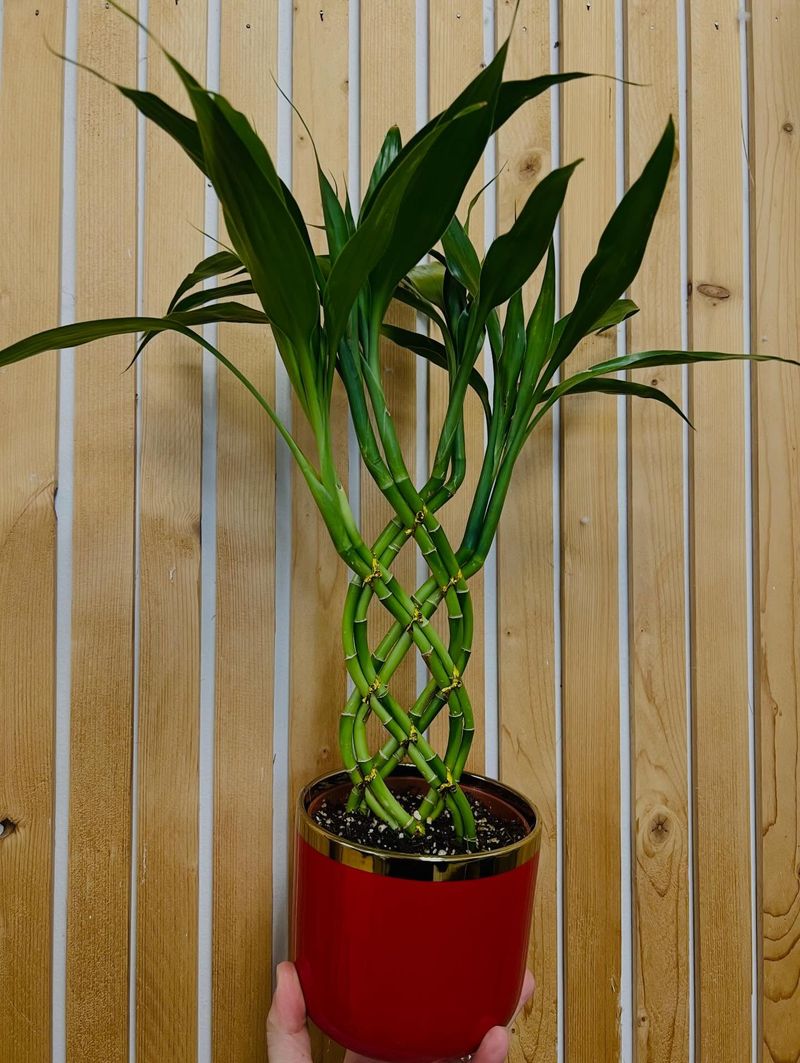
Stale water is a slow problem. You might not notice it right away, but after two or three weeks without a change, the water in a lucky bamboo container starts to smell, cloud up, and develop a slimy film along the inside of the glass.
That film is a mix of algae and bacteria, and it is not doing your plant any favors.
Changing the water every seven to ten days keeps things fresh and gives the roots a clean environment to absorb nutrients from. When you do change it, rinse the container with warm water and gently rub away any residue on the inside walls before refilling.
A bottle brush works well for narrow vases.
Arizona’s warm indoor temperatures can speed up algae and bacterial growth, especially during summer when even air-conditioned rooms stay warmer than homes in cooler climates.
More frequent water changes during the hottest months can help keep that problem in check.
Every week is not too often if you notice the water getting murky quickly.
While you are changing the water, take a moment to check the roots. Healthy roots on lucky bamboo should be orange or reddish-brown.
If roots look dark, mushy, or smell strongly, trim the affected parts with clean scissors and change the water right away. Catching root issues early keeps the plant stable and growing well through Arizona’s long, warm seasons.
Keeping the container clean and the water fresh prevents most problems before they have a chance to start. That simple routine helps lucky bamboo stay healthy and maintain its strong, upright growth indoors.
4. Keep Roots Fully Covered With Clean Water
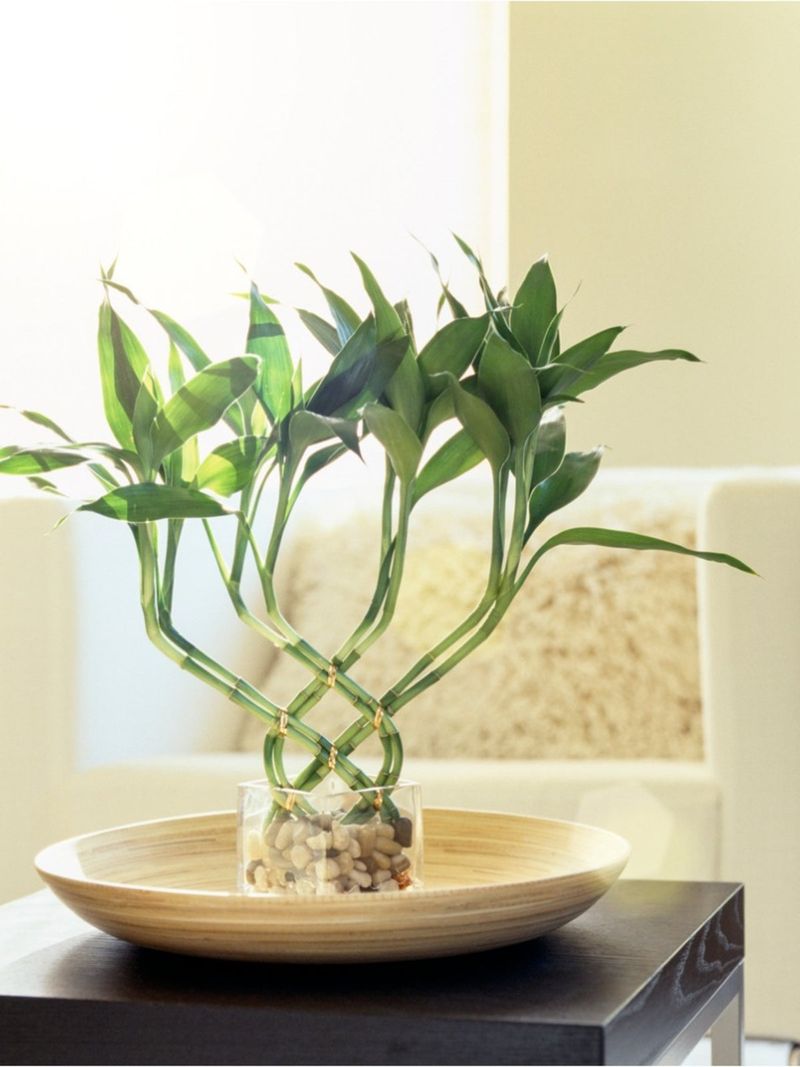
Root exposure is one of the fastest ways to stress lucky bamboo. When the water level drops below the root tips, they dry out quickly, especially in Arizona where the indoor air tends to be much drier than in other parts of the country.
Even a few hours of exposed roots during a hot Arizona afternoon can set the plant back noticeably.
Keeping about one to two inches of water over the roots is the right range. Enough to keep them fully submerged and hydrated, but not so much that the entire stalk is sitting underwater.
Submerging too much of the green stalk can cause the lower portion to soften and rot over time, which is the opposite of what you want.
In Arizona especially, water evaporates faster than you might expect. During dry stretches in spring and fall when neither the heater nor the AC is running, indoor humidity can drop dramatically, and water in an open container disappears quickly.
Checking the water level every few days rather than once a week helps you stay ahead of this.
Using pebbles or decorative stones inside the container helps stabilize the stalks and keeps the roots anchored at the right depth. The stones hold the plant upright while allowing roots to spread naturally into the water below.
Just make sure to rinse the stones whenever you do a full water change so they do not hold onto old residue or algae buildup.
Keeping a steady water level helps lucky bamboo stay stable and prevents unnecessary stress on the roots.
5. Avoid Direct Sun That Can Burn The Stems
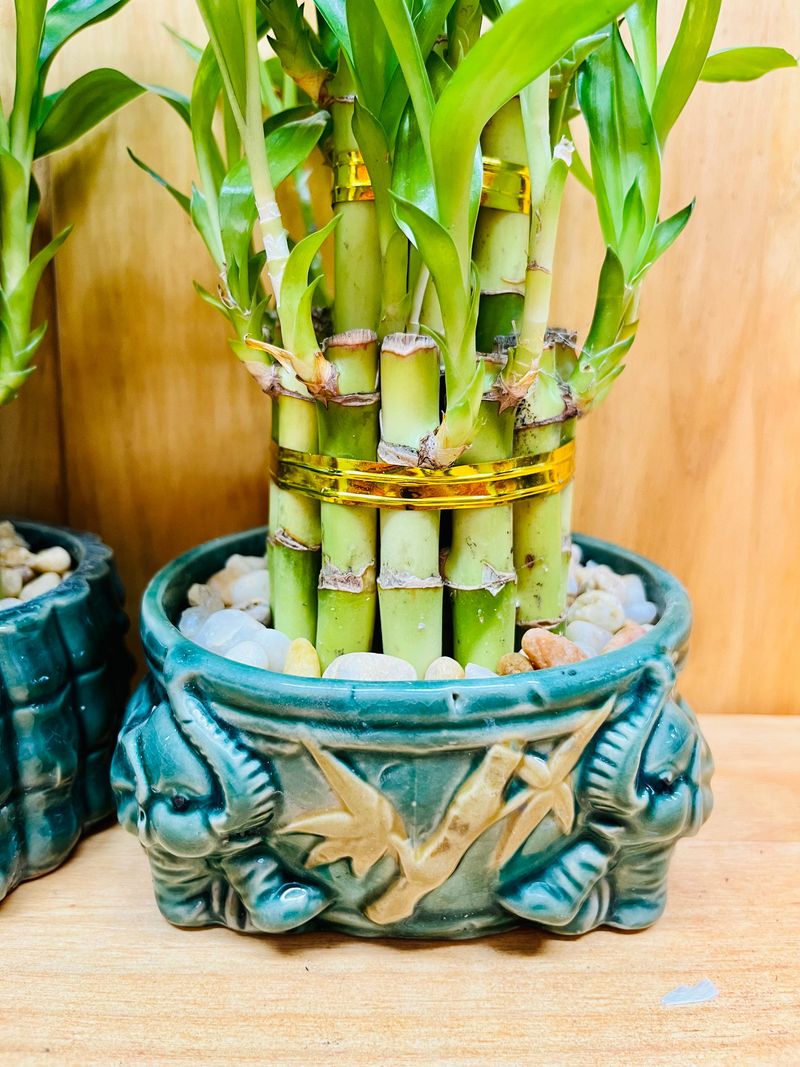
Arizona sun is relentless, and most houseplants that come from shaded tropical environments are simply not built for it.
Lucky bamboo originally grows beneath the canopy of larger trees in Asia, which means it is adapted to filtered, soft light rather than hours of blazing direct exposure.
Put it in a south-facing window without any protection and the results show up fast.
Yellowing leaves that appear bleached or washed out are a clear sign of too much direct sun. The green pigment in the leaves breaks down under intense light, and once a leaf goes fully yellow from sun damage, it will not recover.
Trimming those leaves off and moving the plant to a better spot is the most practical fix.
Green stalks can also suffer when exposed to direct Arizona sunlight for extended periods. The outer surface of the stalk may develop a faded, slightly soft appearance when it has been getting too much direct heat and light.
Moving the plant back from the window by even a foot or two can make a significant difference.
Blinds, sheer curtains, or placing the plant on a shelf slightly set back from the window are all easy solutions.
Lucky bamboo does not need darkness to be happy, just protection from the harsh intensity that comes through Arizona windows, particularly from late morning through early evening when the sun angle is at its most punishing during the warmer months.
Bright, indirect light keeps the leaves deep green and the stalks strong without risking sun damage. Finding that balanced spot indoors makes lucky bamboo much easier to maintain over time.
6. Maintain Stable Indoor Temperatures
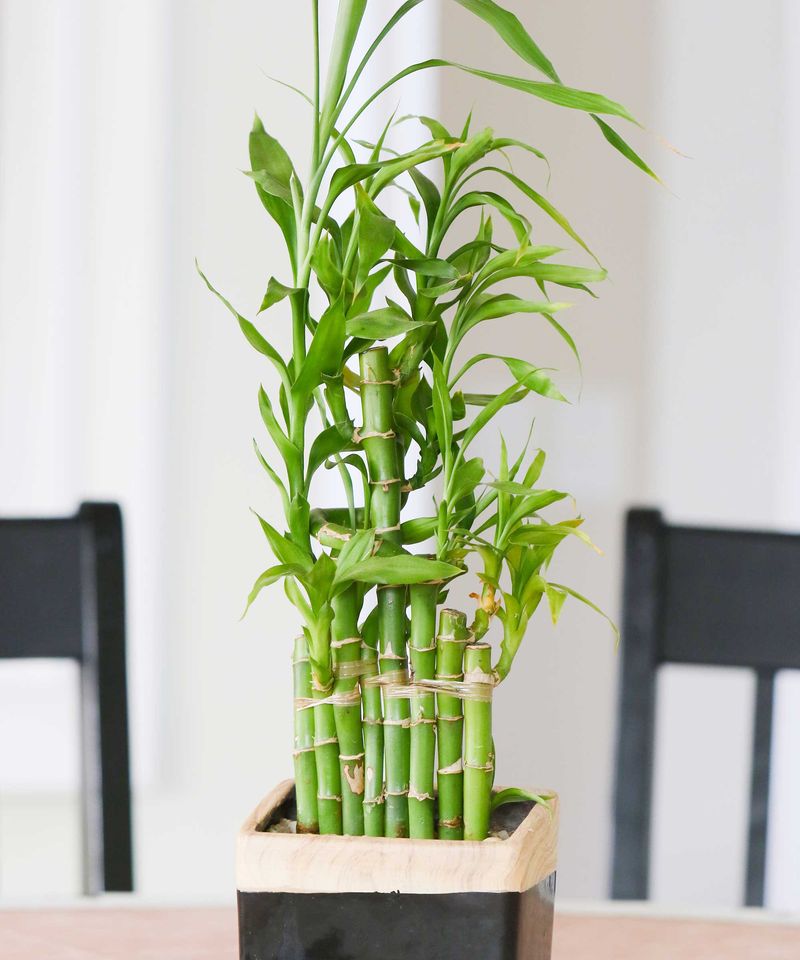
Temperature swings are harder on lucky bamboo than most people realize.
A plant sitting near an air vent in an Arizona home can experience a thirty-degree temperature difference between the cool blast of AC air and the warm ambient room temperature just a few feet away.
That kind of inconsistency stresses the plant and shows up as yellowing leaves or slowed growth over time.
Lucky bamboo does well between 65 and 85 degrees Fahrenheit, which lines up pretty well with typical Arizona indoor temperatures for most of the year.
The problem comes when plants are placed near exterior doors that get opened frequently in summer heat, or next to windows that let in radiant warmth even when the AC is running.
Heating is less of a concern in Arizona than in colder states, but winter nights in northern Arizona can get genuinely cold.
If your lucky bamboo is near a drafty window or in a room that gets chilly at night, moving it to a more central indoor location during the cooler months protects it from temperature dips that can slow its growth significantly.
Consistency is the real goal. A plant that stays in a stable range every day, without sudden hot or cold shocks, grows steadily and stays visually healthy.
Picking a good permanent spot away from vents, drafts, and direct heat sources is more effective than constantly adjusting care in response to problems. Set it up right once and the plant rewards you for it.
7. Clean The Container To Prevent Algae Growth
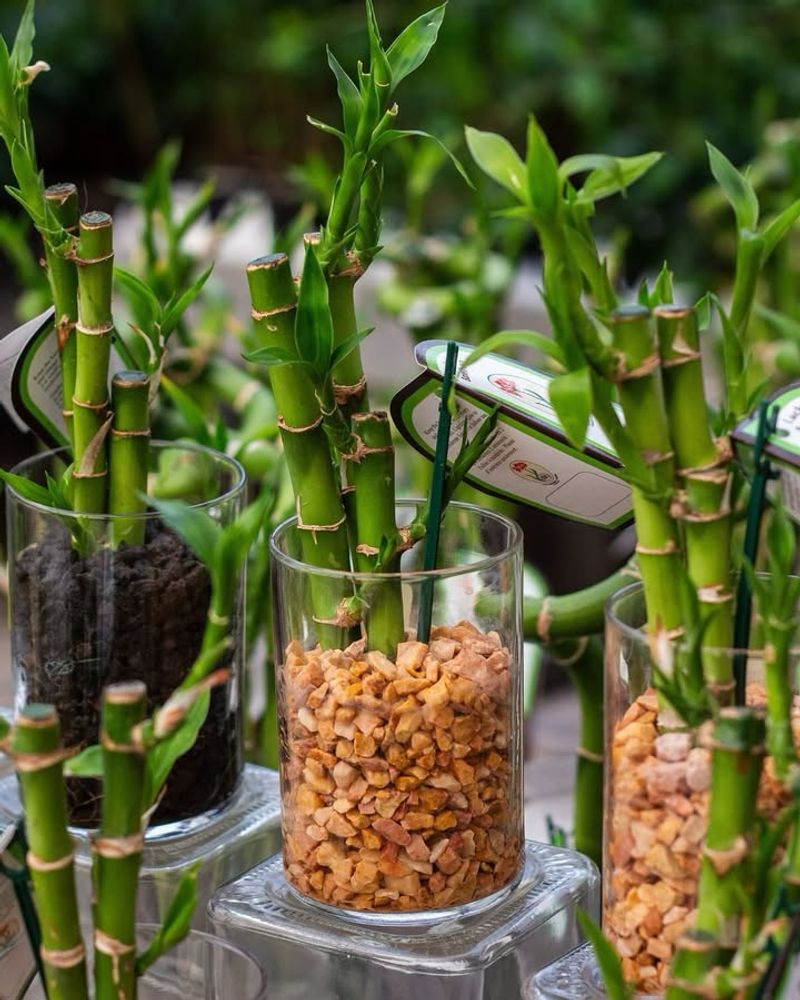
Green slime creeping up the inside of a glass container is algae, and it loves warm water, indirect light, and a nutrient-rich environment.
Arizona homes check most of those boxes during the summer months, which is why algae can become a recurring headache for lucky bamboo owners who skip regular container cleaning.
Algae does not directly harm the plant in small amounts, but it competes for nutrients in the water and creates an unhealthy growing environment over time.
A container that looks green and murky is also a sign that bacteria levels may be climbing, which can start to affect root health if left unchecked for too long.
Cleaning the container every time you do a full water change is the most practical approach. Use a bottle brush with warm water and a tiny drop of dish soap, then rinse thoroughly before refilling.
Any soap residue left in the container can irritate the roots, so rinsing well matters as much as the scrubbing itself.
Switching to an opaque container instead of a clear glass vase cuts down on algae significantly because algae needs light to grow.
Dark ceramic pots or containers with colored glass block light from reaching the water inside, which slows algae formation considerably.
If you prefer the look of a clear glass vase, keeping it clean on a weekly schedule is the best way to stay ahead of the problem and keep your lucky bamboo looking sharp in your Arizona home.