9 Types Of Milkweed That Support Monarch Butterflies In Georgia
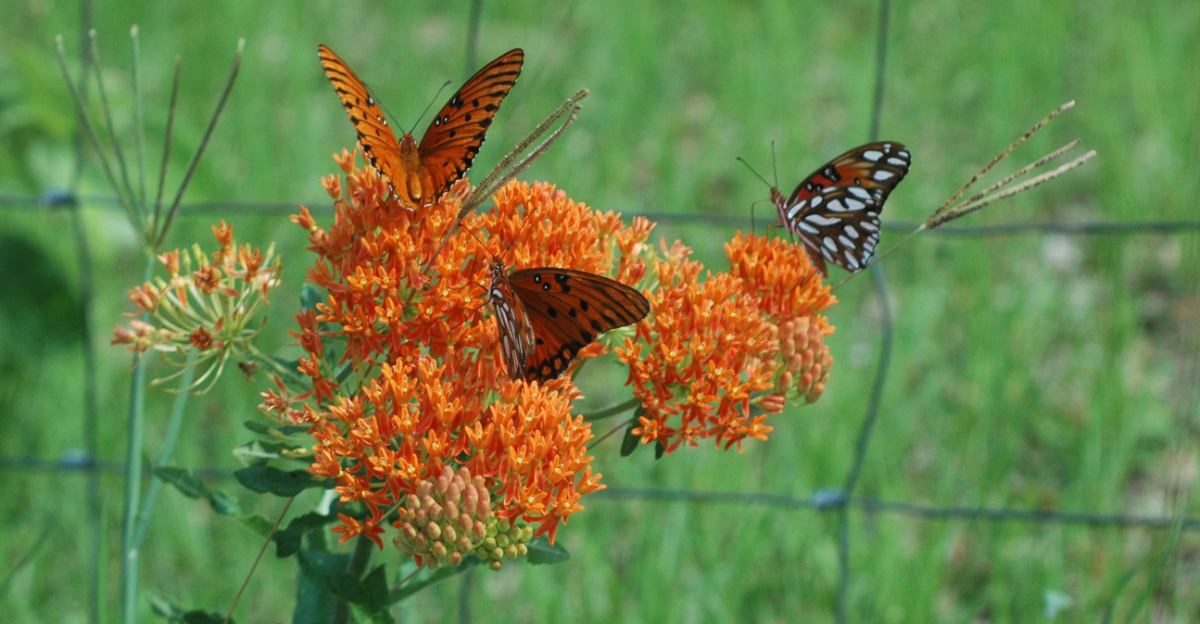
Monarch butterflies rely on milkweed more than most people realize. Without these plants, their life cycle simply can’t continue, since monarch caterpillars depend on milkweed as their main food source.
In Georgia, planting the right types of milkweed can make a real difference in helping support these iconic butterflies throughout the growing season.
Milkweed does more than attract monarchs. Its clusters of flowers also draw in bees, other butterflies, and a wide range of helpful pollinators that keep gardens full of activity.
Many varieties grow well in Georgia’s warm climate, from sunny garden beds to more natural areas of the landscape.
By including milkweed in the garden, Georgia gardeners can create a space that supports wildlife while still looking vibrant and lively.
Even a small patch of the right milkweed plants can help monarch butterflies find the food and shelter they need.
1. Butterfly Weed Supports Monarch Caterpillars And Pollinators
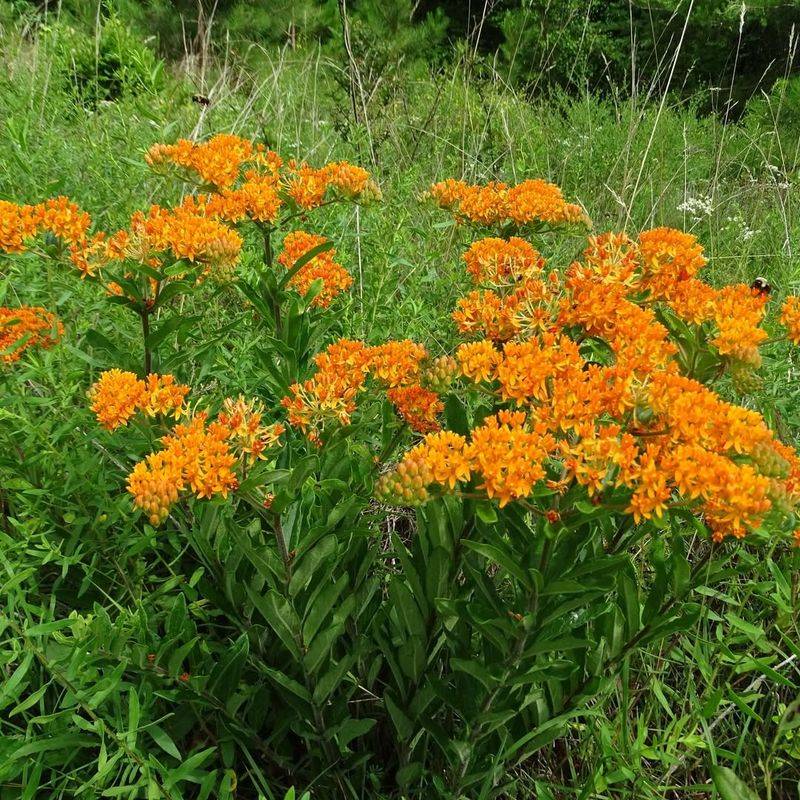
Bright orange and impossible to ignore — Butterfly Weed earns its name every single summer. Asclepias tuberosa bursts into bloom from June through August, and in Georgia’s heat, it absolutely thrives in dry to medium soils with full sun exposure.
You will often spot it growing naturally along roadsides and in open fields across the state.
Monarch caterpillars rely on this plant as a host, chewing through the leaves while they grow big enough to form their chrysalis.
Beyond monarchs, the flower clusters attract bumblebees, swallowtails, and several native bee species — so one plant does a lot of heavy lifting for your local ecosystem.
Unlike some milkweeds, Butterfly Weed does not spread aggressively, which makes it a practical choice for smaller Georgia gardens where space matters. Plant it in a spot with excellent drainage because soggy roots are its one weakness.
Starting from transplants rather than seed gets you blooms faster. Give it full sun, skip the heavy fertilizer, and let it do what it does best — feed caterpillars and light up your garden with color all summer long.
Once established, it is remarkably low-maintenance, requiring little more than occasional watering during dry spells. Its striking orange blooms provide a vibrant focal point that draws both people and pollinators to your garden.
2. Swamp Milkweed Thrives In Moist Garden Soil
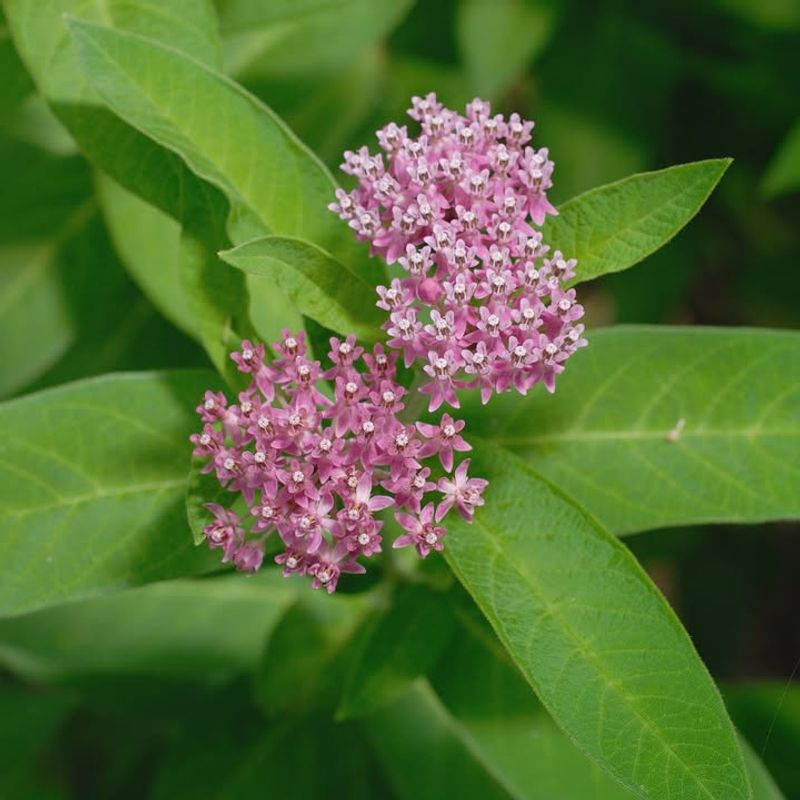
Not every garden is perfectly dry, and Swamp Milkweed was practically built for the soggy spots most plants avoid.
Asclepias incarnata produces beautiful pink to mauve flower clusters from July through September, giving monarchs a late-season nectar source right when they need it most during migration through Georgia.
Rain gardens, low-lying yard areas, and spots near streams or ponds are where this plant really shines. It handles standing water far better than most milkweed varieties, and in Georgia’s summer rainstorms, that resilience is genuinely useful.
The tall, upright stems can reach four to five feet, so give it room to grow without crowding.
Monarch caterpillars feed heavily on the leaves, and adult butterflies visit the blooms regularly throughout late summer. You can also expect visits from hummingbirds and native bees who appreciate the nectar-rich flowers.
Your Georgia Garden Changes Every Week. Your Plan Should Too.
Gardening in Georgia changes quickly throughout the season. Every Friday you’ll receive a simple weekly plan showing exactly what to plant, prune, fertilize, harvest, and protect so you never miss the right timing.
If your Georgia yard has a consistently wet patch that other plants struggle in, Swamp Milkweed turns that problem area into a pollinator hotspot.
Plant it in full to partial sun, keep the soil consistently moist, and watch it establish into a reliable, returning perennial each spring.
3. Common Milkweed Provides Reliable Host Plants For Caterpillars
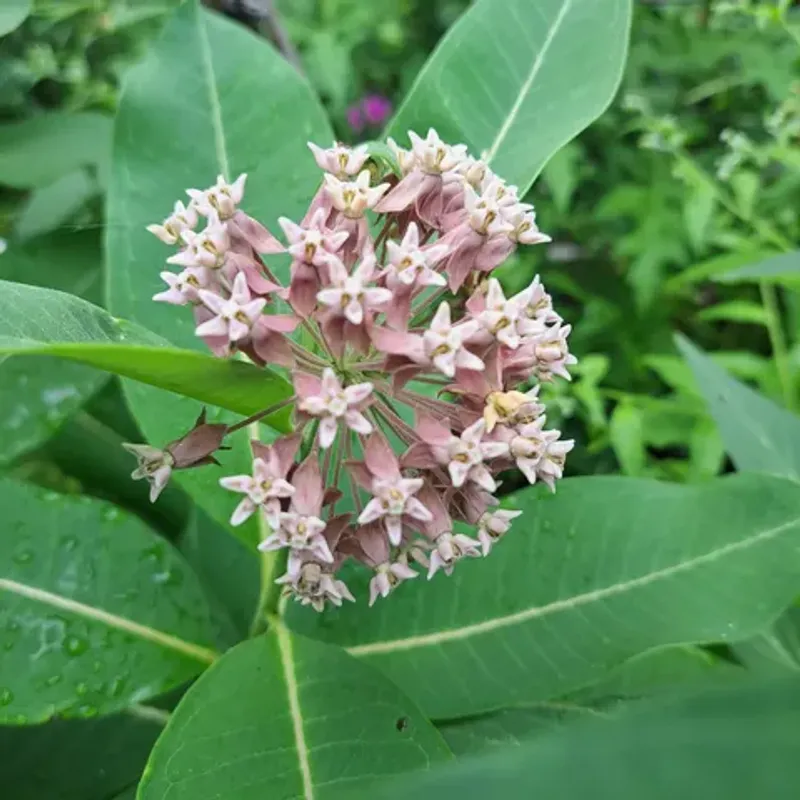
Ask any experienced Georgia gardener about monarch host plants, and Common Milkweed will almost always come up first.
Asclepias syriaca is tough, dependable, and produces large, fragrant globe-shaped flower clusters in shades of pink and purple that attract monarchs from a surprising distance.
It blooms from June through August and returns reliably every year.
Caterpillars go absolutely wild for the leaves, and a single patch can support multiple generations of monarchs in one season.
The plant spreads through underground rhizomes, so it will gradually expand its footprint — something worth planning for if your garden space is limited.
In open meadows or larger yard areas across Georgia, that spreading habit is actually a feature, not a problem.
Full sun and average soil are all it really needs. Common Milkweed tolerates drought reasonably well once its root system is established, and it handles Georgia’s humid summers without complaint.
The large seed pods that develop in fall are also fascinating to watch — they split open and release silky, wind-carried seeds that drift beautifully on autumn breezes.
Planting it along a fence line or in a back garden corner gives it space to spread without taking over your whole yard.
4. Purple Milkweed Adds Color While Supporting Monarchs
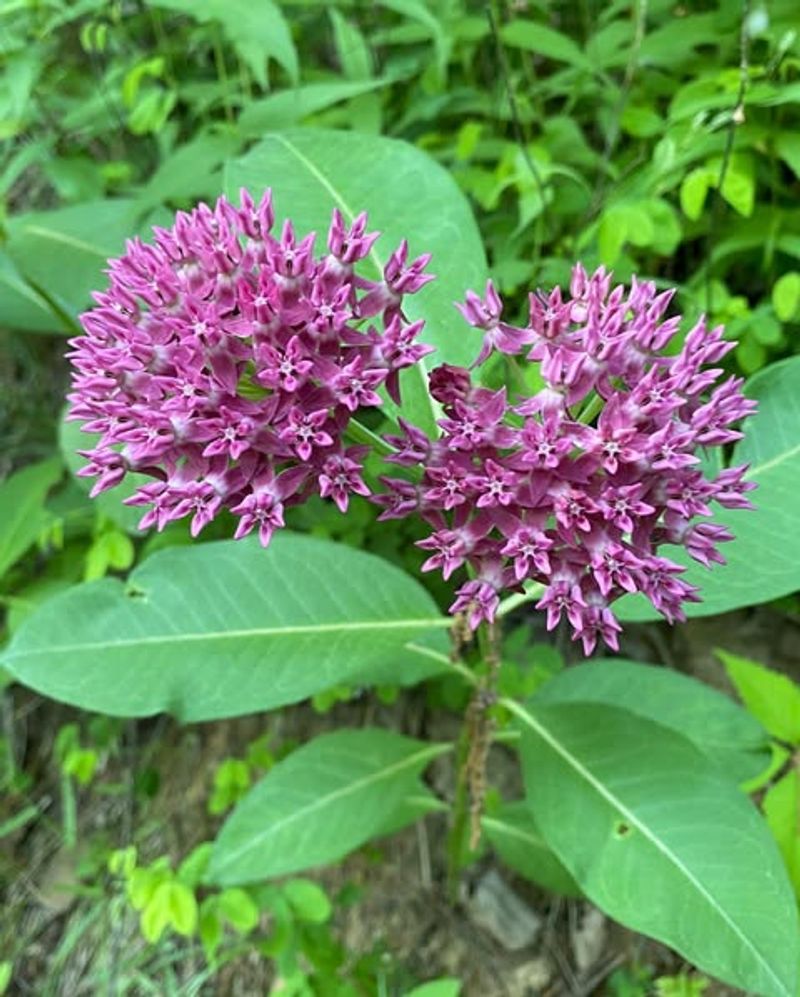
Deep pink shading into true purple — Purple Milkweed turns heads in any Georgia garden without trying too hard.
Asclepias purpurascens is a native species that grows in open woodlands and meadows, producing rich-colored blooms that stand out sharply against its broad green leaves.
If you have been wanting more color in a pollinator bed, this one delivers.
Monarchs use it as both a host plant for caterpillars and a nectar source for adults, making it doubly useful in any garden designed to support migration.
It prefers well-drained soil and does well in full sun to light partial shade, which gives it flexibility across different Georgia yard conditions.
Compared to Common Milkweed, it spreads more slowly and stays somewhat more contained.
One thing worth knowing — Purple Milkweed can be a bit tricky to find at local nurseries, so sourcing it from a native plant sale or specialty grower may take a little extra effort. It is absolutely worth tracking down, though.
The blooms attract swallowtails, fritillaries, and native bees alongside monarchs, making your garden a genuinely busy pollinator destination from early summer through mid-season.
Plant several together for the best visual impact and the strongest caterpillar habitat.
5. Green Milkweed Handles Heat And Dry Conditions
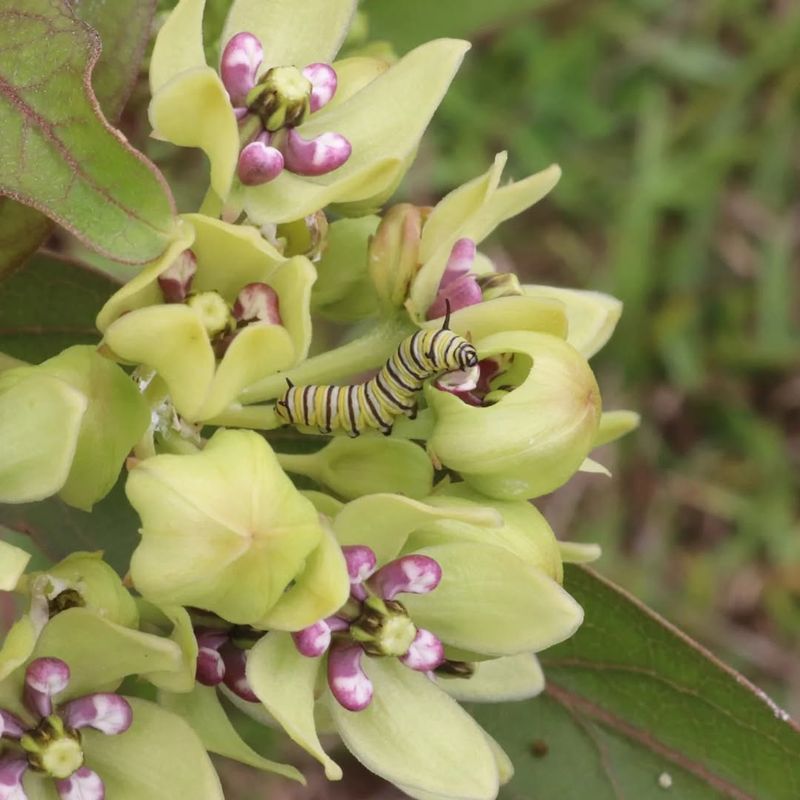
Georgia summers can be brutal, and Green Milkweed handles that heat without flinching.
Asclepias viridis grows naturally in open prairies, roadsides, and dry fields across the state, making it one of the most climate-adapted milkweeds you can plant in a sunny Georgia garden.
Its pale green to white flowers are subtle but surprisingly attractive up close.
Monarch caterpillars feed on the leaves readily, and adult butterflies visit the blooms for nectar throughout the growing season.
Because it prefers well-drained, even sandy soils, it works especially well in areas of your yard where other plants struggle from lack of moisture.
Overwatering is the main thing to avoid — this plant wants dry feet, not wet ones.
What makes Green Milkweed particularly practical for Georgia gardeners is how little fuss it requires. Plant it in full sun, give it decent drainage, and largely leave it alone.
It will reward you with steady growth and consistent blooming from late spring into summer.
Pairing it with other dry-tolerant native plants like coneflowers or black-eyed Susans creates a low-water pollinator bed that looks intentional and supports a wide range of beneficial insects beyond just monarchs.
6. Whorled Milkweed Produces Clusters Of Delicate Flowers
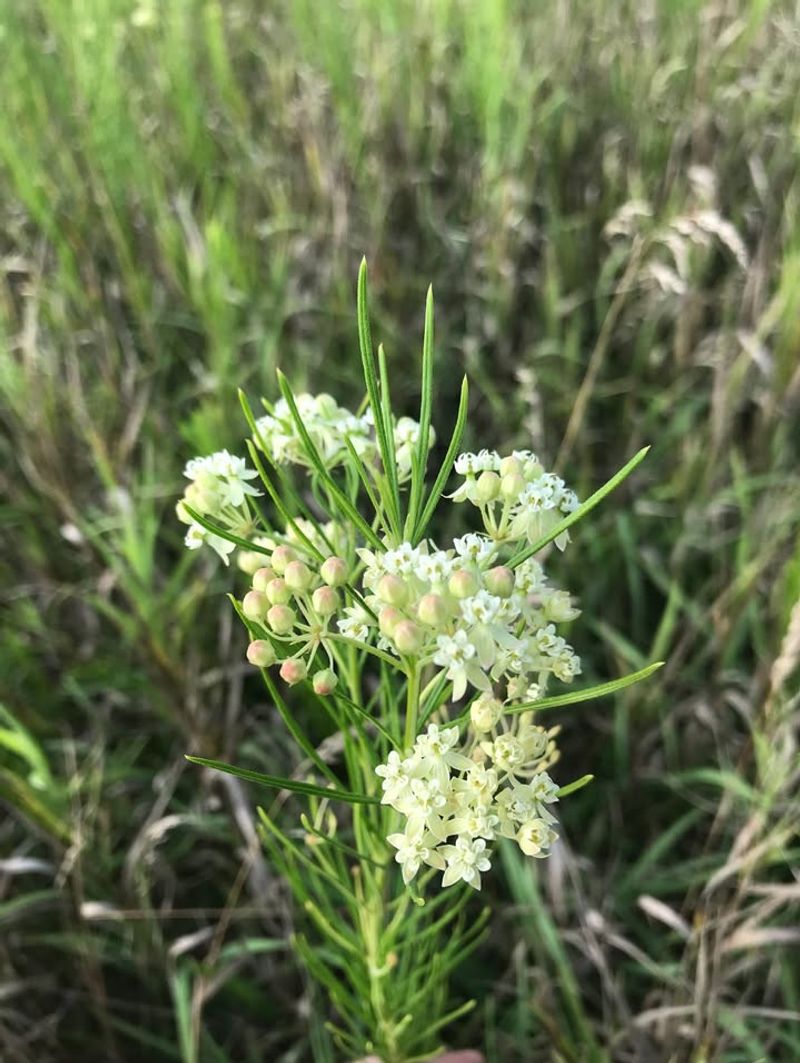
Whorled Milkweed has a completely different look from most milkweeds, and that texture is part of what makes it interesting.
Asclepias verticillata has thin, needle-like leaves that grow in whorls around upright stems, giving it a fine, feathery appearance unlike the broad-leaved milkweeds most people picture.
Small clusters of greenish-white flowers appear from June through September.
Adaptable to both dry and moderately moist soils, it fits into a wide range of Georgia garden conditions — sunny meadow areas, roadside strips, or open spots in a pollinator bed all work well.
Monarch caterpillars feed on the foliage, and the flowers attract a solid variety of small native bees and wasps that serve as important pollinators in their own right.
Because of its fine texture, Whorled Milkweed blends naturally with ornamental grasses and other meadow-style plantings without looking out of place.
It tends to spread gradually through its root system, slowly filling in gaps in a naturalistic planting over time.
For Georgia gardeners who want a milkweed that looks a little different from the standard varieties while still doing the important work of supporting monarchs, Whorled Milkweed is an easy recommendation worth adding to your plant list this season.
7. Redring Milkweed Grows Well Along Woodland Edges
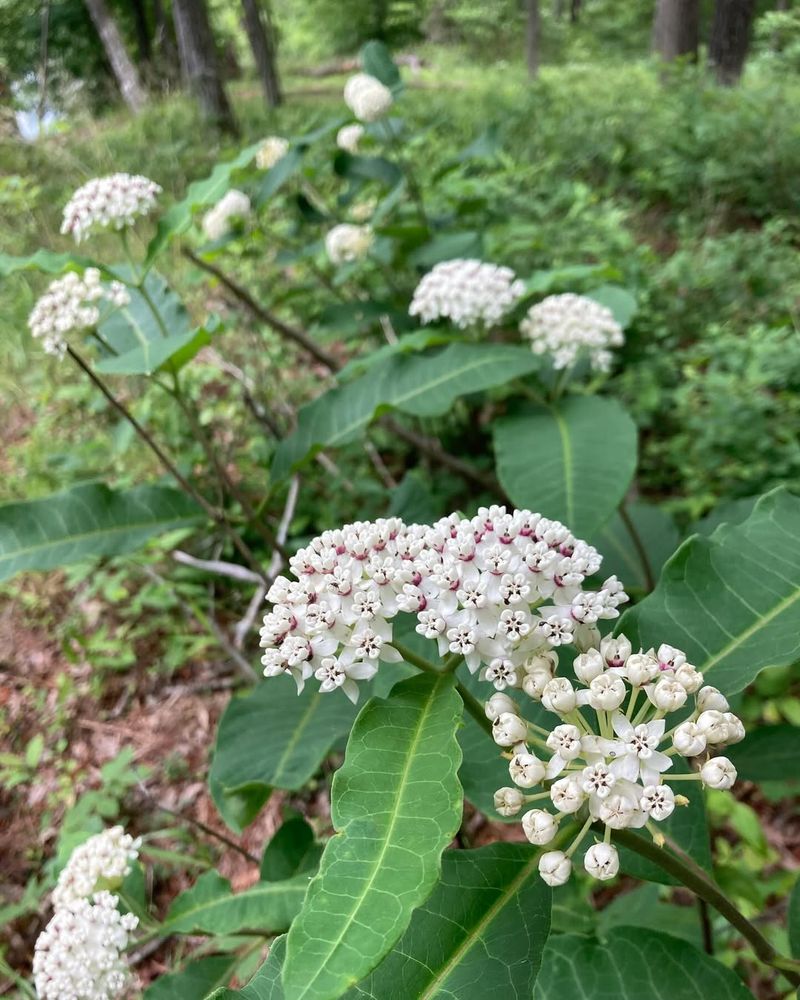
Redring Milkweed has one of the most distinctive flowers in the entire milkweed family — white, snowball-like clusters marked with a striking purplish-red ring at the center.
Asclepias variegata grows naturally in sunny to lightly shaded spots across Georgia, particularly along woodland edges where filtered light meets open ground. It is genuinely eye-catching in person.
Monarchs use it as a host plant, and the blooms pull in a broad mix of pollinators including native bees, wasps, and various butterfly species.
It tolerates a range of soil conditions from dry to moderately moist, which gives it real flexibility in different parts of a Georgia yard.
The erect stems stay fairly tidy, making it a good fit for a more structured garden border along a tree line.
Finding Redring Milkweed at mainstream garden centers can be a challenge since it does not get the same commercial attention as Butterfly Weed or Swamp Milkweed.
Native plant nurseries and Georgia native plant society sales are your best bets for sourcing it.
Once you get it in the ground in the right spot — sunny to partial shade with decent drainage — it settles in and comes back year after year without much intervention needed from you.
8. Aquatic Milkweed Thrives In Wet Or Rain Garden Areas
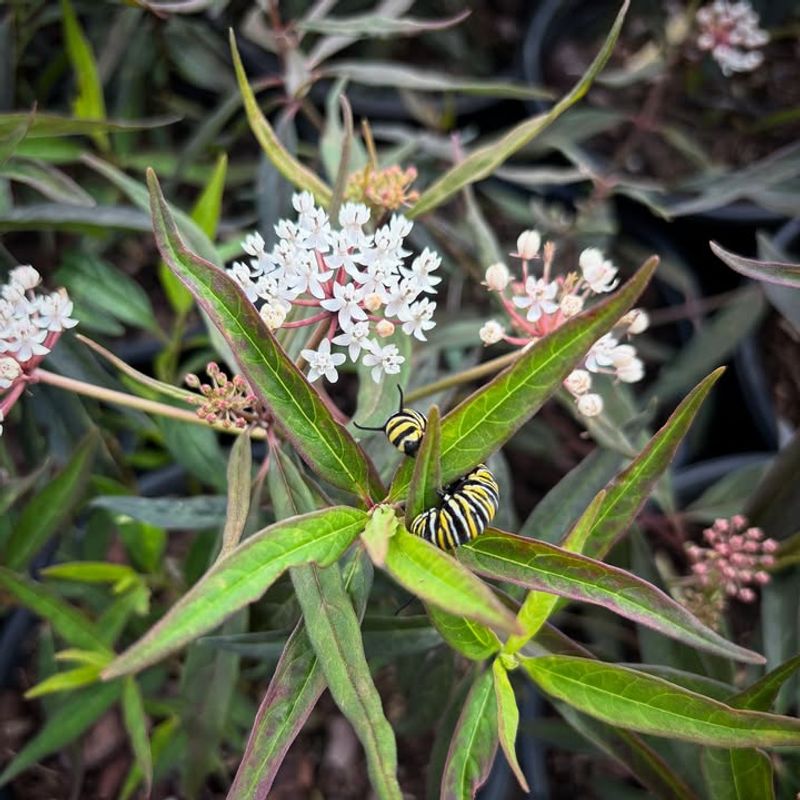
Standing water is not a problem for Aquatic Milkweed — it is actually the point.
Asclepias perennis is one of the few milkweed species genuinely built for very wet conditions, making it a natural fit for rain gardens, pond margins, and low-lying areas of Georgia landscapes where water collects after heavy summer rains.
Small clusters of white flowers bloom repeatedly through the warm season, and in Georgia’s long growing season, that extended bloom time gives monarchs and other pollinators consistent access to nectar from late spring well into fall.
Caterpillars feed on the foliage just as readily as they do on other milkweed species, so it functions as a solid host plant alongside its nectar value.
Aquatic Milkweed stays relatively compact compared to Swamp Milkweed, typically reaching two to three feet tall, which makes it easier to work into tighter spaces near water features.
It grows in full sun to partial shade, and in Georgia’s climate it can behave almost like an evergreen in milder winters, which is a bonus for early-emerging monarchs in spring.
If your yard has a consistently soggy corner, this plant turns that wet nuisance spot into genuinely productive monarch habitat worth having.
9. Poke Milkweed Grows Well In Partial Shade Woodland Gardens
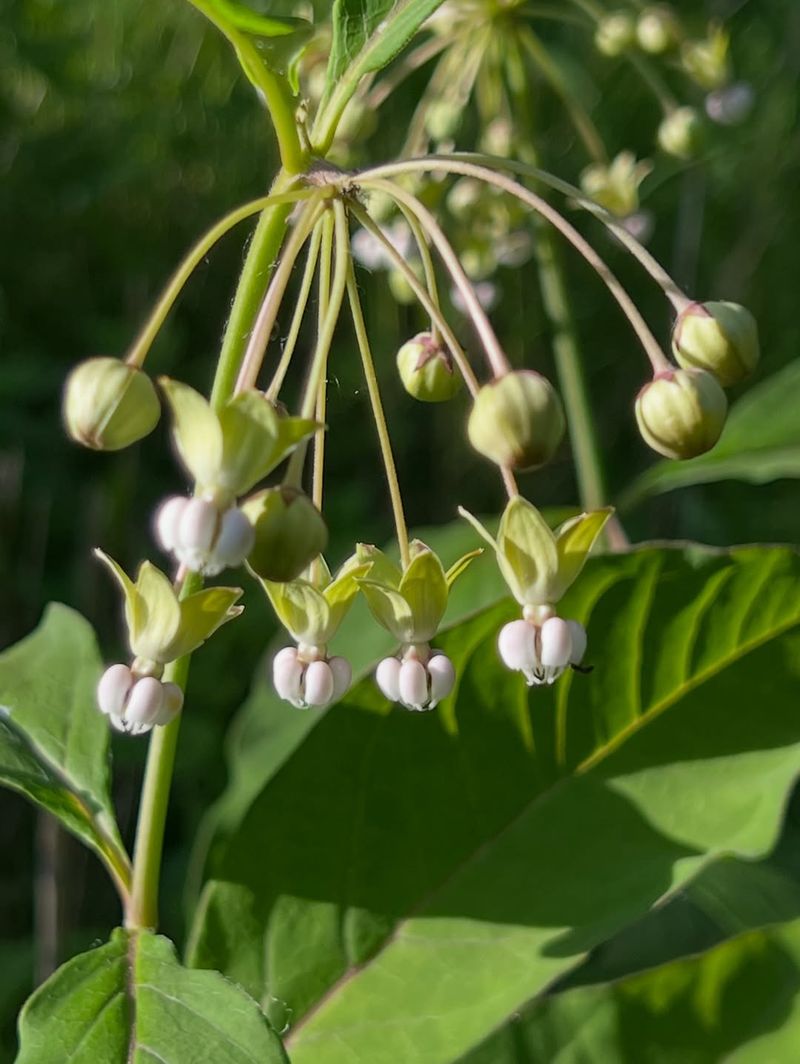
Most milkweeds want full sun, which makes Poke Milkweed genuinely different — it actually prefers the shade.
Asclepias exaltata grows naturally in shaded woodlands and along forest edges, producing tall, slender stems topped with drooping clusters of delicate pale pink and white flowers.
For Georgia gardeners with tree-covered yards, this is a rare and valuable find.
Monarch caterpillars feed on the leaves, and the flowers attract a range of pollinators that are comfortable working in lower-light conditions. It prefers moist, rich soil — the kind you typically find under a woodland canopy where leaf litter has been building up for years.
Adding compost to your planting area helps if your shade garden soil is on the leaner side.
Poke Milkweed can reach impressive heights of four to five feet in good conditions, so it works well as a background plant in a shade border or naturalistic woodland garden.
It is not the easiest milkweed to find commercially, but native plant nurseries in Georgia occasionally carry it, and it is worth the search.
Growing milkweed in shaded areas expands monarch habitat into parts of the landscape that would otherwise contribute nothing to their survival — and that matters more than most people realize.