The Easiest Native Grasses To Grow In Your Georgia Garden
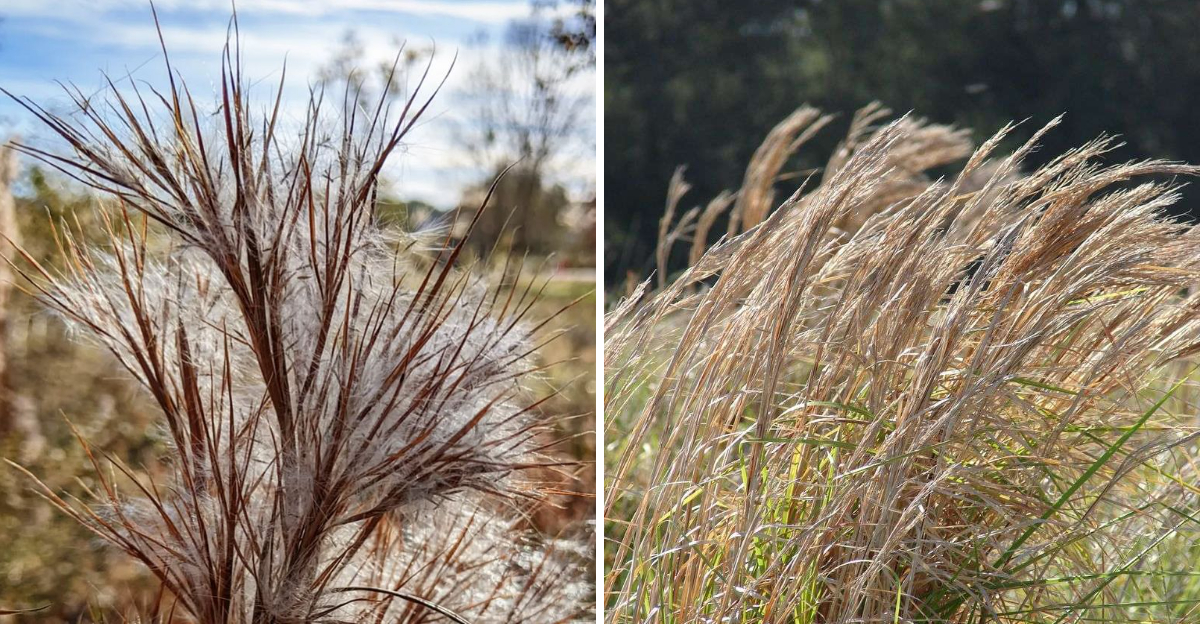
Flat, stiff planting beds can make even a healthy yard feel unfinished. What often changes that is movement.
Tall plumes catching late afternoon light, soft blades shifting in summer air, and sturdy clumps that hold their shape through storms bring a sense of life that flowers alone cannot create.
In Georgia, certain grasses that naturally grow in this region handle humidity, heat, and heavy rain without constant cutting or special care.
They settle into the soil, return reliably each year, and quietly anchor everything around them. Adding these resilient, locally adapted grasses gives your garden texture and structure that feels effortless rather than high maintenance.
1. Big Bluestem Brings Tall Structure And Fall Color
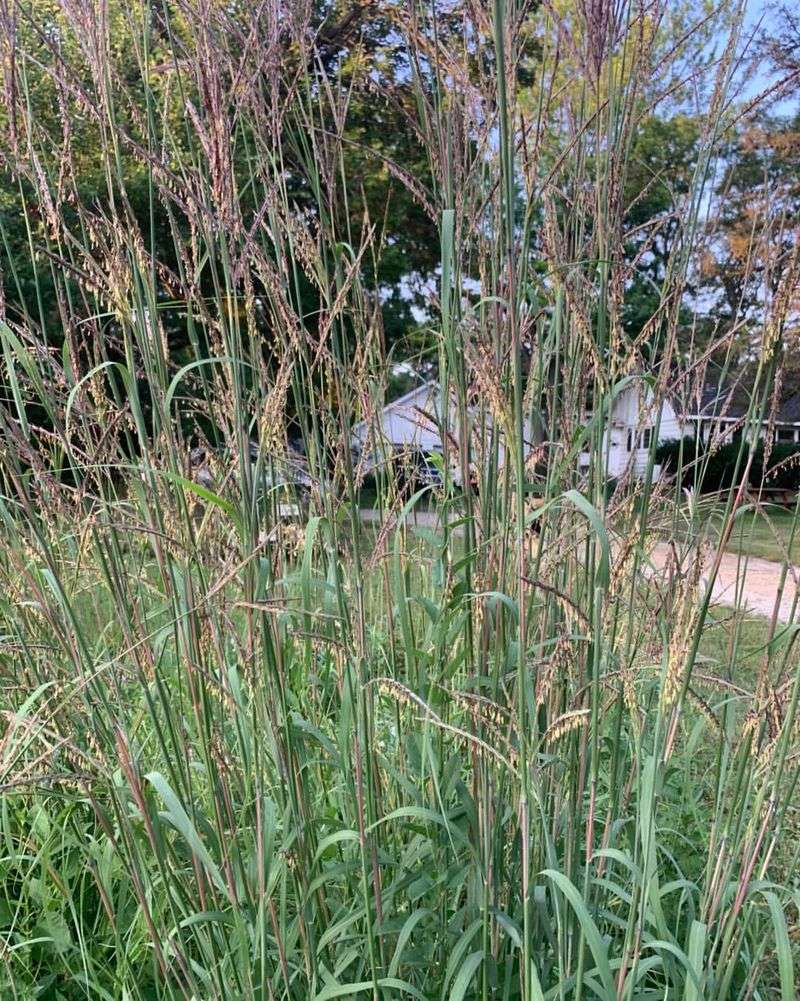
Few plants pull off the kind of fall transformation that Big Bluestem manages every year. Starting out blue-green in spring and summer, the stems shift into deep copper, burgundy, and rust tones as the weather cools.
In a Georgia garden, that color change usually kicks in around October and keeps going well into December.
Big Bluestem grows tall, often reaching five to six feet by midsummer. That height makes it a natural screen or backdrop along fences and property lines.
Pair it with shorter wildflowers in front and you’ve got a layered planting that looks intentional without much effort at all.
One of the most recognizable features is the seed head, which splits into three finger-like prongs at the top. Locals sometimes call it turkey foot grass for exactly that reason.
Birds love those seed heads in winter, so leaving the stalks standing through the cold months actually helps local wildlife.
Planting in full sun is the way to go. Big Bluestem handles Georgia’s heat without complaint and tolerates dry stretches after it gets established.
Avoid wet, poorly drained spots because soggy roots are the one thing it really struggles with. A little afternoon shade is fine, but full shade will cause it to flop over.
In late summer, the upright stems add movement as they sway with every breeze. It’s a native grass, so it fits naturally into Georgia landscapes without looking forced or overly formal.
Cut it back in late winter before new growth starts, and it will return thicker and stronger the following season.
2. Bushy Bluestem Thrives In Moist Georgia Soil
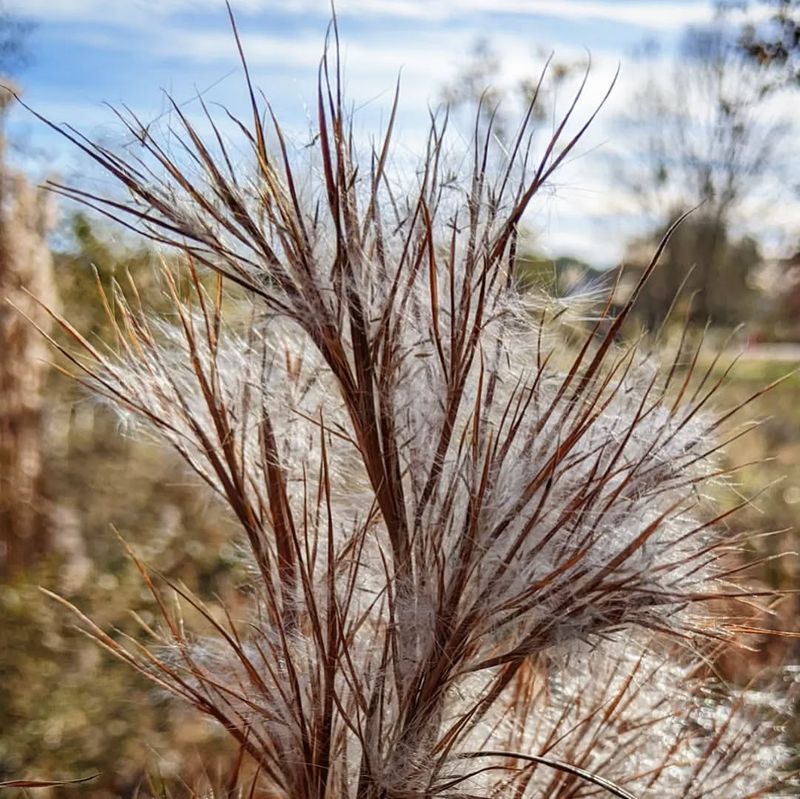
Walk past a patch of Bushy Bluestem in late summer and you’ll notice the fluffy, cotton-like seed heads glowing in the afternoon sun. It’s one of those plants that looks like it belongs on a nature calendar.
Georgia’s coastal plain and piedmont regions are prime territory for this grass because it genuinely loves moisture.
Unlike some grasses that sulk in wet spots, Bushy Bluestem actually performs better when the soil stays consistently damp. Rain gardens, drainage swales, and low spots in the yard are ideal locations.
It handles short periods of standing water without complaint, which is a real plus during Georgia’s summer storm season.
Growth stays compact compared to Big Bluestem, usually topping out around three to four feet. That size fits nicely into mixed borders or naturalized areas without overwhelming smaller plants nearby.
Your Georgia Garden Changes Every Week. Your Plan Should Too.
Gardening in Georgia changes quickly throughout the season. Every Friday you’ll receive a simple weekly plan showing exactly what to plant, prune, fertilize, harvest, and protect so you never miss the right timing.
The base stays clumping and tidy, so you won’t deal with aggressive spreading across your beds.
Seed heads mature into soft, silvery tufts that catch the breeze and shimmer beautifully in fall light. Birds and small mammals rely on those seeds during the colder months.
Planting a few clumps near a rain garden or along a creek edge is one of the smartest moves a Georgia gardener can make for both beauty and function.
3. Splitbeard Bluestem Handles Sandy Spots With Ease
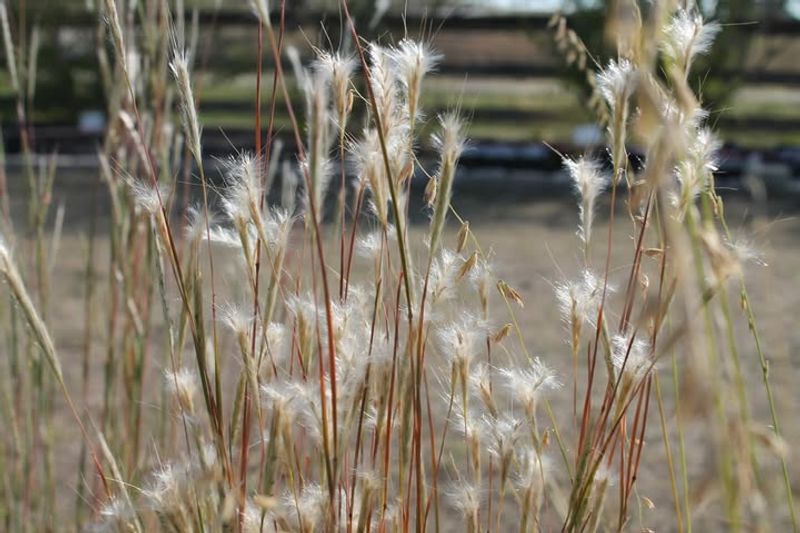
Sandy soil stops a lot of plants cold, but Splitbeard Bluestem seems to prefer it. Across Georgia’s coastal plain, you’ll find this grass growing in the kind of dry, gritty soil where most garden plants would struggle to survive.
It’s adapted to those conditions over thousands of years, and it shows.
Splitbeard Bluestem reaches about three feet tall and develops a warm reddish-bronze color by fall. The seed heads are feathery and silvery, catching light in a way that makes a simple planting look almost ethereal on a sunny afternoon.
Planted in a mass, it creates a flowing, naturalistic effect that feels right at home in a Georgia coastal landscape.
Drainage is the key factor here. Splitbeard absolutely needs soil that doesn’t hold water.
If your yard has a slope or a raised bed with fast-draining sandy or gravelly soil, that’s your best spot. Avoid clay-heavy areas unless you’ve amended significantly with coarse sand or grit.
Full sun brings out the best color and the most upright growth habit. In shadier spots, the stems tend to lean and flop, losing that attractive structure.
Splitbeard is also a host plant for several native skipper butterflies, which gives Georgia gardeners an extra reason to tuck a few clumps into sunny, dry corners of the yard.
Once established, it rarely needs supplemental watering, even during extended dry stretches. A simple cutback in late winter keeps the clumps tidy and encourages fresh growth in spring.
In Georgia gardens with sandy soil, it provides texture and movement without constant maintenance.
4. Broomsedge Adds Texture Even In Poor Soil
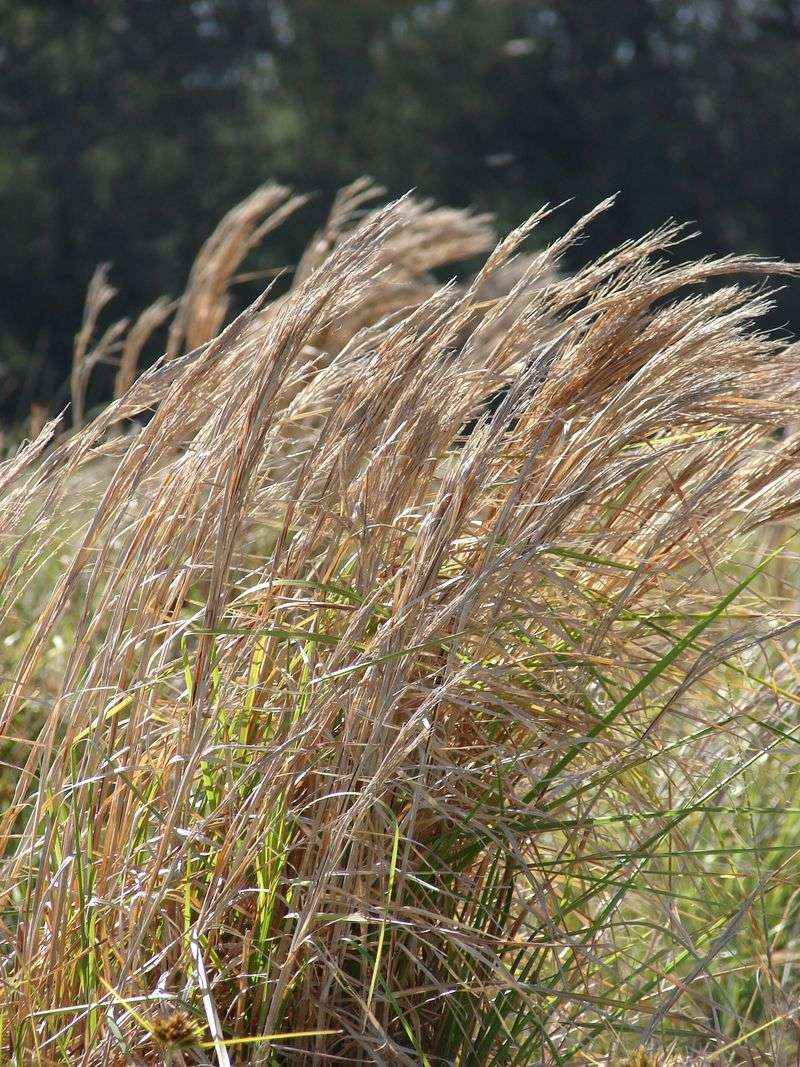
Broomsedge is everywhere in Georgia, and most people walk right past it without realizing what they’re looking at. Drive along any rural road in the fall and you’ll see those golden-orange clumps glowing in the low afternoon light.
It’s one of the most common native grasses in the state, and it’s common for a reason.
Poor soil? No problem.
Broomsedge thrives where other plants give up. Compacted roadsides, eroded slopes, thin clay soils stripped of nutrients — this grass settles into all of those spots without complaint.
For Georgia gardeners dealing with a tough corner of the yard, Broomsedge is worth serious consideration.
Mature clumps reach two to three feet and develop a warm amber color by November that holds through most of winter. That persistent color is genuinely useful in the landscape when most other plants have gone dormant and dull.
The fluffy seed heads also attract songbirds, which adds life to the garden during the quieter months.
Starting from seed is easy and inexpensive. Scatter seeds in fall on bare, disturbed soil and expect decent germination by spring.
Broomsedge spreads slowly from seed but doesn’t become a nuisance in most Georgia gardens. Cut it back to about four inches in late winter before new growth begins, and it’ll bounce back looking fresh and tidy every year.
5. Side Oats Grama Delivers Movement In Sunny Beds
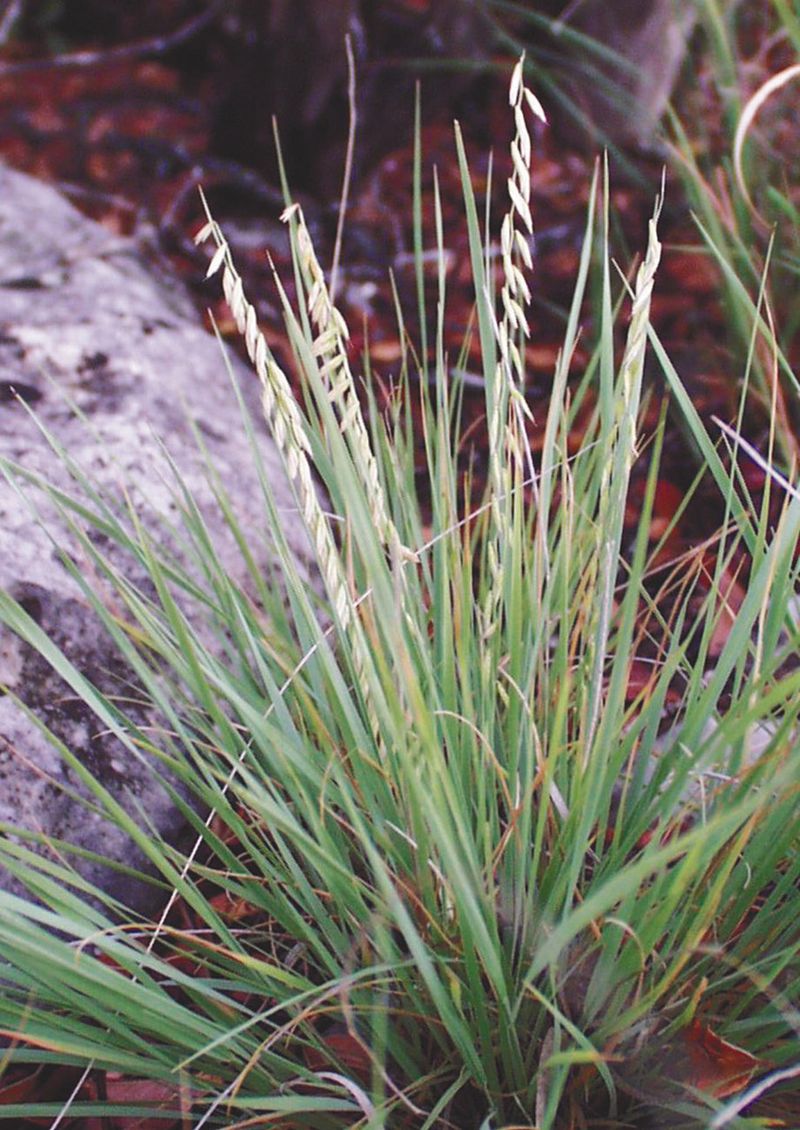
Side Oats Grama is the kind of grass that makes you stop and look twice. Tiny seed heads dangle from one side of each stem like little flags in the breeze, creating constant movement even on a calm day.
It’s delicate-looking but surprisingly resilient, and it fits beautifully into Georgia’s sunny garden beds and meadow-style plantings.
Height stays modest, usually around two feet, which makes it easy to place without worrying about it blocking other plants. The blue-green foliage is fine-textured and attractive through summer, then picks up warm orange tones in the fall.
That seasonal shift adds a subtle but satisfying color change without any extra effort on your part.
Full sun is non-negotiable for this one. Side Oats Grama evolved on open prairies and needs direct sunlight to stay upright and healthy.
In Georgia’s hot summers, it handles the heat without issue as long as the soil drains well. Clay soil that stays wet will cause problems, so amending with compost or planting in raised beds helps a lot.
Pollinators visit the flowers regularly, and the seed heads feed small birds through fall and winter. Planting it alongside native wildflowers like coneflowers or black-eyed Susans creates a dynamic combination that looks great and supports Georgia’s local ecosystem.
Cut back hard in late winter and expect strong regrowth each spring.
6. Tussock Sedge Works Beautifully In Wet Areas
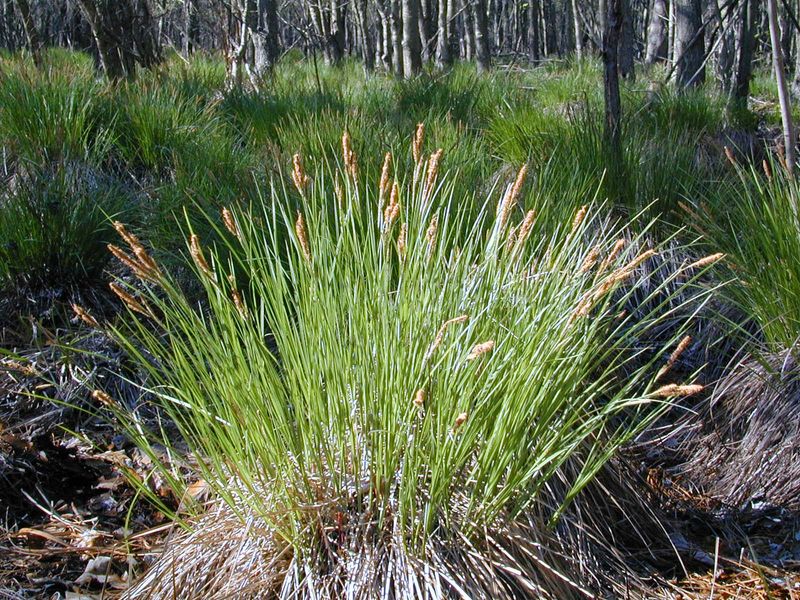
Standing water is usually a gardener’s headache, but Tussock Sedge turns it into an opportunity. Along pond edges, in rain gardens, or in low spots that collect water after every storm, Tussock Sedge performs with zero complaints.
Georgia’s frequent summer downpours create exactly the kind of conditions this plant was built for.
Growth forms a dense, rounded mound of bright green, arching leaves that looks almost architectural from a distance. Individual clumps can reach two to three feet tall and wide, creating bold focal points in wet areas where few other ornamental plants can compete.
Grouping three or five clumps together produces a lush, naturalistic effect that photographs incredibly well.
Tussock Sedge tolerates both standing water and occasional dry spells, which makes it more adaptable than many people expect. It’s not strictly a water plant — it just handles wet conditions better than most.
In Georgia’s variable climate, that flexibility is genuinely valuable. Partial shade suits it well, though it can handle full sun if moisture levels stay consistent.
Wildlife benefits are real and significant. Nesting birds use the dense clumps for shelter, and several native insects depend on sedges as host plants.
A planting of Tussock Sedge near a backyard pond or drainage feature does double duty as both a functional landscape solution and a habitat patch. Minimal care is needed beyond occasional thinning every few years.
7. Northern Sea Oats Brightens Shady Corners Naturally
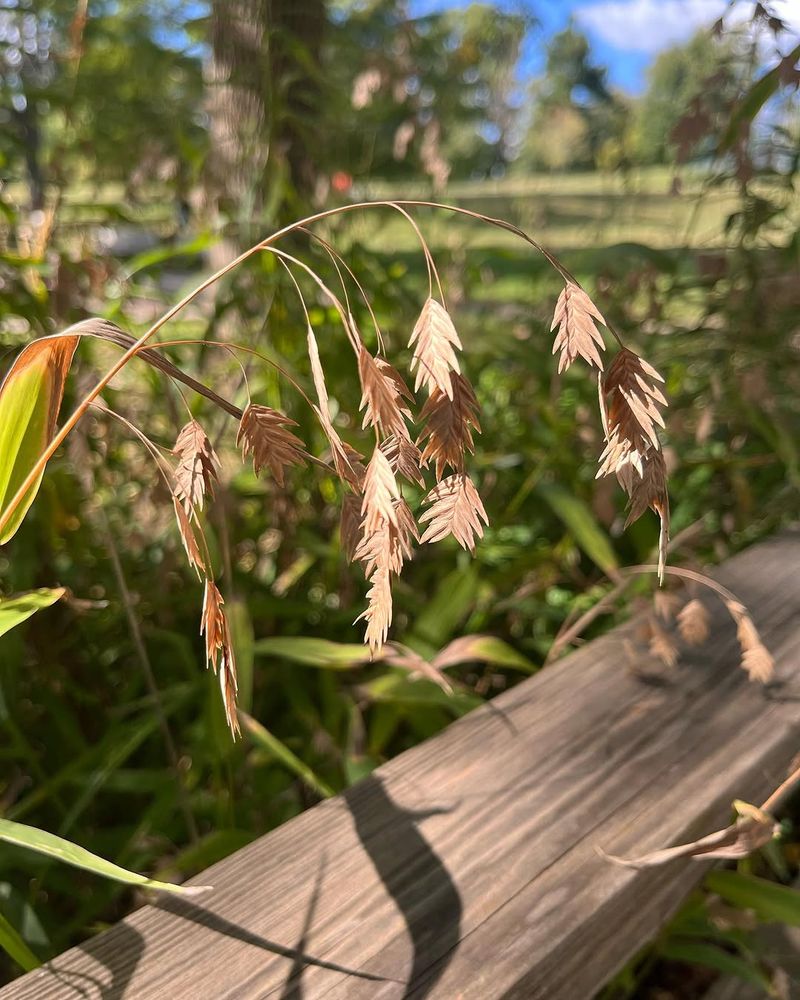
Shady spots are some of the trickiest areas to plant in any Georgia yard, and Northern Sea Oats solves that problem with style.
Flat, dangling seed heads catch every bit of light filtering through the tree canopy, creating a subtle shimmer that brightens even the darkest corners.
It’s one of the few native grasses that genuinely prefers shade over sun.
Seed heads start out green in summer and shift to copper and bronze by fall, which extends the visual interest well into the colder months. Even after the leaves drop from overhead trees, the dried seed heads stay attractive through winter.
That long season of interest makes Northern Sea Oats one of the most rewarding plants in a Georgia shade garden.
Spreading by both seed and rhizome means it will gradually fill in an area over time. That trait works in your favor when you want to cover ground under trees where lawn grass struggles.
Just keep an eye on it near more delicate plantings, since it can slowly move into neighboring spaces if left unchecked.
Moist, well-drained soil under deciduous trees is the sweet spot. Northern Sea Oats grows naturally along Georgia stream banks and woodland edges, so replicating those conditions in your yard gives it the best start.
Established plants need almost no attention, and the wildlife value is high — birds seek out the seeds from fall through early spring.
8. Bottlebrush Grass Adds Soft Woodland Texture
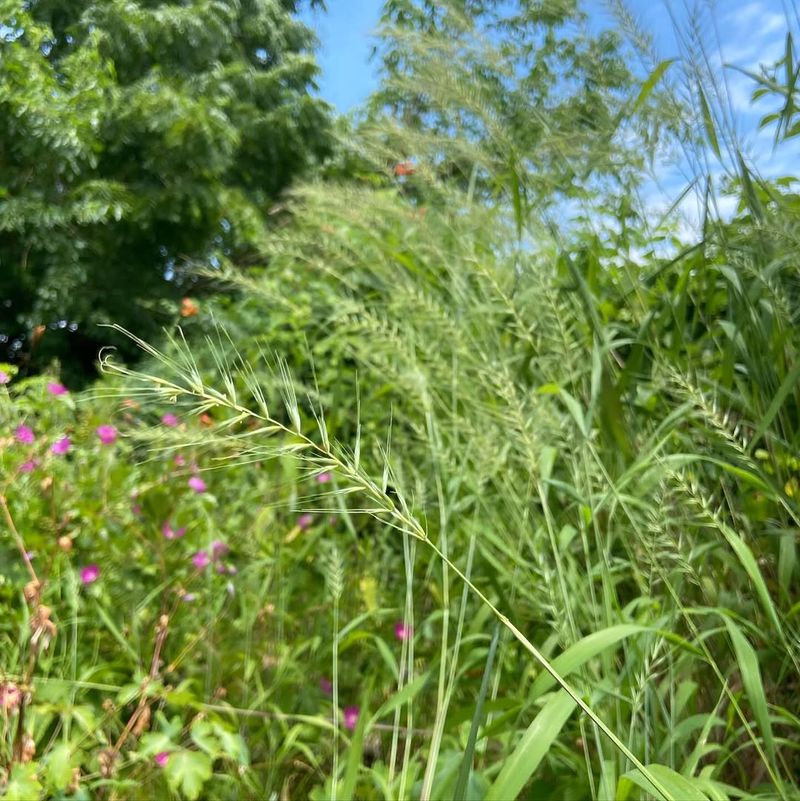
Bottlebrush Grass earns its name honestly. Long, bristly seed heads extend from the stems like a classic bottle brush, creating a texture unlike anything else in a Georgia shade garden.
It’s not flashy, but it has a quiet, distinctive presence that stands out once you know what to look for.
Shade and dry soil are not a combination most plants handle well, but Bottlebrush Grass manages both. Under mature oaks or pines where the soil stays dry and competition is fierce, this grass holds its own.
That adaptability makes it especially useful in Georgia landscapes dominated by large, established trees.
Plants stay relatively compact, usually reaching two to three feet, with arching green leaves that create a soft, flowing look. Seed heads appear in early summer and persist through fall, giving the plant a long season of textural interest.
Pair it with native ferns or wild ginger for a layered woodland understory that feels genuinely natural.
Starting from transplants is easier than seed, though both methods work. Plant in fall or early spring when soil temperatures are cooler and roots can establish without the stress of summer heat.
Georgia summers can be brutal, and giving new plants time to settle in before the hottest months makes a real difference. Bottlebrush Grass spreads slowly and stays well-behaved, making it a reliable choice for woodland garden edges throughout the state.