These California Plants Smother Weeds Without Chemicals
Weeds are sneaky. They pop up overnight, steal nutrients from your garden, and seem impossible to stop.
The good news is that California gardeners have a secret weapon: native and adapted ground cover plants that spread across the soil and block weeds naturally. No sprays, no chemicals, no stress.
These low-growing plants form thick mats that shade the ground, leaving weed seeds no room to sprout. Many of these options also attract pollinators, look beautiful year-round, and require very little water once they are established.
That makes them a smart choice for California’s warm, dry climate. Planting ground covers is one of the easiest and most rewarding things you can do for your garden.
You get less weeding, a healthier yard, and a landscape that actually works with nature instead of against it.
1. Creeping Thyme
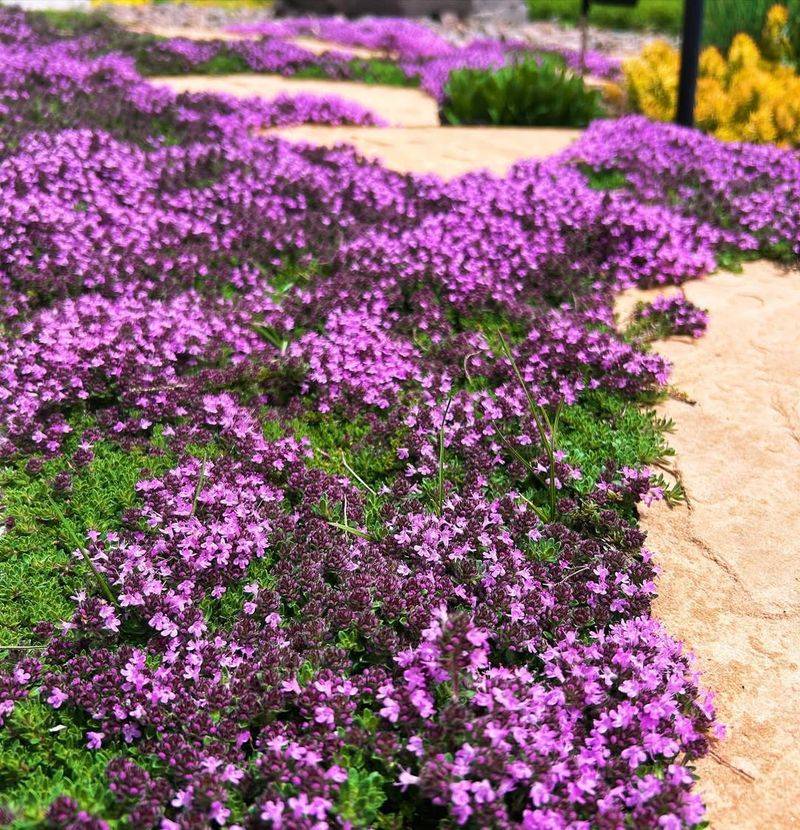
Few plants work as hard as creeping thyme. This low-growing herb hugs the ground tightly, forming a thick, fragrant carpet that gives weeds almost no chance to push through.
It is especially popular in California gardens because it handles heat and drought like a champ.
Creeping thyme spreads slowly but steadily, filling in gaps between stepping stones, along pathways, or across dry hillsides. Once it takes hold, the mat it creates is dense enough to block sunlight from reaching the soil below.
No sunlight means weed seeds cannot sprout.
As a bonus, creeping thyme blooms with tiny purple or pink flowers in late spring and early summer. Bees absolutely love it.
So you get weed control and a pollinator party all in one plant. It stays low, usually only two to four inches tall, which means no mowing or heavy trimming needed.
Plant it in full sun and well-drained soil for best results. Water it occasionally during the first season while it gets established.
After that, it is largely on its own. For California gardeners looking for a tough, beautiful, and practical ground cover, creeping thyme is a top-tier choice.
2. Dwarf Coyote Brush
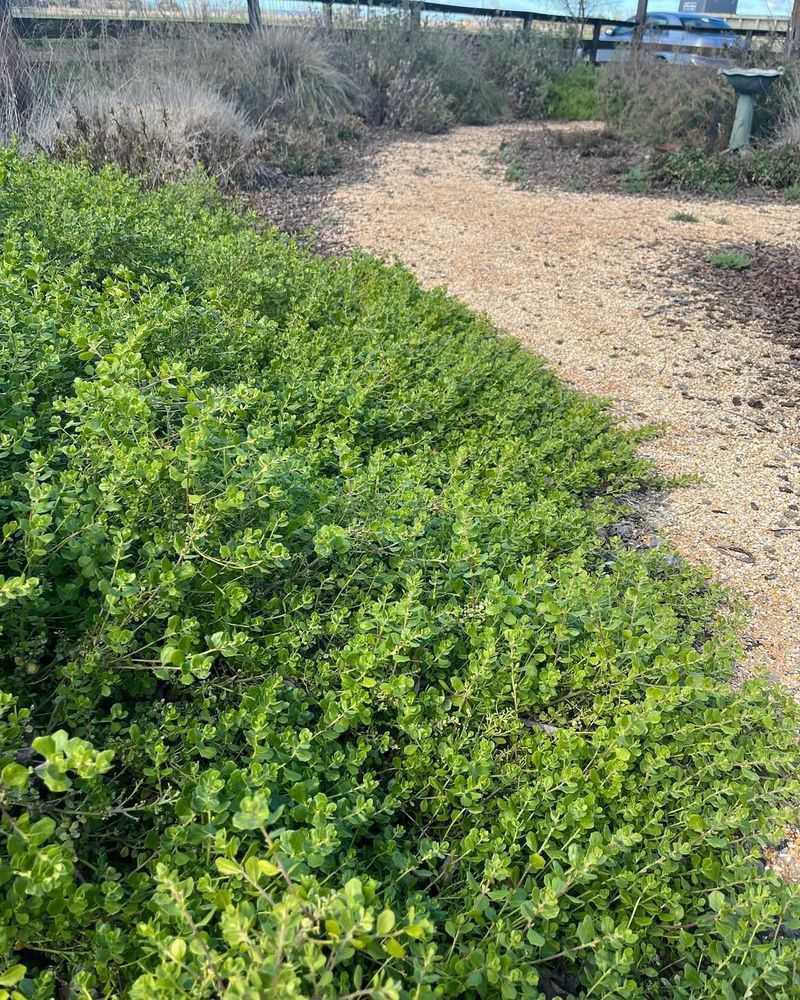
California natives do not get much tougher than dwarf coyote brush. This compact shrub grows only about two feet tall but spreads six to ten feet wide, making it one of the best natural weed blockers available for California landscapes.
It is built for the state’s dry summers and mild winters.
The dense, mounding growth habit of dwarf coyote brush means weeds simply cannot compete. The plant covers large areas quickly, and its thick canopy shades the soil so well that most weed seeds never get the light they need to grow.
It works especially well on slopes where erosion and weeds tend to be problems.
Gardeners in coastal and inland California regions both benefit from this plant. It is evergreen, which means it provides year-round weed suppression without going dormant.
The small white flowers that appear in fall attract native bees and other beneficial insects, adding ecological value to your yard.
Once established, dwarf coyote brush needs very little water. It actually prefers to be left alone during dry months.
Your California Garden Changes Every Week. Your Plan Should Too.
Gardening in California changes quickly throughout the season. Every Friday you’ll receive a simple weekly plan showing exactly what to plant, prune, fertilize, harvest, and protect so you never miss the right timing.
Plant it in full sun or light shade, give it good drainage, and let it do its thing. It is one of the most reliable low-maintenance ground covers for large California garden spaces.
3. California Fuchsia
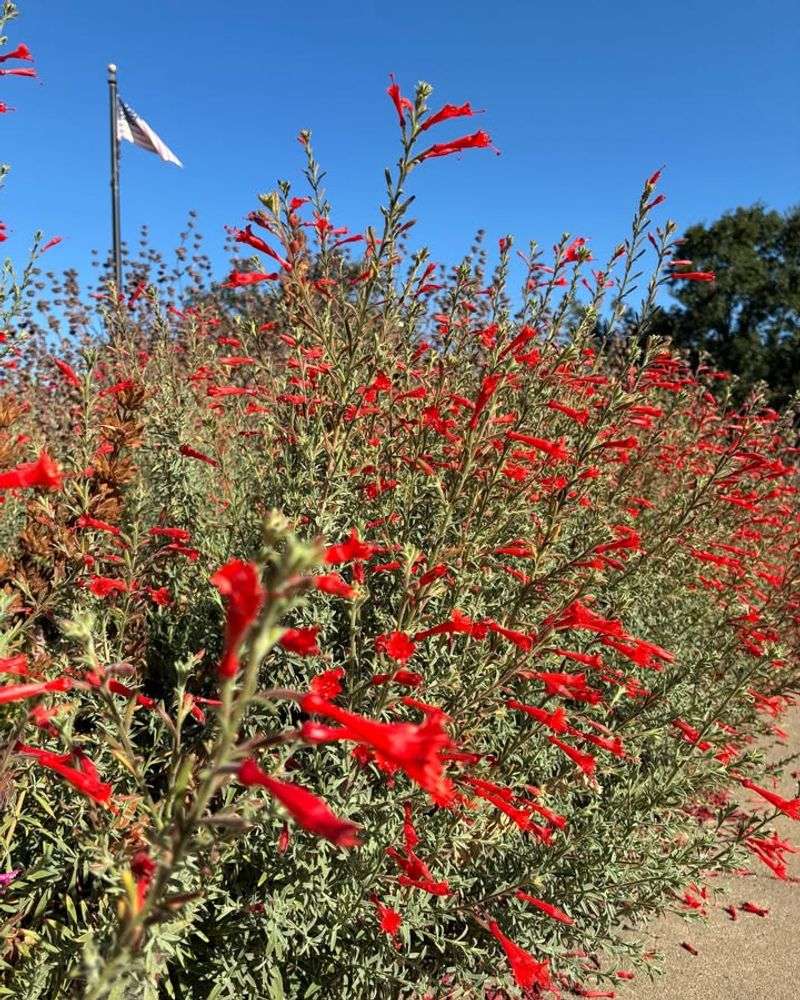
Bright red and full of energy, California fuchsia is the kind of plant that stops people in their tracks. The vivid tubular flowers attract hummingbirds from late summer into fall, which is exactly when most other plants are winding down.
But beyond its good looks, this plant is a serious weed fighter.
California fuchsia spreads through underground runners, creating a wide mat of silvery-gray foliage that shades the soil and crowds out unwanted plants. It grows well on dry, sunny slopes throughout California, especially in areas that see little summer rain.
That makes it ideal for low-water landscaping projects.
The plant stays fairly low, usually under two feet tall, and can spread several feet wide over time. It fills in nicely along borders, on hillsides, or in rocky areas where other plants struggle.
Weeds find it very hard to compete once California fuchsia settles in and starts spreading.
Cut it back in late winter or early spring to keep it tidy and encourage fresh new growth. It will bounce back quickly and look great by summer.
For California gardeners who want color, wildlife appeal, and natural weed control all in one package, California fuchsia delivers without asking for much in return.
4. Beach Strawberry
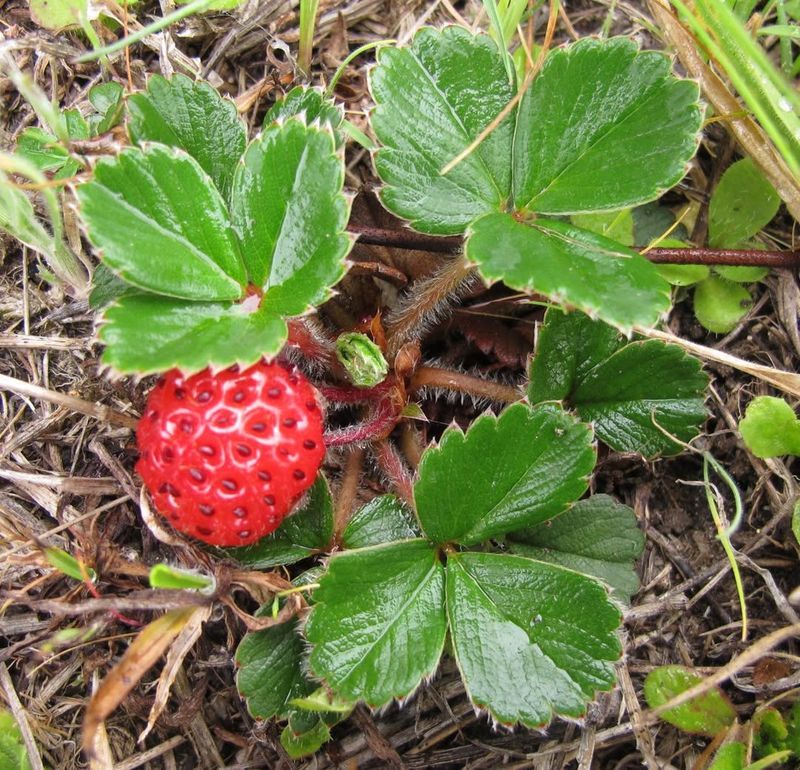
Beach strawberry is one of California’s most charming native ground covers. It spreads through long runners that root as they travel, quickly forming a lush, low carpet of dark green leaves.
White flowers appear in spring, followed by small red fruits that birds and other wildlife enjoy. It is both pretty and productive.
What makes beach strawberry especially useful for California yards is how effectively it shades the soil. The dense leaf cover blocks light from reaching the ground, which stops most weed seeds from germinating.
It works well in coastal gardens, shady spots under trees, and areas that get some afternoon shade in hotter inland regions.
Unlike many traditional strawberry plants, the beach strawberry is native to California and perfectly suited to the local climate. It handles mild drought once established and does not need much fertilizer to thrive.
That means less work for you and a healthier, more natural garden overall.
Plant beach strawberry in well-drained soil with some organic matter mixed in. Water it regularly during its first growing season, then ease off as it gets established.
Mow or trim it back occasionally to keep it looking neat and to encourage new growth. For a ground cover that looks great, feeds wildlife, and blocks weeds, beach strawberry is a wonderful pick.
5. Yerba Buena
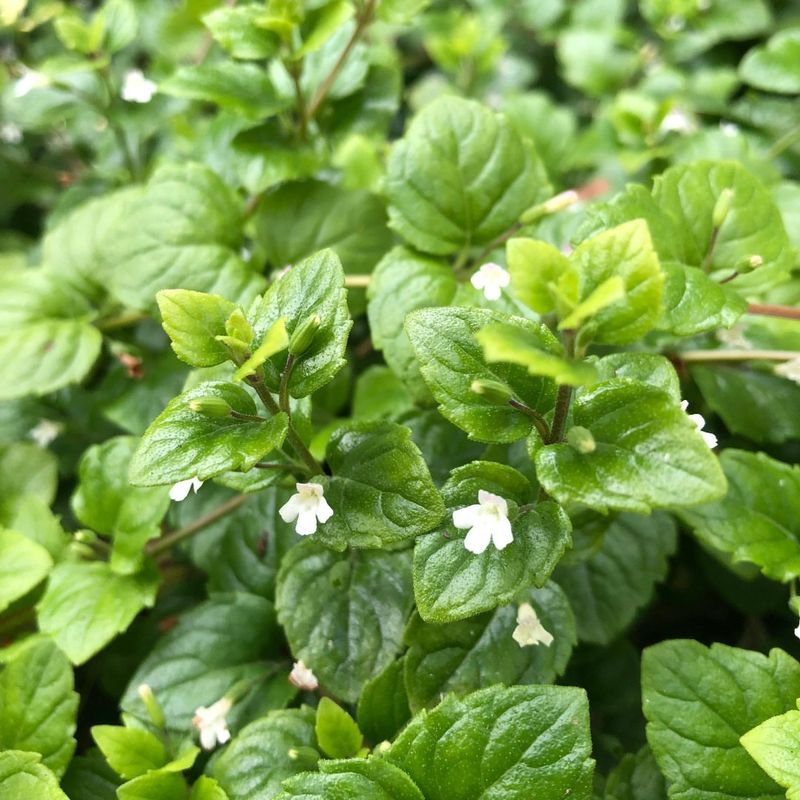
There is something wonderfully old-school about yerba buena. This native California herb has been used for centuries by Indigenous communities for its pleasant minty scent and medicinal properties.
Today, it is gaining popularity again as a practical and beautiful ground cover for California gardens.
Yerba buena creeps along the ground on slender stems, forming a low, dense mat that shades the soil beneath it. Weeds have a hard time breaking through once this plant gets going.
It prefers shady or partially shaded spots, which makes it a great solution for areas under trees or along north-facing walls where other plants struggle.
The tiny white flowers it produces are subtle but lovely, and the minty fragrance released when you brush against the leaves is genuinely refreshing. Gardeners in coastal and foothill areas of California tend to have the best success with yerba buena, though it can adapt to a range of conditions.
Keep the soil moist but not waterlogged, especially during the first growing season. Once established, yerba buena is fairly self-sufficient.
Trim it back occasionally to encourage fuller, denser growth. It is a gentle, aromatic, and effective weed suppressor that also connects your garden to California’s rich botanical history in a meaningful way.
6. Blue Star Creeper
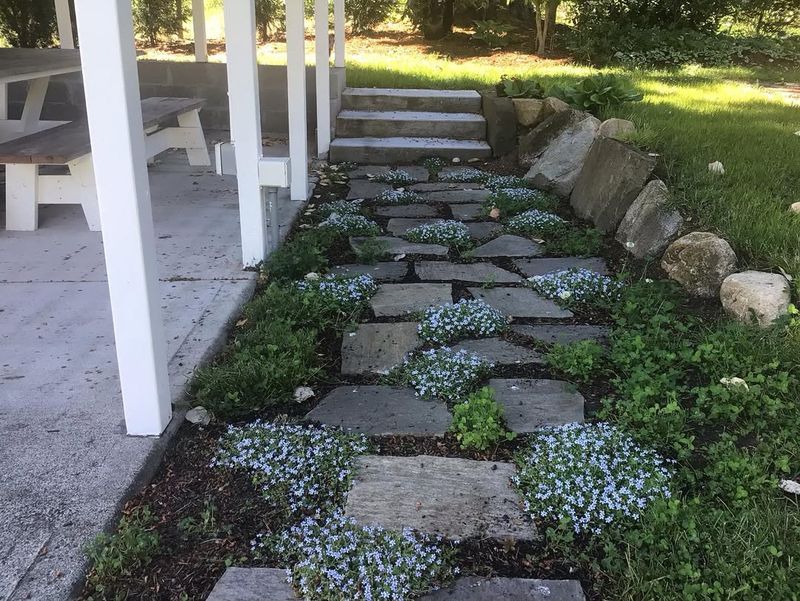
Imagine a plant so small and delicate-looking that you might underestimate it, yet so tough that it quietly takes over bare soil and squeezes out weeds without breaking a sweat. That is blue star creeper in a nutshell.
Its tiny star-shaped blue flowers are absolutely adorable, and they show up reliably in spring and summer.
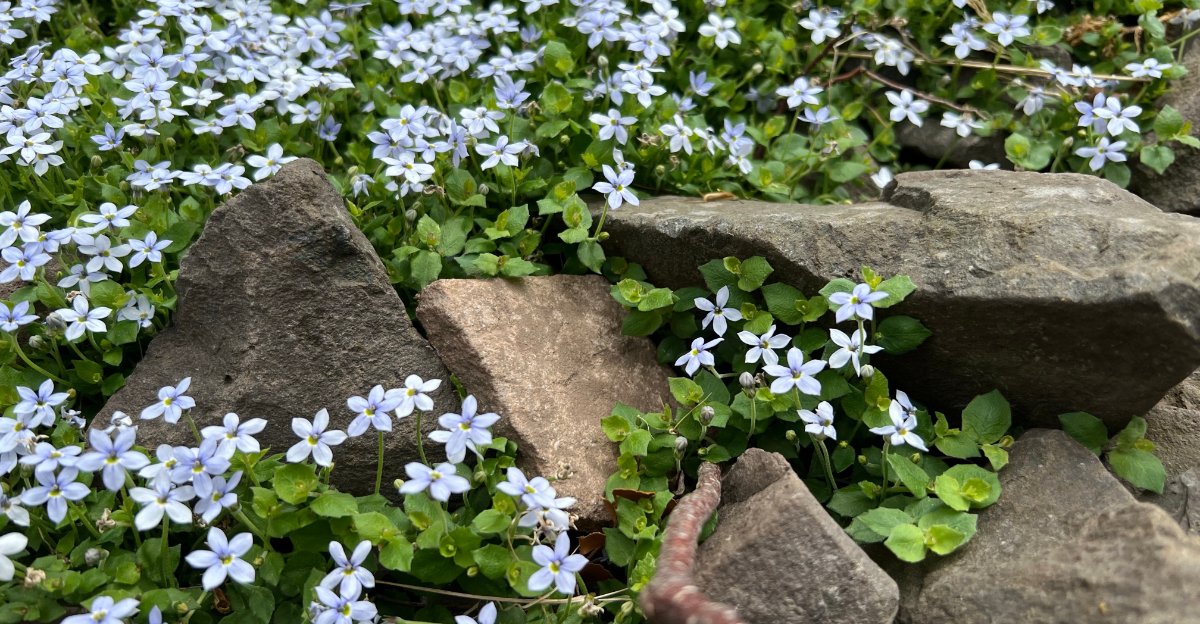
Blue star creeper grows only an inch or two tall, making it one of the lowest ground covers you can plant. That low profile means it tucks neatly between stepping stones, fills in along pathways, and spreads into every little gap in your garden.
As it spreads, it creates a solid mat that blocks weed growth by denying seeds the light and space they need.
In California, blue star creeper performs well in both sunny and partially shaded areas. It likes regular moisture, so it works best in spots that get some irrigation or natural rainfall.
Coastal gardens and mild inland areas of California are particularly well-suited for this plant.
Plant it close together for faster coverage, spacing plants about six to twelve inches apart. Once established, it spreads on its own and fills in quickly.
Trim the edges occasionally to keep it contained where you want it. Blue star creeper is a truly delightful ground cover that earns its place in any California garden.
7. Trailing Lantana
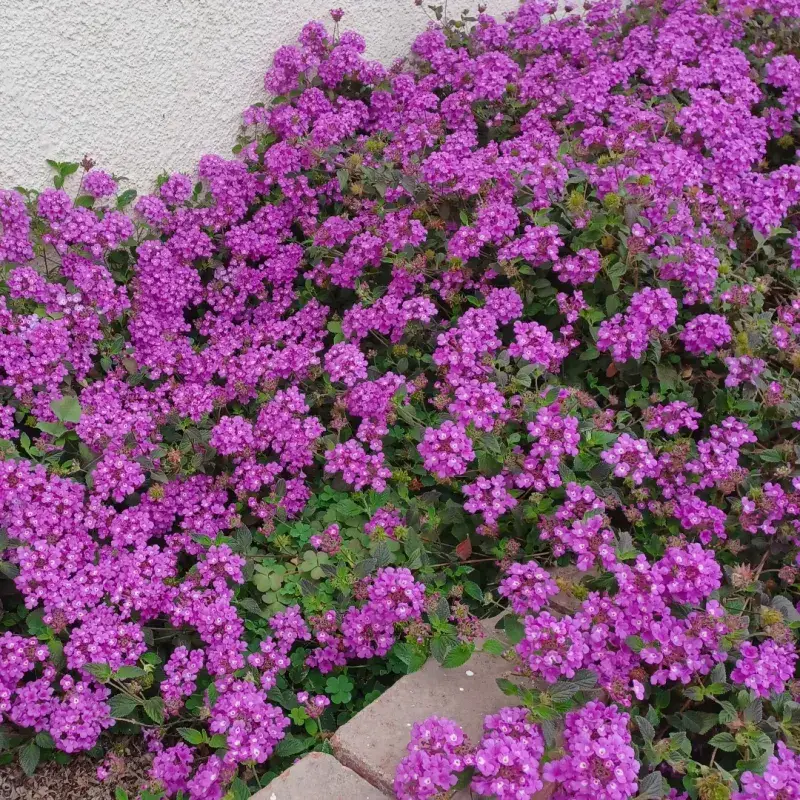
When you want a ground cover that puts on a real show, trailing lantana is hard to beat. The clusters of tiny flowers come in shades of yellow, orange, pink, and purple, and they bloom for months on end through California’s long warm season.
Butterflies flock to it, and it handles heat like few other plants can.
It is important to choose non-invasive varieties when planting lantana in California. Some types can spread aggressively and become a problem in natural areas.
However, well-behaved cultivars like Lantana montevidensis spread in a controlled way that makes them excellent for managed garden beds and slopes.
The dense, spreading growth habit of trailing lantana makes it highly effective at blocking weeds. Once it covers the soil, very little light gets through to the ground below.
Weed seeds that land on top simply cannot establish themselves. It is a tough, reliable, and colorful solution for sunny spots throughout California.
Plant non-invasive trailing lantana in full sun and well-drained soil. It is extremely drought-tolerant once established, making it a smart choice for California’s water-conscious gardeners.
Cut it back in late winter to refresh the plant and encourage strong new growth. With the right variety, this plant gives you months of color and year-round weed control without any chemical help.
8. Seaside Daisy
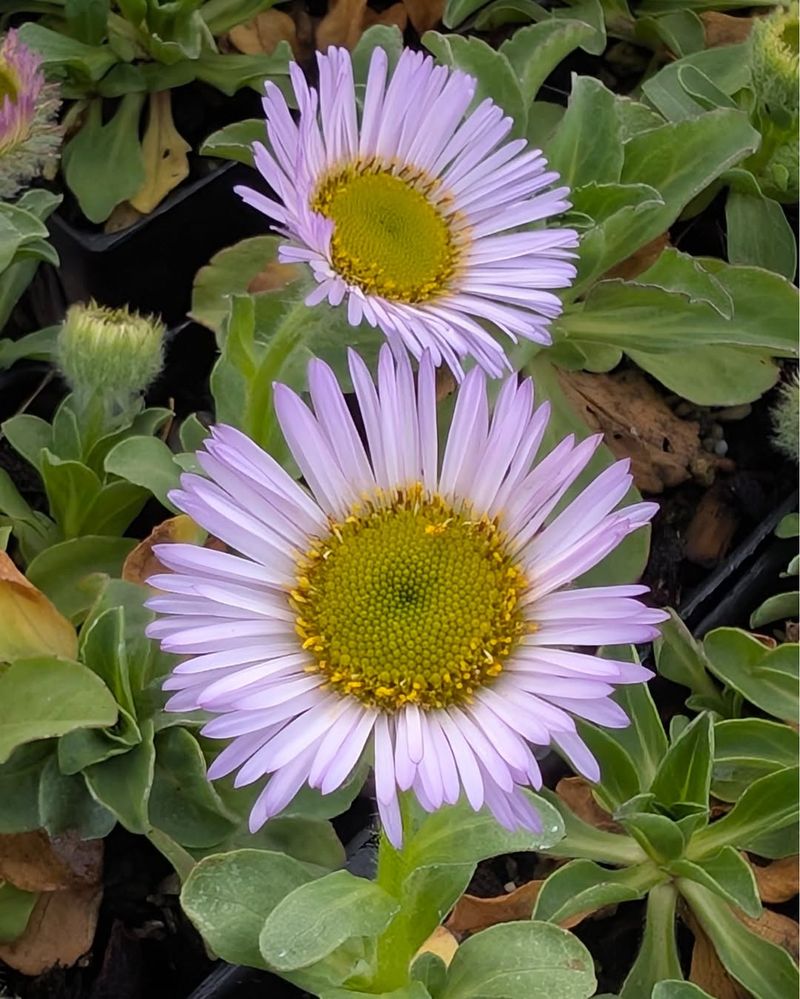
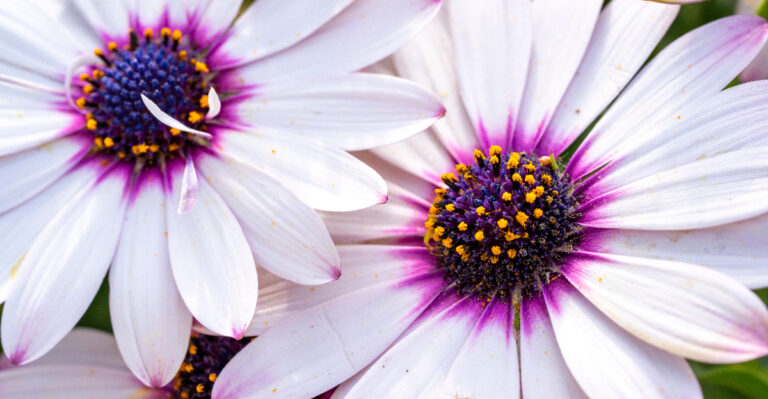
Cheerful and easygoing, seaside daisy brings a relaxed coastal vibe to any California garden. The lavender or white daisy-like flowers bloom from spring through fall, often with barely a break in between.
Native to the California coast, this plant is perfectly at home in the state’s mild, breezy climate.
Seaside daisy spreads into a low, dense mound of foliage that does a solid job of blocking weeds. The leaves overlap and shade the soil effectively, leaving little room for unwanted plants to sneak in.
It works especially well in coastal gardens, but inland California gardeners with mild summers can also enjoy it.
One thing that sets seaside daisy apart is how low-maintenance it really is. It handles salt air, occasional drought, and poor soils without much complaint.
Plant it near walkways, along borders, or on gentle slopes and let it fill in naturally. Bees and butterflies visit the flowers regularly, adding life to your outdoor space.
Trim seaside daisy back by about half after its main bloom period to encourage a fresh flush of flowers and keep the plant looking tidy. It spreads at a moderate pace, which means it will fill in your garden without becoming overwhelming.
For a friendly, reliable, and beautiful weed suppressor in California, seaside daisy is a wonderful option.
9. Hummingbird Sage
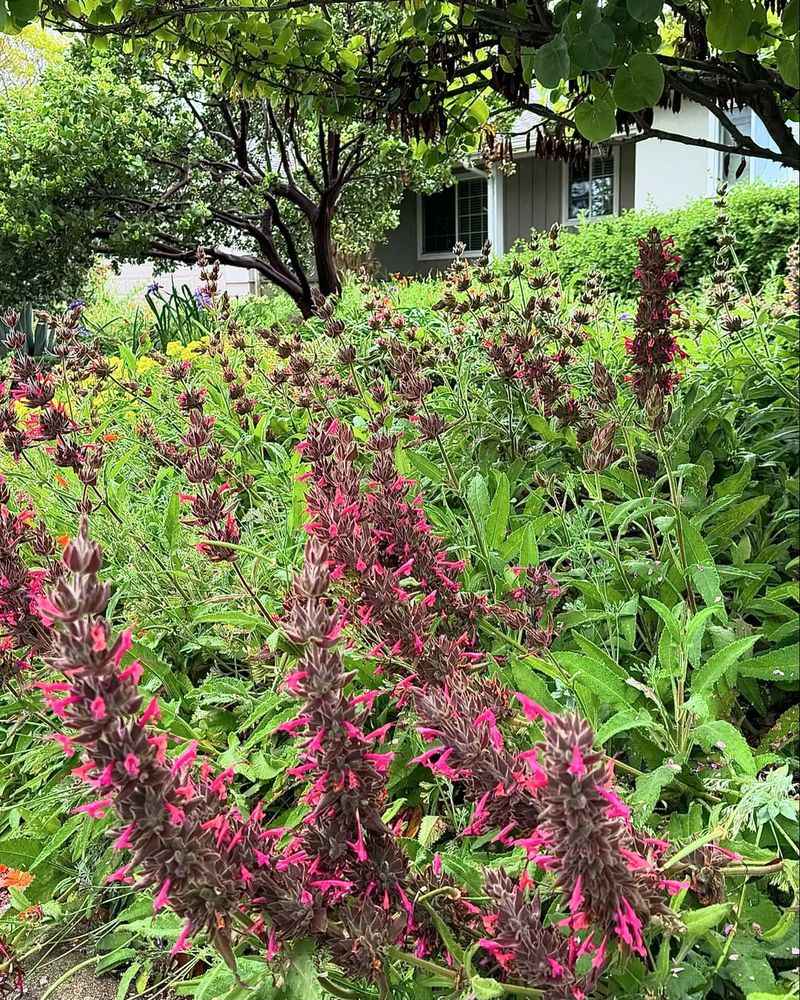
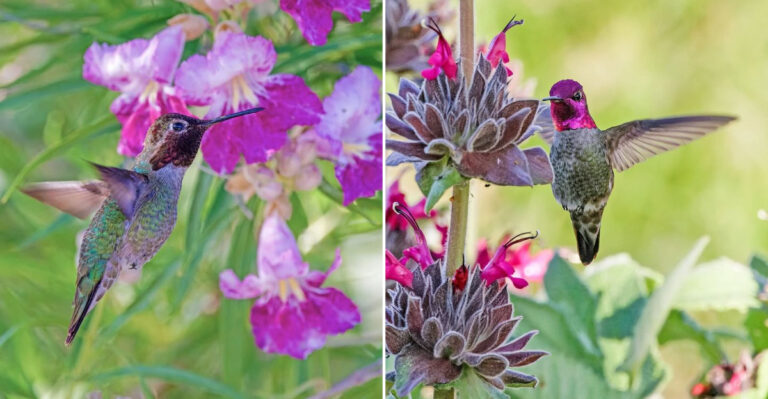
Walk past hummingbird sage on a warm California morning and you will likely hear it before you see it. The buzzing of hummingbirds and bees around its deep pink flower spikes is a giveaway that something special is happening.
This native California sage is a wildlife magnet and a surprisingly effective weed suppressor.
Unlike many ground covers that stay tiny, hummingbird sage has a bolder presence. It grows about one to two feet tall with large, aromatic leaves that form a wide, spreading clump.
The dense leaf coverage shades the soil underneath, preventing weed seeds from getting the light they need to sprout. It is particularly effective in shaded or partially shaded spots in California gardens.
Hummingbird sage thrives under oak trees and in woodland-style garden settings. It is drought-tolerant once established and actually prefers dry summers, which fits perfectly with California’s natural climate patterns.
The blooms appear in late winter through spring, providing early season color when little else is flowering.
Give it well-drained soil and a spot with morning sun and afternoon shade. Do not overwater it, especially in summer.
Once established, it spreads steadily and fills in shaded areas beautifully. Hummingbird sage is a smart, wildlife-friendly, and low-effort weed control solution for California’s shadier garden spaces.
10. Creeping Rosemary
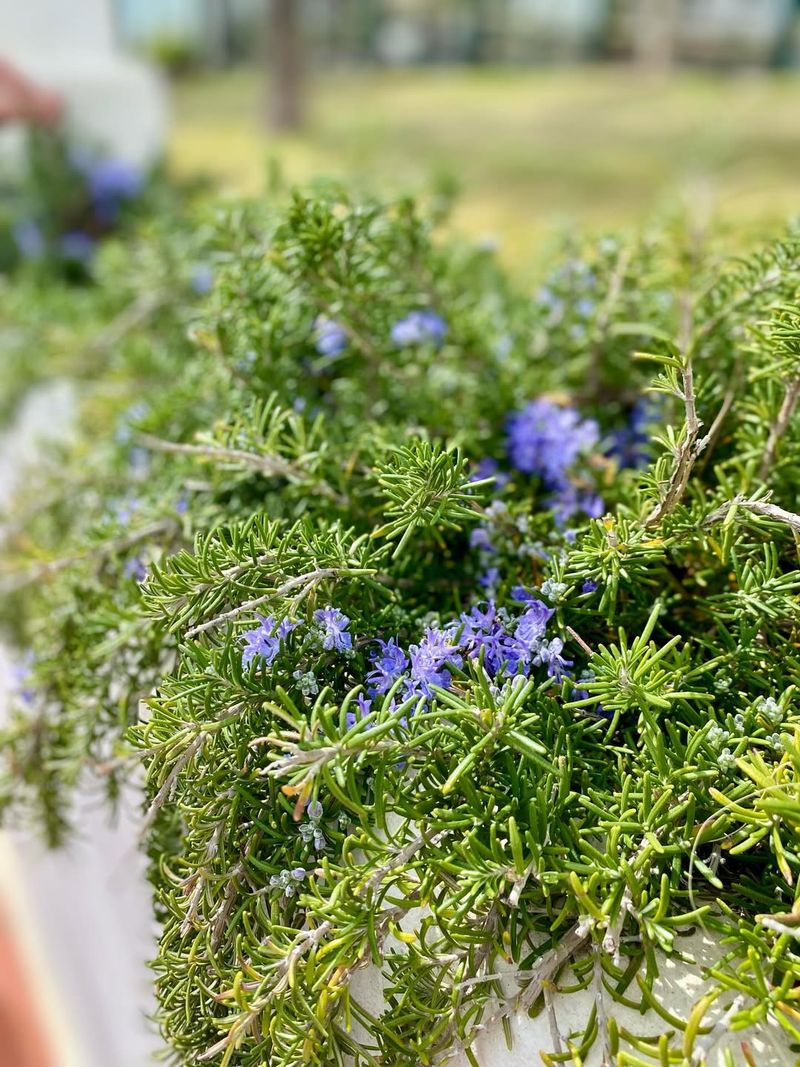
Most people know rosemary as a kitchen herb, but the creeping variety brings something extra to the table. It trails gracefully over walls, spills down slopes, and spreads across open soil with a relaxed, flowing habit that is genuinely beautiful.
And while it looks effortless, it is quietly doing serious work blocking weeds below.
Creeping rosemary forms a thick mat of needle-like, aromatic leaves that shades the soil and prevents weed seeds from taking hold. It grows only about two feet tall but can spread several feet wide over time.
For California gardeners dealing with sunny, dry slopes or hillsides, it is one of the best options available.
The small blue flowers that appear in late winter and spring attract bees and other pollinators at a time when food sources are still limited. That makes creeping rosemary a valuable plant for supporting California’s native bee populations.
Plus, the fragrance it releases on warm days is genuinely wonderful, especially near a patio or garden path.
Plant creeping rosemary in full sun and very well-drained soil. It absolutely does not like wet feet, so avoid areas with poor drainage.
Water it occasionally during the first year, then let California’s natural rain cycle take over. It is tough, fragrant, beautiful, and one of the most satisfying weed-blocking plants you can add to a California garden.