The 8 California Plants That Need Extra Water Only While Getting Established
Some California plants ask for extra attention at the start, then turn around and become the low-maintenance stars of the yard. That early stretch matters more than many gardeners expect.
Freshly planted shrubs, perennials, and natives often need regular water while roots spread out and settle into the soil. After that, many can handle dry spells far better and stop acting like they need constant babysitting.
That is a big reason these plants are so appealing in California landscapes. You put in a little effort up front, help them get comfortable, and then enjoy something much easier to manage long term.
It is a pretty good deal, especially in a state where water use is always part of the conversation. The tricky part is knowing which plants truly need that short establishment period and which ones stay thirsty far longer.
Get that part right, and your garden can look full, beautiful, and surprisingly relaxed without turning your hose into your most committed summer relationship.
1. California Lilac
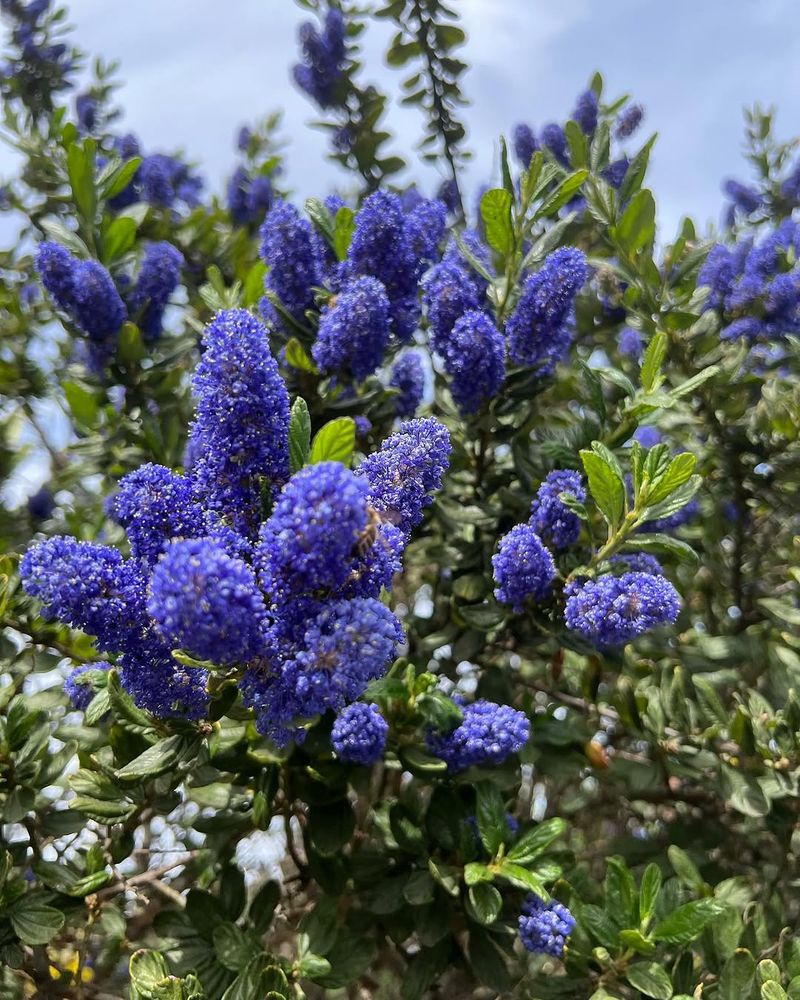
Few things stop a California gardener in their tracks quite like a California Lilac in full bloom. This shrub, also called Ceanothus, explodes with clusters of blue or purple flowers that bees absolutely love.
It looks like something out of a fairy tale, but it is actually a tough, no-fuss plant once it gets going.
When you first plant it, water it deeply right away. For the first few months, aim to water it once or twice a week if rain is not doing the job.
The goal is to keep the root zone moist but never soggy. Soggy roots are a real problem for this plant, so make sure your soil drains well.
After the first full year in the ground, you can cut back watering dramatically. Many California Lilac shrubs thrive on just occasional deep soaks during long dry spells.
In coastal and inland California gardens alike, established plants handle summer drought with ease. Plant it in a sunny spot with good drainage, step back, and watch it become a showstopper that practically takes care of itself year after year.
2. Manzanita
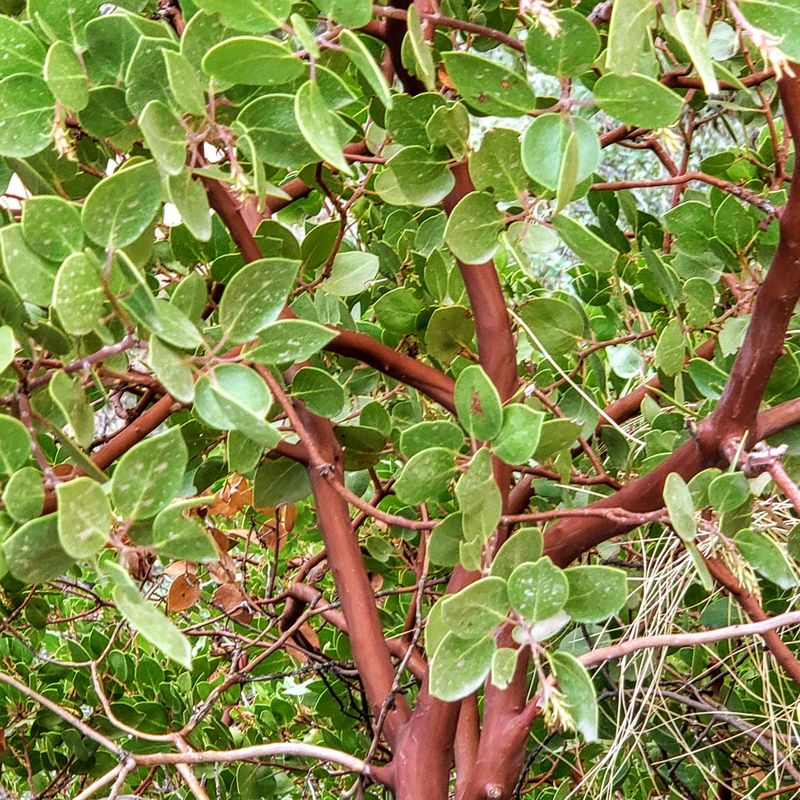
Walk through almost any wild California landscape and you will likely spot Manzanita with its gorgeous, smooth red bark catching the sunlight. There are dozens of species across the state, ranging from low ground covers to tall shrubs.
That variety makes it one of the most useful native plants for California gardens of all sizes.
Right after planting, give Manzanita a thorough, deep watering to settle the roots in. During the first three months, water once or twice a week when there is no rain.
After about six months, you can start stretching out the time between waterings as the roots begin to reach deeper into the soil.
One important tip: once Manzanita is established, less is truly more. Overwatering is one of the fastest ways to stress this plant, especially in warmer inland California areas.
Well-draining soil is a must. After the first full growing season, most varieties need only minimal irrigation, if any at all.
Your California Garden Changes Every Week. Your Plan Should Too.
Gardening in California changes quickly throughout the season. Every Friday you’ll receive a simple weekly plan showing exactly what to plant, prune, fertilize, harvest, and protect so you never miss the right timing.
The payoff is a striking, year-round shrub with beautiful bark, small white or pink flowers in winter, and berries that wildlife love. It is a real standout in any native garden.
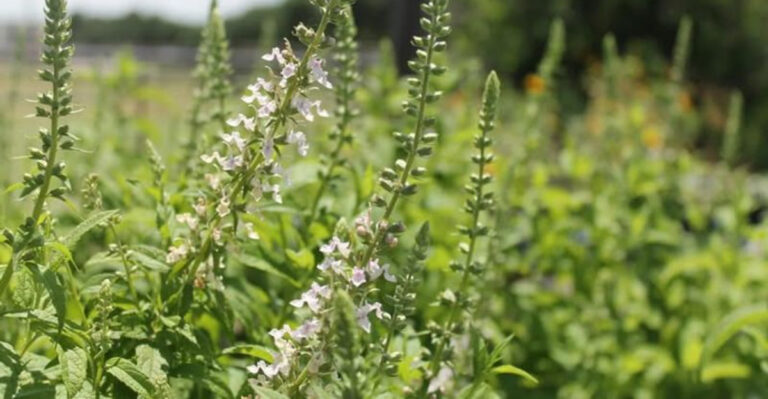
3. Foothill Penstemon
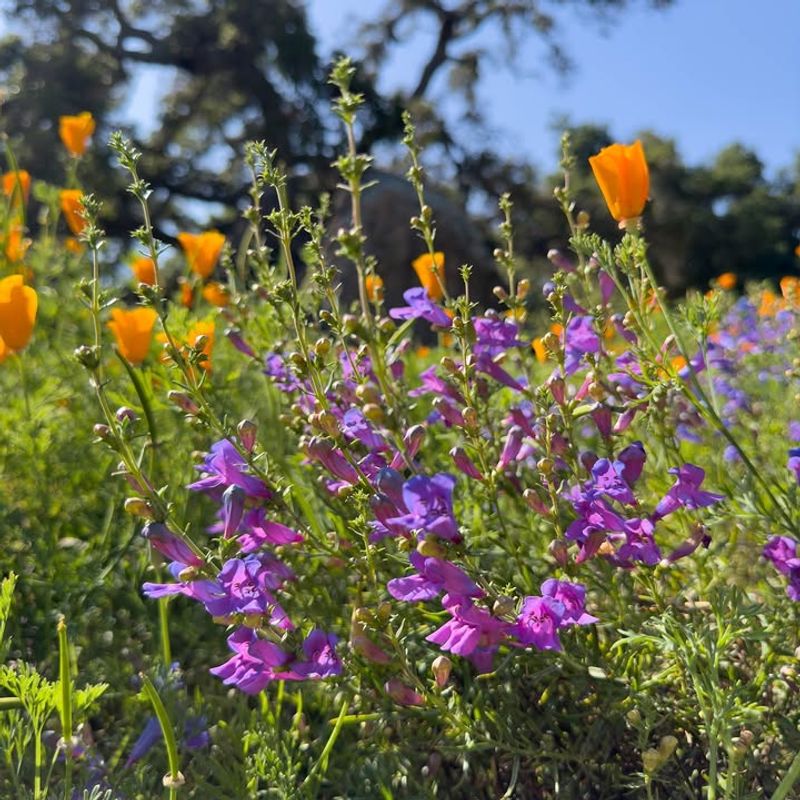
Bright red and orange tubular flowers rising up on tall spikes are the calling card of Foothill Penstemon. Hummingbirds go absolutely wild for this plant, hovering around it like tiny helicopters every spring.
If you want to add some serious color and wildlife action to your California garden, this one is hard to beat.
Getting it started takes a bit of patience and consistent watering. Right after planting, soak the ground well and keep the root zone moist for the first few months.
If California’s rainy season covers that period, you may not need to water much at all. But during dry spells, water once a week to keep things going smoothly.
As the roots grow deeper over the first year, you can water less and less. Foothill Penstemon is native to the dry foothills of California, so it is built for drought once it finds its footing.
It actually prefers lean, rocky, or sandy soil over rich garden soil. Too much fertilizer or water after establishment can make it grow floppy and weak.
Keep it lean, keep it sunny, and this plant will reward you with stunning blooms every spring without asking for much in return.
4. Bush Monkey Flower
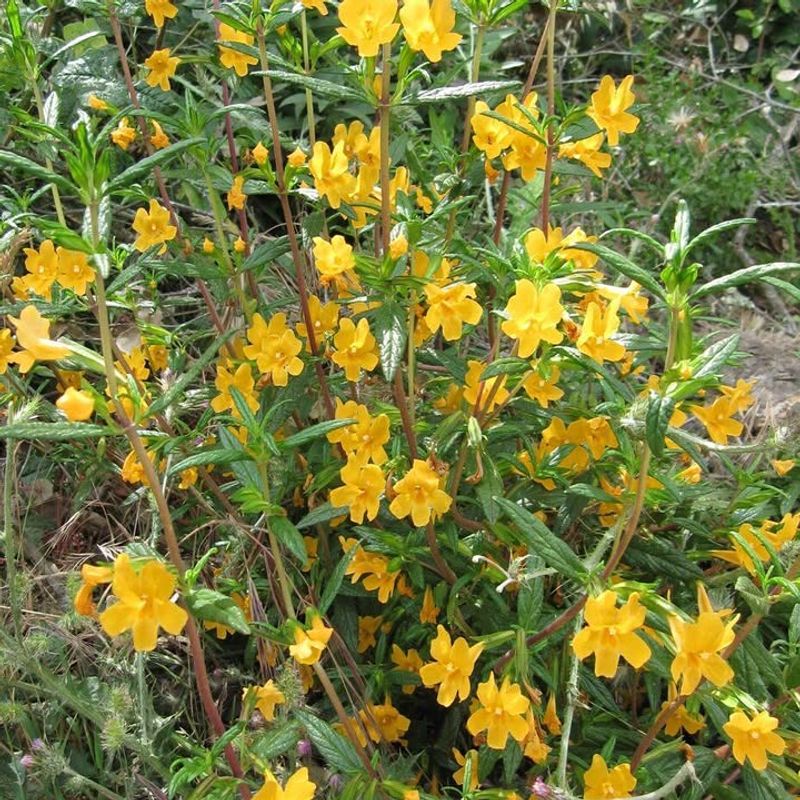
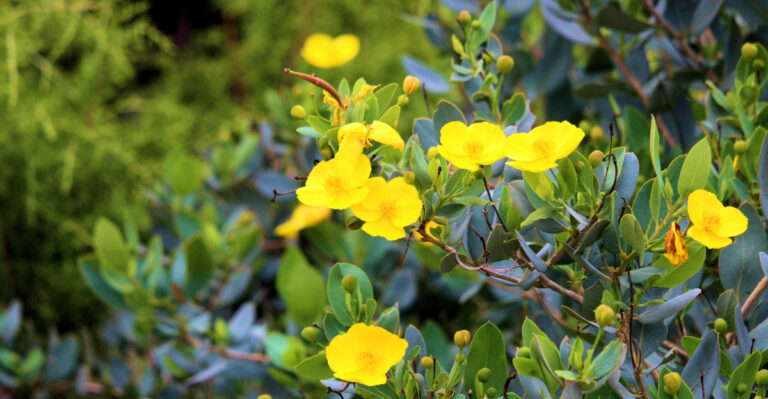
There is something cheerful and almost playful about Bush Monkey Flower. Its bright orange or yellow trumpet-shaped blooms seem to glow in the California sunshine, and they keep coming back season after season once the plant is happy.
Hummingbirds and native bees are big fans, which makes it a great choice for a wildlife-friendly yard.
When you first put it in the ground, water it deeply and consistently. The first summer is the most critical time for this plant.
Water it once or twice a week during hot, dry periods to help the roots spread out. If you plant it in fall, California’s rainy season will do a lot of the heavy lifting for you.
Once it has been in the ground for a full year and has roughly doubled in size, you can ease off the water significantly. Established Bush Monkey Flower handles California’s dry summers well, especially when planted in a spot with some afternoon shade.
Too much summer water after establishment can actually cause problems. Cut it back lightly after the bloom season to keep it tidy and encourage fresh growth.
With the right start, this plant becomes a reliable, colorful performer that brightens up any California garden with very little effort.
5. Woolly Blue Curls
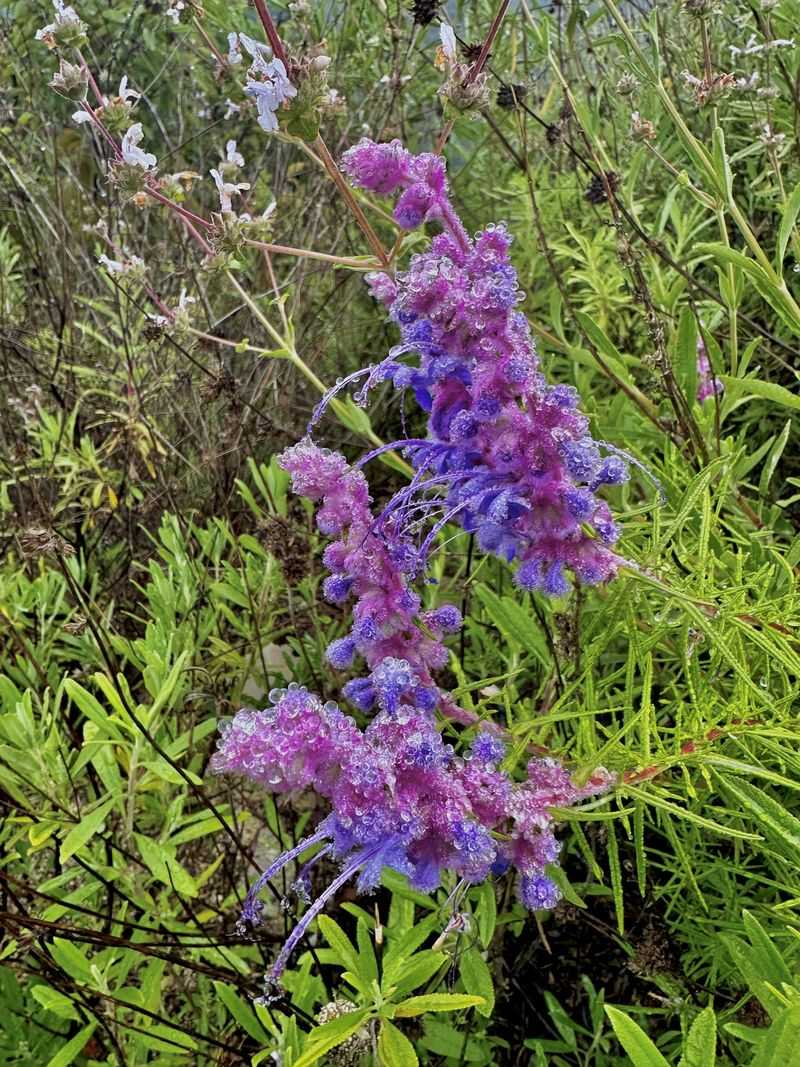
Not many plants have a name as fun to say as Woolly Blue Curls, and honestly, the plant itself is just as interesting as its name. The stems are covered in soft, woolly silver-gray fuzz, and the flowers are a deep, rich blue-purple with a curved shape that looks almost sculpted.
It is one of California’s most unique native plants, and it smells wonderful too.
Starting it off right means watering it well after planting. Keep the soil moist but not wet during the first few months.
This plant is native to dry, rocky slopes in Southern California, so it does not love heavy clay or waterlogged soil. Plant it somewhere with excellent drainage and full sun from the start.
After the first year, Woolly Blue Curls becomes remarkably self-sufficient. It thrives on minimal water and actually looks better when you do not fuss over it too much.
Overwatering after establishment is a common mistake that can shorten its life. Let the soil dry out fully between waterings once it is settled in.
Gardeners across Southern California love this plant for its striking looks, fragrant foliage, and ability to thrive in tough, sunny spots where other plants struggle.
6. Matilija Poppy
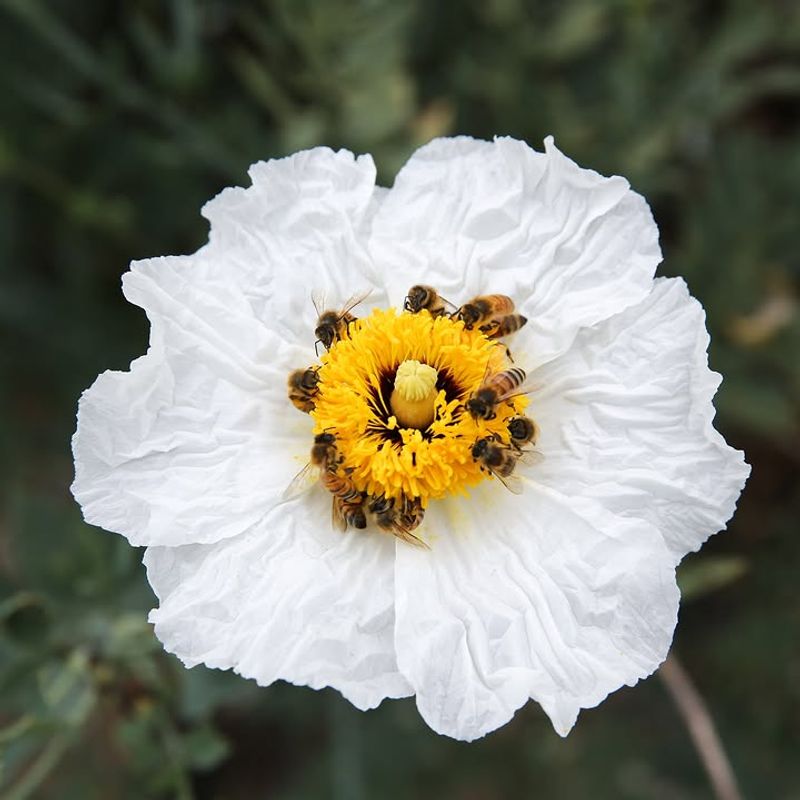
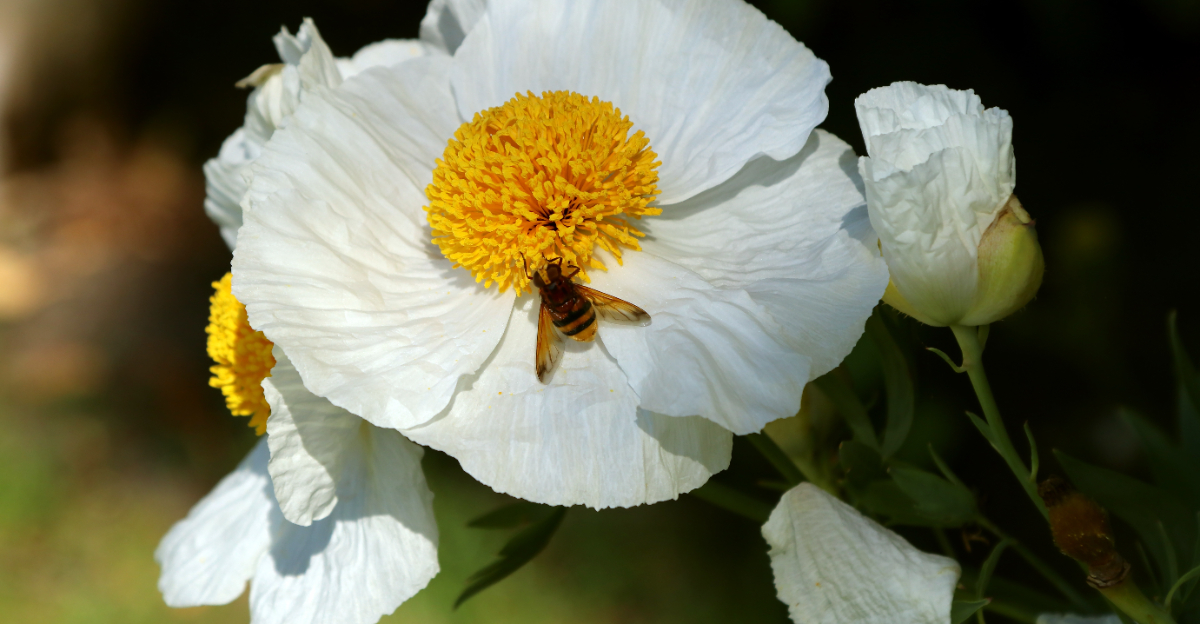
Sometimes called the fried egg flower because of its giant white crinkled petals surrounding a bright yellow center, Matilija Poppy is one of the most dramatic native plants you can grow in California. It can reach six feet tall or more, and when it blooms, people stop and stare.
It is bold, beautiful, and surprisingly easy to care for once established.
Getting it started does require some attention. Water it deeply right after planting and keep the soil moist during the first growing season.
If you plant in fall, California’s winter rains will help tremendously. During the first dry season, water weekly to support root development.
Sandy or well-draining soil is ideal since this plant comes from the dry chaparral regions of Southern California.
After the first year, Matilija Poppy needs very little water. In fact, it spreads by underground runners and can naturalize across a garden bed on its own.
Some California gardeners describe it as enthusiastic once established, so give it room to roam. Cut it back hard in late summer to encourage fresh growth the following spring.
For a bold, water-wise statement plant that truly looks like nothing else, Matilija Poppy is in a class of its own.
7. Cleveland Sage
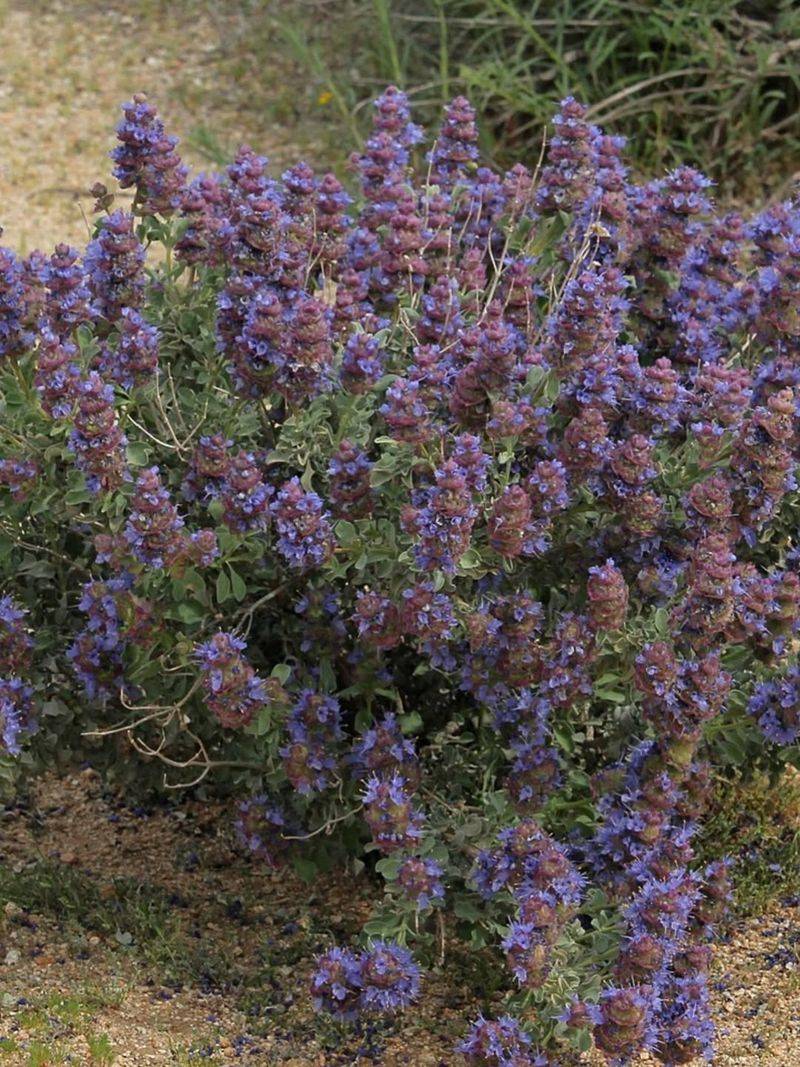
Walk past Cleveland Sage on a warm California afternoon and the air fills with a rich, herbal fragrance that is hard to forget. This compact, rounded shrub is native to Southern California and Baja California, and it is one of the most beloved plants among California native garden enthusiasts.
The whorls of lavender-blue flowers are stunning, and pollinators swarm to them all spring long.
Like most California natives, Cleveland Sage needs extra attention during its first year. Water it deeply after planting and keep moisture consistent for the first few months.
If you plant in fall, the rainy season in California will take care of most of the watering for you. During the first summer, water once a week to keep it growing strong.
Once it is established, Cleveland Sage is impressively drought-tolerant. It actually prefers dry conditions and can look its absolute best with almost no summer water at all.
Overwatering is the most common mistake people make with this plant. Plant it in full sun with fast-draining soil and let it do its thing.
Occasional deep watering during extreme heat waves is fine, but routine irrigation is not needed. It is a true star of water-wise California landscaping.
8. Toyon
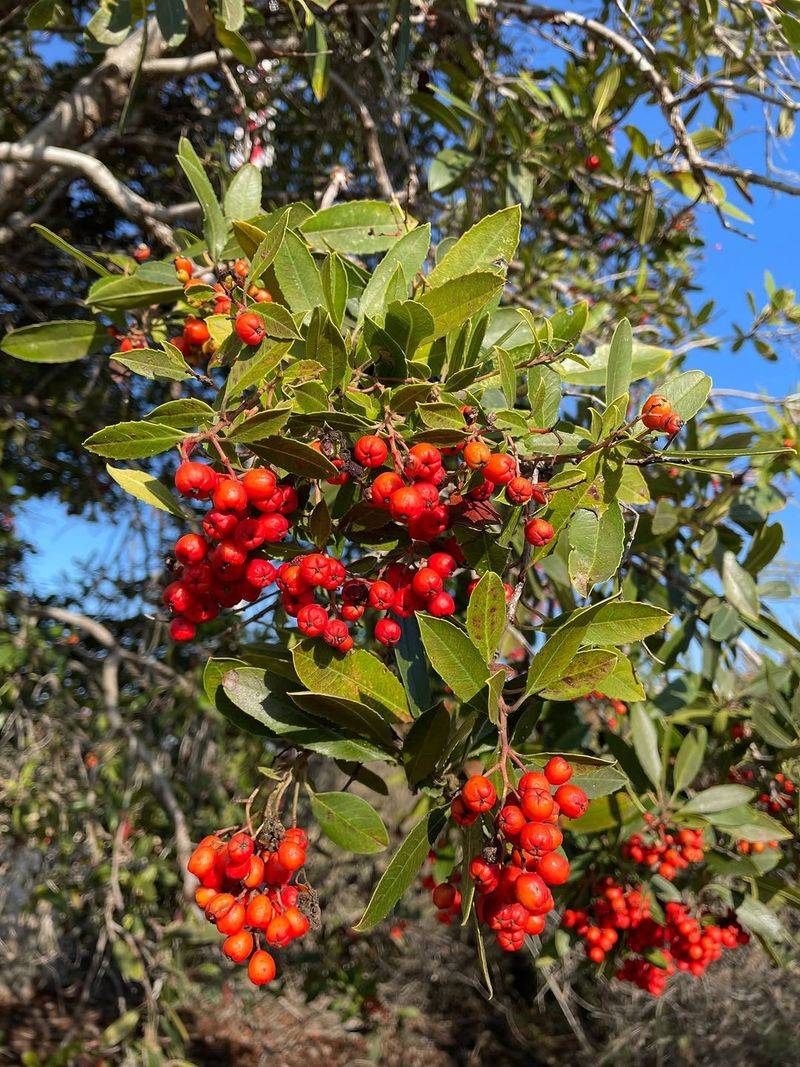
Hollywood got its name from Toyon, believe it or not. Early settlers saw the hillsides of what is now Los Angeles covered in this shrub’s bright red berries each winter and thought of English holly, giving the area its famous nickname.
Toyon is as California as it gets, and it brings year-round beauty to any native garden.
When planting Toyon, give it a deep initial soak to settle the roots. For the first year, water it every week or two, depending on the weather.
During California’s dry summers, consistent watering helps the root system expand and anchor the plant firmly. Fall planting is ideal because winter rains in California take over much of the watering work naturally.
After the first full year, Toyon becomes a tough, reliable shrub that needs very little from you. It produces clusters of white flowers in summer and then switches to brilliant red berries in winter that birds love.
It grows well in full sun or partial shade and tolerates a range of soil types common across California. Once established, it rarely needs supplemental irrigation.
For a plant that gives so much across every season, the small investment of extra water upfront is absolutely worth it.