7 Heat And Humidity-Loving Plants That Outperform Hydrangeas In North Carolina
The North Carolina summer is a relentless force of nature, characterized by heavy humidity and a sun that can easily overwhelm many traditional garden favorites.
While the classic hydrangea often wilts under the intense pressure of a July afternoon in the Piedmont, a select group of botanical powerhouses actually views this heat as an invitation to flourish.
These seven resilient species are genetically programmed to embrace the Tar Heel State’s unique atmospheric weight, maintaining their structural integrity and vibrant colors when other plants retreat.
By shifting your focus toward these heat-loving varieties, you eliminate the constant cycle of emergency watering and midday drooping that plagues many local landscapes.
This transition allows you to cultivate a lush, high-impact sanctuary that remains defiant against the most sweltering conditions from the mountains to the coast.
Embracing these rugged survivors ensures a backyard that stays brilliant and low-maintenance throughout the most demanding months of the southern year.
1. Crape Myrtle (Lagerstroemia indica)
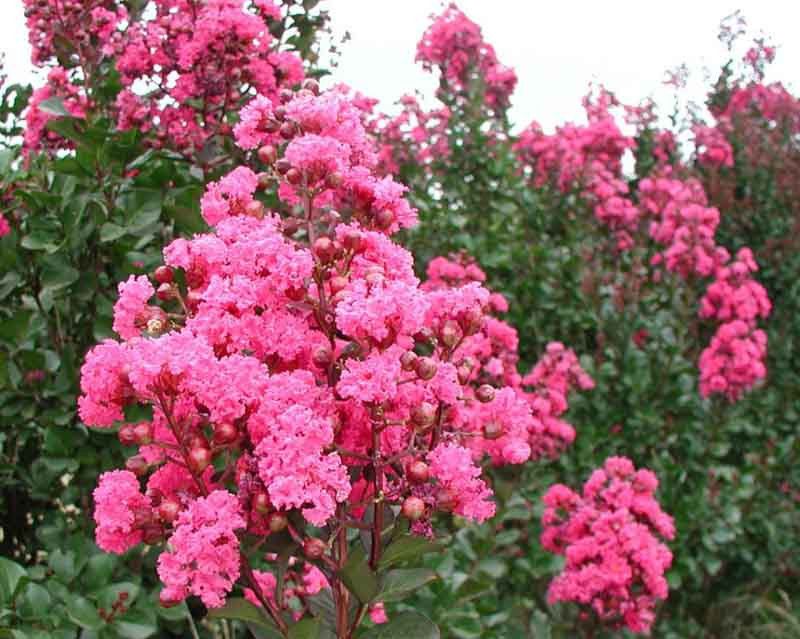
Walk through any North Carolina neighborhood in July, and you will almost certainly spot a Crape Myrtle showing off. This iconic Southern tree is built for the heat, blooming in bold shades of pink, red, white, and purple from late spring all the way through fall.
Few plants can match that kind of staying power when temperatures climb into the 90s. Crape Myrtles love full sun and well-drained soil, making them a natural fit for the Tar Heel State’s long, hot summers.
Once established, they are remarkably drought-resistant, meaning you will not be dragging the hose out every single day.
Varieties like ‘Natchez’ are also mildew-resistant, which is a huge bonus in North Carolina’s humid climate where fungal problems can sneak up fast.
Beyond the flowers, Crape Myrtles bring year-round interest to your yard. Their peeling, cinnamon-colored bark adds texture and visual appeal even in the colder months.
Compared to hydrangeas, which can look exhausted and droopy during peak summer heat, Crape Myrtles keep performing without complaint. Pruning is simple, and younger trees establish quickly with minimal fuss.
If you want a plant that rewards you with minimal effort and maximum color, this one belongs in your North Carolina garden without question.
2. Coneflower (Echinacea purpurea)
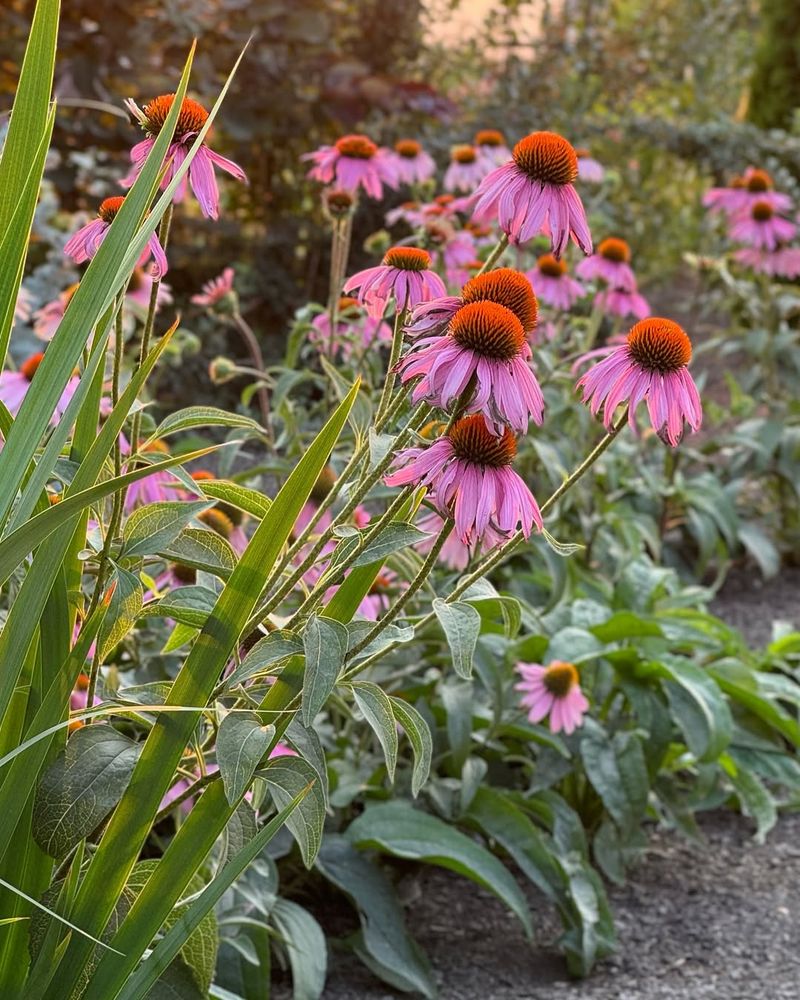
Native plants have a built-in advantage, and Coneflower proves that point beautifully. Echinacea purpurea is actually native to the eastern United States, which means it has been handling heat, humidity, and summer storms long before anyone started planting it in garden beds.
In North Carolina, it performs like a champion from early summer straight through fall. What makes Coneflower stand out is its toughness combined with its charm.
The daisy-like blooms feature drooping purple petals surrounding a raised, spiky center cone that bees, butterflies, and goldfinches absolutely love.
While hydrangeas often demand consistent watering and careful attention during dry spells, Coneflower shrugs off drought with ease once its roots are settled in.
Gardeners across North Carolina appreciate how low-maintenance these plants truly are. Plant them in a sunny spot with decent drainage, water them through the first season, and then mostly step back and enjoy the show.
Your North Carolina Garden Changes Every Week. Your Plan Should Too.
Gardening in North Carolina changes quickly throughout the season. Every Friday you’ll receive a simple weekly plan showing exactly what to plant, prune, fertilize, harvest, and protect so you never miss the right timing.
They spread gradually over time, filling in garden beds with cheerful color and pollinator activity. Deadheading spent blooms encourages more flowers, but even if you skip it, the seed heads feed wildlife through winter.
For anyone tired of babying hydrangeas through brutal July heat, Coneflower offers a refreshing, reliable, and genuinely rewarding swap that looks stunning in any sunny North Carolina yard.
3. Russian Sage (Perovskia atriplicifolia)
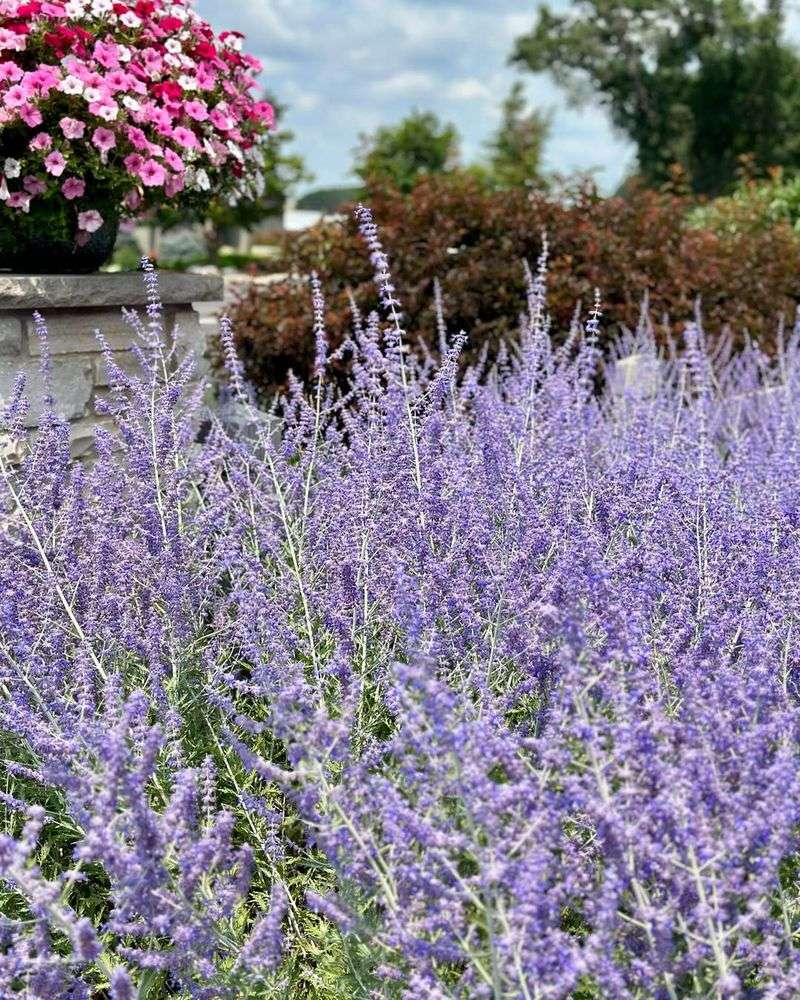
Russian Sage has a kind of wild, airy beauty that is hard to replicate with any other plant. Those tall, silvery stems topped with soft lavender-blue flower spires create a dreamy, hazy effect in the garden that looks absolutely stunning from midsummer through fall.
In North Carolina, where late summer heat can feel relentless, Russian Sage keeps blooming when plenty of other plants have given up.
One of its biggest selling points is drought tolerance. Once established in well-drained soil with full sun, Russian Sage barely needs any extra water at all.
The silvery foliage actually reflects heat rather than absorbing it, which helps the plant stay comfortable even during the most intense North Carolina heat waves.
Hydrangeas, by comparison, can look limp and stressed during those same stretches of dry, scorching weather.
Russian Sage also brings sensory appeal beyond just good looks. The leaves have a pleasant, slightly herbal fragrance when brushed or bruised, which adds another layer of interest to the garden experience.
Bees and butterflies are big fans of the flowers, making it a great choice for pollinator-friendly yards. Pruning back hard in early spring encourages fresh, vigorous growth each season.
For gardeners across North Carolina looking for a bold, low-fuss, heat-loving plant that delivers month after month, Russian Sage is genuinely one of the best options available.
4. Black-Eyed Susan (Rudbeckia hirta)
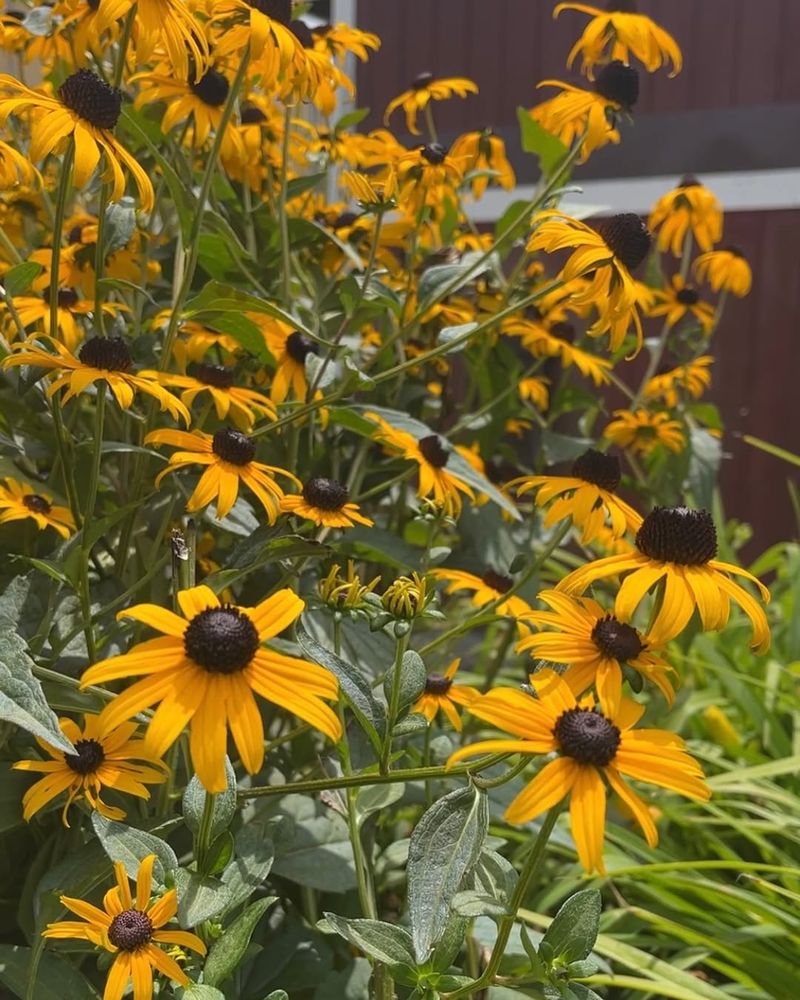
There is something undeniably cheerful about a field of Black-Eyed Susans in full bloom. Those bright golden-yellow petals with deep brown centers catch the eye instantly, and in North Carolina, they bloom reliably through some of the hottest weeks of the year.
While hydrangeas may be fading or flagging in the heat, Black-Eyed Susans are just hitting their stride.
Rudbeckia hirta is a tough, adaptable plant that handles the heat and humidity of the Tar Heel State without missing a beat.
It grows well in average or even poor soil, requires very little supplemental watering once established, and spreads naturally to fill in bare spots in your garden. That combination of low effort and high visual payoff is hard to beat for busy homeowners.
Pollinators love these flowers just as much as gardeners do. Bees and butterflies flock to the blooms all summer long, and when the flowers fade, seed-eating birds like finches visit the dried seed heads well into fall and winter.
Black-Eyed Susans work beautifully in cottage gardens, wildflower meadows, or mixed border plantings across North Carolina. They also look stunning when planted alongside Coneflowers or Russian Sage for a layered, colorful display.
Simple, bold, and reliable, this native plant earns its spot in any heat-tolerant garden lineup without hesitation.
5. Lantana (Lantana camara)
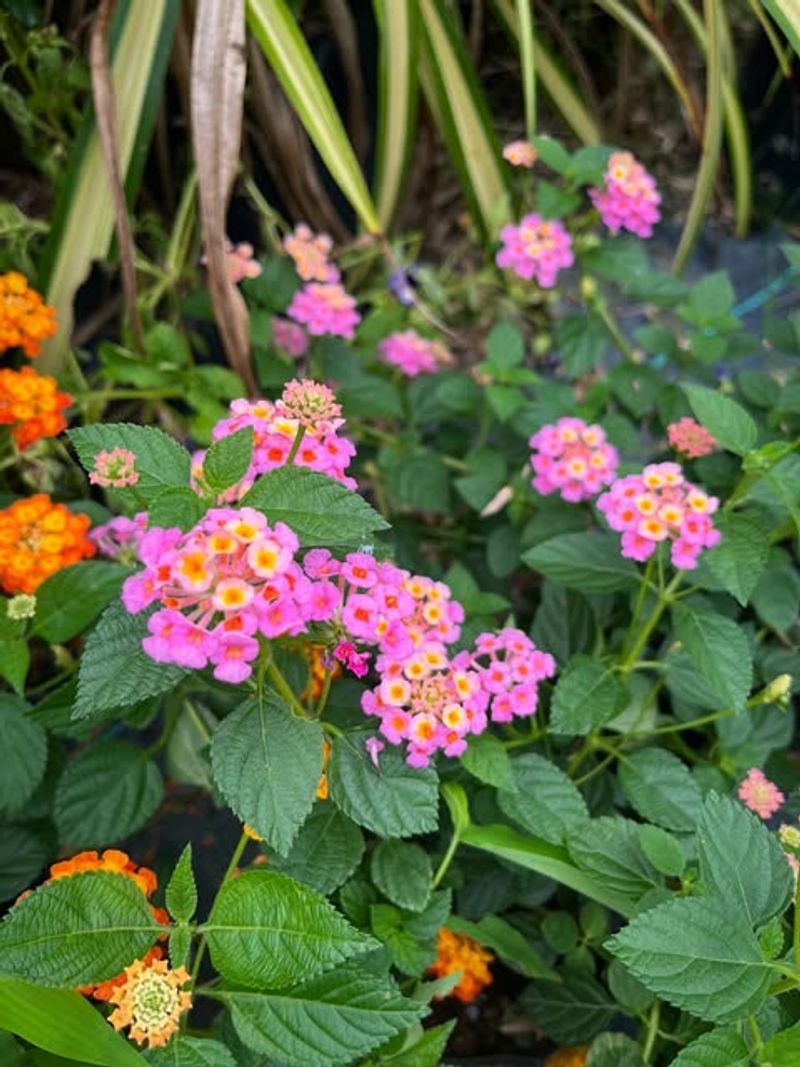
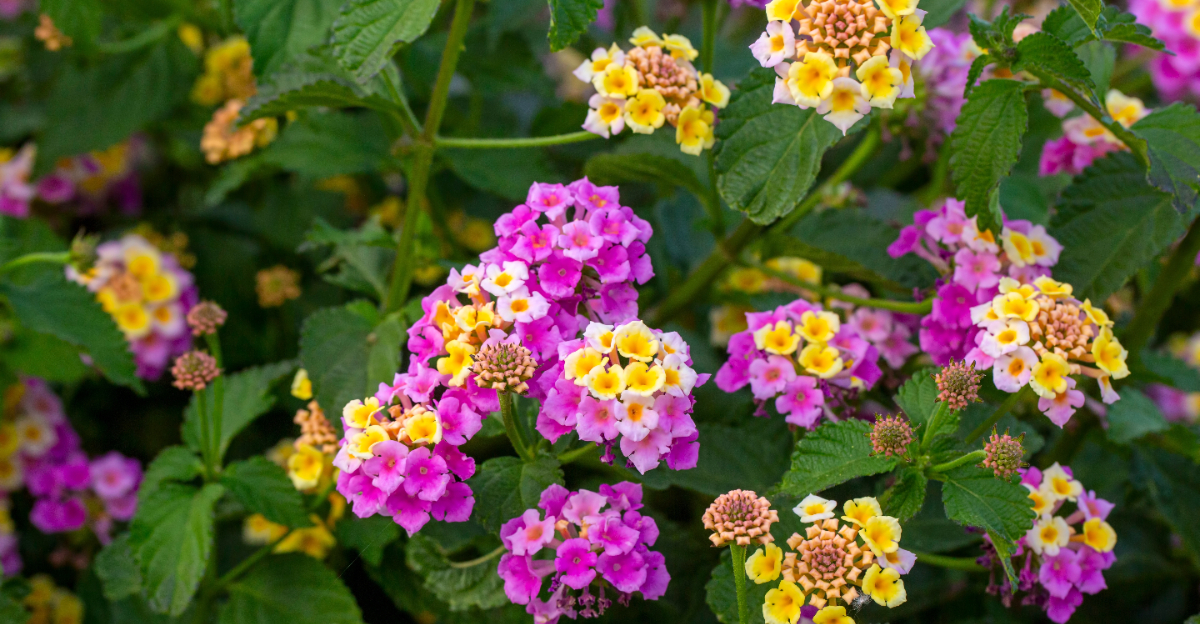
Few plants bring as much color and life to a summer garden as Lantana does. The clustered flower heads shift through multiple shades, often displaying orange, yellow, pink, and red all at the same time on a single plant.
In North Carolina’s warm, humid climate, Lantana does not just survive, it puts on a show from late spring right up until the first frost arrives.
Heat and humidity are basically Lantana’s favorite conditions. It thrives in full sun and handles poor or sandy soil without complaint, which makes it incredibly versatile for different yard situations across the Tar Heel State.
While hydrangeas can sulk in intense afternoon sun and dry spells, Lantana leans right into those conditions and keeps producing blooms at a steady, impressive pace.
Butterflies and hummingbirds are naturally drawn to Lantana’s vibrant flowers, turning any garden into a lively, buzzing scene during summer afternoons.
It works beautifully in containers, hanging baskets, or as a sprawling ground cover along sunny slopes and borders.
One important note for North Carolina gardeners: Lantana can spread aggressively in warmer coastal areas, so keeping an eye on its growth and choosing non-invasive varieties is a smart move.
With a little planning, though, Lantana delivers bold, reliable, heat-loving color that very few plants can match season after season.
6. Blanket Flower (Gaillardia pulchella)
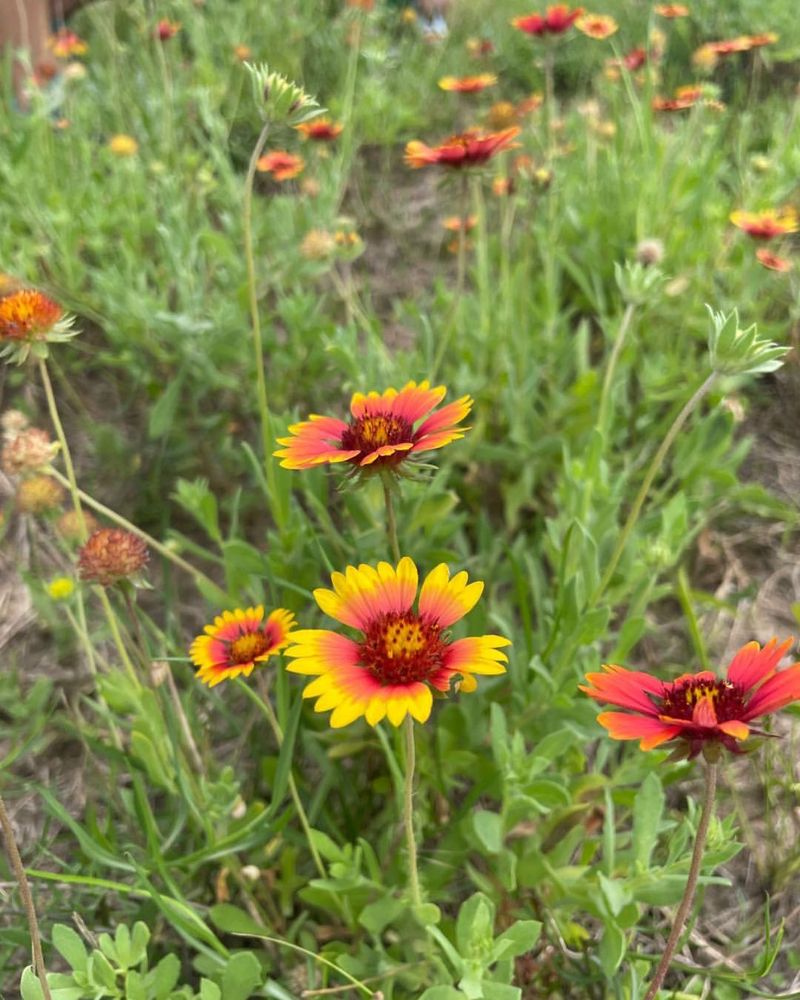
Blanket Flower got its name from the bold, layered colors of Native American blankets, and one look at its red-and-yellow blooms makes that connection obvious.
Gaillardia pulchella is a sun-loving, heat-tolerant plant that thrives in conditions that would stress many other flowering plants.
Across North Carolina, it blooms generously from early summer well into fall, long after hydrangeas have started looking tired.
What makes Blanket Flower particularly impressive is its ability to handle both intense heat and high humidity without flinching.
It actually prefers lean, sandy, or well-drained soil rather than rich, moist garden beds, which means it performs beautifully in spots where other plants might rot or struggle.
The daisy-like flowers come in stunning combinations of red, orange, and yellow, creating a warm, fiery display that catches attention from across the yard.
Blanket Flowers are also incredibly generous bloomers. Deadheading spent flowers regularly encourages wave after wave of new blooms, keeping the display going strong through the hottest months of North Carolina’s summer.
They attract bees and butterflies reliably, adding movement and life to garden spaces. Planting them in groups of five or more creates a bold, eye-catching mass of color that looks intentional and polished.
For gardeners who want maximum impact with minimum maintenance in a hot, sunny North Carolina yard, Blanket Flower is a genuinely outstanding choice worth adding immediately.
7. Zinnia (Zinnia elegans)
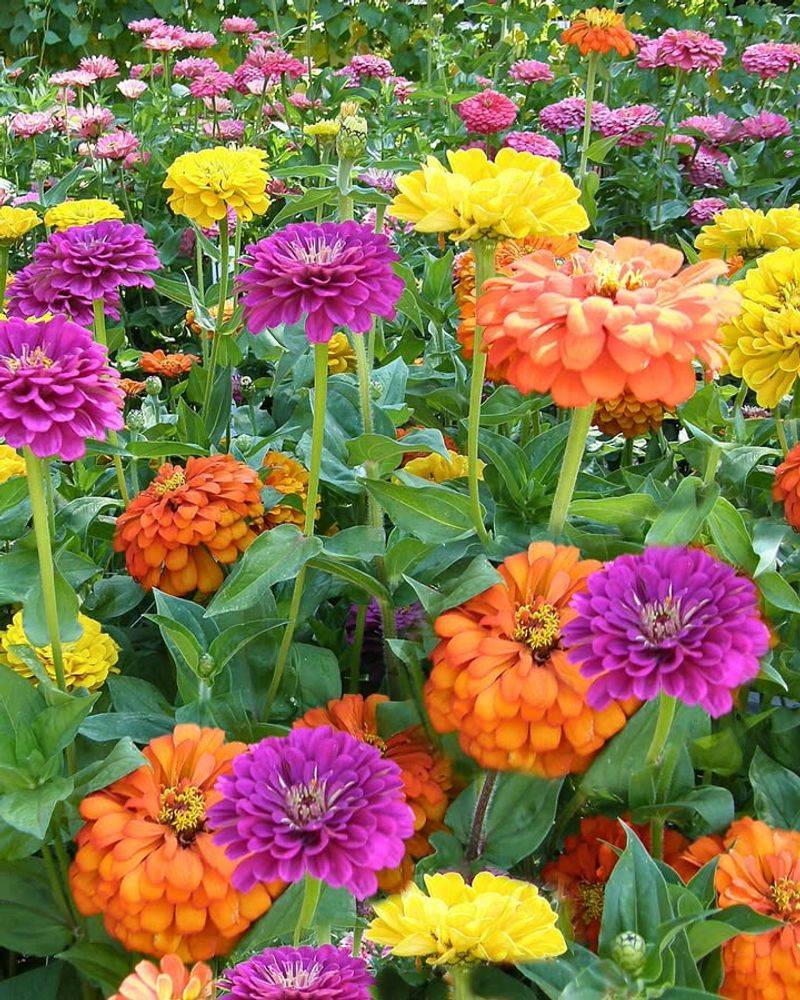
Zinnias are the kind of plant that makes gardening feel genuinely fun. They grow fast, bloom in almost every color imaginable, and absolutely love the hot, sunny summers that North Carolina is famous for.
From the time you plant them until the first frost, Zinnias just keep producing flower after flower without much encouragement at all.
Unlike hydrangeas, which can struggle badly in full sun and dry conditions, Zinnias are built for exactly that environment. They prefer well-drained soil, need minimal watering once established, and actually produce more flowers when the heat is at its peak.
In North Carolina’s long growing season, that means months of continuous, vivid color that fills garden beds, borders, and containers with ease and energy.
Pollinators go absolutely wild for Zinnia flowers. Monarch butterflies, in particular, are strongly attracted to them during their fall migration, making a Zinnia-filled garden an important stopping point for these remarkable insects.
Growing Zinnias from seed is straightforward and inexpensive, making them a great option for beginner gardeners and seasoned pros alike. Direct sow seeds into warm soil after the last frost date in your part of North Carolina, and you will have blooms within weeks.
For anyone looking to swap out struggling hydrangeas for something bold, easy, and endlessly rewarding, Zinnias are the most satisfying upgrade you can make this season.