6 Plants In South Carolina Safe To Prune This March And 4 To Skip
Spring is calling, time to grab your pruning shears!
March in South Carolina is one of the most exciting times of the year for gardeners. The air warms, flowers start to peek through, and your yard suddenly looks like it’s begging for attention.
But before you start snipping away, it’s crucial to know which plants are ready for a trim and which ones need a little more time.
Pruning at the wrong moment can stunt growth or even ruin your blooms, while the right cut can transform your garden, encouraging healthier plants, bigger flowers, and a yard that truly shines all season long.
Keep reading to discover which plants are safe to prune this March and which ones should wait. You don’t want to miss out on a thriving Southern garden.
1. Crepe Myrtle
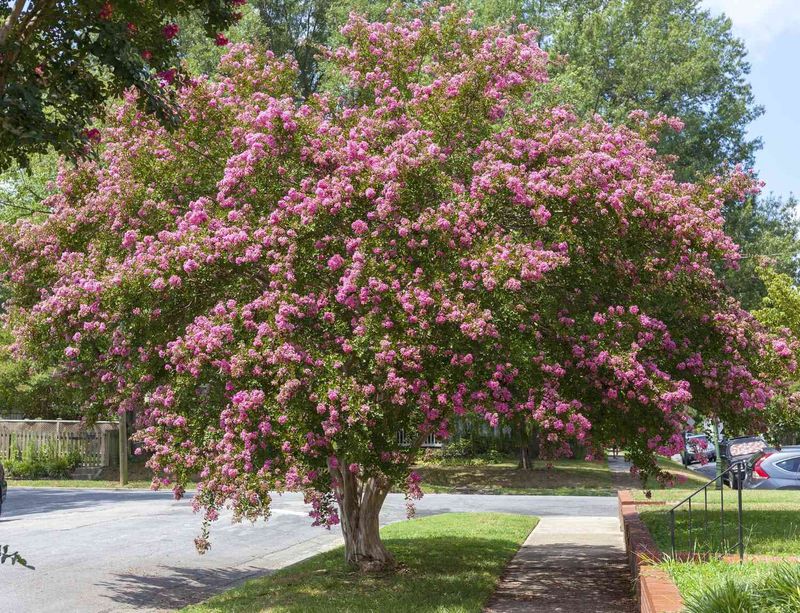
Crepe myrtles are stealing the spotlight this March and it is the perfect time to give them a light trim.
You’ll spot these beauties lining driveways, filling front yards, and brightening up gardens all over South Carolina, from Columbia to Charleston. A careful pruning now sets the stage for the entire growing season, keeping your tree healthy and boosting those big, colorful summer blooms everyone loves.
The key is to avoid over-pruning. Instead of chopping off tops or cutting back too aggressively, focus on removing dead, damaged, or crossing branches.
Open up the center of the tree so sunlight and air flow freely, which helps prevent disease and encourages strong new growth.
Light pruning in early March stimulates vigorous shoots and leads to more abundant blooms. Thanks to South Carolina’s warm climate, crepe myrtles bounce back quickly, so you’ll see results fast.
Remove no more than about one-third of the plant at a time, trimming carefully to preserve the natural shape and beauty of this iconic Southern favorite.
2. Butterfly Bush
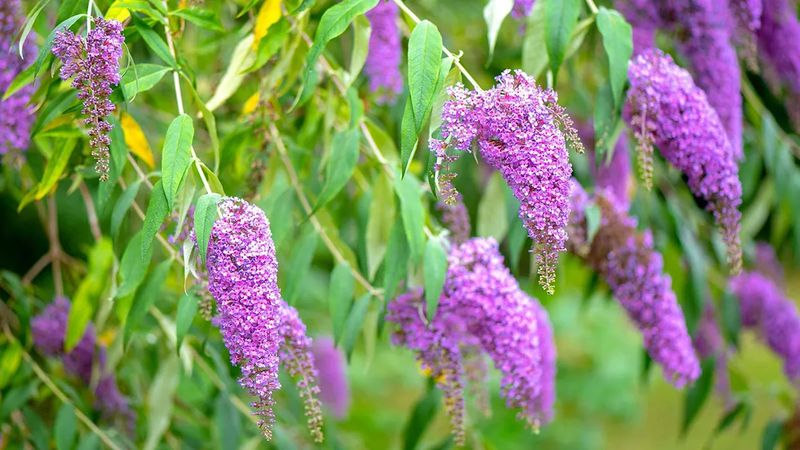
Few plants put on a show quite like the butterfly bush, and South Carolina gardeners are fortunate because March is the perfect time to cut it back hard.
This shrub blooms on new wood, which means the more aggressively you prune now, the more impressive the display will be later in the season.
By cutting the stems down to about 12 inches from the ground and leaving a few healthy buds on each branch, you set the stage for vigorous new growth. It might look drastic at first, but trust the process.
Within weeks, fresh green shoots will emerge from the base, full of energy and ready to grow.
Butterfly bushes thrive in South Carolina’s long, hot summers and attract countless pollinators, making them both beautiful and beneficial for your garden.
Pruning in March also prevents the plant from becoming too leggy or unruly, keeping it tidy and well-shaped.
A properly trimmed butterfly bush not only looks more attractive but also produces more flower spikes, ensuring a longer, more spectacular blooming season that can last from mid-summer all the way through fall.
With just a little effort in March, this shrub rewards gardeners with vibrant color and buzzing activity for months.
Your South Carolina Garden Changes Every Week. Your Plan Should Too.
Gardening in South Carolina changes quickly throughout the season. Every Friday you’ll receive a simple weekly plan showing exactly what to plant, prune, fertilize, harvest, and protect so you never miss the right timing.
3. Roses
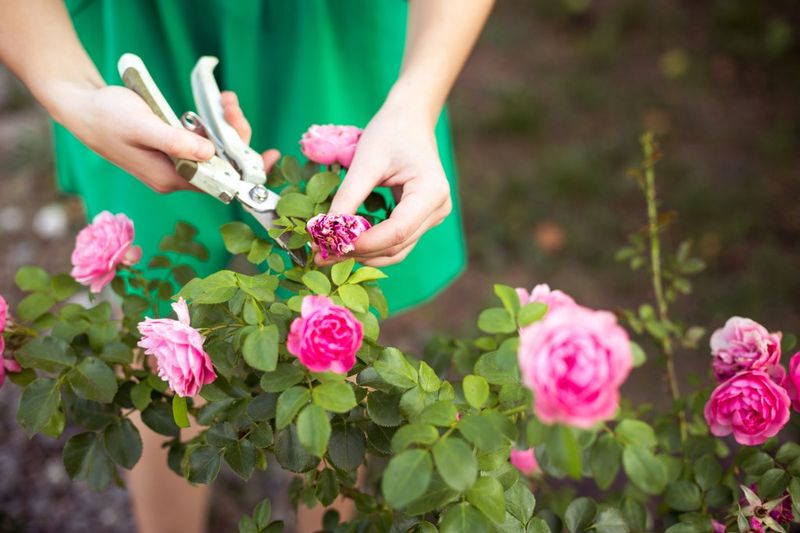
Roses and South Carolina go together like sweet tea and a hot afternoon.
March is the prime time to prune most rose varieties in the Palmetto State, right as the buds start to swell but before they fully leaf out. Timing it just right makes a huge difference in how well your roses perform.
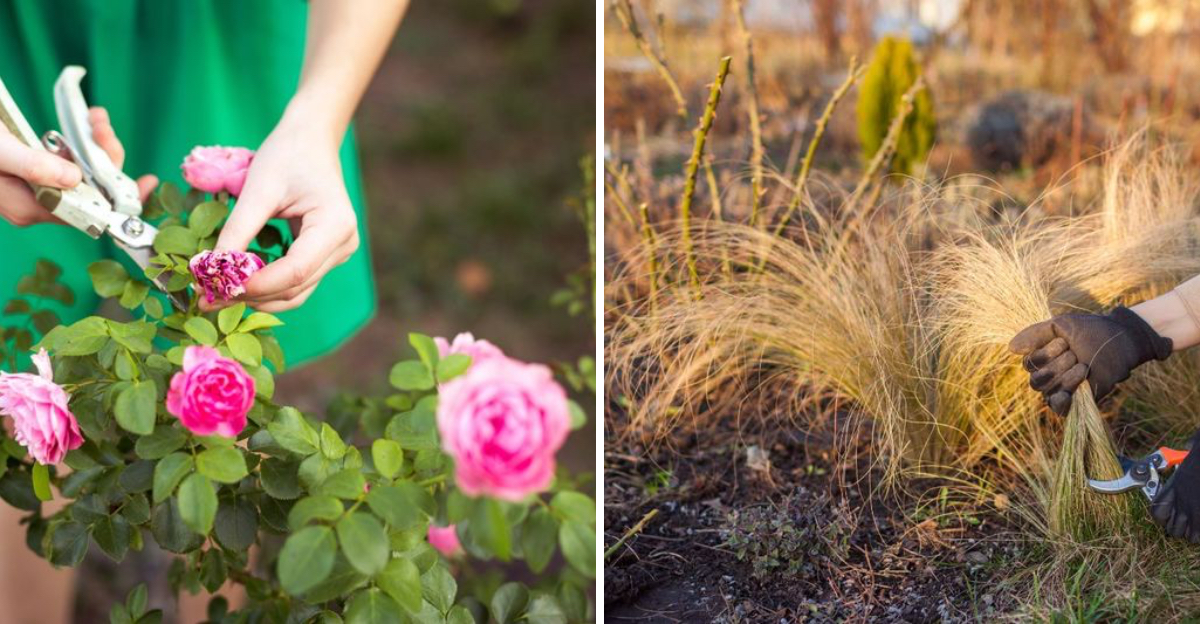
Use clean, sharp pruning shears and cut each cane at a 45-degree angle just above an outward-facing bud. Remove any canes that are crossing, damaged, or thinner than a pencil.
This helps the plant put all of its energy into the strongest, most productive stems.
Hybrid teas, floribundas, and grandifloras all respond really well to a hard March pruning in South Carolina’s climate. After cutting, clean up any fallen leaves around the base to reduce the risk of fungal issues, which can be common in the humid Lowcountry and Midlands regions.
Feed your roses with a balanced fertilizer right after pruning, and you will be rewarded with lush, fragrant blooms from late spring all the way through autumn.
4. Ornamental Grasses
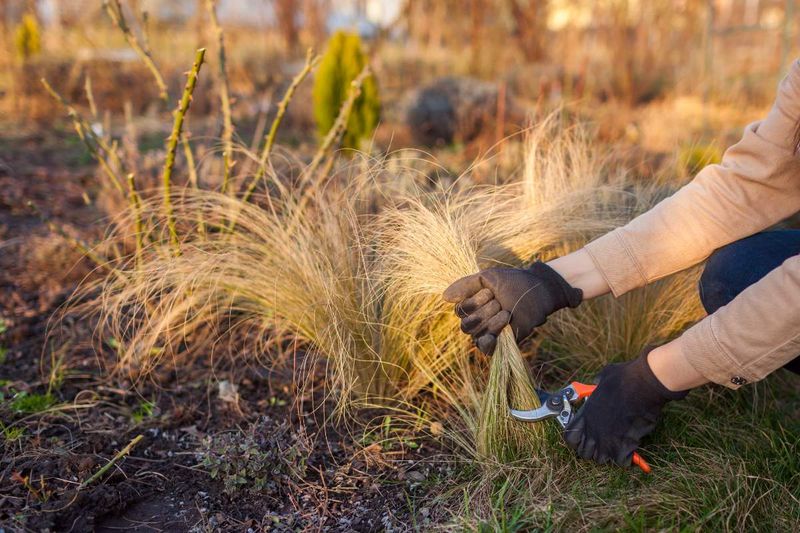
Ornamental grasses are the unsung heroes of South Carolina landscapes, providing texture and movement through every season. By late winter, though, they start looking tired, brown, and a bit ragged.
March is exactly the right moment to cut them back and make room for fresh, vibrant new growth.
For most ornamental grasses, cutting them down to about 4 to 6 inches from the ground is the sweet spot. You can use hedge shears or even an electric trimmer to make quick work of larger clumps.
Tying the grass blades together with a bungee cord before cutting keeps the cleanup much more manageable.
South Carolina gardeners growing popular varieties like muhly grass, fountain grass, and switchgrass will notice new green blades emerging within just a few weeks after cutting back. The fresh growth is lush, upright, and full of life, a huge improvement over the floppy winter look.
Skipping this step can cause the center of the clump to rot out over time, so a little March effort now pays off with a healthier, fuller plant for the rest of the growing season.
5. Liriope (Monkey Grass)
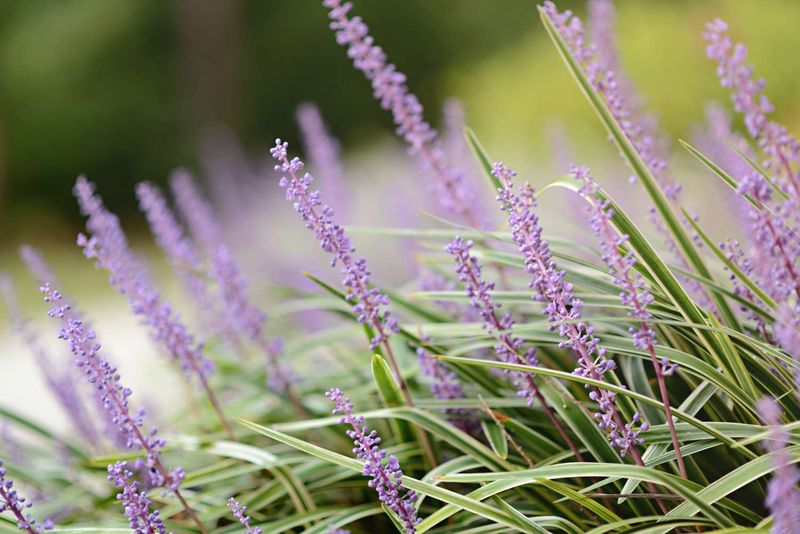
Liriope, commonly called monkey grass, edges nearly every walkway and garden bed across South Carolina. After a winter of cold nights and frost, the foliage often looks brown, tattered, and flat-out unattractive.
Pruning it back in March is one of the simplest ways to refresh your entire landscape instantly.
Set your lawn mower on its highest setting or use a string trimmer to cut the liriope down to about 3 inches. It looks almost too short at first, but give it a couple of weeks and you will see fresh, bright green blades pushing up from the center.
The transformation is honestly satisfying.
One helpful tip for South Carolina homeowners is to do this before the new growth gets too far along, because cutting into fresh green shoots can slow things down a bit. Liriope is incredibly tough and forgiving, making it a favorite for busy gardeners throughout the state.
Whether you are in Greenville, Hilton Head, or anywhere in between, this low-maintenance March task takes maybe 30 minutes and gives your yard’s borders a clean, polished look that lasts all season.
6. Knock Out Roses
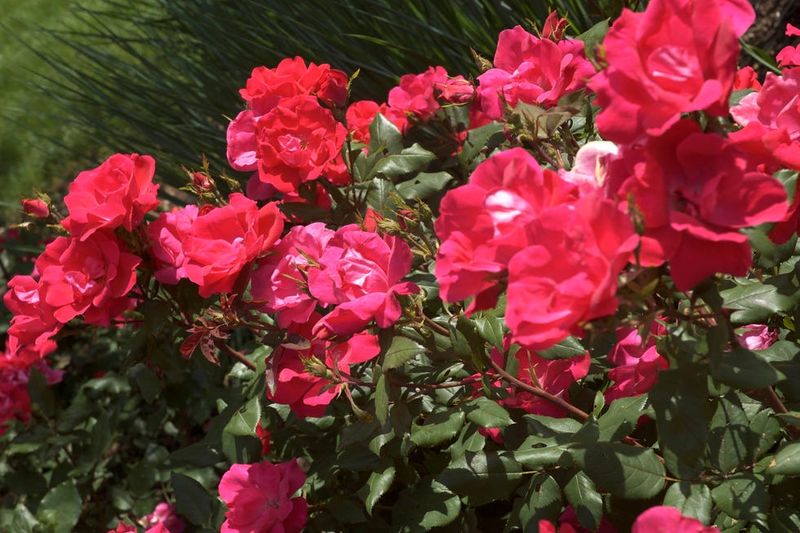
Knock out roses took the gardening world by storm, and South Carolina homeowners absolutely love them for their toughness and near-constant color. March pruning is not just recommended for these workhorses, it is practically essential for keeping them looking their best year after year.
A good trim now means a spectacular show later.
Cut knock out roses back by about one-third to one-half of their total height in early March. Shape them into a rounded mound while you prune, removing any dead wood and thin, twiggy growth from the interior.
This opens up the plant and encourages strong new canes loaded with blooms.
One of the reasons South Carolina gardeners love knock out roses is how fast they recover after pruning. Within just a few weeks, you will see an explosion of fresh red, pink, or yellow flowers depending on your variety.
They thrive in the state’s warm, sunny climate and are fairly resistant to the humidity that can challenge other rose types. Feed them after pruning with a slow-release rose fertilizer and water deeply once a week, and they will reward you with color from spring all the way through the first cool nights of fall.
7. Spring-Blooming Azaleas
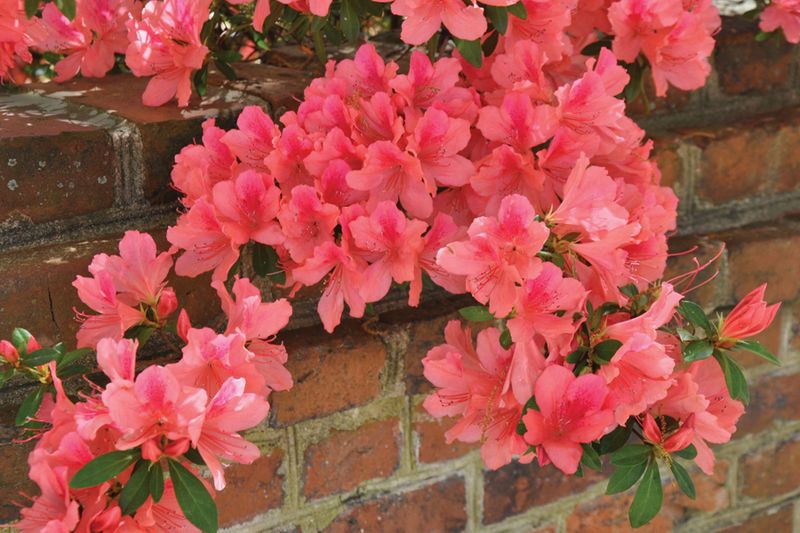
Azaleas are practically the official flower of South Carolina springtime, painting yards in brilliant shades of pink, red, white, and purple every March and April. Here is the thing though: you should absolutely not prune them this month.
Azaleas set their flower buds the previous fall, and cutting now means cutting off all those beautiful blooms before they even open.
If you prune azaleas in March, you will end up with a plain green shrub and zero flowers for the entire spring season. That is a heartbreaking outcome when your neighbors’ yards are bursting with color.
The correct time to prune azaleas is right after they finish blooming, usually in late April or early May in South Carolina.
During March, the best thing you can do for your azaleas is feed them with an acid-forming fertilizer and keep them well-watered as the blooms develop. Remove any obviously dead branches if needed, but leave the rest completely alone.
South Carolina’s azalea season is short and spectacular, especially in places like Charleston and Aiken, so protecting those buds now ensures you get the full, breathtaking display you have been waiting all winter to see.
8. Spring-Blooming Camellias
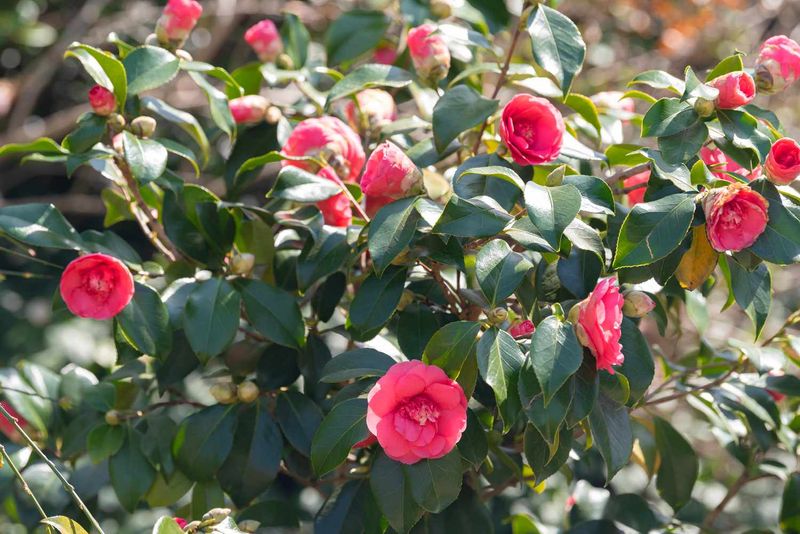
Wondering why Camellias are everywhere in South Carolina gardens?
They do particularly well in coastal regions like Beaufort and the Lowcountry, enjoying the state’s mild winter climate. Some varieties bloom as early as November, while others peak right around late February and March.
Pruning them now would be a serious mistake that costs you months of beauty.
Just like azaleas, camellias bloom on old wood, meaning the flower buds formed last season. Taking shears to them in March removes those buds entirely, leaving you with nothing but green leaves where gorgeous blooms should be.
Patience is truly your best tool when it comes to camellias.
Wait until after the last flowers have fallen, typically in late March or April depending on your variety, before picking up the pruning shears. At that point, light shaping is all you really need to keep the plant tidy and well-structured.
South Carolina’s long, warm growing season gives camellias plenty of time to recover and set new buds for next year after a post-bloom trim. In the meantime, enjoy the show and maybe even cut a few blooms to bring indoors for a stunning floral arrangement on your kitchen table.
9. Wisteria
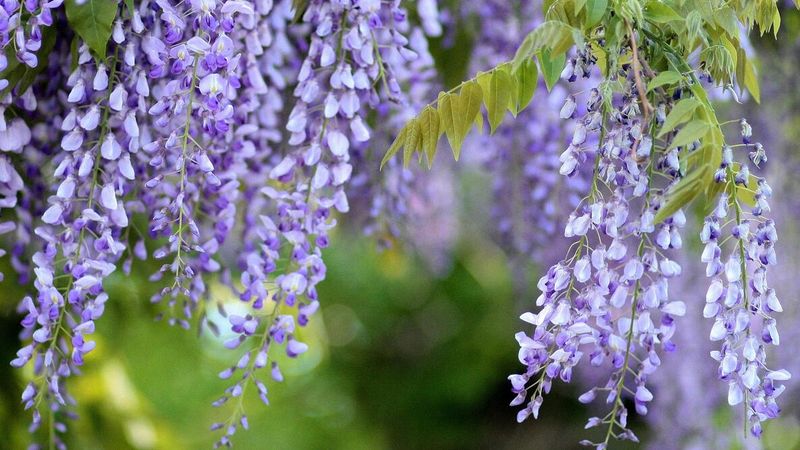
Wisteria is one of those plants that stops traffic when it blooms, and South Carolina has some absolutely stunning specimens climbing over pergolas, fences, and old oak trees. The problem is that many gardeners accidentally prune it at the wrong time and then wonder why it never flowers.
March is not the moment to reach for the clippers.
Wisteria blooms on wood that grew the previous year, so pruning in early spring removes exactly the growth you need for flowers. You end up with a vine that grows like crazy but never rewards you with those gorgeous purple or white cascades that make it so special.
It is a frustrating cycle that is easy to avoid once you know the timing.
The right approach is to do a light pruning right after blooming in late spring, then a second trim in late summer to manage the vigorous new growth. South Carolina’s heat and humidity make wisteria grow incredibly fast, so staying on schedule is important.
Skip the March pruning entirely, let the blooms open fully, and then shape the vine once the flowers have faded. Your patience will be rewarded with one of the most jaw-dropping floral displays in the entire Palmetto State.
10. Spirea
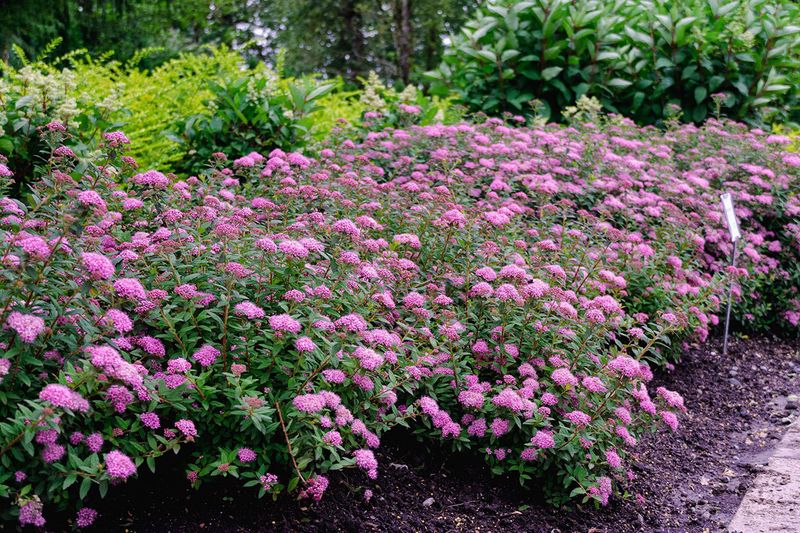
Spirea is one of those reliable workhorses in the Southern garden that often flies under the radar, yet it brings dependable blooms and low-maintenance beauty year after year.
March is the perfect time to give this shrub some attention. By cutting back the older, woodier stems close to the base, you encourage fresh new growth to take over, keeping the plant vigorous and full.
This simple step prevents the tangled, overgrown look that can sneak up by midsummer and keeps your garden looking neat and lively.
When pruning, focus on removing roughly one-third of the oldest canes. This opens up the center of the shrub, allowing sunlight and air to penetrate fully, which supports stronger growth and more abundant flowering.
Spirea responds well to this routine, bouncing back quickly in South Carolina’s warm climate. From Greenville to Myrtle Beach, local gardeners rely on this approach to keep their spirea healthy, shapely, and blooming throughout the season.
With just a little effort in March, this unassuming shrub continues to shine, proving why it’s a true favorite in Southern gardens.