The Reasons Lemongrass Is The Secret To A Bug-Resistant South Carolina Patio
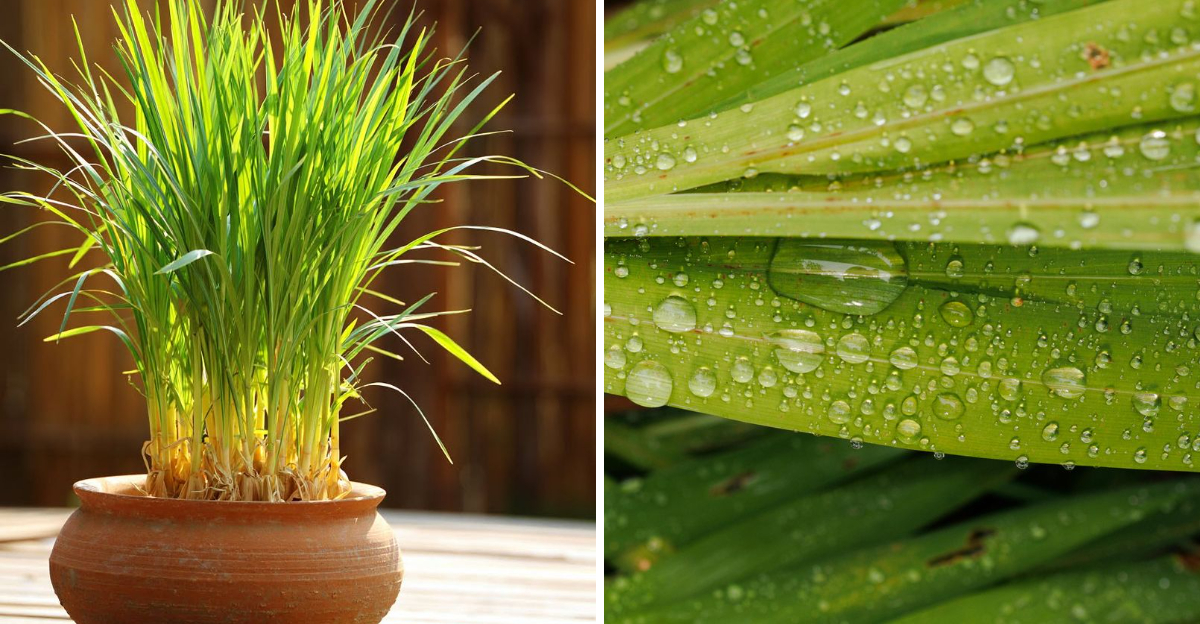
Last summer in South Carolina, I was losing a struggle I didn’t sign up for. Every evening I’d step onto my patio with a drink in hand, full of optimism, and retreat inside ten minutes later, swatting, scratching, defeated.
Citronella candles flickered uselessly. The sticky, chemical feeling bug spray left behind never quite sat right with me.
Then a neighbor pointed to a tall, feathery clump of grass growing along her fence and said, “Try that.” I was skeptical. A plant?
Against South Carolina mosquitoes in July? One season later, I’m sitting outside past sunset without a single bite.
This fragrant, fast-growing tropical grass is packed with the same natural oil found in every bug-repelling product on the market. It thrives in the very heat and humidity that makes Southern summers unbearable.
The bugs want nothing to do with it. The summer just makes it grow taller.
1. Lemongrass Repels Mosquitoes Naturally
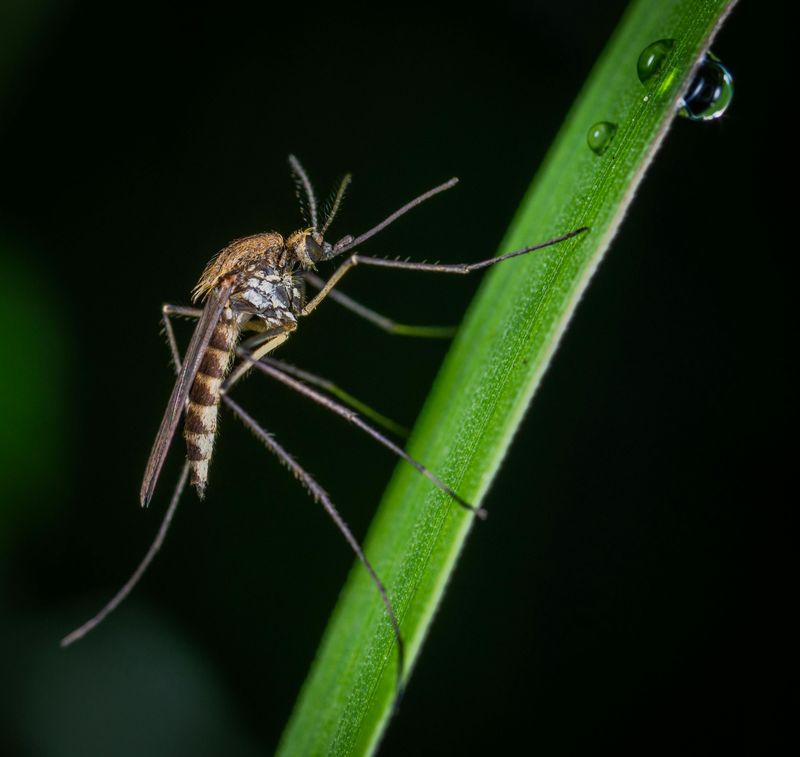
Mosquitoes have met their match.
Lemongrass contains natural citronella oil, the same compound used in those yellow candles and sprays people reach for every summer.
The difference is that lemongrass releases this oil continuously through its leaves, especially when brushed or touched.
South Carolina sits in one of the most mosquito-heavy regions in the country.
The warm, wet summers create ideal breeding conditions, and anyone who has tried to enjoy an evening outside knows the frustration.
Placing lemongrass around seating areas may help add scent and mild deterrence. It works best alongside removing standing water, using fans, and applying approved repellents when mosquitoes are heavy.
You do not need to spray anything or light anything.
The plant just does its thing.
Citronella is one of the most widely used natural insect repellents in the world, and lemongrass delivers it straight from the source, no candle or spray required.
I started with three large pots of lemongrass on my patio corners.
Within two weeks, the difference was noticeable.
Friends who visited stopped asking where the bug spray was.
Lemongrass is not a force field, but it shifts the odds heavily in your favor, and that makes every outdoor evening in South Carolina feel a lot more enjoyable.
2. It Thrives In South Carolina’s Climate
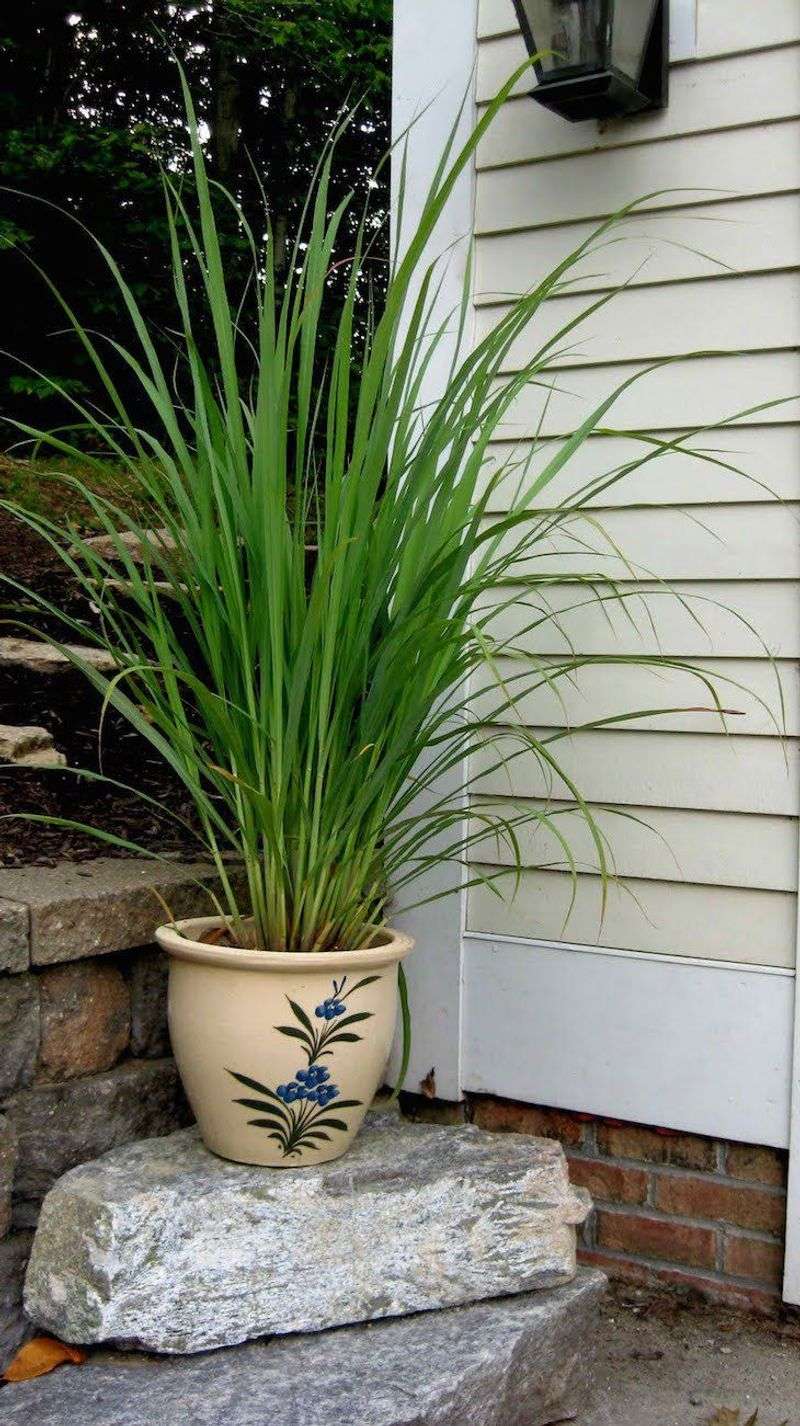
South Carolina basically rolls out the red carpet for lemongrass.This plant originates from tropical Southeast Asia, and it craves exactly what the Palmetto State delivers: heat, humidity, and long sunny days.
Most plants struggle here in July and August, but lemongrass genuinely thrives.
USDA Hardiness Zones 8 through 11 cover most of South Carolina, and lemongrass is rated for zones 9 through 11 as a perennial.In the warmer coastal areas like Charleston and Beaufort, it may come back year after year.
In the Upstate, you might treat it as an annual or bring pots indoors during the coldest months.
The plant handles South Carolina’s occasional heavy rains without complaint.It does not rot easily and recovers quickly after storms.
As long as it has well-draining soil and full sun, it will keep pushing out new growth all season long.
Your South Carolina Garden Changes Every Week. Your Plan Should Too.
Gardening in South Carolina changes quickly throughout the season. Every Friday you’ll receive a simple weekly plan showing exactly what to plant, prune, fertilize, harvest, and protect so you never miss the right timing.
I planted mine in May and by late June, the stalks had nearly doubled in height.Lemongrass does not just survive the South Carolina summer, it seems to enjoy it.
If you have struggled with delicate herbs that wilt in the heat, switching to lemongrass feels like a genuine relief.It is built for this climate.
3. It Creates A Natural Privacy Screen
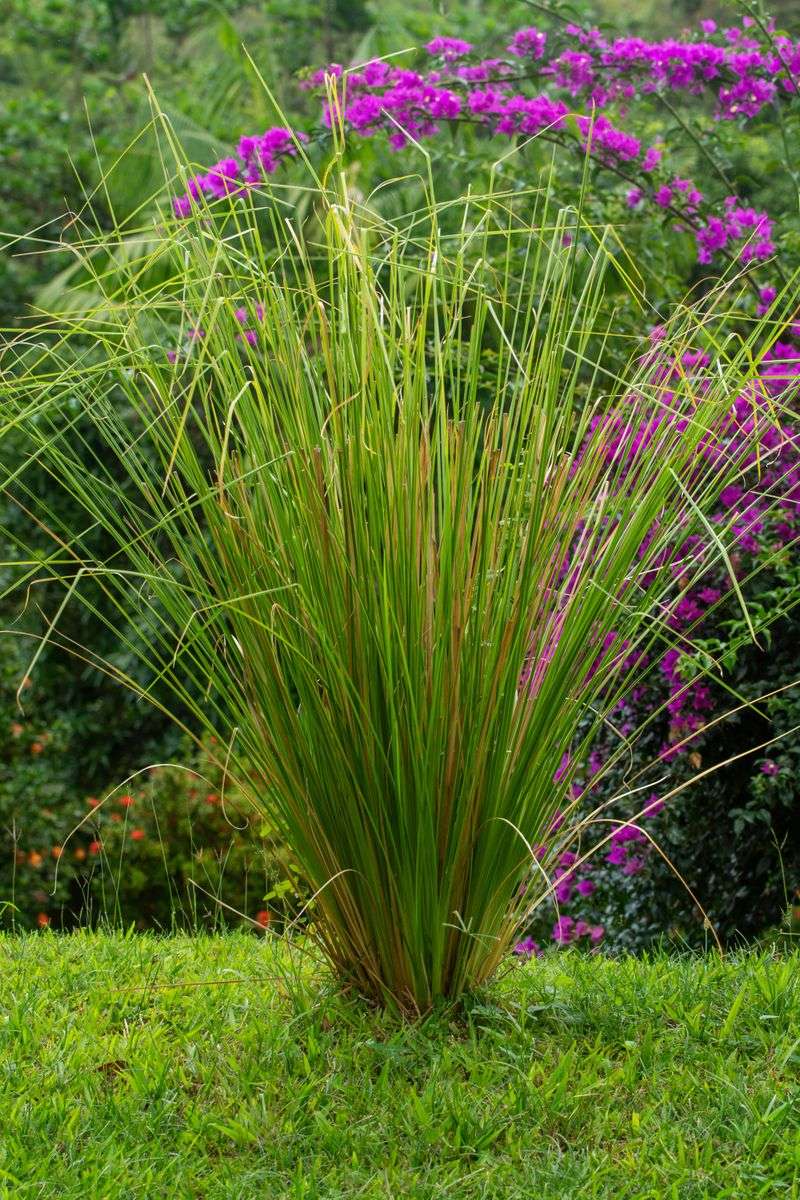
Not every neighbor situation calls for a fence.Sometimes a living wall of lush, swaying grass is a much better solution, and lemongrass delivers exactly that.
When planted in a row or grouped in large containers, it can grow four to six feet tall, forming a soft, fragrant screen that blocks sightlines without looking harsh.
On a South Carolina patio, this kind of natural privacy can transform the space.Instead of staring at a wooden fence or a neighbor’s yard, you get a wall of green that moves gently in the breeze and smells faintly of citrus.
It softens the entire feel of the outdoor area.
Lemongrass grows in dense clumps, so it fills in quickly without leaving gaps.You can plant it directly in the ground along the patio edge or line up large pots for a movable option.
Either way, the effect is surprisingly substantial by midsummer.
I used a row of lemongrass to block the view from a busy street-facing side of my patio.Within one growing season, it had filled in beautifully.
Guests often comment on how private the space feels now.It looks intentional and designed, not like a quick fix.
Lemongrass earns its place as both a functional and visual element in any outdoor setup.
4. It Repels Flies, Gnats, And Ticks
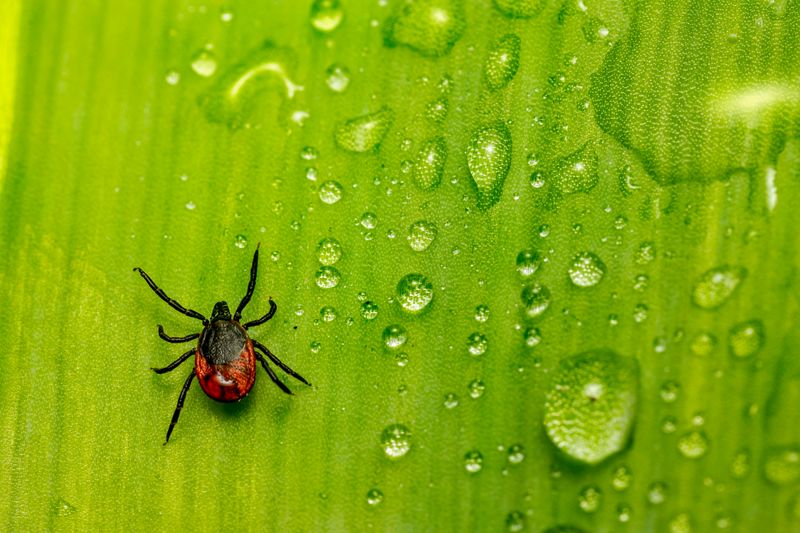
Mosquitoes get most of the attention, but lemongrass has a much broader reach when it comes to deterring pests.
Flies, gnats, and ticks are equally unwelcome on a South Carolina patio, and all three have a strong dislike for the citronella compounds found in lemongrass.
Gnats are especially frustrating in humid, warm conditions, which describes most of South Carolina from April through October.Having lemongrass nearby disrupts their behavior and keeps them from congregating around seating areas.
Flies react similarly, tending to avoid areas where the scent is present.
Ticks are a more serious concern.South Carolina has a high tick population, and the risk of tick-borne illness is real.
While lemongrass is not a substitute for tick checks after outdoor activities, its natural oils are known to repel ticks, and having it around the edges of your patio adds a useful layer of protection.
Crushing a fresh lemongrass leaf and rubbing it on your skin before sitting outside gives an extra boost.The scent is pleasant to people but confusing and off-putting to insects.
Using lemongrass as part of a layered approach to pest management, rather than relying on a single product, tends to produce the best results for South Carolina outdoor living.
5. Low-Maintenance Once Established
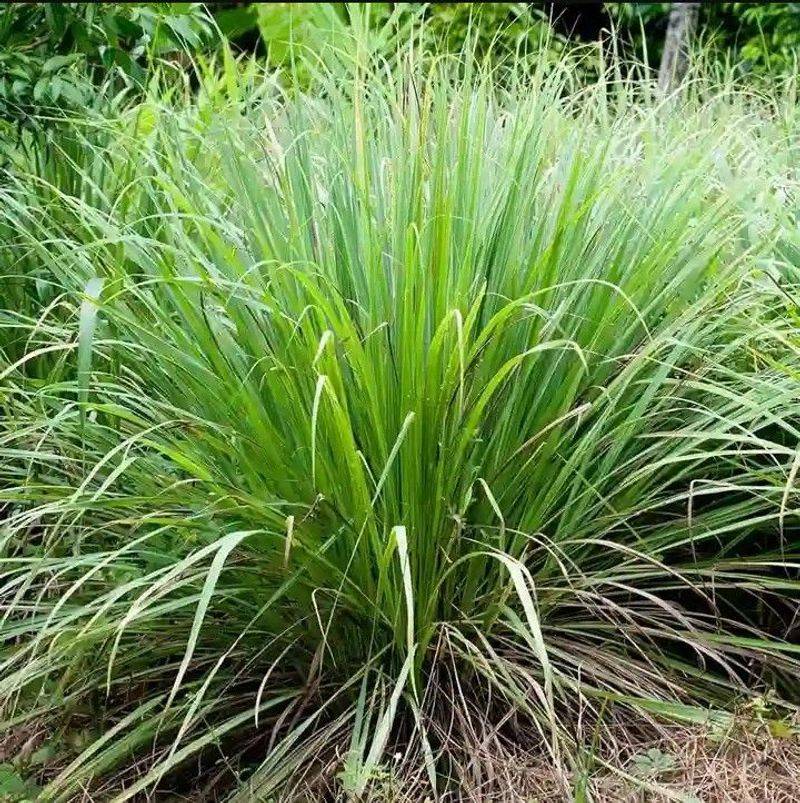
Gardening should not feel like a second job.One of the most appealing things about lemongrass is how little attention it needs once it settles in.
After the first few weeks of regular watering to help it establish roots, lemongrass largely takes care of itself through the South Carolina growing season.
You do not need to fertilize it constantly or fuss over it after every rainstorm.A light trim in early spring to remove old growth is about as demanding as it gets.
The plant does not require staking, deadheading, or any of the high-maintenance routines that come with many flowering plants.
Pests rarely bother lemongrass itself, which is a satisfying irony given that it spends its whole life repelling them.
The plant is resistant to most common garden diseases and does not attract aphids or other nuisance insects the way some herbs do.
I have left my lemongrass for weeks at a time during busy stretches without any visible decline.It bounced back from a dry spell without drama.
For anyone who wants a productive, attractive plant without a complicated care schedule, lemongrass is a genuinely easy choice.South Carolina’s climate does most of the work for you, which makes the whole setup feel almost effortless.
6. No Chemicals Needed
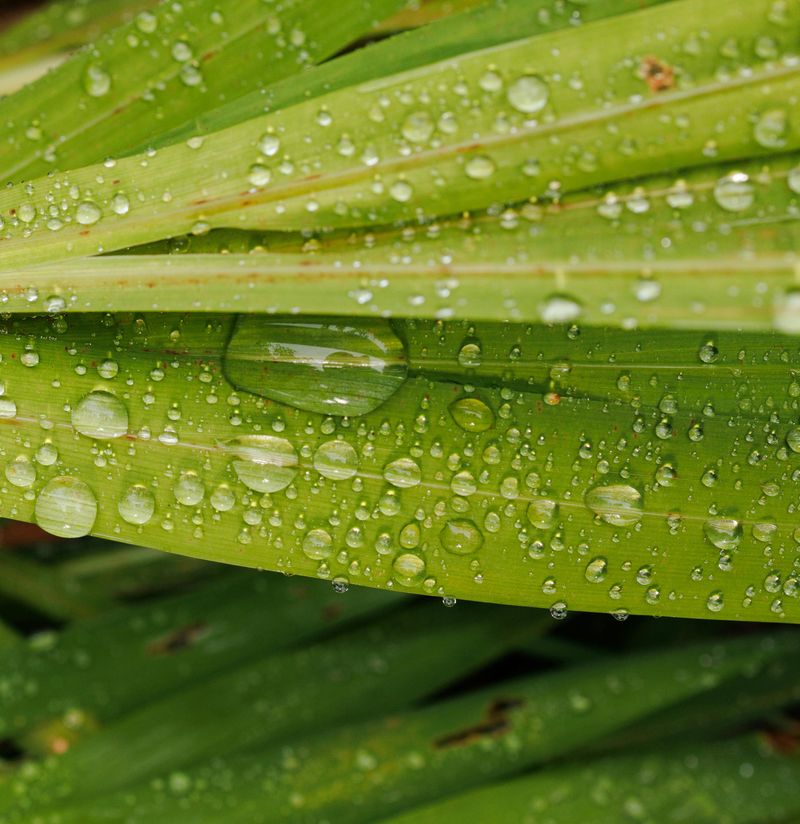
Image Credit: © Ellie Burgin / Pexels
Spraying chemicals around the patio is something many families want to avoid, especially with kids and pets using the space.
Lemongrass offers a plant-based way to support insect management, though it should not replace proven mosquito protection during heavy mosquito season.
The plant produces its own natural repellent, and you do not need to add anything to make it work.
Commercial insect sprays often contain DEET or permethrin, which are effective but come with concerns about skin exposure and environmental impact.
Lemongrass sidesteps all of that.
You get real pest deterrence from a living plant that also happens to look and smell great on your patio.
South Carolina families who grow vegetables or herbs nearby particularly appreciate this.
There is no risk of chemical drift or residue on edible plants.
Lemongrass fits naturally into an organic garden setup and supports a healthier outdoor environment overall.
One important note for pet owners: lemongrass is listed by the ASPCA as toxic to cats and dogs if ingested. If your pets share the patio space, keep plants in raised containers or areas they cannot access.
It is also worth knowing that lemongrass can inhibit the growth of nearby plants through its root secretions and leaf litter. Keep it a comfortable distance from edible herbs or vegetables growing in adjacent containers or beds.
The shift away from sprays was one of the first things I noticed after planting lemongrass.
I stopped reaching for the bug spray can before every outdoor meal.
Guests with sensitivities to chemical sprays were noticeably more comfortable.
Lemongrass makes the patio feel cleaner and more welcoming without any compromise on pest control.
It is one of those rare solutions that genuinely works without a list of warnings on the label.
7. It Is Edible And Useful
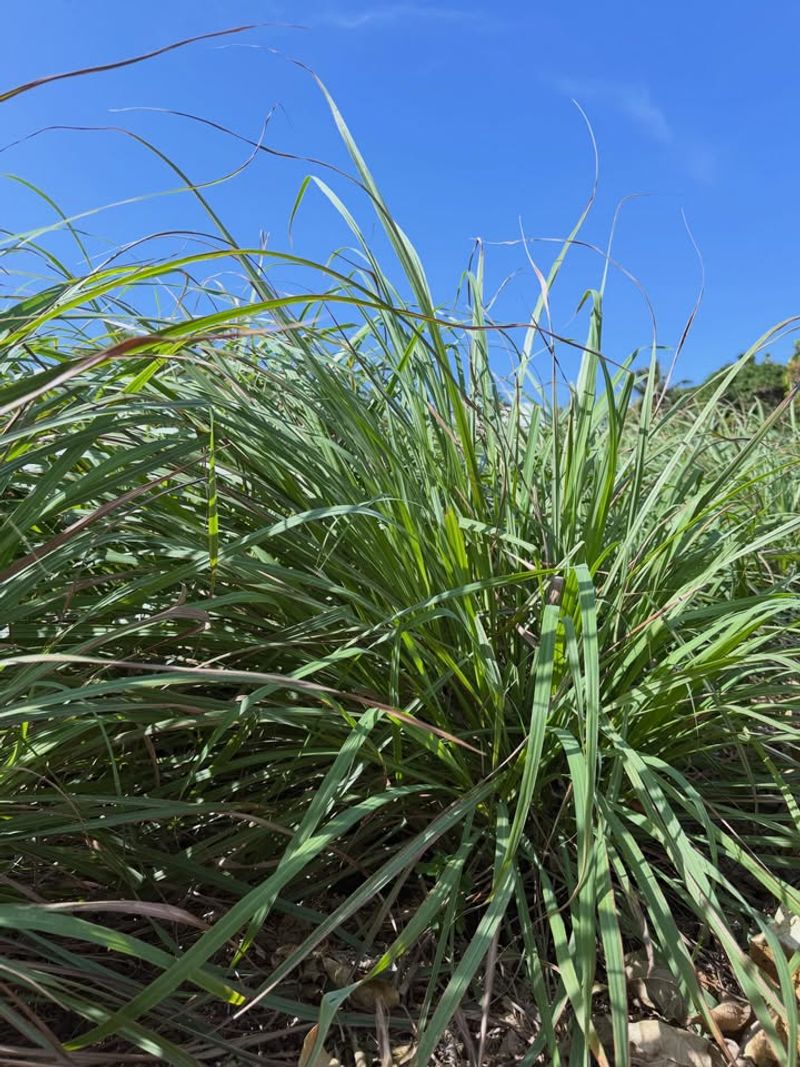
Most pest-repelling plants stop at looking good and doing their job.Lemongrass goes a step further by being genuinely useful in the kitchen.
The stalks are a staple ingredient in Thai, Vietnamese, and Indonesian cooking, and they add a bright, citrusy flavor that is hard to replicate with anything else.
Growing lemongrass on your South Carolina patio means you have a fresh supply within arm’s reach.Just cut a stalk at the base, peel off the outer layers, and use the tender inner portion in soups, curries, stir-fries, or marinades.
The flavor is subtle but distinctive, somewhere between lemon and ginger.
Lemongrass tea is equally worth trying.Simmer a few sliced stalks in water for about ten minutes, add honey, and you have a calming, aromatic drink that is popular across Southeast Asia for its digestive and soothing properties.
It is a genuinely enjoyable way to use what the plant produces.
Having an edible plant on the patio adds a layer of practicality that most ornamental plants lack.I have brought lemongrass inside during dinner prep more times than I can count.
It connects the outdoor space to the kitchen in a satisfying way.Few plants earn their spot as completely as lemongrass does when you realize it feeds you too.
8. Fast-Growing Lemongrass Fills Your Patio Space
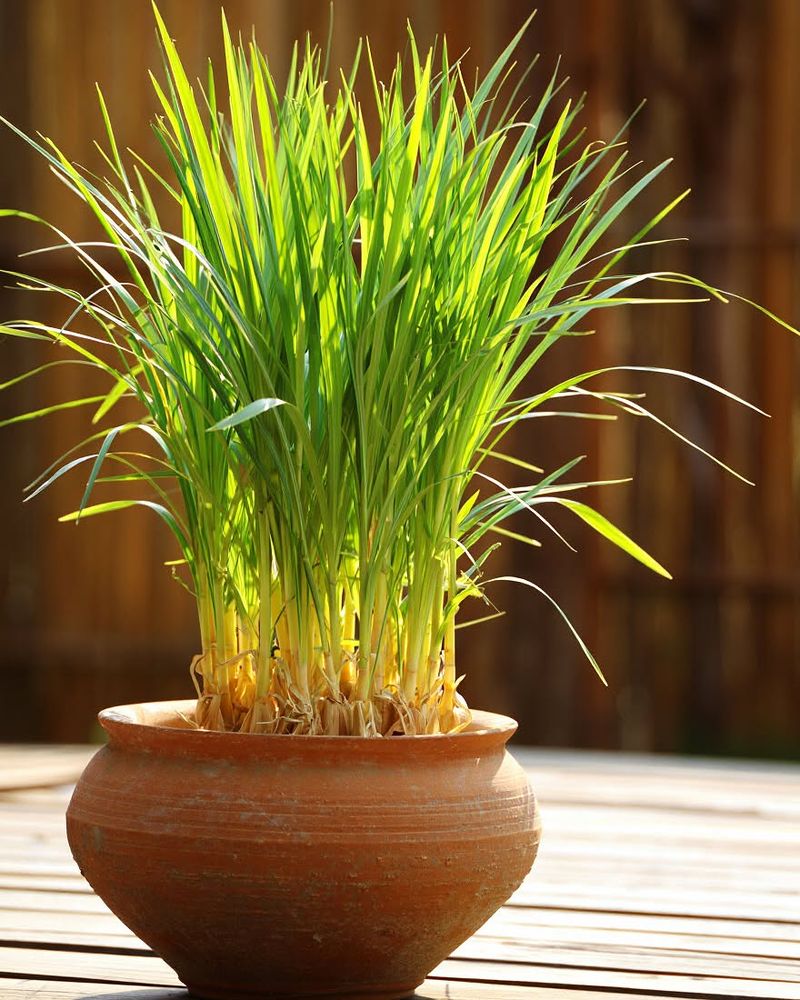
Patience is not always a virtue when you are trying to enjoy your patio right now.Lemongrass respects that urgency.
Under good conditions, it can grow two to three feet in its first season, and in South Carolina’s heat, growth can be even more dramatic once the plant gets going.
Most gardeners who plant lemongrass in spring are surprised by how quickly it fills in.By midsummer, what started as a modest clump can become a substantial, eye-catching feature.
This makes it one of the best options for people who want results within a single growing season rather than waiting years for a plant to mature.
The fast growth also means you can divide the clumps and spread lemongrass to other parts of the yard or give starts to neighbors.Each division takes root quickly and begins growing with minimal fuss.
It multiplies generously, which is a nice bonus for a plant that already does so much.
When I first planted lemongrass, I underestimated how much space it would eventually need.By August, it had outgrown its original pot and was ready for a larger container.
That kind of visible progress is genuinely motivating for a home gardener.Fast-growing plants make South Carolina patios feel lush and alive much sooner than slower alternatives ever could.
9. Drought-Tolerant Lemongrass Handles The Heat
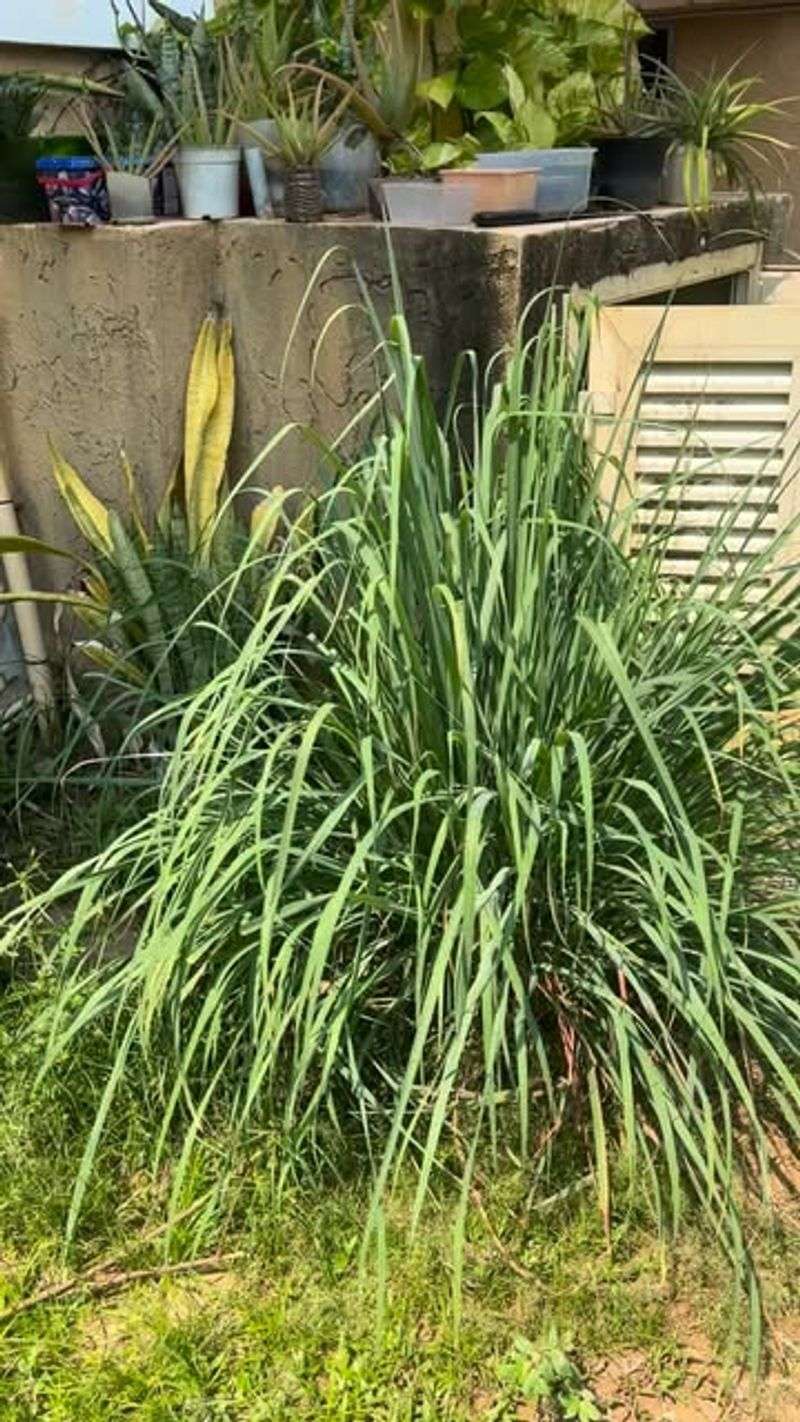
South Carolina summers can swing between heavy rain and dry stretches that last for weeks.
Not every plant handles that kind of variability well, but lemongrass is surprisingly resilient when water gets scarce.
Once established, it can go longer between waterings than most patio plants without showing much stress.
The deep root system that lemongrass develops over its first season allows it to pull moisture from lower in the soil when the surface dries out.
This makes it a practical choice for gardeners who travel, forget to water, or simply want a plant that does not demand daily attention.
Compared to tropical-looking alternatives like elephant ears or cannas, lemongrass holds up better when rainfall is inconsistent.
It may slow its growth slightly during a dry stretch, but it bounces back quickly once rain returns.
The leaves might tip slightly brown at the ends, but the plant itself stays strong.
One summer I went two weeks without watering my patio lemongrass during a dry August in South Carolina.
The plant looked a little tired but recovered within days of a good rain.
For a plant that works so hard at keeping bugs away, the fact that it also handles drought without complaint makes it an even smarter investment for any South Carolina outdoor space.
10. A Practical, Multi-Purpose Patio Plant
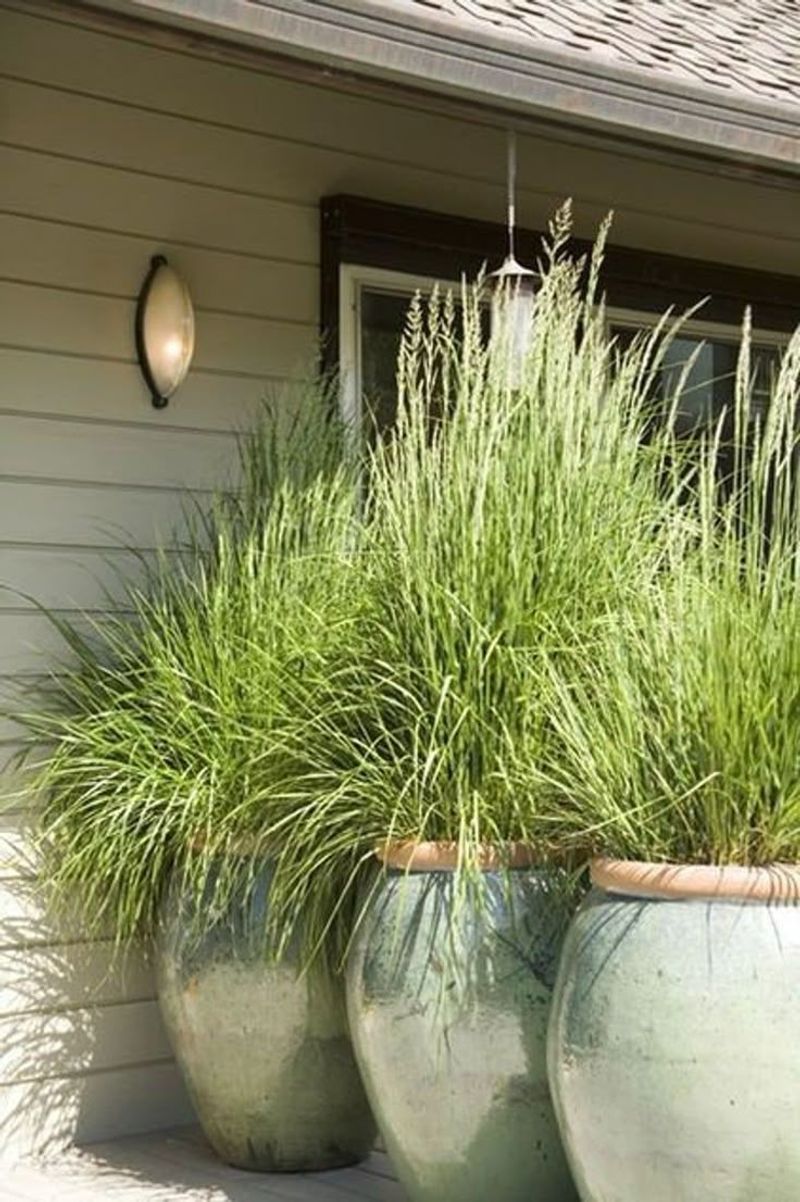
Lemongrass earns its place outdoors in a way few plants can. Most plants do one thing well.
Lemongrass does several. It helps reduce insect pressure, creates natural privacy, and survives the kind of summer heat that finishes off more delicate plants.
It also finds its way into a pot of soup or a mug of tea before the season is over.
It does not promise a completely pest-free space. No plant does.
But it consistently tips conditions in your favor. Naturally, without sprays, and without much effort on your part.
You plant it, water it through the first few weeks, and then let South Carolina’s climate do the rest.
What makes lemongrass worth growing is that every benefit builds on the one before it. The same plant that keeps gnats away from your dinner also blocks the neighbor’s sightline.
It weathers a two-week dry spell without complaint. It ends up in your kitchen on a Friday night.
That kind of overlap is rare. Most patio additions solve one problem and create another.
Lemongrass just quietly handles its corner of the yard.
For anyone who has spent summers feeling like the patio is never quite usable, this is a satisfying place to start.