The Best Scented Flowers That Thrive In Texas Heat
Texas heat is no excuse for sacrificing fragrance in your garden. While many flowers struggle under the scorching sun, there are a number of scented varieties that not only survive but thrive in the Texas climate.
The secret lies in choosing the right flowers. Those that can handle the heat and still fill your yard with delightful aromas.
From jasmine to lavender, these heat-loving flowers are not only tough but also incredibly fragrant. Imagine stepping outside to the sweet scent of blooming flowers even on the hottest days of summer.
These blooms can stand up to the intense sun while releasing their lovely fragrance, making your garden both beautiful and aromatic.
Whether you’re looking to attract pollinators, create a relaxing backyard oasis, or simply enjoy the refreshing scents of nature, there are plenty of options to transform your Texas garden into a fragrant haven, all without worrying about the heat.
1. Texas Sage
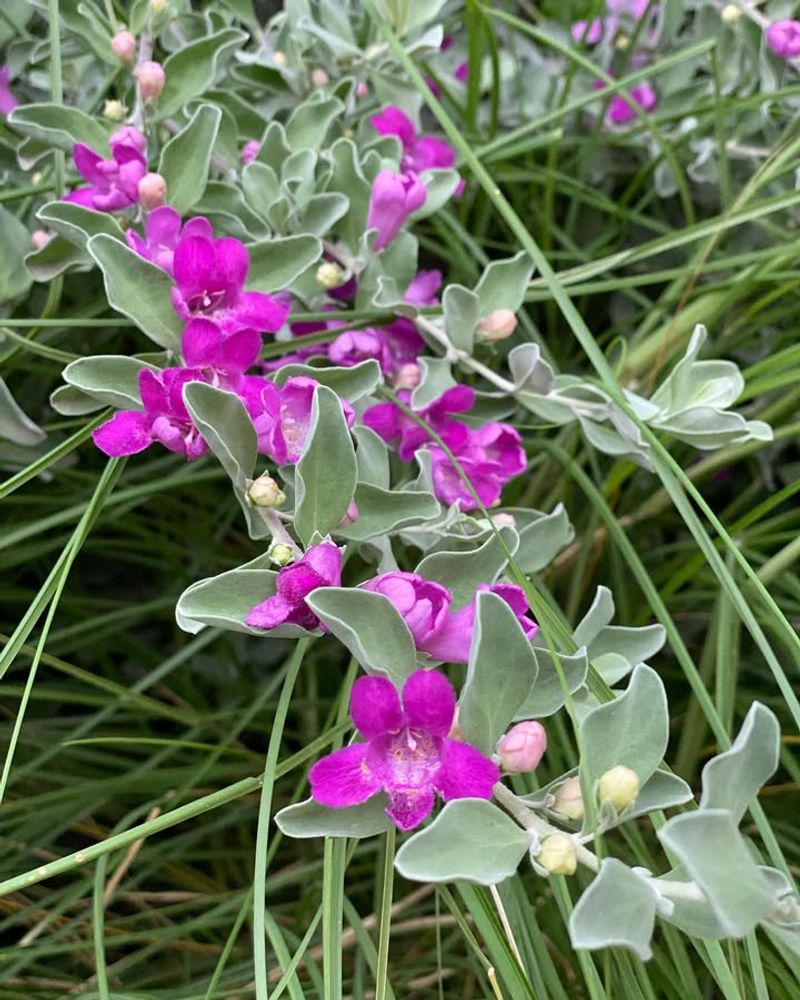
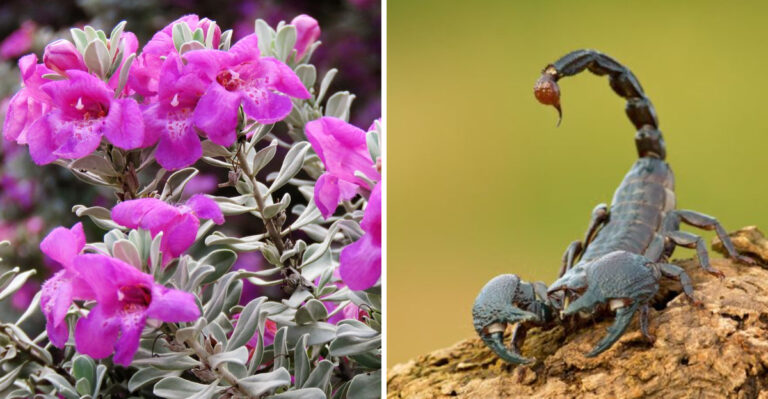
Walk past a blooming Texas Sage on a warm summer day, and you will stop in your tracks. The soft purple flowers and silvery-green leaves create a stunning contrast that looks almost magical under the Texas sun.
Locals sometimes call it the “barometer bush” because it tends to bloom right before or after a good rain.
Texas Sage is one of the toughest plants you can grow in the Lone Star State. It thrives in full sun and poor, rocky soil, making it a dream plant for dry Texas landscapes.
Once it gets established, it barely needs any extra water. That is a huge win during a brutal Texas summer.
The flowers carry a light, sweet fragrance that attracts butterflies and bees. Planting a row of Texas Sage along a fence or driveway creates a natural, flowering hedge that smells wonderful.
It grows slowly but steadily, reaching about three to six feet tall. Minimal pruning is needed, and it rarely has pest problems.
If you want a low-maintenance, fragrant shrub that truly belongs in Texas, this native beauty should be at the top of your list.
2. Desert Willow
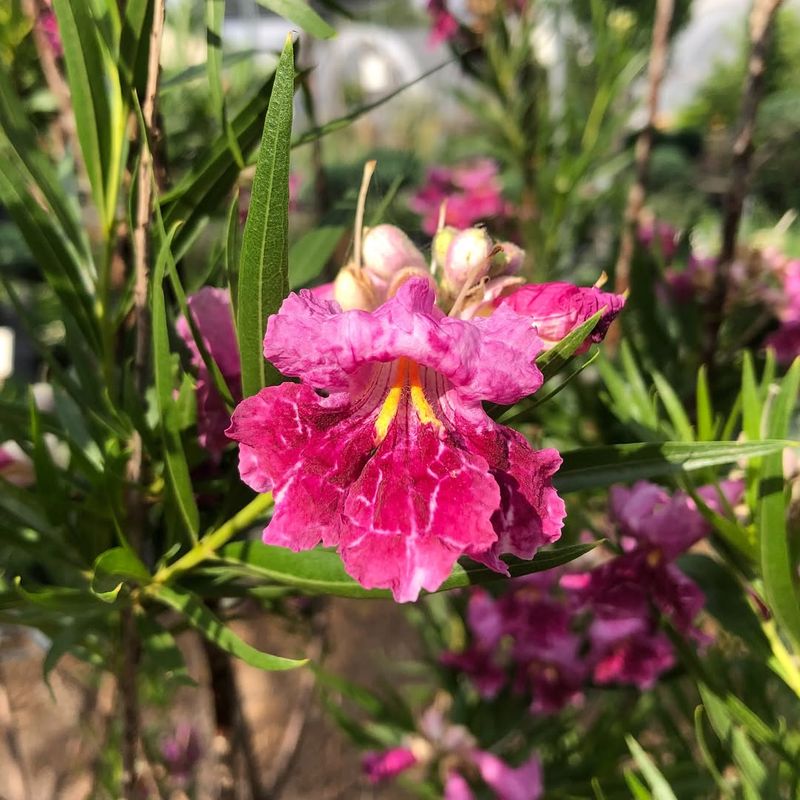
Picture a tall, graceful shrub covered in trumpet-shaped flowers that smell faintly sweet and look like they belong in a tropical garden. That is the Desert Willow for you.
Despite its name, it is not actually related to willow trees. It is a Texas native that blooms from late spring all the way through fall, giving your garden months of color and fragrance.
Hummingbirds absolutely love this plant. The long, tubular flowers are perfectly shaped for hummingbird beaks, making your yard a favorite pit stop for these tiny, energetic birds.
Bees and butterflies visit too, so your garden stays buzzing with life all season long. The flowers range from soft pink to deep purple, sometimes with a beautiful striped pattern inside.
Desert Willow can grow up to 25 feet tall in the right conditions, so it works well as a shade tree or a large garden focal point. It loves full sun and drains well in sandy or rocky Texas soil.
Your Texas Garden Changes Every Week. Your Plan Should Too.
Gardening in Texas changes quickly throughout the season. Every Friday you’ll receive a simple weekly plan showing exactly what to plant, prune, fertilize, harvest, and protect so you never miss the right timing.
Water it occasionally during its first year, and after that, it is incredibly self-sufficient. Few plants reward Texas gardeners with this much beauty and fragrance for so little effort.
3. Jasmine
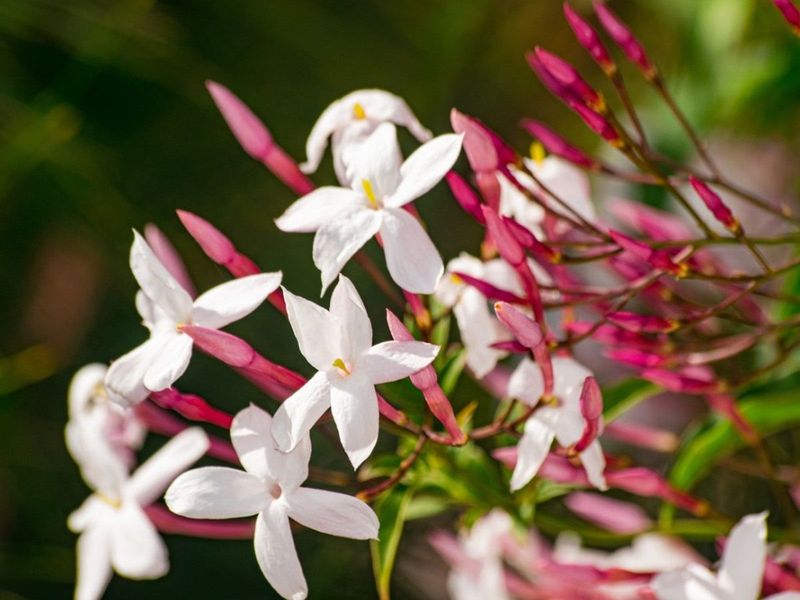
Few scents in the plant world are as instantly recognizable as jasmine. That sweet, rich perfume can drift across an entire yard on a warm Texas evening, making it one of the most beloved fragrant plants in the state.
Star Jasmine and Confederate Jasmine are two popular varieties that handle Texas heat surprisingly well, especially when planted in a spot with good airflow.
Jasmine vines are climbers by nature. Give them a trellis, a fence, or a pergola, and they will happily wind their way upward while producing clusters of small white flowers.
The blooms appear mostly in spring but can pop up throughout the warmer months too. The fragrance is strongest in the evening, making jasmine a perfect choice near a patio or outdoor seating area.
Planting jasmine in Texas is straightforward. It prefers full to partial sun and well-drained soil.
During the hottest stretches of a Texas summer, a little extra water goes a long way. Mulching around the base helps keep roots cool and moisture locked in.
Once established, jasmine grows quickly and fills in beautifully. Trim it back occasionally to keep the shape tidy and encourage fresh, fragrant new growth each season.
4. Lantana
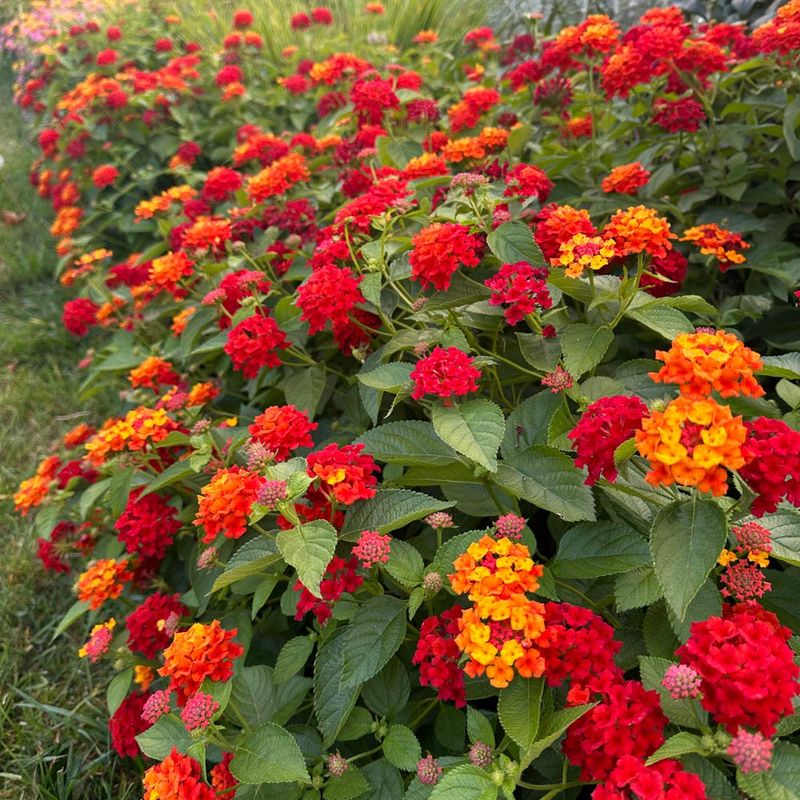
Lantana is basically the overachiever of the Texas garden world. It blooms from spring all the way through the first frost, produces clusters of tiny colorful flowers, attracts butterflies by the dozens, and handles the brutal Texas heat without flinching.
It even has a unique, slightly spicy fragrance that many gardeners find surprisingly pleasant.
The flowers come in a rainbow of colors including orange, yellow, pink, red, and white, often mixing several shades in one cluster. That multicolor look makes it a standout in any garden bed or container planting.
Butterflies, especially monarchs, are drawn to lantana like a magnet. If you want your Texas yard to feel alive and full of movement, this plant delivers.
Lantana is drought-tolerant once established, which makes it perfectly suited for hot, dry Texas summers. Plant it in full sun for the best bloom production.
It can get a bit leggy over time, but a quick trim encourages fresh, bushy growth and even more flowers. It works beautifully as a ground cover, a border plant, or spilling out of a hanging basket.
Fun fact: lantana is so tough that it is considered invasive in some areas, so check local guidelines before planting.
5. Mexican Honeysuckle
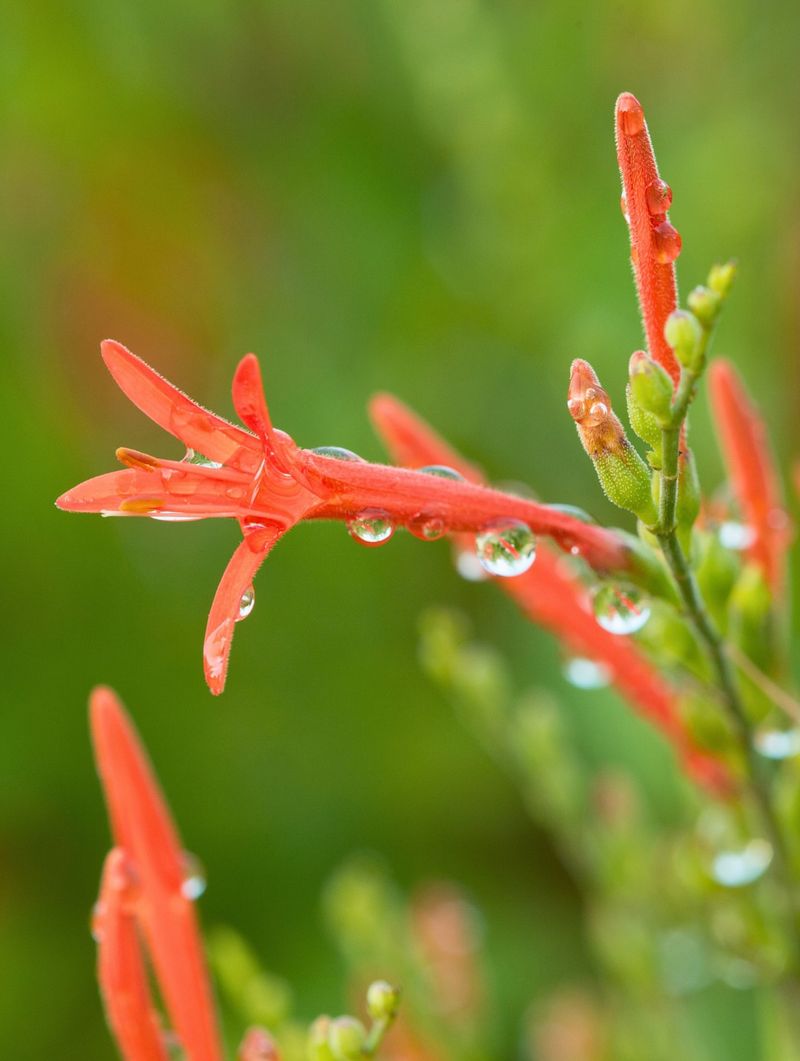
There is something almost cheerful about Mexican Honeysuckle. Those bright orange-red tubular flowers practically glow in the Texas sunshine, and the light citrus-like scent they carry makes the whole plant feel fresh and energetic.
It is a plant that looks like it is having a great time, even in the middle of a scorching Texas summer.
Hummingbirds are obsessed with this plant. The long, narrow flowers are perfectly designed for them, and once hummingbirds find it in your yard, they will return again and again.
Bees and butterflies also visit regularly. Planting Mexican Honeysuckle near a window or porch means you get a front-row seat to all that wildlife activity without leaving your home.
This tough Texas native thrives in full sun to partial shade and is extremely drought-tolerant once it gets settled in. It typically grows three to four feet tall and wide, making it a great mid-size shrub for borders or mixed garden beds.
In colder parts of Texas, it may die back a little in winter, but it bounces back strong in spring. Very little maintenance is needed beyond occasional watering and a light trim to keep it shapely and blooming at its best.
6. Plumeria
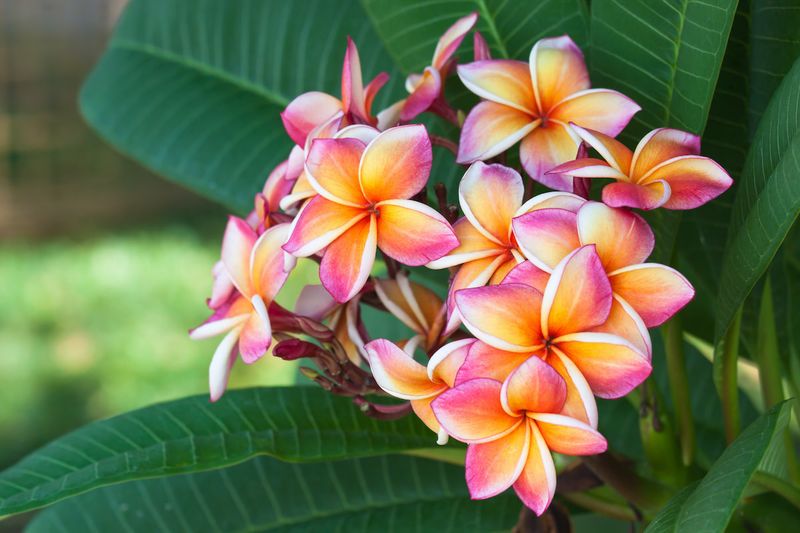
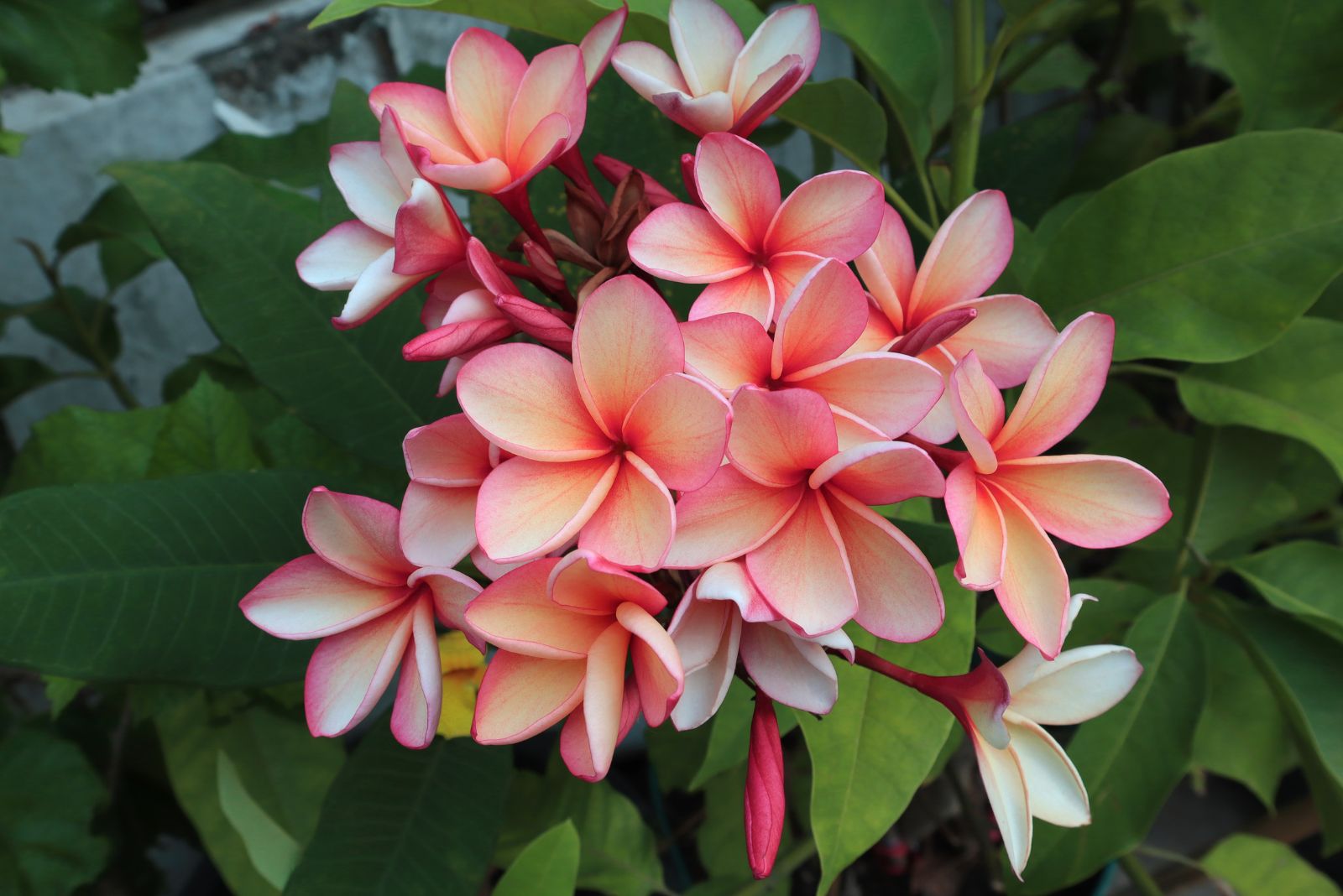
Close your eyes and smell a plumeria flower, and you might feel like you have been transported to a Hawaiian beach. That unmistakable tropical fragrance is rich, sweet, and slightly creamy, unlike anything else in the garden world.
The good news for Texas gardeners is that plumeria absolutely loves the heat, especially in the southern and coastal parts of the state.
Plumeria grows well in containers, which makes it easy to bring indoors during any rare cold snaps Texas might throw your way. The flowers come in stunning shades of white, yellow, pink, and red, often with a gradient effect that looks almost painted.
They bloom from late spring through early fall, giving you months of tropical beauty and fragrance right in your own backyard or patio.
Full sun is a must for plumeria. It also needs very well-drained soil since it does not like wet roots.
Water it regularly during the growing season but cut back significantly in fall and winter when the plant goes dormant. Fertilize with a high-phosphorus fertilizer to encourage more blooms.
Gardeners in Texas cities like Houston and San Antonio have great success growing plumeria outdoors, making it a fantastic fragrant addition to any warm-climate Texas garden.
7. Elderflower
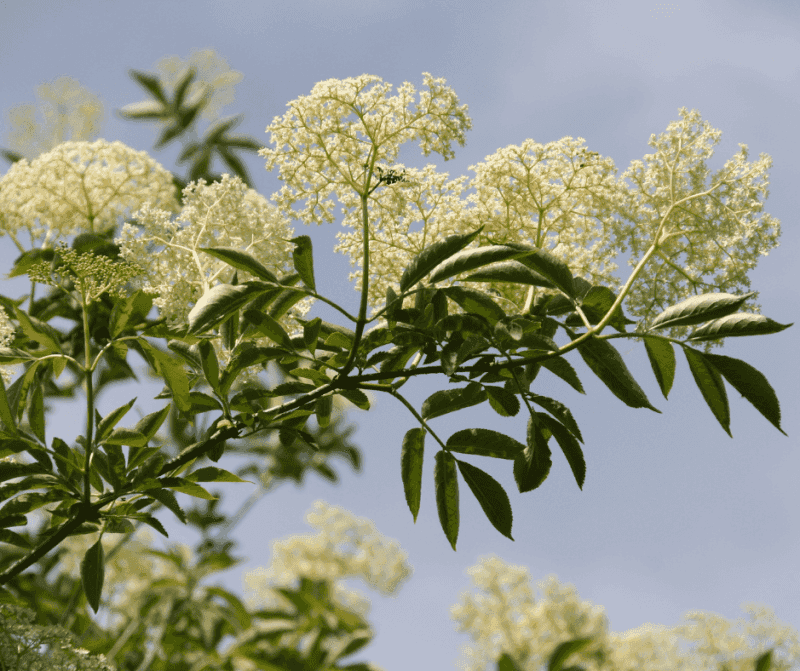
Elderflower has a soft, delicate sweetness to it that feels almost old-fashioned in the best possible way.
The large, flat clusters of tiny white blossoms appear in late spring and early summer, filling the air around them with a light floral scent that is gentle enough to enjoy up close without being overwhelming.
It is the kind of fragrance that makes you slow down and breathe deeply. Beyond its beauty and scent, elderflower has a long history of being used in cooking and home remedies. The flowers can be made into fragrant syrups, teas, and even lemonade.
Many Texas gardeners grow it near the kitchen garden for easy harvesting. The berries that follow the flowers are also useful for making jams and jellies, giving this plant a double purpose that most ornamental shrubs cannot match.
American Elderflower grows naturally across many parts of Texas, especially in areas with a little more moisture. It does well in full sun to partial shade and tolerates a range of soil types.
Regular watering during hot Texas summers helps it perform at its best. It can grow quite large, up to 12 feet tall in ideal conditions, so give it plenty of space.
Pruning after the bloom season keeps it healthy and manageable year after year.
8. Rosemary
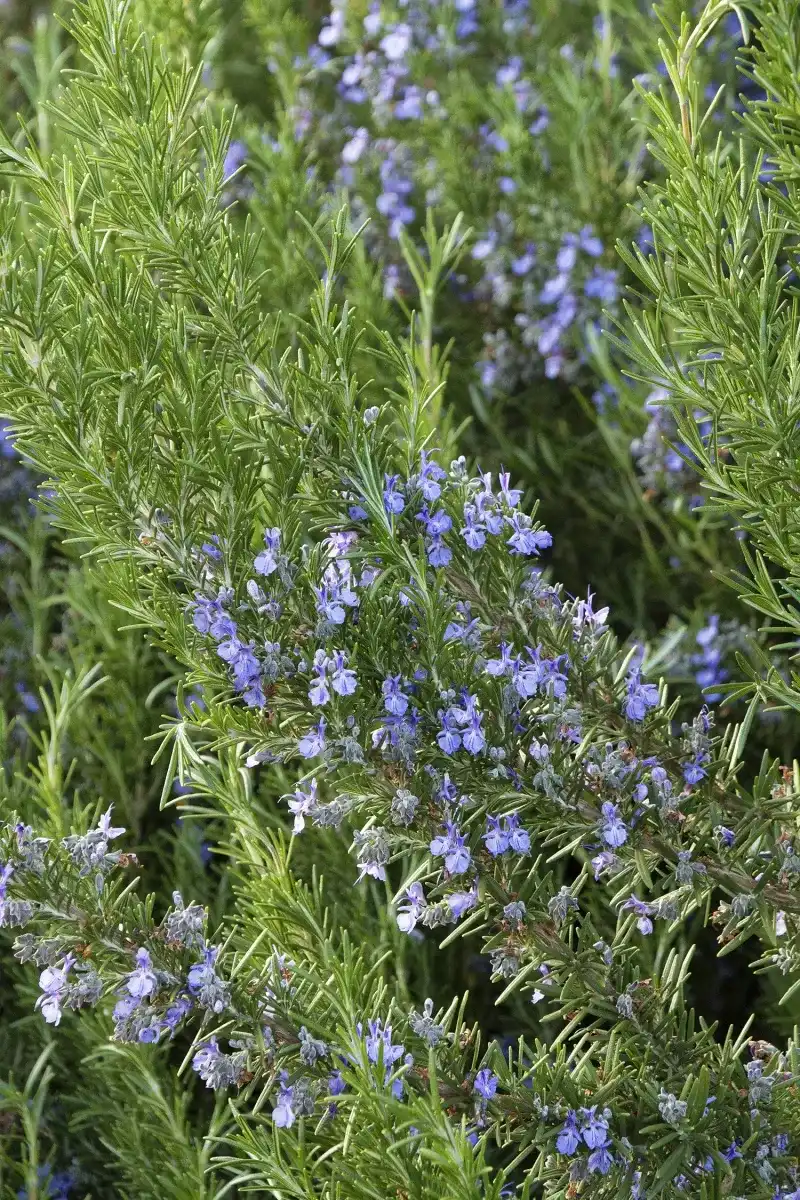
Rosemary is one of those plants that pulls double duty without breaking a sweat. In the Texas heat, this tough evergreen herb stays green, smells incredible, and even produces small blue-purple flowers that attract pollinators.
Just brushing your hand against the leaves releases that bold, piney, herbaceous fragrance that most people associate with delicious cooking.
Growing rosemary in Texas is almost effortless once you get it established. It loves full sun and dry, well-drained soil, which describes a lot of Texas landscapes perfectly.
It is one of the most drought-tolerant herbs you can grow, making it a smart choice for water-conscious gardeners. Plant it along a walkway or near your front door so you catch that amazing scent every time you walk by.
Rosemary comes in both upright and trailing varieties. Upright types grow tall and bushy, making them great for hedges or back-of-border planting.
Trailing varieties spill beautifully over retaining walls or out of containers. Both smell equally wonderful.
Beyond the garden, rosemary is endlessly useful in the kitchen for seasoning meats, breads, and roasted vegetables. Texas gardeners who grow rosemary often end up with more than they can use, which makes it a generous and rewarding plant to have around all year long.
9. Salvia
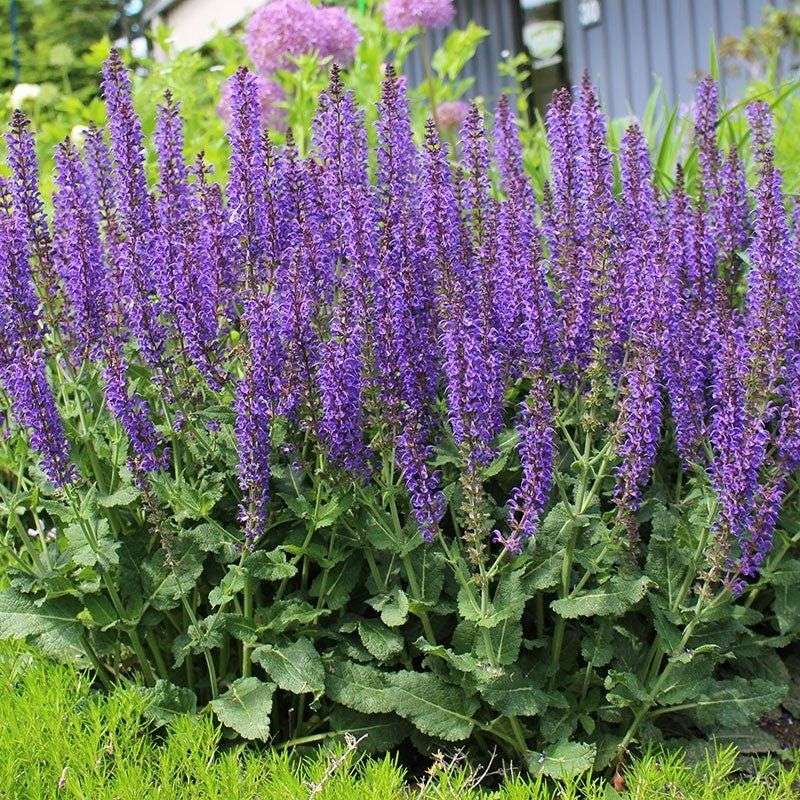
Autumn Sage, known botanically as Salvia greggii, is a Texas garden superstar that does not get nearly enough credit. This compact, cheerful shrub produces tubular flowers in shades of red, pink, coral, and purple, and it blooms almost nonstop from spring through fall.
The flowers carry a light, pleasant fragrance, and the leaves release a herbal, slightly minty scent when touched.
Hummingbirds and butterflies treat Salvia greggii like a favorite restaurant. The nectar-rich flowers keep pollinators coming back all season long, turning your Texas garden into a lively, buzzing ecosystem.
Planting several together in a mass creates an eye-catching display that looks beautiful from a distance and smells wonderful up close.
Salvia greggii is a true Texas native, so it is built to handle the heat, the drought, and the unpredictable weather that comes with gardening in the Lone Star State. It thrives in full sun and well-drained soil.
Water it occasionally during dry spells, but avoid overwatering since it prefers things on the dry side. Cutting it back by about one-third in midsummer encourages a fresh flush of blooms for fall.
Low-maintenance, fragrant, and wildly attractive to wildlife, this salvia is a must-have for any Texas garden.