These Outdoor Potted Plants Stay Colorful Through North Carolina’s Shifting Spring Temperatures
North Carolina’s early spring is full of surprises – one day temperatures swing into the 70s, and the next, a chilly wind reminds you that winter isn’t quite done.
For container gardeners, these sudden shifts can easily stress outdoor plants, but some resilient shrubs and small trees handle the ups and downs beautifully.
From the mountains to the coastal plains, certain potted plants hold their color and bloom reliably even when the weather refuses to cooperate.
Choosing the right varieties now can transform your porch or patio into a vibrant display that thrives through these shifting temperatures.
This guide highlights nine outdoor potted plants that consistently deliver visual interest, with practical tips to keep them healthy no matter what the North Carolina spring brings.
1. Boxwood Keeps Its Evergreen Charm
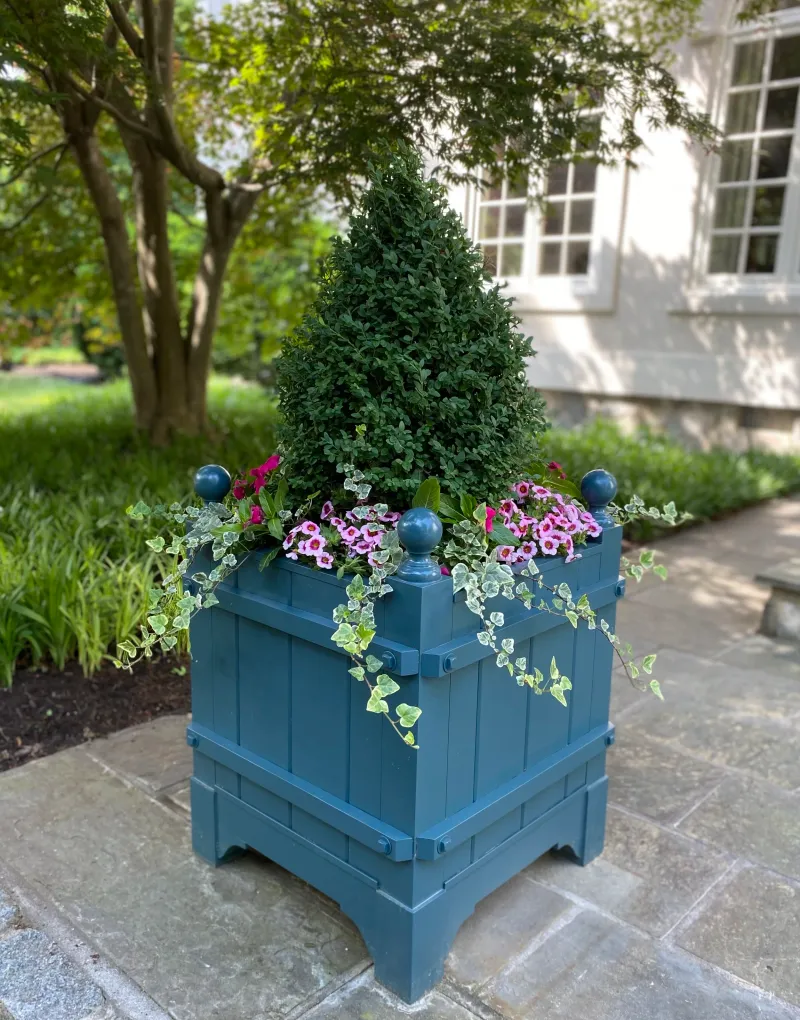
Few plants earn their spot on a North Carolina porch quite like boxwood. Known for its dense, glossy foliage and tidy growth habit, boxwood handles spring temperature swings with remarkable ease.
Whether temps bounce from the 40s to the 70s in a single week, this evergreen keeps showing up looking polished and green.
Growing boxwood in containers gives you the flexibility to move it around as needed. If a late frost threatens, simply shift the pot to a sheltered spot under an overhang or against a south-facing wall.
Use a well-draining potting mix and a container with solid drainage holes to prevent root issues during heavy spring rains.
Boxwood thrives in full sun to partial shade, which makes it adaptable across North Carolina’s mountains, Piedmont, and coastal plain regions. Water deeply but allow the top inch of soil to dry before watering again.
Spring is also a great time to give boxwood a light trim to encourage compact, fresh growth.
Fertilize with a slow-release granular fertilizer in early spring to support healthy new foliage. One thing many gardeners appreciate about potted boxwood is how it anchors a container arrangement without demanding constant attention.
Pair it with colorful annuals in surrounding pots for a classic, layered look that holds visual interest all season long.
2. Japanese Maple Adds Drama With Color
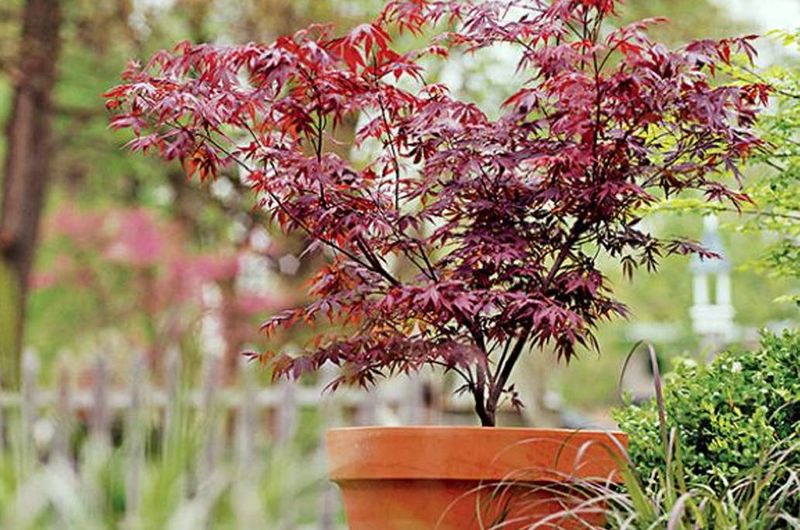
There’s something almost theatrical about a Japanese maple unfurling its delicate, lace-like leaves. The colors range from deep burgundy to soft coral, and when placed in a container on a patio or front entry, this tree instantly becomes a focal point.
North Carolina’s variable spring temperatures suit Japanese maples, but gardeners should protect foliage from harsh afternoon sun during warmer spells in the Piedmont and coastal regions to prevent leaf scorch.
Container planting allows precise control over soil quality and drainage.
Choose a large pot with drainage holes and fill it with a slightly acidic, well-aerated mix. Morning sun with afternoon shade encourages steady growth while preventing stress, and consistent watering supports healthy roots.
Fertilize lightly in mid-spring to maintain vibrant leaf color without pushing tender growth too quickly.
Pruning is minimal but can be done after the main flush of growth to maintain shape and highlight the natural branching structure.
Your North Carolina Garden Changes Every Week. Your Plan Should Too.
Gardening in North Carolina changes quickly throughout the season. Every Friday you’ll receive a simple weekly plan showing exactly what to plant, prune, fertilize, harvest, and protect so you never miss the right timing.
With proper care, this slow-growing tree becomes a long-term centerpiece that continues to impress year after year.
3. Camellias Bloom When Temperatures Fluctuate
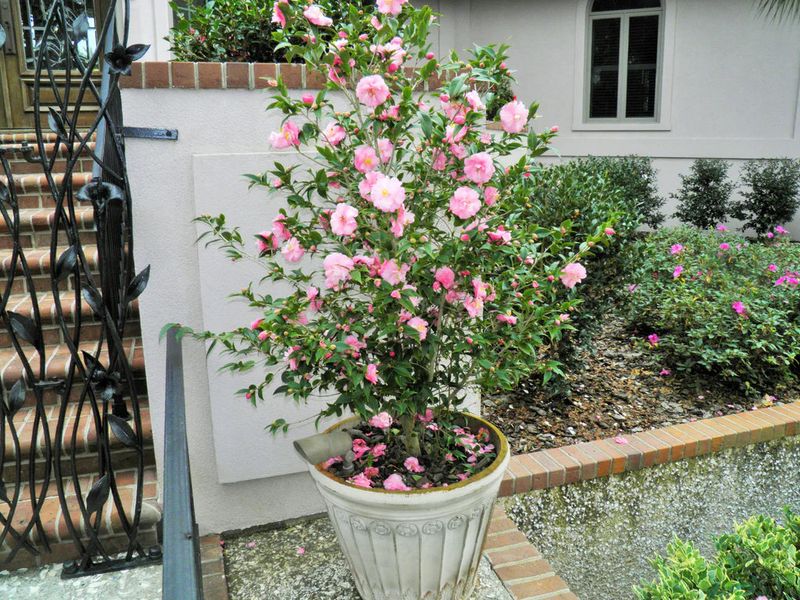
Camellias have a quiet kind of confidence. While other plants hesitate at the first sign of a temperature dip, camellias push out their waxy, rose-like blooms with total calm.
Spring-blooming camellia varieties, such as Camellia japonica, are especially well-suited to North Carolina’s unpredictable weather, producing flowers even when overnight temps dip into the upper 30s.
Growing camellias in containers is a smart move for gardeners who want flexibility. A large pot allows you to move the plant to a protected area if a hard freeze is forecasted, which occasionally happens in the North Carolina mountains well into April.
Use an acidic potting mix designed for azaleas and camellias, and make sure your container has good drainage to prevent root problems during wet spring weeks.
Camellias prefer dappled shade or filtered morning sun, making them excellent choices for shaded porches, covered patios, or spots beneath tall trees. Avoid placing them in full afternoon sun, which can scorch buds and leaves during warm spring spells.
Consistent watering is key – let the top inch of soil dry slightly between waterings, but never let the roots completely dry out.
Feed camellias with an acid-forming fertilizer after they finish blooming in spring. This timing encourages strong bud development for the following season.
With proper care, a potted camellia can reward you with lush blooms and handsome, glossy foliage season after season.
4. Loropetalum Brings Deep Color And Texture
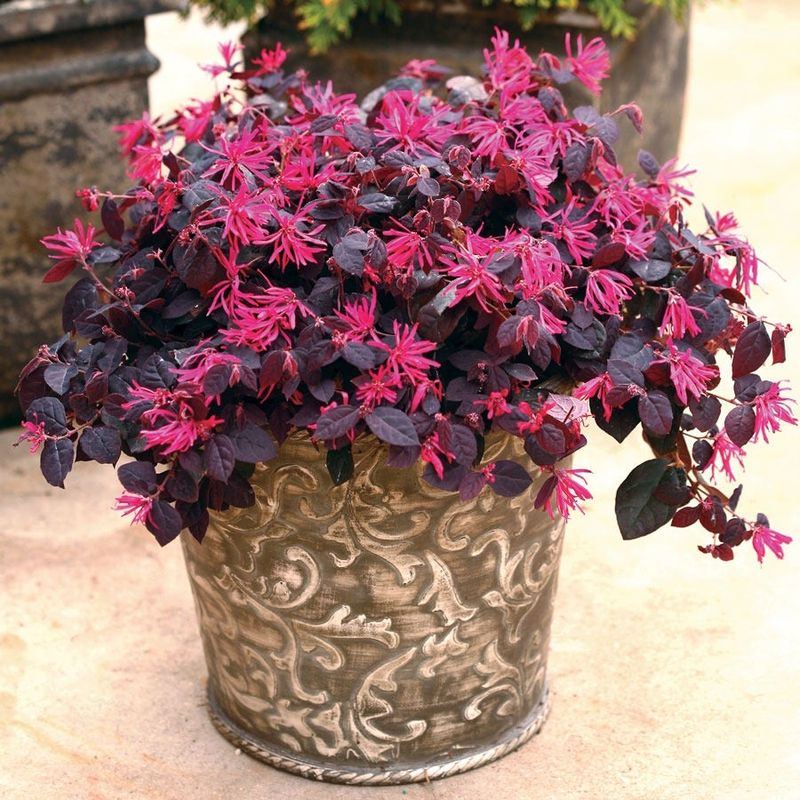
If you want a plant that turns heads without requiring constant fuss, loropetalum deserves serious consideration.
Often called Chinese fringe flower, this shrub sports deep burgundy to plum-colored foliage year-round, and in early spring it bursts into clusters of wispy, hot-pink flowers that look almost like confetti caught in the branches.
It’s genuinely one of the most eye-catching container plants available to North Carolina gardeners.
Loropetalum handles temperature fluctuations well, staying colorful even when spring weather bounces unpredictably.
It grows naturally in the southeastern United States and performs reliably across all of North Carolina’s regions – from the coast to the foothills.
Container growing suits loropetalum nicely because it gives you control over soil pH, which should lean slightly acidic for the best foliage color.
Choose a container that allows for some root spread, since loropetalum can grow vigorously. A well-draining potting mix combined with a pot that has several drainage holes prevents root issues during North Carolina’s rainy spring weeks.
Place it in full sun to partial shade – more sun generally deepens that stunning burgundy leaf color, while shade can cause it to lean greener.
Water regularly through spring and apply a slow-release fertilizer formulated for acid-loving plants in early spring. Light pruning after the spring bloom keeps the plant tidy and encourages bushy, compact growth.
Loropetalum rewards consistent care with bold color that holds strong from the first warm day straight through summer.
5. Heuchera Adds Vibrant Foliage Variety
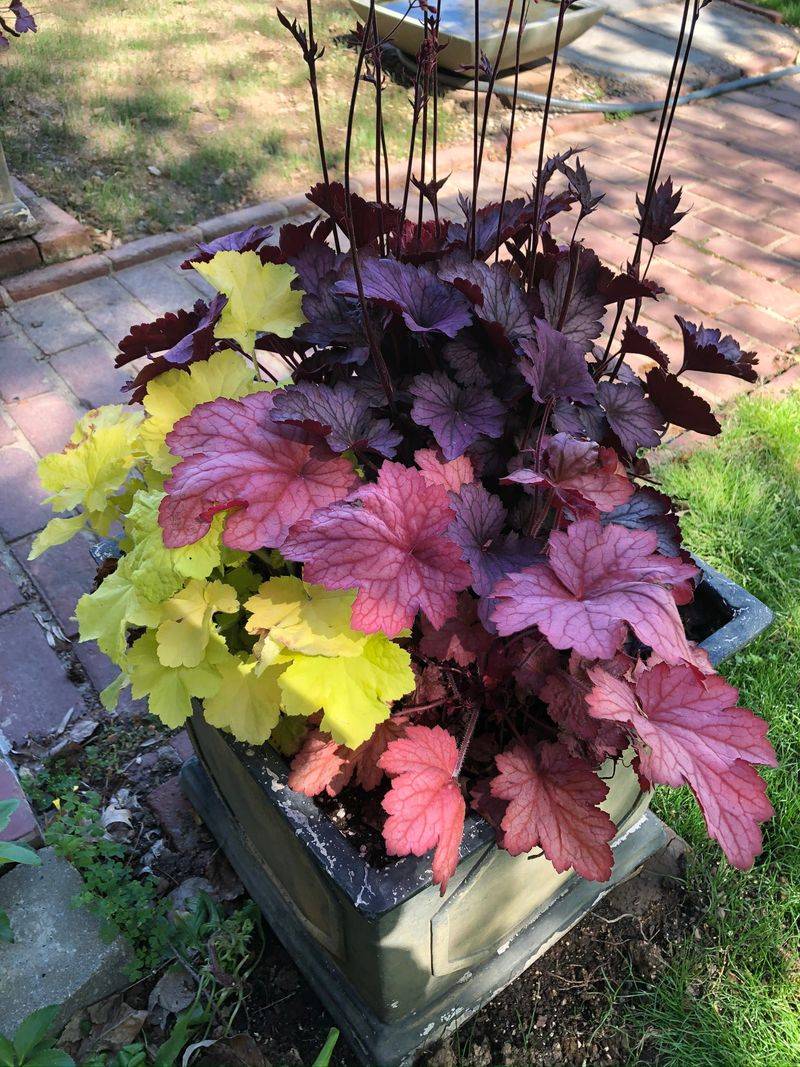
Walk through any North Carolina garden center in spring, and you’ll likely stop at the heuchera display.
Also called coral bells, these perennials come in an almost overwhelming range of foliage colors – caramel, wine red, lime green, silver, and deep purple.
What makes them especially appealing for container gardening is that the color comes from the leaves, not just the flowers, so you get visual interest even when nothing is blooming.
Heuchera handles North Carolina’s spring temperature swings with ease. It’s semi-evergreen in most parts of the state, meaning it keeps some foliage through winter and greens up quickly when spring arrives.
Container growing lets you mix and match different heuchera varieties for a layered, multicolored effect that feels designed and intentional rather than accidental.
These plants prefer partial shade to full shade, making them perfect for covered porches, shaded patios, or spots under trees where other colorful plants might struggle. In the mountains, heuchera tolerates more sun since temperatures stay cooler.
Use a well-draining potting mix and water consistently, allowing the top inch to dry between waterings to prevent root problems.
Fertilize lightly in spring with a balanced, slow-release fertilizer to encourage healthy new foliage. Heuchera rarely needs heavy pruning – just remove any tattered outer leaves in early spring to reveal the fresh growth underneath.
Pair different varieties together in a single large container for a bold, textural display that holds its color all season long.
6. Hellebores Grace Pots With Early Blooms
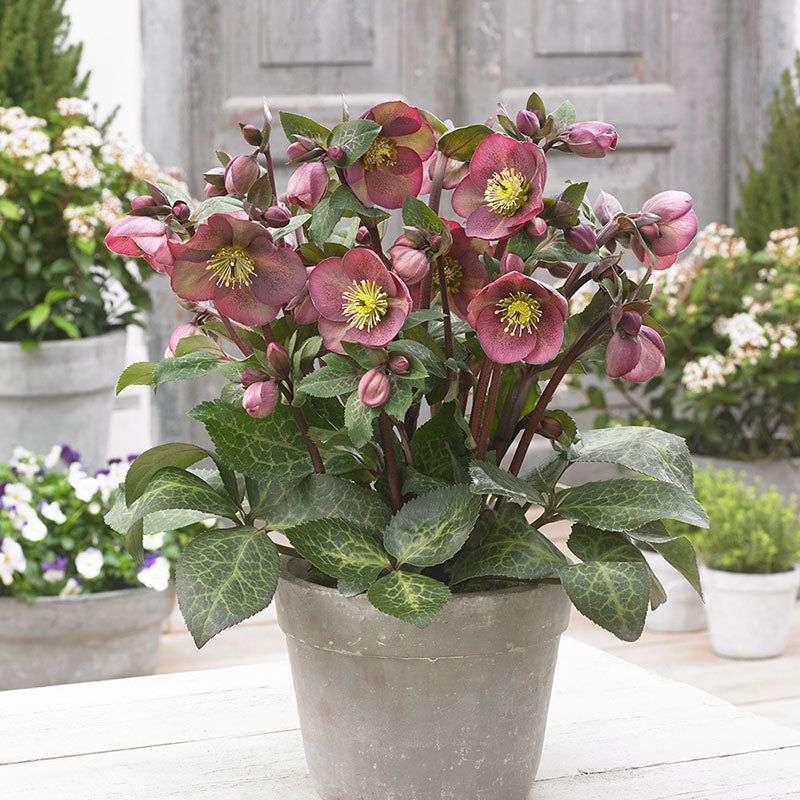
Hellebores have earned a loyal following among North Carolina gardeners, and it’s not hard to see why.
These elegant plants begin flowering in late winter and carry their blooms well into spring, often pushing out nodding blossoms in shades of blush, deep plum, creamy white, and soft green while temperatures are still unpredictable.
They’re one of the earliest container plants to reward you with color after a long winter.
Known commonly as Lenten rose, hellebores are evergreen in most of North Carolina’s climate zones. That means your container stays attractive even when the plant isn’t actively blooming.
The thick, leathery leaves hold their deep green color through cold snaps and warm spells alike, giving you a reliable backdrop for other spring plantings nearby.
Hellebores prefer shaded to partially shaded spots, so they’re excellent choices for north-facing porches or areas under tree canopies. Use a rich, well-draining potting mix that holds some moisture without becoming waterlogged.
Consistent watering through spring is important, especially during dry warm spells that can occur between rain events in the Piedmont and coastal regions.
Fertilize once in early spring with a balanced slow-release formula to support strong bloom development. Avoid removing old flower stems too quickly, as the seed heads that follow the blooms add their own subtle visual interest.
Hellebores are low-maintenance plants that ask for very little while delivering a quiet, graceful beauty that feels truly special in any container arrangement.
7. Dwarf Conifers Stay Bold In Containers
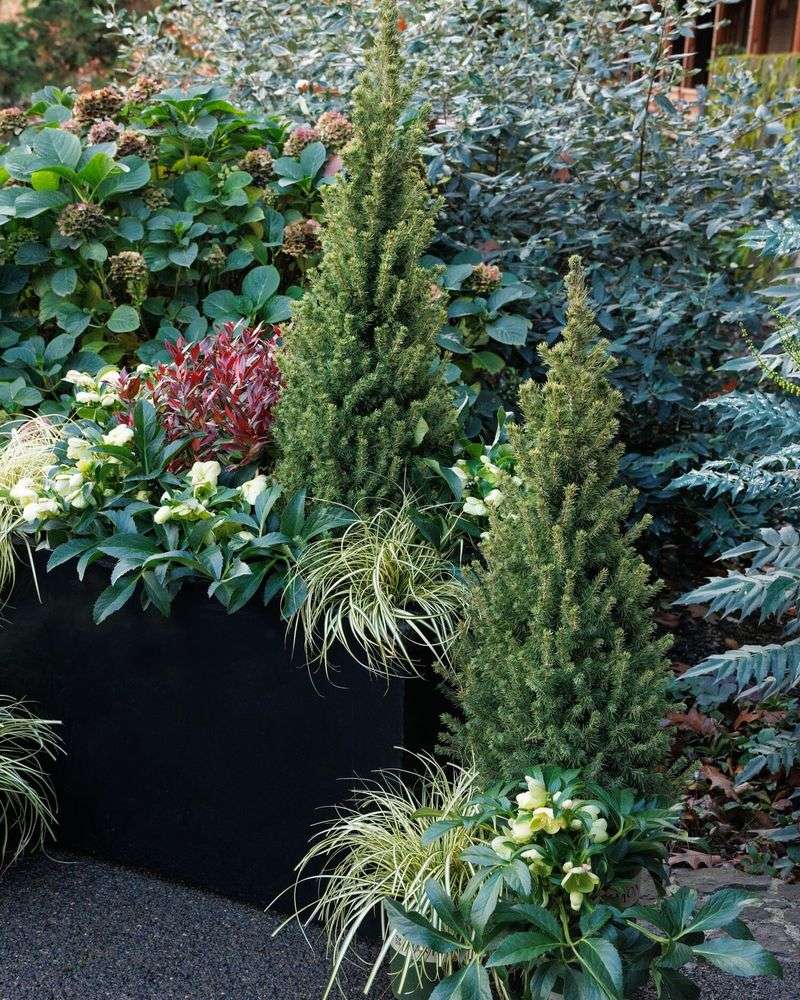
There’s a certain architectural quality to a well-chosen dwarf conifer in a container.
These compact evergreens bring structure and year-round presence to any outdoor space, and they hold their bold color whether spring temperatures hover near freezing or climb into the 70s.
For North Carolina gardeners who want a low-maintenance anchor plant for their container displays, dwarf conifers are hard to beat.
Varieties like dwarf Alberta spruce, bird’s nest spruce, and ‘Sky Pencil’ holly offer different shapes and textures that suit a range of design preferences.
Some stay tightly mounded, while others grow in narrow, columnar forms that work well flanking a doorway.
The variety of options means you can find a dwarf conifer that fits the size of your container and the style of your outdoor space.
Most dwarf conifers prefer full sun to partial shade and do well across all of North Carolina’s regions. Container growing requires a large, sturdy pot to support the root system and prevent the plant from tipping in wind.
Use a well-draining potting mix and water regularly, since container soil can dry out faster than in-ground soil during warm spring days.
Fertilize lightly in early spring with a slow-release fertilizer designed for conifers or acid-loving plants. Avoid heavy pruning – most dwarf conifers maintain their shape naturally and only need occasional tidying.
Their year-round color and structural reliability make them a smart investment for any North Carolina container garden.
8. Azaleas Offer Reliable Seasonal Color
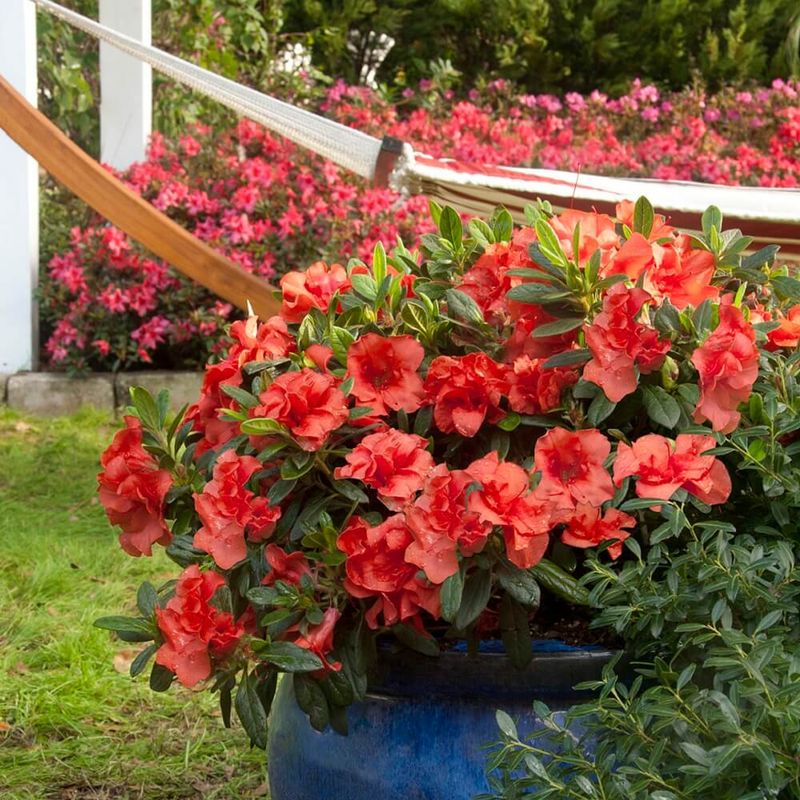
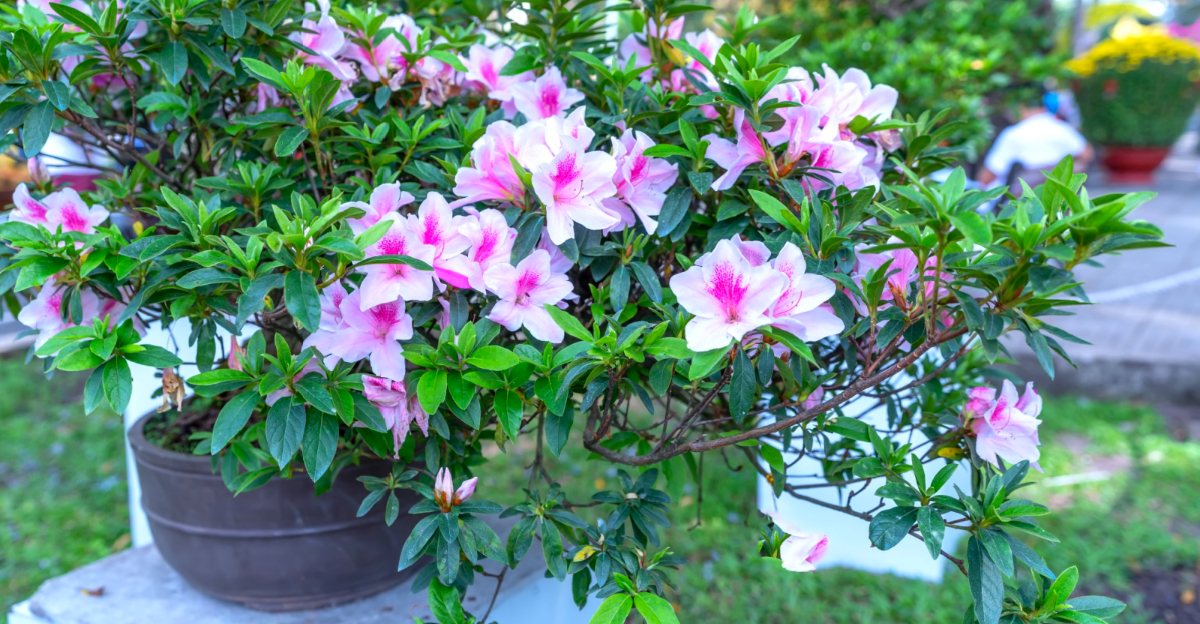
Azaleas bring a classic burst of color that defines many North Carolina gardens in spring. When grown in containers, these shrubs are easy to position for maximum impact, whether on a porch, patio, or walkway.
Some varieties are evergreen, while others are deciduous and will naturally shed leaves over winter. They prefer partial shade in the warmer Piedmont and coastal regions to prevent leaf stress, while in the mountains, more sun exposure is usually safe.
Use an acidic potting mix designed for azaleas and rhododendrons, and keep soil consistently moist without becoming soggy. Fertilize after blooms finish to encourage strong foliage and healthy bud formation for the following season.
Container-growing also allows quick sheltering if late cold snaps occur, ensuring these show-stopping plants maintain their vitality throughout spring.
Mulching the top of the soil in early spring helps retain moisture and moderates soil temperature for better root growth.
Additionally, placing azaleas near other compatible plants or shrubs can create a layered visual effect while protecting them from strong winds and sudden temperature swings.
9. Pieris Japonica Delivers Year-Round Interest
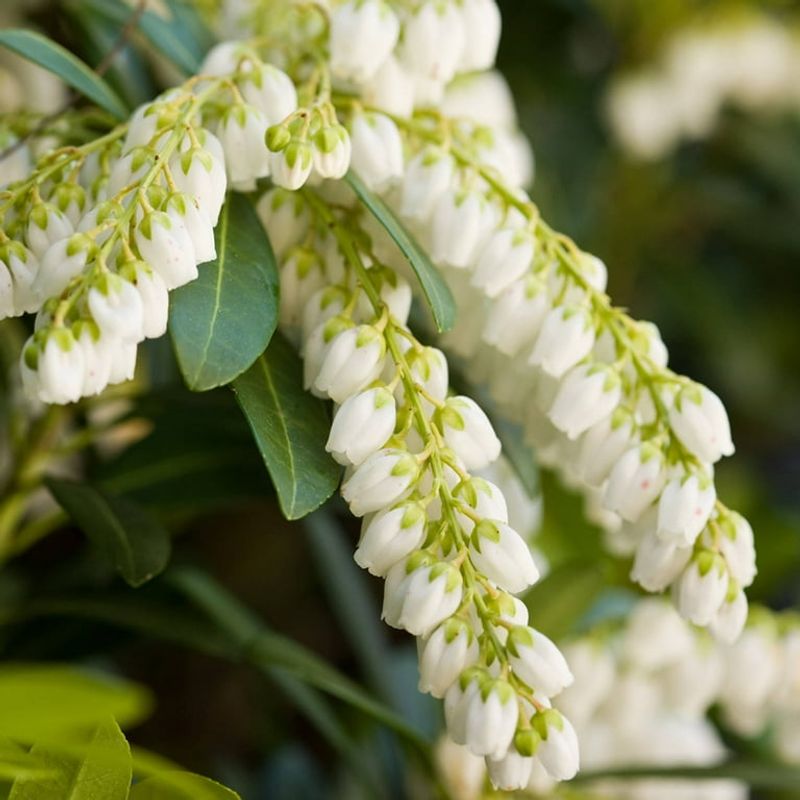
Pieris japonica, sometimes called andromeda or lily-of-the-valley shrub, is one of those plants that earns its place in a container by delivering something beautiful in every season.
In spring, it produces long, cascading clusters of small, bell-shaped white or pink flowers that look delicate but hold up surprisingly well against temperature swings.
At the same time, the new foliage emerges in shades of bright red or bronze, creating a two-toned effect that’s genuinely striking.
This shrub handles North Carolina’s unpredictable spring weather with quiet reliability. It’s evergreen, which means your container never looks bare or tired between seasons.
The combination of fresh new growth and hanging flower clusters makes it one of the most visually dynamic container plants available during the early spring months across the state.
Pieris japonica prefers partial shade and acidic, well-draining soil. It performs well across North Carolina’s regions but especially thrives in the Piedmont and mountain areas where spring temperatures stay cooler longer.
Use a potting mix formulated for acid-loving plants, and choose a container large enough to allow steady root development over multiple seasons.
Water consistently through spring and avoid letting the soil dry out completely. Fertilize with an acid-forming fertilizer in early spring, just as new growth begins to emerge.
You can trim spent flower clusters lightly if needed for appearance, though it’s not necessary for plant health. Pieris japonica rewards patient, attentive care with a display that genuinely improves year after year.