The Mole Cricket Problem North Carolina Homeowners Don’t See Until It’s Too Late
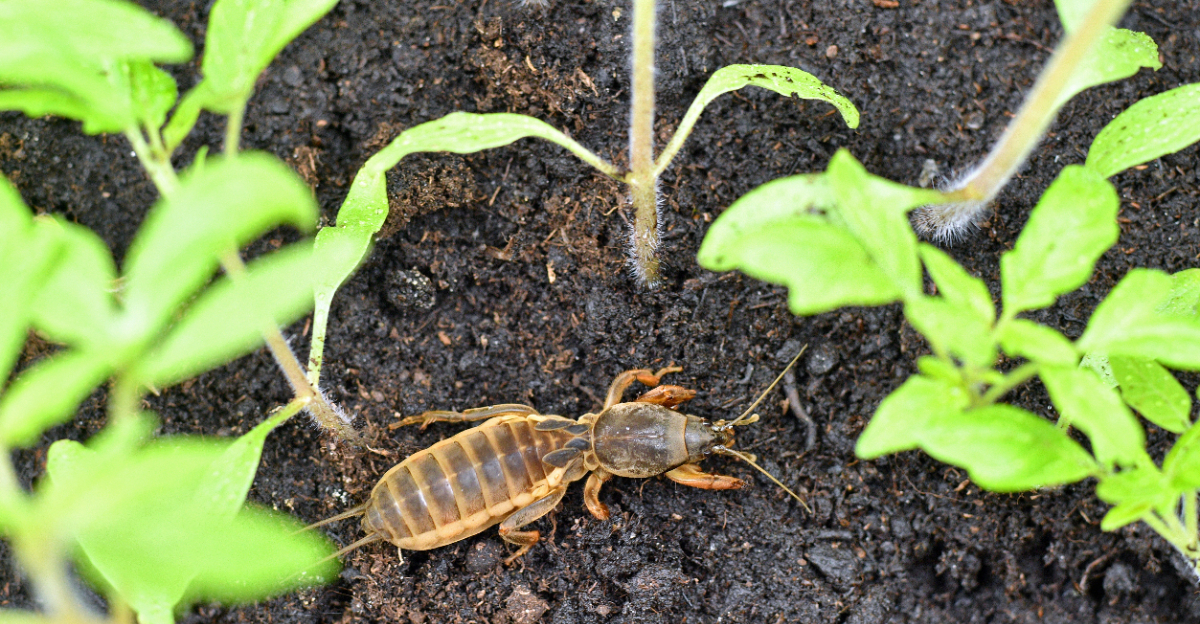
Mole crickets cause serious damage across North Carolina lawns before most homeowners realize anything is wrong. They work underground, tunneling through the root zone of warm season grasses and severing roots faster than surface symptoms appear.
By the time brown patches show up and the damage becomes visible, mole cricket populations are already well established and the affected area is larger than it looks from above.
North Carolina’s sandy coastal soils and warm climate create some of the most favorable conditions for mole crickets found anywhere in their range, making this a more urgent problem in this state than in many others.
Catching them early and knowing exactly what signs to look for before turf damage becomes severe is what separates a lawn that recovers cleanly from one that needs significant repair heading into fall.
1. Mole Crickets Destroy Grass Roots Long Before Brown Patches Appear
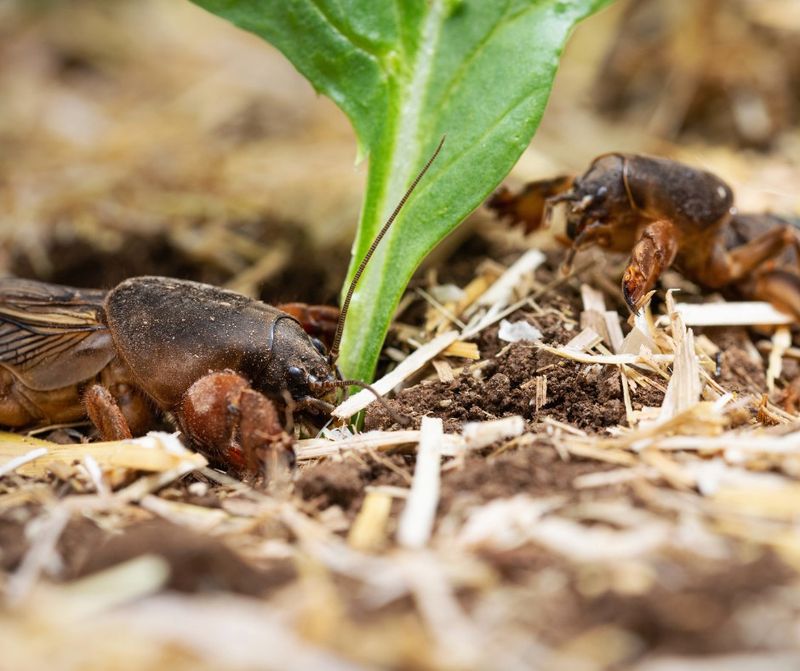
Most homeowners never suspect mole crickets until their lawn looks completely ruined.
The problem is that Scapteriscus vicinus, Scapteriscus borellii, and Neoscapteriscus spp. spend most of their lives underground, silently chewing through grass roots and tunneling beneath turf where no one can see them.
By the time surface damage becomes obvious, those insects have been feeding for weeks.
Grass weakened at the root level loses its ability to absorb water and nutrients efficiently. Even a lawn that looks slightly thin or pale in early summer might already have serious root damage happening below.
Homeowners often water more or apply fertilizer, thinking that will fix things, but neither treatment addresses the real problem hiding underground.
The warm, sandy soils common across much of North Carolina are especially easy for mole crickets to tunnel through. Coastal plain areas and piedmont regions with looser soil profiles tend to see the worst infestations.
Paying close attention to subtle changes in lawn texture and color during late spring gives homeowners the best chance to catch activity early, before visible brown patches spread across the yard.
2. Most North Carolina Homeowners Mistake Mole Cricket Damage For Drought Stress
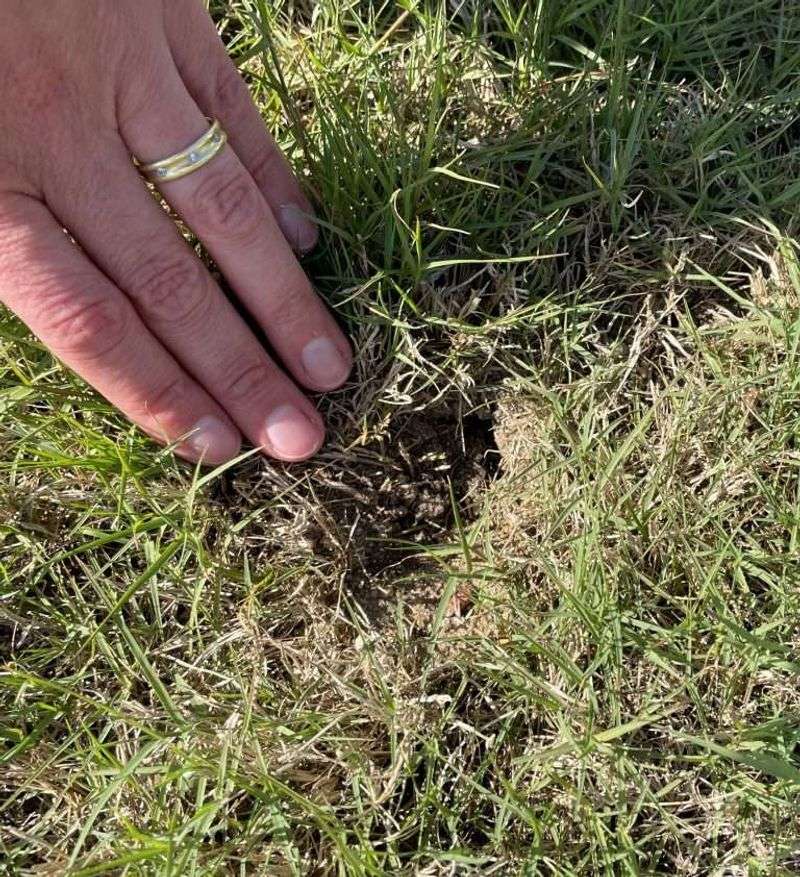
Spotting the difference between drought stress and mole cricket damage sounds simple, but it trips up even experienced gardeners every single year.
Their tunneling causes turf to thin out and turn brown in irregular patches, which looks almost identical to what happens when grass goes too long without water.
Homeowners naturally assume their irrigation schedule is off, so they water more and wait for improvement that never comes.
One reliable clue is how the grass responds to watering. Drought-stressed lawns usually perk up within a day or two after a good soaking rain or irrigation cycle.
Mole cricket-damaged turf stays thin and brown even after consistent watering because the root system is already compromised and cannot take up moisture properly regardless of how much water is available.
Pulling gently on brown grass blades is a quick field test worth trying. Healthy roots anchor grass firmly in the soil, but mole cricket-damaged turf often pulls free with almost no resistance because the roots have been severed or eaten away.
Your North Carolina Garden Changes Every Week. Your Plan Should Too.
Gardening in North Carolina changes quickly throughout the season. Every Friday you’ll receive a simple weekly plan showing exactly what to plant, prune, fertilize, harvest, and protect so you never miss the right timing.
Checking a few spots across the yard before assuming drought is the cause can save homeowners weeks of wasted effort and unnecessary watering bills during the hottest part of the North Carolina summer.
3. Mole Crickets Leave Soft Sponge-Like Soil Beneath The Lawn
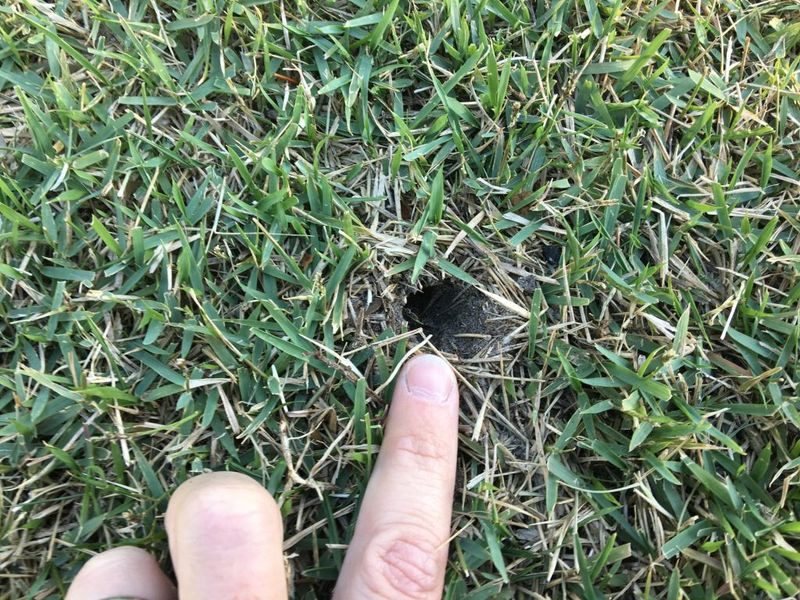
Walking across a heavily infested lawn can feel surprisingly strange. Areas damaged by mole crickets often feel soft, bouncy, or uneven underfoot, almost like stepping on a foam mat rather than firm ground.
That unusual texture happens because mole crickets create an extensive network of tunnels just below the soil surface, leaving hollow pockets that compress under foot pressure.
Homeowners sometimes notice this sponginess before they ever see visible brown patches, which makes it one of the earliest warning signs worth watching for.
Running a slow walk across the lawn in late spring or early summer, paying attention to any areas that feel unusually soft or give way slightly underfoot, can reveal activity long before the grass surface shows obvious stress.
Pressing a screwdriver or finger into suspicious soft spots is another quick check that takes less than a minute. If the soil feels loose and crumbly just below the surface with no resistance, mole cricket tunneling is very likely the cause.
Healthy, undisturbed lawn soil should feel firm and compact a few inches down. Catching that sponginess early in the season gives homeowners a real advantage in managing infestations before root damage spreads across larger sections of the yard.
4. Warm Humid North Carolina Summers Help Mole Cricket Populations Expand Quickly
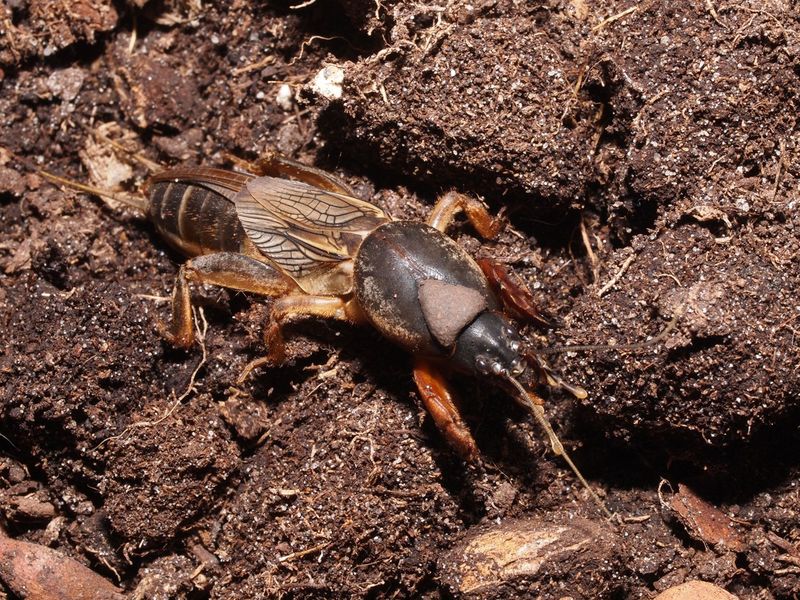
North Carolina’s climate is practically a welcome mat for mole crickets. Scapteriscus spp. thrive in warm temperatures, sandy or loose soils, and the kind of humid summer conditions that much of the state experiences from late spring through early fall.
Adult mole crickets typically begin laying eggs in late spring, and those eggs hatch into nymphs right as summer heat ramps up.
Young nymphs are much smaller than adults and feed aggressively as they grow, which means populations can expand and spread damage across a lawn faster than most homeowners expect.
A yard that showed no problems in May can develop noticeable thinning by July simply because a new generation of hungry nymphs has been feeding underground for several weeks.
The coastal plain and piedmont regions of North Carolina are particularly well-suited to supporting large mole cricket populations year after year.
Understanding this seasonal cycle helps homeowners time their monitoring and management efforts more effectively.
Checking lawns carefully during late spring and early summer, when nymphs are small and active near the soil surface, offers the best window for catching problems early.
Waiting until midsummer heat arrives means the population has already grown substantially, and the damage already done to grass roots is much harder to overcome before cooler fall weather finally slows mole cricket activity.
5. Mole Cricket Damage Often Becomes Severe Right Before Summer Heat Peaks
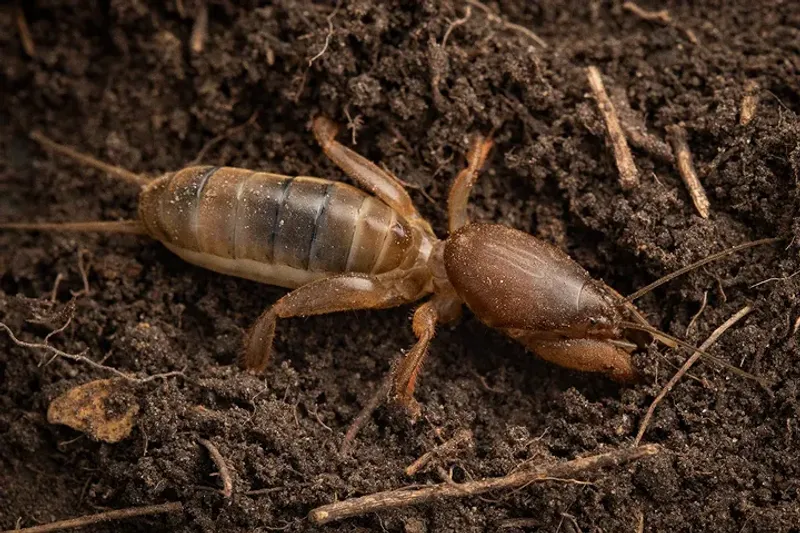
Timing is everything with mole crickets, and unfortunately the worst damage tends to show up at the worst possible moment.
Grass that has been slowly weakened by weeks of mole crickets feeding underground often hits a breaking point right around the time midsummer heat and dry spells arrive in North Carolina.
The combination of compromised roots and intense heat stress pushes already fragile turf past its ability to recover on its own.
Homeowners frequently describe noticing a sudden dramatic change in their lawn during July or August, when what looked like minor patchiness in June suddenly explodes into large brown areas almost overnight.
That apparent suddenness is misleading because the underground damage was building for weeks before the surface showed any signs. Heat simply removes the last buffer keeping weakened grass alive.
Treating a lawn during peak summer heat is also more challenging than treating it earlier in the season. High temperatures limit treatment options and slow grass recovery significantly.
Younger mole cricket nymphs treated in late spring are far easier to manage than large, mature insects tunneling deep into the soil by midsummer.
Getting ahead of the seasonal curve by monitoring lawns carefully from April onward gives North Carolina homeowners the best possible chance of protecting their turf before summer heat pushes damage to a critical level.
6. St. Augustinegrass And Bermudagrass Are Common Mole Cricket Targets
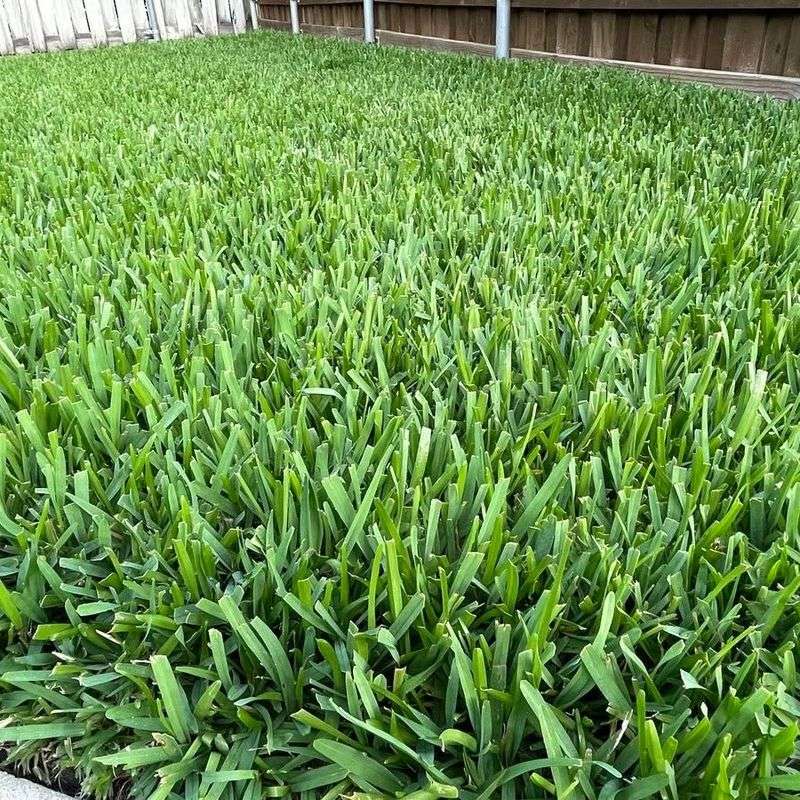
Not all lawn grasses face equal risk from mole crickets, and warm season varieties popular across North Carolina tend to be especially vulnerable.
Stenotaphrum secundatum, commonly known as St. Augustinegrass, and Cynodon dactylon, or Bermudagrass, are two of the most widely planted turf types in the state.
They’re also two of the most frequently targeted by mole crickets during the summer growing season.
Both grasses spread through surface runners and produce dense root systems that mole crickets actively feed on and tunnel through.
The shallow root zone typical of warm season grasses makes them particularly susceptible because mole cricket tunneling disrupts the very layer where most feeding roots concentrate.
Once that root zone is damaged, the grass struggles to maintain density even under otherwise favorable growing conditions.
Homeowners with these grass types should pay extra attention to early warning signs during late spring and early summer. Thin strips, irregular pale patches, or areas where grass pulls up easily from the soil are all worth investigating promptly.
Bermudagrass generally recovers faster than St. Augustinegrass when damage is caught early because of its more aggressive spreading habit.
Either way, identifying the grass type correctly and understanding its specific vulnerabilities helps North Carolina homeowners build a smarter, more targeted approach to lawn protection throughout the growing season.
7. Soap Flush Tests Help Reveal Hidden Mole Cricket Infestations
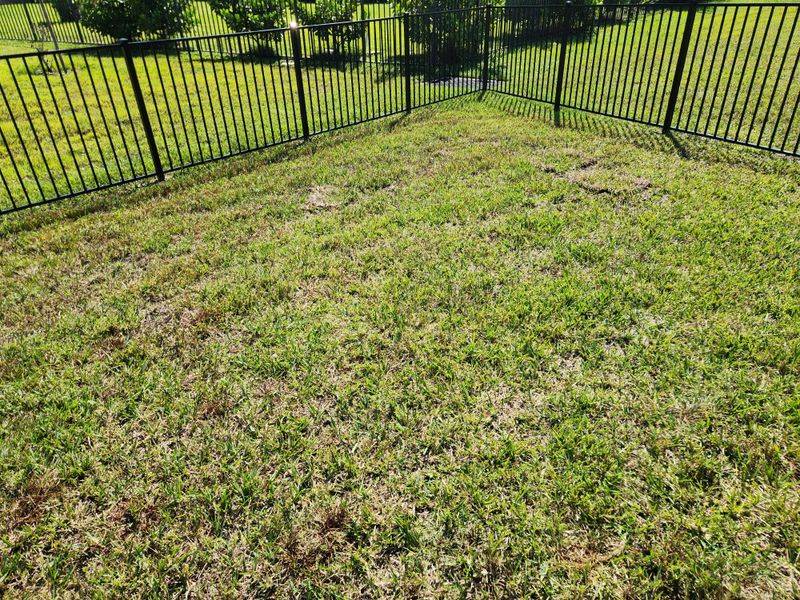
Finding mole crickets before they cause serious damage requires a bit of detective work, and the soap flush test is one of the most practical tools available to North Carolina homeowners.
Mixing about two tablespoons of mild liquid dish soap into a gallon of water and pouring it slowly over a two-square-foot section of lawn creates a mild irritant that drives Scapteriscus spp. up to the soil surface within a few minutes.
Watching closely for movement after applying the soapy mixture is the key step. Mole crickets disturbed by the solution will emerge and crawl across the surface, making them easy to count and identify.
Finding two or more mole crickets per square foot in a test area generally suggests the population is high enough to cause meaningful turf damage if left unmanaged.
Testing several spots across the lawn gives a better overall picture of where activity is concentrated.
Early morning or evening hours work best for soap flush tests because mole crickets are naturally more active near the surface during cooler parts of the day.
Late spring through early summer is the ideal window for this method since young nymphs are still small and feeding close to the surface.
Waiting until midsummer means insects may be tunneling deeper to escape heat, making the flush test less reliable. Running this simple check a few times each season costs almost nothing and can save a lawn from serious damage.
8. Healthy Thick Lawns Recover Better From Mole Cricket Damage
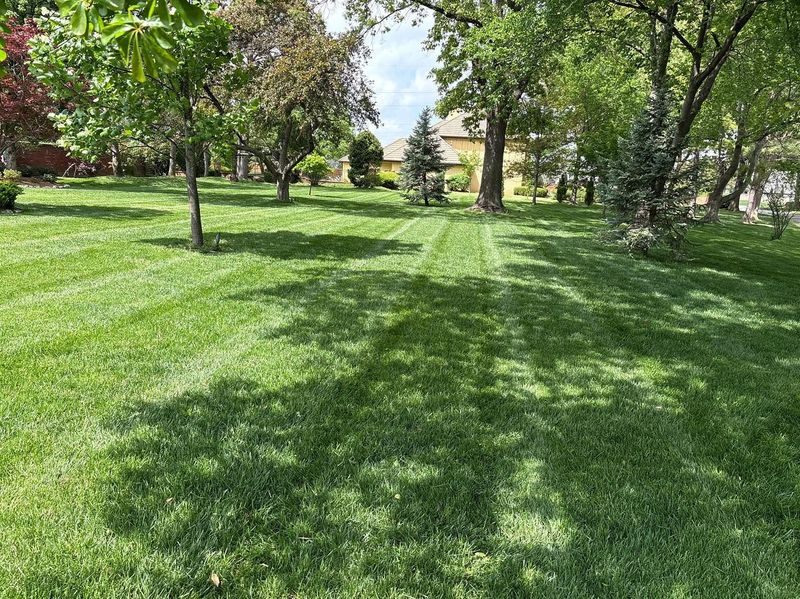
A strong, well-maintained lawn is genuinely more resilient against mole cricket pressure than thin or neglected turf.
Mole crickets still tunnel through healthy grass, but a dense root system with deep moisture reserves gives the turf a much better chance of tolerating some feeding activity without visible decline.
Building that kind of lawn health takes consistent effort through the growing season.
Mowing warm season grasses at the correct height makes a real difference. Bermudagrass generally performs best kept between one and two inches, while St. Augustinegrass prefers a slightly higher cut of three to four inches.
Cutting too short weakens the plant and reduces root depth, leaving turf more vulnerable to any underground stress.
Balanced fertilization that avoids excessive nitrogen also matters because overfed grass grows lush but shallow, making root systems easier for mole crickets to damage.
Deep, infrequent watering encourages grass roots to grow downward rather than staying near the surface where mole cricket activity is heaviest.
Reducing thatch buildup through regular dethatching or core aeration improves soil oxygen levels and drainage, creating conditions where grass roots stay healthier and more robust throughout the season.
North Carolina homeowners who invest in these basic lawn care habits consistently see their turf bounce back faster from pest pressure than neighbors whose yards receive minimal attention during the warm growing months.
9. By The Time Lawns Turn Completely Brown, Mole Crickets Have Usually Been Active For Weeks
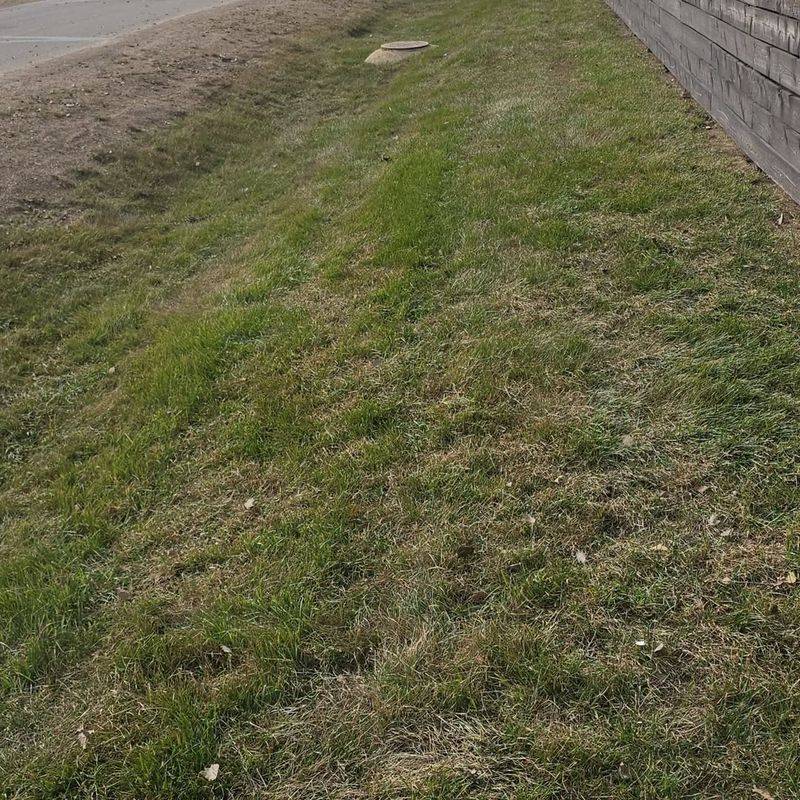
Seeing a fully brown lawn is frustrating, but by that point mole crickets have already done most of their worst work. Mole cricket infestations rarely announce themselves with sudden visible damage.
Instead, they build gradually underground over several weeks or even months, quietly weakening root systems until the turf simply cannot hold up any longer under summer conditions.
That slow, hidden progression is exactly what makes early detection so valuable. Smart monitoring starts in April when soil temperatures begin warming and adult mole crickets become active again after winter.
Performing regular soap flush tests, walking the lawn to check for soft or uneven soil, and watching closely for unexplained thinning in any section of the yard are all habits worth building into a seasonal routine.
Catching even moderate activity in late spring allows homeowners to respond while the population is still manageable and the turf still has enough root strength to recover.
Fall is also an underrated time for monitoring because young mole crickets hatched over summer are still relatively small and active near the surface before cooler temperatures push them deeper.
Setting a reminder to check the lawn in September or October gives North Carolina homeowners one more opportunity to assess activity levels before the following spring.
Staying consistent with seasonal inspections year after year is the most reliable way to prevent mole crickets from ever reaching the point where the damage becomes impossible to miss.