6 Scented Plants That Attract Hummingbirds To Your Pennsylvania Garden
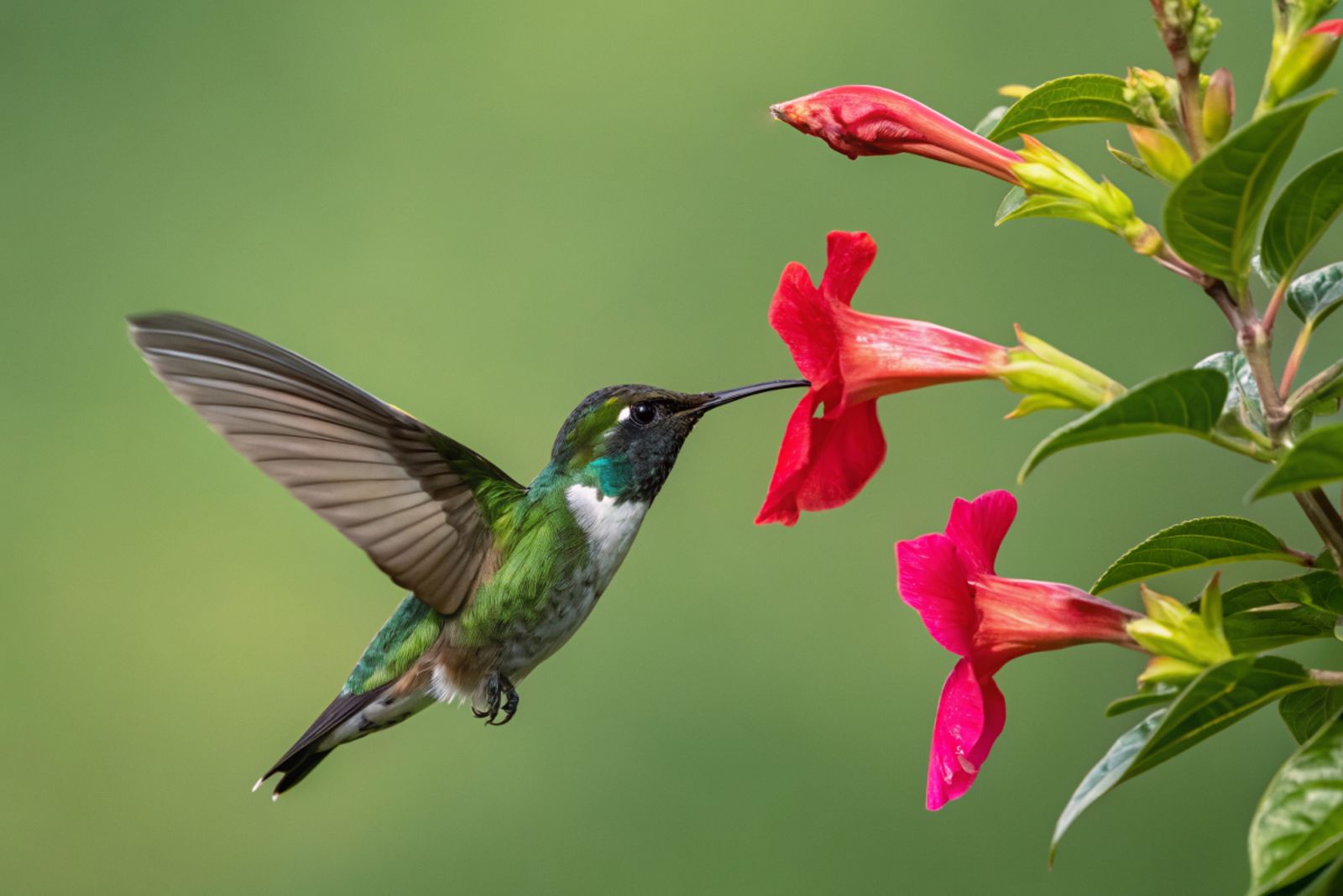
If you want to turn your Pennsylvania garden into a lively, fragrant haven, attracting hummingbirds is a great place to start.
These tiny, colorful birds are drawn to vibrant blooms, but did you know that adding a touch of scent can make your garden even more irresistible?
Scented plants not only add an extra layer of beauty to your garden, but they also provide food sources for hummingbirds that can’t resist the sweet nectar.
Planting a mix of fragrant flowers, shrubs, and vines can transform your outdoor space into a hummingbird paradise. These plants don’t just fill the air with delightful aromas; they also create a welcoming environment for pollinators.
Whether you’re growing lavender, honeysuckle, or trumpet vine, the right choices can help you bring more hummingbirds to your backyard. With a little planning and the right plants, your garden can be both a sensory delight and a buzzing haven for these beautiful birds.
1. Bee Balm
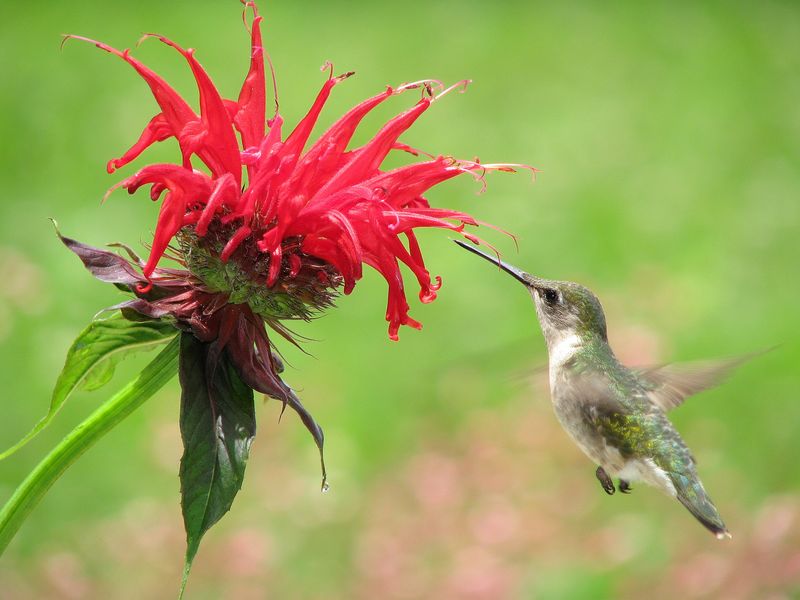
Few plants stop a hummingbird in its tracks quite like bee balm. With its bold red, pink, and purple blooms sitting on top of tall, upright stems, this plant is basically a neon sign that says “nectar here.”
The minty, slightly spicy fragrance it releases makes the whole garden smell alive, and hummingbirds seem to love it just as much as people do.
Bee balm, known scientifically as Monarda didyma, is a native perennial that thrives beautifully across Pennsylvania. It grows best in full sun and prefers moist, well-drained soil.
You can plant it along borders, near water features, or in the middle of a flower bed where it can really show off its colorful blooms from mid-summer into fall.
One fun thing about bee balm is that it spreads over time, so one small plant can become a lush patch within a few seasons. That means more blooms, more fragrance, and more hummingbirds visiting your yard.
Just make sure to give it enough space to grow and divide the clumps every few years to keep it healthy.
Bee balm also attracts butterflies and bees, making it a triple win for your Pennsylvania garden. It is low maintenance, comes back every year, and even has a history of being used in herbal teas.
If you are only going to add one scented plant to your garden this season, bee balm is a seriously strong contender for the top spot.
2. Morning Glory
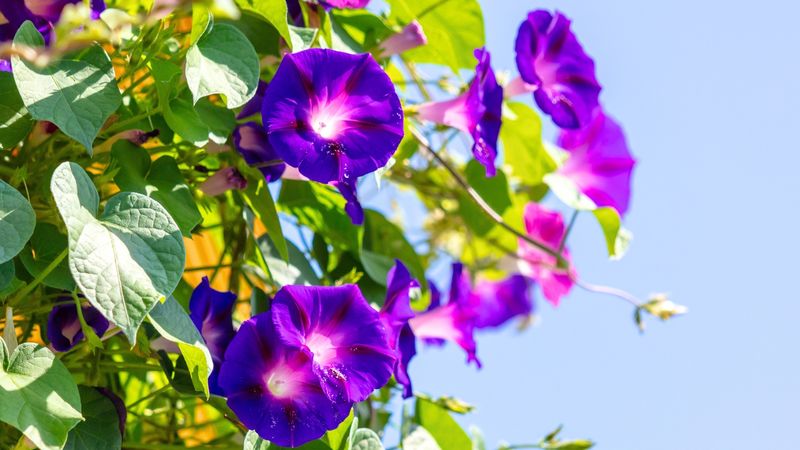
There is something almost magical about stepping outside on a summer morning in Pennsylvania and seeing morning glories in full, vibrant bloom.
These fast-growing vines produce funnel-shaped flowers in gorgeous shades of blue, purple, and pink that open fresh every single morning.
Hummingbirds love them for the sweet nectar tucked deep inside each bloom, and the light fragrance adds a lovely bonus to the experience.
Morning glories, from the Ipomoea family, are incredibly easy to grow from seed. Simply sow them directly into the garden after the last frost, give them a trellis or fence to climb, and watch them take off.
Your Pennsylvania Garden Changes Every Week. Your Plan Should Too.
Gardening in Pennsylvania changes quickly throughout the season. Every Friday you’ll receive a simple weekly plan showing exactly what to plant, prune, fertilize, harvest, and protect so you never miss the right timing.
They need full sun and well-drained soil to really perform at their best. In Pennsylvania, they grow quickly and can cover a structure in just a few weeks during the warm season.
One thing that makes morning glories especially fun is the sheer variety of colors available. You can mix and match shades to create a rainbow effect on your trellis, which also makes the garden more visually appealing to hummingbirds looking for food from above.
The more blooms you have, the more birds you are likely to see. Morning glories are annuals, which means they complete their life cycle in one season and need to be replanted each year.
Many gardeners find that they self-seed, though, so new plants often pop up on their own the following spring.
For a low-effort, high-reward plant that brings hummingbirds to your Pennsylvania garden, morning glories are a cheerful and reliable choice worth planting every year.
3. Trumpet Vine
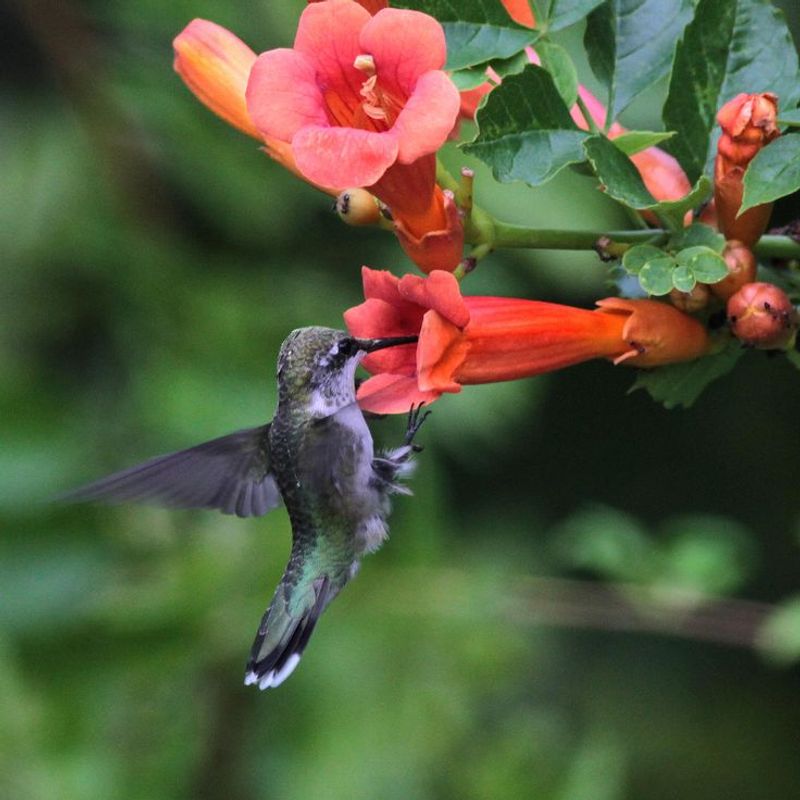
Trumpet vine is the kind of plant that hummingbirds spot from across the yard and fly straight toward. Its large, trumpet-shaped flowers in fiery shades of orange and red are practically built for a hummingbird’s long beak.
There is also a subtle, sweet fragrance that drifts through the air on warm Pennsylvania summer days, making it even more appealing to these speedy little visitors.
Campsis radicans is a vigorous climbing vine that can cover a fence, trellis, or pergola in just a couple of seasons. It loves full sun and well-draining soil, and once it gets established, it is incredibly tough and drought-tolerant.
Pennsylvania gardeners often plant it along fence lines or on garden structures where it can climb freely and create a stunning floral wall.
One thing to keep in mind is that trumpet vine grows fast. Some gardeners say it grows almost too eagerly, so trimming it back regularly helps keep it looking neat and manageable.
Pruning also encourages more blooming, which means even more food for the hummingbirds that visit your space.
Did you know trumpet vine is native to the eastern United States, including Pennsylvania? That means it is perfectly suited to the local climate and soil conditions.
It blooms from late spring through summer, giving hummingbirds a reliable nectar source for months. If you have a sunny wall or structure that needs covering, trumpet vine is a bold, bird-friendly choice that truly delivers season after season.
4. Lobelia
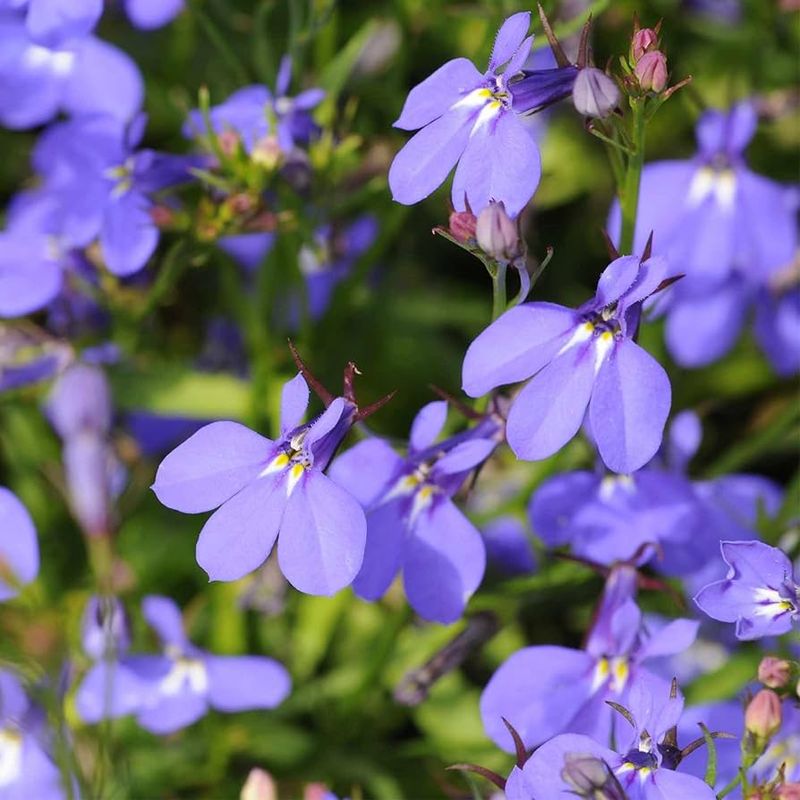
Small but seriously mighty, lobelia punches way above its weight when it comes to attracting hummingbirds. The tiny tubular flowers, available in vivid blues and striking reds, carry a delicate sweet fragrance that draws hummingbirds in close.
Once a hummingbird discovers a patch of lobelia in your Pennsylvania garden, it will keep coming back again and again throughout the season.
Lobelia erinus is wonderfully versatile. It looks stunning in hanging baskets, spills beautifully over the edges of window boxes, and works really well as a border plant along garden paths.
It thrives in sunny spots with consistently moist soil, making it a great choice for Pennsylvania gardeners who want something colorful and wildlife-friendly in smaller spaces or on porches and patios.
What sets lobelia apart from many other hummingbird plants is how long it blooms. With the right care, it can flower from late spring all the way through early fall in Pennsylvania.
Deadheading spent flowers and giving the plant a light trim mid-season encourages a fresh burst of blooming and keeps the display looking full and vibrant.
Here is a fun gardening tip: pair red lobelia with white or blue varieties in the same container for a patriotic color combination that also happens to be incredibly attractive to hummingbirds.
The contrast in color and the abundance of small blooms creates a buffet-style feeding spot that birds love.
Lobelia is proof that you do not need a huge garden to make a big impact on local hummingbird populations in Pennsylvania.
5. Hummingbird Sage
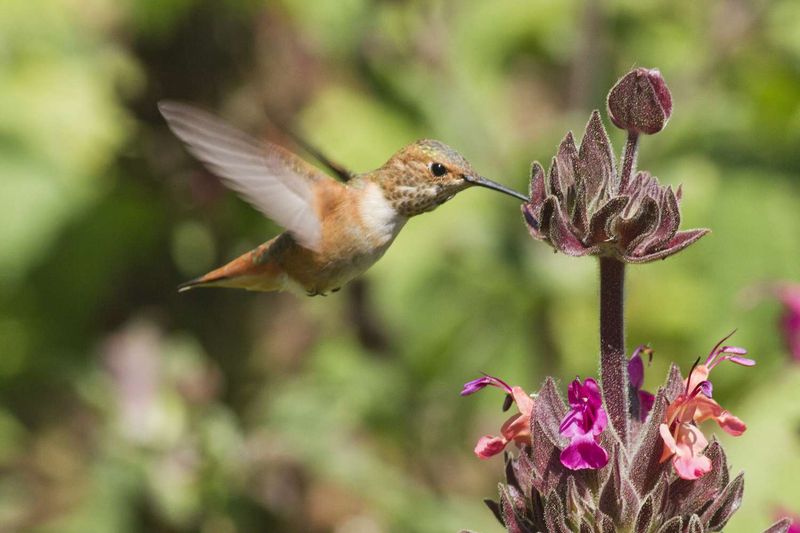
The name says it all. Hummingbird sage, or Salvia spathacea, was practically designed with these birds in mind.
Its long, striking purple flower spikes carry a sweet, floral fragrance that hummingbirds find completely irresistible. When this plant is in full bloom, it looks like a purple candle lighting up the garden, and hummingbirds come from surprisingly far away to find it.
What makes hummingbird sage especially exciting for Pennsylvania gardeners is how tough it is. Once established, it handles dry spells really well, making it a smart choice if you want a low-water garden.
It thrives in full sun and works wonderfully in spots where other plants might struggle with heat and dry conditions.
Planting hummingbird sage along a sunny border or garden path gives you the best of both worlds: a gorgeous visual display and a fragrance that floats through the air when you walk by.
The blooms last a long time, and the plant tends to stay tidy without a lot of fussing or pruning. It is genuinely one of the easier plants to grow in a Pennsylvania garden.
Beyond hummingbirds, this sage also attracts bees and other pollinators, making your whole yard more alive and buzzing with activity. The leaves themselves are aromatic, so even when the plant is not in bloom, it still adds something special to the garden.
For anyone looking to grow a fragrant, wildlife-friendly garden in Pennsylvania, hummingbird sage is an absolute must-have addition to the mix.
6. Coral Bells
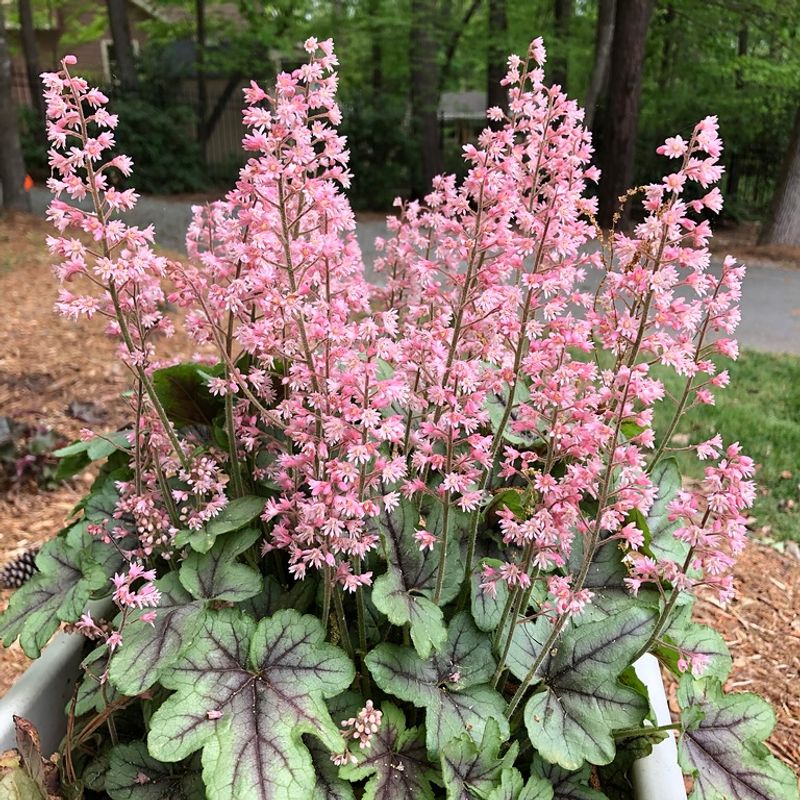
Coral bells have a secret that not every gardener knows: beyond their stunning foliage, they produce delicate, bell-shaped flowers that hummingbirds genuinely love.
The blooms are dainty compared to other plants on this list, but they carry a light, sweet fragrance and are loaded with nectar.
In Pennsylvania gardens, coral bells offer something special for shaded spots where other hummingbird plants might not thrive as well.
Heuchera plants are incredibly adaptable. They grow well in partial shade to full shade, making them perfect for spots under trees or along the north side of a house where sunlight is limited.
The foliage alone is worth growing them for, as it comes in a wide range of colors including deep burgundy, lime green, caramel, and silver. The flower stalks rise above the leaves in late spring to early summer, creating a two-layer display of color and texture.
Planting coral bells along garden borders or at the base of taller plants creates a layered garden design that is both visually striking and wildlife-friendly.
Hummingbirds that visit your Pennsylvania garden will often work their way through multiple plants in one feeding session, and having coral bells nearby ensures they stick around a little longer.
Coral bells are also perennials, so they come back every year without needing to be replanted. They are relatively low maintenance and tend to be resistant to most common garden pests.
For Pennsylvania gardeners looking to add texture, color, and hummingbird appeal to shadier areas of the yard, coral bells are a wonderfully charming and reliable choice that never disappoints.