These Pennsylvania Yard Habits Bring More Fireflies Back Every Summer
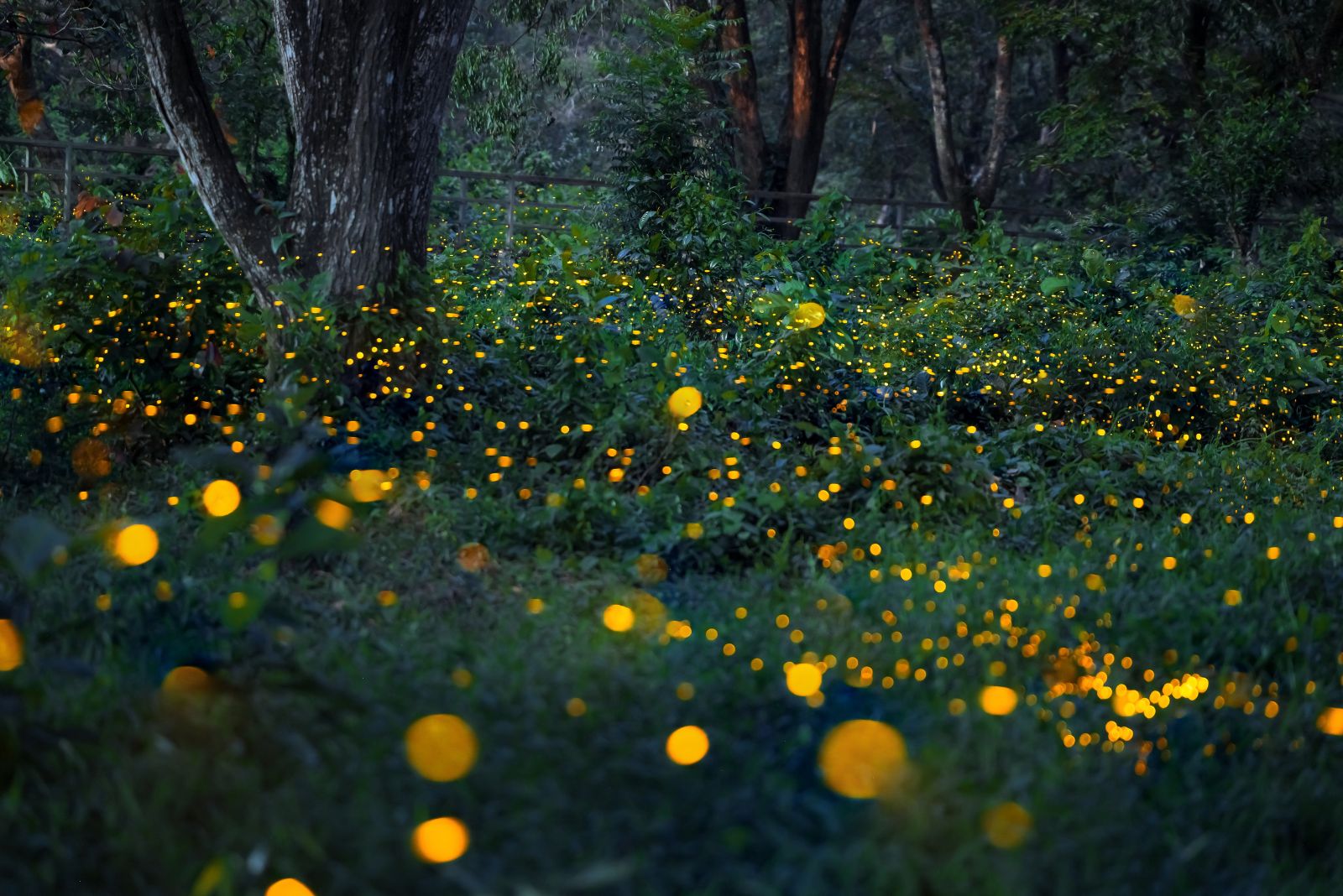
Firefly numbers across Pennsylvania have been quietly dropping for years, and while most people notice fewer of them, not many know that everyday yard habits are a big part of the reason why. Fireflies are more sensitive to their environment than they look.
They need specific conditions to breed, to hunt, and to do the things that keep their populations going from one summer to the next. The way most yards are maintained right now works against them at almost every stage of their life cycle.
The encouraging part is that bringing fireflies back does not require a major overhaul. Some of the most effective changes are surprisingly simple, and a few of them actually make your yard look and function better overall.
If you have been missing those summer light shows and want to see more of them, what happens in your yard the rest of the year matters more than you might expect.
1. Leaving Some Areas Slightly Wild
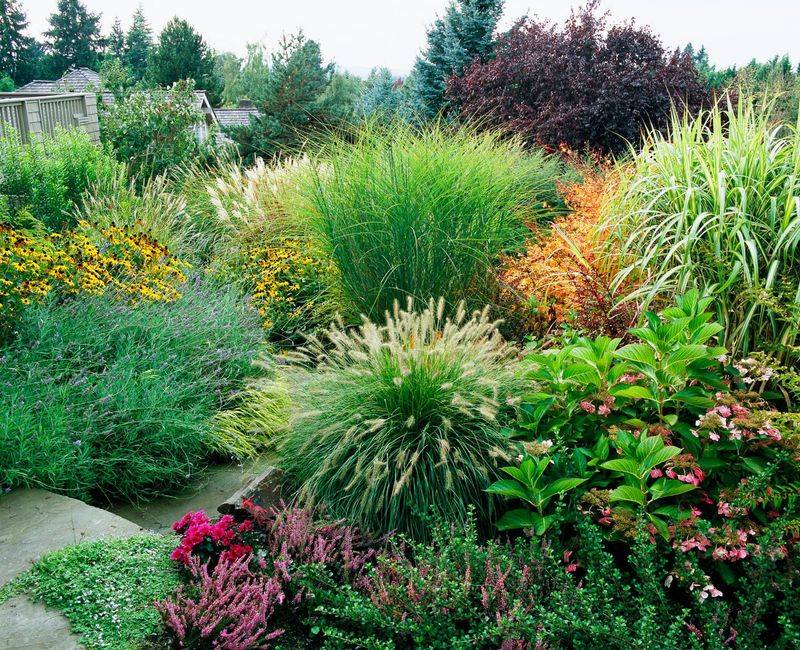
Not every part of your yard needs to be perfectly trimmed and tidy. Fireflies actually love the messy spots.
Tall grass, native wildflowers, and loosely kept garden edges give fireflies the shelter and hunting grounds they need to survive and reproduce.
Firefly larvae spend most of their lives on or just below the soil surface. They hide under leaf piles, inside thick grass clumps, and near the roots of native plants.
When you mow every single inch of your yard short, you remove those safe hiding places and make it much harder for young fireflies to grow up.
Try leaving a corner or border of your yard a little wilder than usual. Let the grass grow a few inches taller in one section.
Allow some native plants like goldenrod, milkweed, or wild bergamot to grow naturally. These plants attract the small insects and snails that firefly larvae feed on, which helps support the whole food chain.
You do not need to let your entire yard go wild. Even a small strip along a fence or near a tree line can make a surprising difference. Think of it as creating a tiny nature reserve right in your own backyard.
Many Pennsylvania homeowners have noticed more fireflies after they stopped mowing one section of their lawn so often. It takes just one season to start seeing results.
A little wildness goes a long way when it comes to welcoming these glowing summer visitors back to your yard year after year.
2. Reducing Outdoor Lighting At Night
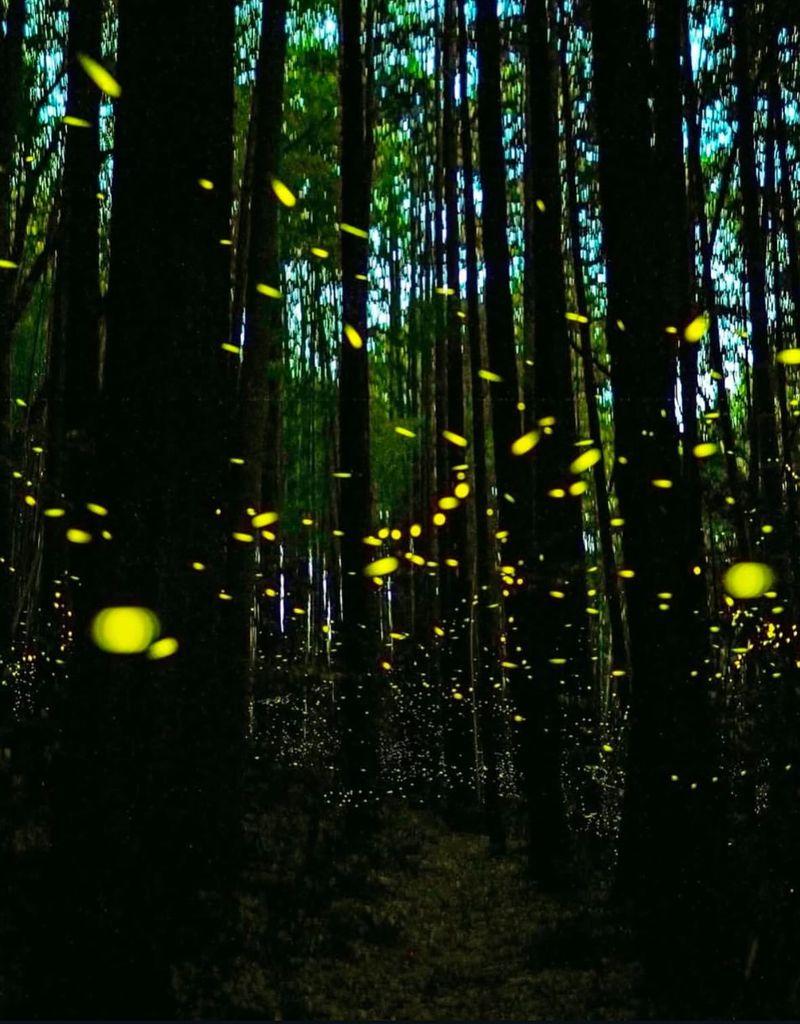
Fireflies talk to each other using light. The male flies through the air flashing a specific pattern, and the female waits in the grass below, flashing back.
When your yard is flooded with bright outdoor lights, those tiny natural flashes get completely lost in the glare.
Artificial light at night is one of the biggest reasons firefly populations have dropped in neighborhoods across Pennsylvania. Porch lights, string lights, floodlights, and even bright pathway lights can confuse fireflies and prevent them from finding mates.
Your Pennsylvania Garden Changes Every Week. Your Plan Should Too.
Gardening in Pennsylvania changes quickly throughout the season. Every Friday you’ll receive a simple weekly plan showing exactly what to plant, prune, fertilize, harvest, and protect so you never miss the right timing.
If they cannot communicate, they cannot reproduce, and the numbers keep going down each year.
Turning off or dimming your outdoor lights during the peak firefly hours of dusk to around 11 p.m. can make an immediate difference. You might be surprised how quickly fireflies respond to a darker yard.
Some families have reported seeing noticeably more fireflies within just a few nights of switching off their outdoor lights.
If you need some lighting for safety or navigation, try switching to warm amber or red-toned bulbs. Research shows that fireflies are far less sensitive to these wavelengths compared to white or blue-toned lights.
Motion-sensor lights are another smart option since they only turn on when needed. Encouraging your neighbors to reduce their outdoor lighting too can multiply the effect across your whole street or neighborhood. Fireflies do not stay in one yard.
They move across open spaces, so a darker neighborhood creates a bigger, safer zone for them to thrive in all summer long.
3. Keeping Leaf Litter And Mulch In Some Areas
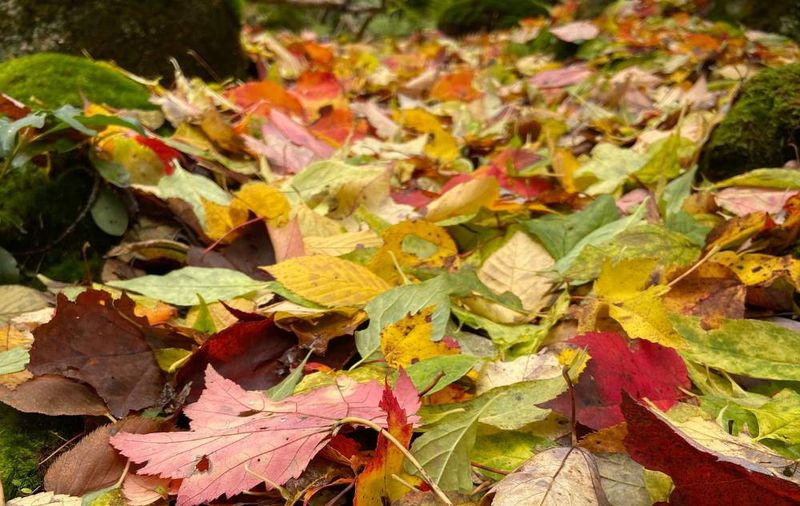
Leaf litter might look like yard waste, but for fireflies it is basically a luxury apartment. Firefly larvae live in the top layer of soil and organic material, hunting for small worms, snails, and other tiny creatures to eat.
Without moist leaf litter and mulch, they simply have nowhere safe to grow. Many homeowners rake up every single leaf and bag it for collection.
While that keeps the lawn looking neat, it also strips away the natural ground cover that young fireflies depend on.
Leaving a layer of fallen leaves under trees, along garden borders, or in shaded spots gives larvae the damp, protected environment they need to develop through the winter and into spring.
Organic mulch works in a similar way. Wood chip mulch or shredded bark holds moisture and stays cool even on hot days.
Spreading a few inches of mulch around garden beds and tree bases creates pockets of habitat that firefly larvae can move through and shelter inside.
Fun fact: firefly larvae can spend one to two years underground before they ever become the glowing adults you see in summer.
That means the fireflies lighting up your yard this July started their lives in your soil back in the spring or even the previous year. Protecting that ground layer is protecting future generations of fireflies.
You do not need to leave your whole yard covered in leaves. Even a few concentrated spots under trees or along a fence line can provide enough habitat to support a healthy local firefly population season after season.
4. Avoiding Broad Chemical Pesticides
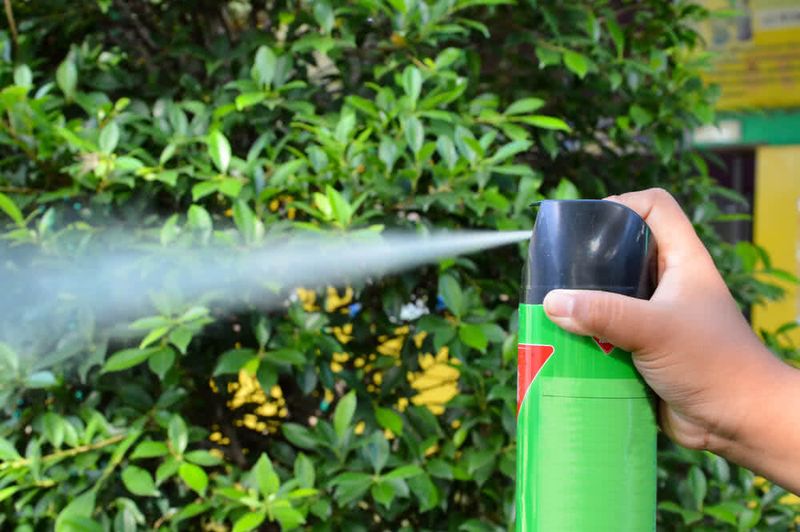
Spraying your yard with broad chemical pesticides might get rid of mosquitoes or grubs, but it does not stop there. Those chemicals do not know the difference between a pest and a firefly.
When pesticides soak into the soil or coat plant surfaces, they can harm firefly larvae and adults along with every other insect in the area.
Fireflies are insects, and most common insecticides are designed to affect insect nervous systems. That means products used to control mosquitoes, beetles, or lawn grubs can seriously reduce firefly populations in your yard.
Even pesticides that break down quickly can still cause damage during the critical summer months when fireflies are most active and vulnerable.
Switching to targeted, natural, or organic pest control methods is one of the most powerful steps you can take for fireflies. Instead of blanket spraying, try spot treatments only where pests are actually causing damage.
Neem oil, diatomaceous earth, and insecticidal soaps are gentler options that break down faster and cause less widespread harm to beneficial insects.
Also consider that fireflies themselves are natural pest controllers. Firefly larvae eat slugs, snails, and small worms that can damage garden plants. Protecting fireflies actually helps protect your garden in return. It is a win for everyone.
Talk to your local Pennsylvania cooperative extension office if you are struggling with a specific pest problem.
They can recommend targeted solutions that protect your garden without wiping out the beneficial insect communities that make your outdoor space healthy and alive all summer long.
5. Planting Native Pennsylvania Grasses And Flowers
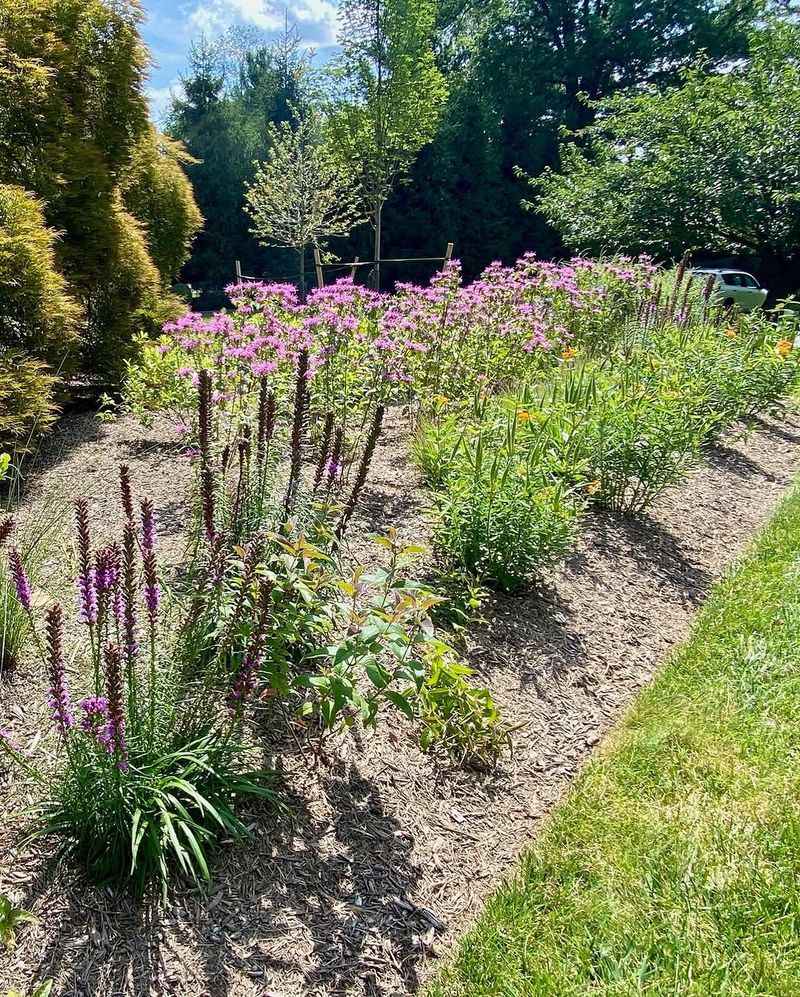
Native plants are like a welcome mat for fireflies. Plants that naturally grow in Pennsylvania have spent thousands of years developing relationships with local insects, birds, and soil organisms.
When you plant native species in your yard, you are rebuilding the kind of habitat that fireflies evolved alongside.
Some of the best native plants for Pennsylvania yards include goldenrod, black-eyed Susans, wild bergamot, native ferns, little bluestem grass, and switchgrass.
These plants provide shelter, moisture retention, and food sources for the insects that firefly larvae hunt.
They also attract native pollinators, which adds even more life and activity to your outdoor space.
Non-native ornamental plants often look beautiful but offer very little ecological value. They may not support the right insects or hold moisture the way native species do.
Replacing even a portion of your lawn or garden beds with native plantings can noticeably shift the balance toward a more wildlife-friendly yard.
Planting native grasses is especially helpful. Grasses like little bluestem create dense clumps that fireflies use for resting during the day and for females to hide in while waiting for males at night.
The thick base of native grass clumps also stays cool and slightly moist, which is exactly what both larvae and adults prefer.
You can find native Pennsylvania plants at local nurseries, native plant sales, and through conservation organizations like the Pennsylvania Native Plant Society.
Starting with just a few native additions each season can gradually transform your yard into a thriving firefly habitat that improves every single year.
6. Maintaining Slightly Moist Soil During Dry Spells
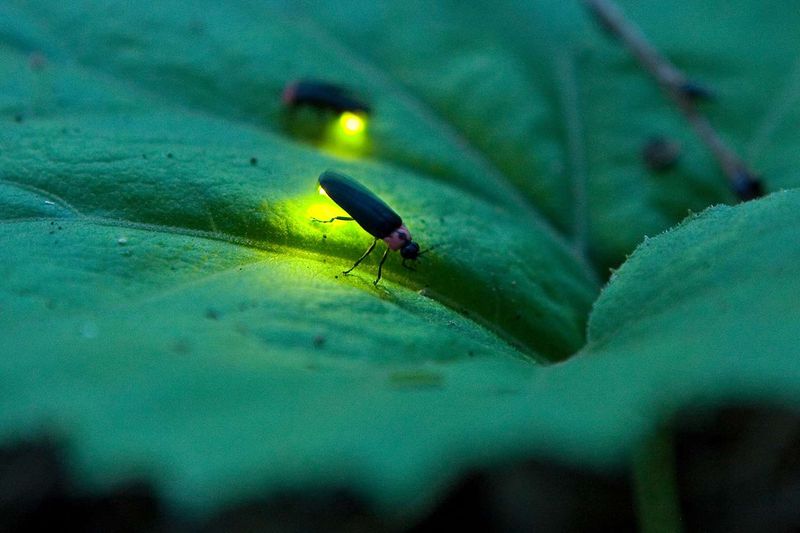
Fireflies have a strong preference for humid, moist environments. If you have ever noticed that fireflies seem to appear more on warm nights after a rain, that is not a coincidence.
Moisture in the soil and air plays a huge role in where fireflies choose to live, lay eggs, and raise their young.
During dry Pennsylvania summers, soil can become hard and parched very quickly. When the ground dries out completely, firefly larvae struggle to move through it and find food.
Adults also tend to avoid dry areas because low humidity makes it harder for them to stay active and healthy through the night.
Keeping your soil slightly moist during dry spells does not mean soaking your yard every day. Light, consistent watering in the evening can help maintain just enough ground moisture to keep firefly habitat usable.
Focus on garden beds, shaded areas under trees, and spots where you have leaf litter or mulch, since those areas are most likely to be used by fireflies.
Mulching your garden beds heavily also helps the soil hold moisture between watering sessions. A good layer of wood chip mulch can cut down on how often you need to water while keeping the ground cool and damp underneath. Two benefits for the price of one.
Avoid watering with powerful sprinklers that blast water onto plants and soil at high pressure.
A gentle soaker hose or drip irrigation system delivers moisture directly to the root zone and keeps the surface conditions comfortable for fireflies and other ground-dwelling beneficial insects throughout the dry summer months.