The Right Way To Prune Arizona Texas Sage For Steady Flowering
Texas sage can look perfect one week and completely out of control the next, especially in Arizona where heat and fast growth don’t always stay in sync. It’s one of those shrubs that seems easy at first, until the blooms slow down or the shape starts to feel off.
That’s usually where pruning comes in, but timing and technique make a bigger difference than most people expect.
A quick trim at the wrong moment can quietly reduce flowering, while the right approach keeps it full, balanced, and covered in color when it matters most.
The tricky part is that Texas sage doesn’t follow the same rules as many other landscape shrubs in Arizona yards.
Once it’s handled the right way, though, the plant responds fast and noticeably. And that’s when it finally starts to look like it belongs exactly where it’s planted.
1. Prune Right After Each Bloom Cycle, Not Before It Starts
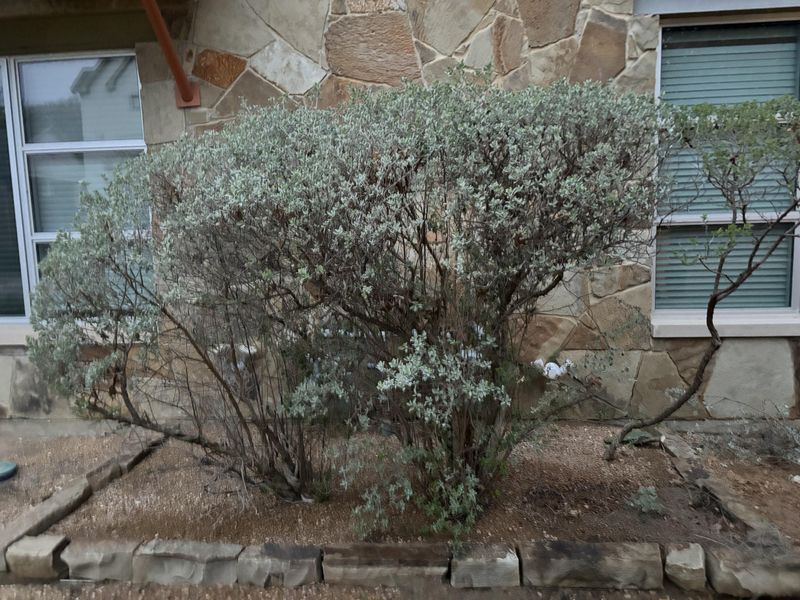
Catch your Texas sage right after the last flower fades and you have hit the sweet spot for pruning. Cutting at this exact moment gives the plant a clean signal to push out fresh growth, which is exactly where the next round of blooms will come from.
Miss that window and you risk removing the new buds already forming underneath.
In Arizona, the bloom cycles on Texas sage tend to follow monsoon moisture and late summer humidity. After each burst of purple flowers winds down, that is your green light to get in there with your pruners.
You do not need to wait for a calendar date, just watch the plant itself.
Sharp bypass pruners are your best friend here. Dull blades crush stems instead of cutting cleanly, and crushed stems invite problems you do not want.
Aim to cut just above a leaf node or outward-facing bud, keeping each cut at a slight angle so water does not pool on the wound.
Removing about a third of the live growth after each bloom cycle keeps the shrub from getting rangy and woody. Leggy Texas sage tends to flower less because the energy spreads too thin across long, unproductive stems.
Keeping it compact and tidy after each bloom encourages denser branching, which means more flower sites the next time moisture triggers a flush.
Repeat this pattern after every bloom cycle through the warm months and your Arizona Texas sage will reward you with consistent color all season long.
2. Skip Early Spring Pruning To Avoid Cutting Off First Flowers
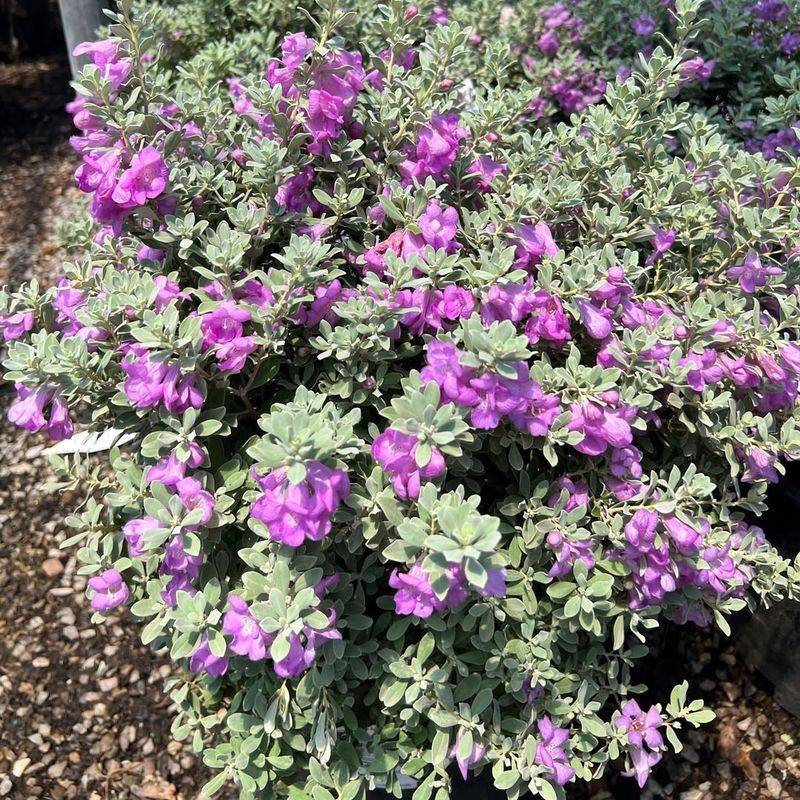
Early spring is when a lot of Arizona gardeners feel the urge to tidy everything up, but Texas sage is one shrub you really want to leave alone during that window. Those new stem tips forming in February and March are carrying the first flower buds of the season.
Cut them off now and you are basically erasing your spring bloom before it even gets started.
Leucophyllum frutescens sets its earliest flowers on growth that developed the previous fall. So when you look at those branch tips in late winter, what looks like plain green growth is actually loaded with potential blooms.
Your Arizona Garden Changes Every Week. Your Plan Should Too.
Gardening in Arizona changes quickly throughout the season. Every Friday you’ll receive a simple weekly plan showing exactly what to plant, prune, fertilize, harvest, and protect so you never miss the right timing.
Pruning too early strips all of that away and forces the plant to start over from scratch.
Skipping early spring pruning does not mean ignoring the plant completely. You can still walk around it, check for any cold damage from winter nights, and remove anything that is clearly brown and brittle.
Just keep your hands off the healthy green growth until after that first bloom cycle wraps up.
Plenty of desert gardeners in Arizona have learned this the hard way after a winter cleanup left their Texas sage blooming weeks later than the neighbors. Patience pays off with this plant.
Letting it run its natural course through that first spring flush before touching it gives you a much stronger start to the flowering season.
Hold off, watch those buds open into purple flowers, and then reach for your pruners once the show is over.
3. Shape Lightly Instead Of Cutting Back Hard
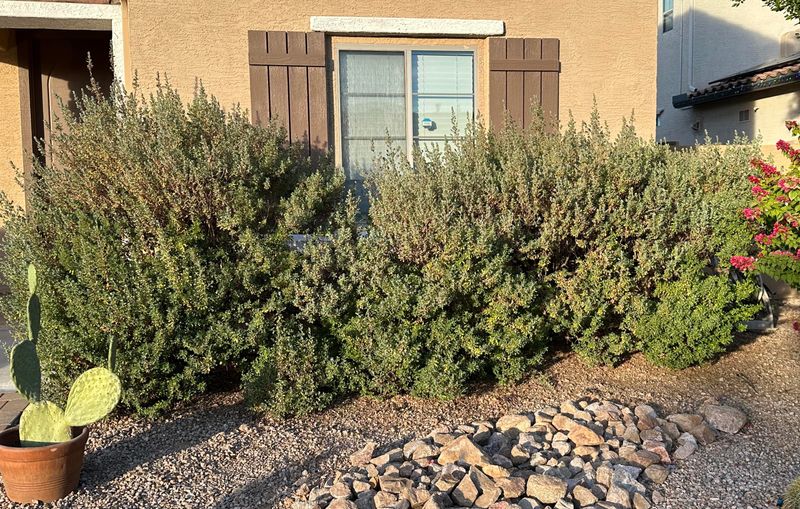
Hard pruning might seem like the fastest way to get a Texas sage back under control, but cutting it back severely usually backfires. Removing too much at once stresses the plant and redirects all its energy into producing leaves rather than flowers.
You end up with a dense green mound that looks healthy but refuses to bloom for months.
Light shaping is a completely different approach. Instead of chopping the whole shrub back by half, you go in selectively and trim the stems that are reaching too far out of the natural form.
Take off a few inches here and there, focus on branches that are crossing or rubbing, and leave the bulk of the plant untouched.
In Arizona’s intense heat, Texas sage actually handles light trimming better than heavy cuts because it does not have to spend as much energy recovering.
A shrub that is not in recovery mode stays focused on its blooming cycle, which is exactly what you want during the long warm season.
Think of light shaping as a haircut rather than a renovation. You are cleaning up the edges, not rebuilding the structure.
Keeping the natural rounded silhouette of the plant also means better airflow through the canopy, which helps prevent any fungal issues during the humid monsoon months in Arizona.
Over time, consistent light shaping keeps the shrub at a manageable size without ever shocking it into a long flowering pause. It is the slow and steady approach that actually produces the most blooms.
4. Avoid Shearing To Keep Natural Growth And Better Flowering
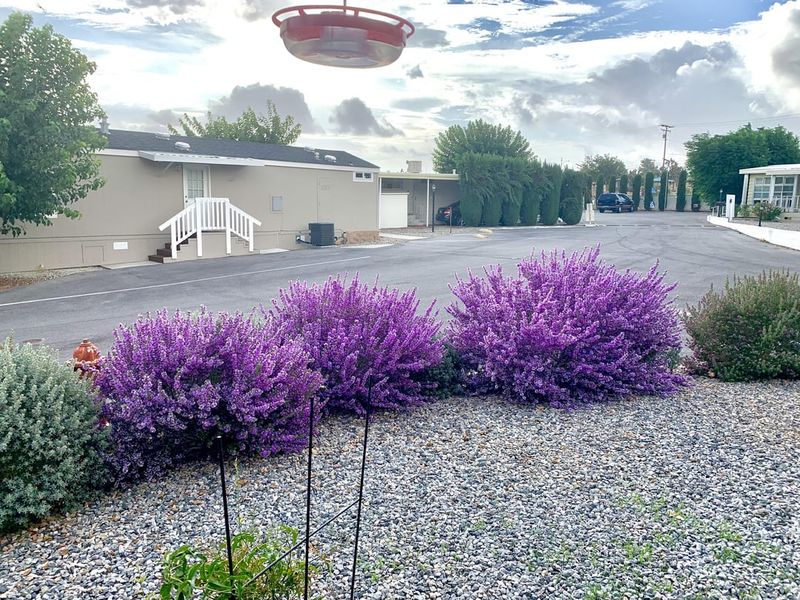
Grab an electric hedge trimmer and run it across a Texas sage and you will get a perfectly round green ball that barely flowers. Shearing cuts through everything indiscriminately, slicing off branch tips, developing buds, and new growth all at the same time.
What grows back is a dense outer shell of foliage with almost no flower production underneath.
Natural growth on Leucophyllum frutescens is slightly arching and open, with branch tips that catch sunlight from multiple angles. That open structure is what allows flower buds to develop along a large portion of each stem.
Shear it into a tight shape and you basically eliminate most of those flower sites.
Arizona landscapes are full of sheared Texas sage that never seems to bloom as well as it should. Homeowners and landscapers often reach for the hedge trimmer out of habit, but this shrub responds far better to hand pruners and selective cuts.
It takes a little more time, but the difference in flower production is noticeable.
Keeping the natural vase-like or mounding shape also means the plant ages better over time. Sheared shrubs tend to develop thick woody cores with very little live growth inside, which makes them harder to manage as they get older.
A naturally shaped Texas sage stays more open and productive for years.
Next time the urge to shear hits, put down the trimmer and pick up a pair of bypass pruners instead. Your Arizona Texas sage will respond with far more purple blooms than you expected.
5. Clean Out Cold-Damaged Or Weak Branches In Late Winter
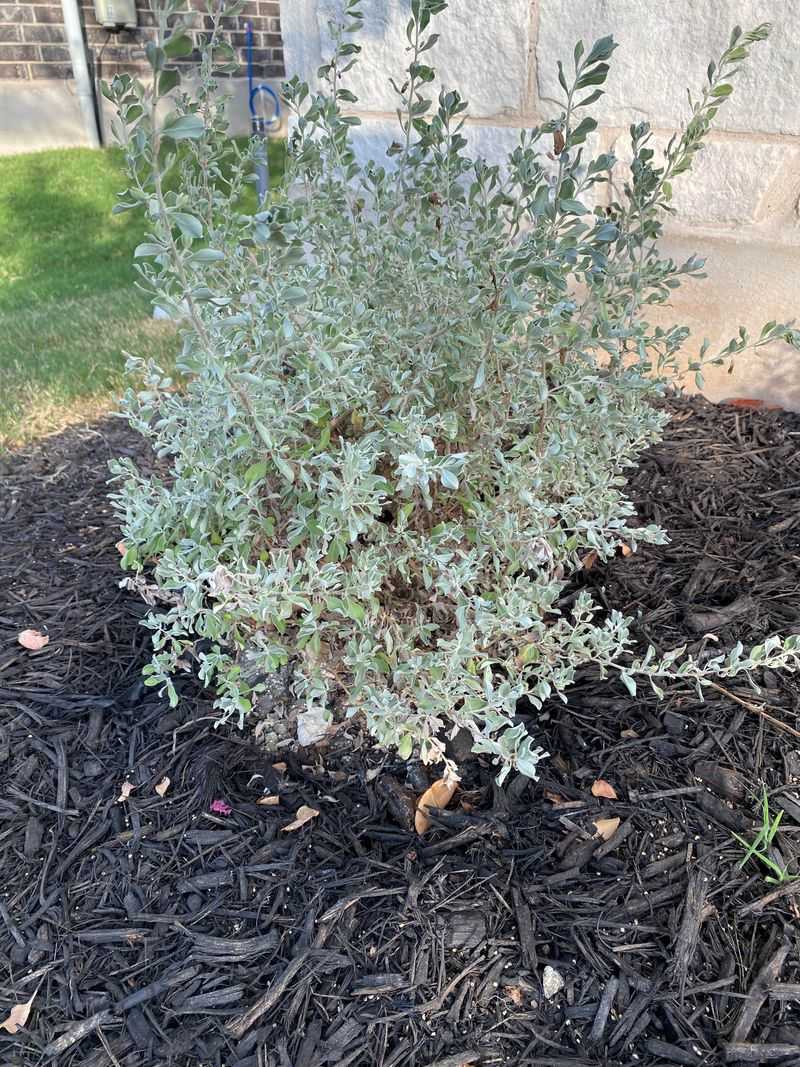
Arizona winters can surprise you. Even in lower desert zones, a hard frost night can leave Texas sage with brown, brittle branches that look rough by February.
Those cold-damaged stems are not coming back, and leaving them on the plant just clutters up the structure and makes it harder for healthy growth to push through.
Late winter, somewhere around mid-February, is a good time to walk your Texas sage and do a simple damage assessment. Bend a stem gently, and if it snaps instead of flexing, it is gone.
Green stems that still have some bend to them are alive and worth keeping, even if they look a little rough on the outside.
Removing weak or damaged wood at this stage is not the same as a full pruning session. You are just clearing out the debris so the plant can focus its energy on the healthy branches that will carry this season’s flowers.
Keep cuts clean and close to the main branch without leaving long stubs behind.
Weak interior branches that never get enough sunlight are also worth pulling out during this late winter cleanup. Branches that are thin, pale, and pointing inward rarely produce strong flower buds anyway.
Clearing them out improves airflow and opens the canopy up for better light penetration, which matters a lot during the hot Arizona spring.
Think of this late winter pass as housekeeping rather than pruning. You are setting the plant up for a clean, unobstructed run at its first bloom cycle of the year.
6. Trim Lightly During Monsoon Growth To Encourage Repeat Blooms
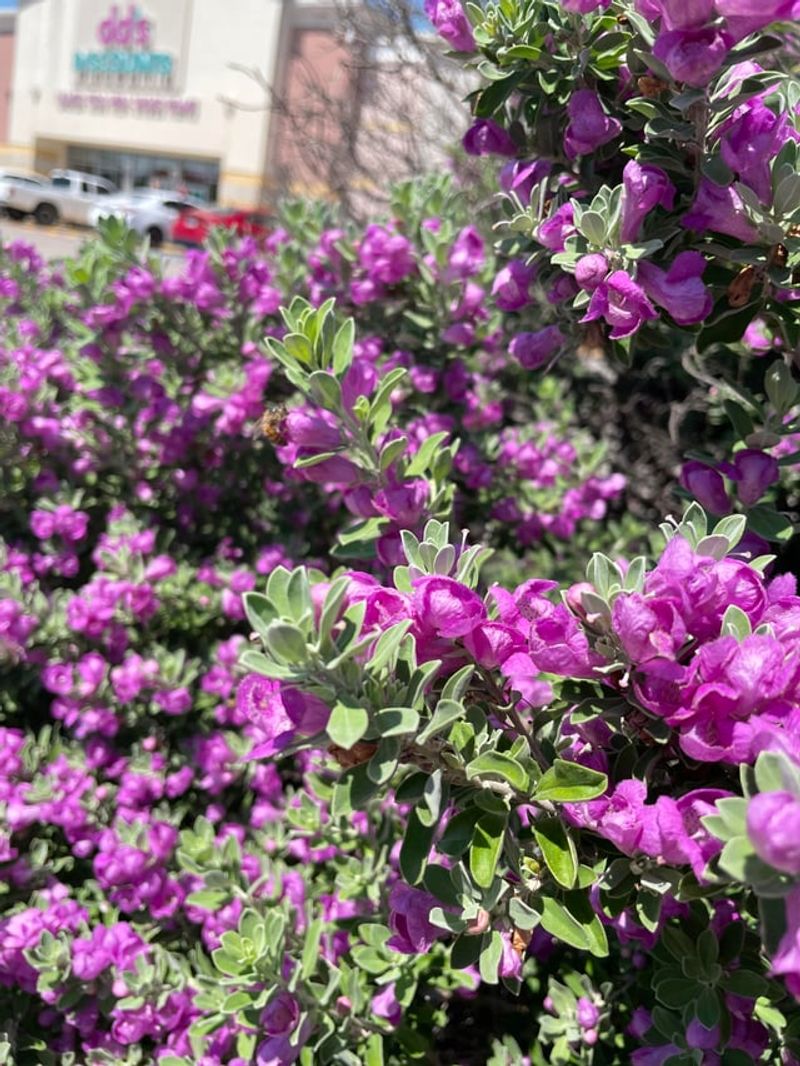
Monsoon season in Arizona is basically Texas sage season. Humidity spikes, moisture rolls in, and these shrubs respond by exploding into bloom one flush after another.
What a lot of people do not realize is that a light trim after each of those monsoon bloom cycles can actually trigger another round of flowering faster than if you just leave the plant alone.
When a bloom cycle finishes and the spent flowers are still clinging to the branch tips, that plant is holding energy in those old flower structures instead of redirecting it toward new buds.
A quick pass with your bypass pruners to remove those spent tips gives the plant a clear signal that it is time to gear up for another round.
Keep the cuts minimal during monsoon season. You are not reshaping the whole shrub, just snipping back the tips that have already flowered by an inch or two.
That is enough to stimulate the next flush without removing so much growth that the plant has to spend weeks recovering before it can bloom again.
Timing each light trim to happen within a few days of the bloom finishing is the key. Wait too long and the plant has already started its own recovery process, which you will interrupt by pruning.
Stay on top of it and you can potentially get three or four distinct bloom cycles out of a single monsoon season in Arizona.
It requires a little attention, but for a shrub this beautiful in full purple bloom, staying engaged with the plant through monsoon is absolutely worth it.
7. Stop Pruning In Fall To Protect Next Season’s Flower Buds
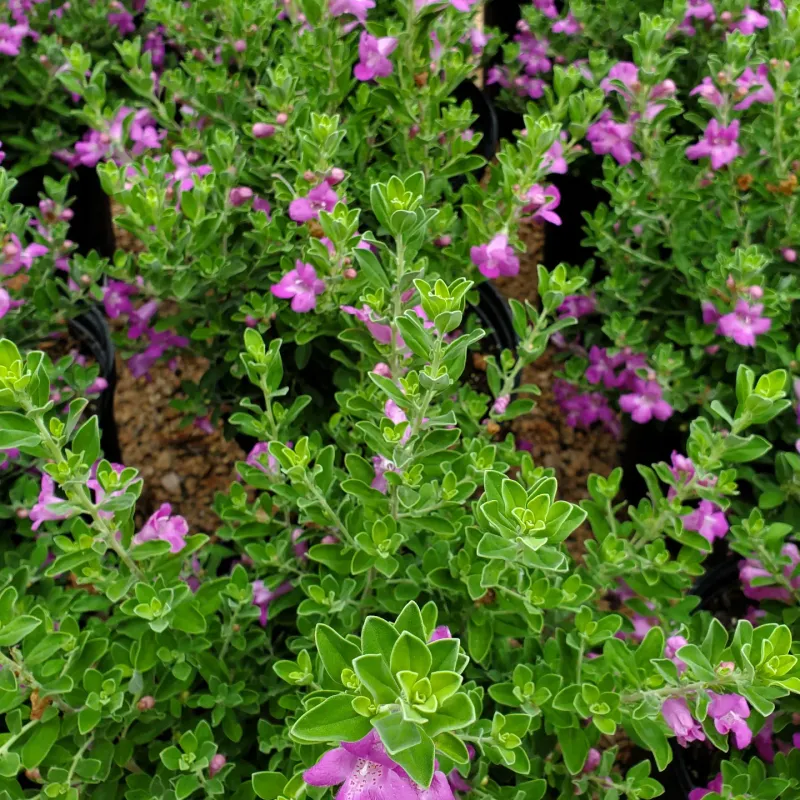
Fall is the moment a lot of Arizona gardeners make a pruning mistake that costs them the following spring’s first bloom. Texas sage starts setting the buds for its earliest flowers of the next season during late September and October.
Pick up your pruners at that point and you will be cutting off the very growth that was supposed to open into flowers six months from now.
Pulling back from pruning in fall does not mean the shrub suddenly looks messy or out of control. By October, the monsoon growth has filled the plant out nicely and it tends to hold a good shape on its own through the cooler months.
Arizona winters are mild enough that Texas sage rarely needs any protective cutting before the cold arrives.
Letting those fall buds develop undisturbed means your plant enters spring already loaded and ready to bloom at the first sign of warmth.
Gardeners who stop pruning in September consistently see earlier and heavier first blooms compared to those who keep trimming into October or November.
One more reason to put the pruners away in fall: Texas sage slows its growth significantly once temperatures drop below 50 degrees at night. Pruning during slow growth periods means the cuts take longer to callus over, leaving the plant more exposed through winter.
Better to let it coast through the cool months completely untouched.
Mark your calendar, set a reminder, or just make it a rule that once October arrives your Texas sage gets to rest until after that first spring bloom.