8 Arizona Plants That Struggle If Overwatered During Spring Warm-Up
Spring in Arizona often brings a shift in watering habits, especially as temperatures begin to rise and plants start to show new growth.
More water can seem like the right move during this stage, but for many desert plants, that change creates problems instead of helping.
Roots sit in moisture longer than they can handle, soil stays heavy, and plants that prefer dry conditions begin to weaken without clear warning at first. Leaves may look stressed, growth slows, and overall health starts to decline even when care seems consistent.
Understanding which plants react poorly to excess moisture during this period can prevent avoidable damage. Small adjustments in watering can make a noticeable difference in how well these plants handle the transition into warmer conditions.
1. Agave Stores Water And Struggles In Soggy Soil
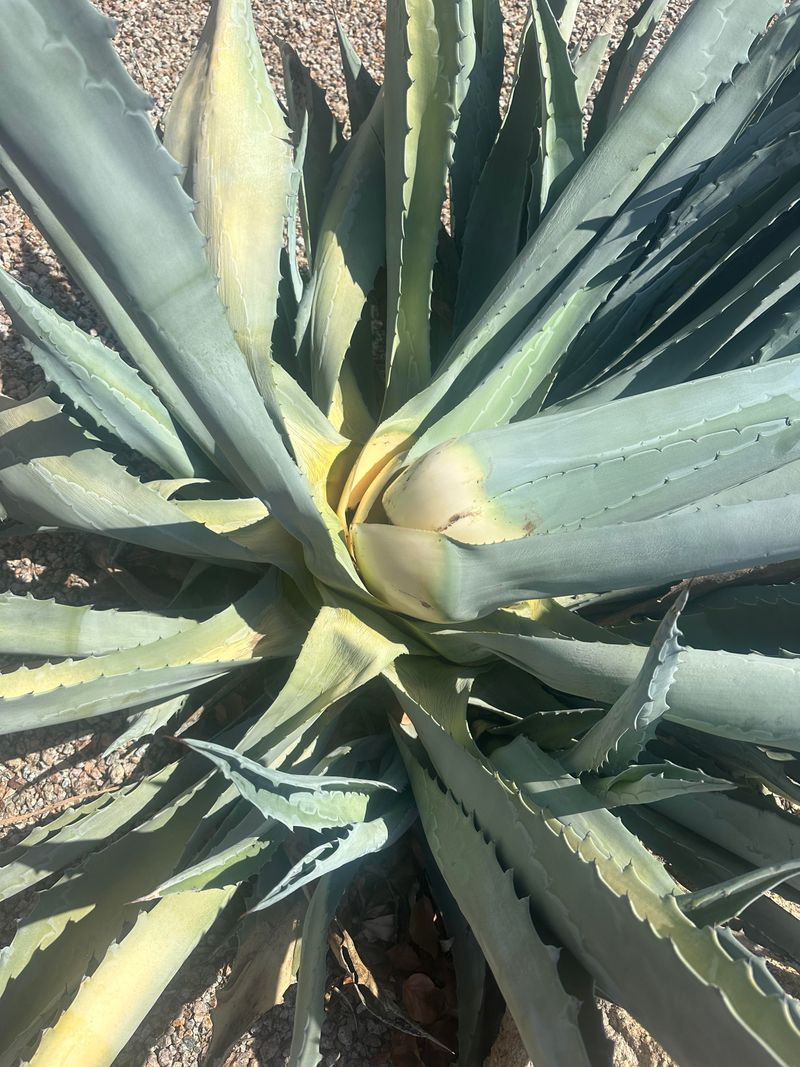
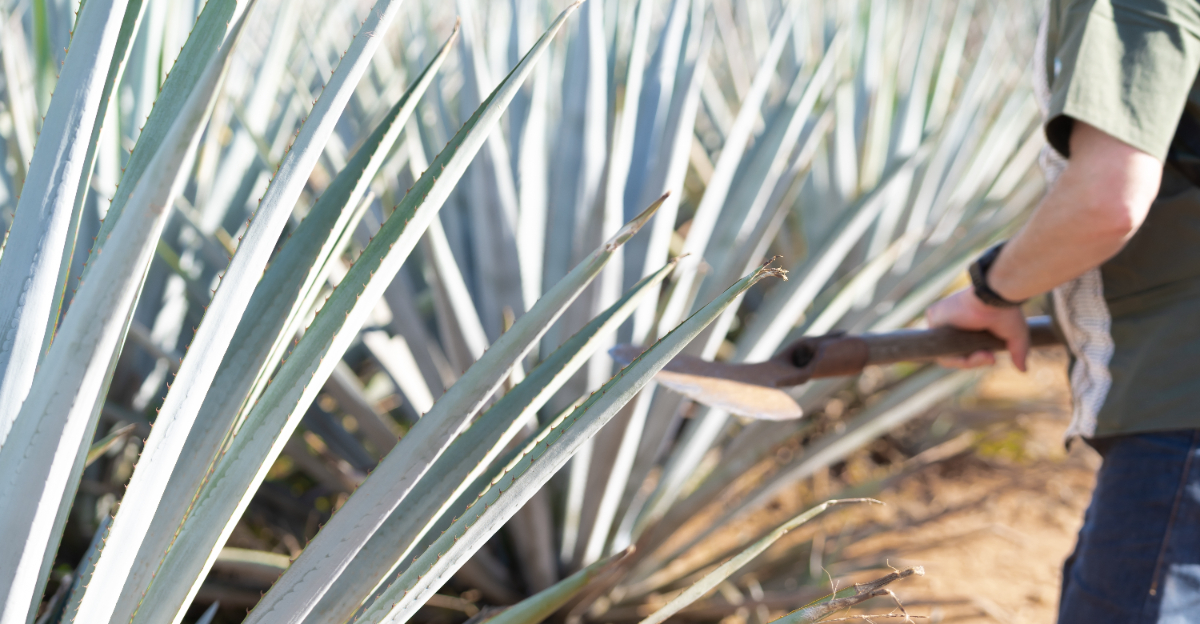
Agave is one of those plants that genuinely does not need your help staying hydrated. These plants evolved to survive in some of the driest parts of the Southwest, storing water inside their thick, fleshy leaves for long stretches between rain.
When spring arrives in Arizona and temperatures start climbing, many gardeners instinctively reach for the hose, and that is exactly where things go wrong.
Soggy soil cuts off oxygen to the roots, and agave roots are not built to handle that kind of stress. You might start noticing leaves that look soft or slightly translucent near the base.
That mushy texture is a warning sign that moisture has been sitting too long around the crown of the plant.
Sandy or gravelly, fast-draining soil is what agave actually wants. If your garden bed holds water for more than an hour after irrigation, that is already more than enough.
In spring, when Arizona soil stays cooler and dries out slower than in peak summer, watering once or twice a month is usually sufficient for established agave.
Skip the deep soaks and let the soil dry out completely between waterings. Agave planted in raised beds or slopes tends to drain faster and perform noticeably better.
Matching the watering schedule to the season, not just habit, is what keeps these plants looking sharp year after year.
2. Aloe Vera Develops Root Issues With Excess Moisture
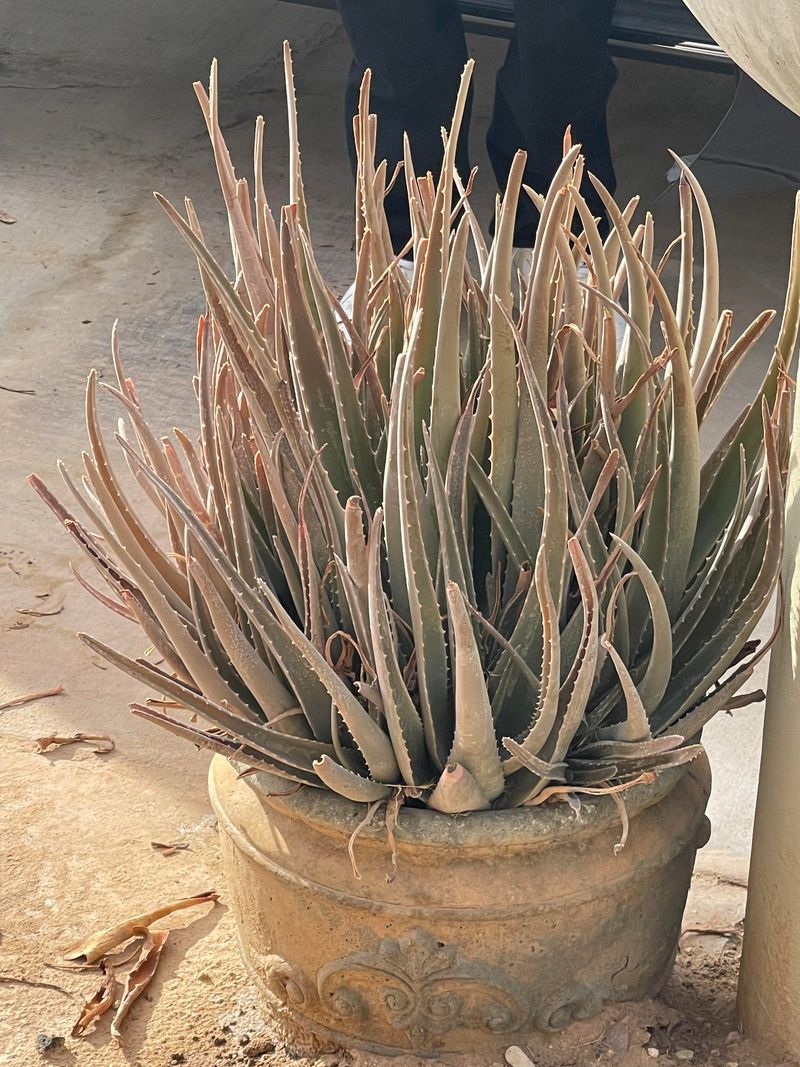
Aloe vera looks tough, and it is, but only when it gets the right conditions. Most people are surprised to learn that aloe is far more likely to have trouble from too much water than too little.
In Arizona, spring brings a tricky combination of warming air and soil that still holds onto moisture from cooler months, which puts aloe in a vulnerable spot if irrigation is not adjusted.
Root issues often start quietly. The plant may look fine on the outside for a while before the lower leaves start turning yellow or brown and feel soft when you press them.
By that point, the roots have likely been sitting in wet soil long enough to begin breaking down, reducing the plant’s ability to pull up nutrients.
Aloe does best in pots or raised beds with gritty, fast-draining mix. If yours is planted in clay-heavy ground, spring is a good time to check how quickly water moves through after a watering session.
Your Arizona Garden Changes Every Week. Your Plan Should Too.
Gardening in Arizona changes quickly throughout the season. Every Friday you’ll receive a simple weekly plan showing exactly what to plant, prune, fertilize, harvest, and protect so you never miss the right timing.
Standing water around the base for more than 30 minutes is a red flag.
Cut back watering significantly as temperatures rise from March into May. Aloe generally needs water every two to three weeks in spring, sometimes less depending on recent rainfall.
Letting the top two inches of soil go completely dry before watering again is a reliable method that works well across most of Arizona’s growing zones.
3. Lavender Declines Quickly In Poorly Drained Conditions
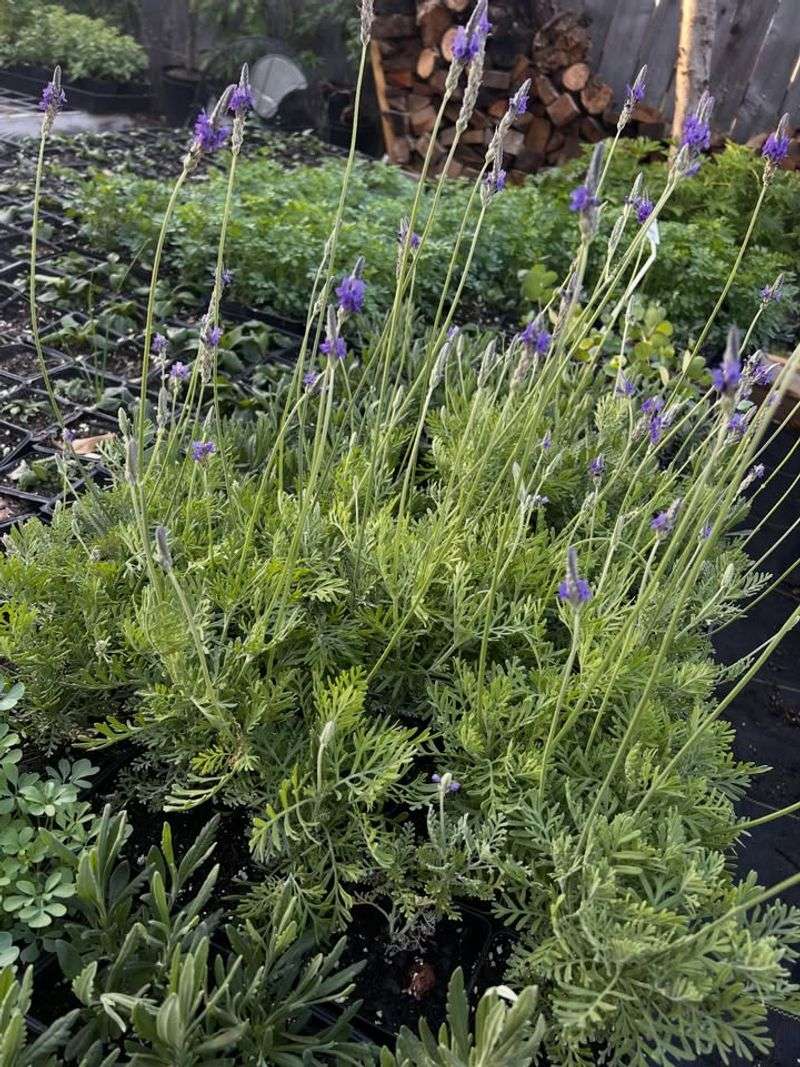
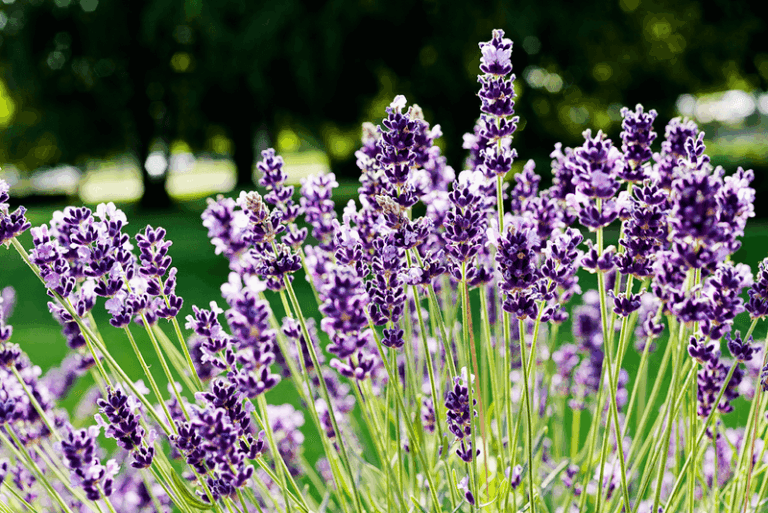
Lavender and wet feet simply do not get along. Anyone who has grown lavender in Arizona knows that it needs excellent drainage above almost everything else.
Spanish lavender varieties tend to handle the desert heat reasonably well, but even those tough varieties will struggle and fade when water lingers around their roots during the spring transition period.
What makes spring particularly risky is that the soil warms unevenly. Roots are still sluggish from cooler temperatures, so they cannot absorb moisture as efficiently as they will in summer.
Water tends to sit longer, and fungal issues can move in fast. Crown rot is one of the most common problems lavender growers in Arizona face, and overwatering in spring is a leading cause.
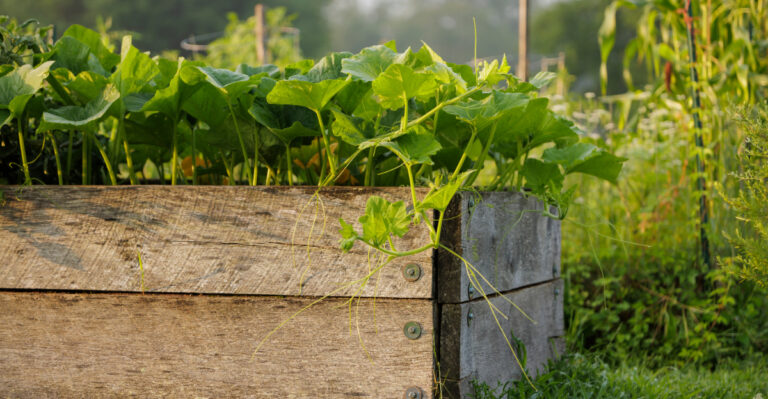
Raised beds with amended soil that includes coarse sand or pea gravel give lavender the best shot at staying healthy. Planting on a slight slope also helps move water away from the base.
If your lavender is in flat ground with dense soil, consider improving drainage before the growing season gets fully underway.
During spring warm-up, watering once every ten to fourteen days is usually enough in most parts of Arizona. After a rain event, skip the next scheduled watering entirely.
Lavender actually looks and smells its best when it has to work a little for moisture, so pulling back on irrigation is not neglect, it is good management.
4. Rosemary Suffers In Wet Soil And High Moisture
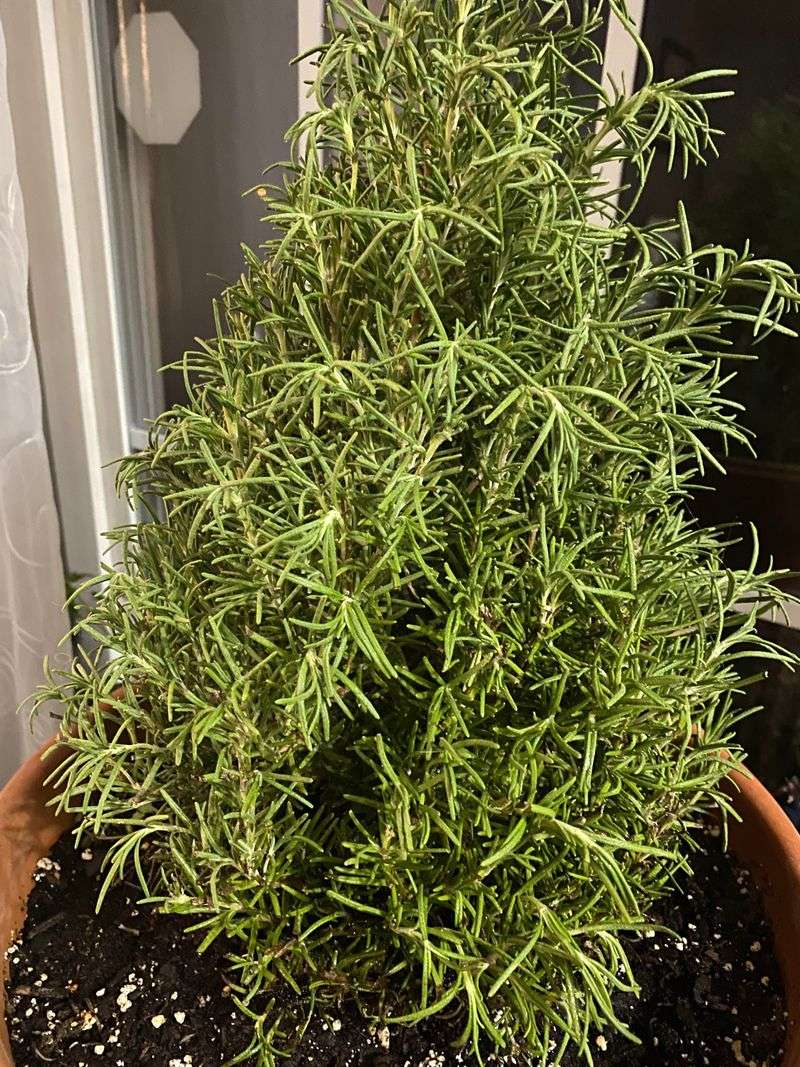
Rosemary is practically a desert plant at heart, thriving on neglect and full sun, but soggy soil will take it down faster than most people expect. Arizona gardeners often run into problems with rosemary during spring because irrigation schedules set during winter do not get adjusted soon enough as the weather shifts.
The plant starts looking rough, stems brown from the base up, and the whole thing can decline within a few weeks if the drainage issue is not addressed.
Wet soil also makes rosemary much more susceptible to fungal diseases. Phytophthora root rot is a real concern in heavier soils, especially when spring rains combine with regular irrigation.
The roots stop functioning properly, and even though the soil is wet, the plant shows signs of stress that look confusingly similar to drought.
Rosemary planted in loamy or clay-heavy spots in Arizona needs some soil amendment work before spring gets into full swing. Mixing in coarse sand or decomposed granite helps water move through more quickly.
Container-grown rosemary has an advantage here because you control the mix entirely.
Watering every ten days or so during March and April is typically enough in the Phoenix and Tucson areas. If you get any measurable rainfall, skip your next scheduled session.
Rosemary roots are shallow and widespread, so they pick up moisture efficiently, meaning less water goes further than you might think during this season.
5. Desert Marigold Performs Best In Dry Conditions
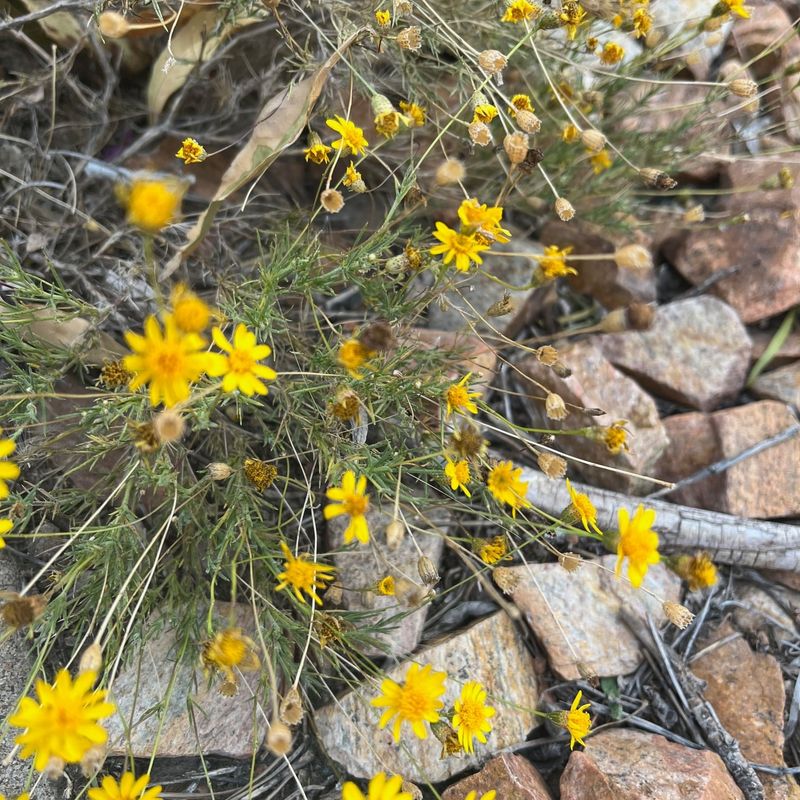
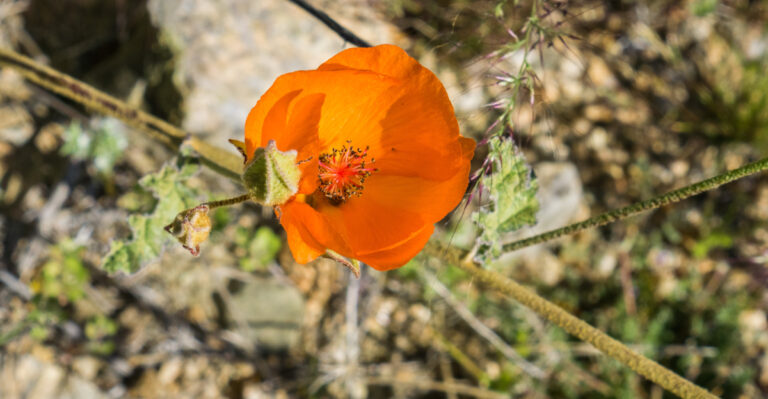
Desert marigold is one of the most cheerful wildflowers you can grow in Arizona, but it has a strong preference for dry, rocky, or sandy soil. Overwatering this plant during spring, even with the best intentions, tends to produce exactly the opposite of what gardeners hope for.
Instead of more blooms, you get stretched, floppy stems, fewer flowers, and a plant that looks worn out before summer even arrives.
One reason desert marigold struggles with excess moisture is its native habitat. It grows naturally along roadsides and rocky slopes in the Sonoran Desert where drainage is almost instant.
Replicating that environment in a home garden means resisting the urge to water on a regular schedule and instead letting the soil guide you.
Check the soil before every watering session. If there is any moisture at all an inch below the surface, hold off.
During Arizona spring, desert marigold typically needs water no more than once every two weeks, and sometimes less if nighttime temperatures are still cool. Overwatering in March and April can shorten the bloom window significantly.
Planting in native soil without added compost or water-retaining amendments actually gives this plant better results. Rich, amended beds hold moisture longer than the lean, fast-draining ground desert marigold prefers.
Keeping it lean and dry from the start of spring sets the plant up to bloom generously through late spring and into early summer.
6. Red Yucca Weakens When Soil Stays Too Wet
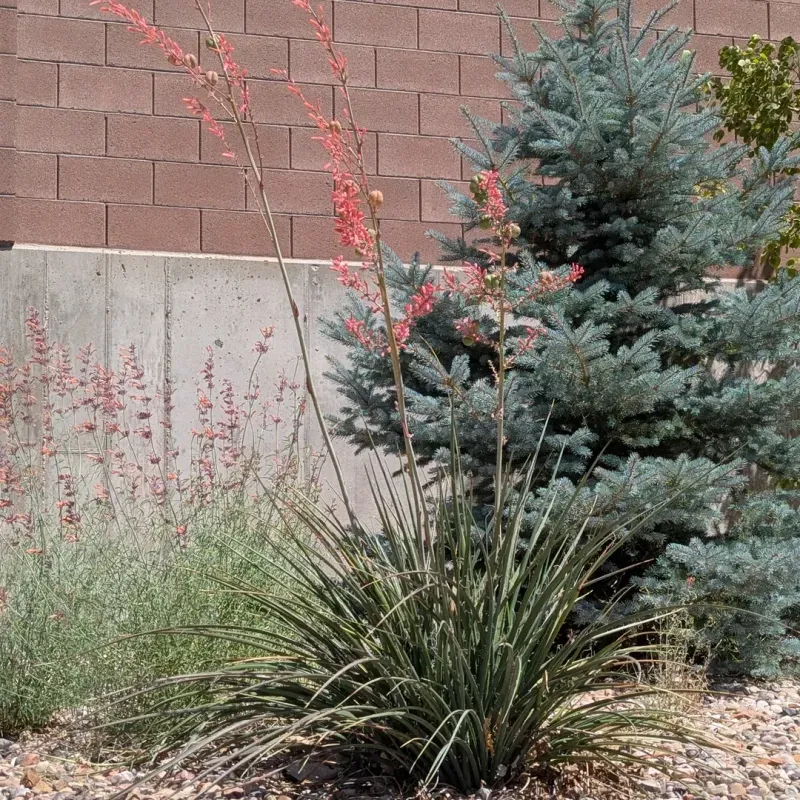
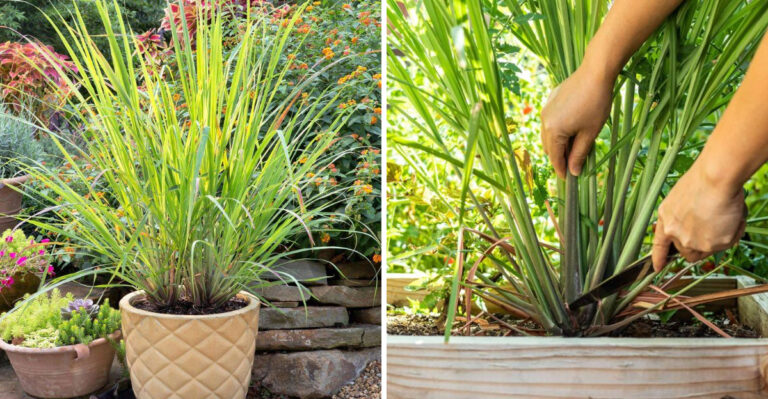
Red yucca is one of the more underrated plants in Arizona landscaping, producing tall coral flower spikes that hummingbirds cannot resist. Tough and adaptable, it handles heat and drought with ease, but wet soil during spring is a different story.
Extended moisture around the root zone weakens the plant noticeably, and recovery can be slow once the damage sets in.
Unlike true yuccas, red yucca has a grass-like growth habit with softer, arching leaves. That structure can be deceiving, making it look like a thirsty ornamental grass.
Some gardeners water it accordingly, which is too much. In spring, when Arizona soil takes longer to fully dry out, this mistake gets compounded quickly.
Signs of overwatering in red yucca include yellowing at the base of the leaves, a general drooping or flopping appearance, and sometimes a darkening of the crown area. If the crown stays wet for too long, it can develop rot that works its way down into the root system.
At that point, the plant has a hard time bouncing back.
Water red yucca no more than once every two to three weeks during spring in most Arizona regions. Sandy or decomposed granite soil is ideal.
If your yard has clay or compacted ground, amend a wide planting area before installing red yucca rather than just the immediate hole, which can actually trap water around the roots rather than letting it escape.
7. Texas Sage Struggles With Frequent Watering
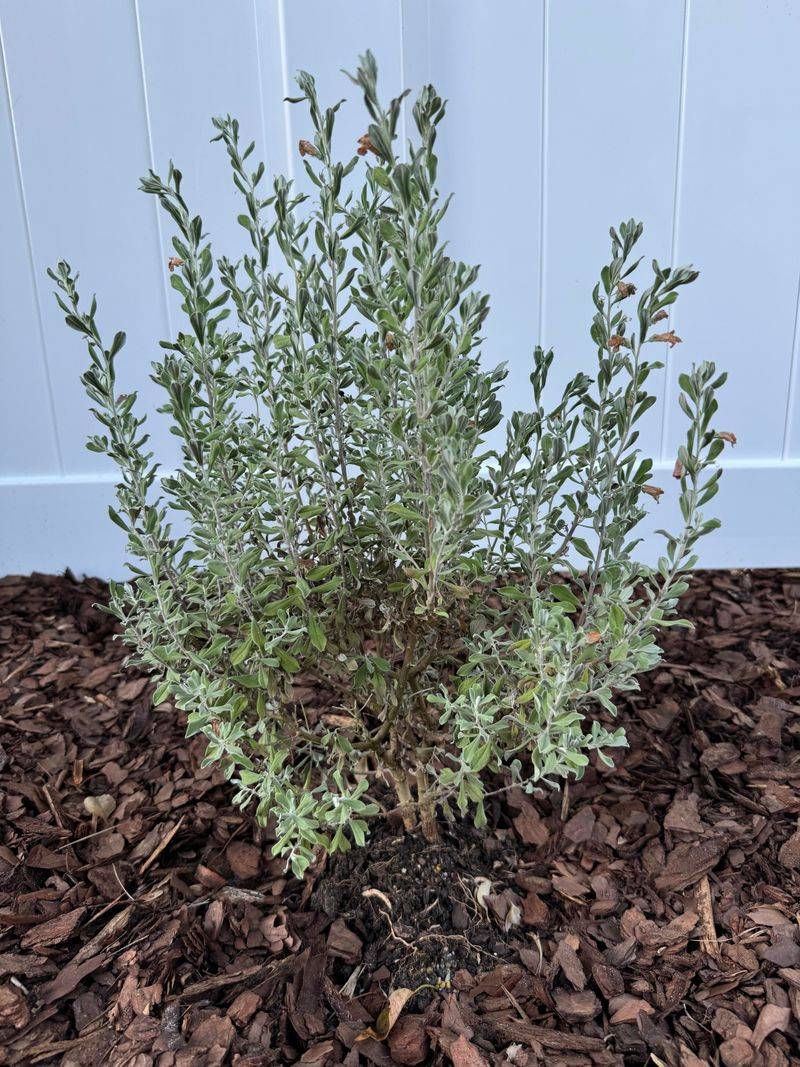
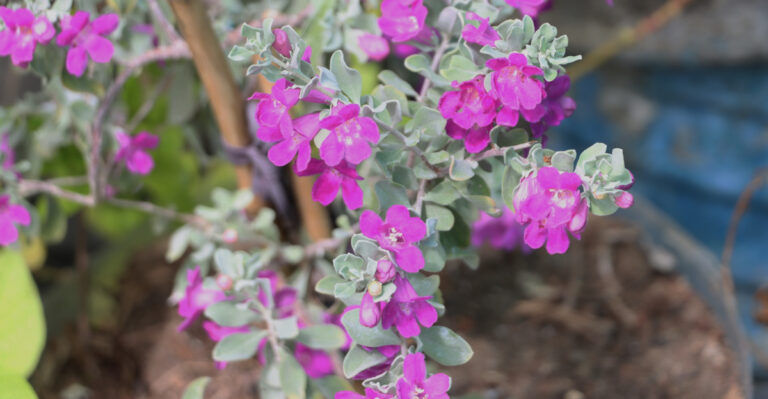
Texas sage, also called cenizo or purple sage, is practically a symbol of dry-climate gardening in the Southwest. Walk through almost any established Arizona neighborhood and you will spot it along driveways and property borders, blooming purple after monsoon rains.
What makes it special is also what makes it vulnerable in spring: it responds to rainfall as a bloom trigger, meaning consistent irrigation confuses the plant and can actually suppress flowering.
Frequent watering during spring warm-up pushes Texas sage into a state of chronic stress.
Roots sitting in moist soil for extended periods lose their ability to anchor the plant properly, and the shrub can start looking leggy and unkempt rather than the rounded, compact shape it naturally forms in drier conditions.
Root rot is a genuine risk in poorly drained spots, especially when spring temperatures are still mild and evaporation is slow. Soil stays wet longer in March and April than it does in July, so irrigation habits that seem fine in summer can cause real harm during the spring transition.
Give Texas sage deep, infrequent water no more than once every two to three weeks during spring, and only if there has been no meaningful rainfall.
Avoid drip emitters that run daily or every other day, since that steady low-level moisture is harder on this plant than occasional deep soaks followed by long dry periods.
Less really is more here.
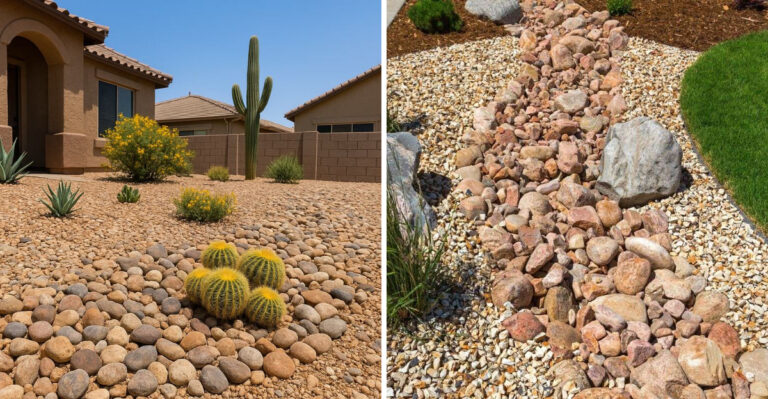
8. Barrel Cactus Cannot Tolerate Excess Moisture
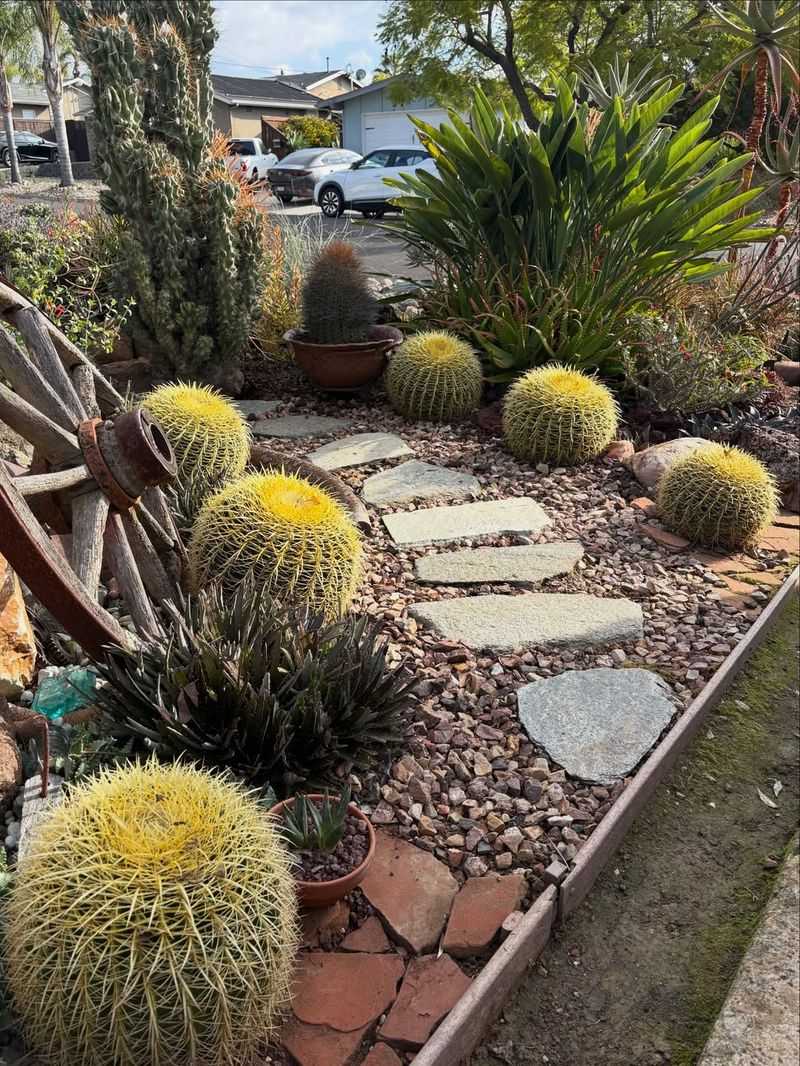
Barrel cactus looks like it could survive just about anything, and in the right conditions, it pretty much can. But overwatering during Arizona’s spring warm-up is one of the fastest ways to cause serious harm to this iconic desert plant.
Unlike summer, when high temperatures help soil dry out quickly, spring conditions in Arizona keep moisture in the ground much longer, and barrel cactus cannot handle that extended wet period.
Root systems on barrel cactus are shallow and spread wide rather than deep. They are designed to soak up brief, intense rainfall and then sit dry for weeks.
When irrigation keeps the surrounding soil consistently moist, those roots begin to break down. You might notice soft patches developing on the lower sides of the cactus body, which is a sign that internal tissue is already compromised.
Spring is actually when barrel cactus needs the least irrigation of any season. Cooler nighttime temperatures slow the plant’s metabolism, meaning it is not actively growing or using much water at all.
Adding regular irrigation on top of that creates conditions the plant was never built to handle.
In most parts of Arizona, barrel cactus needs no supplemental water from roughly November through May if planted in the ground. Potted specimens may need water once a month at most during spring.
Checking the soil six inches down before watering is the simplest and most reliable way to avoid overwatering this classic desert plant.