Should You Prune Roses Before Spring Growth Starts In Georgia
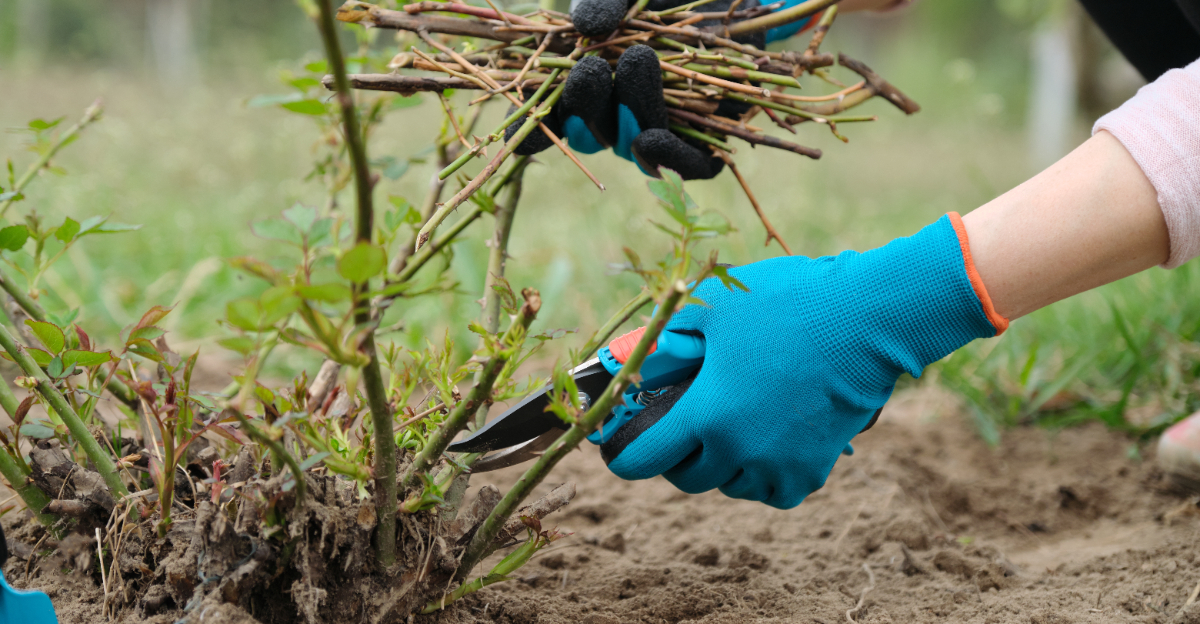
Georgia gardeners know how tempting it is to start cleaning up roses the minute spring feels close. A few warm days roll in, the yard begins to wake up, and those bare canes suddenly look like they are waiting for attention.
It feels like the perfect moment to prune and get everything in shape before the season moves ahead. But roses can be a little deceptive at this stage, especially in Georgia, where early spring does not always stay gentle for long.
What looks like a safe window can shift quickly with one cold night or a sudden change in weather. That is where a lot of the uncertainty begins.
Pruning seems simple until timing becomes part of the problem, and then even experienced gardeners start second guessing what the plant really needs.
Some rose bushes bounce forward beautifully after the right cut. Others respond very differently when they are touched too soon.
The tricky part is knowing which moment gives them the best start.
1. Prune Roses In Late Winter Before New Growth Starts
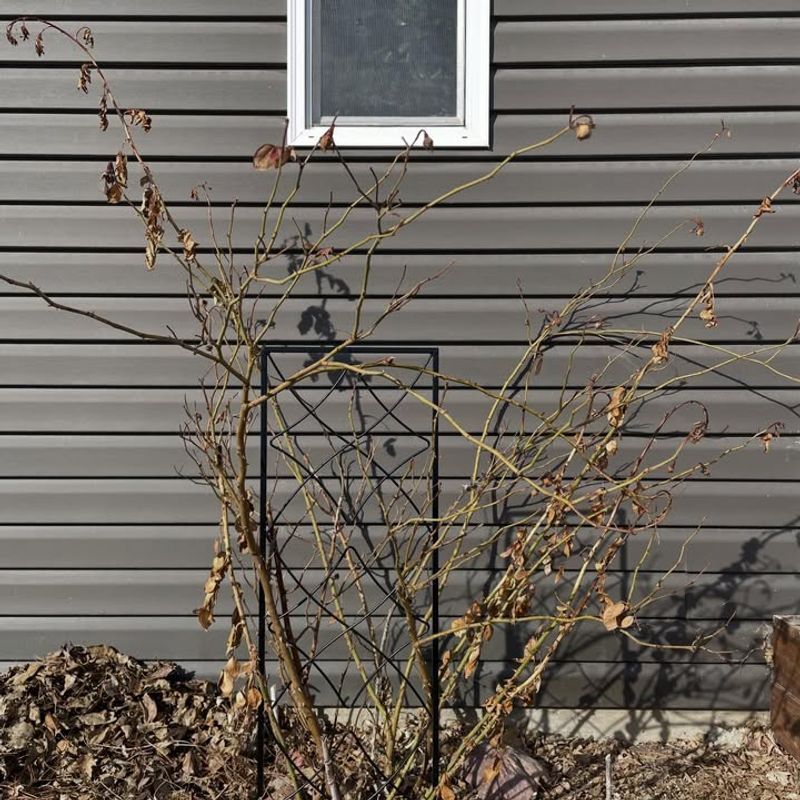
Late winter is the sweet spot for rose pruning in Georgia, and most experienced gardeners here will tell you the same thing. Waiting until summer or fall is a common mistake that can really throw off the plant’s natural rhythm.
Catching roses before they push out new growth gives you a clean window to shape them properly.
In North Georgia, late February into early March tends to be the target window. Down south near Valdosta or Brunswick, you can often get started in late January without much worry.
The key is reading the plant and the forecast together, not just going by the calendar date alone.
Removing old canes, crossing branches, and damaged wood during this period helps open up the center of the plant. Better air movement through the bush means fewer fungal problems later in the season, which is a big deal in Georgia’s humid summers.
A cleaner plant going into spring just performs better overall.
Sharp bypass pruners are the tool of choice here. Dull blades crush stems instead of cutting them cleanly, which invites disease and slows healing.
Wiping blades with rubbing alcohol between plants is a simple habit that pays off big over a full season of pruning.
Late winter pruning also encourages the plant to direct energy into strong new canes rather than wasting it trying to revive weak or damaged old growth. Roses respond well to being cut back firmly at this stage, so do not be shy about removing a third to half of the overall plant height.
2. Start Pruning When Buds Begin To Swell
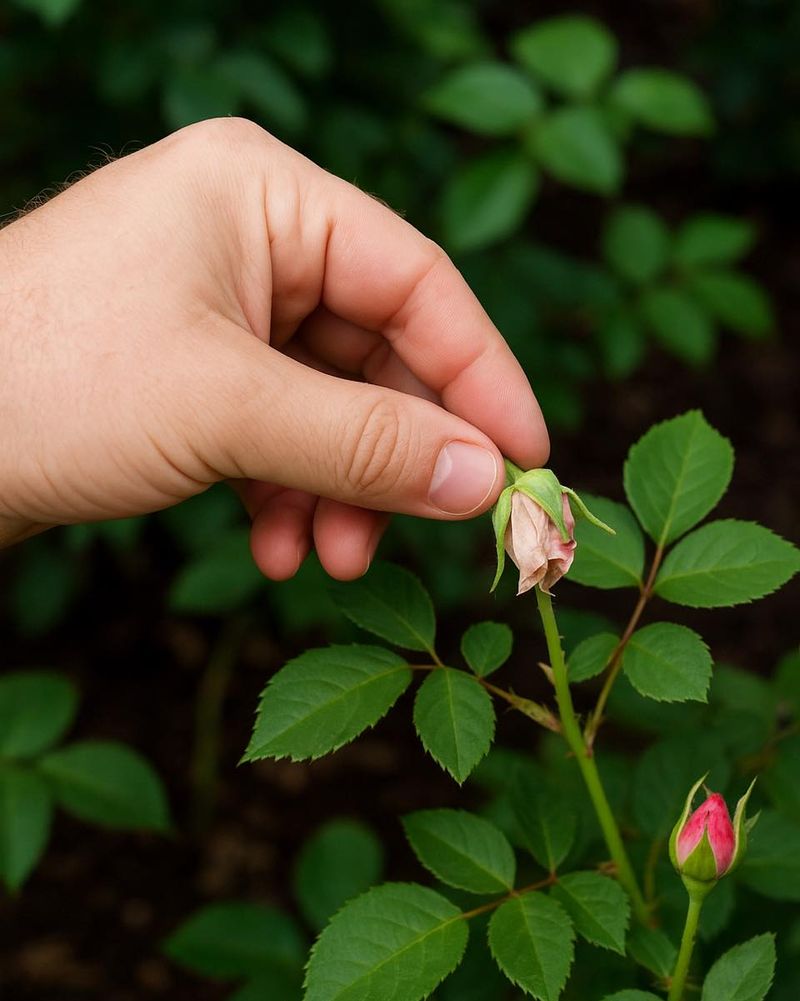
Swelling buds are nature’s way of telling you the timing is right. When you spot those small, reddish bumps starting to push out along the canes, that is your signal to grab the pruners and get to work.
Waiting for full leaf emergence is too late, but acting on bud swell puts you right in the ideal window.
Your Georgia Garden Changes Every Week. Your Plan Should Too.
Gardening in Georgia changes quickly throughout the season. Every Friday you’ll receive a simple weekly plan showing exactly what to plant, prune, fertilize, harvest, and protect so you never miss the right timing.
Bud swell happens at slightly different times across Georgia depending on where you live. In Atlanta or Dahlonega, it might not show up until late February or even early March.
Closer to the coast or in the southern part of the state, bud swell can appear weeks earlier, sometimes as early as mid-January after a mild stretch.
Watching for this signal beats relying on a fixed date every single year. Georgia weather is unpredictable, and some winters run warmer or colder than average.
Letting the plant guide you is smarter than sticking to a rigid schedule that does not account for what is actually happening outside.
At the bud swell stage, the plant has already started moving energy upward through the canes. Pruning now channels that energy into the strongest, most well-placed new shoots rather than spreading it thin across every old branch.
Fewer, stronger canes produce better blooms than a tangled mess of weak growth.
Check your roses every few days once temperatures start climbing above freezing consistently. Bud swell can happen fast in Georgia’s warming spring weather, and you want to catch it before the buds stretch out too far into soft new growth.
3. Avoid Pruning Too Early During Hard Freeze Risk
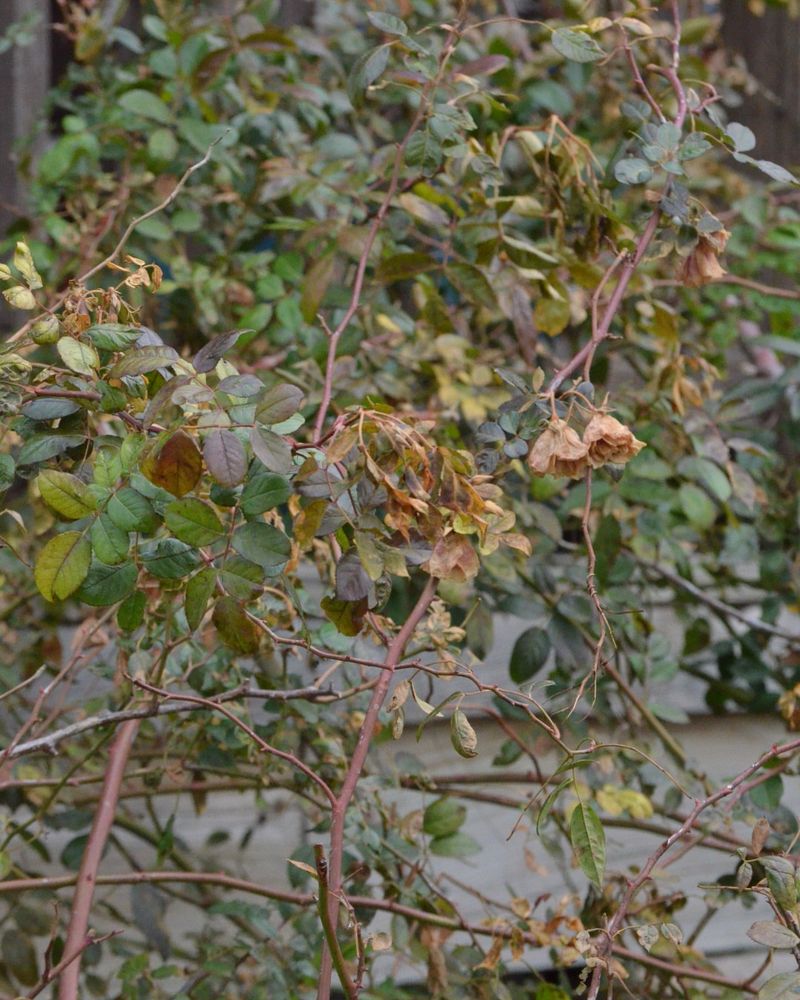
Jumping the gun on pruning can backfire badly if a hard freeze follows. Fresh pruning cuts stimulate the plant, and any new growth that pushes out afterward is extremely vulnerable to freezing temperatures.
North Georgia in particular can see hard freezes well into February and sometimes into early March.
A late cold snap after early pruning does not just slow growth down. It can damage the tender new shoots that emerged right after you cut, leaving you with blackened, mushy growth that has to be removed all over again.
Essentially, you end up doing the job twice.
Watching the extended forecast before you start is a smart move. If there is any chance of temperatures dropping below 28 degrees Fahrenheit within the next couple of weeks, it makes sense to hold off.
Patience here actually saves you work later on in the season.
South Georgia gardeners have a bit more flexibility since hard freezes are rarer along the coast and in the lower part of the state. Still, even in zones 8b and 9a, an unexpected cold front can roll through in January or February.
Staying aware of weather patterns rather than assuming the worst is over protects your roses from unnecessary setbacks.
Mulching around the base of rose plants during cold snaps adds an extra layer of protection for roots and lower canes. A couple of inches of pine straw or wood chips helps moderate soil temperature swings.
Small precautions like this go a long way during Georgia’s unpredictable late winter weather.
4. Do Not Wait Until Leaves Fully Emerge To Prune
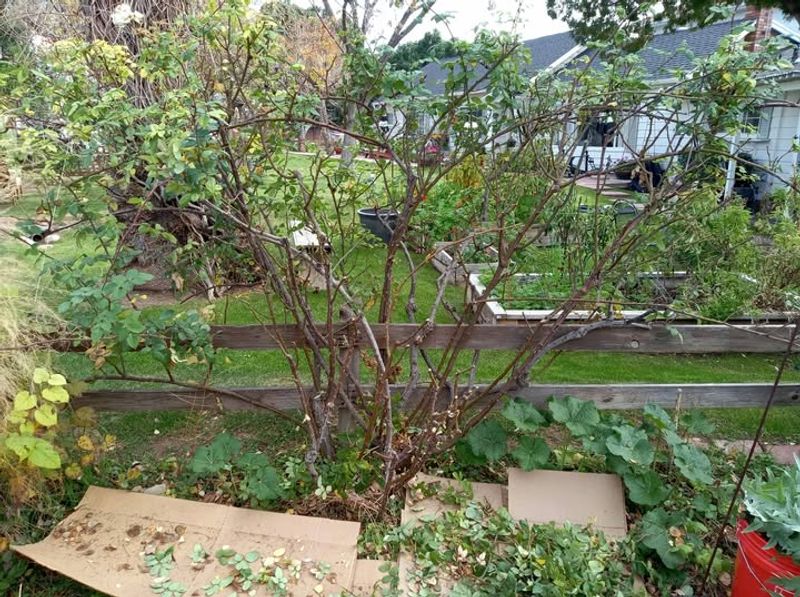
Procrastinating on pruning until leaves have fully opened is one of the most common timing mistakes Georgia rose growers make. By that point, the plant has already spent a significant amount of energy pushing out that new leaf growth.
Cutting it back at that stage wastes energy the plant could have directed into strong canes and flower production.
Fully leafed-out roses are also harder to assess structurally. Dense foliage hides crossing branches, weak canes, and winter damaged wood that would have been much easier to spot in late winter.
You end up making less precise cuts because you simply cannot see what you are working with as clearly.
Late pruning in Georgia also puts you closer to the start of the humid season. Open pruning wounds during warm, moist weather are more prone to fungal infection than cuts made during the cooler, drier days of late winter.
Timing matters not just for the plant’s energy but for its overall health going forward.
Roses that get pruned late tend to bloom later and sometimes produce fewer flowers in the first flush of the season. That first spring bloom cycle is often the most spectacular one in Georgia, especially for repeat-blooming varieties.
Missing the window means missing out on what could be the best show of the year.
If you do find yourself a bit late and leaves are already emerging, prune carefully rather than skipping it entirely. Remove the obvious problem wood and do light shaping, then let the plant recover.
A partial pruning is always better than none at all when timing slips away from you.
5. Focus On Timing To Support Strong Spring Growth
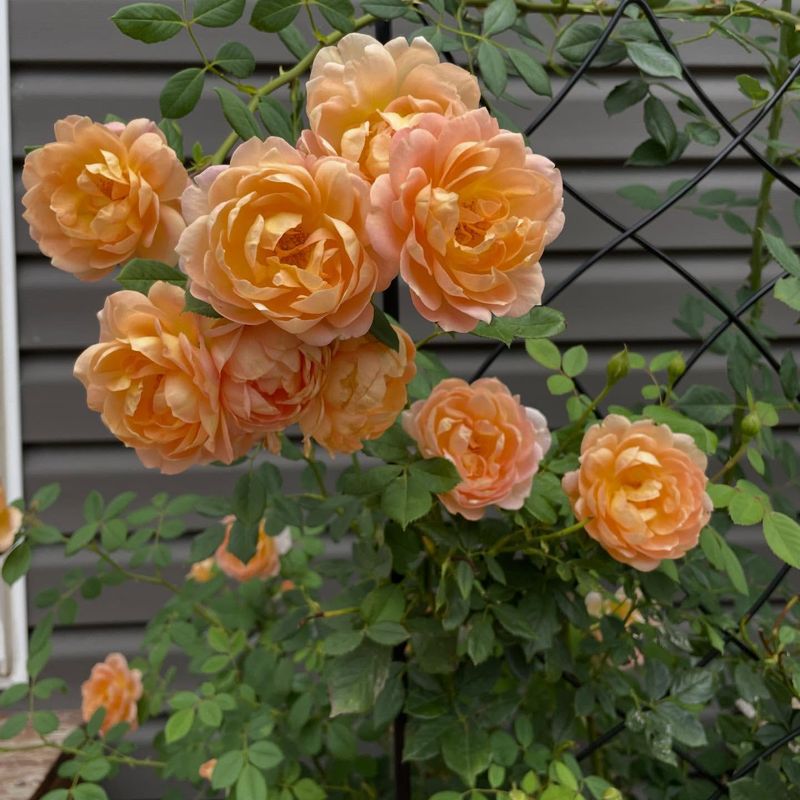
Strong spring growth does not happen by accident. Roses that get pruned at the right time in Georgia consistently outperform those that are neglected or cut back at the wrong point in the season.
Timing your pruning to align with the plant’s natural growth cycle is the single biggest factor in how well your roses perform each year.
When you prune just before the plant breaks dormancy, you are essentially steering where all that stored energy goes.
Cutting back to healthy outward-facing buds encourages the plant to build an open, well-shaped structure that supports good air flow and strong flower production.
Skipping this step leaves the plant to grow however it wants, which is usually messier and less productive.
Georgia’s spring can arrive quickly and aggressively. Temperatures swing from cool nights to warm afternoons in a matter of days, and roses respond fast.
Having your pruning done before that surge hits means the plant is already set up to take full advantage of the warming weather and longer days.
Feeding your roses right after pruning with a balanced rose fertilizer gives the new growth an extra boost. Combining good pruning timing with proper nutrition creates a strong foundation for the entire growing season.
Both steps together produce noticeably better results than either one alone.
Healthy spring growth also means the plant enters Georgia’s brutal summer heat with more reserve strength. A rose that had a strong spring start handles heat stress, drought, and humidity better than one that struggled out of the gate.
Solid timing at the beginning sets the tone for the whole year ahead.
6. Balance Early Pruning With Local Weather Conditions
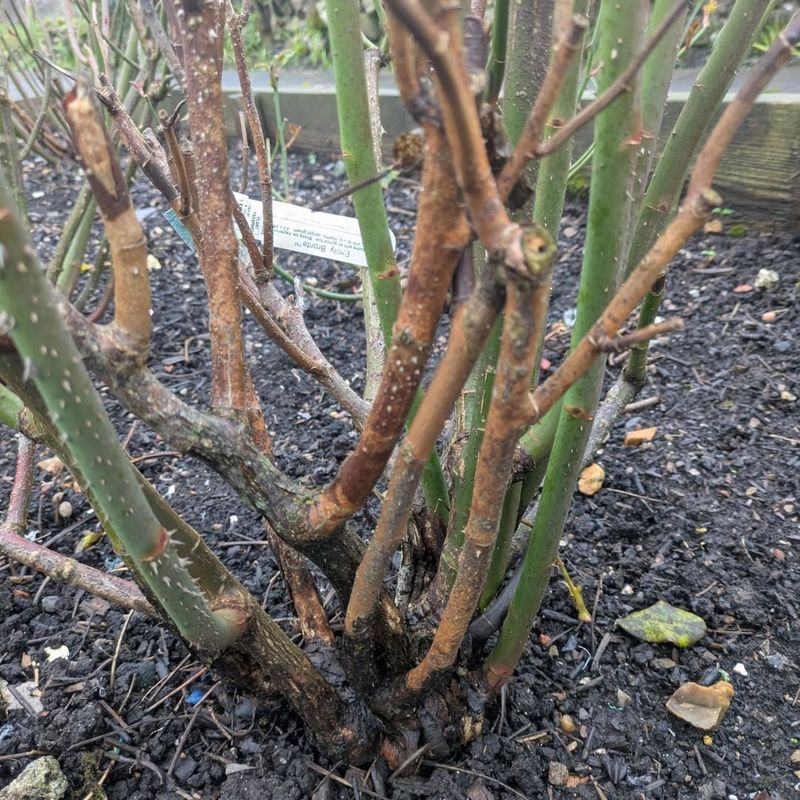
Local weather in Georgia does not follow a neat script, and anyone who has gardened here for a few seasons already knows that. February can bring a stretch of 65-degree days followed by a week of hard freezes.
Balancing early pruning against that kind of unpredictability takes a bit of experience and a lot of checking the forecast.
North Georgia gardeners near the mountains deal with a genuinely different climate than those in Macon or Savannah. Zone 7b up north means cold lingers longer and freeze risk stays real well into late winter.
Zone 8b and 9a down south gives growers more room to prune early without much consequence from late cold snaps.
Checking the 10-day forecast before picking up the pruners is a habit worth developing. If a warm trend is holding steady with no hard freezes in sight, that is a good green light to start.
If the forecast shows a cold front dropping temperatures into the upper 20s, give it another week or two.
Tapping into that local knowledge base takes a lot of guesswork out of the equation.
Ultimately, balancing pruning with weather comes down to being observant and flexible.
No two winters in Georgia are exactly alike, and the gardeners who pay attention to what is actually happening outside tend to get better results than those who follow a fixed date no matter what the weather is doing.
7. Proper Timing Leads To Better Flowering And Health
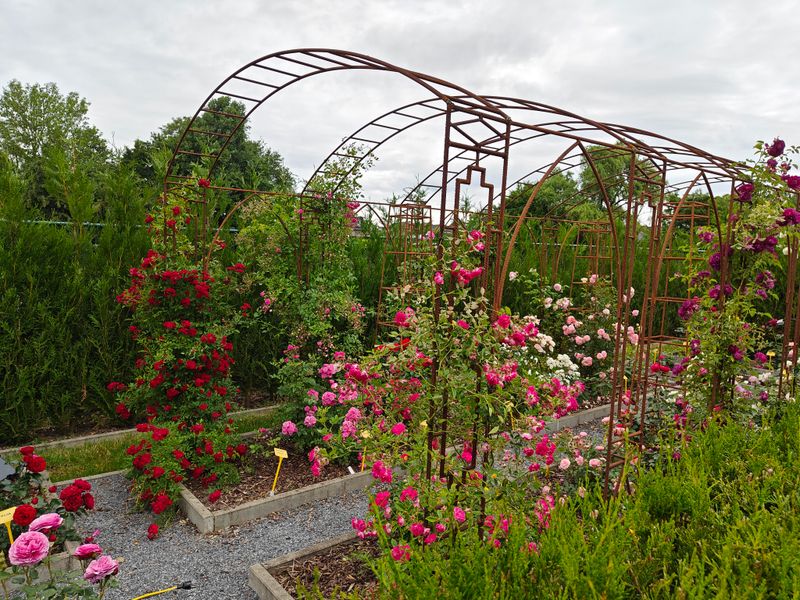
Few things in a Georgia garden are as satisfying as a rose bush absolutely loaded with blooms in April and May. Getting to that point reliably is less about luck and more about doing the right things at the right time.
Proper pruning timing is one of the most direct ways to influence how well your roses flower each season.
Roses pruned at the correct time produce more vigorous new canes, and those canes are what carry the flower buds. A plant that was cut back cleanly in late winter before bud swell has a head start over one that was left alone or pruned too late.
Stronger canes mean bigger flowers and more of them throughout the spring flush.
Plant health ties directly into timing as well. In Georgia’s humid climate, that cleanup step is not optional if you want to avoid black spot and other common rose diseases that spread rapidly once warm, wet weather arrives.
Roses that are consistently pruned on a good schedule tend to stay more compact and productive over the years.
Plants that get skipped or poorly timed often become woody, overgrown, and less floriferous as seasons go by.
Regular attention in late winter keeps the plant rejuvenated and producing quality growth year after year.
Across Georgia, from the foothills to the coast, the principle holds the same: timing your pruning correctly is one of the simplest and most impactful things you can do for your roses. Everything else builds on that foundation.