These 9 Georgia Flowers Attract More Ladybugs When Aphids Take Over Your Garden
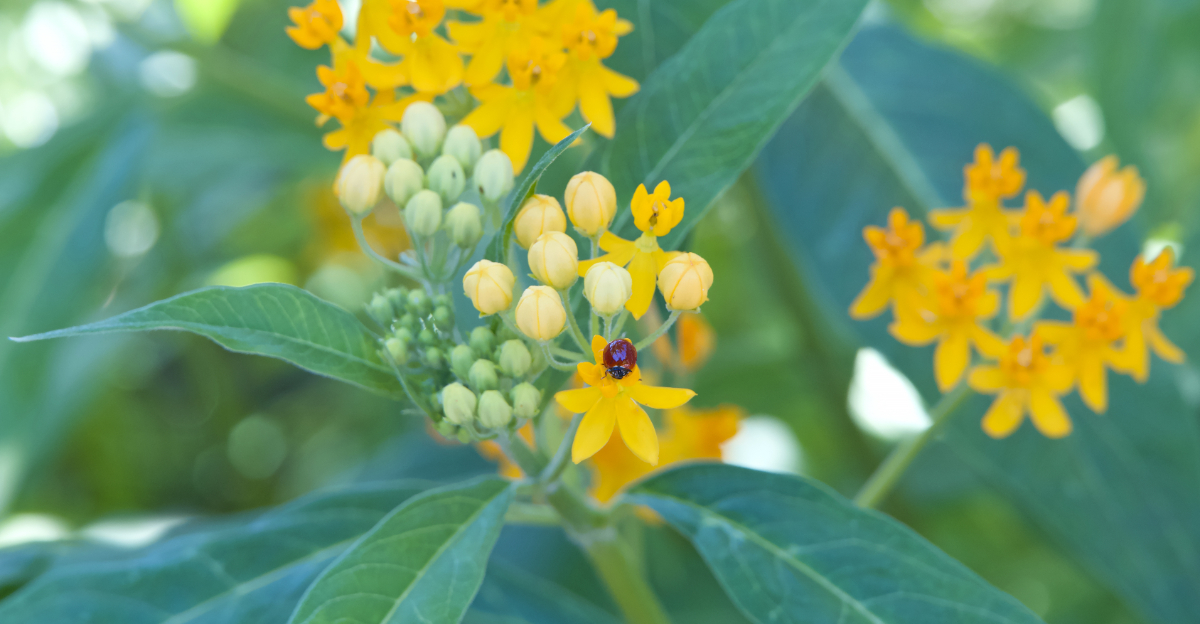
Aphids have a way of showing up right when garden plants start looking their best in Georgia. Fresh growth suddenly gets covered in tiny pests, and many gardeners end up searching for anything that can help slow them down naturally.
That is where the right flowers can make a surprising difference. Some blooms attract far more ladybugs than others, which matters a lot once aphids start spreading around the garden.
The more ladybugs that stick around nearby, the easier it becomes to keep aphid numbers from completely taking over plants.
1. Sweet Alyssum Gives Ladybugs Easy Access To Nectar
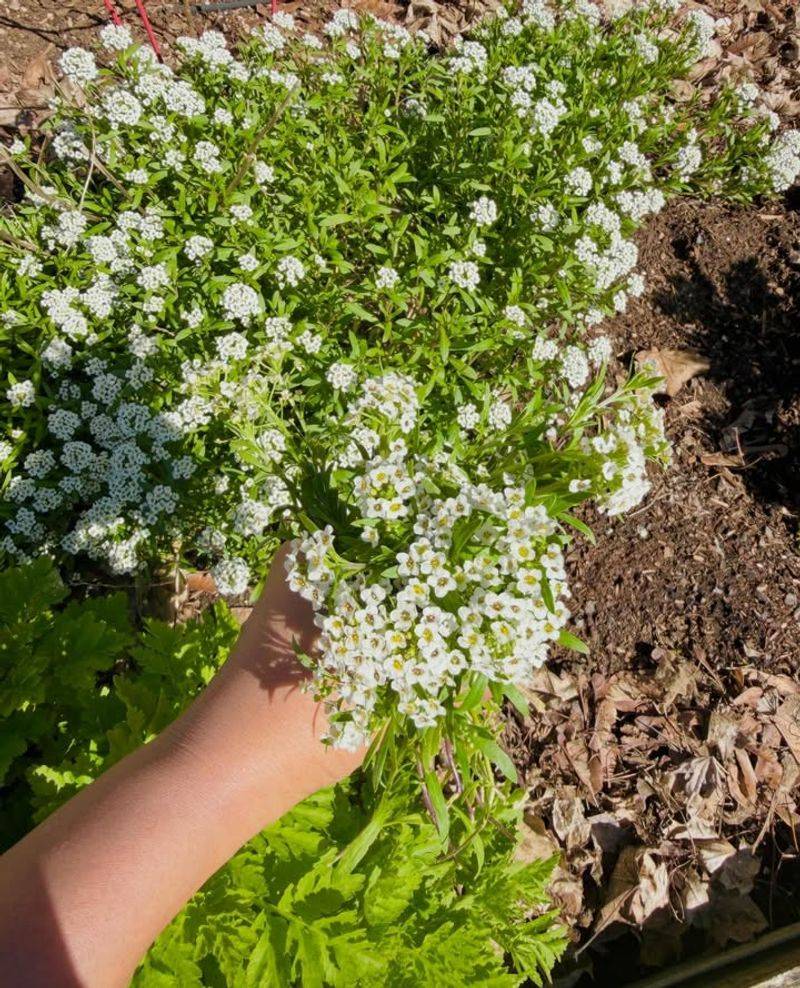
Sweet alyssum is one of the easiest flowers to grow in Georgia, and ladybugs genuinely love it. Its tiny, clustered blooms produce nectar that adult ladybugs feed on between aphid hunts.
Planting it near vegetable beds or along garden borders puts that food source right where you need it most.
Unlike some flowers that only attract ladybugs briefly, sweet alyssum blooms for a long stretch of the Georgia growing season. It handles the state’s spring heat reasonably well and keeps producing flowers even when temperatures start climbing.
Consistent blooming means a more reliable food source over time.
Another practical benefit is its low, spreading growth habit. Sweet alyssum forms a ground-level carpet that gives ladybugs shelter close to the soil, where aphid colonies often start on lower plant stems.
Planting it in clusters rather than single rows tends to attract more beneficial insects overall.
Spacing plants about six inches apart encourages dense coverage without overcrowding. Georgia gardeners often pair sweet alyssum with tomatoes or peppers, two crops that aphids frequently target.
While results depend on your specific garden setup, this pairing has shown solid results in many Southern gardens.
Allowing some flowers to remain blooming instead of trimming them back too often usually keeps more ladybugs returning throughout the season.
2. Dill Umbels Provide Food For Adult Ladybugs
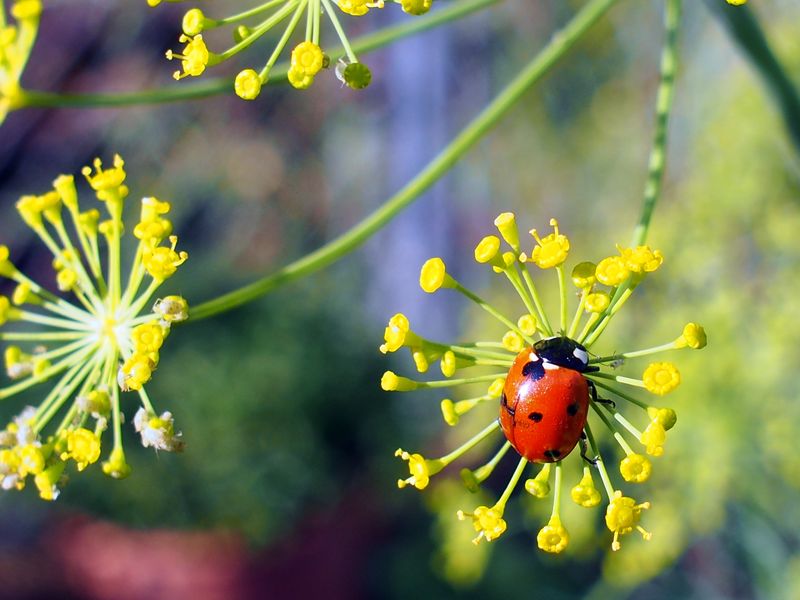
Dill does double duty in a Georgia garden. Most people grow it for cooking, but its wide, flat flower clusters called umbels are excellent landing pads for adult ladybugs looking for nectar and pollen.
Letting a few dill plants bolt and flower can noticeably increase beneficial insect activity nearby.
Adult ladybugs need carbohydrate-rich food sources between meals of aphids, especially during early spring before aphid populations fully build up. Dill umbels provide exactly that kind of accessible, open-faced flower that makes feeding easy.
Beetles with short mouthparts, including ladybugs, tend to favor flowers with exposed nectar rather than deep tubular blooms.
Georgia’s mild springs give dill a good head start before summer heat arrives. Planting dill near aphid-prone crops like beans, cabbage, or fennel puts the flower right in the zone where ladybugs are most needed.
Succession planting every three to four weeks extends the blooming window.
One thing worth knowing: dill can self-seed readily in Georgia conditions, which means less replanting effort over time. Allowing a few plants to go fully to seed each season keeps a natural cycle going.
Your Georgia Garden Changes Every Week. Your Plan Should Too.
Gardening in Georgia changes quickly throughout the season. Every Friday you’ll receive a simple weekly plan showing exactly what to plant, prune, fertilize, harvest, and protect so you never miss the right timing.
Consistent dill presence in the garden supports more stable ladybug populations through spring and into early summer.
3. Coreopsis Helps Keep More Ladybugs Around Flower Beds
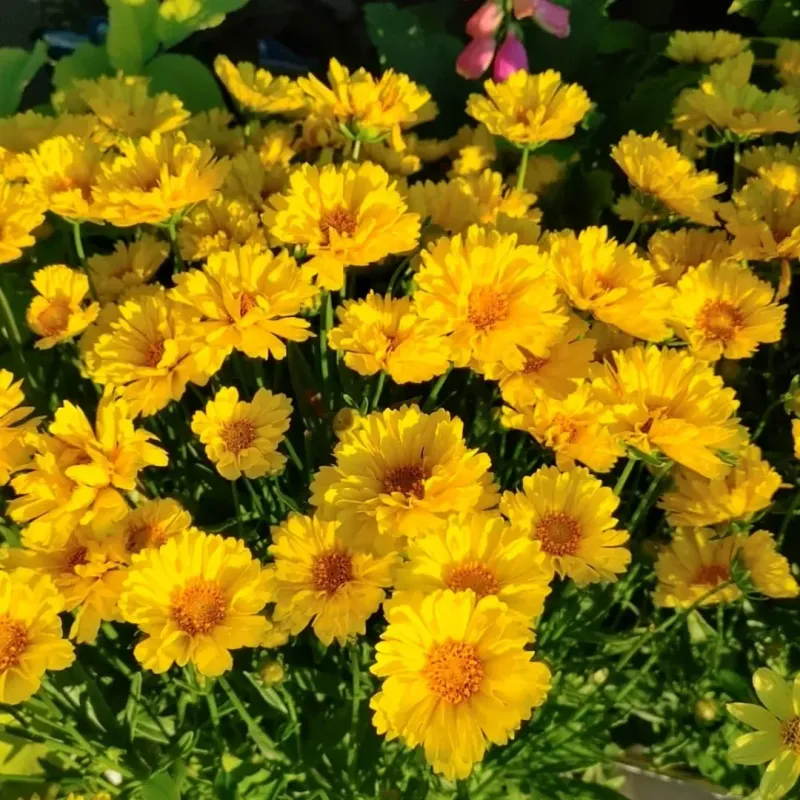
Coreopsis is practically built for Georgia. It’s heat-tolerant, drought-resistant once established, and produces cheerful yellow blooms from spring well into fall.
That long bloom season is a key reason it helps keep ladybugs around longer than many other flowers.
Ladybugs do not just appear and stay without reason. They need both food and shelter, and coreopsis provides both in a compact package.
Its open, daisy-like flowers make nectar easy to reach, and the dense foliage gives beetles a place to rest during the hottest parts of a Georgia summer afternoon.
Several coreopsis varieties are actually native to Georgia and the broader Southeast, which means they are already adapted to local soil and rainfall patterns.
Native plants tend to support native insect populations more effectively than imported ornamentals, making coreopsis a smart choice for Georgia gardeners trying to build a healthier garden ecosystem.
Planting coreopsis in groups of five or more creates a more visible and attractive patch for flying insects. Spacing them about twelve inches apart allows good air circulation while keeping the planting dense enough to hold ladybug interest.
Deadheading spent blooms regularly encourages new flower production and extends the season’s effectiveness.
4. Yarrow Gives Ladybugs Better Shelter In Hot Weather
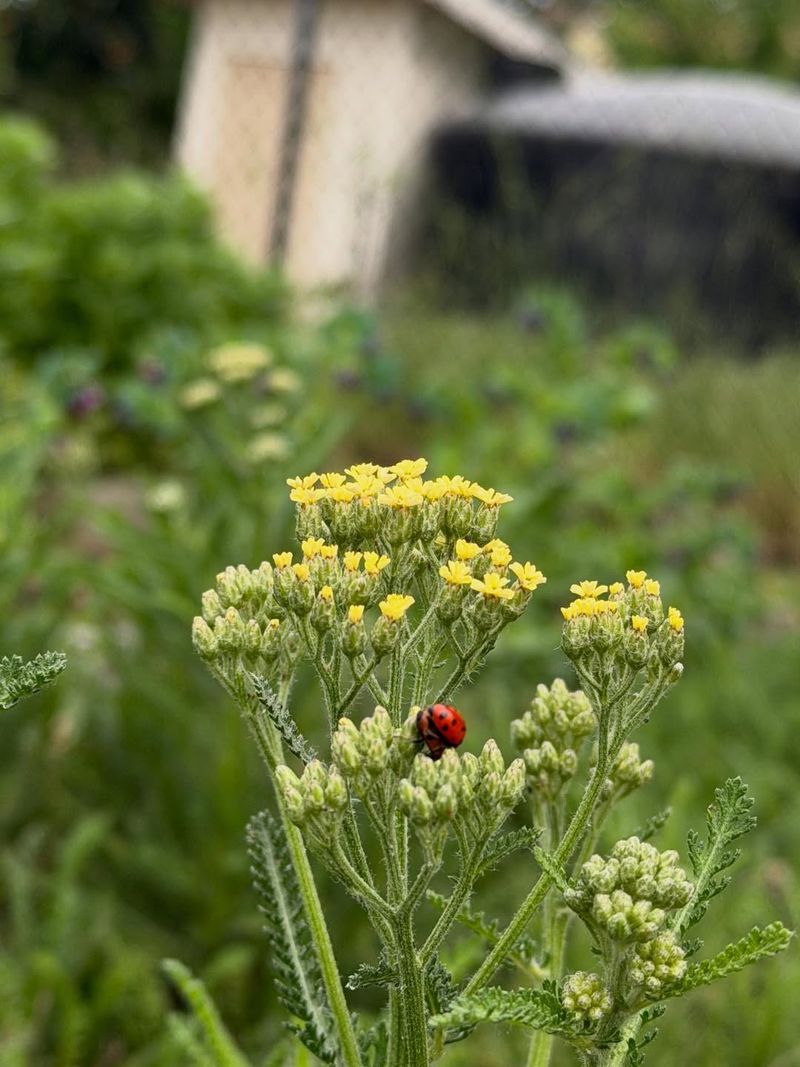
Georgia summers can be brutal, and even beneficial insects need relief from intense heat. Yarrow stands out because its flat, densely packed flower heads offer both a nectar source and physical shelter that ladybugs can tuck under during peak afternoon sun.
Not many flowers serve both functions at once.
Yarrow blooms in late spring and continues through much of summer, which lines up well with Georgia’s peak aphid season.
Having a reliable food source available during that window gives resident ladybug populations a better chance of sticking around rather than moving on to other areas.
Consistency matters more than abundance when it comes to keeping beneficial insects nearby.
Beyond its practical benefits, yarrow is genuinely tough. It handles Georgia’s clay-heavy soils and periods of low rainfall without much complaint.
Established plants spread slowly over time, creating a larger habitat patch without requiring constant replanting.
White and yellow yarrow varieties tend to attract the widest range of beneficial insects, including multiple ladybug species found in Georgia.
Planting yarrow along the edges of vegetable beds or near rose bushes, which are frequent aphid targets, puts the shelter and food source right where it counts.
Cutting plants back by about a third after the first bloom flush often encourages a second round of flowers later in summer.
5. Calendula Helps Draw Ladybugs Near Aphid-Prone Plants
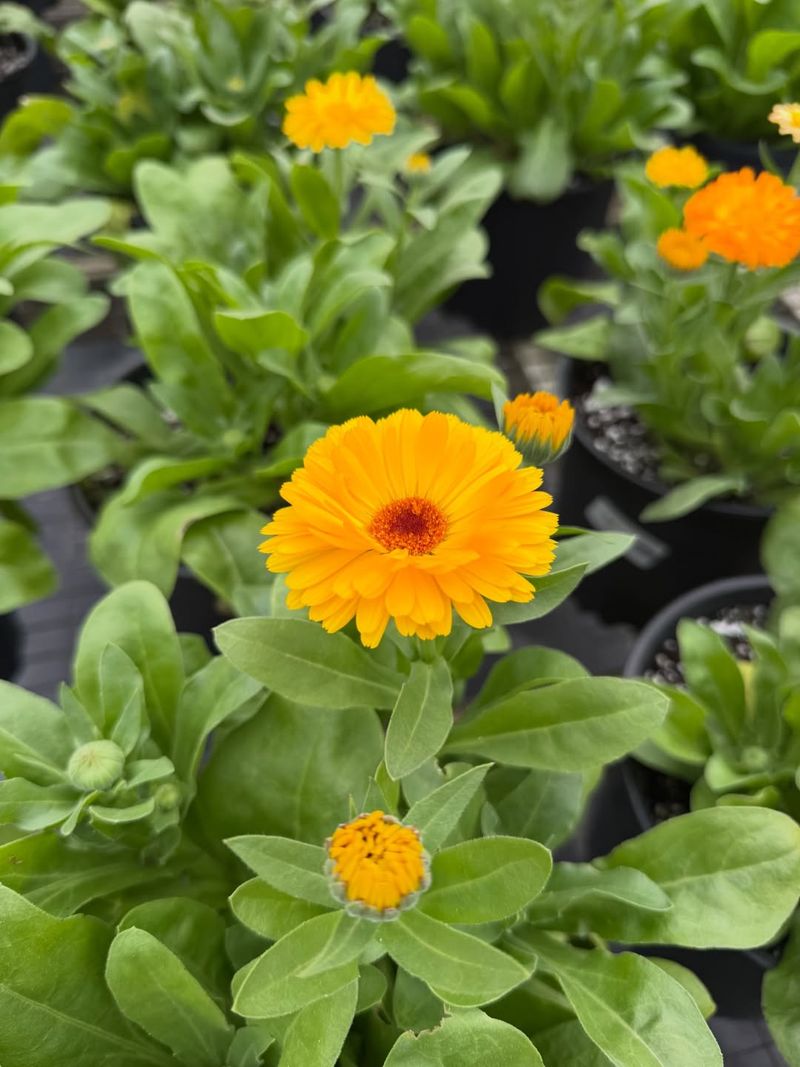
Calendula has a reputation as a companion plant for good reason. Its bright orange and yellow flowers are not just pretty; they actively draw in beneficial insects, including ladybugs, that help manage soft-bodied pests like aphids.
Planting calendula near crops that aphids frequently target is a practical strategy many Georgia gardeners already use.
One underappreciated detail about calendula is its cool-season tolerance. In Georgia, it can be planted in early spring and again in fall, giving it a longer useful window than many warm-season flowers.
Ladybug activity in Georgia picks up as temperatures warm in early spring, and calendula’s early bloom timing lines up well with that pattern.
Calendula also produces a sticky resin on its stems that can physically trap small insects, though this is a secondary effect rather than its main value.
Its primary draw for ladybugs is the accessible, open-faced flower structure that makes nectar easy to collect without much effort.
Planting calendula in clusters of at least six plants near tomatoes, peppers, or squash creates a visible target for ladybugs moving through the garden. Regular watering during Georgia’s dry spells keeps plants productive.
Removing faded blooms promptly encourages continued flower production throughout the season.
6. Cosmos Makes It Easier For Ladybugs To Move Between Plants
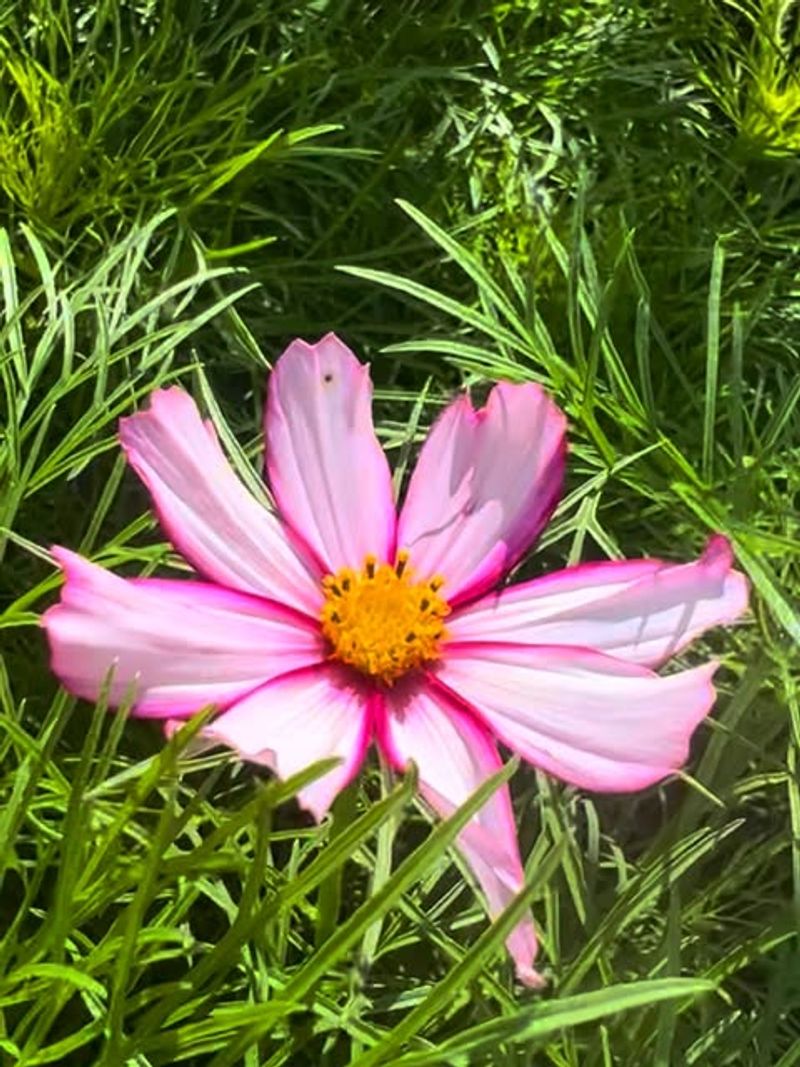
Cosmos creates something like a highway system for ladybugs moving through a garden. Its tall, airy stems and open flowers act as visible waypoints that help beneficial insects navigate from one area to another.
When aphid colonies pop up in different corners of a Georgia garden, this kind of movement corridor can make a real difference in how quickly ladybugs find them.
From a practical standpoint, cosmos is one of the easiest flowers to grow from seed in Georgia. Direct sowing after the last frost date works well, and plants establish quickly in the state’s warm spring conditions.
Once established, cosmos is fairly drought-tolerant, which matters during Georgia’s unpredictable summer dry spells.
Its flowers are open and shallow, making nectar accessible to ladybugs and other short-tongued beneficial insects with minimal effort.
Cosmos blooms from early summer through fall in Georgia, providing a long-season food source that supports ladybug populations well beyond the initial spring aphid flush.
Mixing pink, white, and magenta cosmos varieties together tends to attract a broader range of insects than single-color plantings.
Spacing plants about twelve inches apart allows good air movement while keeping the planting dense enough to provide consistent flower cover.
Letting a few plants go to seed at the end of the season encourages natural reseeding for the following year.
7. Marigolds Help Keep Ladybugs Close To Garden Beds
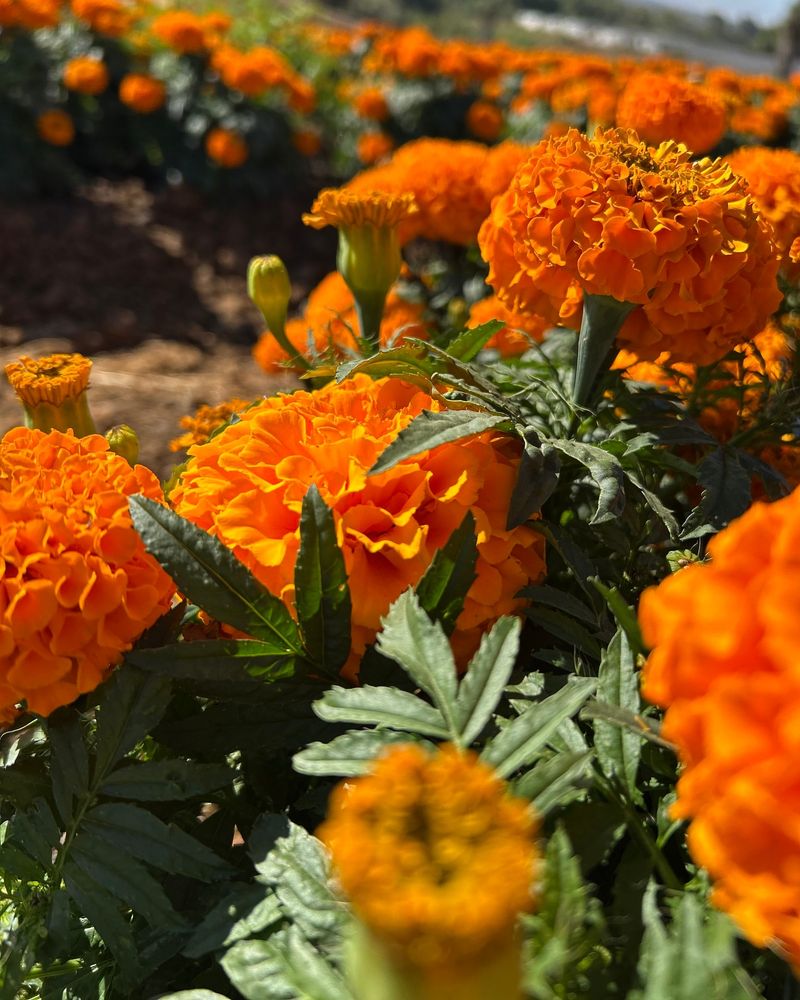
Marigolds are a classic garden companion, and their reputation holds up in Georgia conditions.
Beyond their well-known pest-deterrent qualities, marigolds produce consistent blooms that give ladybugs a reliable reason to stay close to vegetable beds rather than wandering off to other parts of the yard.
Single-flowered marigold varieties, like signet marigolds, are more accessible to ladybugs than the tightly packed double-flowered types. Open centers mean easier access to nectar and pollen, which is what actually draws the beetles in.
Double-flowered varieties are beautiful but less functional as ladybug attractants.
Georgia’s long warm season suits marigolds extremely well. Planted after the last frost in spring, they can bloom continuously through early fall with regular deadheading.
That extended bloom period gives ladybugs a steady food source across the full aphid season, which in Georgia can stretch from early spring through late summer.
Interplanting marigolds directly among tomato or pepper rows, rather than just along border edges, places the flower close to where aphids are most likely to congregate.
Consistent watering during dry spells helps marigolds stay productive through Georgia’s hottest months.
8. Goldenrod Supports Ladybugs Later In The Season
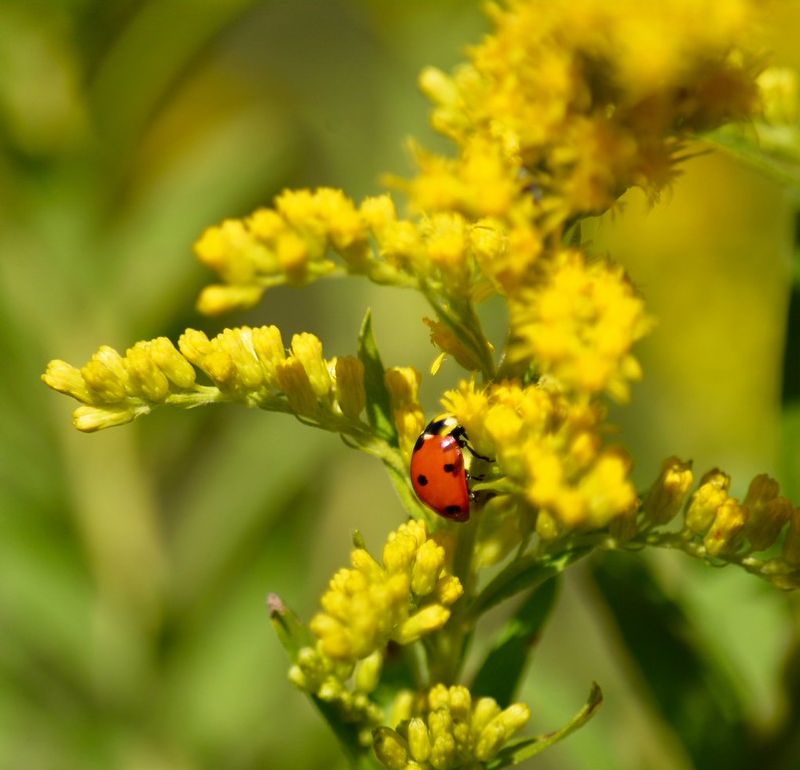
Most garden flowers wind down by late summer, but goldenrod is just getting started.
Its late-season blooming pattern makes it genuinely valuable in a Georgia garden because it provides food for ladybugs at a time when other nectar sources are becoming scarce.
Keeping ladybugs well-fed into fall can help manage the second wave of aphid pressure that often arrives as temperatures begin to cool.
Several goldenrod species are native to Georgia, which means they are already adapted to the state’s soil types and rainfall patterns.
Native plants tend to support native insect communities more effectively than introduced species, and goldenrod is no exception.
Ladybugs, along with dozens of other beneficial insects, consistently visit goldenrod blooms in Georgia gardens and natural areas.
A common concern is that goldenrod causes allergies, but its pollen is actually too heavy and sticky to travel far through the air. Wind-pollinated ragweed, which blooms at the same time, is the more likely culprit.
Goldenrod gets blamed unfairly, which has kept many gardeners from planting it.
Goldenrod spreads gradually by rhizomes, so planting it in a contained bed or using edging to limit spread is a reasonable precaution.
Cutting plants back by about half in late spring encourages bushier growth and more flower heads per plant, which means more landing spots for ladybugs come late summer.
9. Zinnias Draw More Ladybugs Into Vegetable Gardens
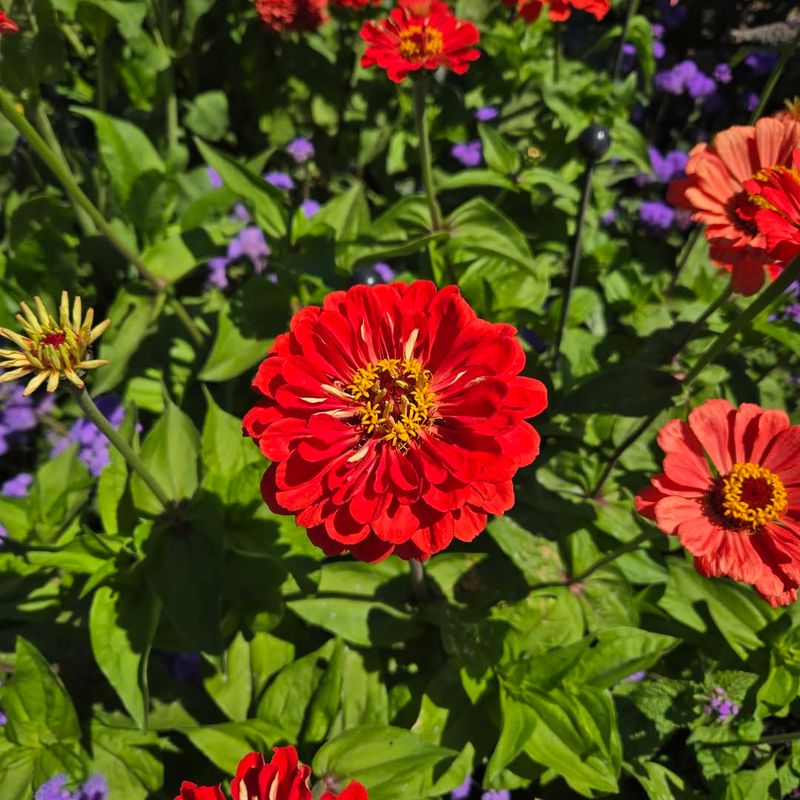
Zinnias are among the most reliable warm-season flowers you can grow in Georgia, and their bold colors make them visible to beneficial insects from a distance.
Planting them directly inside or immediately adjacent to vegetable beds puts ladybugs right where aphid problems tend to develop first.
Single-flowered zinnia varieties are more effective for ladybug attraction than double-flowered types. Open centers give beetles straightforward access to pollen and nectar without having to navigate through dense petals.
Varieties like Zinnia linearis or single-petal Profusion series zinnias are worth considering specifically for this purpose.
Georgia’s hot, humid summers suit zinnias well, though powdery mildew can be an issue in areas with poor air circulation.
Spacing plants at least ten to twelve inches apart and watering at the base rather than overhead reduces mildew risk while keeping plants productive through the season.
Zinnias bloom from early summer through the first frost in Georgia, giving them one of the longest useful windows of any annual in this climate. Succession planting every four to six weeks ensures a continuous supply of fresh blooms.
Mixing zinnia colors, particularly oranges and yellows, alongside reds tends to attract a broader range of beneficial insects, including several of the ladybug species most active in Georgia vegetable gardens.