10 Vegetables That Thrive In Containers In Michigan Gardens
Container gardening has evolved into the ultimate strategy for Michigan residents to claim their own farm-to-table experience without a single square foot of traditional soil.
Whether you are navigating a compact Detroit balcony or a sun-drenched Grand Rapids patio, pots offer a level of environmental control that the erratic Great Lakes weather simply cannot match.
This approach allows you to bypass the heavy clay or sandy lakefront earth, instead providing a tailored, nutrient-rich sanctuary for your crops.
Surprisingly, certain staples like crisp lettuce and vibrant peppers often show superior vigor in containers, as the elevated soil warms faster during our brief spring window.
By selecting compact, high-yield varieties specifically suited for the Mitten State’s humidity, you can transform any small outdoor nook into a prolific food source.
These manageable miniature plots bring the joy of the harvest directly to your doorstep, proving that a bountiful vegetable garden is entirely possible regardless of your yard size.
1. Peppers
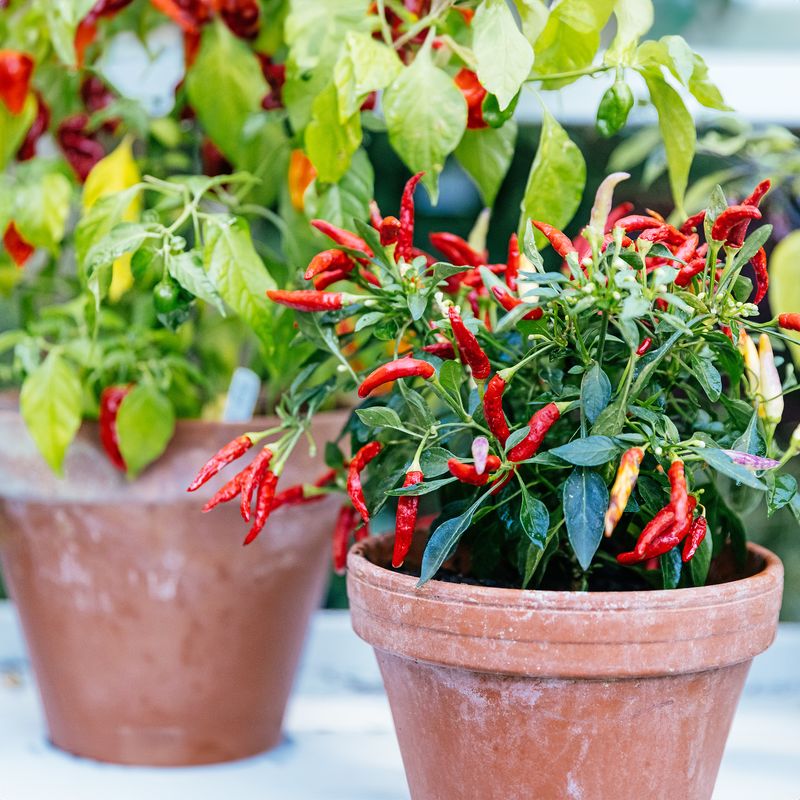
Peppers are one of those vegetables that seem almost designed for container life. Both sweet bell peppers and spicy hot varieties grow beautifully in pots, and they actually tend to produce more fruit when their roots are slightly snug in a container.
Michigan’s warm summer months give peppers exactly the heat they crave. Choose a pot that is at least 12 inches deep and equally wide. Compact varieties like ‘California Wonder’ for bells or ‘Hungarian Wax’ for heat work especially well in containers.
Fill the pot with a rich, well-draining potting mix to give roots room to breathe and grow strong.
Peppers love warmth, so position your containers against a south-facing wall or fence if possible. That extra reflected heat makes a real difference in Michigan, where early and late season temperatures can be unpredictable.
Starting seeds indoors in March gives you a strong head start before outdoor planting in late May.
Water regularly but never let the pot sit in standing water. During the hottest weeks of a Michigan summer, you may need to water every single day.
A liquid tomato fertilizer works great for peppers too, boosting both leaf growth and fruit production throughout the season.
2. Lettuce
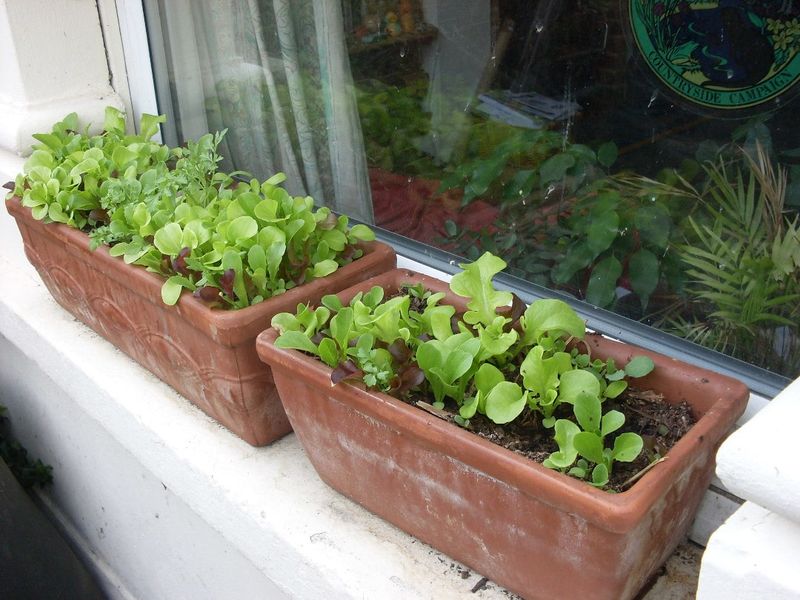
Lettuce might be the most beginner-friendly vegetable you can grow in a container in Michigan. It grows fast, needs minimal space, and thrives in the cool spring and fall temperatures that Michigan is known for.
You can even do two full growing cycles each year, one in spring and one in early fall. Shallow containers work perfectly for lettuce since its roots do not go very deep. A container that is just 6 to 8 inches deep is plenty.
Wide, flat window boxes or rectangular planters are especially popular because they allow you to grow several varieties side by side for a colorful, tasty mix.
One thing to watch for during Michigan’s warm summer months is bolting, which is when lettuce shoots up a flower stalk and turns bitter. Keeping your containers in a spot with partial afternoon shade helps slow this process significantly.
Your Michigan Garden Changes Every Week. Your Plan Should Too.
Gardening in Michigan changes quickly throughout the season. Every Friday you’ll receive a simple weekly plan showing exactly what to plant, prune, fertilize, harvest, and protect so you never miss the right timing.
Morning sun and afternoon shade is the sweet spot for summer lettuce growing. Harvest outer leaves regularly to encourage new growth from the center of the plant. This cut-and-come-again method means one container can keep feeding you for weeks on end.
Varieties like ‘Black Seeded Simpson’ and ‘Red Sails’ are excellent choices for Michigan container gardens.
3. Radishes
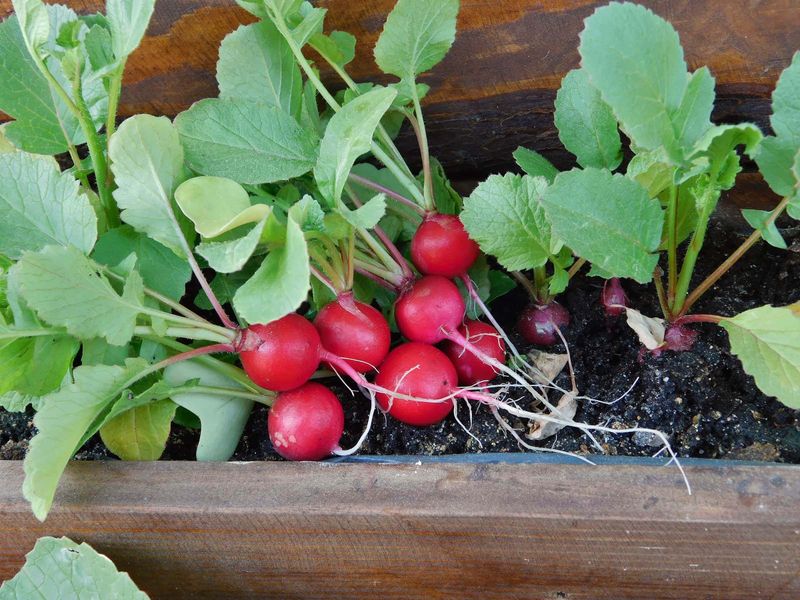
If you want a vegetable that rewards your patience almost immediately, radishes are your answer. Some varieties go from seed to harvest in as little as 25 days, making them one of the fastest crops you can grow anywhere in Michigan.
That quick turnaround makes them perfect for filling gaps between slower-growing plants in your container garden.
Radishes do not need much depth at all, which is one of the reasons they are so great for containers. A pot that is just 4 to 6 inches deep gives their roots all the room they need.
Make sure the soil is loose and well-draining because compacted soil causes misshapen roots and poor flavor.
Spring and fall are the best times to grow radishes in Michigan. They prefer cool soil temperatures around 50 to 65 degrees Fahrenheit, which Michigan delivers naturally in April, May, September, and October.
Planting during the heat of summer will cause them to bolt quickly without forming good roots.
Varieties like ‘Cherry Belle’ and ‘French Breakfast’ are reliable producers for Michigan container gardeners.
Sow seeds directly into the container about half an inch deep and thin seedlings to about 2 inches apart. Regular watering keeps the roots tender, crisp, and full of that satisfying snap.
4. Tomatoes
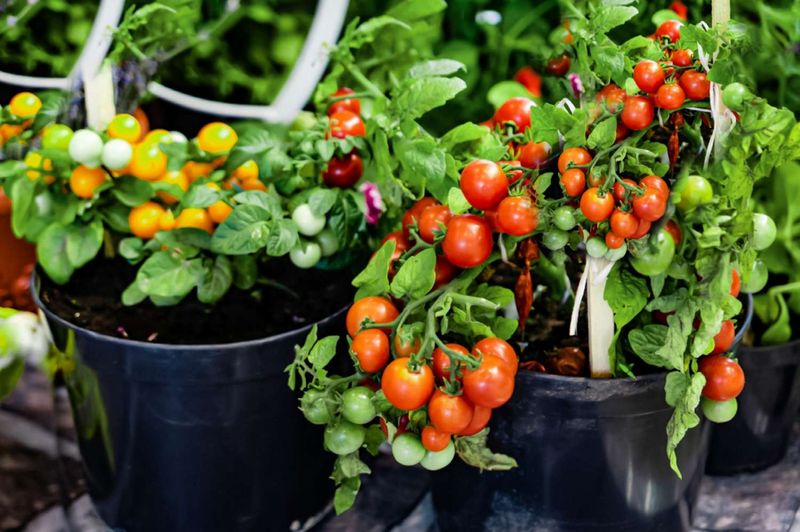
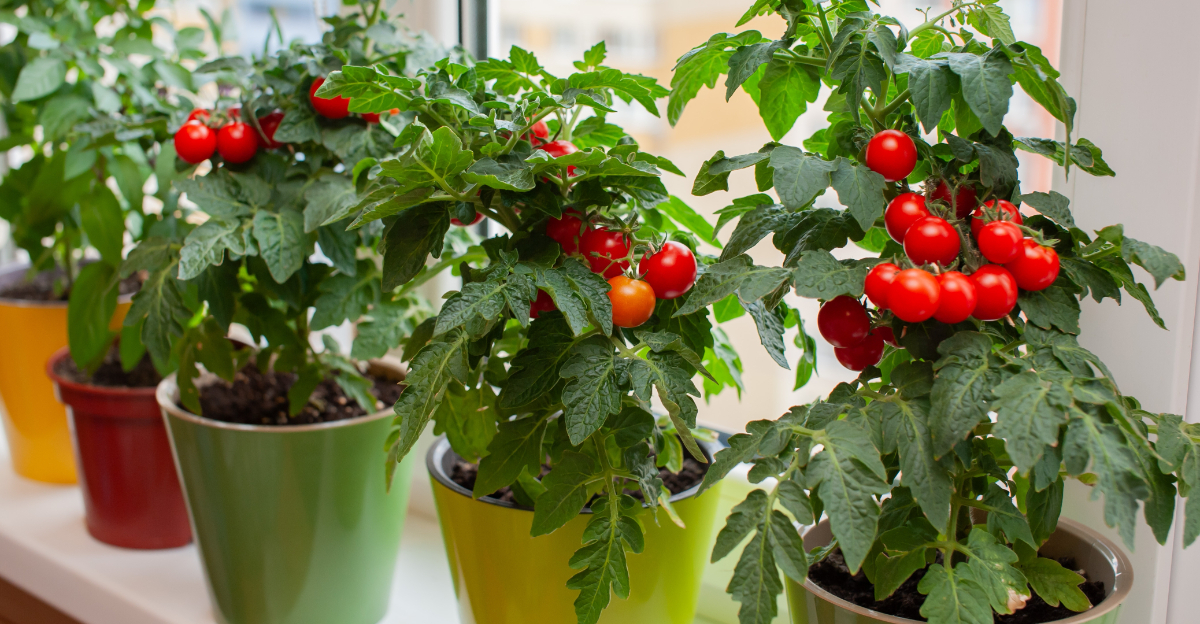
Nothing beats the taste of a homegrown tomato, and Michigan gardeners are lucky because tomatoes absolutely love growing in containers. Varieties like ‘Patio’, ‘Bush Early Girl’, and ‘Celebrity’ were practically made for pot life.
They stay compact, produce loads of fruit, and fit perfectly on a sunny deck or balcony. For best results, use a pot that holds at least 5 gallons of soil. Tomatoes have deep, hungry roots, so the bigger the container, the better your harvest will be.
Make sure your pot has drainage holes at the bottom because soggy roots will cause serious problems fast.
Place your container in a spot that gets at least 6 to 8 hours of direct sunlight every day. Michigan summers offer plenty of that warm sunshine, especially from June through August.
Feed your plants with a balanced fertilizer every two weeks once flowers start to appear. Watering is the one thing you really cannot skip. Containers dry out much faster than garden beds, so check the soil daily during hot Michigan summers.
Consistent moisture helps prevent blossom end rot and keeps your tomatoes growing strong all season long.
5. Spinach
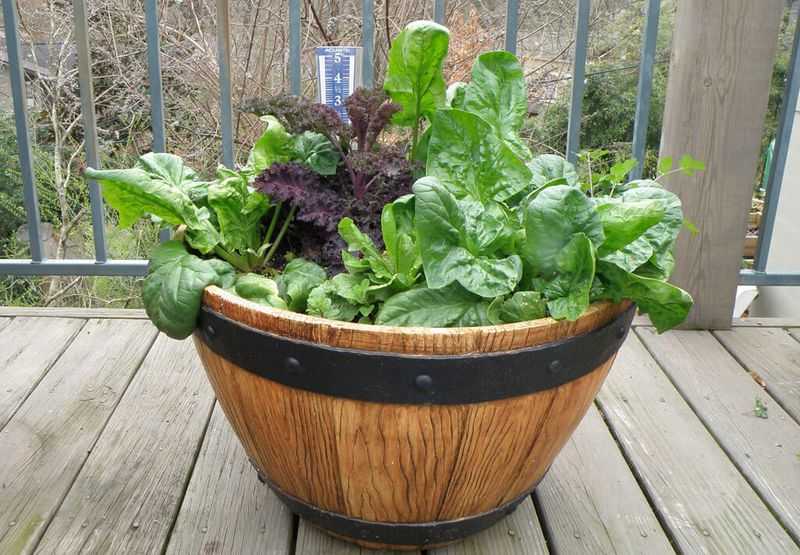
Spinach is a powerhouse leafy green that fits right into the Michigan gardening calendar. It loves cool weather and can be planted outdoors as early as four to six weeks before the last frost, which in most of Michigan means getting started in late March or early April.
That early start means fresh greens well before most other vegetables are even in the ground.
Small, shallow containers work wonderfully for spinach since its root system stays close to the surface. A pot that is 6 inches deep is enough, though wider containers let you grow more plants at once.
Keeping multiple containers going at staggered planting times gives you a continuous harvest throughout the cool season.
Partial shade is actually a benefit for spinach during Michigan’s warmer spring days. Too much direct afternoon sun causes the plants to bolt and turn bitter quickly.
Placing containers on a north-facing or east-facing porch helps extend the harvest window by several weeks.
Varieties like ‘Bloomsdale Long Standing’ and ‘Space’ are reliable performers in Michigan container gardens. Water consistently to keep the soil evenly moist but never waterlogged.
Harvest outer leaves first and the plant will keep producing fresh new growth from the center for a surprisingly long time.
6. Herbs (Basil, Parsley, Oregano)
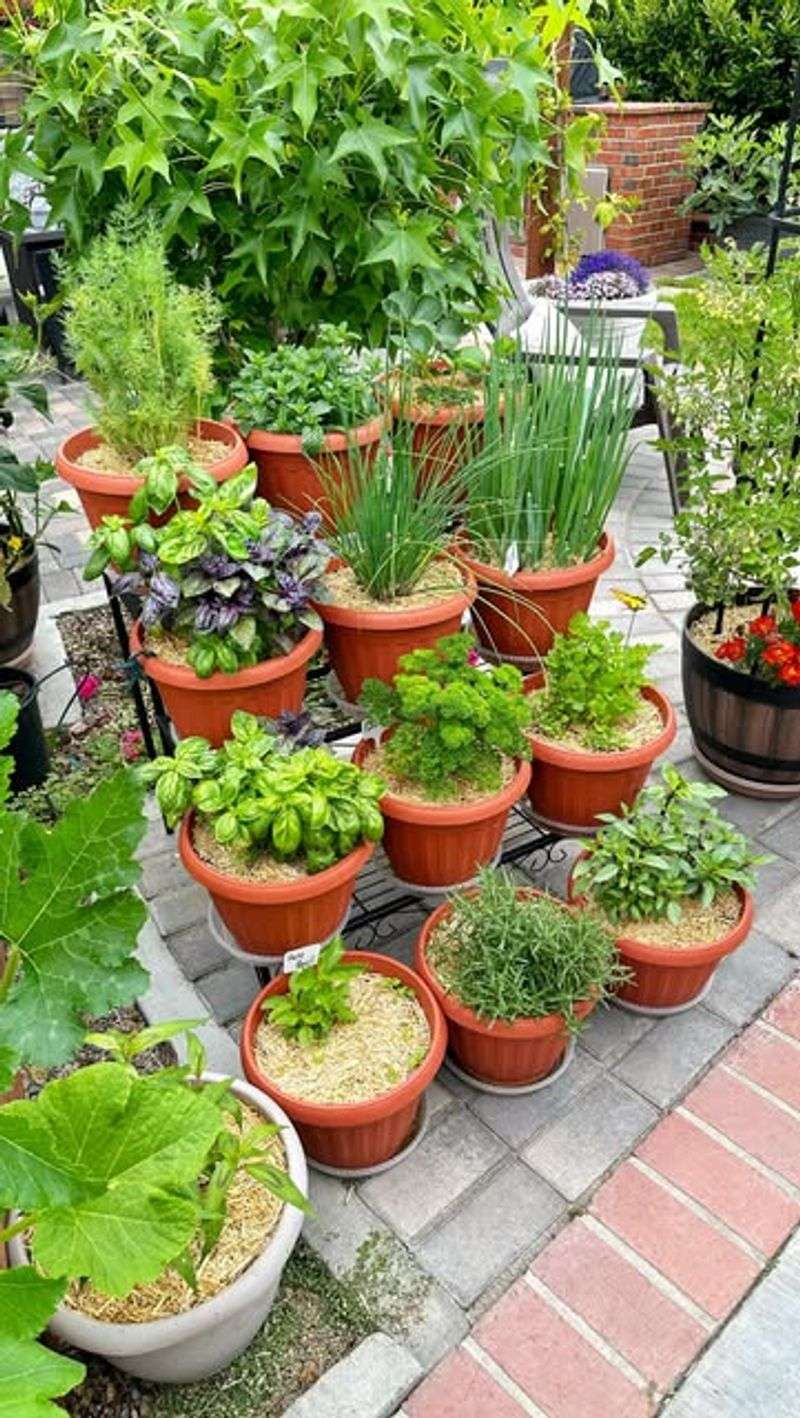
Growing herbs in containers might be the smartest gardening decision any Michigan resident can make. Basil, parsley, and oregano all thrive in pots, stay compact, and deliver incredible flavor all season long.
Having them just steps from your kitchen door means fresh herbs are always within reach when you are cooking.
Each herb does well in its own 8-inch pot, or you can combine compatible ones in a larger 12-inch container. Use a well-draining potting mix and make sure each pot has good drainage holes.
Herbs are surprisingly forgiving, but sitting in wet soil for too long will cause root problems that are hard to recover from.
Basil is the sun lover of the group and needs at least 6 hours of direct light every day to stay bushy and productive. Michigan summers are perfect for basil from late May through September.
Parsley and oregano are slightly more tolerant of partial shade, making them easier to place in trickier spots on your patio or balcony.
Pinch back basil flowers as soon as they appear to keep the plant focused on producing flavorful leaves. Oregano actually gets more aromatic as the season progresses, and parsley can be harvested continuously all summer.
These three herbs together will upgrade every meal you make throughout the Michigan growing season.
7. Carrots
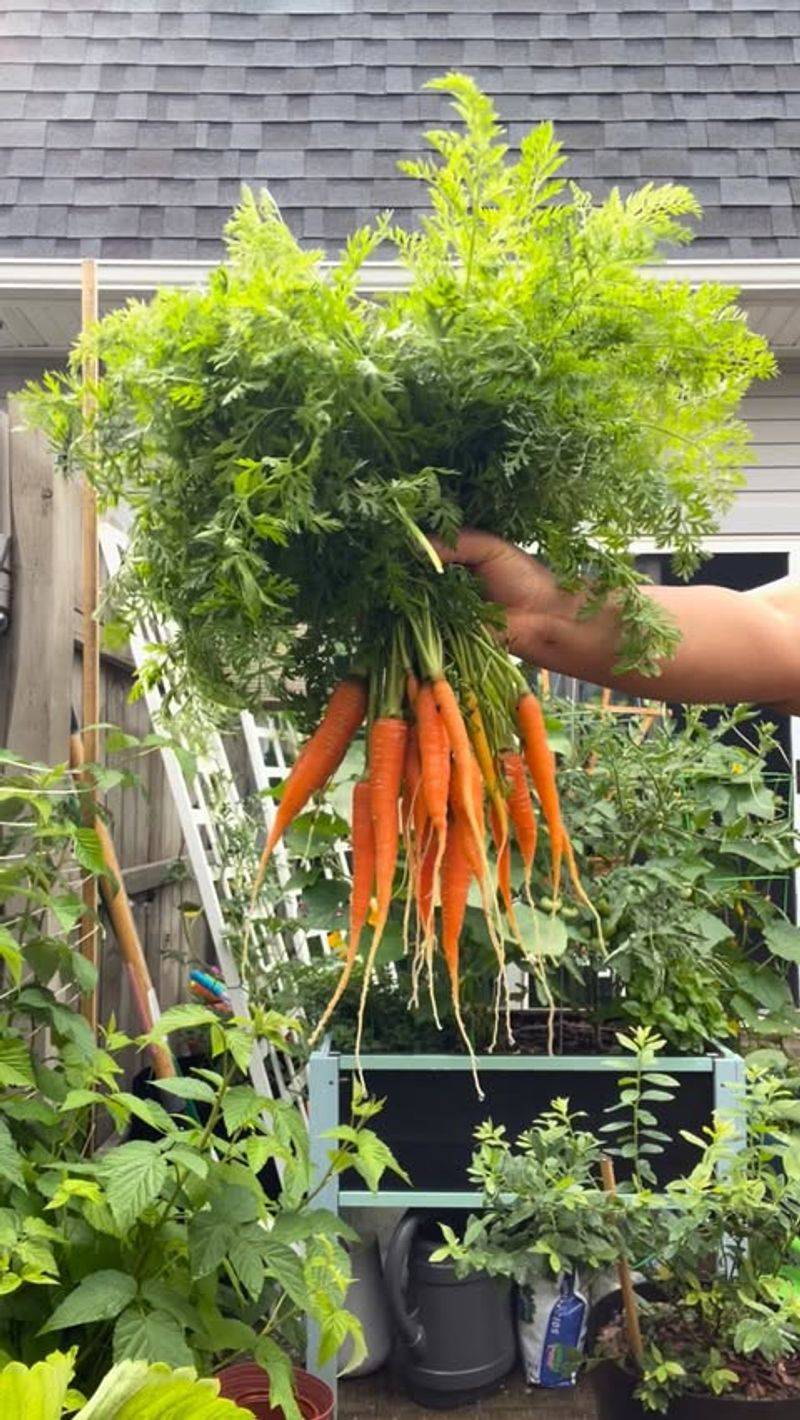
Most people assume carrots need a big garden bed with perfectly loose soil, but container growing actually solves that problem entirely.
When you grow carrots in pots, you control every aspect of the soil quality, which means no rocks, no clay, and no compaction to stop the roots from forming properly.
Michigan gardeners with heavy clay soil especially benefit from switching to container-grown carrots.
The key is choosing the right variety. Short-rooted types like ‘Paris Market’, ‘Thumbelina’, and ‘Danvers Half Long’ are built for containers and produce sweet, satisfying roots in a relatively small space.
These compact varieties also mature faster than full-sized types, which is a bonus in Michigan’s shorter growing season.
Use a container that is at least 12 inches deep and fill it with a light, sandy potting mix that drains quickly. Carrots need consistent moisture to develop smooth, even roots, but they absolutely cannot tolerate waterlogged soil.
Watering little and often works much better than occasional heavy soaking. Plant seeds directly in the container and thin seedlings to about 3 inches apart once they reach 2 inches tall.
Carrots prefer cooler temperatures, so spring and early fall planting works best in Michigan. The reward at harvest time, pulling up those perfectly formed little roots, makes every bit of the effort completely worth it.
8. Green Beans
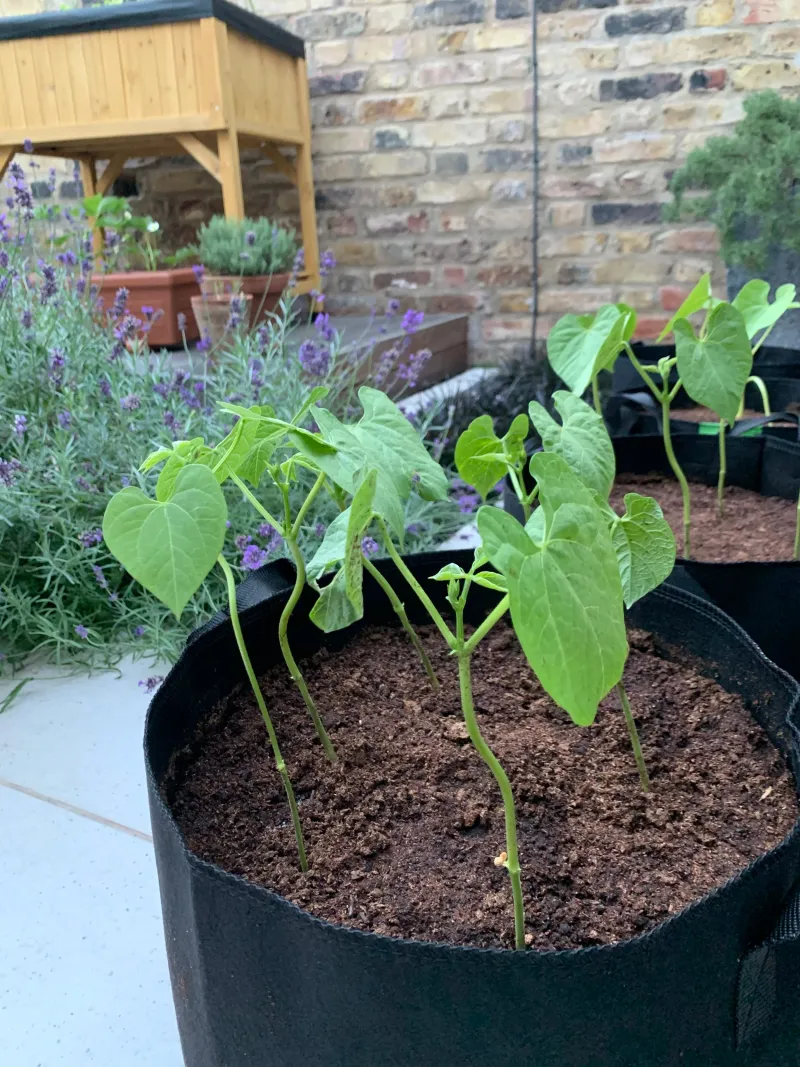
Green beans are one of those vegetables that bring a real sense of accomplishment to any container garden. They grow fast, produce generously, and look absolutely beautiful climbing up a small trellis in a sunny Michigan backyard or patio.
Bush varieties like ‘Provider’ and ‘Contender’ are especially well suited to container life because they stay compact and do not need much support.
Use a pot that is at least 12 inches deep and wide enough to support multiple plants. A 15-gallon container can hold four to six plants comfortably, giving you a solid harvest throughout Michigan’s summer months.
Fill the pot with a rich, well-draining potting mix and work in a slow-release fertilizer before planting to get things off to a strong start.
Full sun is non-negotiable for green beans. They need at least 6 to 8 hours of direct sunlight daily to produce well, and Michigan’s long summer days from June through August deliver exactly that.
Place your containers in the sunniest spot available and rotate them occasionally so all sides of the plant get equal light exposure.
Water deeply but allow the top inch of soil to dry slightly between waterings. Overhead watering can encourage fungal issues, so aim for the base of the plant whenever possible.
Harvest pods regularly when they are young and tender to keep the plant producing new beans all season long.
9. Zucchini
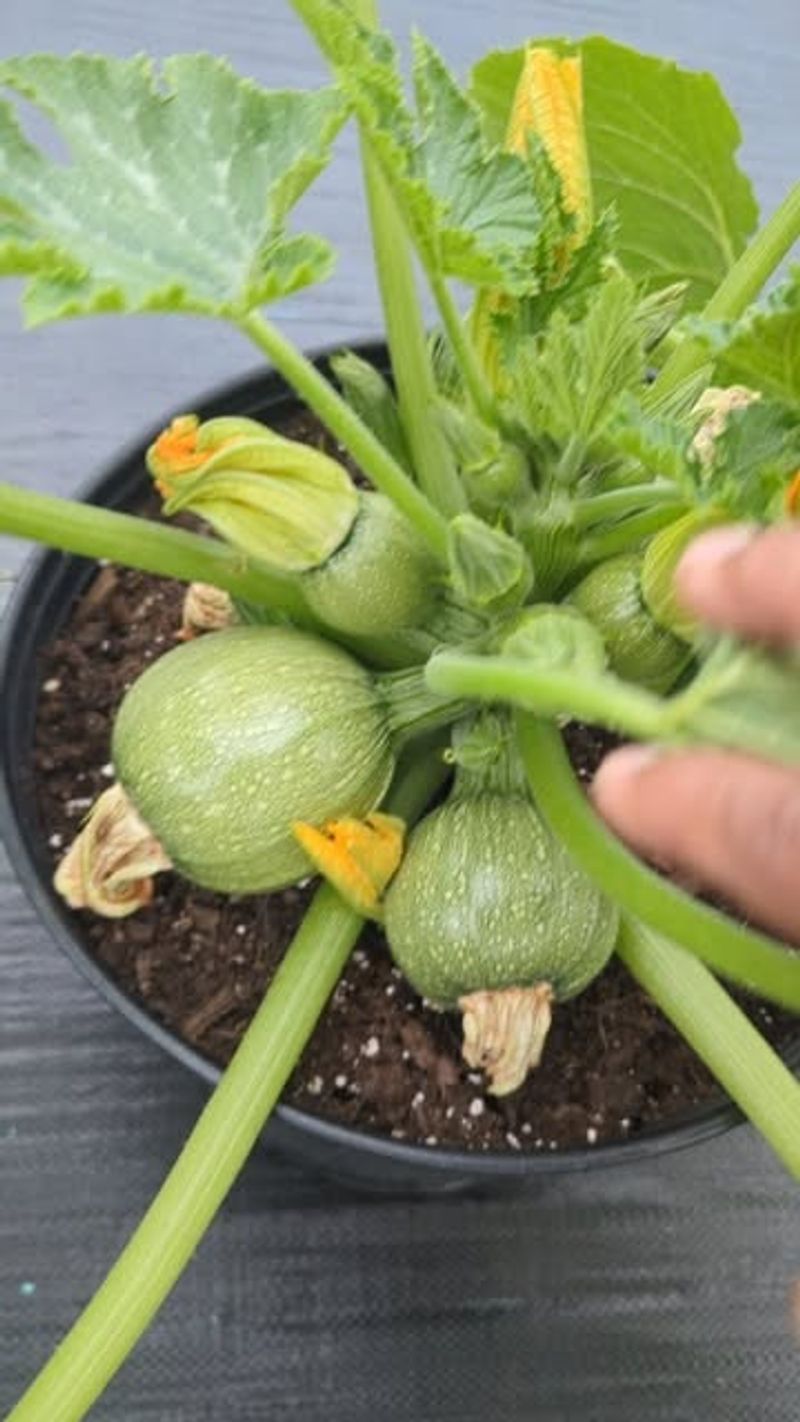
Zucchini in a container might sound ambitious, but Michigan gardeners have been pulling it off successfully for years. The key is going big with your pot.
An 18 to 24-inch wide container with at least 18 inches of depth gives zucchini the root space it needs to grow vigorously and produce an impressive amount of fruit through the summer months.
Bush varieties are the way to go for container growing. ‘Bush Baby’, ‘Patio Star’, and ‘Eight Ball’ are compact options that stay manageable without sacrificing yield.
These varieties produce the same great flavor as traditional garden zucchini but take up a fraction of the space, making them ideal for Michigan patios and decks.
Zucchini is a sun-hungry plant that thrives in the warm, bright conditions Michigan summers provide. Position your container where it receives at least 6 to 8 hours of direct sunlight each day.
Warmer spots near brick walls or south-facing areas of your yard can actually extend the productive season by keeping nighttime temperatures slightly higher.
Watering is critical for container zucchini because large plants in big pots can dry out surprisingly fast on hot Michigan days. Check the soil daily and water deeply when the top inch feels dry.
Consistent moisture prevents the fruit from developing poorly and keeps those beautiful yellow flowers coming all season long.
10. Kale
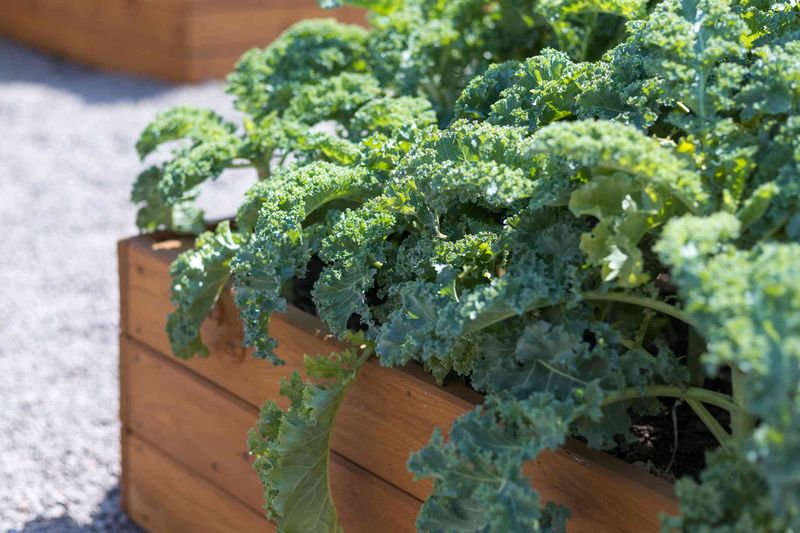
Kale is one of the toughest, most rewarding vegetables you can grow in a container in Michigan. It handles frost without complaint, tastes even sweeter after the first light freeze of autumn, and keeps producing long after most other vegetables have finished for the year.
For Michigan gardeners who want to stretch their growing season well into October and even November, kale is a must-grow.
Medium to large containers work best for kale, with a minimum depth of 12 inches to accommodate its root system. Varieties like ‘Dwarf Blue Curled’, ‘Red Russian’, and ‘Lacinato’ (also called dinosaur kale) all perform beautifully in pots.
Their striking leaf shapes and colors also make them genuinely attractive on a porch or patio throughout the season.
Kale grows well in both spring and fall in Michigan, with the fall crop often producing the best flavor. Plant in late summer, around mid-August, for a fall harvest that coincides with Michigan’s cooler temperatures.
The natural sweetness that develops after a frost makes fall-harvested kale noticeably more delicious than summer-grown leaves.
Keep the soil consistently moist and use a well-draining potting mix to prevent waterlogging. During hot summer spells, partial afternoon shade helps reduce stress on the plants and keeps leaves from becoming tough and overly bitter.
Harvest outer leaves regularly to encourage the center of the plant to keep pushing out fresh new growth.