Texas Gardeners Secrets To Fresh Homegrown Asparagus Every Spring
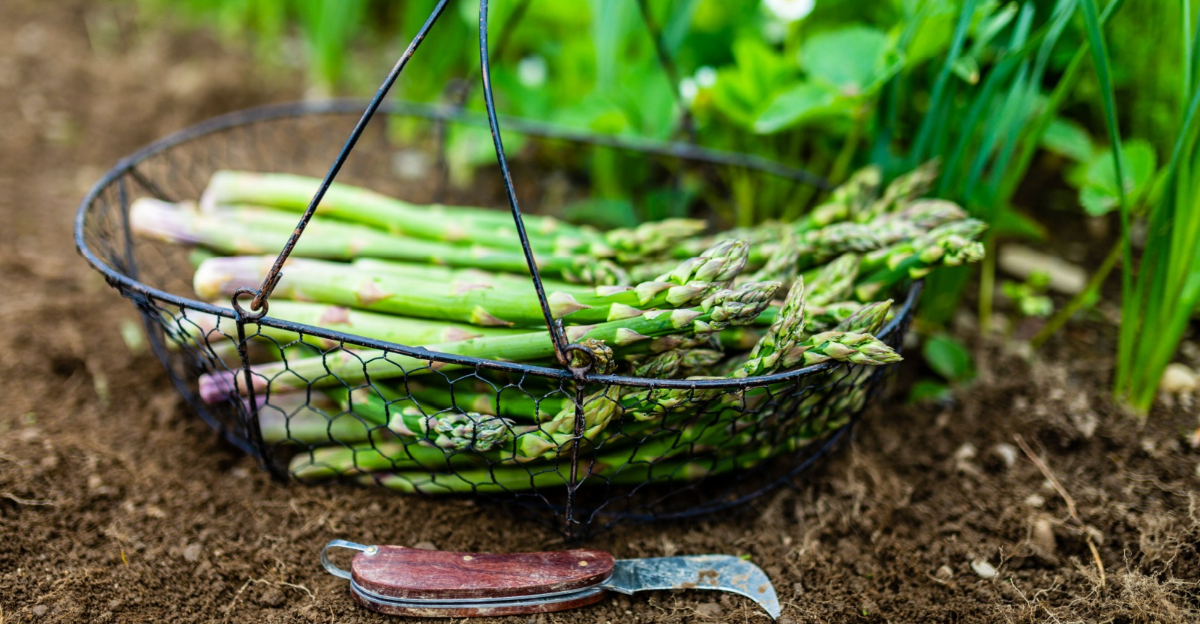
What if you could plant a vegetable today and continue harvesting it from the same spot for the next twenty years?
In the world of Texas gardening, asparagus is the ultimate long-term investment, offering a reliable spring bounty that returns decade after decade.
While most crops require constant replanting, a well-established asparagus bed becomes a permanent, delicious fixture of your landscape.
Taming this perennial in the Lone Star State does come with unique hurdles, from intense summer heat to stubborn clay soils.
However, with strategic site selection and patient soil preparation, these challenges are easily managed.
By giving your plants a strong start now, you can enjoy a homegrown harvest that thrives under the Texas sun for a generation.
1. Start With Crowns For A Faster Homegrown Harvest
Most experienced Texas vegetable gardeners skip the seed stage entirely when growing asparagus, and for very good reason. Starting from seed can add one to two full years before you ever see your first real harvest.
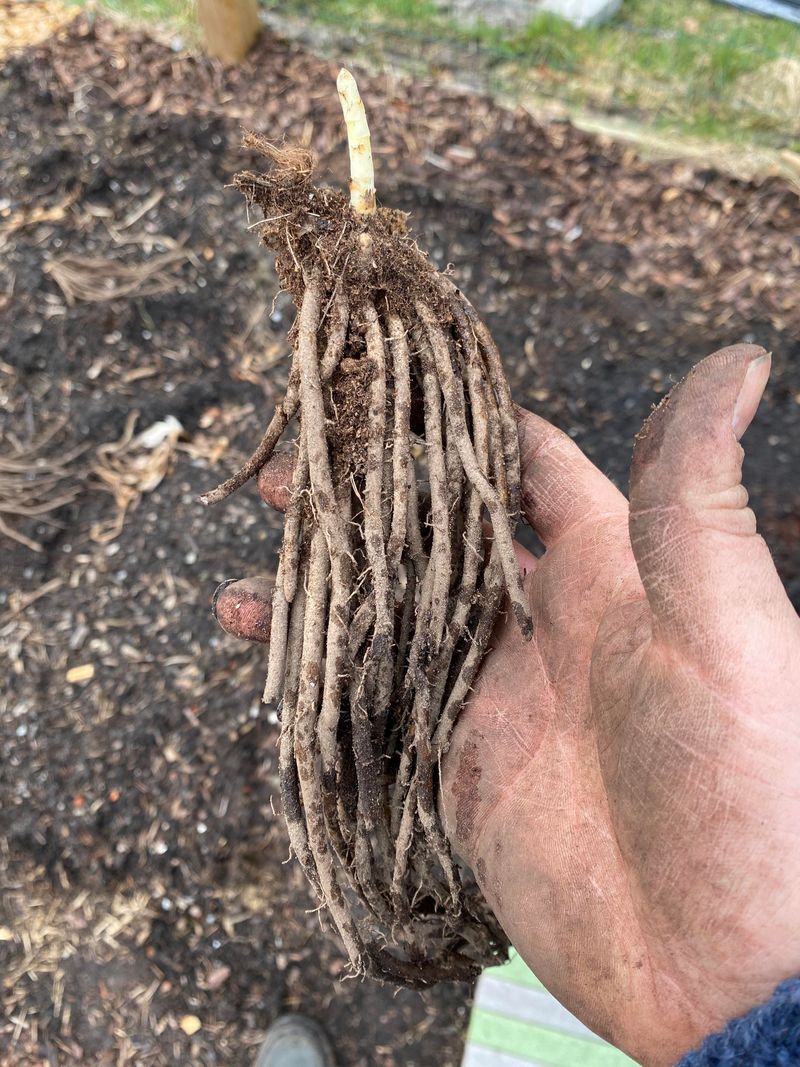
Crowns, which are one-year-old root systems sold at garden centers and through mail-order nurseries, give you a serious head start and help you reach your first light harvest a year sooner than seeding would allow.
When shopping for crowns in Texas, look for varieties that handle warm climates well. UC-157 is a popular choice because it thrives in southern heat and resists common fungal diseases.
Other good options include Jersey Giant and Jersey Knight, both known for producing thick, flavorful spears even when summer temperatures climb fast.
Crowns should look firm and healthy at purchase, not dried out or shriveled. Fresh crowns will have tan to light brown coloring with some flexibility in the roots.
Most Texas gardeners plant between January and early March, giving the crowns time to settle in before summer heat arrives.
Buying locally is a smart move because nurseries in your region tend to stock varieties that match your climate. If local supply runs short, order online early, as quality crowns can sell out quickly.
2. Choose A Sunny Spot That Can Stay Permanent For Years
Asparagus is not a crop you move around from season to season.
Once those roots get established, they want to stay put for many years, which means choosing the right location from the beginning is one of the most important decisions you will make as a Texas asparagus grower.
Full sun is non-negotiable. Asparagus needs at least six to eight hours of direct sunlight each day to produce strong, thick spears.
A spot that gets shaded by a fence, large tree, or neighboring structure during part of the day will produce weaker plants and noticeably thinner harvests over time.
In Texas, afternoon sun can be intense, but asparagus handles it well as long as soil moisture is managed properly.
Think carefully about your future garden plans. Asparagus roots spread outward over time and can reach impressive depths, so nearby crops or structures can become a problem later.
Position your bed along the north or east edge of your garden to keep the tall summer ferns from shading shorter crops.
Your Texas Garden Changes Every Week. Your Plan Should Too.
Gardening in Texas changes quickly throughout the season. Every Friday you’ll receive a simple weekly plan showing exactly what to plant, prune, fertilize, harvest, and protect so you never miss the right timing.
Avoid low-lying areas where rainwater collects after storms. Standing water around asparagus roots encourages rot and weakens the bed.
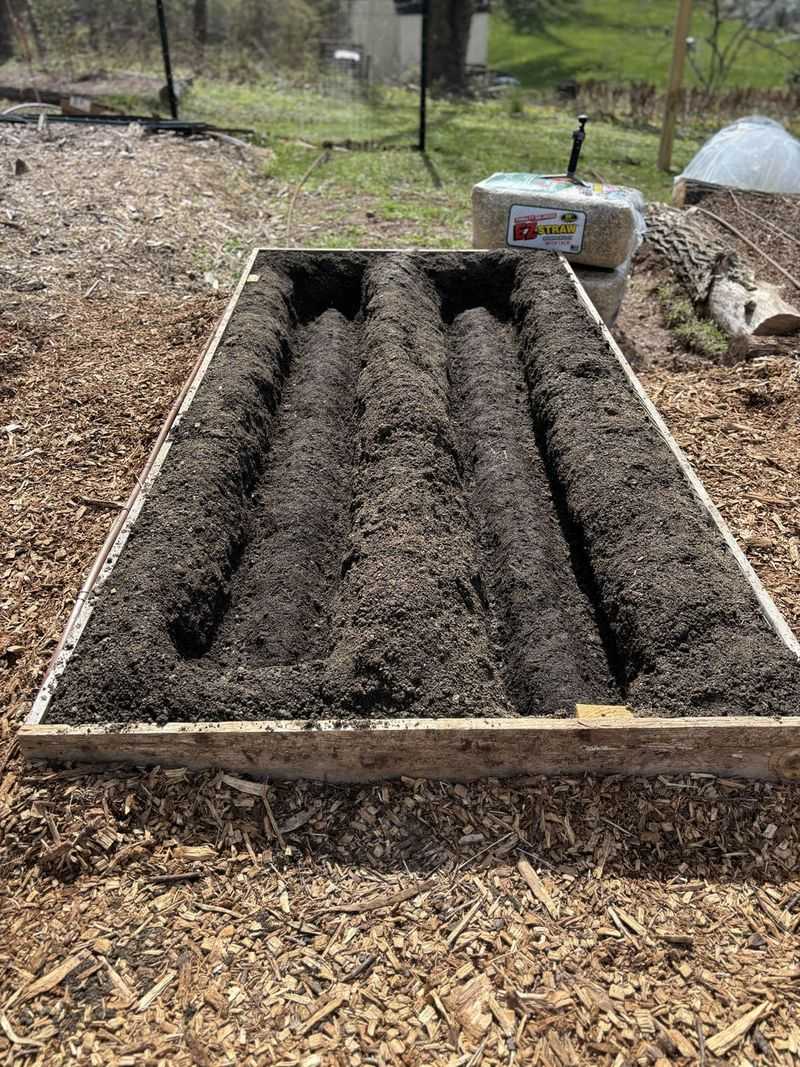
Slightly elevated ground or a raised bed is an ideal solution, offering the drainage your asparagus needs to thrive through wet winters and springs.
3. Improve Soil First For Strong Roots And Better Drainage
Asparagus roots go deep, sometimes reaching two to three feet down into the ground over time. Therefore, soil quality matters far more for asparagus than it does for most annual vegetables.
Heavy clay soil, which is common in many parts of Texas, holds too much moisture and can suffocate roots or promote rot during wet periods.
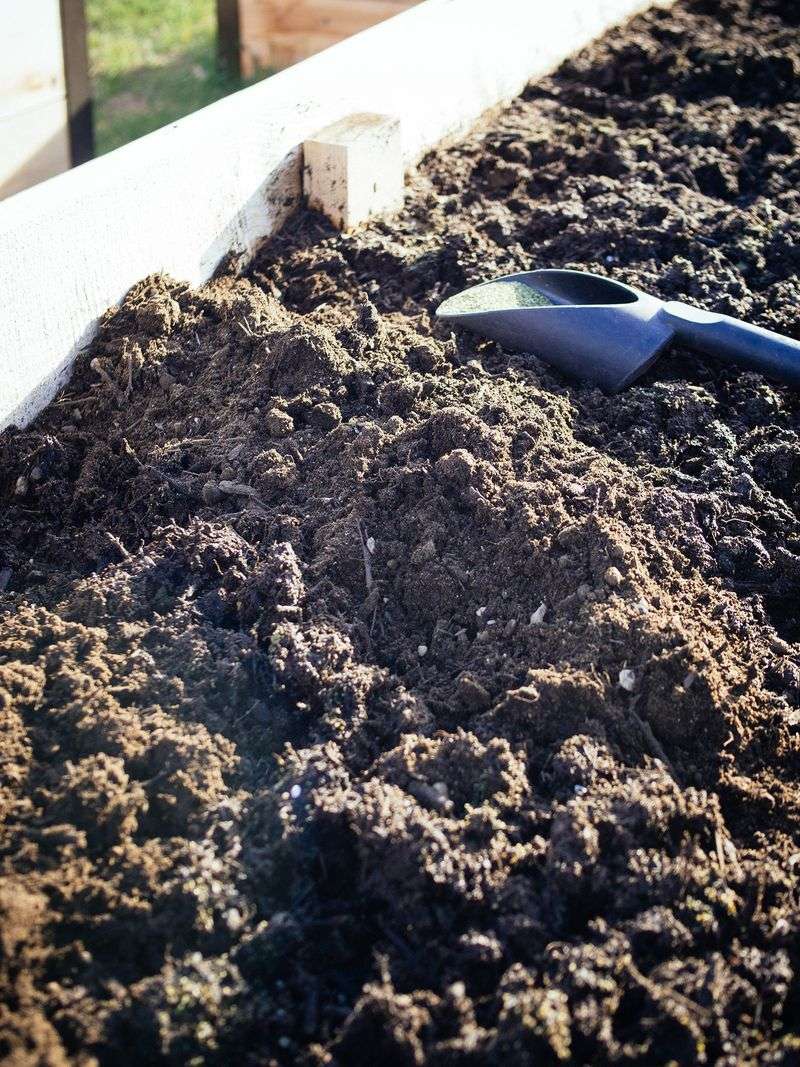
Preparing your soil thoroughly before planting is the single best thing you can do for long-term asparagus health. Start by loosening the soil to a depth of at least 12 to 15 inches.
Mix in generous amounts of compost, aged manure, or other organic matter to improve both drainage and nutrient content.
For gardeners with dense clay, adding coarse sand or perlite to the mix can significantly improve water movement through the root zone. Asparagus prefers a soil pH between 6.5 and 7.5.
A simple soil test from your county extension office will show what amendments you need.
Raised beds are a great solution for Texas gardeners dealing with persistent drainage issues. Building up 10 to 12 inches of improved soil gives the roots a healthy environment and makes long-term management much easier.
4. Plant Crowns In Trenches To Help Them Settle In Well
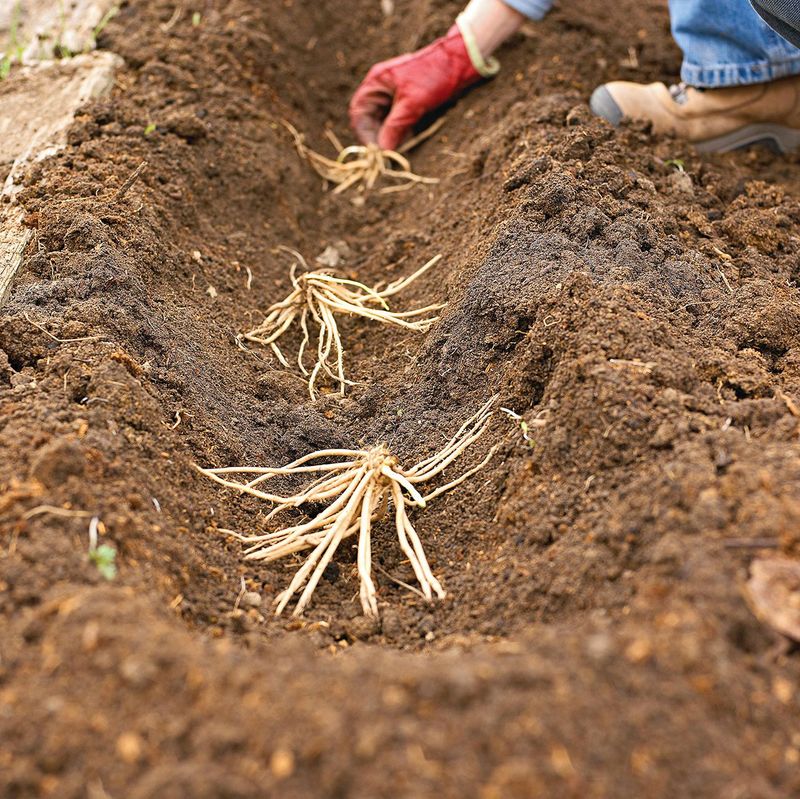
Trench planting is the tried-and-true method for getting asparagus crowns off to the best start. Planting them too shallow or too close together often leads to weak growth and smaller harvests.
Dig trenches about 10 inches deep and 10 inches wide. At the bottom, form a small mound of soil running down the center.
Place each crown on top of that mound with its roots draped down the sides naturally, like a spider on a hill. Space crowns 12 to 18 inches apart, and leave at least four to five feet between rows to allow for healthy root expansion.
Start by covering the crowns with just two inches of soil. As the young shoots grow, gradually add more soil until the trench is level with the surrounding ground.
This gradual filling encourages deeper root development and creates a stronger foundation for future growth.
Water the trench gently to settle the soil around the roots without washing them loose. Avoid heavy irrigation in the first few days while the crowns begin to settle in.
5. Give Young Plants Time To Establish Before Harvesting
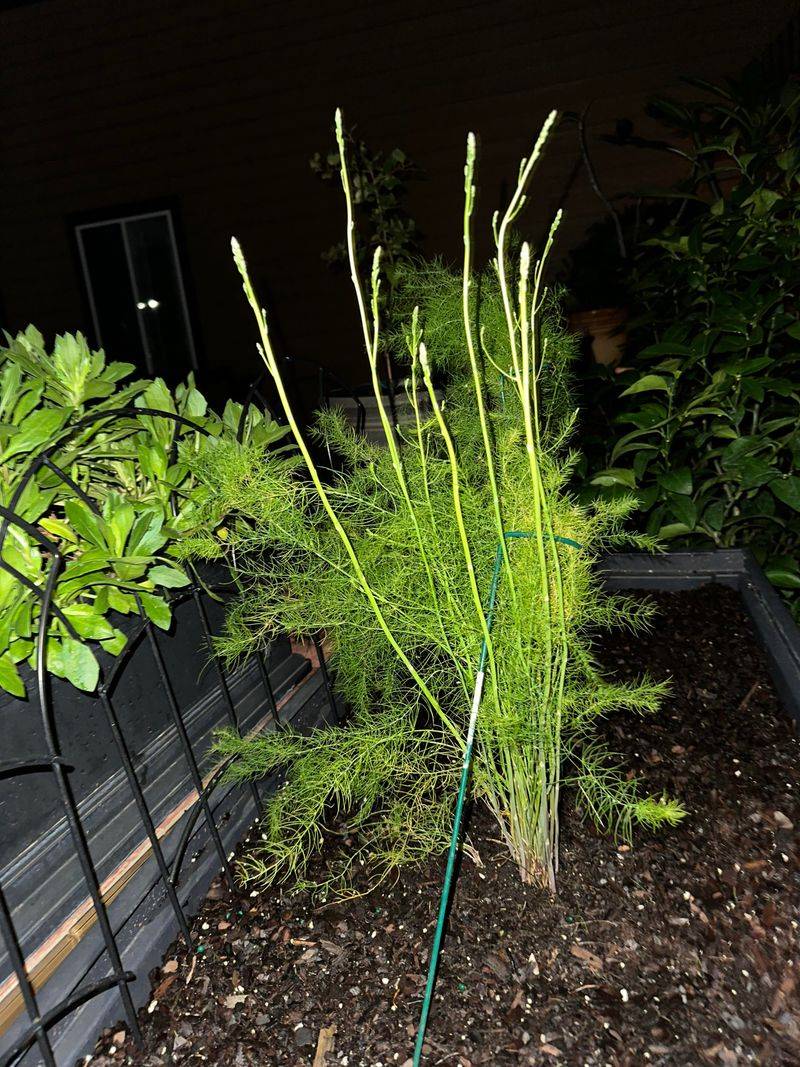
Patience is one of the most important aspects of growing asparagus. Many first-time growers are tempted to harvest those thin early spears, but doing so weakens the plant.
Resisting the urge to harvest in the first or second year allows the plant to establish strong roots, which are essential for future harvests. This early growth phase is crucial for developing a deep, resilient root system that will reward you for years.
During the first spring after planting, let every spear grow into a full fern. These ferns work to capture sunlight and store energy in the roots for future harvests.
The stronger these ferns grow, the stronger the root system becomes, ensuring a better yield in the years to come.
Asparagus plants need this time to build up their energy reserves, which ensures you’ll get healthy and productive spears in future seasons.
In the second spring, a light harvest can be taken for two to three weeks, but stop harvesting afterward to allow the plant to focus on healthy fern growth.
By the third spring, you can harvest for a full four to six weeks, and from that point onward, your asparagus bed will produce reliable spring harvests for over a decade.
Properly managing these early years sets the stage for a flourishing bed that can keep giving for many years to come.
6. Water Deeply To Support Steady Growth In Texas Heat
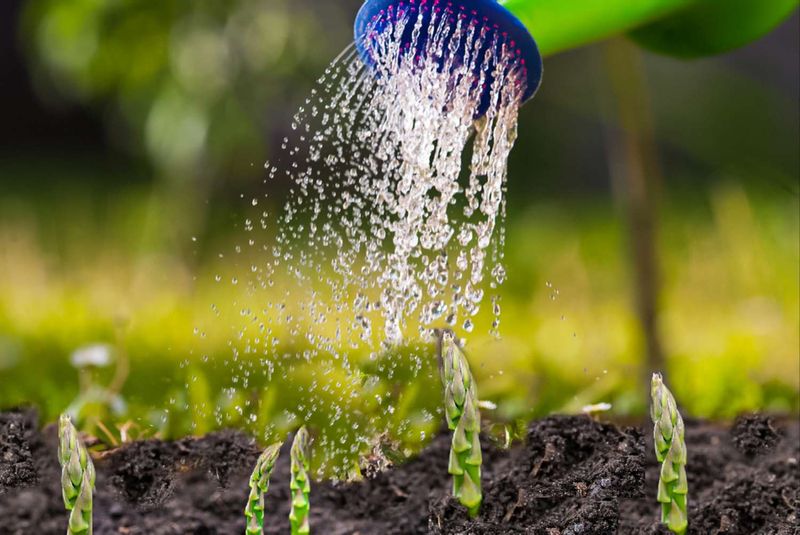
Texas summers are intense, and asparagus roots need consistent moisture to thrive. Shallow, frequent watering keeps the roots near the surface, leaving them vulnerable to drought and temperature swings.
Deep, infrequent watering trains the roots to grow downward, where they can access cooler, deeper moisture during hot weather.
Consistent moisture encourages strong root development and better overall plant health, allowing the asparagus to handle the summer heat more effectively.
Water deeply once or twice a week, providing about one to one and a half inches of water. A rain gauge or simple tuna can will help you monitor water levels.
Drip irrigation is perfect for asparagus, delivering moisture directly to the root zone without wetting the foliage, which can encourage fungal issues.
Avoid overhead watering as it can encourage pests and diseases, especially in the humid Texas summer.
Mulching with straw, wood chips, or shredded leaves helps retain moisture and keeps the roots cool. Mulch also breaks down over time, enriching the soil and supporting long-term asparagus health.
In addition to keeping the soil temperature regulated, mulch helps reduce the frequency of watering, especially during the hot Texas months when water retention becomes even more important.
7. Feed The Bed To Keep Spears Coming Back Strong
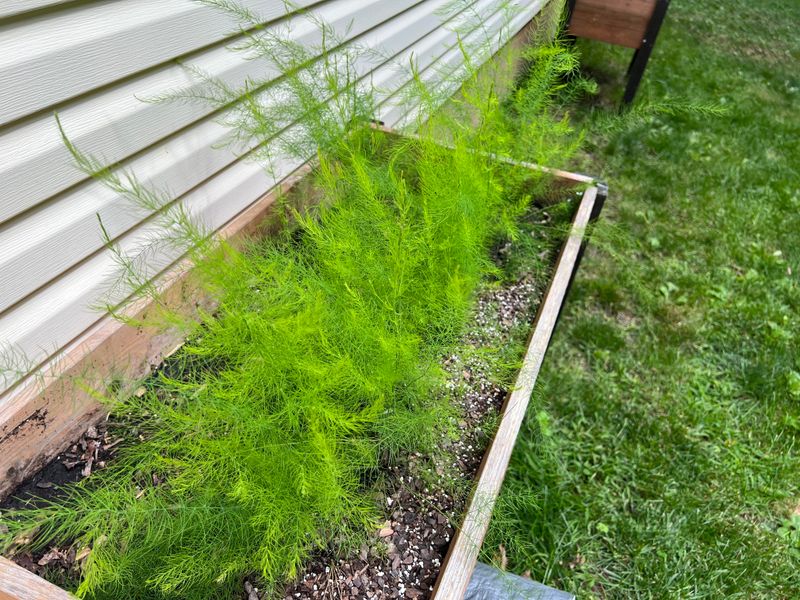
Asparagus is a heavy feeder, and feeding it at the right times makes a noticeable difference in spear production. Applying fertilizer at the wrong time, however, can result in weak, leggy growth or nutrient imbalances.
Fertilization needs to be strategically timed to give your asparagus the energy it requires during key growth periods.
In early spring, just before spears emerge, apply a balanced fertilizer, like a 10-10-10 granular formula, to give the plants the nutrients they need to start the growing season strong.
Follow the label carefully to avoid over-applying, especially nitrogen, which can cause excessive leaf growth.
Over-fertilizing in early spring can lead to more foliage but fewer spears, which is not ideal for a productive harvest.
After the harvest, side-dress the bed with compost or a nitrogen-rich fertilizer to support strong fern growth, as the ferns are essential for building energy for the following year’s harvest.
These ferns store energy that fuels next spring’s spears, making it crucial to keep them healthy and vigorous.
Avoid fertilizing late in the season, as it can cause tender new growth that won’t survive Texas’s winter temperatures.
A simple annual soil test will help fine-tune your fertilization routine and ensure you’re applying the right nutrients in the right amounts.
8. Let Ferns Grow After Harvest To Fuel Next Spring’s Crop
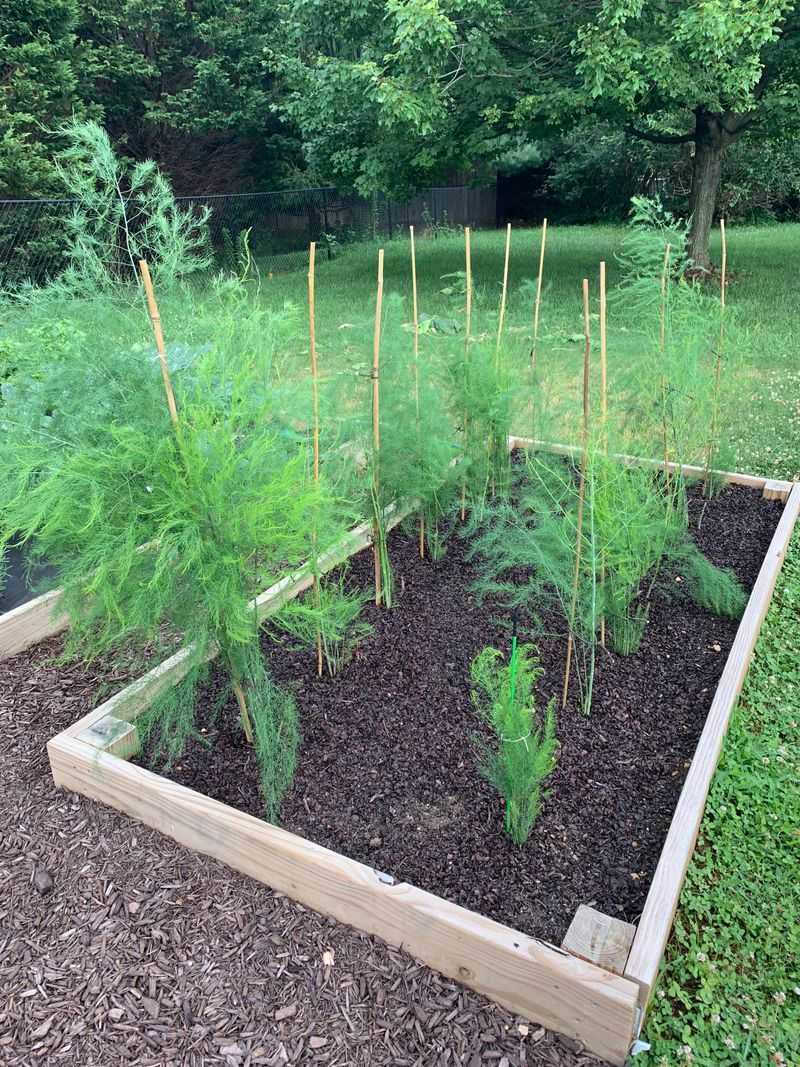
Once your harvest season ends, stop cutting spears and allow the ferns to grow freely. These tall, feathery fronds are the plant’s primary food-making engine, turning sunlight into energy that will fuel next spring’s crop.
It’s easy to overlook the importance of these ferns, but they play a key role in building the root system’s strength and preparing for future harvests.
Cutting them too early or allowing them to get damaged can reduce the plant’s overall health. Let the ferns grow throughout the summer to store energy in the roots for the next season.
The bigger and healthier the ferns grow, the stronger the roots become, and this is what drives the plant’s productivity in the years to come. In the fall, when the ferns turn yellow, they’re signaling the plant’s natural rest period.
In late fall, after the fronds naturally turn yellow and begin to dry out, cut them back to just a few inches above the soil. Dispose of the material carefully to avoid spreading pests or disease.
Allowing the ferns to grow freely and protecting them from early cuts ensures your Texas asparagus bed stays healthy and ready to produce abundant harvests for many years to come.
Proper management of this period maximizes the strength of the plant for next year’s crop, ensuring your asparagus bed continues to provide bountiful yields.